
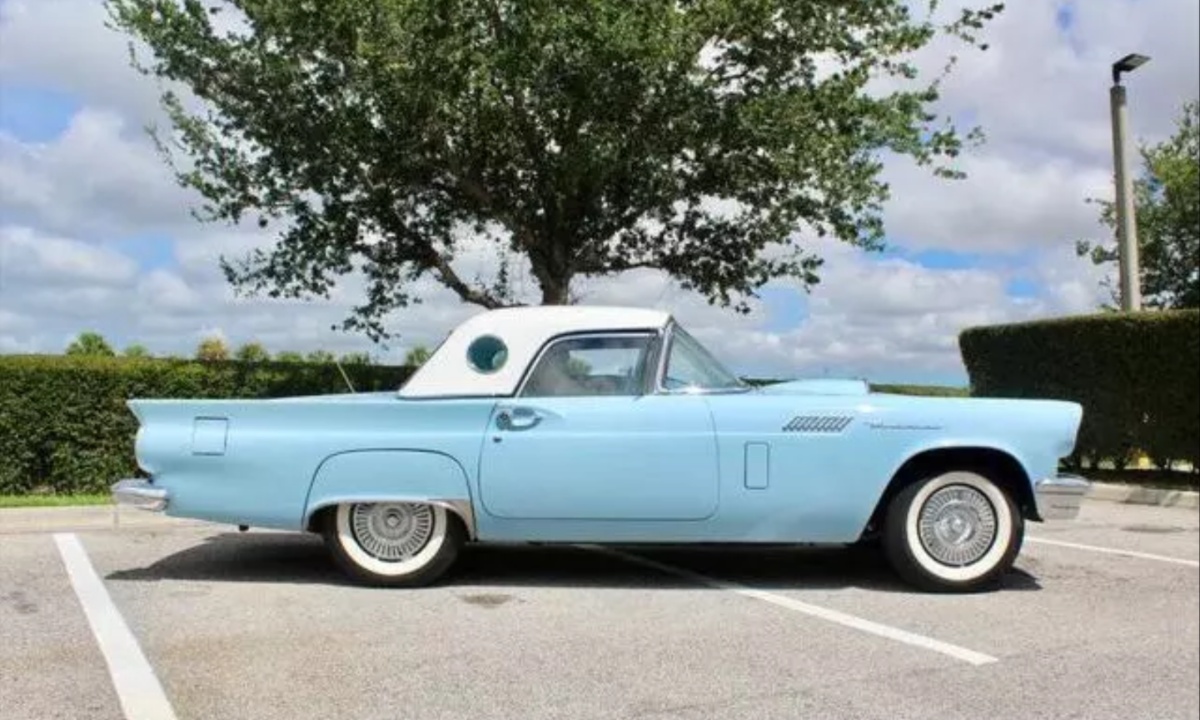
The Ford Thunderbird carries a special place in American automotive history. With its debut in the 1950s, it was more than a car; it was a statement of style, performance, and individuality.
Over the decades, the Thunderbird evolved from a two-seater sports car into a luxury cruiser, attracting a loyal community of enthusiasts.
While the model has been discontinued, many classic versions are still treasured today, carefully maintained by collectors and drivers who appreciate its timeless charm.
However, one recurring issue that classic car owners face is keeping these vehicles alive for as long as possible. Despite the Thunderbird’s durability when properly maintained, it is prone to premature wear and major mechanical issues if not cared for correctly.
Many owners unknowingly contribute to the early decline of their Thunderbird through habits that seem harmless at first but eventually take a serious toll.
From neglecting regular maintenance schedules to using the wrong kind of fuel, these small errors build over time and can cause lasting damage to the engine, transmission, and even the bodywork. Understanding these habits is crucial for anyone committed to keeping their Thunderbird on the road for decades.
Classic cars like the Thunderbird are not only valuable machines but also cultural icons. Each part, whether it is the carburetor, suspension, or transmission, requires consistent care and attention.
Unlike modern vehicles with advanced warning systems, the Thunderbird often gives subtle signs of trouble. If ignored, these signs can shorten its lifespan dramatically.
This article focuses on eight common habits that often lead to a Ford Thunderbird wearing out too early.
By recognizing them and avoiding such mistakes, Thunderbird owners can preserve both performance and value. With proper care, this vehicle can remain a source of pride rather than a constant source of costly repairs.
Also Read: 5 Motors That Love Long Drives and 5 That Hate Highways
Habit 1: Neglecting Regular Oil and Fluid Changes
One of the most damaging habits an owner can develop with a Ford Thunderbird is skipping or severely delaying oil and fluid changes.
While modern engines have more advanced designs that allow them to withstand longer intervals between oil services, older engines like those in Thunderbirds are less forgiving.
Oil serves as the lifeblood of the car’s engine, providing lubrication and helping regulate temperatures. When it becomes contaminated with dirt, sludge, or combustion byproducts, its protective qualities diminish.
A neglected oil change schedule can lead to internal engine wear, clogged passages, and overheating.
The Thunderbird’s V8 engines, for example, generate significant heat during operation, and without clean oil circulating properly, metal components rub together and grind prematurely.
Once the damage begins, owners may hear knocking sounds, experience loss of performance, and eventually face engine failure.
It is not only the oil that matters but also other fluids like coolant, transmission fluid, and brake fluid. An unchecked cooling system can result in overheating episodes that quickly warp cylinder heads or blow gaskets.
Allowing brake fluid to absorb moisture reduces braking effectiveness and can corrode brake lines, while ignoring old transmission fluid can cause slipping and delayed gear changes.
The Thunderbird, especially classic models, requires a more traditional maintenance discipline. Oil should be changed at intervals far shorter than on today’s synthetic-heavy vehicles, often around every 3,000 miles or annually depending on use.
Using proper filters and manufacturer-recommended fluids ensures that the system functions as intended.
Many classic car owners make the mistake of parking the vehicle for long periods without considering that fluids break down even while sitting idle. Regular cycling and yearly inspections remain essential.
Owners who underestimate the importance of fluid maintenance often pay the price through costly rebuilds or replacements.
Addressing this habit early preserves the heart of the Thunderbird and allows the car to perform smoothly for decades rather than suffering an early demise.
Habit 2: Driving Aggressively and Abusing the Transmission
The Thunderbird was never strictly a sports car. While it carried powerful V8 engines and decent straight-line performance, it was designed for comfortable cruising rather than aggressive racing.
Many owners, lured by the raw power under the hood, adopt a driving style that subjects the drivetrain to unnecessary stress. Rapid acceleration, harsh braking, and constant high-speed runs strain both the engine and transmission.
Classic automatic transmissions in Thunderbirds are particularly sensitive compared to modern systems.
Slamming gears, shifting abruptly from drive to reverse without pausing, or constantly pushing the vehicle to its speed limits can shorten the life of these components.
Transmission overheating is a common result of aggressive driving, and once fluid temperatures soar, internal seals and clutches wear at an accelerated rate.
Repairing or replacing a transmission is one of the most expensive outcomes Thunderbird owners face.
Beyond the mechanical costs, aggressive driving weakens the suspension, increases the rate of tire wear, and puts unnecessary stress on brakes.
Thunderbirds were built to cruise steadily rather than carve sharp corners at high speeds. Treating one like a performance sports car undermines its intended purpose and gradually destroys its delicate balance between power and comfort.
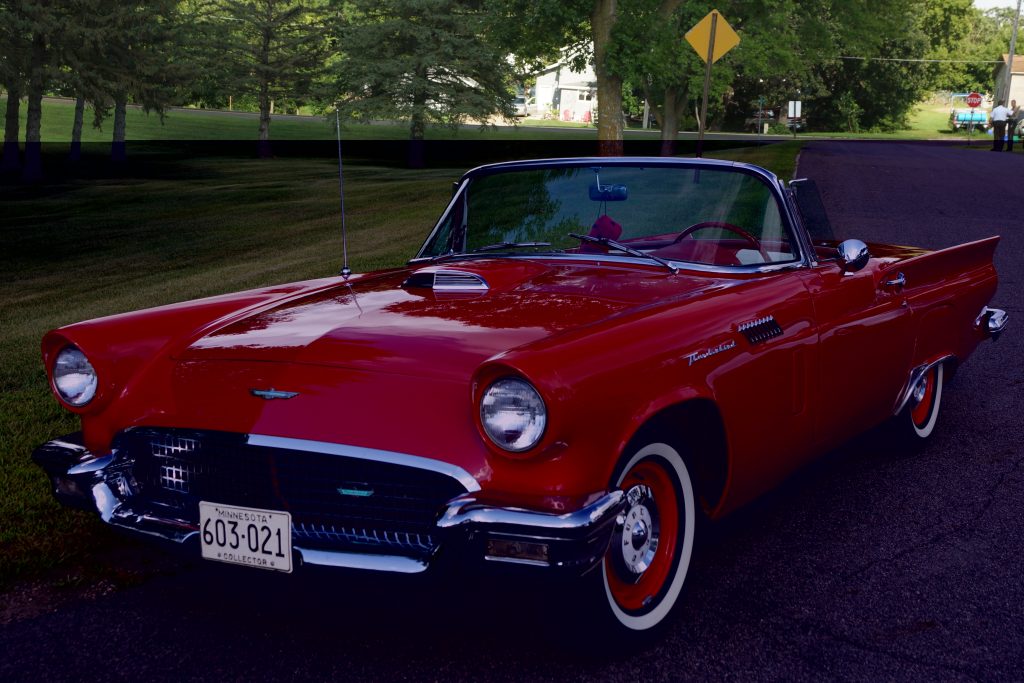
Another overlooked aspect is cold driving. Revving the engine hard immediately after startup is detrimental since the oil has not had time to circulate fully.
These older blocks need a few moments of warm-up before heavy load driving. Skipping this patience accelerates wear on internal surfaces.
Driving style directly connects to the Thunderbird’s longevity. Respecting its nature as a luxury cruiser instead of forcing it into performance scenarios drastically reduces mechanical strain.
Conserving smoother shifts, allowing the transmission fluid to remain at healthy temperatures, and giving the car more relaxed treatment ensures it provides comfort and dependability for years.
Owners who abuse the Thunderbird like a racing machine can expect breakdowns far sooner than those who truly understand its intended driving spirit.
Habit 3: Using Cheap or Incorrect Fuel and Parts
Thunderbirds were built during an era when fuel formulations were different, and many models were designed with performance in mind. Detuning or neglecting proper fuel quality has major impacts on the car’s health.
Using low-grade fuel creates issues like knocking, pre-ignition, and buildup on valves. Over time, the engine loses both efficiency and reliability.
Modern pumps may not offer the exact type of fuel these cars were designed for, which is why enthusiasts often recommend higher-octane gasoline where applicable.
Beyond fuel, another common problem is relying too heavily on cheap aftermarket parts. While aftermarket support can be useful, certain cut-rate components lack precision in design and material quality.
Brake pads, filters, gaskets, and suspension parts produced with poor manufacturing standards often fail earlier than original equipment. Installing such components may save money in the short term but usually results in repeated replacements and sometimes catastrophic failures.
A misstep that many casual owners make is treating their Thunderbird like a mass-market vehicle where any generic component will suffice.
The problem is that older, unique systems were engineered with specific tolerances, and failing to respect those tolerances makes the car vulnerable.
For example, improper carburetor kits or wrong spark plug grades cause poor combustion patterns, stuttering, and potential long-term head damage.
A better approach involves using OEM (original equipment manufacturer) parts or high-quality reproductions from reputable sources.
Similarly, additives for fuel can sometimes maintain the lubrication properties that were common in leaded gasoline, protecting valves from premature wear.
The Thunderbird thrives when treated with the respect of proper materials. Owners who fuel it improperly or feed it questionable parts are directly undermining its performance and longevity.
A car known for its individuality and elegance deserves compatible components and fuel quality that allows it to operate as originally intended.
Disregarding such basic commitments to authenticity risks more than just breakdowns; it deteriorates the authenticity and value of the Thunderbird itself.
Habit 4: Ignoring Rust and Body Maintenance
Mechanical issues are often the focus of maintenance discussions, but for the Ford Thunderbird, overlooking body care is equally dangerous.
Rust remains one of the most destructive forces against classic vehicles. From the frame to subtle spots under weather seals, untreated rust gradually eats away until structural integrity is compromised.
Owners often think of rust as just a cosmetic nuisance, but the reality is far more serious. Critical components, including suspension mount points, floorboards, and trunk panels, can weaken if corrosion spreads unchecked.
In severe cases, restoring rust-damaged areas costs more than significant engine repairs, and in extreme situations, the car may become unsafe to drive altogether.
Classic Thunderbirds are particularly vulnerable because they often get stored for long periods. Cars that remain stationary in poorly ventilated garages without humidity control accumulate moisture in hidden crevices.
Water trapped beneath door seals or under carpeting silently corrodes the metal. Road salt exposure from winter conditions accelerates this destruction if the car is driven seasonally without proper underbody protection.

Simple preventive habits go a long way. Regular washing, even if the car is rarely driven, helps remove contaminants that cling to painted surfaces.
Waxing protects against moisture penetration, and periodic inspections underneath the vehicle reveal problem spots before they expand. For collectors who only drive occasionally, investing in a dehumidified environment or covering the vehicle with a breathable car cover is advisable.
Rust does not wait for convenience. Once it starts, it expands, weakening panels and requiring invasive restoration involving cutting, welding, or panel replacement. Owners who dismiss surface corrosion as harmless often regret it once repairs become overwhelming.
Taking rust seriously is not just about visual appearance; it is about ensuring the Thunderbird maintains its structure, value, and identity as a timeless classic rather than fading prematurely into junk condition.
Habit 5: Skipping Regular Brake and Suspension Maintenance
While horsepower and exterior shine draw attention, safety systems like brakes and suspension define whether a Thunderbird remains reliable for use. Neglect in these areas is another habit that shortens the car’s lifespan.
The braking system in older Thunderbirds relies heavily on hydraulic pressure. Over time, moisture contamination weakens brake fluid, corroding lines and cylinders.
The result is fading pedal response, uneven braking, or complete failure during emergency scenarios. Owners who rarely inspect or flush brake fluid set themselves up for dangerous situations.
Suspension components also require careful attention. Bushings, ball joints, and shock absorbers naturally deteriorate with age, especially in heavier vehicles like the Thunderbird.
A loose or unbalanced suspension accelerates tire wear, reduces handling stability, and creates more stress on the chassis. Using the car with a failing suspension does not just compromise comfort but gradually affects the vehicle’s alignment and structural well-being.
Another frequent oversight involves wheels and tires. Many enthusiasts keep vintage cars parked for long periods, leading to flat spots, cracks, and dry rot in tires.
Attempting to drive with compromised tires is unsafe and can lead to blowouts at speed. Proper storage practices, including tire rotations and inflation checks, are critical.
When brakes or suspension systems operate below their intended capability, the car loses its original driving dynamics.
Owners may think their Thunderbird feels fine until an emergency stop or sharp turn exposes the flaws. The danger is not only to the vehicle but to passengers and others on the road.
Routine inspections, fluid replacements, and addressing small suspension noises early preserve both durability and safety.
Skipping these habits might appear harmless for a collector’s car that is rarely driven, but issues accumulate silently until they become catastrophic. For the Thunderbird to age gracefully, its brakes and suspension need as much attention as the engine or body.
Habit 6: Storing the Car Improperly
Storage habits play a massive role in a Thunderbird’s survival. Classic cars often spend more time parked than driven, and improper storage accelerates deterioration.
Leaving a Thunderbird outside year-round exposes it to UV rays, moisture, and fluctuating temperatures. Paint fades, rubber seals crack, and interiors dry out or mold. What may begin as minor cosmetic wear can quickly spread into mechanical and structural harm.
Moisture is the greatest enemy of parked vehicles. Garages without proper ventilation trap humidity that works its way into upholstery, electrical connections, and hidden corners of body panels.
Firewalls and floors rust from the inside, and electrical malfunctions arise from corroded contacts. Many owners mistakenly throw on plastic covers that trap condensation close to the paint, turning protection into damage over time.
Fuel also deteriorates in long-term storage. Unstabilized gasoline forms varnish, clogging carburetors or fuel injectors. Seals and gaskets within the fuel system dry up and crack when they sit too long without use.
Batteries discharge, causing sulfation that reduces lifespan. An immobile Thunderbird requires careful preparation before extended rest, not just a simple switch-off and walk-away.
The key lies in proper storage technique. A breathable car cover, consistent indoor temperature, fuel stabilizer, and routine battery maintenance extend the car’s health.
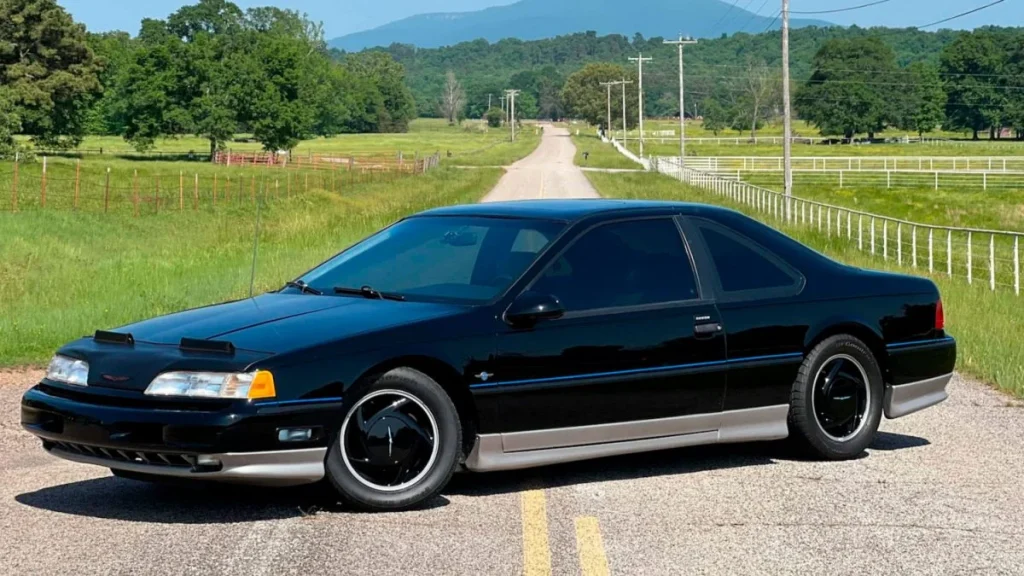
Periodically running the engine or even taking short careful drives keeps fluids circulating, preventing gaskets from hardening. Tire care is also important: using jack stands or rolling the car avoids deep flat spots during long off-seasons.
Improperly stored Thunderbirds begin aging even when stationary. Resisting the temptation to let them sit untouched is vital. Those who store their vehicles carefully find them faithful when brought back to the road.
Conversely, casual storage choices destroy a car’s charm before its mileage ever has a chance to do so. Preservation requires thoughtful resting conditions just as much as driving upkeep.
Habit 7: Overlooking Electrical and Wiring Systems
Electrical issues are often underestimated in classic cars like the Thunderbird. Over the years, wiring insulation cracks, connectors loosen, and grounding points corrode. Ignoring these weaknesses creates cascading problems, from stalling engines to nonfunctional gauges, and eventually, even fire risks.
Owners who assume the wiring will continue working without inspection develop one of the most dangerous habits a Thunderbird can suffer.
The Thunderbird was built during a time of simpler wiring systems compared to modern cars. However, the age factor means insulation stiffens, becomes brittle, and exposes copper wiring.
Older fuses and relays also lack durability under repeated cycles. When moisture or rodents interact with neglected wiring, shorts appear that may damage irreplaceable components or leave the car stranded.
Many enthusiasts focus restoration efforts on paint and mechanics but allow decades-old wiring to remain untouched. Even if the system appears to function, resistance within corroded connections weakens charging efficiency and strains the battery.
Headlights may dim, starters may hesitate, and alternators may overwork themselves trying to compensate. Left unresolved, the electrical platform collapses prematurely.
Proper electrical maintenance involves replacement of old harnesses with quality reproductions, regular inspections of connections, and cleaning grounding points.
Batteries must also be checked frequently for corrosion at terminals. Carving out time for these tasks may appear unnecessary compared to mechanical maintenance, but it directly preserves reliability.
A particular danger lies in owners adding modern electronics without considering the strain. High-powered audio systems, additional lights, and aftermarket gadgets often overload aging wiring.
Without upgraded alternators or circuits designed for the extra load, components fail faster. Balancing originality with upgrades requires careful planning, not careless installation.
Respecting the Thunderbird’s electrical integrity means treating it with equal importance as the engine and body.
Small sparks or sluggish accessories could be early warnings of larger failures. By correcting electrical neglect early, owners secure both performance and safety, giving their car the stability needed to survive decades more.
Habit 8: Rarely Driving the Thunderbird
Many classic car owners, in their efforts to “protect” the Thunderbird, fall into the mistake of rarely driving it. Letting a car sit untouched for months, or even years, often causes more harm than regular careful use.
Engines are meant to move, fluids are meant to circulate, and seals are meant to remain pliable. Without exercise, these systems break down.
Fluids such as oil and coolant deteriorate with time, even if miles are not being added. Parts within the braking system seize. Carburetors clog as fuel turns stale. Tires flatten against the ground and develop permanent flat spots.
A battery left idle gradually loses charge and eventually will not hold one at all. Sitting in storage without occasional operation slowly turns a fully functional car into a collection of seized mechanisms.
Driving periodically prevents these problems. Short drives allow oil to coat internal surfaces, brakes to operate under pressure, and tires to maintain shape.
A Thunderbird that runs occasionally remains far healthier than one preserved like an artifact. The seals around doors and windows also remain flexible when exposed to regular use, reducing cracks and leaks.
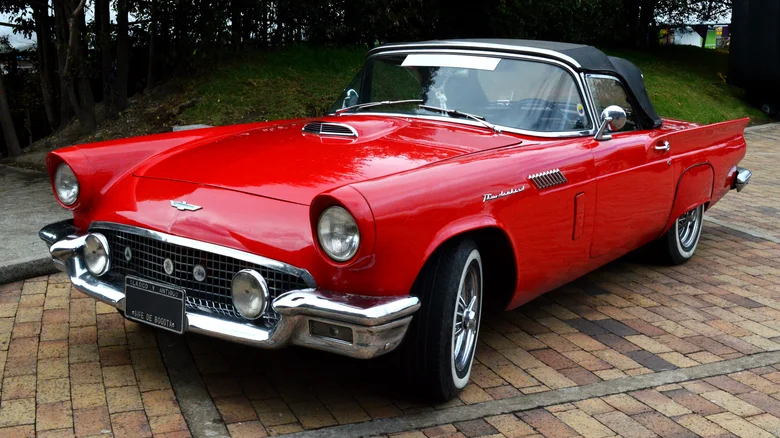
Another damaging oversight is avoiding highway use altogether. Owners often think gentle neighborhood routes are enough. However, extended operation at proper speeds ensures the engine reaches full temperature, burning off moisture and carbon deposits.
Keeping the Thunderbird permanently at idle or brief trips causes buildup that compromises performance over time.
Rarity of movement may preserve mileage figures for collectors, but it jeopardizes the working condition of the vehicle. Classics need maintenance, but they also need exercise.
Owners who strike the balance of periodic careful drives keep their Thunderbird faithful, responsive, and mechanically alive. Rarely driving it in the name of safety ironically shortens the life span of the very machine intended to be kept pristine.
Unlike modern cars that tolerate longer service intervals, the Thunderbird thrives on traditional schedules.
Oil, coolant, brake fluid, and transmission checks should be consistent regardless of mileage. Annual inspections by trusted mechanics familiar with classic cars prevent unseen damage.
The Thunderbird is a cruiser, not a race machine. Respecting this identity ensures longevity. Smooth acceleration and braking, along with patience during engine warm-up, protect both engine and transmission.
Higher-octane gasoline where recommended is essential, and OEM-grade parts prevent early failures. Investing a bit more upfront reduces long-term repair bills. Keeping authenticity in components also preserves collector value.
Rust spreads silently, so vigilance should be constant. Wash and wax regularly, keep drainage channels clear, and store in environments that minimize humidity. Even covering the Thunderbird requires breathable fabric to avoid condensation build-up.
Routine testing of stopping distances, brake pedal feel, and suspension behavior avoids surprises. Changing old brake hoses or timing suspension refreshes keeps the Thunderbird dependable. Tires should always be monitored for age, not just tread depth.
Also Read: 5 Engines That Run Better After 100K and 5 That Decline Immediately
