
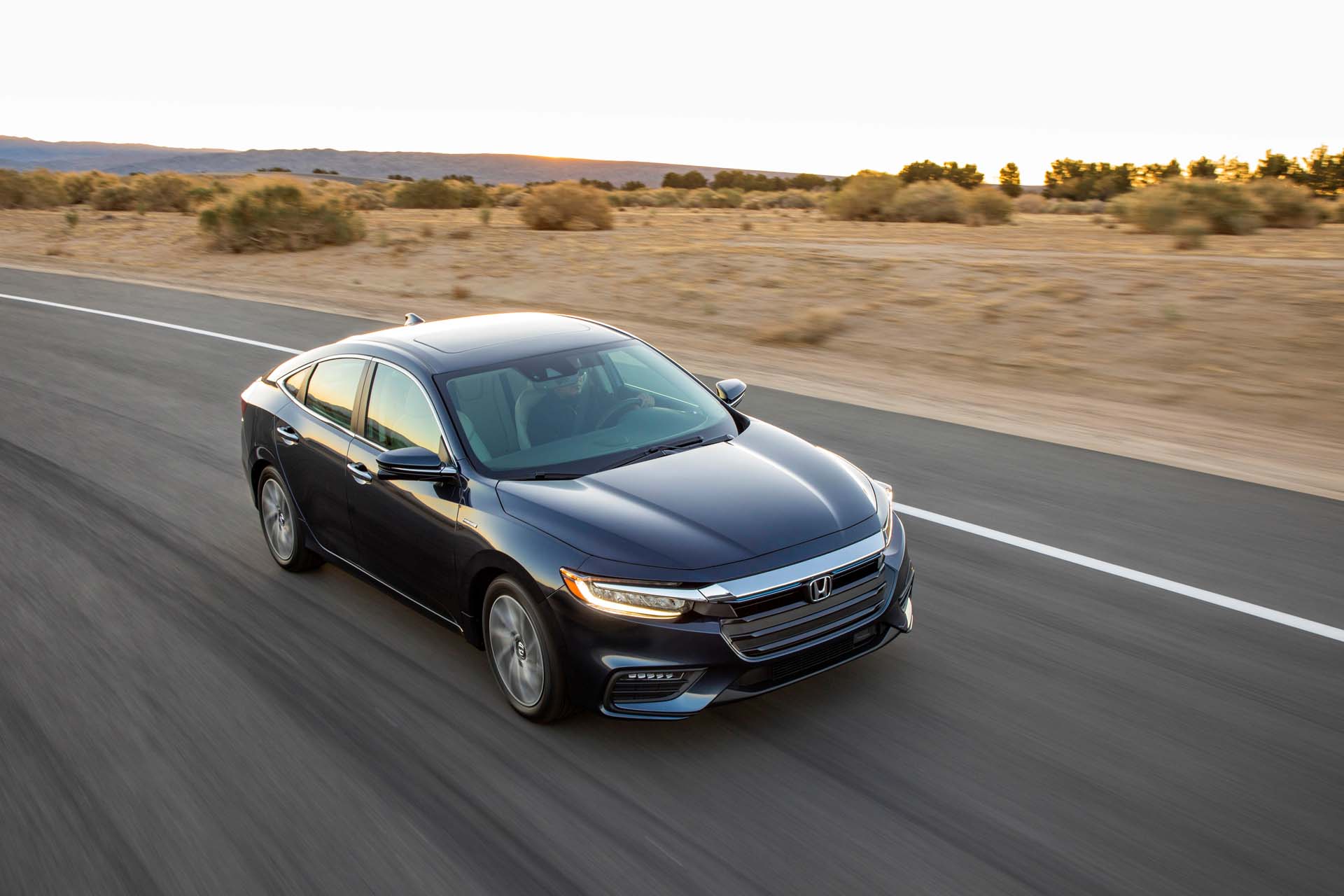
Fuel efficiency is one of the main reasons people choose the Honda Insight, as it combines the practicality of a sedan with hybrid technology that stretches each gallon of fuel further.
Owners purchase this vehicle expecting consistent performance and lower running costs, yet over time, drivers may notice their miles per gallon slipping away.
While part of this can be due to natural wear as the car ages, much of it comes down to habits, maintenance, and environmental factors that influence efficiency.
The good news is that this drop is not inevitable, and with the right measures, Insight owners can prevent significant fuel economy losses.
The process of keeping a hybrid at its peak efficiency is not limited to mechanical adjustments but also relates to how the car is driven daily.
Even small changes in routine can gradually chip away at performance numbers, turning what should be a 50-mpg ride into something closer to the upper 30s.
That shift not only impacts fuel expenses but also defeats the purpose of owning a hybrid designed with sustainability in mind.
This article walks through nine crucial steps owners can take to maintain the Honda Insight’s remarkable efficiency.
Each one addresses a common factor that influences mileage, ranging from tire management and driving habits to deeper maintenance routines that keep the hybrid system functioning smoothly.
Together, these practices ensure that drivers continue enjoying the savings and long drives associated with the model, without facing the frustration of dwindling numbers on the dashboard display.
Also Read: 10 Things That Keep a Nissan Leaf Ready for 300,000 Miles
Step 1: Maintain Proper Tire Pressure
Tire maintenance is one of the simplest yet most overlooked contributors to fuel efficiency. For a hybrid like the Honda Insight, every detail in rolling resistance makes a measurable difference in miles per gallon.
Tires that are underinflated create additional drag, which means the engine and battery motor both need to work harder to keep the vehicle moving, and this directly reduces efficiency. Keeping tires filled according to the manufacturer’s recommended pressure range is the first defense against wasted fuel.
Drivers often assume that setting tire pressure once at installation is enough, but that approach leads to gradual inefficiency. Tire pressure responds to changes in weather, road conditions, and time.
Cold temperatures reduce internal air pressure, and over several weeks of driving, even a tire in excellent condition can lose 1 to 2 psi. That might not sound like much, but across all four wheels, it adds up to noticeable strain on the vehicle’s energy system.
A good rule of thumb is checking tire pressure at least once a month, and always before long trips. Using a digital pressure gauge provides more accuracy than older analog tools, ensuring adjustments are made precisely, not roughly.
It is also essential to measure tire pressure when the tires are cold, since heat from driving temporarily inflates readings.
Another aspect worth considering is tire type. Low rolling resistance tires are designed to complement hybrid technology by reducing the amount of energy lost during rotation.
Switching to performance-oriented or oversized wheels may compromise efficiency, as they often emphasize handling or aesthetics over economy.
Rotating tires regularly, roughly every 6,000 to 8,000 miles, further ensures even wear across the set. Uneven wear affects balance and increases drag, ultimately influencing how efficiently the vehicle maintains motion.
By treating tire care as preventive maintenance rather than an afterthought, Honda Insight owners safeguard one of the simplest yet most critical factors for maximizing MPG.
Step 2: Drive with Smooth Acceleration and Braking
Hybrid systems like the one in the Honda Insight are most efficient when driving is predictable and steady.
Rapid acceleration or hard braking interrupts the balance between the gasoline engine and electric motor, forcing the system to expend more energy than necessary.
Smooth transitions, on the other hand, allow the hybrid design to maximize regenerative braking while also keeping the engine in its most efficient zone.
A common misconception is that quick bursts of acceleration save time and fuel by reaching speed faster and then coasting. In reality, the large injection of fuel needed to get the car moving outweighs any potential savings from coasting afterward.
Gentle increases in throttle provide the motor with a controlled workload. This lets the electric side of the system contribute more consistently, conserving gasoline use.
Equally important is braking. The Insight harvests energy during deceleration and stores it in the battery through regenerative braking. However, if braking is abrupt, much of the potential energy gets wasted as heat in the brake pads.
Anticipating stops, easing off the accelerator earlier, and applying the brake smoothly allows more recovery time for stored energy. That directly improves fuel economy since the motor has a stronger energy reserve to draw from later.
City driving particularly showcases the value of smooth habits. Constant stop-and-go conditions drain efficiency quickly if a driver accelerates aggressively, only to slam the brakes shortly after. The hybrid system works best with consistency.
Practicing anticipation, leaving extra space between cars, and flowing with traffic can lead to dramatic mpg improvements over time.
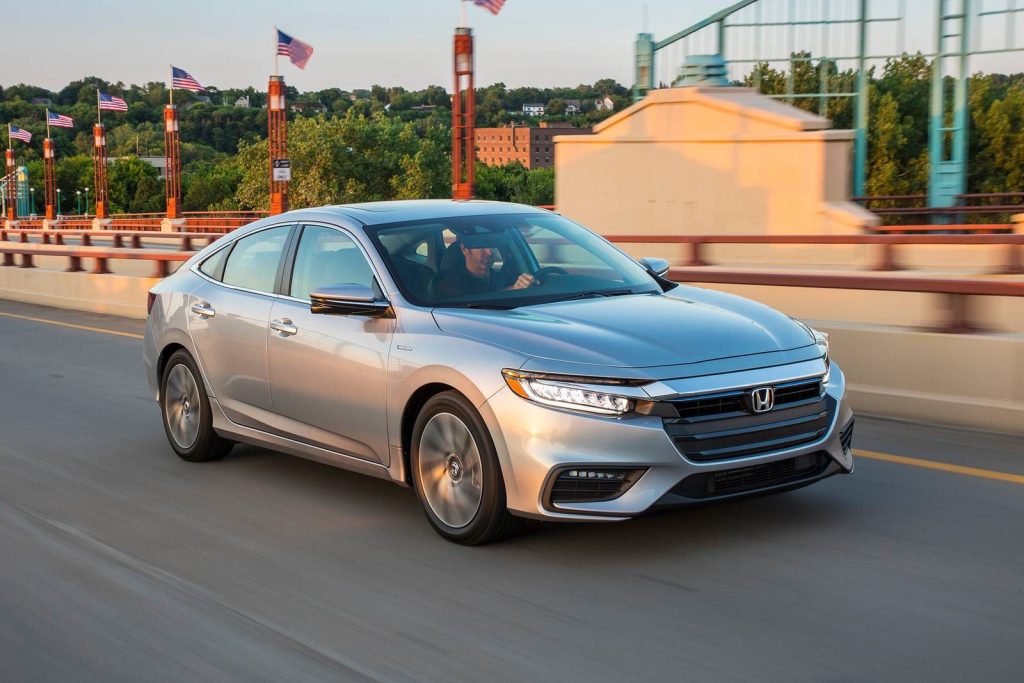
Cruise control on highways is another helpful tool. It minimizes unnecessary fluctuations in speed that drivers sometimes cause without realizing it. By holding a steady pace, fuel use stabilizes as well.
Ultimately, smooth operation respects the design of the hybrid system. Every cycle of energy use is more carefully managed, creating fewer peaks of strain and more room for efficiency.
For Honda Insight owners, adopting steady acceleration and braking is one of the most straightforward habits to preserve excellent mileage across years of ownership.
Step 3: Limit Unnecessary Idling
Idling has long been considered harmful to fuel economy, and while hybrids like the Honda Insight handle this better than traditional cars, the problem still exists. The Insight often shuts down its gasoline engine when idling, relying instead on electric power.
However, prolonged stationary periods still drain the battery, forcing the system to restart the engine more frequently to recharge. Each restart consumes fuel that provides no real progress in distance traveled.
Many drivers underestimate how quickly idling accumulates. Waiting in a parking lot with the air conditioning on, leaving the car running while sending a text, or warming the car for long minutes in cooler weather all add unnecessary costs.
Even ten minutes of idle use can eat into efficiency numbers significantly over a week of driving.
The better habit is simply to shut the car off if waiting for more than a minute or two. Unlike older vehicles, modern hybrids do not need extended warm-ups. They are designed to start, run, and perform efficiently almost immediately.
Another consideration is environmental impact. While the Insight is already cleaner than most traditional gas-powered cars, idling still produces emissions when the engine cycles on to recharge the battery. Reducing idle time not only protects fuel efficiency but also reinforces the environmental benefits hybrid owners value.
Technology helps make this easier. The Insight comes equipped with an auto start-stop function, but being conscious of idle times and supporting this with manual shut-offs where appropriate makes the system even more effective.
For drivers in heavy traffic areas, this awareness can mean significant fuel preservation across the course of the year.
In summary, while some idling is unavoidable, developing the discipline to cut it whenever possible keeps the fuel system efficient, prolongs battery effectiveness, and aligns perfectly with the Insight’s purpose as a hybrid built for economy.
Every minute saved from unnecessary idling is another small contribution to maintaining the strong mpg Insight drivers expect.
Step 4: Use Eco Mode Effectively
Honda included Eco Mode in the Insight for a good reason. This setting adjusts throttle response, air conditioning output, and power distribution to focus on conserving energy.
Many owners underestimate its effect or only use it occasionally, yet making it part of daily driving habits can play a significant role in maintaining high fuel economy.
Eco Mode softens throttle sensitivity, meaning that even if a driver presses slightly harder on the pedal, the car delivers smoother acceleration. This prevents the spikes in fuel consumption often caused by aggressive inputs.
In city driving conditions, where constant stopping and starting occurs, the reduced sensitivity helps drivers maintain steadier, more economical performance.
Climate control systems also draw considerable energy, particularly air conditioning. Eco Mode moderates this demand, striking a balance between comfort and efficiency.
While it might not cool the cabin as quickly on extremely hot days, the long-term trade-off is lower energy strain on both the electric system and the gasoline engine.
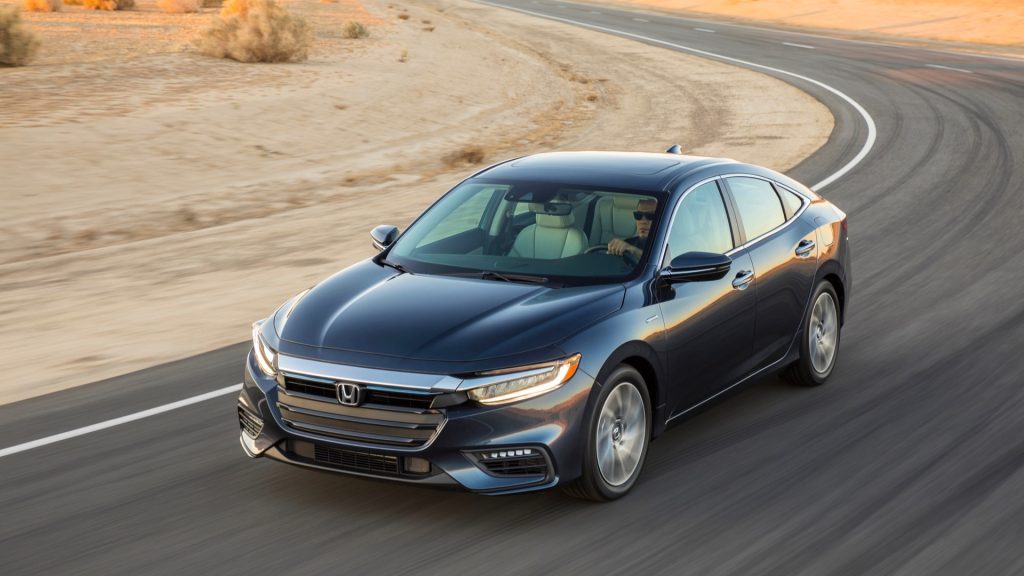
Another subtle benefit is psychological. Driving in Eco Mode encourages mindfulness about habits. The change in throttle feel and slightly longer acceleration times remind the driver that they are driving for economy, not speed. That awareness can shift broader patterns over time.
Of course, there are moments when Eco Mode might not suit every need. For merging onto highways or overtaking, a driver may prefer to temporarily disengage it for extra responsiveness. However, as a default choice for city streets and commutes, Eco Mode consistently enhances efficiency.
When combined with attentive driving, this feature works exactly as designed: extending the benefits of the hybrid system and helping owners maintain mpg numbers at their intended levels.
Drivers who fully embrace Eco Mode instead of rarely toggling it will notice that efficiency remains far more consistent over the lifespan of their Honda Insight.
Step 5: Stay Current with Oil and Filter Changes
Routine maintenance is crucial for any vehicle, but hybrids amplify the importance because their performance depends on seamless cooperation between engine, motor, and battery.
Oil and filters are small components that play outsized roles in sustaining efficiency. Neglecting them slowly erodes mpg even if no immediate failure appears.
Engine oil lubricates internal parts, reducing friction and allowing smoother operation. As time passes, oil breaks down, loses viscosity, and accumulates contaminants.
Thicker or degraded oil forces the engine to work harder, using more fuel to achieve the same rotational force. Sticking to scheduled oil changes restores proper lubrication and helps keep the combustion side of the hybrid functioning at optimal efficiency.
Air filters also directly impact fuel economy. A clogged filter restricts airflow into the engine, disrupting the balance needed for efficient combustion. Less air means the engine must adjust fuel injection, often burning more gasoline to compensate.
Replacing the air filter at recommended intervals is inexpensive but provides tangible gains in performance and savings at the fuel pump.
For the Insight’s hybrid system, cabin air filters may not directly affect mpg but play a role in driver comfort. A comfortable cabin lets owners confidently use Eco Mode settings without being tempted to override them for improved airflow.
Sticking with manufacturer-recommended oil grades and parts ensures the hybrid system’s fine-tuned design remains balanced. Using non-recommended thicker oil or cheap filters may initially seem harmless but can disrupt the car’s efficiency profile.
Regular servicing is not just about preventing breakdowns but about preserving the high efficiency numbers Insight owners purchased the car for.
By treating oil and filters as proactive care rather than reactive fixes, owners ensure each gallon of gasoline and each charge cycle delivers the mileage it was meant to. Over the life of the vehicle, the difference in cost and energy savings is considerable.
Step 6: Monitor Hybrid Battery Health
The hybrid battery is central to the Insight’s design, and its condition has a profound effect on long-term fuel economy.
While these batteries are engineered for durability, they are also subject to gradual performance decline. A weak battery cannot assist the gasoline engine effectively, forcing the car to rely more on fuel and less on electricity.
Regular diagnostic checks, whether at the dealership or through a certified mechanic, help catch early signs of battery wear. Many drivers only learn of problems after noticing significant fuel drops, but proactive testing allows intervention before mpg drops sharply.
Driving habits also influence battery health. Consistent heavy acceleration depletes the charge rapidly and can reduce how often the electric motor assists the engine.
By adopting the smooth driving techniques mentioned earlier, battery cycles remain more balanced, prolonging longevity.
Storage conditions matter too. If the vehicle is left unused for long periods, charge levels can become unstable, stressing the cells. For owners who don’t drive daily, taking the Insight for a 20 to 30-minute drive every week keeps the hybrid battery active and prevents deterioration.
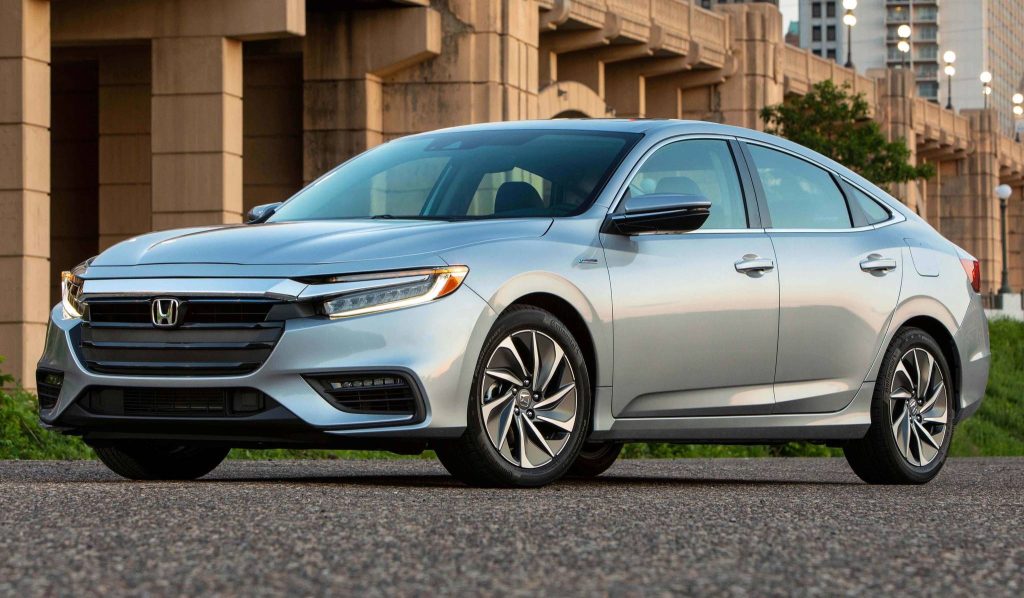
Temperature is another key factor. Extreme heat or cold places strain on batteries. Parking in shaded spots during hot weather or using a garage in winter helps maintain efficiency.
Ultimately, a well-maintained battery ensures the hybrid system can continue operating as intended.
This not only sustains high mpg numbers but also spares owners from costly repairs, since hybrid batteries represent one of the most expensive components of the vehicle.
By prioritizing regular monitoring and adopting battery-friendly driving habits, Insight drivers safeguard their car’s efficiency across many years of use.
Step 7: Reduce Excess Vehicle Weight
Carrying extra weight may seem harmless, but its effect on efficiency is more dramatic than many drivers realize. Every additional load requires more energy to start, accelerate, and keep the car in motion. For a hybrid system engineered around economical performance, unnecessary weight can quickly offset gains.
Common culprits include unused items in the trunk, rooftop cargo containers, or even carrying heavy tools and sports gear unnecessarily.
For many owners, a quick cleanout of the vehicle can result in a noticeable improvement in mpg. The lighter the load, the less strain is placed on both the gasoline engine and electric motor.
Roof racks and attachments also compromise aerodynamics, creating drag that reduces efficiency at highway speeds. Keeping the Insight streamlined by removing such additions when not in use ensures it slices through the air as designed.
Even smaller changes can help. Keeping only essential emergency supplies in the car while minimizing non-critical items trims unnecessary pounds. Shopping habits, such as waiting to unload groceries or equipment, might seem convenient at the time but create cumulative issues if left for long periods.
This principle applies beyond physical items. Fuel itself has weight. Topping off a full tank constantly may not be necessary for all driving patterns. While fuel weight alone is not as significant as large stored loads, every pound matters when efficiency is the goal.
By treating the car more intentionally and traveling lighter, Insight drivers benefit from improved performance, longer component life, and consistent fuel numbers they can rely on.
It’s a simple practice, but over months and years, it makes a serious difference in sustaining the savings hybrids were built to provide.
Step 8: Keep Up with Wheel Alignment and Suspension Care
Wheel alignment and suspension health are subtle influences on efficiency, often ignored until uneven tire wear appears. Poor alignment forces the tires to angle against the intended direction of movement, generating resistance that saps energy.

For hybrids like the Insight, even minor misalignment reduces mpg by requiring more work from the engine and motor to maintain forward progress.
Hitting potholes, curbs, or driving consistently on rough roads contributes to misalignment. Symptoms include the car pulling slightly to one side, a crooked steering wheel during straight driving, or uneven tread wear across tires. Addressing these early prevents wasted fuel and expensive tire replacement later.
Suspension components such as shocks and struts also matter. When worn, they reduce the stability of the vehicle, affecting how evenly tires contact the road. Poor contact increases drag and heightens rolling resistance. That motion not only reduces fuel economy but also compromises ride comfort and safety.
Routine service checks, often every 12,000 to 15,000 miles, keep alignment within factory tolerances. Technicians can spot early wear and make inexpensive corrections that maintain both efficiency and safety.
Drivers may not always notice incremental misalignment immediately but will experience long-term declines in fuel economy if left unchecked.
Attention to suspension also pays dividends in extending the lifespan of other components. Smooth suspension operation means tires wear evenly and steering parts undergo less strain.
Since hybrids rely heavily on reduced resistance for optimal performance, this collective care directly translates to stronger mpg numbers.
Rather than waiting for obvious symptoms, adopting preventive appointments ensures the Honda Insight continues to perform efficiently, minimizing strain across its hybrid system and preserving the economical results owners depend on.
Step 9: Use Quality Fuel and Keep Injectors Clean
The final piece of maintaining fuel efficiency lies in the quality of fuel and the condition of the fuel delivery system.
Not all gasoline is the same, and lower grades may contain fewer detergents or additives that protect against buildup. Over time, carbon deposits collect within injectors and intake valves, interfering with combustion and leading to wasted fuel.
Hybrid engines like the one in the Insight require clean, precise combustion to coordinate effectively with electric power.
Dirty injectors disrupt this balance, leading to rough performance and declining efficiency. Periodic use of fuel system cleaners, or professional injection cleaning when recommended, restores spray patterns and removes carbon buildup.
Opting for fuel that meets Top Tier standards ensures the car consistently receives the necessary additives to prevent deposits from forming in the first place. While this fuel may carry a slight price premium, the savings in efficiency and maintenance costs offset the difference.
Driving habits also support cleaner fuel systems. Short, frequent trips often prevent engines from reaching full operating temperatures, leaving more residue. Scheduling occasional longer drives allows deposits to burn off more effectively, keeping the system cleaner.
Finally, keeping the gas cap sealed properly prevents evaporation losses and maintains correct pressure in the fuel system. Even a small leak reduces efficiency and compromises performance.
Combining good fuel choices with regular upkeep of the delivery system means every drop of gasoline is converted efficiently into usable power, fully supporting the hybrid’s design.
This detail, when carried out consistently, allows Honda Insight owners to maximize savings and maintain the outstanding fuel economy figures they expect year after year.
Also Read: 10 Smart Moves That Keep a Chevy Monte Carlo Running Strong
