
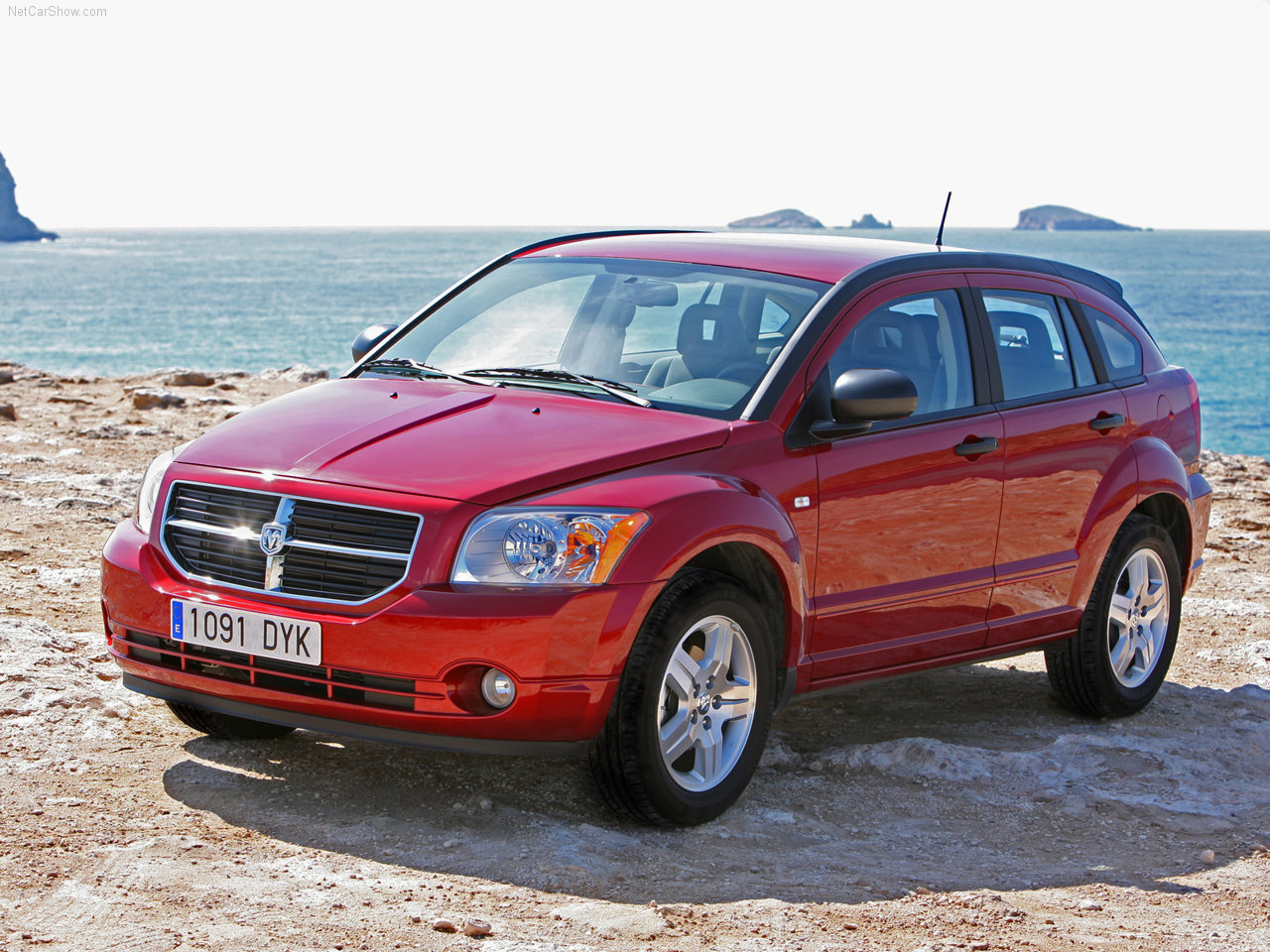
The Dodge Caliber was introduced as a compact vehicle that combined a hatchback’s practicality with a small SUV’s design touches.
Over the years, however, it developed a mixed reputation because many owners overlooked important maintenance needs and driving habits that were essential to keeping it reliable.
Small missteps, when ignored, can accelerate wear and tear, turning what should have been a dependable daily driver into a costly repair project.
Vehicles like the Caliber require consistent attention to both mechanical upkeep and usage habits, and missing even a few critical steps can drastically shorten their lifespan.
One of the most common issues with the Dodge Caliber is that many drivers assume it requires less care compared to some of its rivals in the compact class.
The truth is that this model demands vigilance in areas like fluid checks, transmission health, and suspension care.
A lack of awareness often leads to premature failures, making it appear that the car is inherently unreliable. While factory design flaws certainly exist, a significant percentage of the problems come from owner neglect.
This article will focus on eight common oversights that can be particularly damaging to the Dodge Caliber when not addressed.
From skipping essential fluid changes to ignoring electrical troubles, these missteps can compound until the vehicle starts suffering from frequent breakdowns.
By examining these areas, readers will gain insight into how proper care can extend the life of their Caliber instead of forcing them into early replacements or frequent mechanic visits.
Each section will highlight a specific oversight, explain why it harms the car, and provide practical solutions to prevent the issue.
Proper care and informed decision-making can make the difference between a Dodge Caliber that serves well for years and one that fails long before its time.
Also Read: 10 Easy Wins That Keep a Chevy Cruze From Losing MPG
1. Ignoring CVT Transmission Maintenance
The Dodge Caliber is notorious for issues related to its Continuously Variable Transmission (CVT). Many owners assume transmissions should last indefinitely without proper upkeep, but that mindset is one of the fastest ways to damage this vehicle.
The CVT requires clean, quality transmission fluid at scheduled intervals, and ignoring this basic necessity can lead to catastrophic failure. The reason the CVT is particularly sensitive is because it operates differently than a traditional automatic.
Instead of fixed gears, it relies on belts and pulleys that constantly adjust ratios for smooth driving. Without steady lubrication and cleanliness in the system, those components wear unevenly and start slipping or overheating.
On top of that, many Caliber drivers fail to recognize symptoms of transmission stress early on. Jerky acceleration, whining sounds, or delayed response when pressing the gas pedal are red flags that the CVT is struggling.
When these signs are ignored, the issue compounds until the transmission eventually gives out. Replacing a CVT is not a small expense. In fact, it is often the single repair that makes owners consider scrapping the car instead of fixing it.
The best way to protect the transmission is to keep up with fluid changes, but not with just any fluid. The Dodge Caliber requires a specific CVT fluid, and using the wrong product can do more harm than good.
Pairing regular fluid checks with moderate driving habits is another way to extend CVT life. Hard acceleration or heavy towing places added stress on the system, which was never designed for aggressive demands.
In short, overlooking CVT maintenance is a key oversight that quickly shortens the life of a Dodge Caliber.
Owners who prioritize routine service with the correct products, and who respond early to warning signs, will see far fewer issues and keep their cars going much longer than those who neglect this crucial system.
2. Skipping Regular Oil Changes
One of the simplest forms of vehicle care also happens to be one of the most neglected, and for the Dodge Caliber, skipping regular oil changes is a silent but severe problem.
The Caliber may seem fairly forgiving at first, but once sludge builds inside the engine, performance and reliability suffer quickly.
Old or skipped oil changes lead to oil breakdown, carbon buildup, and reduced ability to keep components cooled and lubricated. Without fresh oil, friction increases inside the engine, raising the chances of overheating and part failure.
The factory-recommended maintenance schedule already sets clear intervals for oil service, but many owners either push beyond those limits or use the wrong grade of oil altogether. Both mistakes create long-term consequences.
A neglected oil system can clog vital passages and interfere with the proper flow of lubrication, which is essential to prevent metal-on-metal grinding. Once that damage begins, the engine’s life is dramatically shortened.
For the Dodge Caliber, oil quality matters just as much as oil change frequency. Conventional oil often breaks down faster under stressful driving, while synthetic blends or full synthetic oils are much more resilient in protecting the engine.
Owners who want their Caliber to survive for higher mileage ranges should invest in the right grade. Cheap shortcuts here often result in paying for expensive mechanical work later.
Another detail often ignored is the oil filter. Even when drivers remember to replace the oil, sometimes they skip swapping out the filter.
A clogged or old filter can restrict flow and leave contaminants in circulation. So, while oil changes are important, they are only effective if paired with fresh filters every time.
Allowing oil changes to slide may not show immediate consequences, but over months and years, it builds a path of slow destruction.
Engine wear is permanent, and by the time major symptoms appear, most damage cannot be reversed. Proper, consistent oil service is one of the simplest ways to keep the Caliber from suffering an early failure.
3. Overlooking Suspension and Steering Components
The Dodge Caliber has a history of suspension and steering complaints, particularly with front-end components wearing out faster than expected. Ignoring these systems is another critical oversight that shortens the vehicle’s life.
Suspension parts like control arms, tie rods, and struts bear constant stress from uneven roads, and when these parts start to degrade, the consequences ripple across the entire vehicle.
Owners often notice clunks, uneven tire wear, pulling while driving, or a loose steering feel. Unfortunately, many delay repairs because the vehicle still seems drivable. The problem with waiting is that worn suspension components place strain on other areas.
A single failing control arm can affect alignment, leading to premature tire damage and steering rack stress. The Dodge Caliber, when neglected in this regard, quickly deteriorates in roadworthiness and safety.
What makes matters worse is the assumption that suspension care is primarily for comfort. While it does affect how the vehicle rides, it also directly impacts safety and vehicle longevity.
A worn suspension not only decreases stability but can also transfer unnecessary vibrations and force onto the body structure. Over long periods, constant vibration weakens other parts, compounding the repair bill.
The steering system is another neglected area. Loose tie rods or degraded bushings compromise control, creating dangerous conditions at highway speeds.
This issue has been especially common with the Caliber, where owners often report steering looseness before serious failures appear. Putting off small fixes, like a $100 tie rod replacement, often leads to larger damages to racks or even subframes.
To protect the Caliber from rapid wear, routine inspections of the suspension and steering system are a must.
Addressing issues as soon as they arise saves money and prevents strain on connected components. Ignoring front-end problems may allow an owner to postpone a visit to the mechanic, but it sets the clock ticking on structural decline.
4. Neglecting Cooling System Maintenance
The Dodge Caliber, like many compact cars, relies heavily on a healthy cooling system for both efficiency and longevity. Unfortunately, this is one area often overlooked. The radiator, water pump, hoses, and thermostat all require regular attention.
Ignoring them leads directly to overheating problems, one of the most devastating conditions for any engine. The Caliber is especially vulnerable because its engine does not tolerate extreme temperature fluctuations.
Coolant circulation is at the heart of this system. When owners delay coolant flushes or use the wrong mixture, the fluid loses its properties and becomes full of debris or rust. This reduces its ability to control heat and corrodes the system from within.
Once hoses and the radiator get clogged, overheating follows, and even a single severe temperature spike can blow the head gasket or warp the cylinder head. These repairs often cost more than the value of the car itself.
The water pump is another component often forgotten until failure happens. A leaking or weak water pump cannot circulate coolant effectively, causing gradual overheating.
Similarly, thermostats that stick closed or open compromise operating temperature. Either condition puts stress on the engine.
Adding to the trouble is the fact that many owners rely only on dashboard warning lights to alert them. By the time a temperature light illuminates, damage often has already begun.
Preventive care involves checking coolant levels, listening for strange noises near the pump, and replacing hoses that feel brittle or swollen.
Neglecting something as basic as the cooling system sets the stage for expensive failures. Owners often underestimate the importance of regular coolant changes and inspections, but this system is the line between smooth, efficient operation and irreversible damage.
A properly maintained cooling system means a Dodge Caliber can manage long trips and heavy usage without fear of sudden failure.
5. Using Cheap Replacement Parts
Repair costs often tempt owners to look for the most budget-friendly parts, but for a Dodge Caliber, this shortcut can rapidly backfire. Cheap replacement components may cost less upfront, but their inferior quality leads to faster wear and repeated breakdowns.
This is particularly damaging because each faulty part can cause collateral issues with other systems.
For example, low-cost aftermarket suspension parts may not meet factory specifications, leading to incorrect alignment or premature noise and vibration. Brake components with poor material quality might compromise stopping power or wear out within months.
Electrical sensors purchased from unreliable suppliers can send faulty readings, which then trigger unnecessary warning lights or lead to improper fuel usage.
The Caliber, already being a car known for its quirks, does not respond well to mismatched or shoddy components.
Many owners learn too late that a bargain-priced part ends up costing more after repeated failures and repairs. Even something as small as a belt or filter can create major inconvenience if the material quality is poor.
OEM (Original Equipment Manufacturer) or high-quality aftermarket parts, while slightly more expensive, guarantee proper fit and longer-lasting performance. They are also less likely to introduce secondary issues.
Spending wisely here directly affects how long the Caliber remains dependable. Owners who consistently cut corners invite endless cycles of small but irritating problems that eventually add up to bigger repair bills than anticipated.
Another overlooked factor is the professional installation of parts. Even when good parts are purchased, using inexperienced shops or ignoring correct torque specifications also contributes to repeated failures.
Saving money by skipping professional labor or buying the cheapest component typically accelerates the decline of the car.
The Dodge Caliber can remain serviceable for many years, but only when care is taken to install and use quality replacement parts. Going cheap in this area is less of a money-saving method and more of a silent car killer.
6. Ignoring Electrical Issues
Electrical faults in the Dodge Caliber are more common than many owners expect, and ignoring them invites bigger problems. Modern vehicles rely heavily on electrical systems for critical functions such as fuel delivery, ignition timing, lighting, and safety features.
When left unattended, small glitches can escalate into major failures that leave the vehicle stranded.
Common electrical oversights in the Caliber include ignoring dashboard warning lights, failing to address battery and alternator issues in time, and neglecting wiring inspections.
A weak alternator, if not replaced promptly, may gradually drain the battery while also compromising the performance of connected systems.
Owners may notice headlights dimming or stalling while driving, but dismiss these symptoms. Left unresolved, the car eventually refuses to start or shuts off while on the road.
The TIPM (Totally Integrated Power Module) is another notorious trouble spot for this model. When this unit malfunctions, it can trigger erratic behavior like failing fuel pumps, malfunctioning lights, or random stalling.
Because owners may not immediately understand the root cause, they dismiss early warning signs until the vehicle breaks down. Replacement of the TIPM is costly, but delaying it only increases the inconvenience and risk.
Another neglected area is basic wiring and connector health. Over time, moisture or wear can corrode connections, leading to intermittent signals or loss of current.
Small shorts create stress on fuses and relays, gradually weakening the system. Preventive inspections of these small details can avoid headaches down the line.
There’s also a safety risk to ignoring electrical malfunctions. Faulty lights or safety systems like airbags and ABS, if left unresolved, create dangerous driving conditions.
Owners often continue to operate their Dodge Caliber as if nothing is wrong until a serious failure occurs.
Electrical problems are sometimes dismissed because they appear less urgent than mechanical ones.
Yet failing to act early means risking the vehicle’s reliability and the driver’s safety. Keeping these systems in good health is fundamental for making sure the Caliber remains dependable.
7. Overloading the Vehicle
Many Dodge Caliber owners fall into the trap of treating it like a small SUV instead of a compact hatchback. Despite its styling, the Caliber was never designed to carry excessive cargo weight or withstand constant strain from overloading.
Placing too much stress on the suspension, drivetrain, and braking system slowly destroys the car from within, even though the effects may not be immediately obvious.
Overloading directly stresses the suspension, leading to premature wear of shocks, struts, and control arms. The vehicle starts to sit lower, creating poor handling and faster tire wear.
At the same time, the braking system is forced to work harder, reducing stopping ability while overheating the pads and rotors. These repeated strains weaken both safety and durability.
For the drivetrain, heavy weights increase the demand on the transmission and engine. This is especially destructive for the Caliber’s CVT, which struggles under excessive load.
Continuous overloading can cause overheating and slippage that ruins the transmission faster than anything else. An owner may not notice right away, but over time, performance drops and major failure becomes inevitable.
Owners often justify overloading for road trips or work purposes, but this repeated mistake trims years off the car’s usable life. Just because the Caliber has a tall body design does not mean it has SUV-level strength.
The manufacturer clearly defines weight limits for both passengers and cargo, and ignoring those limits is asking for trouble.
Preventing this oversight means respecting the car’s capacity and distributing loads evenly. When heavier hauling is needed, pairing the Caliber with a trailer designed for light towing is safer than stuffing the cargo bay far beyond its design.
The Dodge Caliber can be practical and reliable, but treating it like a larger utility vehicle is one of the most damaging mistakes drivers make. Owners who repeatedly overload the car guarantee an early decline in suspension, transmission, and safety.
8. Delaying Brake Maintenance
Delaying brake maintenance is one of the riskiest oversights for any vehicle, but the Dodge Caliber shows its weaknesses quickly when brakes are ignored. This system not only protects the driver’s safety but also influences the car’s entire mechanical condition.
Brakes that wear unevenly or overheat don’t just compromise stopping power; they also place added strain on wheels, suspension, and even the drivetrain.
A common mistake by Caliber owners is stretching the life of brake pads far beyond what is safe. The moment pads wear too thin, the rotors begin receiving direct metal contact.
Not only does this reduce braking efficiency, but it also forces replacements of both pads and rotors instead of only the pads. Calibers are also prone to rear brake issues, and many drivers overlook rear inspections while assuming the front brakes carry the full load.
Ignoring brake fluid is another costly misstep. Over time, brake fluid absorbs moisture, reducing hydraulic performance and leading to spongy pedal feel.
In worst cases, contaminated fluid causes corrosion inside the brake lines and calipers, creating expensive repairs. Regular flushing and replacement of the fluid are essential to keep the braking system working as designed.
Beyond parts themselves, warning signs are often disregarded. Squealing, grinding noises, vibrations in the pedal, or extended stopping distances are clear alerts that the Caliber needs immediate attention. Delaying maintenance based on the idea that the car is “still stopping fine” only makes failures more sudden and costly.
Maintaining the braking system is not just about avoiding repairs, it’s about keeping the car safe to operate.
Owners who keep consistent records of pad replacement, fluid changes, and rotor inspections ensure longevity not only for the brake system itself but for the entire vehicle. Allowing brakes to degrade adds unnecessary risks and escalates the wear throughout connected systems.
The Dodge Caliber is not a car that tolerates neglected brakes well. Staying on top of this essential system prevents safety hazards while also protecting the rest of the vehicle from cascading mechanical problems.

The Dodge Caliber, though practical and affordable, quickly develops problems when owners overlook key maintenance habits.
Among the most damaging oversights are neglecting CVT transmission service, skipping regular oil changes, and ignoring suspension and steering wear. These mistakes often lead to costly failures, reduced reliability, and shortened vehicle life.
Cooling system neglect is another serious issue, since overheating can cause irreversible engine damage. Many owners also harm their Caliber by using cheap replacement parts, overlooking electrical issues, and treating the car as if it can carry heavy loads like an SUV.
Finally, failing to maintain the braking system not only compromises safety but also accelerates wear across connected components.
When properly cared for with scheduled fluid changes, quality parts, and timely inspections, the Caliber can be a dependable daily driver. However, even a few missed steps can cause serious problems that end the car’s usable life prematurely.
Also Read: 10 Common Mistakes That Kill a Toyota Corolla Engine
