
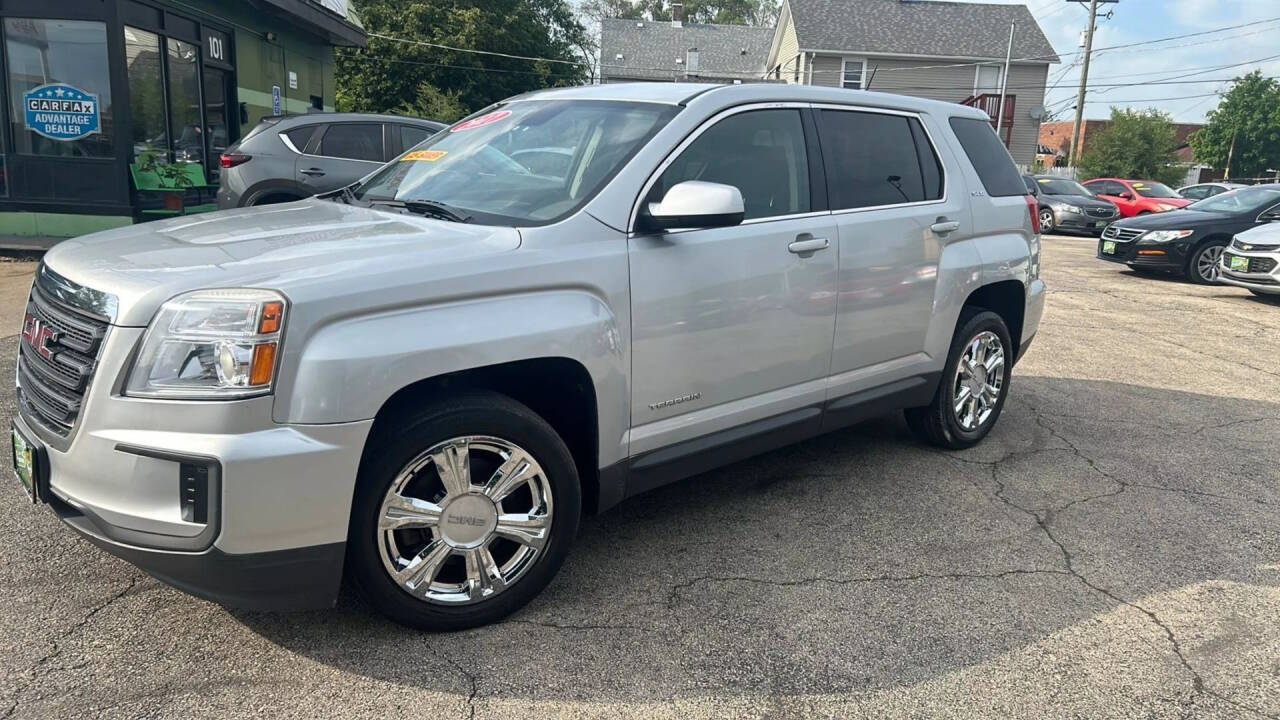
Owning a GMC Terrain can be a rewarding experience, especially if you want a reliable SUV that balances comfort, capability, and modern technology. Like any vehicle, however, its performance and longevity depend heavily on how it is maintained and cared for.
Many drivers underestimate how simple habits, when practiced consistently, can add years of life to their vehicle. This applies even more to a model like the Terrain, where proper attention not only ensures smoother drives but also helps retain its value over time.
The key to extending the lifespan of your GMC Terrain lies in focusing on areas that often go ignored. Regular maintenance is only part of the solution. Drivers also need to understand how to adapt their vehicle care based on climate, terrain usage, and driving habits.
Those who treat their SUVs with attention often notice fewer major repairs, better fuel efficiency, and overall stronger performance compared to those who approach maintenance casually.
What makes this topic important is the real-world cost factor. Repairing or replacing major components of an SUV can be expensive, especially once the warranty period ends.
Small preventive measures often save large sums of money in the long run. Extending your Terrain’s life is not only about protecting an investment but also about ensuring safety, comfort, and dependable performance for years ahead.
In this guide, we will examine ten smart and practical habits that will naturally help your GMC Terrain last longer.
These techniques are based on expert maintenance practices and real-world feedback from Terrain owners who have managed to keep their SUVs running strong.
Each method is simple enough for the average driver to adopt and flexible enough to fit into different lifestyles. By applying these strategies, you create better conditions for your Terrain to stay reliable, efficient, and road-ready well past its expected lifespan.
Also Read: 10 Things That Keep a GMC Yukon Safe Past 300,000 Miles
Tip 1: Adhere to Regular Oil Changes
Engine oil is at the heart of keeping your GMC Terrain running smoothly, and it is one of the most important factors in extending the vehicle’s lifespan.
Oil not only lubricates moving parts but also helps reduce friction, control heat levels, and carry away harmful contaminants.
Over time, however, oil breaks down and loses its protective qualities. That’s why timely oil changes are essential instead of waiting until performance issues show noticeable signs.
GMC recommends specific oil change intervals depending on the engine type, mileage, and driving conditions.
For example, owners who often drive in city traffic, tow loads, or face extreme climates might need more frequent changes compared to drivers who use their vehicles primarily on highways. Sticking to an oil change schedule that suits your usage ensures the engine stays clean and well-protected from harmful deposits.
Neglect in this area can lead to sludge formation, poor lubrication, and increased wear on vital engine components.
Over time, this accelerates breakdowns and significantly shortens the vehicle’s useful life. Replacing an engine or performing major repairs costs far more than routine oil changes ever would.
It’s also important to use the correct oil type. GMC specifies certain grades that match the Terrain’s engine design, and using the wrong variety can reduce efficiency and performance. Pairing fresh oil with a new, high-quality oil filter ensures contaminants are captured and not recirculated through the system.
Carrying out oil changes regularly not only extends your Terrain’s engine life but also plays a role in maintaining fuel efficiency and reducing emissions. It’s a simple habit that pays long-term dividends.
Whether done at home with proper tools and care or by a professional mechanic, committing to timely oil changes is one of the smartest actions an owner can take. This habit lays the groundwork for mechanical reliability and ensures your SUV is ready to perform well beyond expectations.
Tip 2: Keep Transmission Healthy
The transmission is one of the most expensive and complex components of your GMC Terrain. It manages how power is delivered from the engine to the wheels, and when it’s neglected, repairs often cost thousands of dollars. To keep the transmission in good condition, regular maintenance and mindful driving habits are key.
One of the most critical tasks is maintaining proper transmission fluid levels. Transmission fluid serves as both a coolant and a lubricant, ensuring gears and parts operate smoothly. Over time, fluid degrades due to heat and contamination.
Dirty or low fluid can lead to hard shifting, slipping gears, or overheating. Checking the fluid periodically and replacing it based on the maintenance schedule or if unusual signs arise can prevent major transmission damage.
Avoiding harsh driving habits also goes a long way in preventing unnecessary transmission wear. Rapid acceleration, heavy towing beyond the rated limit, and continuous stop-and-go driving put enormous strain on the system.
For drivers in colder climates, it is wise to let the vehicle warm up briefly before applying heavy loads, as this allows the transmission fluid to circulate properly.
Another overlooked practice is updating software when manufacturers release calibration improvements. Transmission control modules sometimes receive updates that improve shifting patterns and reliability.
Visiting a dealership or trusted shop that can scan for such updates helps ensure your Terrain’s transmission benefits from the latest optimizations.
Listening to unusual sounds like grinding or whining and noticing any lag in gear changes can also act as early warnings. Addressing small transmission problems often prevents them from becoming severe.
By keeping transmission fluid fresh, avoiding abusive driving habits, and seeking professional inspections occasionally, your GMC Terrain will enjoy smoother operation and significantly lower risks of catastrophic failure.
Protecting this component means extending the service life of your SUV while sparing yourself from costly repair bills that arise when transmissions fail prematurely.
Tip 3: Tire Maintenance and Care
Your GMC Terrain relies on its tires for every mile, whether on highways, city streets, or rougher backroads.
Tires not only affect safety but also have a direct impact on how other systems, such as the suspension and drivetrain, wear over time. Neglecting tire care can lead to additional strain on these systems, adversely affecting the vehicle’s lifespan.
The most basic yet critical practice is maintaining proper tire pressure. Underinflated tires increase rolling resistance, cause uneven wear, and reduce fuel efficiency. Overinflated tires, on the other hand, compromise traction and wear predominantly in the center of the tread.
Both scenarios shorten tire life and potentially stress other vehicle parts. Checking tire pressure at least once a month, and always before long trips, ensures consistent performance and safety.
Tire rotation is another habit that pays off in the long run. Terrain models distribute power differently depending on whether the SUV is front-wheel drive or all-wheel drive. This means certain tires may wear faster than others.
Rotating them every 6,000 to 8,000 miles balances wear and prolongs their durability, allowing set replacements instead of staggered purchases that can be costlier.
Wheel alignment and balancing should not be ignored. Poor alignment affects steering, handling, and increases wear on suspension components.
If you notice your Terrain pulling to one side or vibrations at certain speeds, it’s often a sign that attention is needed. Keeping alignment in check preserves not only the tires but also other parts connected to the wheels.
Finally, monitor tread depth. Driving on worn-out tires reduces braking effectiveness and stability in wet or icy conditions.
Replacing tires before they become unsafe not only improves handling but also prevents accidents that might cause lasting damage to your vehicle.
Proper tire care therefore extends beyond rubber. It protects suspension, steering, and even fuel efficiency. Consistent pressure checks, rotations, alignments, and timely replacements will keep your Terrain stable and help extend its total service life.
Tip 4: Brake System Servicing
Safety should always be a priority, and brakes are a system where cutting corners can severely damage your vehicle’s integrity. The brake system in your GMC Terrain involves several interconnected components, including pads, rotors, calipers, and fluid.
If even one element is compromised, it affects performance and may create unsafe driving conditions. Regular servicing ensures you’re not only safe but also extending the vehicle’s greater lifespan.
Brake pads naturally wear down through use. Ignoring their replacement until metal scrapes against rotors causes severe damage and increases repair bills drastically. Pads should be inspected regularly, especially if you hear squealing or grinding noises, or if stopping distances feel longer than normal.
Brake fluid is equally important but often overlooked. It absorbs moisture over time, reducing its ability to apply pressure effectively.
Contaminated fluid can cause corrosion inside brake lines or lead to spongy pedal feel. Flushing brake fluid according to recommended intervals guards against internal damage and ensures reliable stopping power.
Modern terrains use electronic systems such as ABS to enhance braking control. Keeping sensors clean and ensuring no warning lights are ignored helps maintain the effectiveness of these systems.
Skipping minor services increases strain on connected systems like wheel bearings and suspension, which then adds to long-term repair costs.
Driving style also directly affects brake longevity. Constant hard braking, riding the brakes on downhill stretches, or sudden aggressive stops diminish pad life.
Predictive driving, where you anticipate stops rather than reacting at the last moment, keeps brakes in stronger condition for longer.
By keeping an eye on pad health, replacing fluid periodically, and addressing warning signs early, owners ensure brakes serve both safety and longevity.
Well-maintained brakes prevent accidents while reducing ripple effects that can shorten the entire vehicle’s service life. Taking care of this system is central to enjoying a reliable GMC Terrain across many years.
Tip 5: Cooling System Checks
The cooling system plays an essential role in controlling the operating temperature of your GMC Terrain’s engine.
Without it, overheating can quickly lead to severe engine damage, warped cylinder heads, or even total engine failure. Protecting this system means extending engine life and avoiding costly repairs.
Coolant levels and condition should be inspected regularly. Over time, coolant becomes less effective at resisting corrosion and maintaining proper temperature control.
Failing to recharge or replace it allows rust, debris, and scale to form within the radiator and hoses. A simple flush and refill at recommended intervals keeps internal passageways clean.
Hoses, belts, and the radiator cap should also receive attention. Cracked or bulging hoses are ticking time bombs for leaks. A loose or failing belt can reduce coolant flow, leading to rapid overheating. Checking for soft spots and ensuring everything is tight helps prevent sudden breakdowns.
The radiator and cooling fans require proper airflow, so keeping them clean of dirt, bugs, or leaves maintains efficiency. If either is blocked, the system must work harder, often without success. In addition, monitoring the thermostat and water pump ensures the circulation of coolant remains reliable.
Drivers should also pay attention to the temperature gauge during daily use. An unusual rise indicates something is wrong. Pulling over safely and checking coolant instead of continuing to drive can prevent catastrophic engine failure.
Tip 6: Battery Care and Electrical Health
The electrical system of your GMC Terrain depends heavily on a healthy battery. Without it, the SUV won’t start, electronic systems malfunction, and components like sensors, lights, and infotainment units suffer.
Many owners ignore battery care until the day the vehicle refuses to start, but preventive steps can dramatically extend the lifespan of both the battery and the electrical system as a whole.
First and foremost, inspect the battery terminals regularly for corrosion. Mild buildup on the contacts reduces the current flow, which makes starting harder and strains other components. Cleaning terminals with a simple brush and a bit of baking soda solution restores proper contact and extends battery life.
Testing the voltage periodically is another smart habit. A healthy car battery typically reads above 12.4 volts when the vehicle is off. Anything significantly lower could indicate it’s losing strength. Having it tested during routine service prevents unexpected breakdowns.
Driving habits also play a role. Short, infrequent trips often don’t allow enough time for the alternator to fully recharge the battery. This weak charging cycle reduces its capacity over time. Longer drives at steady speeds help maintain a proper charge.
Extreme temperatures affect batteries as well. Cold weather makes it harder for the battery to supply current, while heat accelerates fluid evaporation inside cells. Parking in garages or shaded areas when possible reduces stress from weather extremes.

Finally, maintaining the alternator and charging system is equally important. A failing alternator can overcharge or undercharge the battery, both of which shorten its life.
If electrical systems seem dim or inconsistent, addressing them early prevents battery drain.
Proper battery and electrical care not only keeps your Terrain starting reliably but also ensures sensitive electronics remain trouble-free.
A simple mix of cleaning, testing, smart usage, and professional checks can give you years of service from each battery, while protecting the larger electrical network of the SUV.
Tip 7: Suspension and Steering Care
A smooth ride in your GMC Terrain is thanks to its suspension and steering systems. Together, they absorb road impacts, maintain handling, and support tire performance.
If neglected, worn suspension parts can trigger uneven tire wear, lower fuel efficiency, rough handling, and eventually compromise safety. Protecting this system extends not only comfort but also the overall life of the Terrain.
Key components like struts, shocks, control arms, and bushings should be inspected at regular intervals.
These wear gradually, so early warning signs include rattling noises, excessive bouncing after bumps, or a steering wheel that feels loose. Immediate inspection when these symptoms appear prevents the situation from escalating into more serious repairs.
Wheel alignment also plays a central role in suspension health. A slight misalignment places constant stress on steering parts and tires, increasing wear across the board.
Routine alignment checks after hitting large potholes or curbs, or whenever new tires are installed, help maintain balance.
Driving style influences how long suspension parts last. Avoiding large potholes, braking gently rather than harshly, and not carrying unnecessary heavy loads reduce the impact forces that stress these components.
Even though the GMC Terrain is built for everyday versatility, treating it gently on rough roads pays dividends long term.
Regular lubrication at service intervals also helps certain steering joints and ball joints stay flexible. Without fresh grease, friction builds up and quickly wears them down.
By investing in suspension and steering care, you’re indirectly protecting other systems such as tires, brakes, and even the frame structure of your Terrain.
Owners who consistently monitor ride quality, schedule inspections, and adapt their driving maintain a smoother, safer ride and extend the working lifespan of their SUV significantly.
Tip 8: Protecting the Exterior and Interior
While mechanical upkeep is critical, the external and internal condition of your GMC Terrain also plays a huge role in how long it feels truly serviceable. Paint, trim, upholstery, and interior systems face daily wear, but proactive care can preserve them for many extra years.
Starting with the exterior, washing your vehicle regularly prevents dirt, road salt, and pollutants from corroding surfaces. Salt, especially during winter months, can quickly eat away at wheel arches and undercarriage parts.
Using proper protective coatings like wax or ceramic treatments adds a protective barrier against contaminants and reduces sun damage. Rust prevention is crucial, since structural corrosion can shorten the vehicle’s usable life regardless of engine or transmission health.
Parking conditions matter too. Keeping the Terrain in a garage or under a carport shelters it from harmful UV rays, acid rain, and temperature fluctuations. For those without garage space, using a quality car cover provides some degree of shielding.
The interior requires equal attention. Vacuuming carpets and cleaning upholstery prevent dirt buildup and reduce wear. Conditioning leather seats, if equipped, avoids cracks and keeps them supple. Protecting the dashboard from UV exposure with shades helps prevent fading and brittle texture.
Climate control systems also benefit indirectly from a well-maintained interior. Clogged cabin air filters can strain the air conditioning system and lower airflow efficiency, so timely filter replacements preserve comfort as well as durability.
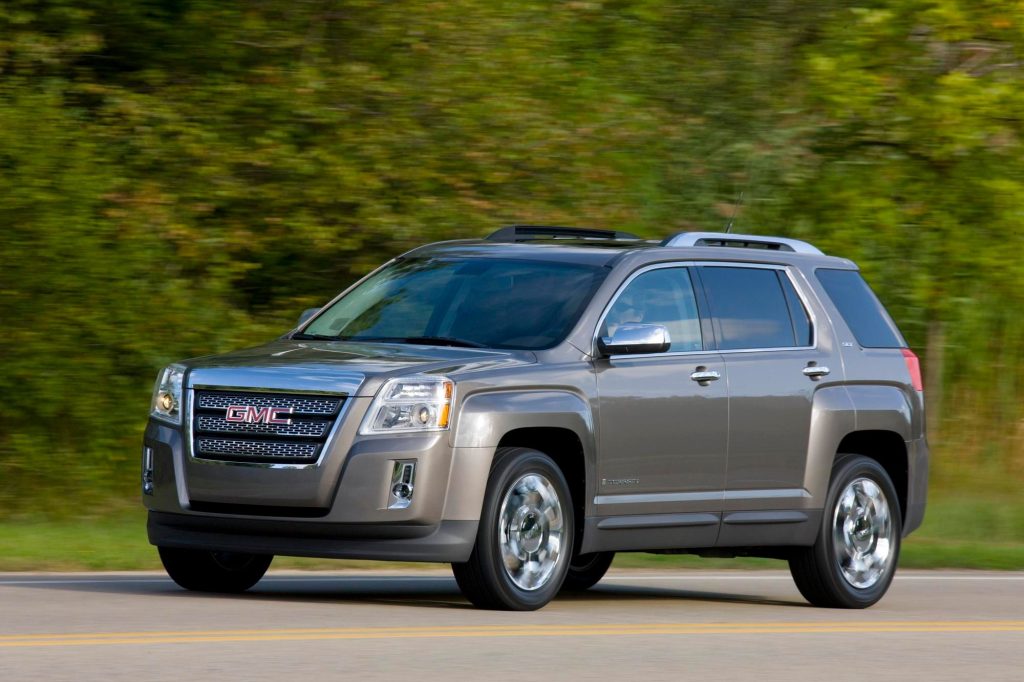
An SUV that is visually clean, free from corrosion, and comfortable inside not only maintains higher resale value but also keeps occupants happier, which encourages regular long-term use. Protecting both the inside and outside reinforces the overall feeling of quality, making your GMC Terrain serve you longer both mechanically and aesthetically.
Tip 9: Fuel System Maintenance
The fuel system of your GMC Terrain plays a vital role in delivering proper performance and efficiency. A neglected system places strain on the engine, lowers fuel economy, and can even shorten engine life. Staying on top of fuel-related maintenance ensures reliability with every mile.
One of the simplest habits is keeping the fuel tank from running too low. Allowing the tank to reach near empty introduces sediment and impurities from the bottom of the tank into the fuel system.
Over time, these contaminants clog injectors and filters, reducing engine efficiency. Keeping at least a quarter tank at all times minimizes this problem while also preventing moisture from building up, which could cause rust in the tank.
Replacing the fuel filter based on service recommendations prevents debris from reaching delicate injectors.
A restricted filter reduces smooth fuel flow, which puts unnecessary stress on the pump. Similarly, cleaning or servicing fuel injectors periodically restores optimal spray patterns, improving combustion and overall performance.
The quality of the fuel used also has long-term effects. Choosing gasoline that meets GMC recommendations and avoiding low-grade or contaminated sources reduces the risk of deposits forming inside the engine.
For some drivers, using fuel system additives occasionally can help keep injectors and valves clean, particularly if short-trip driving dominates their routine.
Signs of trouble within the fuel system should not be ignored. Rough idle, difficulty starting, or unexpected power loss can signal issues like clogged injectors or failing pumps. Timely diagnosis prevents further stress on the engine.
Proper fuel system maintenance improves both efficiency and reliability. It not only protects your GMC Terrain’s engine but also enhances longevity by minimizing internal wear.
A healthy fuel system means less strain across the vehicle, supporting longer functionality and fewer repair surprises.
Tip 10: Smart Driving Habits
The way you drive has perhaps the single greatest impact on how long your GMC Terrain will last. No matter how well the vehicle is maintained, poor driving habits accelerate wear. Conversely, adopting patient and efficient driving techniques preserves nearly every system of the SUV.
Smooth acceleration and braking are at the core of smart driving. Slamming on the gas or brakes not only wastes fuel but also strains the engine, transmission, and brake system. Driving predictively anticipating stops and giving yourself time extends the life of these components.
Maintaining moderate speeds keeps stress levels down across the drivetrain. While the Terrain can handle highway travel confidently, pushing it at consistently high speeds for long durations generates additional heat in the engine and transmission, decreasing long-term reliability.
Similarly, avoiding overloaded hauls beyond its rated towing or carrying capacity prevents structural and mechanical stress.
Warm-up periods also benefit the drivetrain, especially in cold weather. Giving the fluids a short time to circulate before applying heavy throttle improves lubrication and reduces early wear.

Another overlooked practice is minimizing idling. Extended idling results in wasted fuel and creates carbon deposits in the engine. Shutting off the engine during long stationary periods is far healthier.
Lastly, respecting service warnings and dashboard lights ensures problems are caught early. Ignoring warning indicators often leads to larger failures that could have been managed with minimal intervention.
Smart driving means treating your GMC Terrain not as disposable machinery but as an investment. Every gentle start, well-timed brake, and properly paced drive contributes to its long-term durability.
By adopting consistent habits behind the wheel, owners strengthen the positive effects of mechanical maintenance, forming the final piece of the puzzle for lasting longevity.
Also Read: 10 Hacks That Extend a Mazda CX-9 Past 250,000 Miles
