

The Jeep Patriot has always carried a reputation for being a reliable and budget-friendly SUV that balances practicality with rugged appeal. Many owners appreciate its affordability, decent off-road ability, and straightforward design.
However, like every vehicle, the Jeep Patriot has one component that requires careful attention to ensure longevity: the transmission. Transmission problems are among the costliest issues drivers face, and poor habits behind the wheel often play a bigger role than mechanical shortcomings.
Although the Patriot is sturdy, it is not immune to misuse. The transmission, whether automatic or CVT, has to handle constant stress from daily driving, sudden accelerations, towing, and sometimes off-road challenges.
Drivers who overlook the proper way of treating their SUV often pay the price sooner than expected. While most believe that breakdowns happen because of age or mileage, the root cause frequently lies in repeated mistakes made without realizing their long-term damage.
Understanding what harms the transmission can save hundreds or even thousands in repair bills. More importantly, being aware of these mistakes allows you to take preventive measures and extend the life of your Patriot.
Owners who adapt smarter driving habits often experience smoother gear shifts, consistent performance, and reduced maintenance costs.
This article will discuss seven habits that can cause major harm to the Jeep Patriot’s transmission if ignored. Each section will explain why these actions are damaging, how they affect vehicle performance, and what safer practices can replace them.
Taking note of these habits is not just about avoiding costly repairs, but also about making sure your Patriot delivers dependable service for many years.
Also Read: 8 Worst Mistakes That Ruin a Honda Fit in Under 10 Years
1. Aggressive Driving and Rapid Acceleration
One of the most damaging habits for a Jeep Patriot’s transmission is aggressive driving, especially when paired with rapid acceleration. Many owners mistakenly push their SUV as though it were built for racing, flooring the accelerator to get quick results.
While the Patriot has enough horsepower to provide a decent response, its transmission system, especially in models equipped with the CVT, is not engineered to endure consistent hard launches. This habit creates unnecessary strain on internal components, leading to overheating, premature wear, and reduced efficiency.
Rapid acceleration forces the system to shift abruptly or hold gears longer than necessary, both of which increase friction and heat build-up. Heat is a known enemy of transmission systems.
Excessive heat breaks down the fluid that lubricates gears and clutches, leaving components exposed to physical stress without the proper protection. Once transmission fluid loses its quality, parts begin grinding against each other, and the likelihood of slippage, shuddering, or complete failure climbs sharply.
Moreover, aggressive driving often pairs with abrupt braking, adding further stress to drivetrain components.
This cycle of demand and abuse robs the Patriot of its smooth driving characteristics and leads to a much higher chance of costly repairs long before the vehicle reaches high mileage.
Instead, adopting smoother acceleration habits can preserve the life of the transmission significantly.
By pressing the accelerator gradually and allowing the transmission to ease into higher speeds, owners reduce internal friction and help the cooling system maintain optimal temperature.
This not only extends transmission life but also contributes to better fuel efficiency. Though the thrill of quick acceleration may be tempting, consistent aggressive driving has no benefit when compared to the long-term stability of a carefully handled Patriot.
2. Ignoring Regular Transmission Fluid Checks
Transmission fluid is the lifeblood of the Jeep Patriot’s drivetrain, yet many drivers underestimate its importance. Unlike engine oil, which most people know needs routine checks and replacements, transmission fluid tends to be forgotten until a major issue arises.
This neglect becomes one of the most common reasons for premature transmission failure, and it is easily preventable with simple maintenance.
The fluid serves multiple purposes: it lubricates moving parts, reduces friction, transfers hydraulic power, and maintains the correct operating temperature within the transmission. Over time, however, the fluid degrades.
Heat, debris, and metal shavings contaminate the liquid, reducing its effectiveness. If not replaced as recommended, worn-out fluid cannot protect gears, clutches, and seals from grinding and eventual breakdown. For CVT-equipped Patriots, dirty fluid can cause slipping, jerking, or total system failure.
Another overlooked factor is checking the fluid level itself. Low fluid levels can happen because of leaks that many drivers miss. Driving with insufficient fluid greatly increases heat and reduces lubrication, practically inviting damage to the gearbox.
A transmission operating with inadequate fluid is comparable to running an engine without oil; the outcome is often catastrophic.
Smart owners will monitor both fluid quality and levels regularly. If the liquid looks dark, smells burnt, or appears contaminated, it is time for replacement.
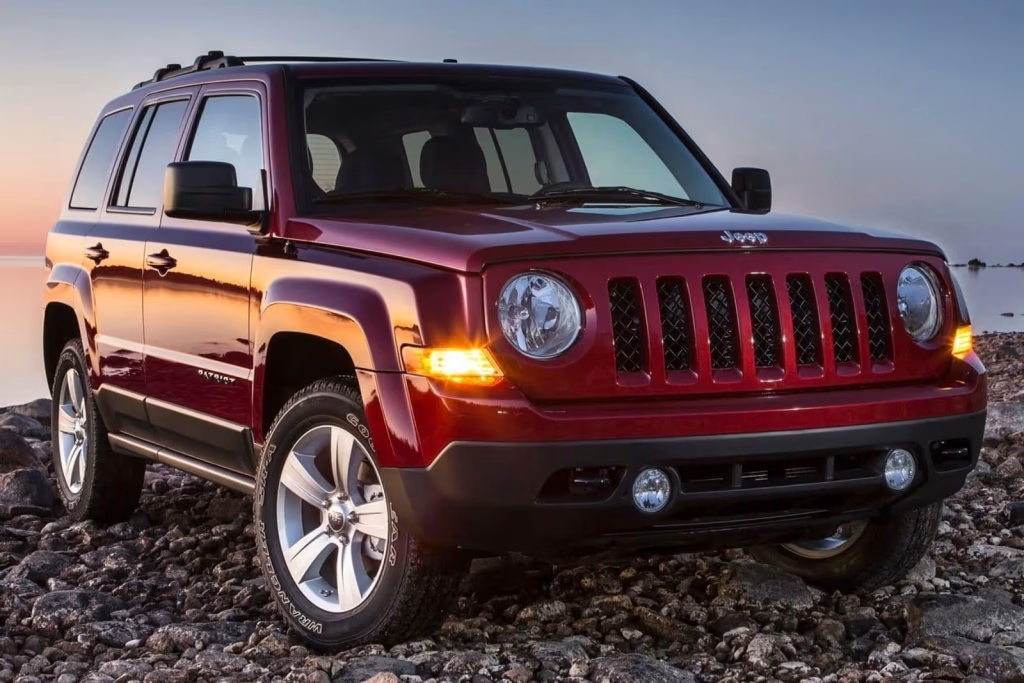
Following manufacturer-recommended service intervals, usually every 30,000 to 60,000 miles depending on use, can prevent countless mechanical issues. For those who frequently tow, drive off-road, or operate in hot climates, shorter replacement cycles may be necessary.
Ultimately, avoiding this oversight requires only a little discipline and attention. A simple inspection or service appointment can keep your Patriot’s transmission protected for years. Ignoring fluid care, on the other hand, is one of the fastest ways to shorten its lifespan.
3. Overloading and Improper Towing
Another habit that quietly destroys the Jeep Patriot’s transmission is exceeding weight limits through overloading or improper towing.
While the Patriot has a decent capacity for cargo and light towing, it was never designed as a heavy-duty hauler. Ignoring this fact puts significant stress on both the engine and the transmission system.
When a Patriot carries more weight than recommended, the transmission has to work harder to move the vehicle forward. This increased workload forces longer gear engagement, generates more heat, and places added strain on fluid circulation.
For CVT models, which rely on a belt-driven system, added strain from towing beyond its rating can lead to belt stretching, slipping, and eventual system failure. Even traditional automatic versions face accelerated wear if subjected consistently to heavy loads.
Improper towing techniques make matters worse. Many owners attach trailers without checking proper hitch ratings or fail to balance the load correctly.
An unbalanced trailer can cause uneven stress as the vehicle pulls, forcing the transmission to constantly adjust and overcompensate. This condition not only compromises fuel efficiency but also invites overheating, a major cause of mechanical damage.
The key to avoiding these costly consequences lies in respecting the Patriot’s service manual guidelines. Jeep typically rates the Patriot’s towing capacity around 1000-2000 pounds, depending on the setup.
Staying within these limits ensures the drivetrain operates in safe conditions. Owners can also enhance protection by using proper transmission coolers when towing, which help manage rising temperatures.
If towing or carrying heavy loads is an occasional necessity, care must be taken to distribute weight evenly and avoid pushing the vehicle beyond what it was built for.
Proper driving behavior combined with realistic expectations of the vehicle’s limitations is crucial. Ignoring weight ratings for the sake of convenience almost guarantees future transmission troubles.
4. Neglecting Transmission Overheating Warnings
Few things are more dangerous to a Jeep Patriot’s transmission than overheating, yet many drivers ignore early warning signs. Heat is the leading cause of premature transmission failure across all vehicles, and the Patriot is no exception.
When gauges indicate rising temperatures, or when the vehicle displays a warning light for transmission issues, brushing it aside nearly always leads to bigger problems.
Transmission systems operate within a specific temperature range to maintain fluid consistency and ensure internal parts function smoothly. Once temperatures exceed this range, the fluid begins to deteriorate, losing both lubricating and cooling ability.
In a Patriot with a CVT, overheating can cause belt slippage, harsh vibrations, or sudden limp mode activation. In automatic models, overheating often translates into hard shifts, delayed response, or in severe cases, total failure.
Several driving conditions make overheating more likely. Long uphill drives in hot climates, aggressive city driving with constant stop-and-go traffic, towing heavy loads, or driving with low fluid levels all contribute to soaring temperatures.
Ignoring these conditions worsens the situation, and without intervention, permanent damage follows.
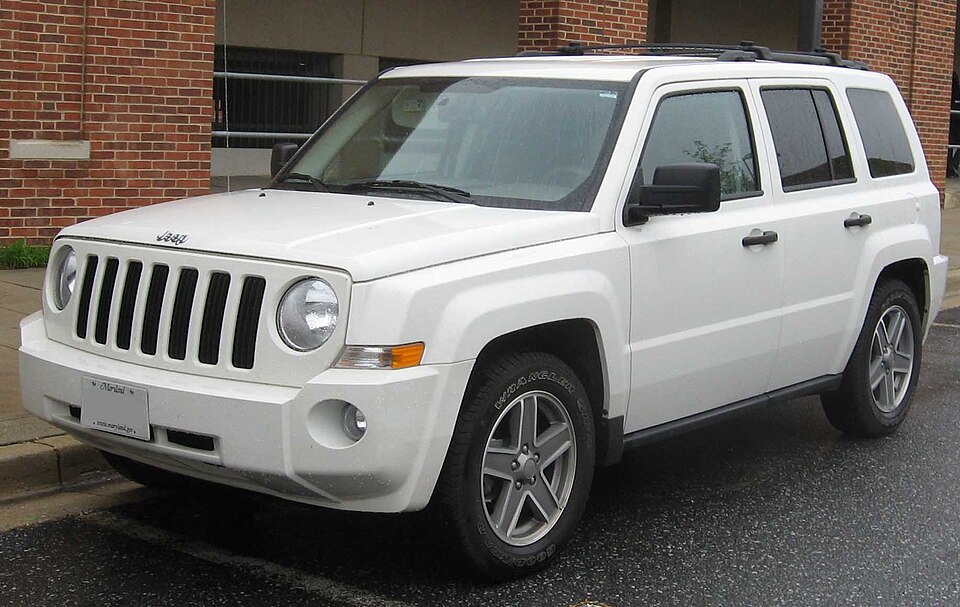
Drivers must pay close attention to warning signals. Unusual burning smells, hesitations, slipping, or dashboard indicators should never be ignored.
If the transmission is overheating often, the root cause needs immediate attention, whether it be insufficient fluid, a failing cooler, or driving habits beyond the vehicle’s design.
Installing an auxiliary transmission cooler can help those who put significant strain on their Patriots, especially while towing or operating in summer heat. Routine maintenance that includes fluid replacement and inspection ensures better temperature management.
By respecting overheating warnings and addressing them early, Patriot owners can prevent extensive and expensive damage. Dismissing these signals, on the other hand, puts the entire transmission system on a ticking clock.
5. Shifting Gears Improperly
Improper gear shifting habits may seem harmless, but they silently wreak havoc on a Jeep Patriot’s transmission. A surprisingly common mistake occurs when drivers shift between reverse and drive without coming to a complete stop first.
In a hurry, some owners think a quick tap on the shifter is acceptable, but this action forces the transmission to counter both the vehicle’s momentum and internal gear engagement at the same time.
Such misuse causes intense shock to key components. Gear teeth, clutches, and bands are forced to mesh or disengage under stress, which accelerates wear and creates unnecessary stress points.
Over time, this habit can lead to grinding noises, poor gear engagement, or even complete mechanical failure. The Patriot’s CVT is even more vulnerable, as its belt system reacts poorly to such sudden directional changes.
Another common mistake is manual shifting misuse. Some owners like to experiment with manual modes for sportier performance but overuse downshifting at high speeds.
This may seem exciting but creates unnecessary strain on the transmission’s internal structure. Constantly forcing downshifts results in heat build-up and reduces expected life.
Even small quirks like resting a hand on the gear lever or shifting aggressively without letting the vehicle adjust can shorten transmission durability. These details add stress over time, multiplying repair risks.
Correct driving practices are simple but require discipline. Always make sure the car is fully stopped before changing from drive to reverse or the other way around. If using manual modes, shift at reasonable speeds, respecting engine load limits.
Most importantly, trust the transmission to handle its function instead of forcing it under unusual conditions. By treating shifting carefully, Patriot owners gain smoother performance and avoid one of the most preventable causes of long-term failure.
6. Driving With Delayed Repairs or Ignoring Early Symptoms
One of the worst mistakes is ignoring the early warning signs of transmission trouble. Many Jeep Patriot owners notice slight hesitation, unusual noises, or small leaks but convince themselves it is nothing serious.
Unfortunately, transmissions rarely heal on their own. A minor symptom left untreated quickly snowballs into a catastrophic issue that costs far more than preventive attention.
For example, a small fluid leak may look insignificant, but it can lower fluid levels enough to trigger overheating or slipping.
A faint grinding noise could be a worn bearing or clutch pack beginning to fail. Small jerks in acceleration might signal early belt wear in CVT systems. While individually these seem minor, collectively they form red flags of larger upcoming failure.
Ignoring these issues often leads to being stranded when the transmission eventually gives out unexpectedly. Once slipping becomes noticeable, or gears stop engaging smoothly, damage has usually already spread.
At that stage, complete rebuild or replacement becomes the only solution, and repair bills can climb into the thousands.
Responsible ownership means staying proactive. Addressing small leaks, strange noises, or inconsistent shifting during routine maintenance saves significant expense over the long term.
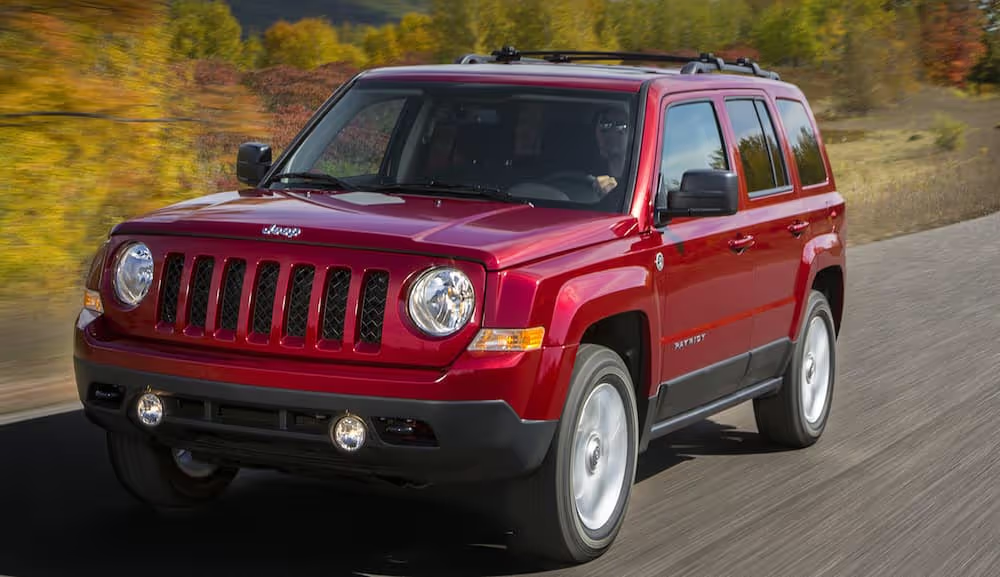
Professional mechanics can diagnose early-stage issues with diagnostic scans, fluid inspection, and road testing long before components reach irreversible levels of damage.
Another big mistake is delaying recommended software updates or recalls related to transmission control modules. These updates often improve stability and heat management. Skipping them deprives your Patriot of critical optimizations, further worsening its reliability.
Simply put, the earlier an issue is caught, the cheaper it is to correct. Ignoring repairs is the fastest way to turn a manageable problem into a financial nightmare.
7. Poor Driving Habits in Stop-and-Go Traffic
Lastly, constant stop-and-go driving habits can severely shorten the lifespan of a Jeep Patriot transmission. While this driving environment is common in cities, the way a driver handles traffic largely influences how much strain is placed on the system.
Many owners treat heavy traffic casually, but the repeated cycles of acceleration, braking, and gear engagement add more wear than long highway drives.
A major culprit is excessive creeping. Keeping the vehicle inching forward by constantly feathering the accelerator places the transmission under constant low-speed stress.
With a CVT, this means prolonged belt friction, while traditional automatics endure repeated clutch engagement. Over time, these small actions compound into major internal wear.
Another related problem is slipping the transmission into neutral frequently during traffic. Some drivers believe this reduces stress, but repeatedly shifting back and forth between neutral and drive actually accelerates wear on internal mechanisms. It disrupts fluid pressure consistency, creating uneven operation and small jolts that shorten lifespan.
Heat is again a factor. Stop-and-go traffic constantly pushes the transmission into higher temperature ranges because of frequent engagement. Without proper cooling or enough airflow around the radiator, overheating becomes likely. Many Patriot drivers notice this faster in summer months when congestion worsens.
Owners can develop healthier traffic habits to protect their transmission. Instead of creeping constantly, allow space to move in longer intervals at smoother speeds.
Keep the vehicle in gear rather than shifting repeatedly to neutral. Regularly check that the cooling system is functioning well to handle higher temperatures during city commutes.
Though harsh city traffic cannot always be avoided, mindful driving habits reduce unnecessary stress. By adjusting driving style during congestion, Patriot owners ensure smoother operation and longer life from their transmission system.
The Jeep Patriot has earned a loyal following as a dependable and versatile SUV, but its transmission system demands mindful care to stay reliable.
Transmission repairs are among the most expensive issues any vehicle owner can face, and often the damage results less from defective parts and more from repeated mistakes in daily driving. Understanding how certain habits contribute to eventual breakdown is critical for owners who want their Patriot to remain functional for many years.
The first and perhaps most common mistake lies in aggressive driving and rapid acceleration. Forcing the vehicle into sudden bursts of speed stresses internal gears and creates extra heat, gradually wearing down lubrication and clutches.
While it may feel thrilling in the moment, the repeated impact of this behavior dramatically shortens the lifecycle. Smooth and controlled acceleration, on the other hand, keeps heat manageable and reduces friction, ensuring the system works efficiently.
Closely linked to this is the neglect of transmission fluid checks. The fluid is the lifeblood of the system, and once it deteriorates or runs low, parts lose protection against friction. Jeep Patriot owners often overlook this detail until warning signs appear.
By then, internal damage has begun. Routine checks for level, color, and smell enable early detection of problems, while timely changes prevent unnecessary wear.
Overloading or improper towing represents another costly mistake. Though the Patriot has a respectable towing capacity for a compact SUV, treating it as a workhorse invites trouble.
Exceeding limits makes the transmission overwork, disrupts cooling, and destabilizes fluid pressures. Respecting weight ratings and equipping cooling aids when towing can make the difference between dependable service and costly repairs.
Equally destructive is negligence toward overheating warnings. Heat is one of the greatest enemies of any transmission, and Patriots equipped with CVTs are especially vulnerable.
Ignoring dashboard alerts, odd smells, or limp mode activations almost guarantees failure. Preventive action such as servicing coolers, checking fluid levels, and avoiding extended strain in hot conditions, reduces overheating risks.
Habits behind the gear lever also matter more than many realize. Shifting between reverse and drive without stopping, or forcing manual downshifts at high speeds, creates violent internal stress.
Over time, these choices deform components that should ideally function under controlled pressure. Practicing patience while shifting and allowing the transmission to complete smooth changes is key.
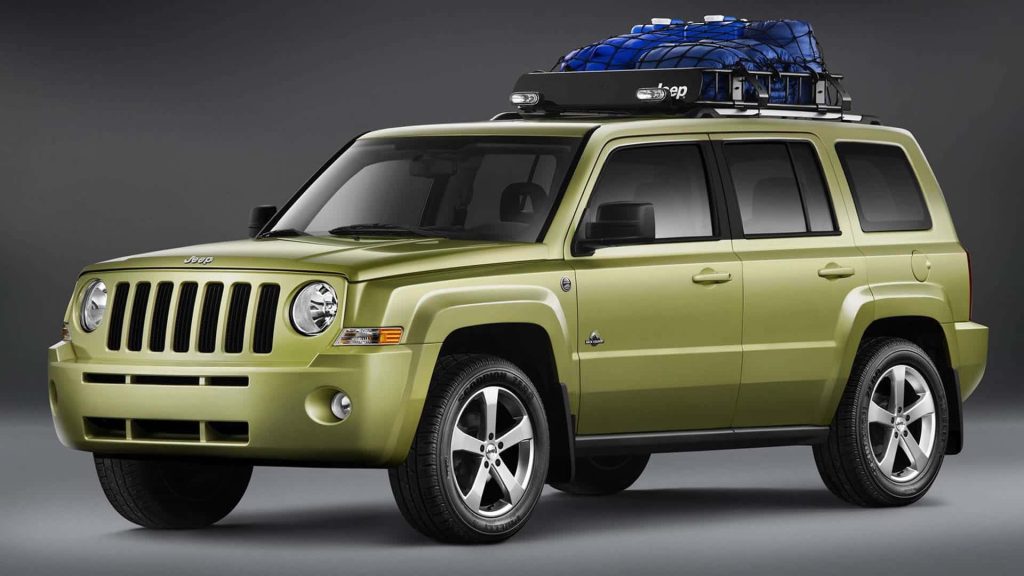
The tendency to postpone minor repairs is another transmission killer. Small leaks, slipping, or vibrations may seem manageable in the short term, but they rarely resolve themselves. Left alone, early-stage issues develop into severe mechanical failures requiring full rebuilds.
Prompt diagnosis and action keep problems small and manageable. Even software updates related to control modules should be seen as preventive maintenance rather than optional tasks.
Finally, constant stop-and-go traffic proves challenging for the Patriot if driven carelessly. Excessive creeping, frequent shifts to neutral, or constant feathering of pedals amplify stress.
Combined with rising heat in congested conditions, this erodes long-term durability. Strategic driving in traffic, allowing more space, reducing creeping, and keeping the car in gear, protects internal mechanisms.
In essence, the Jeep Patriot’s transmission does not usually fail overnight. Its problems are cumulative results of repeated stress, ignored maintenance, and careless operation.
Aggressive habits multiply heat and friction, lack of attention to fluid cuts away lubrication, overloading stretches limits, and ignoring symptoms removes opportunities to correct issues early. By consciously adapting how they drive and keeping up with preventive care, owners preserve not only the performance of their Patriot but also their wallets.
When treated responsibly, the Patriot’s transmission can serve reliably well past 150,000 miles. A transmission-friendly lifestyle requires patience on the road, attentiveness to fluid and temperature, realism about towing ability, and commitment to maintenance.
It is not about avoiding the enjoyment of the SUV but about balancing usage with respect for design limitations. Those who commit to smarter driving find the Patriot rewards them through consistent operation and reduced repair bills.
Also Read: 8 Things That Keep a Honda CR-V Safe After 200k Miles
