
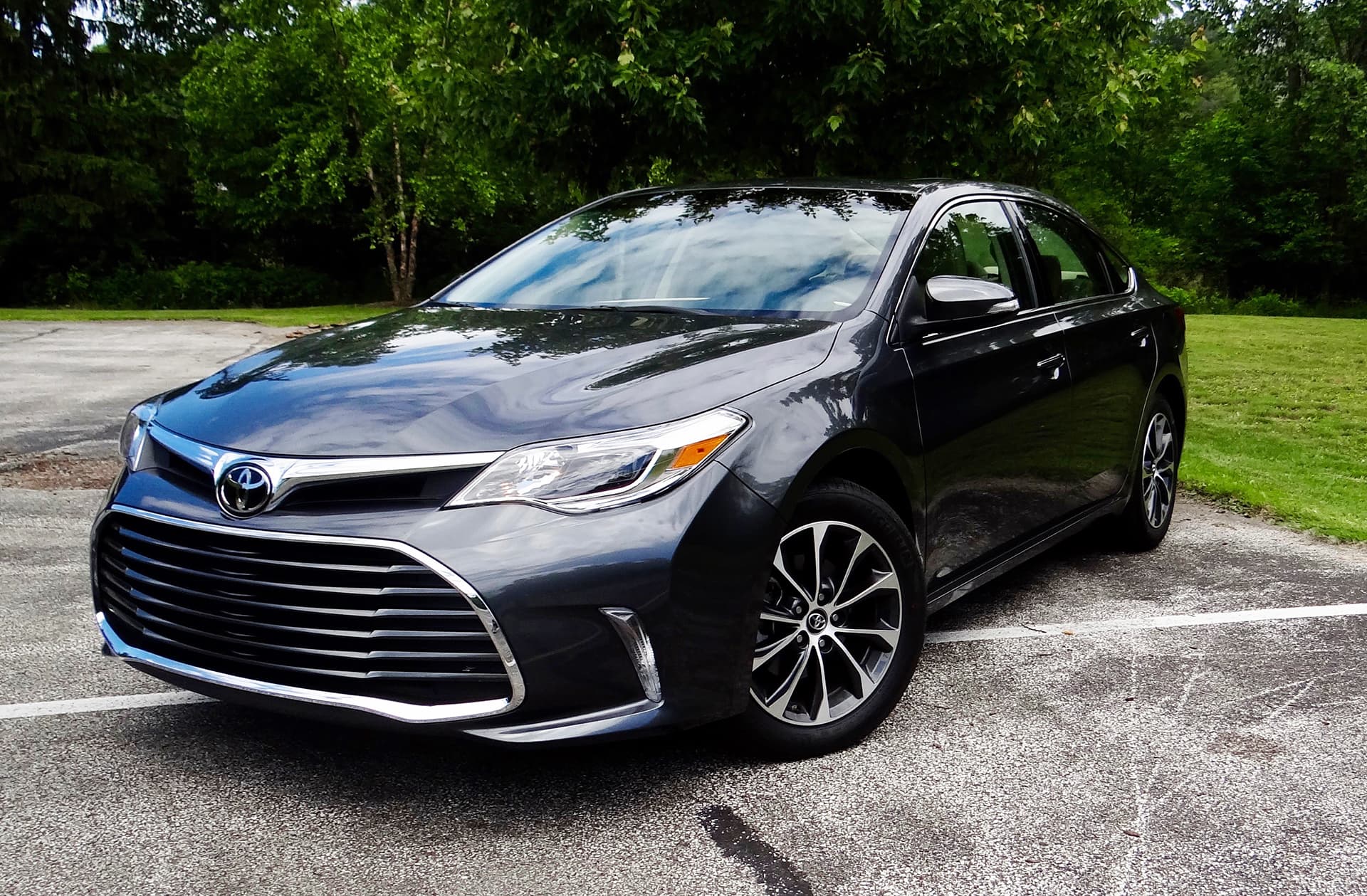
The Toyota Avalon has long stood as a symbol of comfort, refinement, and durability in the full-size sedan market. Since its debut, it has appealed to drivers who wanted something larger and more upscale than the Camry but more affordable than luxury-brand rivals.
Known for smooth V6 engines, roomy interiors, and Toyota’s trademark dependability, the Avalon developed a loyal following among families and commuters alike. However, like any vehicle with a decades-long production run, not all model years were created equal.
Some Avalons delivered exceptional longevity with minimal complaints, while others fell short due to costly repairs, safety issues, or design flaws. For buyers in today’s used-car market, understanding which Avalons “last forever” and which ones don’t can make the difference between a worry-free purchase and a financial headache.
This guide highlights the standout years that exemplify Toyota’s best work and the troubled ones you’ll want to avoid.
5 Toyota Avalon Years That Last Forever
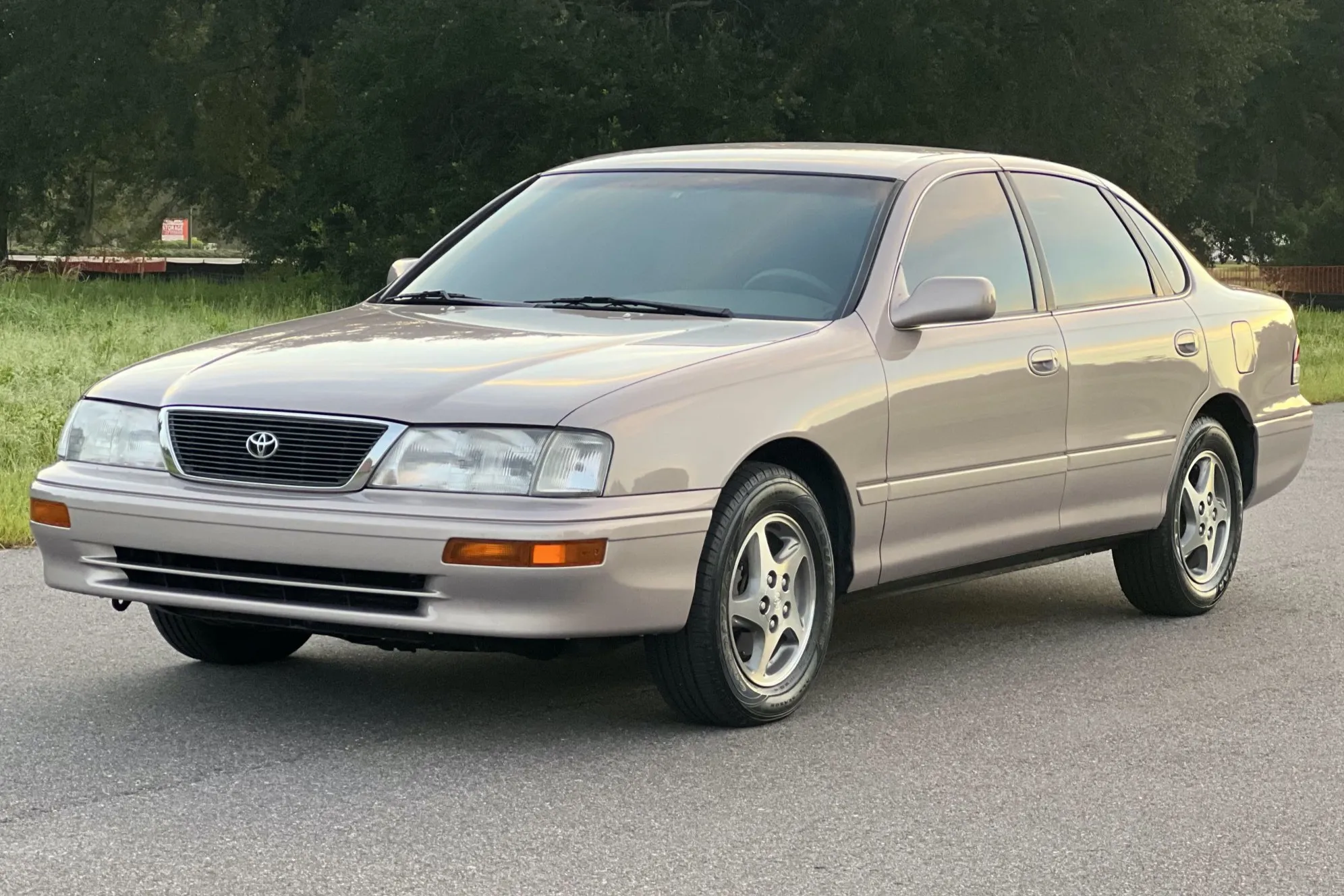
1. 1997 Toyota Avalon
The 1997 Toyota Avalon quickly established itself as one of the most dependable full-size sedans of its time. With just a single recall recorded by the NHTSA and only one complaint on Car Complaints, it stood out as a model with minimal reported issues. Beyond these figures, owner experiences highlighted its long-lasting reliability.
CarSurvey data revealed an impressive 8.8 out of 10 rating for dependability, with many reviews coming from drivers whose cars had exceeded 200,000 miles.
Owners consistently described the Avalon as well-engineered, trustworthy, and an excellent long-term investment, solidifying its reputation as one of the best Avalons ever produced.
Toyota designed the Avalon to compete directly with America’s full-size sedans, and the 1997 version delivered significant improvements. Powered by a strong V6 engine, it matched or surpassed rivals such as the Buick LeSabre and Pontiac Bonneville in acceleration while even outpacing the Ford Crown Victoria in the sprint to 60 mph.
Handling was sharp, braking performance was outstanding, and Toyota added more horsepower and torque to enhance driving dynamics. Standard features also improved, with the XL trim now including antilock brakes.
These updates positioned the Avalon as more than just a reliable option; it was also a capable performer with mechanical confidence that rivaled domestic offerings.
In addition to performance gains, the 1997 Avalon introduced thoughtful updates to both design and convenience. New alloy wheels, heated mirrors, and solar energy-absorbing glass added modern appeal, while the radio antenna was embedded in the rear window for a cleaner look.
Toyota also upgraded keyless entry with a visual confirmation system. Inside, the cabin was impressive with high-quality construction, ergonomic controls, and comfortable seating.
Though slightly narrower than some American competitors, the optional front bench allowed for six passengers. Rear seating was particularly praised for excellent legroom, supportive cushions, and a high seating position, making it a standout in passenger comfort.
Styling may not have been the Avalon’s strongest point, with its oversized headlights and narrow grille drawing mixed reactions, but its strengths far outweighed its conservative exterior. Against aging models from GM and Ford, the Avalon emerged as a refined, well-built alternative.
While Chrysler’s LH sedans offered stronger value on price, Toyota’s proven reliability gave buyers confidence in paying a little more. In balancing performance, comfort, and long-term dependability, the 1997 Avalon carved out a reputation as a full-size sedan that could challenge Detroit’s best while delivering Toyota’s signature durability.
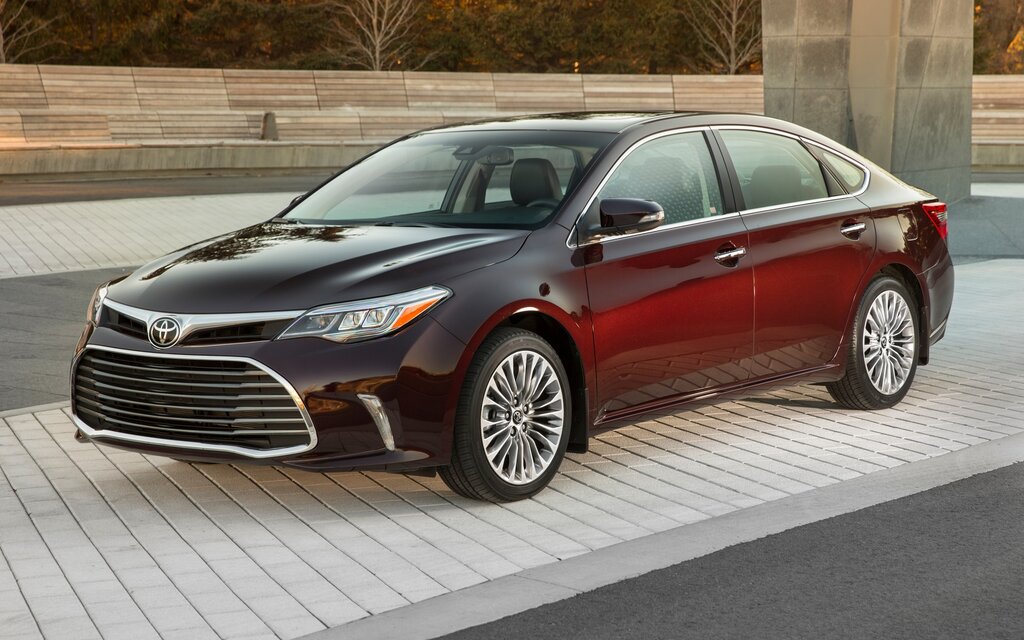
2. 2017 Toyota Avalon
The 2017 Toyota Avalon earned a strong reputation for reliability, supported by minimal recalls and an excellent J.D. Power score of 87 out of 100. Only two complaints were filed on Car Complaints, one related to a loose grab handle and the other to a faulty A/C system, minor concerns compared to typical industry problems.
Even the Avalon Hybrid recorded zero complaints, though both versions shared two recalls tied to airbags and seat belt pretensioners, as well as potential issues with spare tire air pressure.
These concerns, however, did little to tarnish the model year’s reputation. Toyota further bolstered the Avalon’s value by making its Safety Sense suite standard across all trims.
Features such as adaptive cruise control, lane departure warning with intervention, forward collision warning, automatic emergency braking, and automatic high-beam assist ensured a reassuring driving experience, particularly for families seeking both security and peace of mind.
Under the hood, the 2017 Avalon carried a 3.5-liter V6 engine paired with a six-speed automatic transmission. This setup delivered 268 horsepower and 248 lb-ft of torque, achieving a swift 0–60 mph time of 6.4 seconds, making it one of the quicker options among large sedans.
Drivers praised its responsive acceleration, predictable braking, and light yet accurate steering, which made the Avalon approachable for nearly anyone. While not designed for aggressive cornering, the Avalon balanced comfort and control with a suspension firm enough to prevent floatiness but still forgiving enough for long highway stretches.
Reviewers noted that its drivability was a standout strength, with an ease and refinement that made city driving and highway cruising equally pleasant. For buyers seeking a balance of performance and comfort without sacrificing Toyota’s trademark reliability, the 2017 Avalon delivered exceptionally well.
Inside, the Avalon reflected Toyota’s effort to move the model further upmarket, offering a quiet and polished cabin that rivaled near-luxury competitors. Materials were soft-touch and tastefully styled, while seating comfort was rated highly thanks to supportive cushions, multilevel heating, and optional ventilation.
The cabin’s noise insulation impressed most reviewers, with road, wind, and tire noise nearly absent at all speeds. Space was another strength: wide door openings and ample room for five adults made it genuinely practical, while child seats fit easily in the rear. Visibility was solid, with a large windshield providing excellent forward views.
The only drawback came from the slightly firm ride compared to older Avalons, a trade-off for better control and handling. Nevertheless, comfort remained one of the Avalon’s defining qualities, especially during long journeys.
Beyond performance and comfort, the 2017 Avalon offered plenty of everyday practicality. Its 16-cubic-foot trunk was wide, easy to load, and supported by standard split-folding rear seats with a ski pass-through for extra versatility.
Inside, clever storage solutions such as a large center console, multiple cubbies, and a front “eBin” for devices with USB and auxiliary connections cater to modern convenience.
Combined with Toyota’s reputation for build quality and durability, the Avalon delivered not just as a comfortable sedan but also as a reliable daily driver.
Ultimately, the 2017 Toyota Avalon struck an appealing balance between upscale refinement, strong safety features, robust performance, and lasting reliability, securing its place as one of the best large sedans of its generation.
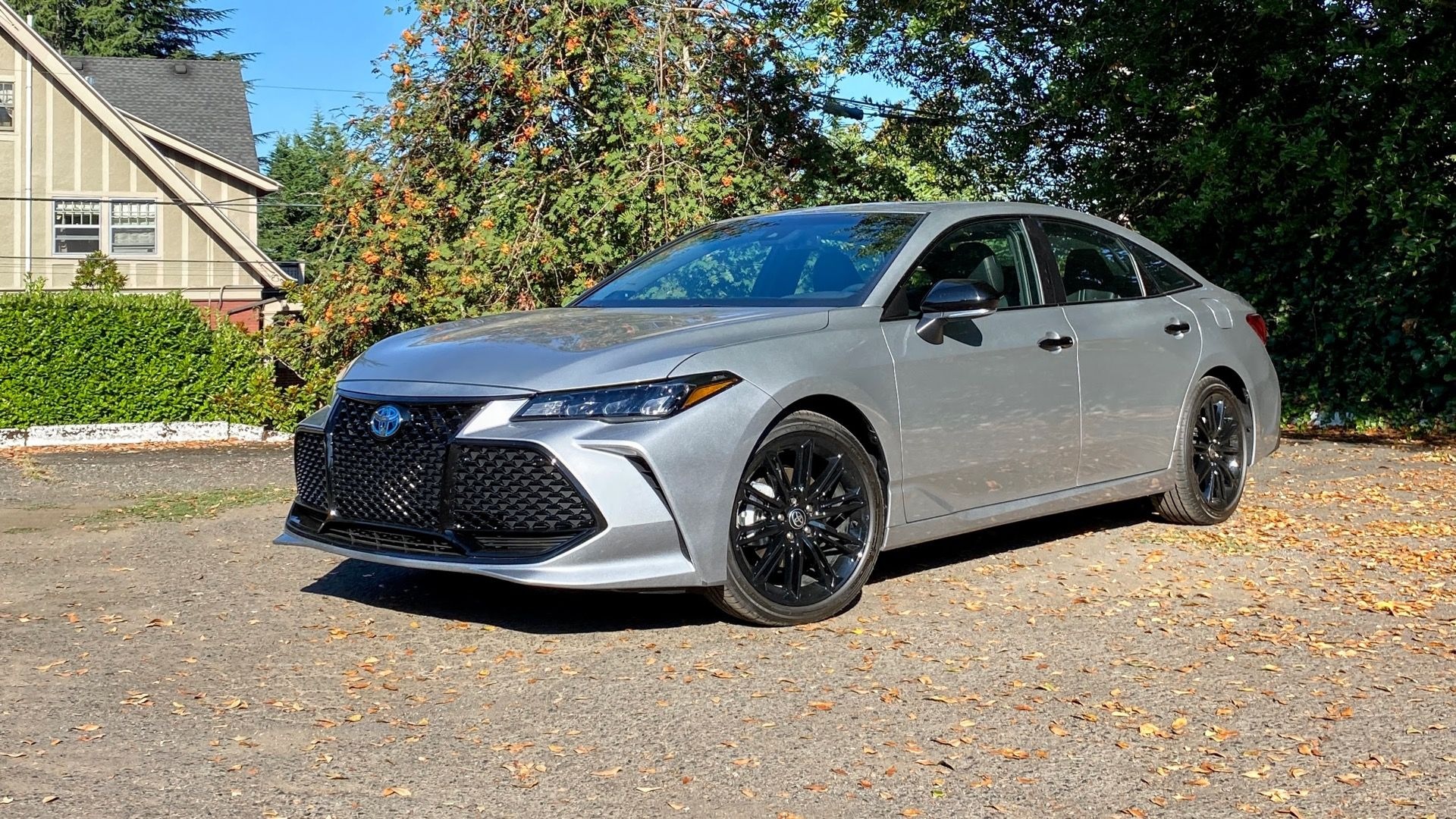
3. 2022 Toyota Avalon
The 2022 Toyota Avalon marks the final year of the model’s production and leaves the large sedan segment on a high note. With zero recalls, zero logged consumer complaints on Car Complaints, and a solid J.D. Power score of 85 out of 100 for quality and reliability, this model year stands out as one of the most dependable Avalons ever made.
Buyers benefit from Toyota’s reputation for long-term durability, making this sedan a safe investment for used car shoppers. The 2022 Avalon is also notable for being one of the last large sedans available, as rivals like the Chevy Impala and Ford Taurus have been discontinued, leaving only the Avalon and the Dodge Charger/Chrysler 300 duo.
While Toyota discontinued the TRD trim and eliminated the optional all-wheel-drive system for this final year, the Avalon remained a strong contender thanks to its balance of comfort, refinement, and reliability.
Performance has always been a strength of the Avalon, and the 2022 model continues that tradition. Equipped with a 301-horsepower V6 engine paired to a smooth-shifting automatic transmission, it delivers brisk acceleration for a large sedan while maintaining a composed and refined character.
The Avalon feels capable in day-to-day driving, whether commuting, running errands, or taking long road trips. Braking is consistent and confidence-inspiring, while the suspension manages to balance comfort with control.
Though it isn’t designed to rival a sports sedan, the Avalon surprises with its agility on winding roads, handling corners with more athleticism than expected for its size. Drivers praised its blend of power and refinement, making it both enjoyable to drive and practical for daily use.
Comfort is one of Avalon’s strongest attributes, making it a standout option in the large sedan segment. All seating positions are supportive and cushioned, with soft leather upholstery that gives the cabin an upscale feel.
The suspension smooths out rough roads, while the climate control system quickly adjusts to keep passengers comfortable in all conditions. Cabin insulation is effective, though road noise is still slightly noticeable.
Inside, the Avalon offers generous legroom, particularly for rear passengers, but the sloping roofline reduces headroom for taller occupants. Visibility up front is excellent, but side and rear views are more limited.
Technology is another highlight, with Toyota’s Entune infotainment system supported by a 9-inch touchscreen, Apple CarPlay, Android Auto, and a wireless charging pad. Storage solutions are plentiful, including a wide trunk with convenient loading height, numerous cubbies, and deep console storage.
Beyond comfort and performance, the 2022 Avalon delivers strong practicality and value. The trunk offers 16 cubic feet of cargo space, with a wide opening and low loading height that make it easy to use.
While folding the rear seats introduces a step-up that limits versatility, the car excels in accommodating child seats thanks to easily accessible anchors and a spacious rear bench. Fuel economy is another advantage, with an EPA rating of 25 mpg combined (22 city/31 highway), which is impressive for a V6-powered sedan.
Real-world tests even slightly exceeded these figures. Buyers also benefit from Toyota’s free scheduled maintenance for two years and a solid roadside assistance program, enhancing its value further.
With refinement comparable to the Lexus ES but at a lower price point, the 2022 Toyota Avalon stands out as one of the best final editions of a nameplate that defined comfort and reliability in the large sedan market.
4. 2020 Toyota Avalon
The 2020 Toyota Avalon builds upon its 2019 redesign with fresh appeal, introducing a new TRD trim level that brings sharper handling and a sport-tuned suspension.
As one of the last remaining large sedans in a shrinking market, the Avalon continues to stand out by blending the traditional strengths of the segment, a smooth V6 engine, spacious cabin, and premium features, with a surprising dose of performance.
With 301 horsepower from its V6, paired to a refined transmission, the Avalon accelerates with ease whether on a commute, a highway trip, or daily errands. Its consistent braking and nimble steering give it a level of agility uncommon for a sedan of its size, making it more engaging than rivals like the Chrysler 300 or Kia Cadenza.
For buyers seeking a mix of comfort and athleticism, the Touring trim further enhances driving dynamics with adaptive dampers that adjust between a cushioned ride and sharper handling.
Comfort has long been Avalon’s hallmark, and the 2020 model delivers strongly in this area. Leather upholstery, supportive seats, and a suspension that absorbs rough roads make it a welcoming cruiser for both short drives and long-distance travel.
Climate control works quickly to heat or cool the cabin, while noise insulation minimizes disruptions, though some road noise is still present. Space is another advantage, with abundant legroom in both rows and a versatile driving position that accommodates a wide range of drivers.
The sloping roofline, however, slightly compromises headroom for taller passengers in the rear, a rare drawback in an otherwise roomy interior. Storage and convenience features are well-executed, with multiple cubbies, deep console storage, cupholders, and a wide trunk that makes loading simple.
Though folding the rear seats creates a step-up that limits versatility, child seat accommodation is excellent, thanks to accessible anchors and a wide rear bench.
Toyota equips the 2020 Avalon with a user-friendly technology suite centered around the Entune infotainment system and a 9-inch touchscreen. The system is responsive and bright, with Apple CarPlay included for seamless integration.
Unfortunately, Android Auto remains absent, which may deter some buyers. The Avalon also offers multiple USB ports, including two in the rear, along with a wireless charging pad for added convenience. Voice controls are mixed in accuracy, but pairing with Siri through CarPlay improves usability.
Inside, premium materials enhance the cabin’s feel, creating a near-luxury atmosphere comparable to the Lexus ES at a more affordable price point. Visibility is excellent up front, though slightly limited to the sides and rear, while a low-resolution rearview camera is a reminder of where upgrades could still be made.
Despite these minor flaws, the Avalon’s interior offers a solid mix of comfort, technology, and sophistication.
Practicality extends to fuel efficiency, where the Avalon achieves an EPA-estimated 25 mpg combined, with real-world driving often slightly exceeding that rating. This level of efficiency is impressive for a non-hybrid V6 sedan, making it one of the most balanced options in its class.
Buyers also benefit from Toyota’s strong value proposition: a package that includes free scheduled maintenance for two years, roadside assistance, and build quality that inspires confidence in long-term ownership.
When stacked against competitors, the Avalon distinguishes itself not only through refinement and comfort but also by offering Lexus-like quality at a lower price. The 2020 Avalon may face a shrinking market for large sedans, but it proves why the segment still matters.
With its combination of performance, comfort, technology, and value, it stands as one of the most complete and compelling choices for drivers who want more than just another midsize sedan or SUV.
5. 2021 Toyota Avalon
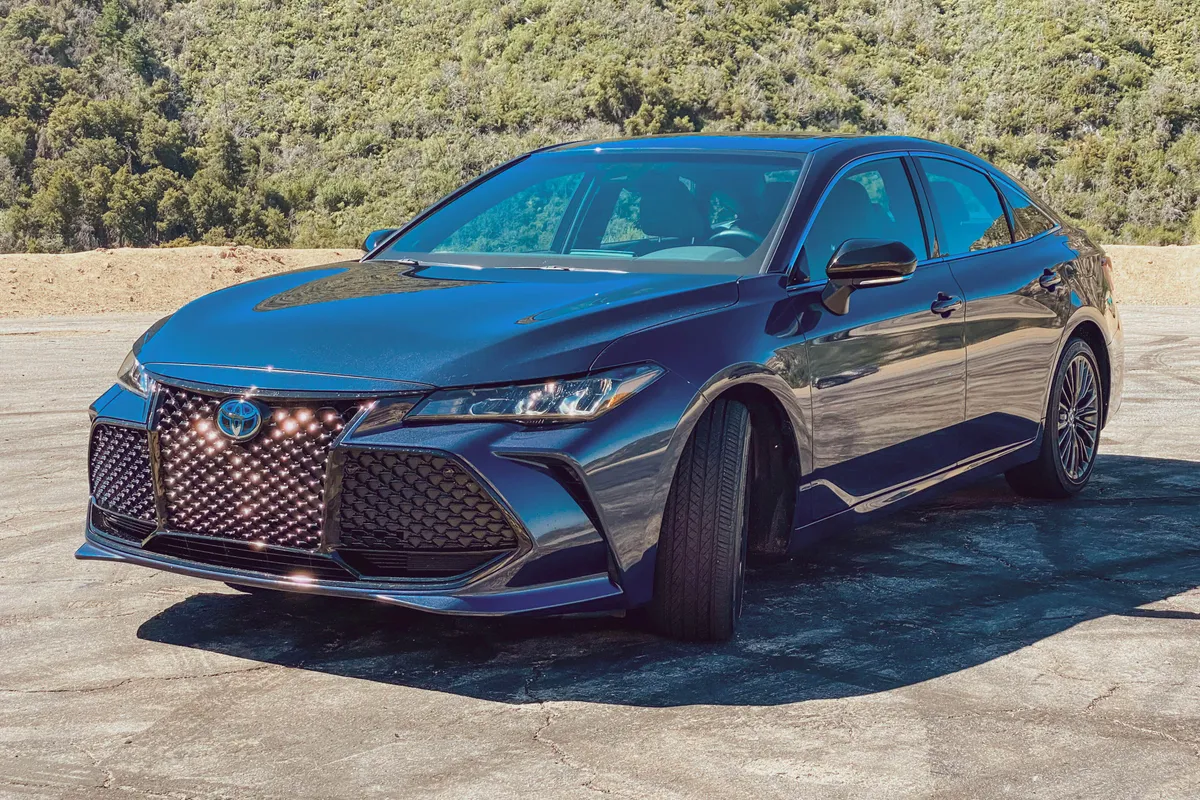
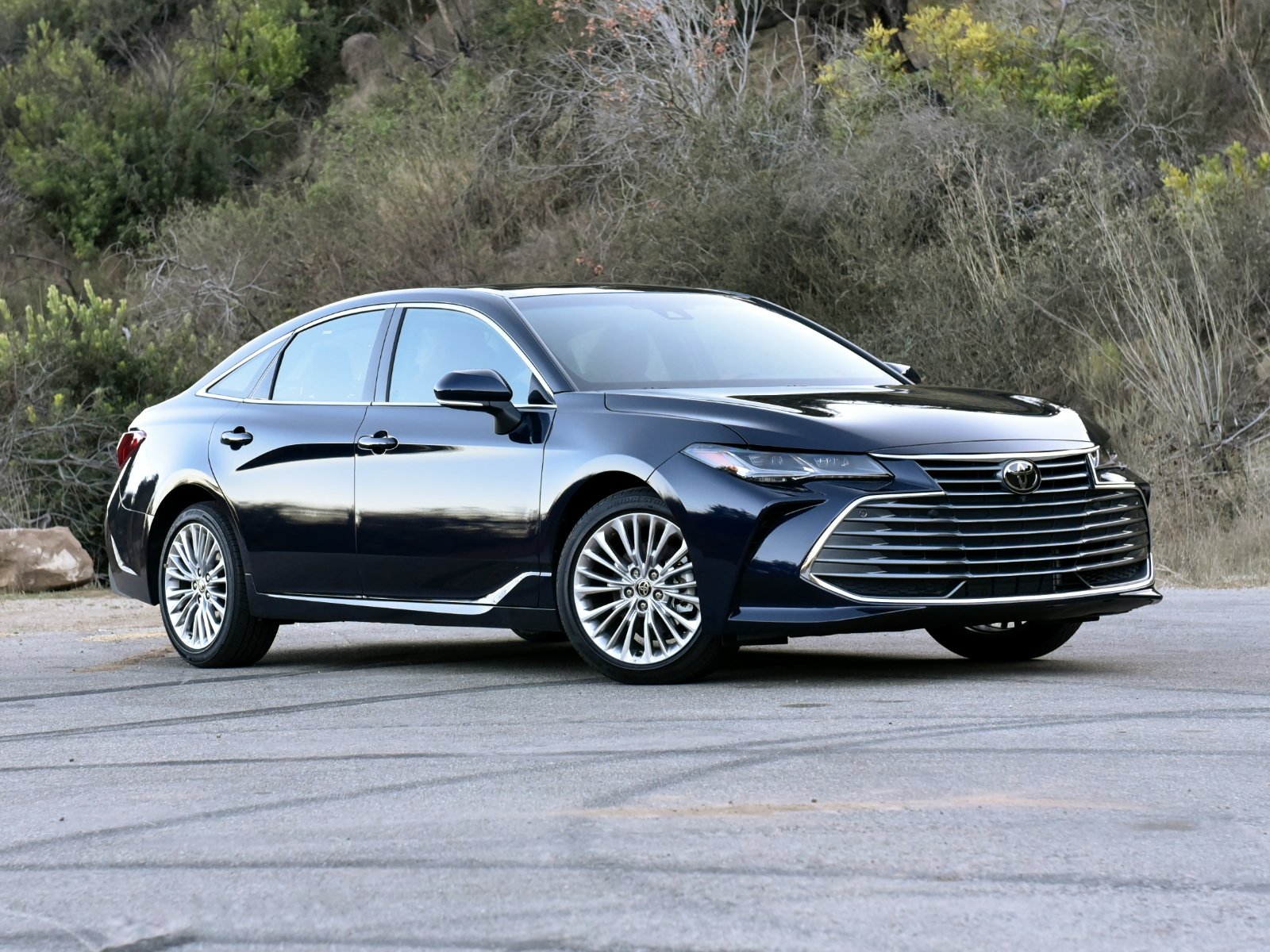
The 2021 Toyota Avalon brings notable updates that enhance both performance and convenience, making it one of the most compelling options in the large sedan segment. One of the most significant changes is the introduction of all-wheel drive, a first for the Avalon nameplate.
However, it comes paired only with a 2.5-liter four-cylinder engine that delivers 205 horsepower and 185 lb-ft of torque, falling short of the robust V6 option that continues to be offered.
While the four-cylinder may disappoint performance-focused buyers, particularly when compared to AWD-equipped competitors, Toyota balances the lineup with improvements in in-car technology.
Android Auto joins Apple CarPlay as standard, USB-C ports improve connectivity, and a new Nightshade Edition offers distinctive black exterior styling. Meanwhile, the sport-tuned TRD trim gains optional summer performance tires for sharper handling, signaling Toyota’s effort to appeal to a wider range of drivers.
Behind the wheel, the Avalon continues to impress with strong driving dynamics and surprising agility for a large sedan. The available 301-horsepower V6 engine paired with a smooth transmission provides plenty of power for everyday driving, road trips, or quick bursts of acceleration.
Braking remains consistent and confidence-inspiring, while handling feels controlled even on twisty roads, showcasing athleticism rarely found in this segment. The Avalon doesn’t position itself as a sport sedan, but its balance of power and composure makes it a refined cruiser that drivers can still enjoy on winding routes.
Fuel efficiency is another strength, with the V6 model rated at 25 mpg combined. During testing, it even slightly exceeded expectations with 26 mpg, making it one of the most efficient non-hybrid large sedans available.
Comfort continues to be a standout quality of the 2021 Avalon, and it’s arguably the primary reason many buyers choose this sedan. Both front and rear seating provide excellent cushioning and support, with the leather upholstery enhancing the premium feel. The cabin is well insulated, though road noise does creep in at times.
Interior space is generous, offering ample legroom and a superb driving position, though taller passengers may find rear headroom limited due to the sloping roofline.
Toyota’s attention to ergonomics shows in the well-placed controls and intuitive layout, though the infotainment system’s tuning knob can feel out of reach, and certain features remain buried in menus.
Technology is a strong point, highlighted by a responsive 9-inch touchscreen, smartphone integration, multiple USB ports, and wireless charging. While built-in voice controls can be hit or miss, Apple CarPlay and Android Auto offer reliable alternatives.
Practicality is another area where the Avalon delivers. Its wide trunk opening and low loading height make cargo space highly usable, even if the folded rear seats create a step that limits maximum versatility.
Storage solutions inside the cabin are plentiful, with numerous cubbies, deep center console space, and accessible cupholders. Families will particularly appreciate the Avalon’s ability to accommodate child safety seats with ease, thanks to accessible anchors and a roomy rear bench.
Combined with its impressive reliability, high-quality build, and strong value proposition, the Avalon stands as a worthy alternative to more expensive luxury sedans like the Lexus ES.
With free scheduled maintenance for two years, roadside assistance, and fuel economy that outperforms expectations, the 2021 Toyota Avalon manages to blend comfort, technology, and affordability into a package that solidifies its place among the best full-size sedans on the market.
Also Read: 5 Cars with Climate Control That Works vs 5 That’s Just for Show
5 Toyota Avalon Years That Don’t Last Forever
1. 2006 Toyota Avalon: Engine Woes in the XX30 Generation
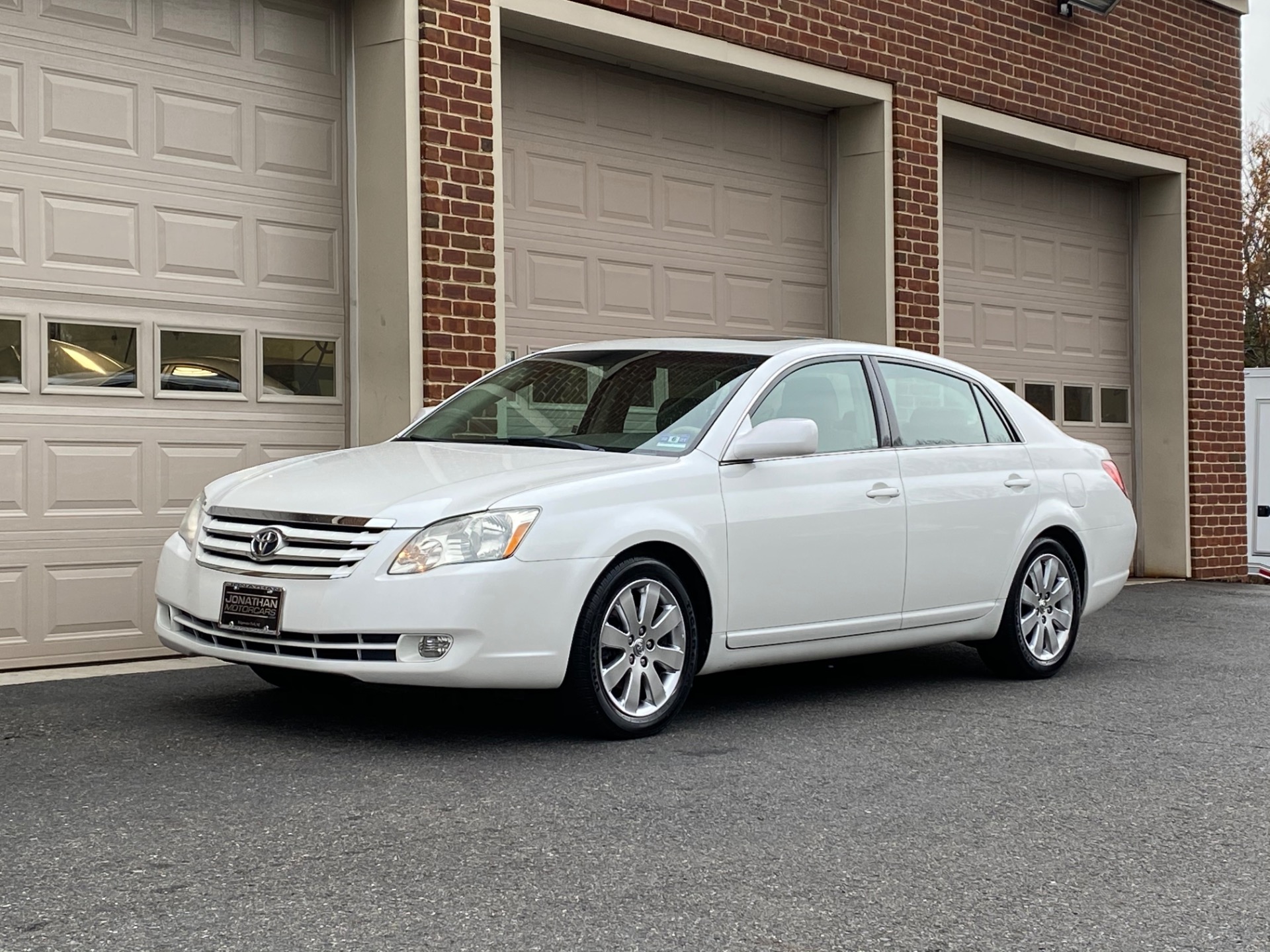
The 2006 Toyota Avalon serves as one of the most problematic entries in the Avalon lineup, contradicting Toyota’s usual reputation for bulletproof reliability. Consumer sites, particularly Car Complaints, recorded as many as 170 complaints for this year alone, a figure that makes it stand out as one of the Avalons to avoid.
Among these, an overwhelming 112 complaints were directly tied to engine issues, with the most concerning defect being a “complete loss of all engine oil without any warning light.”
This defect was rated with a severity score of 8.8 out of 10, indicating its seriousness, and the average repair bill was pegged at $2,050, hardly a small expense for a supposedly dependable sedan.
The nature of the defect means that it could occur suddenly and without sufficient alerts to the driver, posing potential safety risks in addition to financial ones. For a vehicle marketed toward comfort and dependability, such a critical flaw leaves many buyers disappointed.
Ultimately, the 2006 Avalon reminds consumers that not every Toyota year is created equal, and due diligence is necessary when searching for a used sedan. Buyers should proceed with caution before considering this model year in particular.
2. 2014 Toyota Avalon: Costly Repairs and Troubling Recalls
The 2014 Toyota Avalon, part of the XX40 generation, is often regarded as the worst Avalon year despite having fewer complaints than 2006. The reason lies in the severity and timing of its problems. Issues were not only more expensive to fix but also appeared at relatively low mileage, making them harder for owners to accept.
Interior quality complaints, such as cheap materials and premature wear, were also common, unusual for a vehicle positioned as a premium full-size sedan. Adding to the concern, the 2014 Avalon faced multiple recalls that included serious safety hazards.
These recalls covered critical components such as airbags and seat belt pretensioners that might fail to deploy, unexpected braking due to the pre-collision system, detaching ball joints, and even fuel leaks from the delivery pipe.
Each of these represents a potential accident risk, raising safety concerns far beyond minor inconveniences.
While the total number of consumer reports might not match earlier trouble years, the breadth and seriousness of these flaws made the 2014 Avalon particularly notorious. Buyers looking at used Avalons are often advised to avoid this year altogether to sidestep significant costs and safety-related risks.
3. 2011 Toyota Avalon: Defective Steering and Safety Hazards
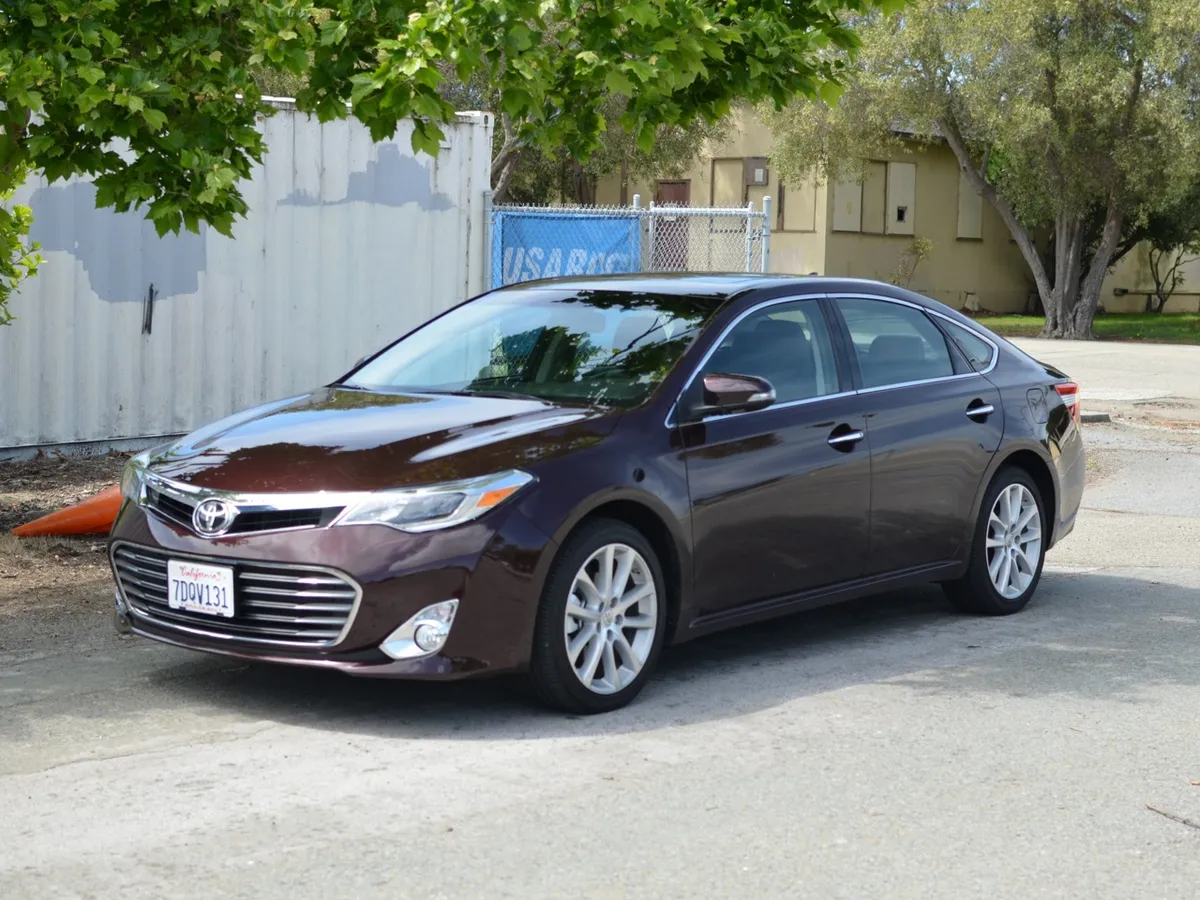
The 2011 Avalon may not hold the highest number of consumer complaints, but the type of issues it faced were highly concerning, especially regarding safety. A large portion of owner-reported problems stemmed from its defective and unreliable steering system.
Many complaints identified a loose steering column that, in several cases, collapsed unexpectedly while driving. Some owners reported losing control of the vehicle in intersections after the steering column telescopic lever failed, causing the steering wheel to depress into the dashboard.
This defect created not only a mechanical inconvenience but a severe hazard capable of leading to collisions. Websites like CarProblemZoo.com listed 124 problems for the 2011 Avalon, while CarComplaints.com noted 41 specific owner complaints.
Alongside the steering issues, other recurring problems included paint peeling from the car’s roof and failures in the rack-and-pinion system, both of which added to costly repair lists.
While less frequently cited, these issues demonstrated a lack of durability expected from Toyota. Considering the steering defect’s potential to cause accidents, this model year is consistently flagged as one to avoid. Drivers seeking safety and reliability in their full-size sedan will likely be better served with other model years.
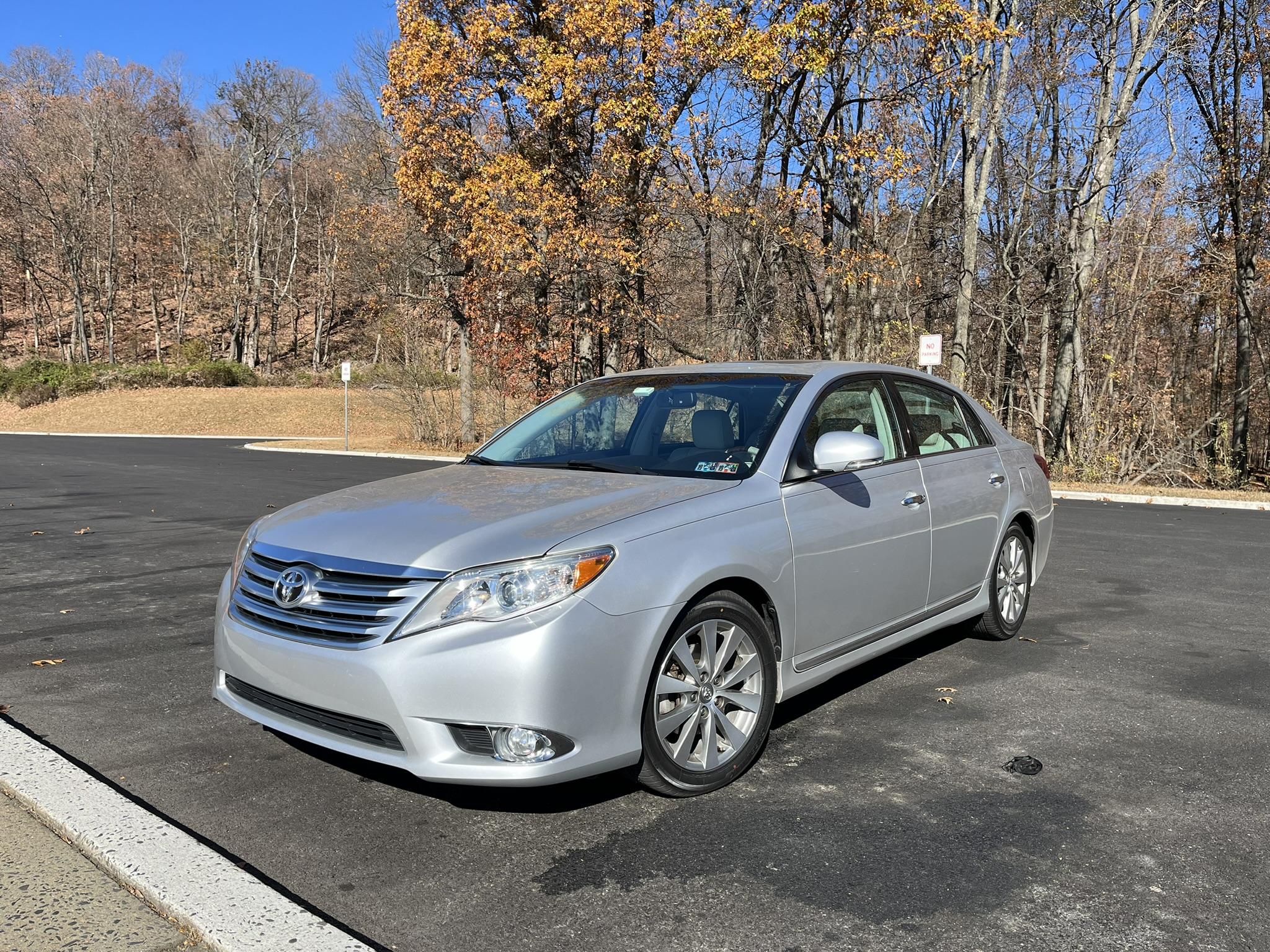
4. 2008 Toyota Avalon: Headlight Failures and Reliability Decline
The 2008 Toyota Avalon received an unusually high number of complaints, with many tied to electrical and lighting problems. Chief among them was widespread headlight failure, not due to bulbs but stemming from defective headlamp assemblies.
Owners described incidents where headlights suddenly shut off while driving at night, creating dangerous driving conditions. Reports detailed shattered light bulbs within the housing or headlights shutting down entirely without warning.
This issue was particularly dangerous when driving in rural or unlit areas, forcing drivers to travel well below speed limits to remain safe. Beyond lighting concerns, owners also reported unintended acceleration, random lurching, and mechanical problems similar to other troubled years.
According to CarProblemZoo.com, the 2008 Avalon accounted for 411 reported problems, with 72 logged complaints on CarComplaints.com. Other recurring mechanical issues included oil leaks, piston-related failures, and rack-and-pinion steering malfunctions.
These defects significantly undermined confidence in the 2008 model year. For a car expected to deliver reliability, comfort, and safety, its widespread lighting and mechanical flaws left owners frustrated. Buyers looking for long-term dependability in an Avalon would be wise to steer clear of this particular model year.
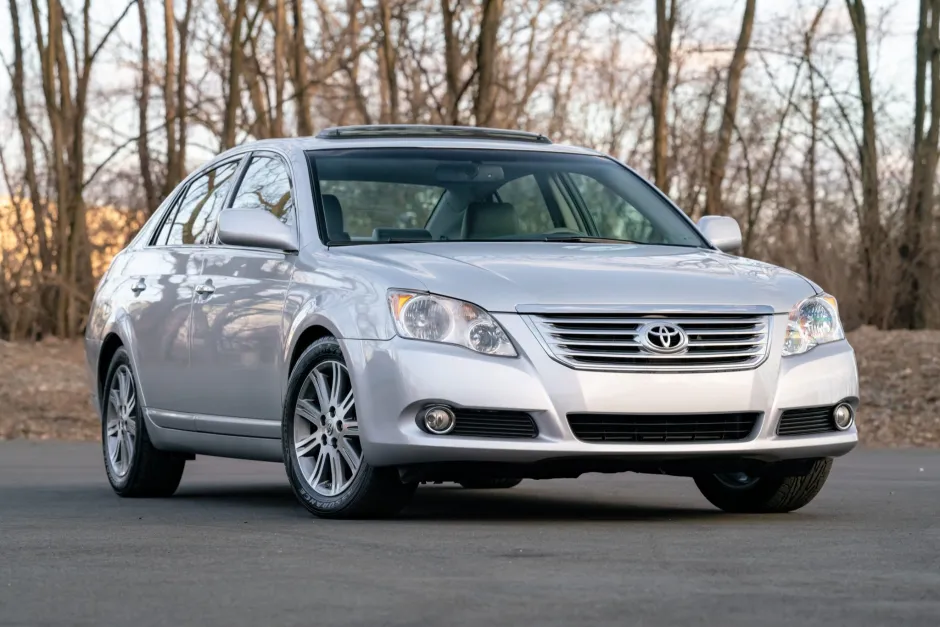
5. 2009 Toyota Avalon: Lingering Issues Despite Fewer Complaints
While the 2009 Avalon fared slightly better than the problematic 2008 model, it was far from trouble-free. Many of the same issues carried over, though at a reduced frequency, making it somewhat less notorious yet still concerning for potential buyers.
The most persistent defect was headlight malfunction, with owners again citing complete headlight failures while driving. Though complaints were fewer, the nature of the issue was identical and just as unsafe.
CarProblemZoo.com reported 109 total problems for the 2009 Avalon, alongside 11 complaints listed at CarComplaints.com, suggesting some improvement over its predecessor.
However, other recurring defects, such as rack-and-pinion leaks, unintended acceleration, and piston-related engine troubles, continued to frustrate owners. While these problems may not have been as widespread as in 2008, they still carried high repair costs and significant safety implications.
The reduced volume of complaints does not mean this year is a safe bet, as the similarity of issues indicates lingering design flaws from the previous model year.
Buyers evaluating the 2009 Avalon may find it less problematic but still risky when compared to more reliable Avalons from other years. Avoiding both 2008 and 2009 altogether remains the safest choice.
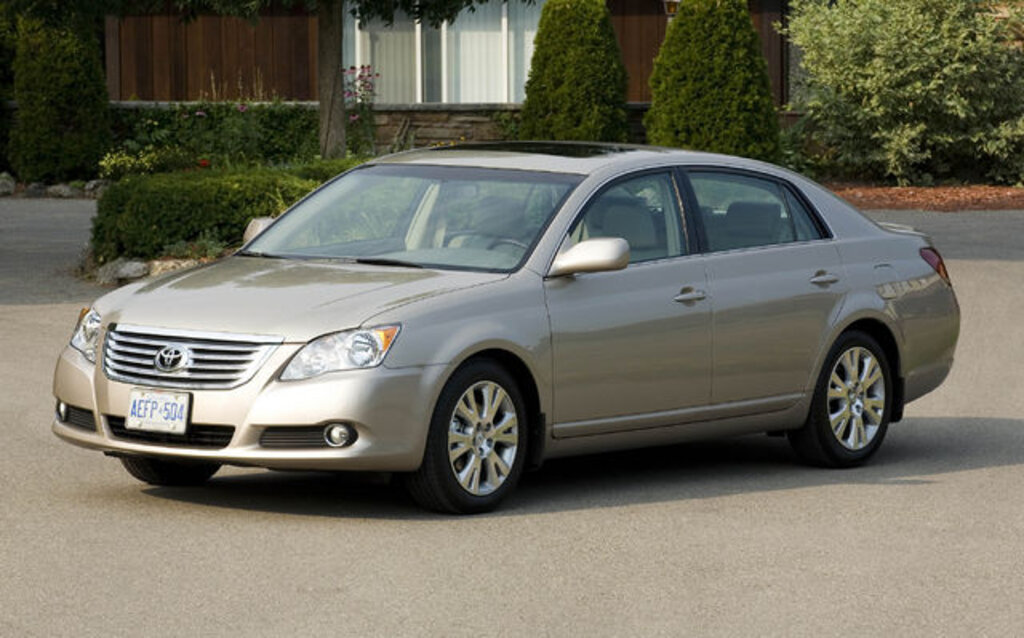
The Toyota Avalon remains one of the most respected full-size sedans ever built, combining Toyota’s hallmark reliability with a level of comfort and refinement that often rivals luxury brands.
Over its production run, the Avalon has proven to be a dependable choice for many drivers, with countless examples lasting well beyond expectations. However, like any long-running model, some versions have stood out for exceptional durability while others have faced criticism for costly repairs or design flaws.
For buyers, the key lies in identifying which Avalons deliver the best balance of value and dependability, ensuring confidence on the road. Whether you’re looking for a reliable daily commuter or a comfortable sedan for long journeys, the Avalon has the potential to provide a rewarding ownership experience when you choose wisely.
Also Read: 10 Cars With Tricky Seatbelt Buckles for Elderly Passengers
