
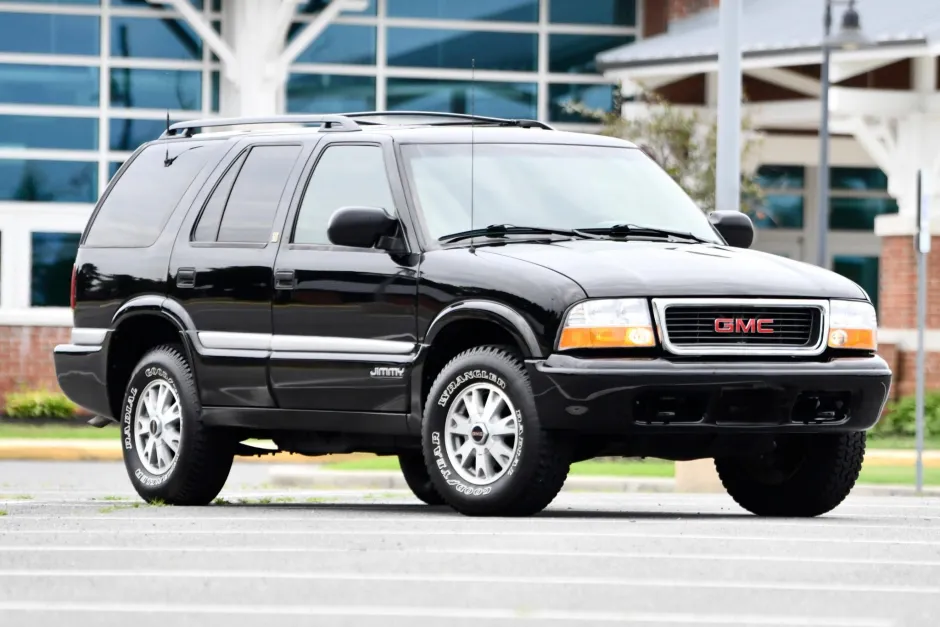
When it comes to keeping a vehicle healthy past the 200,000-mile mark, many drivers assume it requires constant shop visits and costly repairs. Yet for owners of the GMC Jimmy, crossing such a milestone is a badge of endurance rather than a looming deadline.
Built during an era when trucks were engineered for rugged use, the Jimmy has a well-earned reputation for dependability. However, reaching and exceeding 200k requires more than luck. It demands a combination of smart driving habits, timely maintenance, and attention to areas that typically wear out with age.
What often sets a long-lasting Jimmy apart from one that retires early is consistent care. Owners who understand the quirks of these SUVs can prevent small issues from turning into major failures.
The engine, transmission, and suspension are capable of achieving high mileage when treated with respect, but even the toughest components need support.
This means choosing the right fluids, monitoring parts that fatigue over time, and giving the truck the kind of care schedule it deserves.
Reliability past 200,000 miles doesn’t rely on chasing every new part or modification. Instead, it’s about patience, prevention, and a willingness to check on the little things before they snowball into expensive breakdowns. With the right approach, the GMC Jimmy can still feel trustworthy even after two decades of service.
The following tricks focus on tried-and-true practices shared by long-term Jimmy owners and mechanics alike. While any vehicle can last if maintained properly, these steps are tailored to the Jimmy’s design, common weak spots, and strengths.
Think of them as habits that keep this classic SUV cruising long after many others have turned into driveways ornaments. With consistency and attention, a GMC Jimmy can easily go the distance and keep doing what it was originally built for: reliable performance.
Also Read: 10 Pro Tips That Keep a Chevy HHR Reliable for Daily Driving
Trick 1: Stick to a Strict Oil Change Schedule
For high-mileage vehicles like the GMC Jimmy, nothing is more important than fresh, clean oil. The 4.3-liter V6 that powers most Jimmys is tough, but when sludge builds up inside, it loses efficiency and reliability.
Neglecting oil changes leads to premature wear on bearings, seals, and camshaft lifters, all of which become harder and more expensive to replace as mileage climbs. Keeping up with regular oil changes ensures lubrication stays effective and prevents contaminants from corroding engine parts.
Many owners claim they stretched oil intervals to 5,000 or even 6,000 miles without issue during the early life of the truck. While that may work for a younger engine, once a Jimmy is nearing 200,000 miles, the margin for error shrinks.
Sticking to a 3,000–3,500-mile interval is far more sensible, especially if the vehicle is exposed to towing, stop-and-go traffic, or dusty conditions. Switching to a high-mileage synthetic blend can also add protection, as these formulas include additives that nourish seals and reduce burn-off in older motors.
Another detail involves the oil filter. A cheap filter fails to capture smaller particles and may allow pressure fluctuations, which a seasoned engine cannot afford. Investing in a high-quality filter adds only a small cost but shields critical moving parts from premature wear.
Keeping track of oil consumption is also vital. A Jimmy with well over 150,000 miles may burn or leak oil slowly. Monitoring dipstick levels every 1,000 miles can prevent the engine from running dangerously low.
Ultimately, consistent oil changes are more valuable than nearly any other single service for a Jimmy pushing beyond 200k. It is one of those disciplines where you see the payoff not in immediate performance gains but in long-term dependability.
Oil is the lifeline of the Jimmy’s motor, and respecting that truth allows the SUV to keep running strong long past what most owners expect.
Trick 2: Maintain the Transmission with Care
If the engine is the heartbeat of the GMC Jimmy, then the transmission is the nervous system that keeps power flowing. High-mileage owners often report that the transmission can become a weak spot if ignored.
The Jimmy’s automatic transmission, while solid for its time, suffers if fluid and filters aren’t serviced consistently. Letting transmission fluid degrade causes overheating, slipping gears, or hard shifts. These symptoms worsen quickly and can bring a once-reliable truck to a halt.
For longevity, the transmission fluid should ideally be replaced every 30,000 to 40,000 miles. By this stage of ownership, old fluid will often appear dark and burnt, which does little to protect clutches and bands. A fluid flush by itself isn’t always the best move at this mileage.
Instead, opting for a pan drop and filter replacement is safer, as it avoids dislodging sludge that could block passages. Topping it off with the correct specification fluid is equally important, since using a substitute often leads to slipping.
Checking fluid levels regularly is another smart habit. A transmission running even slightly low on fluid overheats much faster and loses critical lubrication. Spotting leaks around the cooler lines or rear seal should not be delayed, as small drips eventually starve the system.

Adding an auxiliary transmission cooler is an inexpensive modification that many high-mileage Jimmy owners swear by, especially if towing is involved. Heat is the number one killer of automatics, and reducing it directly extends longevity.
The way you drive also plays a role. Avoid flooring the accelerator during shifts or towing beyond the recommended limit. Gentle gas pedal habits allow smoother gear changes and reduce strain.
Consistent care and preventive attention to this system mean a Jimmy can pass the 200k line without requiring a full rebuild. With as much as a transmission replacement costs, prevention saves thousands in the long run.
Trick 3: Cooling System Upkeep
For a truck like the GMC Jimmy, overheating is one of the biggest threats to an aging motor. The cooling system often gets overlooked until a problem arises, but by the time a temperature spike occurs, damage may already be done.
Head gaskets strain, cylinder heads warp, and coolant leaks shorten the life of an otherwise strong motor. Preventing these issues requires vigilance with the entire cooling system, not just the radiator.
Coolant should be flushed and replaced about every 50,000 miles, although for a high-mileage vehicle, checking it annually is wise. Old coolant loses its ability to protect against corrosion, which eats away at internal components.
Radiator hoses, heater hoses, and clamps tend to harden and crack, especially once the vehicle is past two decades old. Replacing these before they burst prevents a highway breakdown.
Another critical part is the water pump. It circulates coolant throughout the engine, and when it begins to fail you’ll often hear squealing or see small leaks near the pulley. At 200k, if the water pump hasn’t already been swapped, it’s smart insurance to replace it.
The thermostat also deserves attention. A sticking thermostat can lock the engine into a hot cycle, eventually resulting in permanent damage. A new thermostat every 80,000–100,000 miles is smart preventative maintenance.
The radiator itself must also be inspected for clogs, rust, or leaks. Cleaning debris stuck between fins restores proper airflow, while a pressure test helps locate hidden cracks.
Many Jimmy owners find that adding an aftermarket aluminum radiator gives additional cooling strength for older vehicles.
Staying proactive with the cooling system ensures operating temperatures remain steady and within range. Once heat spirals out of control, the road back is expensive.
Keeping coolant flowing cleanly, hoses secure, and temperatures balanced keeps a high-mileage Jimmy from falling victim to one of the most preventable killers of old engines.
Trick 4: Suspension and Steering Attention
One reason the GMC Jimmy built its reputation was its ability to feel solid and steady on rough roads. With time, though, suspension and steering parts inevitably wear out. Ball joints, control arms, shocks, and tie rods take the brunt of heavy use.
Once these components deteriorate, not only does the ride feel loose, but safety is compromised. For owners aiming to see their Jimmy pass 200k comfortably, investing in suspension upkeep is crucial.
At this mileage, original shocks are likely past their usable lifespan. Replacing them with gas-charged or heavy-duty shocks restores ride quality and stability.
Worn shocks don’t just affect comfort; they cause tires to wear unevenly and place extra stress on suspension mounts.
Checking ball joints is equally critical, as these joints are known points of failure on older GM SUVs. A loose ball joint causes rattling, inconsistent steering, and can even separate while driving. Investing in quality replacements ensures peace of mind.
Steering play is another sign of wear. Check the idler and pitman arms, which on the Jimmy are common weak spots. Worn versions cause sloppy steering and wandering at highway speeds.

Catching the issue early lets you replace them before they affect other linkages. Likewise, regular alignment checks keep the vehicle tracking straight while preventing tires from wearing prematurely.
Bushings around control arms also harden and crack with age. Replacing them restores the solid, connected feel that many drivers miss after years of wear. This kind of attention not only improves driving comfort but also reduces strain on the frame and mounts.
A well-cared-for suspension system means a Jimmy can keep its confident feel for decades. Long journeys and challenging roads become far less stressful when the suspension is fresh.
Reliability is not just about the engine running but also about how the vehicle handles every mile, corner, and bump along the way.
Trick 5: Stay Ahead of Rust and Corrosion
For older trucks like the GMC Jimmy, rust is the silent enemy that shortens lifespans. Where engines and transmissions can be repaired or replaced, frame rust is often the reason a truck is retired.
Corrosion doesn’t just make a truck look aged, it compromises structural strength and safety. Owners in regions with salted winter roads or coastal climates must be especially cautious.
The best habit is regular washing, particularly focusing on the undercarriage. Road salts find their way into every seam and weld, slowly eating at the frame. A thorough wash during winter months flushes away corrosive deposits that traps moisture.
Pairing this with undercoating treatments adds another layer of defense. Many professional shops offer rust-proofing services, spraying protective coatings inside frame rails and wheel wells.
Inspecting hidden areas is equally important. The rocker panels, wheel arches, and rear tailgate are common rust trouble spots on the Jimmy.
Using a flashlight to examine underneath helps spot a small rust bubble before it spreads across larger sections. When you catch it early, rust can often be ground down and treated with rust-inhibitor paint. Waiting too long often makes the job overwhelming.
Preventive measures extend beyond paint and washing. Keeping drain holes clear, especially around the tailgate and doors, ensures water doesn’t pool. Installing rubberized mats inside the truck bed or using protective sprays helps fight corrosion from spills or debris.
Another tip is avoiding long-term damp storage. Parking on dirt or grass increases humidity around the underbody, accelerating corrosion. Whenever possible, store the truck in a clean garage with good ventilation.
Rust prevention requires consistent effort, but it yields huge rewards. More than any single repair, keeping rust away means a Jimmy’s frame and body survive the test of decades.
A solid frame gives the rest of the truck a foundation strong enough to carry 200,000 miles and beyond with confidence.
Trick 6: Electrical System Reliability
As vehicles age, electrical issues become more frequent, and the GMC Jimmy is no exception. While the V6 engine and drivetrain have proven toughness, worn wiring, failing alternators, and weak battery connections can strand even the healthiest engine.
Paying early attention to the electrical system helps avoid frustrating no-start situations and odd intermittent failures.
The battery is the first line of concern. Older trucks running original-size batteries often lack the cold-cranking power needed after years of wear.
Upgrading to a high-quality battery with strong reserve capacity helps keep starting effortless, even in winter. Battery terminals and grounds must remain clean and tight. Corroded terminals reduce voltage delivery, leading to sluggish starts and stressed alternators.
The alternator itself is another vital point. Around the 150,000–180,000-mile mark, many original alternators begin to fail. Symptoms include dimming headlights, flickering dash lights, or slow power accessory movement.
Testing the alternator’s charging output during routine service helps catch issues before a breakdown. Replacing it proactively ensures steady electrical flow.
Wiring harness fatigue is another area to monitor. Years of vibration and heat can make insulation brittle. Look for cracks or exposed wires that may cause shorts.
Replacing sections with new wiring or protective loom helps restore reliability. Ground straps that connect engine to chassis corrode over time, creating intermittent electrical gremlins. Refreshing these connections makes the system far more stable.

Owners should also check relays and fuses periodically. Fuses that repeatedly blow often point to impending wiring problems, which can cause greater electrical failures if left unchecked.
By giving the electrical setup the same care as the engine or suspension, you build a foundation for another 100,000 miles.
A Jimmy that starts confidently every morning, with working lights, accessories, and charging systems, is far more enjoyable to keep on the road than one constantly plagued by mysterious electrical faults.
Trick 7: Fuel System Health
A dependable fuel system is a must for any long-lived GMC Jimmy. With age, fuel pumps, filters, and injectors lose efficiency, which leads to hesitation, rough idling, or loss of power. By the 200k mark, many of these parts have already been replaced once. If they haven’t, owners should consider doing so to maintain reliability.
The in-tank electric fuel pump is particularly important. When fuel levels are consistently run low, the pump loses its natural cooling and wears faster. Keeping the tank above a quarter full not only prevents sediment from clogging the system but also extends pump life.
Once a pump starts whining, cutting out at high loads, or causing long cranks, replacement is near. Planning for it early avoids the hassle of a sudden failure.
Fuel filters should also be swapped routinely. While many are embedded in the fuel line and can be forgotten, replacing every 30,000–40,000 miles keeps dirt and rust from starving the injectors.
The injectors themselves can gum up over time, leading to uneven spray patterns. Using fuel system cleaners or having them professionally cleaned restores smooth combustion.
Vacuum leaks and worn sensors, such as the mass airflow sensor, throttle position sensor, and oxygen sensors, also play a role in fuel efficiency and smooth running. At 200k, testing or refreshing these sensors can improve both performance and longevity.
Finally, fueling habits matter. Sticking to quality stations that provide clean fuel reduces risk of contamination. Adding occasional high-grade octane or detergents helps maintain cleaner combustion chambers.
Keeping the fuel system in top condition brings noticeable daily improvements. Smoother starts, better throttle response, and stable fuel economy all reduce stress on other systems.
For an SUV carrying decades of service, giving the fuel system this attention makes the difference between a sluggish retiree and a truck that feels prepared for another long stretch of miles.
Trick 8: Brake System Vigilance
Brakes are often taken for granted, yet for a heavier SUV like the GMC Jimmy, their condition defines both safety and confidence. High mileage means many of the original components are long worn down. Calipers seize, lines corrode, and brake fluid collects moisture.
Ignoring these problems does more than extend stopping distances; it endangers the integrity of the entire truck.
Brake pads and rotors should be checked frequently. With age, rotors develop deep grooves and warping, especially if the truck has towed or carried heavy loads. Replacing them when uneven wear develops restores reliable stopping power.
Premium pads are worth the cost, as cheaper versions often produce more dust and fade under pressure. At this mileage, replacing calipers instead of continually freeing stuck pistons is often the smarter move.
Brake lines, especially steel ones running along the underside, are prone to corrosion. Once lines weaken, sudden ruptures occur, often with little warning. Replacing them with coated or stainless options provides lasting durability. Flexible rubber hoses should also be inspected, since they swell and soften over time.
Brake fluid deserves special focus. Absorbing water over years reduces boiling point, promoting fade under heavy braking.

Flushing fluid every two to three years maintains system integrity. Power brake boosters and master cylinders can also weaken with age. Replacing them at the first sign of spongy pedals avoids sudden failure.
Prioritizing brake health doesn’t just ensure safety it also preserves other parts of the vehicle. A strong braking system prevents stress on drive components and maintains handling stability, especially in emergency maneuvers.
For a Jimmy that’s already made it past 200k, keeping brakes fresh guarantees it remains trustworthy no matter the miles stacked on the odometer.
Trick 9: Regular Attention to Tires and Alignment
Tires are the only link between your GMC Jimmy and the road. Past 200k, keeping them at their best is not just a matter of safety but a key to extending the life of the suspension and drivetrain.
Uneven wear, poor alignment, or running on old rubber adds stress across the truck. Giving consistent attention to this area keeps the vehicle balanced and predictable.
The first habit is maintaining proper air pressure. Tires that run too soft increase rolling resistance, which strains the transmission and reduces fuel economy. Over-inflated tires wear in the center while losing grip in wet conditions.
Regularly checking psi with an accurate gauge prevents either extreme. Since weather changes pressure, monthly checks are wise.
Tire rotation is another must. Every 5,000–6,000 miles, swapping front and rear ensures even wear. Without rotation, front tires wear faster due to steering and engine weight. Balanced rotation extends lifespan and improves grip consistency.
Alignment is equally important after years of driving. Worn tie rods, bushings, or ball joints easily knock wheels out of spec.
A Jimmy with poor alignment tends to pull left or right and wears tires unevenly. Getting an alignment whenever suspension work is performed preserves both tires and steering stability.
Older tires must also be examined for dry rot or cracking. Even if tread remains, tires over 7–8 years old can harden, losing flexibility and grip.
Replacing them at appropriate intervals maintains both safety and performance. Choosing tires suited for your driving environment also helps. All-terrain models last longer for mixed use, while highway tread provides quieter comfort.
Good tire health isn’t just about making the Jimmy drive smoother. It protects fuel economy, reduces vibration stress across suspension parts, and ensures brakes perform properly. Long after the odometer crosses 200k, fresh and well-maintained tires allow this SUV to handle with confidence.
Trick 10: Drive with Mechanical Sympathy
The last and perhaps most important trick for keeping a GMC Jimmy reliable past 200k miles has less to do with parts and more to do with how the vehicle is treated. Driving habits directly dictate wear and tear. A careful, respectful driver often sees mileage many others cannot believe a truck can achieve.
Cold starts are worth special mention. Revving the engine hard immediately after starting is harmful, as oil needs a few minutes to circulate fully.
Allowing the engine to idle briefly before driving, especially in cold weather, prevents metal-on-metal wear. Likewise, avoiding sudden throttle surges when the engine is cold keeps internal stress lower.
Aggressive driving accelerates aging of multiple systems. Hard braking overheats pads and rotors, while constant rapid acceleration punishes the transmission.
Smooth, moderated use means components experience far less fatigue. Even something as small as gentle shifts between park, reverse, and drive reduces strain on the transmission’s internals.
Another smart mindset is preventive thinking. Listening for odd sounds, feeling for vibrations, and checking gauges regularly is not paranoia but rather awareness. Addressing issues early often results in small, inexpensive fixes instead of breakdowns.

Treating the Jimmy with patience when towing or hauling is also key. Staying within rated weight limits preserves suspension life, brake strength, and overall responsiveness.
Ultimately, mechanical sympathy is the simplest yet most effective trick in the long-term ownership playbook.
No matter how often you change fluids or replace parts, careless driving shortens lifespan. Respectful driving, combined with steady maintenance, almost guarantees the 200,000-mile mark is just another milestone rather than the end of the road.
Also Read: 10 Weekend Projects That Keep a Dodge Durango Running Strong
