
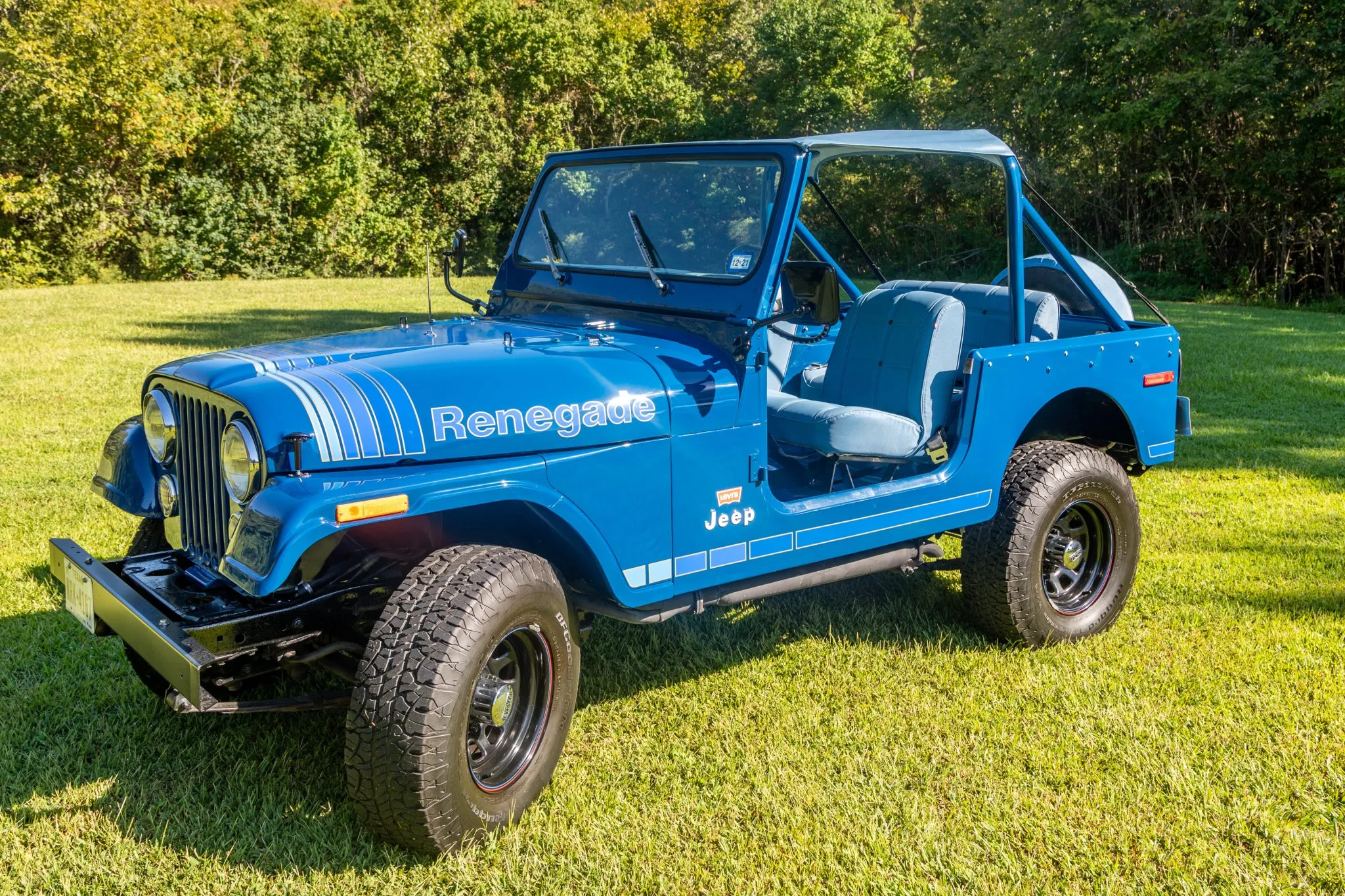
The Jeep CJ holds a special place in the history of off-road vehicles. Built as a rugged utility machine and beloved for its go-anywhere spirit, it became a cultural icon for enthusiasts who value durability, simplicity, and raw mechanical strength.
Owners cherish it for its charm and straightforward engineering, but that does not mean it is invincible.
For many, the CJ ends up with reliability headaches not because it was poorly designed, but because of a collection of bad habits, skipped maintenance, or poorly thought-out modifications that chip away at its dependability.
What starts as a fun weekend ride can quickly turn into a constant project if the right care is not given.
The Jeep CJ is often treated as a blank canvas by off-road drivers who enjoy customizing it. While this adds character, it can also accelerate wear if changes are careless or improperly installed.
Couple that with the fact that most of these classic machines are now several decades old, and you have a recipe where reliability becomes increasingly fragile.
Many common mistakes stem from neglect, shortcuts, or misunderstanding how a CJ’s unique mechanical setup reacts to different driving environments.
The good news is that most of these pitfalls are avoidable. By learning what slowly erodes a Jeep CJ’s dependability, owners can steer clear of unnecessary repairs and keep their ride on the trails instead of stranded in a garage.
Whether restored to factory condition or built up for weekend adventures, a CJ can still be a very trustworthy machine if treated carefully.
This breakdown of bad practices highlights the silent killers of CJ reliability, showing what actions or habits shorten its life span before its time. Avoiding them ensures the vehicle retains that rugged charm without becoming another case study in neglected classics.
Step 1: Ignoring Rust Control
Few things bring down the reliability of a Jeep CJ faster than unchecked rust. Unlike more modern vehicles with advanced corrosion protection, the CJ comes from a time when body and frame treatment was far less durable.
As a result, moisture, road salt, and dirt can eat away at critical areas, creating both cosmetic issues and severe structural weaknesses.
What many owners overlook is that rust on a Jeep is rarely just surface level. Once it begins spreading underneath paint, along seams, or within frame rails, it progresses silently until major repairs become unavoidable.
Rust is not simply an appearance issue; it directly impacts reliability by weakening the frame mounts that support the suspension and drivetrain. When these supports lose integrity, handling suffers, alignment cannot be held, and eventually stress leads to cracks.
Components like the fuel tank skid plate and floorboards are also notorious weak spots. A hole in the floor might seem harmless, but it compromises safety and eventually spreads.
For a CJ expected to see off-road use, body integrity is more than cosmetic it becomes a question of whether the vehicle can withstand tough terrain without sudden failure.
The smart approach is regular inspection and preventative treatment. Owners should check hidden areas such as under the fenders, inside rocker panels, and around body mounts.
Modern coatings, rust converters, and undercarriage sprays help, but only if applied before corrosion advances too far. Washing the jeep after exposure to salty roads or muddy trails is more important than most realize, as debris holds moisture against bare metal.
Some enthusiasts learn this too late, buying a CJ that looks clean on the outside but is rotting underneath. At that point, restoration costs can exceed the vehicle’s worth.
Regular attention to rust prevention saves money, time, and keeps the CJ structurally dependable for years. Ignoring it is one of the fastest ways to make a once-trustworthy ride unreliable.
Step 2: Overlooking Regular Fluid Changes
Fluids are the lifeblood of any machine, and for a Jeep CJ, skipping or delaying changes will quietly destroy reliability. Unlike some modern vehicles with longer service intervals, older engines, transmissions, and transfer cases rely heavily on fresh lubrication to handle stress.
Many owners enjoy the CJ for weekend rides or off-road outings, so it might log fewer miles than a daily driver. That leads some to assume fluid maintenance is less urgent. Unfortunately, time is just as damaging as mileage, since fluids degrade chemically even while the vehicle sits.
Engine oil is the first victim when maintenance is neglected. Contaminated oil loses its protective qualities, causing premature wear in bearings, lifters, and piston rings.
For an older inline-six or V8, these parts are already working harder due to age, so bad oil accelerates fatigue.
Transmission and transfer case fluids are just as often ignored, yet they take the brunt of off-road strain, extreme heat, and frequent gear changes. When their lubrication breaks down, expect grinding shifts, overheating, and eventual component failure.
Coolant is another overlooked fluid with huge consequences. Old coolant becomes acidic and fails at protecting the engine against corrosion and overheating. The CJ’s radiator and water pump are already stressed when climbing trails or hauling through hot weather.
Poor coolant leads to overheating, which has cascading damage on the head gasket and cylinder walls. Likewise, brake fluid absorbs moisture over time, breaking down both safety and mechanical reliability through softened pedal response and corrosion in brake lines.
By sticking to a strict change schedule, even if miles are low, owners can add years of life to their Jeep CJ. Fresh fluids reduce friction, dissipate heat properly, and safeguard old metal from corrosion.
Skipping fluid maintenance creates silent failures that reveal themselves when it is too late, often stranding the vehicle during a trip. Protecting fluids equals protecting reliability, and ignoring them is one of the most common ways enthusiasts shorten the CJ’s lifespan.
Step 3: Installing Oversized Tires Without Proper Upgrades
Big tires on a Jeep CJ certainly look impressive and provide more clearance for obstacles, but they are one of the quickest ways to downgrade reliability if not paired with the right supporting upgrades.
For a vehicle built decades ago, its factory gearing, brakes, and steering systems were not engineered to cope with the stress caused by oversized tires. Enthusiasts eager for a more aggressive stance sometimes throw on larger wheels without realizing the hidden toll.
The first area to feel the strain is the drivetrain. Oversized tires increase rotational mass, which puts added pressure on the transmission, axles, and differentials. The result is sluggish performance, poor fuel economy, and premature wear.
Without adjusting gear ratios to match the new tires, the engine works harder than necessary, often overheating or struggling on inclines. For owners who drive both on-road and off-road, this mismatch becomes apparent in reduced responsiveness that can leave the CJ frustrating to drive.
Braking is equally affected. Larger tires add weight and increase stopping distances. Factory drum brakes or smaller disc setups on many CJ models were never designed for the added load.
Failing to upgrade to stronger brakes makes stopping unpredictable, especially when carrying passengers or gear. This compromises both safety and long-term dependability, since overheated brakes lose efficiency quickly.
Steering components also take a hit. Tie rods, ball joints, and the steering box are put under more stress, often leading to looseness or the dreaded wobble that CJ owners sometimes encounter. Without reinforcement or upgraded parts, oversized tires shorten the lifespan of these critical steering components.
For those who want the aggressive look or off-road benefit of larger tires, the right way is through a complete approach. That means correcting gear ratios, upgrading brakes, and strengthening steering parts in line with the tire size.
Skipping those supporting changes may look cool for a while, but it drains reliability faster than most upgrades. A Jeep CJ can handle big tires, but only if they are matched with the mechanical balance it deserves.
Step 4: Neglecting Electrical System Maintenance
Electrical systems in the Jeep CJ are notoriously simple compared to modern vehicles, which ironically makes them more prone to owner neglect. Many assume a few wires and a basic alternator need little care.
In reality, electrical problems are one of the most common sources of sudden failure. Age makes wiring brittle, connections corroded, and alternators weak. The result is a machine that can start one day but leave you stranded the next.
Battery health is often at the heart of these failures. A weak or old battery loses charge quickly and forces the alternator to work harder, reducing its lifespan.
Corroded battery terminals also lead to inconsistent power delivery, causing misfires, weak lighting, or unreliable ignition. Considering how vital steady power is to carbureted engines and ignition systems, this cannot be ignored.
Wiring in classic CJs lacks the durability of modern insulation. Decades of heat, vibration, and exposure to moisture cause cracks and breaks.
Many owners compound the problem by adding aftermarket lighting, sound systems, or accessories without upgrading the electrical system to handle the load. This creates shorts, blown fuses, or worse, electrical fires.

Even basic elements like grounds should not be overlooked. Loose or dirty ground connections result in strange intermittent problems that are difficult to trace.
A Jeep CJ might suddenly refuse to start, have flickering gauges, or stalling issues simply because of a bad ground.
Regular preventative care solves most of this. Inspect all wiring for wear, secure connections, and replace brittle wires instead of patching them endlessly. Keep the battery strong, terminals clean, and alternator in top shape.
If accessories are added, upgrading the alternator and running clean wiring helps keep reliability intact. Neglecting the electrical system allows minor issues to snowball into frustrating breakdowns, undermining the CJ’s rugged reputation.
Step 5: Poor Carburetor Tuning and Fuel Issues
Unlike modern fuel-injected engines, the Jeep CJ relies on a carburetor that needs consistent care. Many owners underestimate how much reliability hinges on this seemingly simple part.
When a carburetor is out of adjustment, dirty, or fitted incorrectly, the engine struggles with rough idling, poor acceleration, and hard starts. Over time, this makes the vehicle frustrating to drive and erodes trust in its dependability.
A poorly tuned carburetor affects both performance and longevity. An overly rich mixture sends unburned fuel into the cylinders, washing away protective oil and causing premature wear.
An overly lean mixture, on the other hand, leads to higher combustion temperatures and potential damage to valves and pistons. For an older engine, either scenario reduces its lifespan drastically.
Fuel quality itself is another issue. Many CJs were never designed for today’s ethanol-blended fuels. Ethanol attracts moisture, which leads to corrosion inside the carburetor, fuel lines, and tank.
A neglected fuel system eventually clogs with varnish or deposits, creating unreliable performance. Combine this with old filters and failing pumps, and the outcome is a Jeep that sputters rather than roars.
Routine attention solves these headaches. The carburetor should be cleaned and tuned regularly to maintain consistent fuel delivery. Installing updated filters and ensuring the fuel pump is strong also prevents starvation problems.
For those running into ethanol-related corrosion, using stabilizers or sourcing ethanol-free fuel where possible makes a big difference.
Some enthusiasts upgrade to fuel injection for precision and reliability, but even sticking with a carburetor can be dependable if maintained diligently.
Ignoring fuel quality and carburetor health gradually transforms a strong, iconic CJ into a stalling, temperamental machine. Proper adjustments and fuel system upkeep keep reliability strong and performance enjoyable.
Step 6: Skipping Suspension and Steering Care
The Jeep CJ’s suspension and steering design is rugged, but decades of off-road use and lack of upkeep can quickly shorten reliability.
Owners often underestimate how crucial these systems are to both handling and mechanical health. Worn components not only make the vehicle uncomfortable but also stress other parts until more failures follow.
Leaf springs are at the heart of the CJ’s suspension. Over time, they sag, crack, or lose their ability to provide support, leaving the vehicle sitting unevenly and bouncing excessively.
Pair this with old or leaking shocks, and the ride becomes not only harsh but unpredictable. A tired suspension transmits more vibration through the chassis, accelerating wear on bushings, mounts, and steering parts.
The steering system is another frequent weak point. Tie rods, drag links, and the steering box take a pounding during trail use or even regular driving with oversized tires.
If they are not maintained, looseness develops. This can quickly escalate to the dreaded “death wobble,” a violent shaking of the front end that makes driving unsafe. Once this begins, finding the root cause is difficult, as multiple worn parts contribute to the issue.
Greasing suspension and steering parts on schedule keeps them from failing prematurely. Replacing bushings, shocks, and springs when they show fatigue goes a long way toward extending reliability. Reinforcing steering components to handle the stress of larger tires also helps.
A common mistake is putting modifications ahead of maintenance. Many owners lift their CJ for off-road looks but neglect to strengthen steering or refresh suspension parts accordingly. The result is a stylish vehicle that constantly breaks down when driven.
A properly maintained suspension and steering setup ensures the Jeep tracks straight, absorbs terrain effectively, and remains dependable whether on-road or trail. Skipping this care makes the CJ a headache rather than a reliable icon.
Step 7: Overloading the Vehicle
The Jeep CJ embodies utilitarian toughness, but that does not mean it can endure endless weight and strain. Many owners misuse their CJ by hauling excessive loads, towing beyond its limits, or carrying oversized accessories. What seems harmless in the moment chips away at reliability until critical systems fail.
Overloading puts immense stress on the suspension and drivetrain. Leaf springs sag under excessive weight, hastening wear. Shock absorbers bottom out, leading to rough rides and added stress on the chassis.
Axles carry more strain than they were designed for, which increases the risk of snapping shafts or accelerated gear wear. Overloaded CJs with stock axles are especially vulnerable, as they were never built for heavy hauling.
The engine and transmission also pay the price. When forced to move excess weight, the motor runs hotter and under greater stress, particularly on inclines.
The transmission suffers from overheating and premature wear since it must constantly work outside of its intended range. This is compounded when gear ratios are not adjusted to help with the additional strain.
Even stopping becomes difficult. The braking system, already modest in older CJ models, cannot stop extra weight effectively. Overheated brakes fade quickly, leaving the driver with longer stopping distances and reduced control in emergencies. This is not just a reliability concern but a safety hazard.
Common missteps include adding heavy bumpers, winches, roof racks, and overlanding gear all at once. While each upgrade seems attractive, the combined weight quietly pushes the vehicle past its mechanical comfort zone. The smarter approach is balancing accessories with supporting upgrades like stronger axles or upgraded brakes.
A Jeep CJ thrives when used within its intended limits. Treating it like a heavy-duty hauler is one of the fastest ways to wear it out before its time. Keeping weight reasonable preserves reliability and ensures it keeps performing the way it was built to.
Step 8: Failing to Address Cooling Problems
The Jeep CJ’s cooling system is one of the most critical yet most overlooked areas for long-term dependability. These vehicles are decades old, and even under ideal conditions, keeping them cool requires attention. Neglecting cooling issues is a sure way to ruin an engine and shorten reliability.
Radiators in older CJs often become clogged with rust or sediment. Reduced flow limits their ability to shed heat, causing the engine to run hotter than intended. Fans, water pumps, and hoses are also vulnerable points.
A weak or slipping fan clutch, a failing water pump, or soft hoses can all contribute to overheating. Once an engine crosses into overheating territory frequently, head gaskets blow, cylinder walls crack, and reliability plummets.
Complicating matters, off-road driving places unique strain on cooling systems. Crawling slowly over rocks reduces airflow through the radiator at the same time the engine is working hardest. Mud or debris caked onto the radiator fins further reduces cooling efficiency.
When these factors combine with an aging system, the CJ quickly becomes prone to overheating.
Some owners ignore minor coolant leaks, topping up fluids rather than fixing the issue. But even small leaks allow air into the system and reduce efficiency.
Old, degraded coolant also loses its protective properties, permitting corrosion inside the system. This not only eats away at metal components but weakens seals, accelerating wear.
Proactive care is the only way around this. Regularly flushing the coolant, inspecting hoses and pumps, and ensuring the radiator is clean allows the engine to stay within a safe temperature range.
Upgrades such as aluminum radiators, electric fans, or high-flow pumps can improve reliability further, especially for hot climates or trail use.
Letting cooling issues slide is one of the fastest and most expensive ways to kill a Jeep CJ. Preventing overheating ensures that an otherwise tough engine remains strong for decades.
Step 9: Ignoring Preventative Maintenance Altogether
The final and most destructive step that kills a Jeep CJ’s reliability is treating maintenance as an afterthought. Many owners get caught up in modifications, weekend fun, or simple neglect and forget that these vehicles demand regular care.
Unlike a modern SUV with computer monitoring and long service intervals, the CJ thrives only with consistent hands-on attention.
Skipping preventative maintenance means that small problems grow unnoticed. A loose belt becomes a snapped belt in the middle of a drive.
A minor oil leak becomes a major engine failure. A soft brake pedal turns into complete loss of stopping power. Each of these failures is preventable with routine checks, but once ignored, they erase trust in the Jeep entirely.
Older vehicles like the CJ are less forgiving because they lack electronic safeguards. There are no warning lights for every small issue. Instead, owners must rely on inspections, mechanical awareness, and scheduled servicing.
Failing to approach ownership with this proactive mindset gradually transforms a dependable machine into an unreliable project car requiring constant roadside rescues.
Simple practices extend reliability immensely. Checking fluids, tightening bolts, inspecting belts, greasing fittings, cleaning connections, and listening for unusual noises give early warnings before parts fail outright.
Creating and following a maintenance log keeps track of when jobs were done and what still needs attention. This disciplined, preventative approach is the difference between a Jeep that starts every time and one that causes endless frustration.
Some enthusiasts think occasional use reduces the need for attention. In fact, the opposite is true. Infrequent driving means fluids settle, seals dry out, and corrosion sets in faster.
Preventative care ensures the vehicle remains ready, even if months pass between drives. Ignoring it, however, guarantees disappointment when it is finally brought out.
The Jeep CJ was designed as a workhorse, but it delivers on dependability only if its owner consistently keeps up with maintenance. Forgoing preventative routines is the ultimate killer of long-term reliability.
Also Read: 10 Habits That Destroy a Jeep Grand Cherokee Off-Road
