

The Toyota GR86 has quickly built a reputation as a driver’s car, delivering excitement through sharp handling, lightweight balance, and a naturally aspirated engine that encourages spirited motoring.
Owners often praise the GR86 for its responsiveness and driver-focused design, but like any sports car, it demands consistent attention to ensure peak performance. Proper care is not limited to fixing problems when something feels wrong.
Instead, it is about adopting regular habits that keep the vehicle running in its best condition while also protecting long-term reliability.
Unlike routine sedans, a car like the GR86 is often pushed harder, whether on curvy roads or occasional track sessions. This makes staying on top of small but impactful practices very important.
A lot of drivers believe that maintenance only revolves around oil changes, yet there are multiple areas where attention can extend the car’s life and maintain its crisp driving feel.
From simple checks at home to scheduled service habits, these actions can make the difference between a car that ages gracefully and one that feels tired too soon.
Every performance-focused machine benefits from consistency, and the GR86 is no exception. With its compact boxer engine, rear-wheel-drive layout, and sport-tuned suspension, it thrives when treated with the right level of care.
Small adjustments and preventive maintenance choices add up over time, ensuring that both engine and chassis stay responsive.
This article outlines ten straightforward measures that require minimal effort but produce meaningful results.
Whether you use the GR86 as a weekend toy or as a daily driver, these practices will help retain the sharpness that Toyota and Subaru’s collaborative engineering intended.
Each suggestion is written with practicality in mind, avoiding complex jargon, so every GR86 owner can apply them immediately.
Also Read: 10 Pro Tips That Keep a Chevy HHR Reliable for Daily Driving
1. Frequent Oil and Filter Changes
For a performance-oriented machine like the Toyota GR86, regular oil and filter changes are not just routine tasks but essential habits. The car’s naturally aspirated 2.4-liter boxer engine relies on clean and high-quality oil to function at its best.
Unlike turbocharged engines that may mask issues with forced induction, the GR86’s powerplant thrives on consistency. Dirty or old oil leads to increased friction, reduced lubrication, and higher operating temperatures, all of which gradually wear down internal parts.
Changing the oil at shorter intervals than a standard commuter vehicle is a wise choice. Manufacturers typically recommend oil service around 6,000 to 7,500 miles, but many GR86 owners prefer to replace it closer to every 4,000 to 5,000 miles, especially if the car sees spirited driving or occasional track use.
Fresh oil ensures that components such as piston rings, bearings, and camshafts are protected under heavy loads. The oil filter is equally important, as it traps contaminants and prevents them from circulating in the engine. Neglecting to change the filter means fresh oil quickly becomes contaminated.
Another factor to consider is the type of oil selected. High-quality synthetic oils provide better thermal stability and resistance to breakdown during aggressive driving.
Pairing the right viscosity grade with a reliable filter is a combination that directly supports the engine’s longevity. Keeping a record of each oil change, either through a logbook or a smartphone app, also helps track consistency over time.
Taking the extra step to visually inspect the oil during changes is a smart move as well. Unusual discoloration, metallic particles, or burnt odor could signal deeper issues that can be addressed early before leading to expensive repairs.
In essence, routine oil and filter maintenance is the foundation of keeping the GR86 feeling fresh and responsive. This practice demands little effort yet delivers some of the most significant returns in preserving the car’s spirited engine character.
2. Tire Care and Pressure Maintenance
Tires are one of the most critical elements of the GR86’s performance. They influence everything from acceleration and braking to steering feel and overall ride comfort. Many owners underestimate the role of consistent tire maintenance, yet it is an easy win that pays off daily.
The first step is monitoring tire pressure regularly. A slight deviation from the recommended pressure can dramatically alter how the car behaves. Underinflated tires reduce handling precision, increase rolling resistance, and accelerate wear along the edges.
Overinflated tires, on the other hand, not only reduce grip but also wear unevenly at the center while making the ride harsher. Checking pressures at least once every two weeks ensures the contact patch remains optimal, especially when temperatures fluctuate with the seasons.
Tire rotation is another practice that extends lifespan. Since the GR86 is rear-wheel drive, the rear tires often face more wear under acceleration. Rotating them every 5,000 to 7,000 miles helps balance usage across all corners.
Alongside rotation, wheel balancing and alignment should not be ignored. Misaligned wheels can lead to uneven tire wear, reduced straight-line stability, and steering that feels unsettled.
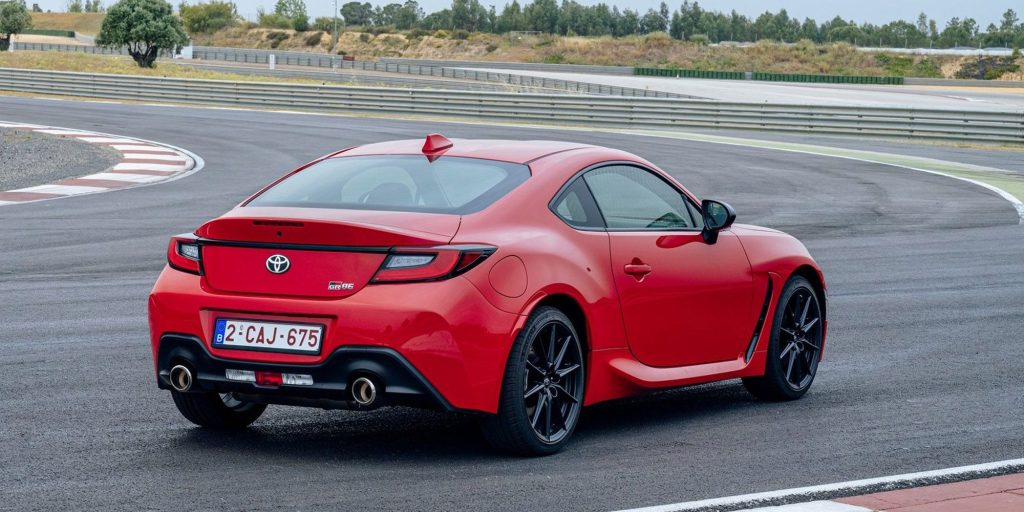
Inspecting tread depth is also crucial. The GR86 depends on its tires for precise road feedback, meaning worn or bald spots compromise safety and enjoyment.
A tread depth gauge, or even the simple coin test, can reveal if replacement is necessary before performance is significantly reduced.
The choice of tire also matters. Many owners switch between summer performance tires for warm months and all-seasons for colder conditions. This ensures that grip and safety are never compromised by mismatched tires for the season.
When these steps are consistently followed, the result is not only better longevity but also sharper handling.
The car feels more responsive, safer in wet conditions, and predictable under spirited driving. Tire care is a straightforward habit that rewards the driver with a more confident and enjoyable drive every single time.
3. Brake System Attention
The braking system of the Toyota GR86 is built to handle spirited driving, but it requires attention to maintain peak performance. Brakes are often overlooked until something feels off, yet taking preventive measures ensures stopping power remains sharp and reliable.
One key habit is checking brake pads for wear. Since the GR86 is engineered for enthusiastic driving, pads may wear down faster than on a simple commuter car.
Monitoring pad thickness regularly helps avoid metal-to-metal contact, which can damage rotors and result in expensive repairs. Replacing pads before they are fully worn out ensures consistent response and prevents longer braking distances.
Brake fluid maintenance is equally important. Many drivers forget that brake fluid is hygroscopic, meaning it absorbs moisture over time. As water content increases, boiling temperatures drop, leading to brake fade under repeated hard stops.
For a GR86 that occasionally sees track duty, flushing brake fluid once a year is recommended. Even on street-driven cars, refreshing the fluid every two years prevents moisture buildup and preserves braking efficiency.
Inspecting rotors for wear patterns or discoloration is also part of healthy upkeep. Warped or uneven rotors create vibrations through the steering wheel during braking. Addressing this early avoids compromising safety and driving enjoyment.
Driving style also affects brake life. Resting a foot lightly on the pedal or relying too heavily on brakes during downhill driving accelerates wear. Learning to use engine braking helps reduce stress and keeps the system working longer.
Performance upgrades such as high-friction pads or stainless steel brake lines can improve pedal feedback, but even with stock parts, regular care ensures the brakes perform at their best. Braking confidence enhances every driving situation, from city traffic to spirited country roads.
By prioritizing brake system checks, the GR86 retains its balance between speed and control. The assurance of reliable stopping power allows drivers to push the car harder, knowing the system is prepared to deliver when needed most.
4. Regular Coolant and Fluid Checks
Fluids are the lifeblood of any car, and for the Toyota GR86, they play a larger role in ensuring reliability under spirited driving. Beyond oil, fluids such as coolant, transmission fluid, and differential oil are vital to keeping temperatures controlled and components operating without excess friction.
Coolant is the most critical among these. The boxer engine in the GR86 generates heat quickly, especially during aggressive driving. If coolant levels drop or the mixture deteriorates, the engine risks overheating, which can cause severe internal damage.
Regularly checking coolant levels in the reservoir ensures that the system is maintained. Flushing and replacing coolant every two to three years restores its ability to prevent corrosion within the radiator and water pump while preserving the correct boiling and freezing points.
Transmission fluid should not be ignored either. While manual transmissions are often thought of as maintenance-free, fluid still wears over time.
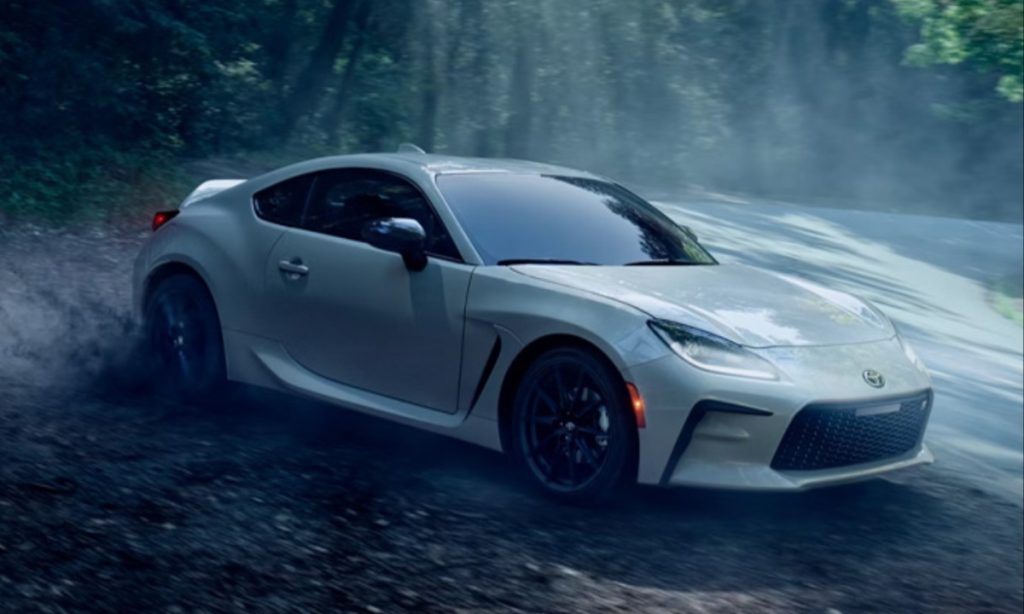
Fresh transmission oil ensures smooth gear shifts and prevents excess wear on synchros. For models equipped with the automatic, replacing transmission fluid according to manufacturer intervals preserves both performance and reliability.
For rear-wheel-drive cars like the GR86, differential oil changes also matter. The limited-slip differential is a critical component in delivering optimal traction when exiting corners. Fresh fluid improves efficiency and reduces the likelihood of excessive differential wear.
Other fluids include windshield washer fluid and power steering fluid, which play smaller roles in performance but serve essential daily driving needs. Making a habit of visually checking levels once a month helps catch leaks or early signs of issues.
By staying consistent with fluid checks, owners ensure every system in the GR86 remains healthy. Preventive fluid maintenance requires less effort than repairing an overheated engine or a worn transmission, making it one of the simplest yet most protective habits for long-term ownership.
5. Consistent Air Filter Replacement
Airflow management is key to maintaining both performance and efficiency in the GR86. The engine breathes through an intake system that depends heavily on a clean air filter.
When ignored, a clogged or dirty filter restricts airflow, leading to sluggish acceleration, reduced fuel economy, and added strain on the engine.
Toyota recommends replacing the engine air filter every 15,000 to 30,000 miles depending on driving conditions. However, owners who frequently drive on dusty roads or use their car in urban areas with heavy pollution may need replacements sooner.
A visual inspection is often the simplest way to judge. If the filter looks darkened, clogged, or has visible debris lodged between folds, replacement is due.
A fresh air filter allows the engine to inhale freely. With proper airflow, combustion efficiency is improved, throttle response becomes sharper, and the engine does not have to work as hard to produce power. This simple maintenance item makes the GR86 feel more energetic while also supporting long-term durability.
Some owners opt for performance-oriented reusable filters. These can be cleaned and reused rather than replaced outright.
While they may cost more upfront, they offer the advantage of reusability and often provide slightly improved airflow. However, cleaning them properly at recommended intervals is essential to prevent dust particles from bypassing filtration.
Cabin air filters should not be forgotten either. A clean cabin filter improves interior air quality and ensures the HVAC system runs efficiently, which indirectly supports comfort and prevents musty odors.
Air filter maintenance is among the least demanding tasks but offers noticeable improvements in day-to-day driving.
Spending a few minutes checking and replacing filters when needed guarantees better performance, cleaner combustion, and reduced strain on engine components. With such minimal effort, it is one of the easiest habits to practice for keeping the GR86 feeling crisp.
6. Suspension and Alignment Care
The suspension system of the Toyota GR86 is critical for maintaining the thrilling handling balance that makes the car so engaging. Every bump, corner, and spirited drive puts stress on the suspension components, so keeping them in good condition ensures both comfort and control.
One of the simplest steps an owner can take is to monitor for unusual noises, vibrations, or uneven tire wear. These often indicate worn suspension bushings, ball joints, or struts. While some wear is normal over time, catching it early prevents further deterioration and keeps the chassis feeling tight.
Wheel alignment is another important factor. Performance cars like the GR86 respond immediately to steering inputs, but alignment issues dull that response.
Misalignment can cause the car to pull to one side, reduce steering precision, and increase tire wear. Checking alignment every 10,000 miles, or after hitting large potholes, keeps the car tracking straight and predictable.
Suspension components such as shocks and strut assemblies also play a vital role. If the car begins to bounce excessively after bumps, or if cornering feels less controlled than before, it may be time for inspection or replacement. These components directly affect grip during spirited driving sessions.
Owners who enjoy track use or push their GR86 on mountain roads may benefit from stiffer aftermarket suspension components. However, even a stock setup performs impressively, provided it receives consistent maintenance.

Lubrication of bushings, replacing worn parts, and ensuring alignment specifications are correct are all routine tasks that preserve the precise character of the GR86.
By being attentive to suspension and alignment care, the car retains its sharp handling balance and predictable driving manners. The reward is a machine that feels as lively years into ownership as it did on the first test drive.
7. Battery and Electrical System Checks
The electrical system may not seem as exciting as engine components or suspension, but it plays a silent yet crucial role in keeping the Toyota GR86 dependable. Without a healthy battery and well-functioning electrical components, even the sharpest sports car becomes unreliable.
Checking the battery regularly is the first step. The GR86’s compact design means electrical demand is concentrated across critical components such as ignition, fuel systems, and sensors.
A weak or aging battery can result in rough starts, dim lighting, and inconsistent electrical behavior. Testing voltage with a multimeter or at a local service shop helps reveal if the battery is still strong. Replacing it before failure avoids frustrating breakdowns.
Battery terminals should also be kept clean. Corrosion around terminals restricts current flow and can cause intermittent electrical issues. A quick cleaning with a wire brush and protective spray ensures solid connectivity.
Beyond the battery, owners should pay attention to fuses, alternator health, and grounding connections. The alternator is particularly important, as it supplies consistent charging while the car is running. Warning signs of a weak alternator include flickering headlights or unusual electrical glitches.
Modern systems such as the infotainment unit, stability control, and electronic power steering rely heavily on a consistent supply of electricity. Neglecting this area not only reduces reliability but can also interfere with safety systems.
Car enthusiasts often install aftermarket accessories like upgraded audio systems or dash cameras.
While these add convenience, they must be installed carefully to avoid draining the battery or overloading circuits. Using professional installation or ensuring additions are properly fused prevents electrical strain.
Maintaining the battery and electrical system requires minimal effort yet ensures dependability at all times. A quick check before long trips or after periods of storage keeps the GR86 ready to perform whenever the driver turns the key.
8. Keep the Car Clean and Protected
Maintaining the Toyota GR86 is not only about mechanical components but also about its appearance and protection. Regular washing and detailing may seem cosmetic, but they directly contribute to longevity and driving enjoyment.
Road grime, salt, and environmental pollutants gradually eat away at paint and metal surfaces. Regular washing removes these contaminants before they cause permanent damage.
Hand washing with the right tools prevents tiny scratches that automated car washes may leave. Applying a coat of wax or ceramic protection every few months adds a barrier against UV rays, rain, and dirt.
Attention should also extend to the underbody. The GR86 sits low to the ground, making it prone to dirt accumulation. Rinsing the underside during washes ensures that salt and grime do not gradually corrode hidden parts like the exhaust or suspension components.
Interior care matters just as much. The GR86 features a driver-focused cockpit with supportive seats and intuitive controls.
Cleaning upholstery and protecting surfaces with conditioners keeps materials looking fresh and prevents wear from daily use. Proper care also enhances driving comfort, as a clean cabin feels more enjoyable.
Parking habits contribute to long-term preservation too. Whenever possible, keeping the car under shade or in a garage reduces exposure to harsh weather. Using a quality car cover for extended outdoor parking is another simple but effective practice.

For enthusiasts, detailing can also be a rewarding bonding time with the car. Beyond appearances, staying on top of cleanliness prevents small scratches from becoming larger cosmetic issues and ensures seals, trims, and glass surfaces remain free of wear signs.
Keeping the GR86 clean and shielded from the elements enhances pride of ownership and preserves resale value. A car that both feels good to drive and looks visually sharp provides lasting satisfaction to any driver.
9. Pay Attention to Unusual Sounds
Cars often communicate through sounds, and the Toyota GR86 is no different. Owners who remain attentive to these signals enjoy smoother ownership by catching potential problems before they grow serious.
A knocking or rattling noise from the engine bay may indicate worn components, loose bolts, or even fuel system issues. Ignoring such sounds could lead to costly mechanical damage. Taking the time to investigate or letting a professional inspect ensures small problems do not escalate.
Brakes also provide auditory cues. A high-pitched squeal often signals worn pads that need replacement. A grinding noise, on the other hand, could mean that pads are completely worn through, already causing rotor damage. Addressing brake sounds quickly makes repairs simpler and less expensive.
Suspension noises are another area to watch. A clunk over bumps or squeaking during turns may mean bushings or links are wearing out. Left unchecked, these lead to uneven handling and reduced comfort.
Fans and belts are also common sources of unusual sounds. A squeal during startup might point to a loose belt, while abnormal noises from the cooling fan could signal obstruction or wear. These are small fixes if caught early but lead to greater issues if neglected.
Drivers who push the GR86 harder on winding roads often learn to recognize normal operating sounds versus problematic ones. Developing this sensitivity helps keep the car in top form.
Maintaining an ear for unusual noises forms part of preventive ownership. It requires no special tools just attention to change. Acting quickly saves both money and frustration while preserving the joy of a dependable and lively driving machine.
10. Stick to Scheduled Service Intervals
While small personal checks are valuable, following Toyota’s official service intervals is the most reliable roadmap for GR86 care. The engineers who designed the car determined these schedules to ensure peak functioning across all systems, from the engine to the chassis.
Scheduled services typically include oil changes, filter replacements, periodic inspections, and fluid replacements.
Sticking to these timelines prevents gradual deterioration that may remain unnoticed during daily driving. For example, a scheduled brake fluid flush ensures braking remains sharp, while a differential oil change preserves smooth cornering traction.
Dealership service centers also update software during scheduled maintenance. Modern vehicles like the GR86 benefit from firmware updates that refine engine management and improve reliability. This often goes unnoticed but can have a big impact on driving smoothness and efficiency.
Another advantage of regular scheduled visits is the professional inspection. Technicians look for worn belts, deteriorating rubber components, or early signs of leaks. These checks often catch problems that an owner might miss while casually inspecting the car.

In addition, following the maintenance schedule maintains warranty coverage. If problems arise, having consistent service records shows that the vehicle was properly cared for. This also boosts resale value, as potential buyers trust cars with a documented history of manufacturer-recommended service.
Some owners stretch service intervals under the assumption that their car “feels fine.” While short-term savings may look attractive, it risks expensive repair costs later.
Toyota’s guidelines are designed to match the GR86’s unique engine and driving style demands, so skipping them underestimates the importance of proactive care.
By respecting scheduled service intervals, every crucial system gets the attention it deserves at the right time. It ensures the GR86 remains reliable, spirited, and responsive for years, delivering the performance experience that sets it apart.
Also Read: 10 Tricks That Keep a Toyota Crown Reliable Past 200k
