
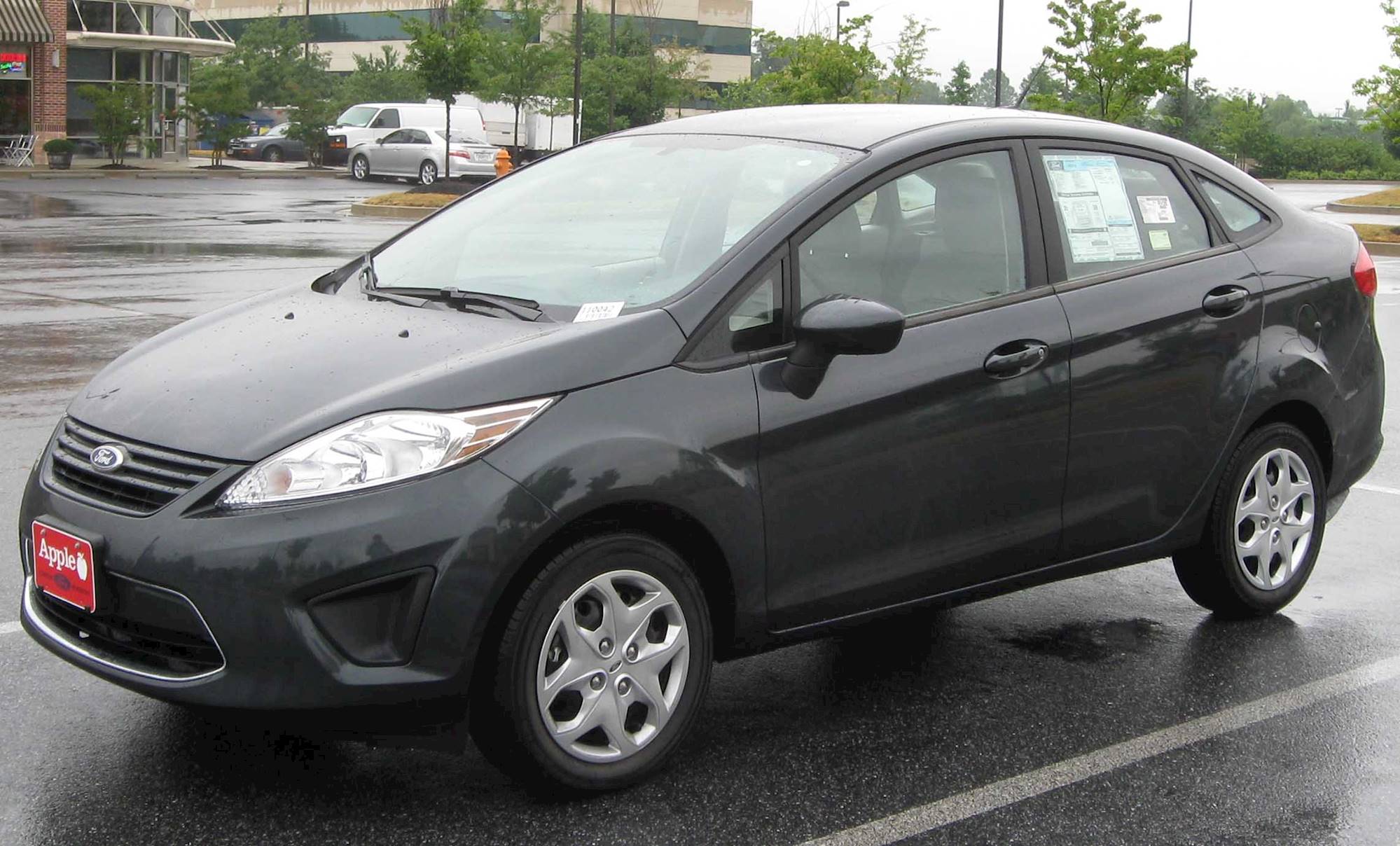
The Ford Fiesta EcoBoost has gained attention for being fun to drive, compact, and surprisingly powerful for its small engine.
Packed into a lightweight body, the EcoBoost engine delivers impressive performance with efficiency, which makes it one of Ford’s most admired small cars. However, like any piece of engineering, especially when dealing with turbocharged engines, it requires proper care.
Many drivers unknowingly form habits that shorten the life of their Fiesta EcoBoost dramatically. These might start as small mistakes or practices that seem harmless, but over time they affect the car’s performance, durability, and reliability.
Small engines with turbochargers are built to provide both efficiency and sportiness, but they also operate under higher stress compared to naturally aspirated engines.
This means the way you treat the car, the fuel you use, and the way you maintain it all play a critical role in keeping it healthy. Ignoring these factors can lead to problems such as turbo failure, clogged intakes, worn timing belts, or worse, complete engine breakdown.
This article will take a closer look at eight specific habits that harm the Ford Fiesta EcoBoost the most. By being aware of them, drivers can either adjust their driving style or adopt smarter maintenance practices.
Not only will this extend the lifespan of the vehicle, but it will also keep fuel efficiency and performance closer to what Ford originally intended. The Fiesta EcoBoost is a car that rewards attentive ownership.
With the right care, it can remain enjoyable and reliable for years. With the wrong habits, however, it can quickly become a headache in terms of costly repairs or premature failure.
Also Read: 10 Fixes That Keep a VW Golf Road-Trip Ready for Years
Habit 1: Skipping Regular Oil Changes
One of the fastest ways to damage a Ford Fiesta EcoBoost is neglecting timely oil changes. The EcoBoost engine is turbocharged, and turbochargers operate at extremely high speeds and temperatures. Oil is not just a lubricant; it’s a lifeline.
It lubricates vital moving parts, reduces friction, and keeps the turbocharger cool. When oil is old or dirty, it thickens and loses its protective qualities. That means sludge buildup, premature wear, and the possibility of the turbo failing completely.
Drivers sometimes stretch oil change intervals thinking modern engines can handle it or because they want to save money upfront. However, the EcoBoost does not forgive this behavior.
Thick, degraded oil can block narrow passages that feed the turbo, causing it to starve of lubrication for even a few seconds. This alone can cause severe scoring on the turbo bearings, leading to an expensive replacement.
Ford typically recommends oil changes every 7,500 miles, but many enthusiasts suggest being even more cautious, especially if the car is driven hard or in extreme weather conditions.
A safe practice would be around every 5,000 miles with high-quality synthetic oil that meets Ford’s specification. Using the right oil filter also matters, as a low-quality filter might not trap debris properly, which then continues to circulate inside the engine.
Another overlooked aspect is checking the oil level regularly. EcoBoost engines sometimes consume a small amount of oil naturally, and if the level drops too low, the consequences can be severe.
Building the habit of checking the dipstick every few weeks is simple, but it can prevent a disaster that costs thousands of dollars.
In short, fresh oil is non-negotiable for the Fiesta EcoBoost. Skipping or delaying oil changes saves a little in the short run but can become one of the most expensive mistakes for an EcoBoost owner.
Habit 2: Ignoring Turbo Cool-Down Periods
Turbochargers in the Fiesta EcoBoost spin at astonishing speeds, often over 150,000 revolutions per minute.
At those speeds, they generate massive heat. When you shut the engine off immediately after heavy driving, the oil inside the turbocharger can overheat and break down.
This process, called oil coking, leaves behind hard deposits that restrict oil flow over time. The result is turbo damage, reduced efficiency, and eventual failure.
Many owners unknowingly cause this by driving aggressively and switching off the engine right after parking. A healthier approach is giving the turbo a chance to cool down.
After a spirited drive or long highway run, spend a minute or two idling or driving gently before shutting the car off. This allows oil and coolant to circulate and lower the turbo temperature safely.
Another factor is frequent short trips. If most of your driving involves quick runs around town, the turbo rarely gets enough time to stabilize its temperatures.
Over time, this accelerates wear. If short trips are unavoidable, adopting smoother driving habits and avoiding heavy throttle use during the first few minutes of operation helps protect the system.
Installing a turbo timer is another solution some enthusiasts consider, though it’s not always necessary.
Modern engines are better designed to handle heat, but that doesn’t eliminate the risk if you ignore cool-down practices. A bit of patience when shutting the car down goes a long way in extending the life of the turbocharger.
In essence, the turbo is the beating heart of the Fiesta EcoBoost. Allowing it to cool carefully ensures it performs reliably for years instead of becoming an early expense.
Habit 3: Using Low-Quality Fuel
The EcoBoost engine relies on direct injection and a turbocharger to deliver strong power from a small displacement. For this setup to work at its best, fuel quality plays a huge role. Using low-grade or poor-quality fuel introduces carbon buildup, detonation risks, and reduced efficiency in the long run.
Direct injection engines are more sensitive because the fuel is sprayed directly into the combustion chamber. Subpar gasoline often contains fewer detergents and more impurities, which stick to valves and injectors.
Over time, this leads to rough idling, reduced power, poor acceleration, and finally expensive repairs.
Some drivers choose lower octane fuel to save money, thinking it makes little difference. But turbocharged engines are designed to make use of higher knock resistance.
Running consistently on low octane can result in engine knock uncontrolled combustion that damages pistons and valves. The ECU will try to correct by pulling timing, but that leads to reduced performance and still doesn’t erase the long-term risks.
Sticking to the manufacturer’s recommended fuel rating is a simple step that pays off in reliability.
Using fuel from trusted stations that meet detergent standards also reduces carbon buildup. Periodically adding fuel system cleaners, but only those approved for direct injection engines, can further help maintain optimal performance.
In short, high-quality fuel is an investment in the health of the Fiesta EcoBoost. Choosing cheaper fuel might save a little at the pump but will almost certainly cause higher repair bills later. Treating the engine to the right octane and cleaner-burning fuel keeps its performance sharp and its lifespan far longer.
Habit 4: Overlooking Timing Belt Replacement
One of the most critical yet often forgotten aspects of maintaining the Fiesta EcoBoost is the timing belt. Ford specifies replacement intervals for a reason, but many owners stretch these beyond the recommended mileage to save costs.
Unfortunately, a snapped timing belt is catastrophic for this engine. When that happens, pistons and valves collide, resulting in total engine destruction that usually costs more than the value of the car itself.
The timing belt not only synchronizes the camshaft and crankshaft but also integrates with vital systems in the EcoBoost. When preventive maintenance is skipped, wear develops quietly until it reaches a breaking point. Unlike oil or brakes, the belt gives little warning before failure.
It’s also important to replace the water pump at the same interval because in many versions of the EcoBoost, it is driven by the timing belt.
If the pump seizes, it can take the belt with it, leading to the same catastrophic results. Though replacing both together might seem costly, it’s far cheaper than rebuilding or replacing an engine.
Some owners assume “if it isn’t broken, don’t fix it” applies to belts. However, the EcoBoost proves that philosophy wrong.
A neglected belt almost always breaks suddenly, and the damage it causes is irreversible. Sticking to Ford’s specified timeline, or even replacing earlier as a precaution, is the responsible approach.
Caring for this part ensures long-term reliability. Ignoring it is a ticking time bomb that can put an otherwise healthy Fiesta EcoBoost to an early end.
Habit 5: Riding the Clutch
For manual transmission Fiesta EcoBoost models, riding the clutch is a common mistake that causes severe wear over time. Many drivers keep their foot lightly pressed on the clutch pedal while driving, even when they are not shifting.
This keeps the clutch partially engaged, generating constant friction and heat. The result is a worn-out clutch disc, pressure plate, or flywheel that requires costly replacement.
The EcoBoost clutch is already under pressure from handling the extra torque delivered by the turbo. Bad habits magnify the wear rate far beyond what Ford engineers intended. A worn clutch doesn’t just mean poor gear changes.
It can lead to slipping under acceleration, burning smells, and eventually the car refusing to engage gears altogether.
Another related issue is holding the car on inclines using the clutch instead of the handbrake. This burns the clutch material even faster. Over time, the clutch pedal may feel spongy, or the engagement point may shift dramatically, both of which are signs of damage.
Proper driving technique makes a world of difference. Keeping the clutch fully released when not shifting saves wear.
Using the handbrake at traffic lights or on hills rather than balancing with the clutch protects components. Learning smooth engagement instead of revving excessively during takeoffs also reduces strain on the system.
Replacing a worn clutch can run into significant costs, depending on the region. Developing better habits costs nothing and extends not just the life of the clutch, but the transmission and drivetrain as well.
For EcoBoost owners, mastering this simple discipline keeps the car enjoyable and reliable for much longer.
Habit 6: Neglecting Cooling System Maintenance
The EcoBoost engine produces a lot of heat, thanks to the turbocharger and high compression setup. The cooling system is what keeps everything in check.
Unfortunately, many owners neglect coolant flushes or ignore minor leaks, leading to overheating risks. Once an engine overheats, even briefly, damage follows in the form of warped heads, blown gaskets, and weakened internal components.
Coolant does more than lower temperature. Modern formulations protect against corrosion, scale buildup, and lubrication for water pump seals.
Old coolant loses efficiency and can even become acidic, slowly eating away at metal parts inside the system. Ignoring periodic replacements invites expensive problems.
Hoses and pumps are also weak points if not inspected regularly. A small leak from a cracked hose might not seem urgent, but over time, coolant levels can drop far enough to leave the engine vulnerable.
Similarly, a failing thermostat might prevent the engine from reaching the right temperature or cause it to run too hot.
For EcoBoost owners, sticking to coolant replacement schedules and inspections is essential. Using the correct Ford-approved coolant mixture is non-negotiable too, since mixing the wrong type can cause chemical reactions that harm the entire system. Proactively changing the water pump during belt services also ensures peace of mind.
A healthy cooling system is like a protective shield for the Fiesta EcoBoost. Neglect it, and the car will quickly suffer consequences far more expensive than routine maintenance.
Habit 7: Aggressive Driving and Constant Hard Acceleration
While the Fiesta EcoBoost is fun and zippy, treating it like a race car every day will shorten its life dramatically. Constant hard acceleration, over-revving, and aggressive downshifts put immense stress on the engine, turbo, transmission, and even suspension components.
The turbocharger especially pays the price, as it operates close to maximum boost frequently, leaving no time for controlled cooling and lubrication.
Aggressive driving also causes higher fuel consumption, leading to increased carbon buildup on valves and inside the combustion chamber.
Brakes and tires wear prematurely, steering components loosen, and overall vehicle health declines. It’s not just about money safety is also compromised when a car is constantly pushed beyond its design limits.
This is not to say drivers should avoid enjoying the punchy character of the EcoBoost. The key is moderation. Letting the engine warm up before spirited driving, avoiding redline shifts in daily use, and keeping high-speed runs occasional ensures the longevity of critical parts.
EcoBoost engines are strong but designed for balance. Treating them gently most of the time and reserving harder acceleration for specific occasions preserves performance without draining resources on constant repairs.
Driving style alone often separates owners who enjoy their Fiesta for years from those who face frequent breakdowns.
Habit 8: Ignoring Software Updates and Warning Lights
Modern cars, including the Fiesta EcoBoost, rely heavily on electronic systems to manage fuel injection, ignition timing, boost pressure, and emissions.
When warning lights appear on the dashboard, many drivers ignore them if the car still seems drivable. This is a costly mistake. Warning lights exist to alert you of issues that may be small at first but grow into serious problems.
For example, a check engine light might indicate a faulty sensor. Ignoring it means the computer cannot optimize how the engine runs, risking damage from poor fueling or detonation.
Similarly, ignoring overheating warnings, oil pressure alerts, or misfire codes invites expensive consequences.
Software updates provided by Ford also play a big role. They often contain adjustments that improve engine performance, fuel efficiency, or fix known reliability problems.
Skipping these updates means your EcoBoost may be running with outdated calibrations that stress components unnecessarily.
The solution is straightforward. Always take warning lights seriously by diagnosing the problem quickly, even if it turns out to be minor. Visit an authorized dealer or a skilled mechanic with proper diagnostic tools.
At the same time, ensuring your car’s ECU and transmission control software are updated keeps the machine running optimally.
Ignoring digital systems is just as harmful as neglecting mechanical maintenance. Together, paying attention to both ensures the Fiesta EcoBoost not only stays reliable but continues to deliver the energetic performance it is known for.
The Ford Fiesta EcoBoost is often celebrated as one of the most impressive small cars ever built by Ford. With its turbocharged engine, it delivers excellent balance between performance, fuel efficiency, and compact size.
Yet, like any modern turbocharged setup, its longevity depends heavily on how it is treated and maintained. Many owners unknowingly ruin their EcoBoost engines by adopting bad driving or poor maintenance practices.
Understanding these harmful habits is the difference between an EcoBoost that runs smoothly for years and one that fails far too soon.
One of the most damaging practices is skipping regular oil changes. The turbocharger needs clean, high-quality oil for proper lubrication, and delaying servicing leaves old, dirty oil circulating through the engine.
This causes sludge buildup, worn bearings, and even turbo damage. Simply sticking to scheduled oil changes with the right synthetic oil significantly boosts reliability.
Another habit is ignoring turbo cool-down periods. If the engine is shut off immediately after hard driving, the hot oil left inside the turbo burns and creates deposits.
This restricts lubrication and leads to premature failure. Allowing the car to idle briefly after intense driving helps the turbo cool safely.
Fuel quality plays an equally important role. Many owners attempt to save money by using cheap, low-octane gasoline. The EcoBoost engine is designed for higher octane, and poor fuel contributes to knocking, injector fouling, and carbon buildup.
High-quality fuel may cost more at the pump, but it prevents engine knock and keeps performance consistent.
The timing belt is another critical component often overlooked. Owners sometimes delay its replacement, not realizing that a broken belt causes total internal damage. Strictly following the belt replacement schedule, and changing the water pump alongside it, ensures peace of mind against catastrophic failure.
Manual transmission owners often fall into the trap of riding the clutch. Keeping the pedal partially pressed wears down the clutch disc and adds unnecessary strain. Using the handbrake on inclines and fully releasing the clutch when not shifting makes a drastic difference in longevity.
The cooling system is another area frequently neglected. Ignoring coolant flushes, low coolant levels, or small leaks leaves the engine vulnerable to overheating.
Once it overheats, even briefly, the damage can include warped cylinder heads or blown gaskets. Keeping the correct coolant mixture and replacing components like hoses and pumps on schedule preserves the car’s health.
Aggressive driving habits are also destructive. Constant full-throttle accelerations, redline shifting, and abrupt downshifts might feel exciting but they shorten the life of the turbo, engine, and transmission. Moderation is key.
Driving spiritedly once in a while is fine, but treating the EcoBoost like a race car every day guarantees early wear.
Finally, ignoring dashboard warning lights and skipping software updates is another silent killer. Modern vehicles heavily rely on sensors and software calibration to run efficiently.
A check engine light might indicate a small sensor fault today, but if ignored it can lead to poor fueling, detonation, or more severe problems later.
Similarly, software updates by Ford often include fixes to enhance reliability, fuel economy, and emissions management. Failing to install these updates leaves the car running on outdated instructions.
In short, the Ford Fiesta EcoBoost is a fun and dependable car when treated properly. Its engineering is robust, but only within the boundaries of proper care.
Skipping oil changes, shutting the engine off too quickly after hard use, filling up with cheap fuel, neglecting timing belt replacement, abusing the clutch, overlooking the cooling system, aggressive daily driving, and ignoring software or warning lights all represent self-inflicted harm.
For owners, a Fiesta EcoBoost can either be a reliable companion for countless miles or a constant source of repairs. The decisive factor comes down to habits.
Those who respect the mechanical and electronic requirements of the engine will enjoy years of spirited performance. Those who disregard these points will face expensive repairs far earlier than expected.
