
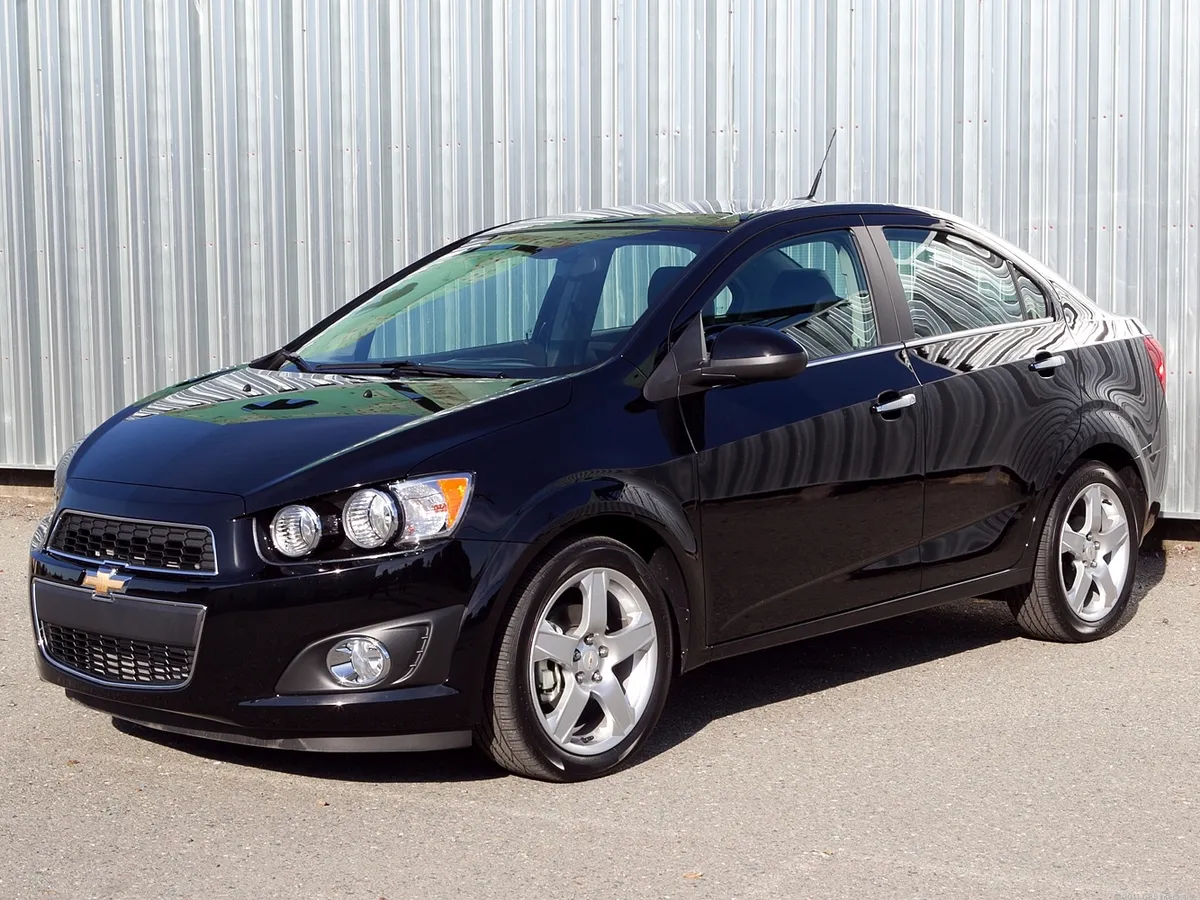
The Chevrolet Sonic has earned a reputation for being a dependable compact car that balances affordability with everyday practicality. For many drivers, however, the true test of value comes down to longevity.
Can the vehicle hold up to hundreds of thousands of miles without crumbling under the wear and tear of daily driving? The answer is yes, but only if the car is treated with the respect and attention it deserves.
Reaching 200,000 miles in a Sonic is more than possible, but it requires consistent care, timely repairs, and smart driving habits along the way.
Unlike some vehicles that quickly show their age, the Sonic can retain solid performance and comfort when properly maintained. That endurance does not happen automatically, though.
Skipping oil changes, pushing off critical repairs, or ignoring warning signs leads to expensive problems and shortens the vehicle’s lifespan.
On the other hand, drivers who create and stick to a long-term maintenance routine often discover that their Sonic not only survives the 200,000-mile milestone but performs with a level of reliability that proves its value.
To achieve that kind of longevity, it helps to follow a mix of professional advice and practical habits from real owners who have seen their Sonic thrive past the 200k mark.
From engine care to transmission attention and beyond, each area of the car contributes to its ability to last. While no car is entirely free from quirks or common issues, proactive care goes a long way in preventing those quirks from turning into serious setbacks.
The following guide breaks down ten smart approaches that can help a Chevy Sonic stand the test of time. These strategies are not about short-term fixes but long-standing habits that keep the car steady, efficient, and ready for whatever miles lie ahead.
Also Read: 10 Pro Tips That Keep a Chevy HHR Reliable for Daily Driving
Tip 1: Stick to a Strict Oil Change Schedule
One of the simplest yet most vital steps in reaching 200,000 miles with a Chevy Sonic is adhering to a consistent oil change schedule. The engine is the heartbeat of the car, and oil functions as its lifeline.
Without fresh, high-quality oil, friction begins to increase, heat builds beyond normal levels, and internal components face unnecessary strain. Over time, ignoring oil changes can result in sludge buildup, worn bearings, or even catastrophic engine failure long before the odometer approaches the 200k milestone.
The Chevy Sonic’s small-displacement engines, whether the 1.4L turbocharged or the 1.8L naturally aspirated version, both depend heavily on clean oil to stay durable.
Many owners make the mistake of extending oil change intervals in the name of saving money, but that choice often leads to greater expenses later.
Sticking with a change every 5,000 to 7,500 miles, depending on driving conditions, is the safe bet for longevity. Using a synthetic blend or full synthetic oil goes even further in protecting the engine, especially in extreme temperatures or stop-and-go traffic.
Along with timely oil changes, don’t overlook the importance of replacing the filter each time. A clogged or dirty filter allows contaminants to circulate through the engine, undoing much of the benefit of fresh oil.
For those who frequently drive in dusty areas or under heavy conditions, the filter and oil service schedule may need to be even more frequent.
Keeping detailed records of oil changes is also wise. Aside from helping track maintenance, it strengthens the car’s resale value should you decide to part ways with it later. Buyers trust vehicles with documented care more than ones without proof of routine upkeep.
In short, something as simple as consistent oil service establishes the foundation for longevity. It prevents unnecessary wear, ensures smooth operation, and allows the Sonic’s engine to push toward that 200,000-mile mark with confidence instead of uncertainty.
Tip 2: Transmission Fluid Maintenance
Behind the engine, the transmission plays one of the greatest roles in keeping the Chevy Sonic running well beyond 200,000 miles. Yet it is often neglected compared to oil changes or tire rotations.
Consistent service of the transmission ensures that gear changes remain smooth, components avoid unnecessary strain, and the car maintains fuel efficiency.
For most Sonics, the transmission comes in either manual or automatic formats. In automatics, old fluid loses its ability to lubricate and cool properly, leading to premature wear on clutches, seals, and torque converters.
This eventually causes slipping or shuddering during shifts. With the manual versions, fluid is still critical for reducing friction between gears and bearings, even though owners sometimes believe it is less demanding.
Chevrolet generally recommends a change around every 45,000 to 60,000 miles, but heavy commuting, stop‑and‑go traffic, or harsh climate conditions make it smart to shorten that window.
Fresh fluid not only enhances performance but also greatly reduces repair costs later. Rebuilding a worn transmission can cost thousands, while replacing fluid regularly may only cost a fraction of that.
Drivers who push their car for road trips, long commutes, or city traffic will especially notice the improved responsiveness after fluid service.

Transmission performance also impacts engine load, meaning when it is struggling, the engine is forced to work harder, compounding wear.
Just like with oil, keeping records of each service boosts peace of mind. It demonstrates a pattern of care and will add value should the car ever be resold.
Ignoring fluid changes is a gamble that rarely pays off. Treating the transmission as a major priority dramatically strengthens the Sonic’s chances of crossing the 200,000‑mile milestone.
Tip 3: Timing Belt and Water Pump Attention
Few maintenance items strike as much fear into car owners as the timing belt, and for good reason. When this part fails, it can spell disaster for the engine.
The Chevy Sonic’s four‑cylinder engines depend on the timing belt to maintain precise synchronization between the crankshaft and camshaft. A snapped belt usually leads to bent valves, damaged pistons, and in many cases, the need for a full engine replacement.
That is why proactive replacement is essential. Chevrolet recommends inspecting or replacing the timing belt roughly between 90,000 and 100,000 miles, well before it reaches the end of its potential lifespan. Instead of waiting for failure, planning this service protects the car from catastrophic repair bills.
An added step during timing belt service that smart owners swear by is replacing the water pump at the same time. Since the components are in the same area and labor overlaps, it prevents having to tear into the engine twice.
The water pump ensures coolant cycles effectively, preventing overheating issues that can shorten engine life. Replacing both together is cost‑efficient and reinforces reliability.
Even though replacing these items might not feel urgent because they often do not display obvious symptoms before failure, that is exactly why scheduling it matters. Many cars have been lost short of 200k miles due to neglecting this very step.
For Sonic owners aiming for the long term, the timing belt and water pump service is a milestone appointment for the vehicle.
Complete it on schedule, and you dramatically increase the odds that your car remains dependable year after year. Ignore it, and the car’s journey toward 200,000 miles may suddenly come to a tragic halt.
Tip 4: Cooling System Care
Engines generate constant heat, and without an efficient cooling system, that heat shortens longevity. For the Chevy Sonic, keeping coolant at the correct concentration and replacing it within recommended intervals is essential for extending life far past 150,000 miles.
Coolant not only keeps the engine from overheating but also protects internal passages from corrosion and prevents scaling that decreases efficiency.
Flushing the system around every 50,000 miles helps keep it healthy. Over time, coolant loses its protective properties, turning acidic and leading to corrosion inside the radiator, heater core, and water jackets. Replacing it restores proper protection.
Air pockets, leaks, or neglected hoses can all result in overheating situations capable of ruining the engine in a single incident.
The Sonic models equipped with turbochargers depend on strong cooling even more. Turbos generate additional heat that increases demands on the system.
Failure to maintain coolant flow can lead not only to overheating but also to turbo damage. Routine inspection of the radiator, hoses, and expansion tank identifies potential weaknesses before they become breakdowns.
Another overlooked part of cooling care is replacing the thermostat if it begins sticking. If it cannot regulate flow correctly, the engine either runs too hot or struggles to warm up, both of which rob efficiency and durability. Pair thermostat replacement with hose inspection for a more complete approach.
Drivers who pay careful attention to coolant levels, look for leaks under the car, and schedule flushes give their Sonic strong protection against one of the biggest killers of engines.
Consistent cooling system maintenance can mean the difference between scrapping a car early and proudly watching it hit 200,000 miles while still running strong.
Tip 5: Brake System Maintenance
While extending mileage goals often emphasizes engine and drivetrain, the braking system cannot be overlooked.
A Sonic that cannot stop safely will be taken off the road long before it ever reaches 200,000 miles. Keeping brakes reliable ensures not only longevity but safety for all occupants.
Brake pads wear steadily over miles, and replacing them before they grind down into rotors avoids expensive damage. Rotors themselves eventually warp or wear unevenly, impacting stopping distances.
Regular inspection saves owners from discovering issues only when warning noises appear. Simple habits, such as checking pad thickness during tire rotations, keep surprises away.
Brake fluid is another often forgotten piece. Just like engine or transmission fluid, brake fluid breaks down over time as it absorbs moisture.
Past a certain point, this contamination lowers boiling resistance, causing brake fade under heavy stops. For best performance, replacing brake fluid every two to three years is recommended.
Suspension parts that interact with brakes, such as calipers and lines, should also be inspected for leaks or stiffness. Sticky calipers drag on rotors, heating them and reducing efficiency. Addressing these small problems early prevents full brake failures that cost much more to fix.
The Sonic, being a lighter compact car, does not demand the same heavy‑duty parts as larger vehicles.
However, drivers who treat the braking system with the same attention as other mechanical areas find they extend life more comfortably. Preventive brake care means less chance of premature retirements due to unsafe stopping conditions.
When your goal is pushing a vehicle to 200,000 miles, it is not only about keeping the engine alive but ensuring every system supporting it remains reliable.
Brakes are your car’s first line of defense on the road, and regular care guarantees they continue protecting both the vehicle and passengers throughout the journey.
Tip 6: Tire Discipline and Wheel Alignment
Longevity for a vehicle does not stop at the mechanical heart. Tires and alignment play significant roles in how the Sonic ages toward 200,000 miles.
Worn or poorly maintained tires affect handling, fuel economy, braking distances, and even strain suspension parts. Consistently monitoring tire condition is a must.
Rotating the tires every 6,000 to 8,000 miles promotes even wear, preventing one set from balding sooner than others. Keeping proper air pressure extends life and enhances fuel efficiency.
Both overinflated and underinflated tires wear irregularly while also impacting ride quality. Investing a few minutes into checking pressures monthly helps maintain that balance.
Wheel alignment is another often neglected factor. Misaligned wheels cause uneven tire wear, forcing replacement earlier but also impacting steering responsiveness. Poor alignment may even damage suspension components over time.
Drivers noticing the car pulling to one side or steering wheel vibration should book an alignment check promptly.
By focusing on tire and alignment care, owners also enhance overall comfort. A car with balanced tires, even tread, and correct steering feels lighter on the road, reducing strain on both the driver and mechanical systems.
The Sonic especially benefits from this because compact cars tend to transfer road irregularities more directly than larger vehicles.
For those aiming to enjoy the Sonic for many years, treating tires as part of long‑term care pays massive dividends. The expenses are minimal compared to the savings from avoiding premature suspension repairs and frequent replacement sets.
Proper tire habits, combined with correct wheel alignment, push the car toward steady travel as it reaches and passes the 200,000‑mile marker.
Tip 7: Suspension and Steering Care
Reaching 200k miles means more than keeping the engine alive; the Sonic must remain comfortable and steer predictably.
Suspension and steering parts slowly degrade without obvious warning until ride quality collapses or unusual noises emerge. Ignoring these systems not only reduces comfort but also accelerates overall wear.
Shocks and struts carry much of the workload, absorbing bumps and impacts. Once worn, they force other suspension parts to work harder. Replacing shocks around 75,000 to 100,000 miles is a smart choice for long‑life planning.
Bushings, control arms, and sway bar links also age, and though inexpensive compared to major repairs, they drastically impact handling precision.
Steering components like tie rods and ball joints should be inspected along with suspension. Any looseness here translates into vagueness behind the wheel and will also worsen tire wear. Power steering fluid should not be forgotten either, as it keeps pumps and racks performing well.
The Sonic is designed for everyday use rather than heavy loads, so its suspension and steering components can last long when treated correctly.
Drivers who avoid large potholes, do not overload the vehicle, and replace parts promptly before they fail see much smoother performance over time. Rust is another silent aggressor for suspension parts in colder climates with salted roads, making inspection even more vital.
When steering feels precise, and suspension keeps the ride comfortable, the daily drive becomes easier, reducing stress on both driver and machine.
A Sonic in this condition is far more likely to reach the celebrated 200,000‑mile milestone while still being enjoyable to operate, rather than merely functional.
Tip 8: Fuel System and Injector Care
Just as clean oil preserves the engine, a well‑maintained fuel system ensures efficient operation.
Over high mileage, injectors, pumps, and filters can clog or wear out, leading to reduced performance, poor fuel economy, and rough idling. For a Sonic trying to push toward 200k miles, consistent fuel system care is critical.
Fuel filters should be replaced at recommended intervals to prevent dirt or debris from reaching injectors. Modern fuel systems are precise, and contamination quickly causes problems.
Using high‑quality fuel also reduces buildup in injectors and combustion chambers. Adding occasional fuel system cleaners, particularly those formulated with detergents designed for direct injection, helps maintain cleanliness inside the system.
Turbocharged Sonic models rely even more heavily on injector health. Clogged injectors not only reduce efficiency but risk creating lean conditions that damage pistons under boost. Routine injector cleaning or replacement when issues arise ensures balanced combustion across cylinders.
Another overlooked but important item is the fuel pump. Listening for unusual noises and checking for pressure consistency ensures it remains effective. Since failures often appear suddenly, preventative inspection saves the inconvenience of surprise breakdowns.
A healthy fuel system complements engine longevity by ensuring combustion remains efficient and controlled.
Performance stays consistent, throttle response sharper, and emissions cleaner. Drivers who stay on top of injectors and filters have fewer complaints of rough running at higher mileage benchmarks.
In essence, it’s not enough to just rely on consistent refueling. True fuel system maintenance requires planned attention over the car’s lifespan.
By treating injectors and filters as long‑term investments, the Sonic maintains healthy power delivery even after crossing that sought‑after 200,000‑mile line.
Tip 9: Electrical System and Battery Upkeep
For many compact cars, electrical reliability is one of the first things that begins to falter as the miles add up.
Lights growing dim, starters struggling, or electronics acting inconsistently are all symptoms of poor electrical upkeep. For a Chevy Sonic expected to reach 200,000 miles, this system must consistently remain strong.
The battery is the first area demanding attention. Replacing it every 4–5 years, depending on conditions, ensures steady starts regardless of season.
Testing voltage during routine service appointments prevents unexpected failures. Keeping terminals clean from corrosion also avoids sudden electrical gremlins that mimic larger issues.
Beyond the battery, alternators and starters need careful monitoring as high mileage accumulates. Weak alternators not only cause charging issues but can strain other components that rely on stable voltage. Unsteady electricity may even trigger computer faults that confuse diagnosis. Replacing these parts before they fail completely spares unwanted breakdowns.
Modern cars like the Sonic depend heavily on electronic modules, sensors, and wiring. Moisture intrusion and loose connections often account for the majority of odd intermittent problems.
Inspecting grounds, sealing exposed wiring, and replacing failing bulbs or fuses quickly create a much more dependable daily driver.
Drivers who keep a close eye on dashboard warning lights early avoid headaches later. A minor stored code can indicate an electrical fault before it grows serious. Having a small OBD‑II scanner handy empowers owners to check for trouble without relying solely on guesswork.
In short, even if the engine and transmission remain flawless, a weak electrical system can retire the car prematurely. Keeping battery, charging, and wiring healthy ensures convenience and reliability all the way to the 200,000‑mile goal.
Tip 10: Smart Driving Habits and Owner Discipline
Mechanical maintenance is only one side of the equation. Driver habits define how long a car actually lasts.
Even a perfectly maintained Sonic will show accelerated wear if constantly driven aggressively, overloaded beyond its limits, or ignored when warning signs appear. Practicing disciplined driving adds decades of health to the vehicle.
Gentle acceleration, avoiding hard braking unless necessary, and keeping RPMs moderate during normal driving reduce stress on major systems.
For turbocharged Sonic owners, avoiding shutting the engine immediately after spirited driving protects the turbocharger by allowing temperatures to cool gradually. Similarly, giving the car a few minutes to warm up before pushing it helps lubricants circulate fully.
Drivers should also avoid pushing the car with overloaded cargo or towing beyond rated limits. The Sonic is a small car not built for heavy stress, and exceeding what it was designed to handle weakens suspension and drivetrain components prematurely.
Routine observation matters too. Listening for unusual noises, inspecting for fluids under the car, and responding quickly to new warning lights ensures small problems are caught early rather than ballooning into budget‑breaking repairs.

Achieving 200k miles is often described as a partnership between car and driver. The machine faithfully builds mileage when its operator treats it with patience and respect.
Minor habits practiced daily, like coasting where safe instead of harsh braking, storing the vehicle in a garage to minimize weather damage, or keeping fuel levels sufficient to protect the pump, all combine to create big long‑term results.
Ultimately, discipline behind the wheel and commitment under the hood define whether the Sonic quits at 120,000 miles or easily continues past 200,000.
Owners who adopt mindful driving styles prove that smart habits are just as powerful as mechanical maintenance in achieving high‑mileage success.
Also Read: 7 Driving Habits That Destroy a Subaru Legacy Faster Than You Think
