
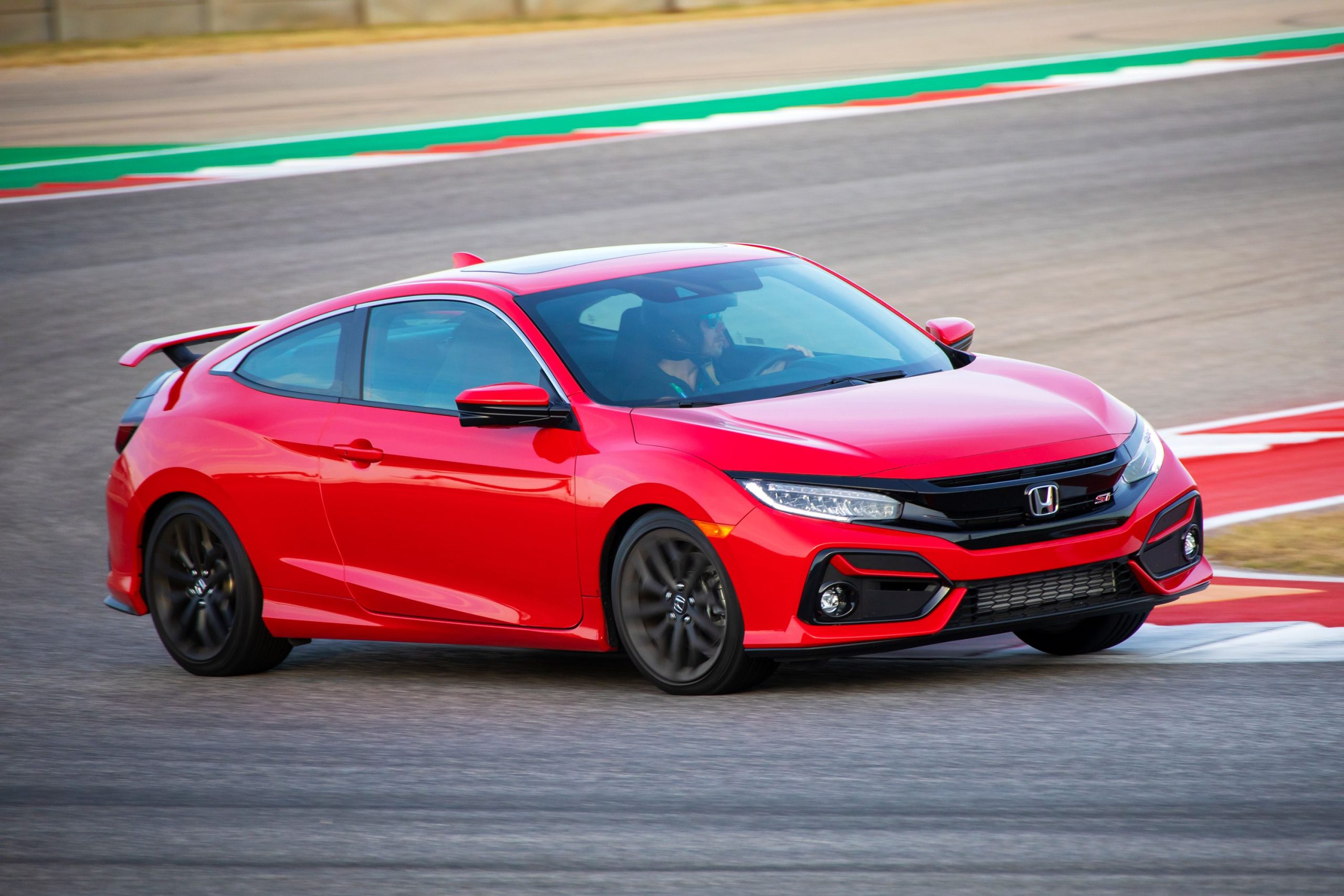
Among enthusiasts and daily drivers alike, the Honda Civic Si holds a respected place as one of the most engaging compact cars on the road. It blends strong reliability with a playful personality, which explains why it has earned such a loyal fan base.
The sharp handling, balanced power, and timeless design make it a car worth holding onto, not just for a few years, but for well beyond its first decade.
Despite this durability, many Civic Si owners unintentionally commit mistakes that dramatically shorten the car’s life. The sad fact is that many of these problems are less about the car itself and more about the way it’s treated.
It is easy to assume that a Civic Si can withstand any form of neglect because of the nameplate’s reputation for dependability. However, relying too heavily on this reputation often results in habits that chip away at performance, reliability, and longevity.
From poor maintenance routines to careless driving behavior, small oversights add up quickly, taking a serious toll on the powertrain, chassis, and overall feel of the vehicle.
This article focuses on nine often-overlooked mistakes that harm the Civic Si. Each issue is avoidable, but failing to address them can mean premature engine wear, transmission failure, or handling degradation long before the car reaches the mileage it should comfortably achieve.
Instead of blaming the mechanical design or considering the car “worn out too soon,” drivers should recognize how their choices can either extend or slash the life expectancy of their Civic Si.
By identifying these oversights, the goal is to highlight practical steps owners can adopt to keep the car running smoothly. After all, the Civic Si is more than just a set of wheels it represents a driving experience worth preserving for years to come.
Also Read: 10 Fixes That Keep a VW Golf Road-Trip Ready for Years
Mistake 1: Ignoring Regular Oil Changes
The first and most damaging oversight that shortens the life of a Honda Civic Si is neglecting consistent oil changes. The engine oil is the lifeblood of any motor, and in a car that encourages spirited driving like the Si, fresh oil is even more critical.
It lubricates the moving parts, minimizes friction, carries away impurities, and helps regulate temperature inside the engine.
Allowing oil to degrade or run low accelerates wear on critical components such as pistons, bearings, and camshafts. Once that damage begins, it cannot be undone, and it reduces both performance and longevity in ways that quickly add up.
Drivers often assume that the Civic Si can operate reliably even if oil service is postponed, underestimating the stress placed on the engine when it is driven aggressively.
Honda recommends specific intervals for oil changes, but if the vehicle frequently experiences higher RPMs or heavy traffic, the oil deteriorates faster than usual.
Skipping even one recommended change can leave residue that acts like sandpaper inside the motor. Over time, this can lead to low compression, oil consumption issues, and even catastrophic failure.
The quality of oil and the filter also matter. Not all oils are created equal, and using a lower-grade product for a performance-oriented engine like the Si can harm more than help.
Synthetic oil designed for high-performance applications provides more stability under heat and better resistance against breakdown. Pairing it with a reliable filter ensures that debris and contaminants do not recirculate through the system.
Preventing oil-related damage is one of the simplest forms of maintenance, yet it is also the most overlooked.
By sticking to a strict oil change schedule and using the correct type of oil, Civic Si owners give the car the best chance at lasting well beyond 200,000 miles without losing the fun-to-drive spirit that makes the model so special.
Mistake 2: Neglecting Transmission Fluid Maintenance
The transmission in a Honda Civic Si is just as vital to performance and durability as the engine itself. While owners tend to focus more on oil changes, they often forget that the transmission has its own fluid needs.
Transmission fluid not only lubricates the internal gears but also acts as a coolant and hydraulic medium that allows smooth shifts. Neglecting this fluid means increased heat, metal wear, and premature failure of one of the most expensive components in the vehicle.
Because the Civic Si uses a manual transmission, many drivers assume the fluid will last for the entire life of the car. That is a misconception. Fluids degrade over time, especially when exposed to constant gear changes and spirited driving.
A worn-out transmission fluid loses its protective qualities, making gear engagement more notchy and increasing the chance of grinding. Left unaddressed, it can lead to extensive synchro wear or even failure of the gearbox itself.
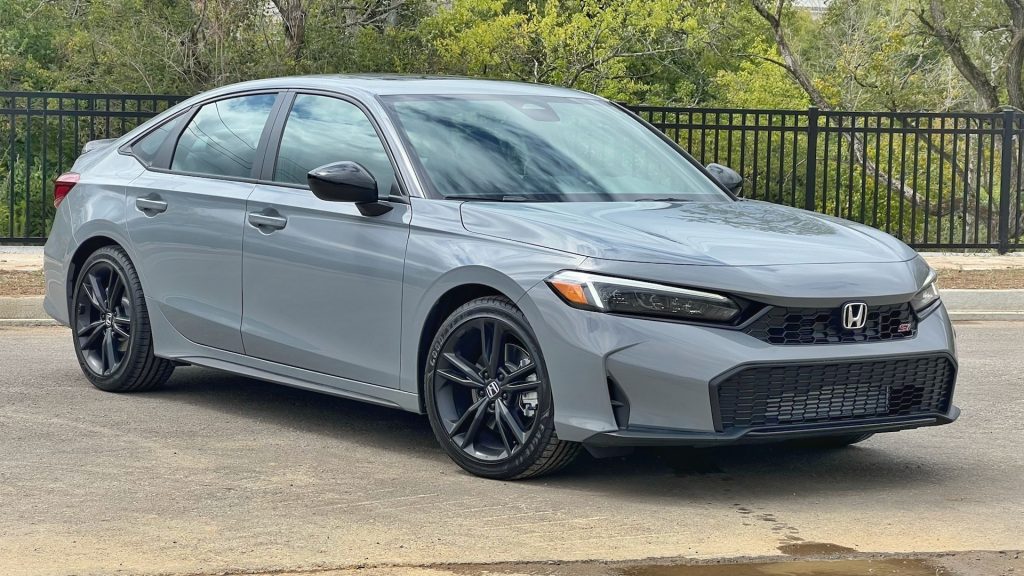
Changing the fluid at the recommended intervals is a relatively simple task compared to repairing or replacing a transmission.
High-quality manual transmission fluid designed for Honda vehicles ensures that the mechanical parts inside stay properly lubricated and temperatures are kept in check.
This not only preserves shifting quality but also maintains the balance of performance the Civic Si is known for.
Another overlooked factor is clutch fluid, which impacts gear engagement as well. Dirty or low fluid in the hydraulic system puts unnecessary strain on the clutch master and slave cylinders. Regularly flushing these systems prevents the slow deterioration that many drivers mistake for “normal aging.”
A little attention to transmission health can add years of reliability and save thousands in costly repairs. Treating the transmission fluid with the same importance as engine oil ensures that every shift continues to feel sharp and satisfying throughout the lifespan of the car.
Mistake 3: Overlooking Cooling System Care
One of the Civic Si’s strongest traits is its willingness to be driven hard. Unfortunately, aggressive driving generates a significant amount of heat, and ignoring the cooling system’s upkeep can drastically shorten engine life.
The radiator, coolant, water pump, and thermostat all play crucial roles in keeping the engine at a safe operating temperature. If any part of this system is compromised, the risk of overheating increases dramatically.
Overheating is one of the fastest ways to shorten an engine’s life span. Even a single incident of excessive heat can warp cylinder heads, blow gaskets, or cause permanent metal fatigue.
What makes matters worse is that overheating damage often develops quietly, only becoming obvious when a major repair is already unavoidable.
Many drivers underestimate the importance of coolant replacement. Old coolant loses its ability to resist corrosion and to regulate temperature properly.
When neglected, it allows deposits and rust to form inside the engine and radiator passages. A clogged radiator or failed thermostat can then trigger sudden overheating issues, often at the worst possible time.
Routine inspection of hoses and belts is equally important. Cracked hoses or a failing water pump can cause a loss of coolant circulation without warning. Simply paying attention to leaks, unusual smells, or rising temperature readings can prevent catastrophic failure.
For Civic Si owners who push their cars harder than average, upgrading to higher-quality coolant and ensuring frequent replacement is highly recommended. Even a perfectly engineered engine cannot survive chronic overheating.
Giving the cooling system consistent attention is one of the most effective ways to keep the Civic Si’s performance intact for many years.
Mistake 4: Skipping Brake System Maintenance
While the engine may be the heart of the Civic Si, the brakes are its most important safety feature.
A well-maintained braking system ensures confidence in spirited driving as well as everyday commuting. Unfortunately, brake care is one area where many owners tend to cut corners, and the results can cost both performance and safety.
Brake pads, rotors, and fluid require scheduled attention. Allowing pads to wear too thin means that rotors take unnecessary abuse from metal-on-metal contact. Once the rotors are damaged, braking efficiency drops significantly and costs rise due to the need for replacement instead of resurfacing.
Brake fluid is another commonly ignored element. Over time, it absorbs moisture from the air, reducing its boiling point.
For a performance-oriented car like the Civic Si, where aggressive braking is frequent, overheated brake fluid leads to pedal fade and longer stopping distances. This not only endangers the car but also undermines the driving experience.
Another area often missed is the brake calipers. If they are not serviced properly, pistons can stick or seize, leading to uneven wear on pads and unpredictable braking behavior. A Civic Si with compromised brakes quickly loses the sense of balance between speed and control that defines it.
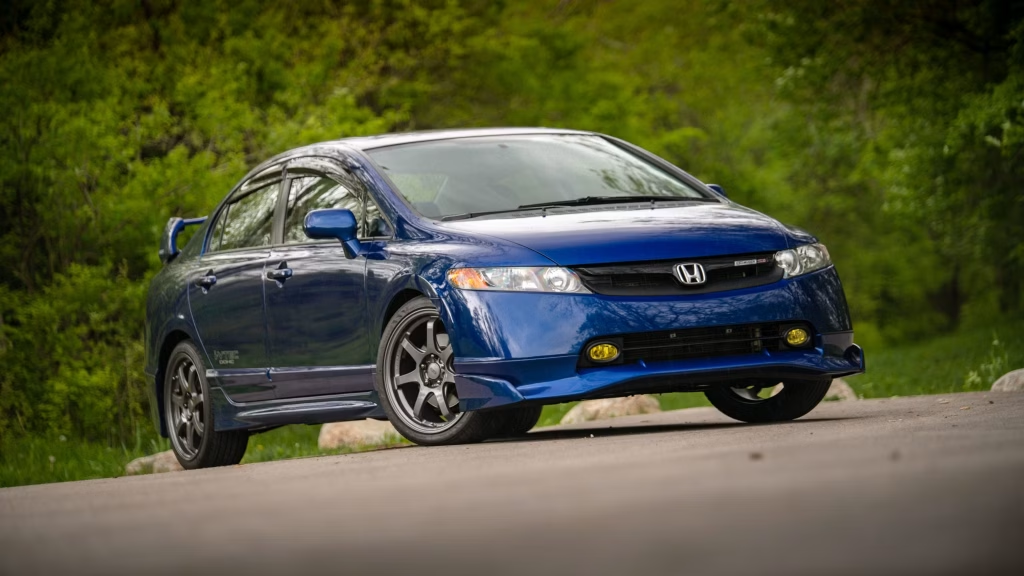
Regular inspection and using quality replacement parts maintain safety while preserving the feel that distinguishes the Si from ordinary commuter cars.
Performance pads and high-temperature brake fluid can be excellent investments for those who frequently drive enthusiastically. Keeping the brake system in top condition ensures precision, whether on a curvy back road or in traffic.
Mistake 5: Ignoring Suspension and Alignment
The suspension system is what ties the Civic Si’s agility and handling together. Many owners overlook it, assuming suspension wear is something only high-mileage vehicles face.
The truth is, even moderate neglect in this area quietly erodes the fun-to-drive feel and accelerates wear on tires and steering components.
Shocks, struts, bushings, and control arms all degrade with time and stress. When ignored, they cause uneven tire wear, poor ride quality, and reduced stability during cornering. For a car like the Si, which is designed to corner with precision, allowing suspension pieces to deteriorate compromises both performance and safety.
Wheel alignment is another crucial factor that impacts longevity. When alignment is off, tires wear unevenly and steering response suffers.
Owners may think of alignment as an optional service, but prolonged misalignment increases costs and reduces confidence behind the wheel.
Ignoring suspension health can also strain other parts of the car. Vibrations travel to components not designed to absorb them, raising the chance of premature failure. Road feedback becomes harsher and less predictable. This not only takes away from enjoyment but also reduces the feeling of control.
Regular inspections, quality replacement parts, and timely alignments can transform the long-term durability of the suspension system.
The Civic Si was engineered to deliver precision handling, and keeping the suspension and alignment intact is critical to maintaining that reputation over years of ownership.
Mistake 6: Using Cheap or Wrong Fuel
Fuel quality directly affects performance in a Civic Si, but some owners try to save a small amount of money by purchasing cheaper or incorrect grades of fuel.
Since the Si is tuned for higher performance, the engine’s ignition timing and compression ratio are designed for premium fuel. Running lower-grade gasoline may not cause immediate failure, but it hurts efficiency and can contribute to long-term damage.
The engine management system will compensate for lower octane by retarding ignition timing, reducing performance and increasing fuel consumption. This compromises the very reason many people choose the Si: its responsive character.
Worse yet, prolonged use of poor fuel quality increases carbon buildup inside combustion chambers. This fouls valves, pistons, and sensors over time. Eventually, drivability issues and misfires show up.
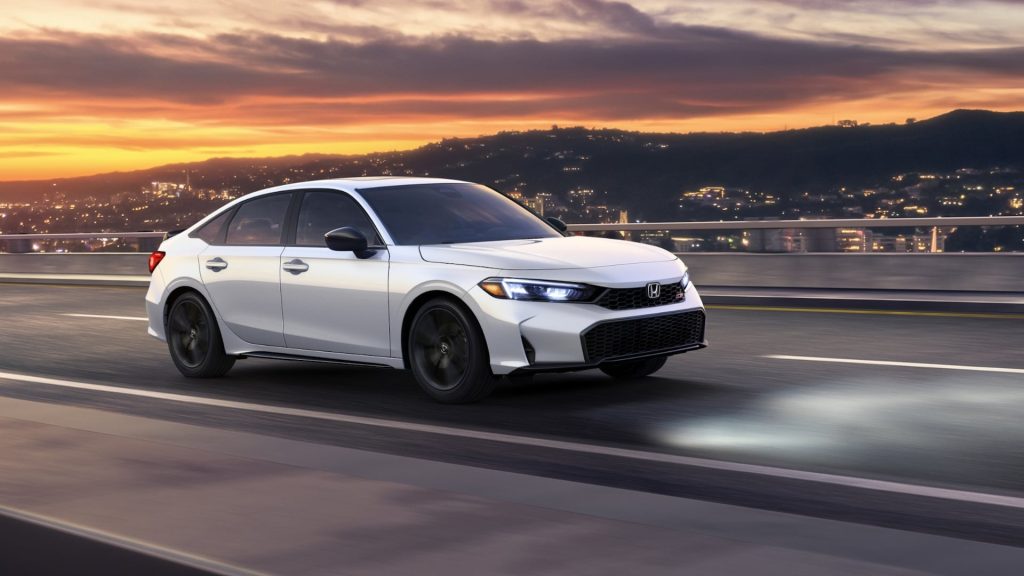
Cheaper stations may also sell fuel with higher levels of contaminants or ethanol than recommended. Excessive ethanol can corrode fuel lines or damage seals not built to handle it. The result is poor performance and costly maintenance in the long run.
It is not simply about cost but about protecting the car’s engineering. Choosing the recommended premium fuel keeps the engine running as designed, maintains efficiency, and prolongs the life of critical components.
Considering how little the price difference amounts to per tank, avoiding cheaper fuel is an easy way to protect a Civic Si for years to come.
Mistake 7: Pushing Cold Engines Too Hard
A common oversight among Civic Si owners is aggressive driving before the engine is fully warmed up. When an engine is cold, oil has not yet reached optimum circulation and viscosity.
This means bearings, pistons, and camshafts experience extra strain during those first few minutes. Constantly revving hard during this phase creates microscopic wear that, over time, adds up to major performance issues.
Heat expansion also plays a role. Engine metals are designed to expand slightly to operate at the correct tolerances.
On a cold start, those clearances are wide, leaving surfaces more vulnerable to scraping and stress. Until the engine reaches proper operating temperature, hard acceleration is essentially forcing components to grind together without full protection.
This does not mean idling the car for long periods is the solution, as prolonged idling creates its own problems with fuel dilution.
The best approach is moderate driving for the first few minutes until the temperature gauge stabilizes. Once the car is warmed up, it is safe to enjoy the full character of the Si without adding premature wear.
Owners who respect warm-up times not only extend engine life but also notice smoother performance. The Civic Si excels when treated with mechanical sympathy, turning every drive into a satisfying experience rather than a costly experiment in wear and tear.
Mistake 8: Skipping Regular Tire and Wheel Care
Tires are the only point of contact between the Civic Si and the road, yet many drivers neglect them beyond occasional inflation checks. This is a mistake, as poorly maintained tires compromise safety, handling, and the suspension’s integrity.
Underinflated tires not only reduce fuel efficiency but also increase rolling resistance and heat buildup. Over time, this can lead to blowouts.
Overinflated tires, meanwhile, create a stiffer ride and uneven tread wear. In both cases, traction suffers, which can be disastrous on a car that thrives on precise handling.
Rotating tires and checking for proper balance is essential. Without rotation, the more heavily loaded wheels wear out much faster, shortening the life of a full set. Unbalanced wheels create vibrations that do more than make the ride uncomfortable they also harm suspension components and steering elements.
Wheel alignment, which connects directly to suspension health, also plays a role here. Poor alignment exaggerates tire wear and reduces the sharp steering characteristics that make the Si enjoyable.
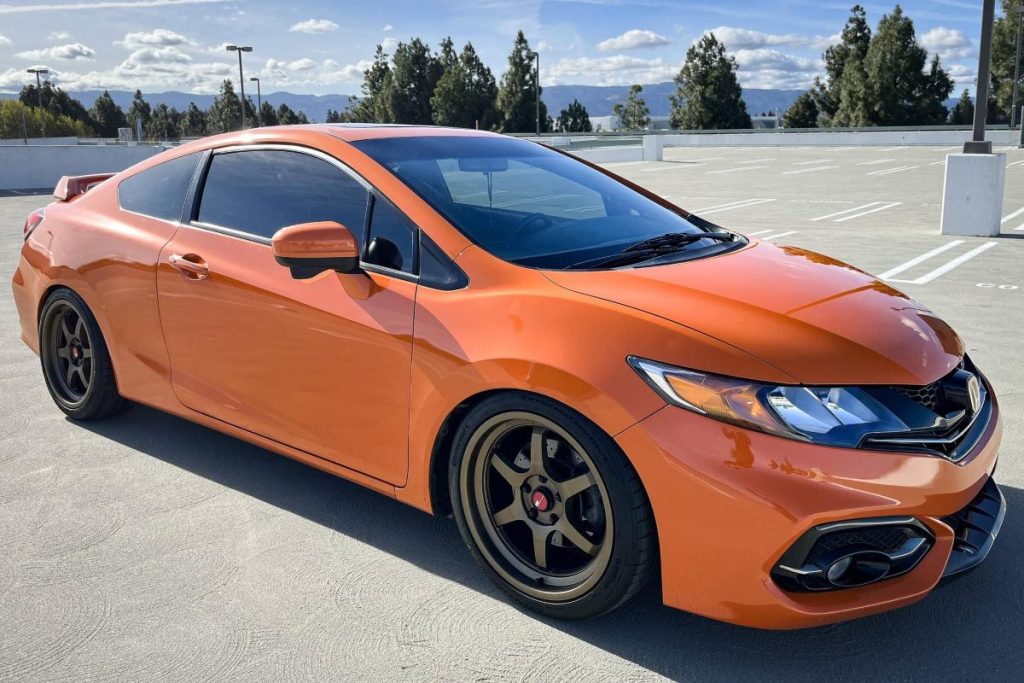
Replacing tires prematurely is costly, and skipping these routine checks often doubles maintenance expenses in the long run.
By consistently checking pressure, rotating, balancing, and aligning, Civic Si owners extend tire life, maintain fuel efficiency, and preserve the crisp steering their car was designed to deliver.
Mistake 9: Overmodding and Poor Aftermarket Choices
For many Civic Si enthusiasts, modifying the car is part of the ownership experience. While thoughtful upgrades can enhance performance, cheap or poorly installed modifications frequently do the opposite. Cutting corners in this area can shorten the car’s life far more quickly than daily driving ever would.
Aftermarket intakes, exhausts, or tuning chips may promise higher horsepower but often disrupt the finely balanced engineering of the Si.
Poorly designed components alter fuel-air ratios, create excessive heat, or strain the transmission and clutch. In some cases, they can void factory reliability safeguards programmed into the ECU.
Suspension and wheel modifications can also weaken long-term durability. Oversized wheels or lowering kits that compromise geometry put additional strain on bushings, tie rods, and axles. What seems like a fun adjustment for style or cornering ability can cost thousands in repair bills down the road.
The smarter approach is to invest in reputable aftermarket brands or stick with Honda-approved parts. Reliable performance parts complement the car rather than fight against its design. Carefully chosen upgrades enhance enjoyment without cutting years off the car’s lifespan.
Modding should be an enhancement, not a shortcut. By resisting cheap upgrades and avoiding extreme setups, Civic Si owners protect both the spirit and the strength of their beloved car.
The Honda Civic Si has earned a reputation as a durable, fun-to-drive, and reliable performance compact. Yet, many owners unintentionally shorten its lifespan by overlooking basic but essential care practices.
While the Si is engineered to withstand heavy use, neglecting key maintenance or making poor ownership choices gradually strips away its performance and reliability.
One of the most damaging mistakes is ignoring regular oil changes. In a car often pushed to high RPMs, fresh oil is critical to prevent premature wear on internal components.
Transmission fluid is similarly neglected, even though it plays a vital role in gear longevity and smooth shifting.
Many drivers assume manual gearboxes require no attention, but failing to maintain transmission and clutch fluid eventually leads to rough engagement and costly repairs.
The cooling system is another overlooked area. Aggressive driving creates heat stress, and when coolant, hoses, or the radiator are ignored, overheating can cause severe engine damage. Alongside the cooling system, brakes deserve consistent care.
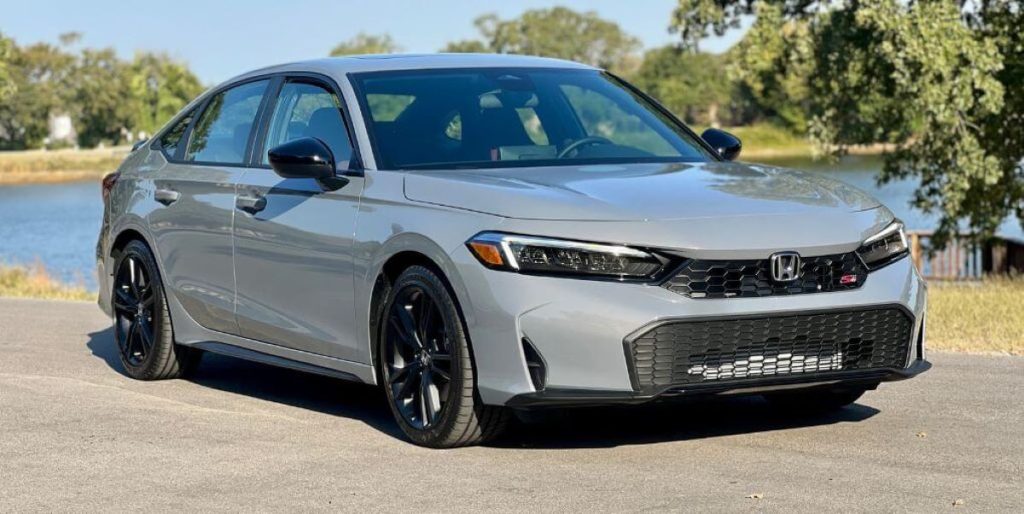
Pads, rotors, and fluid need timely servicing to ensure both safety and performance. Compromised brakes not only reduce stopping power but also erode the precise driving feel the Civic Si is known for.
Suspension and alignment care often fall low on maintenance lists but are integral to the Si’s handling. Worn shocks or improper alignment hurt stability, tire wear, and confidence behind the wheel.
Tires themselves also demand consistent attention from pressure checks to rotation and balancing. Neglect in this area affects grip, ride quality, and even suspension longevity.
Driving habits play a big role as well. Revving hard before the engine warms up creates microscopic damage that adds up over time. Fuel choices also matter, as lower grades or cheap stations compromise efficiency and lead to carbon buildup that undermines performance.
Finally, modifications are double-edged. Thoughtfully selected upgrades can enhance the car, but cheap or poorly installed aftermarket parts often disrupt the Si’s engineering balance, causing reliability issues and reducing life expectancy.
The Honda Civic Si offers an exciting ownership experience when treated with care. Recognizing and avoiding these nine oversights allows drivers to preserve its responsiveness, dependability, and spirited personality well past the 200,000-mile mark.
Proper maintenance and sensible driving choices turn the Si into not just a commuter, but a lasting companion on every road.
Also Read: 7 Oversights That Make a Ford Fusion Break Down Early
