
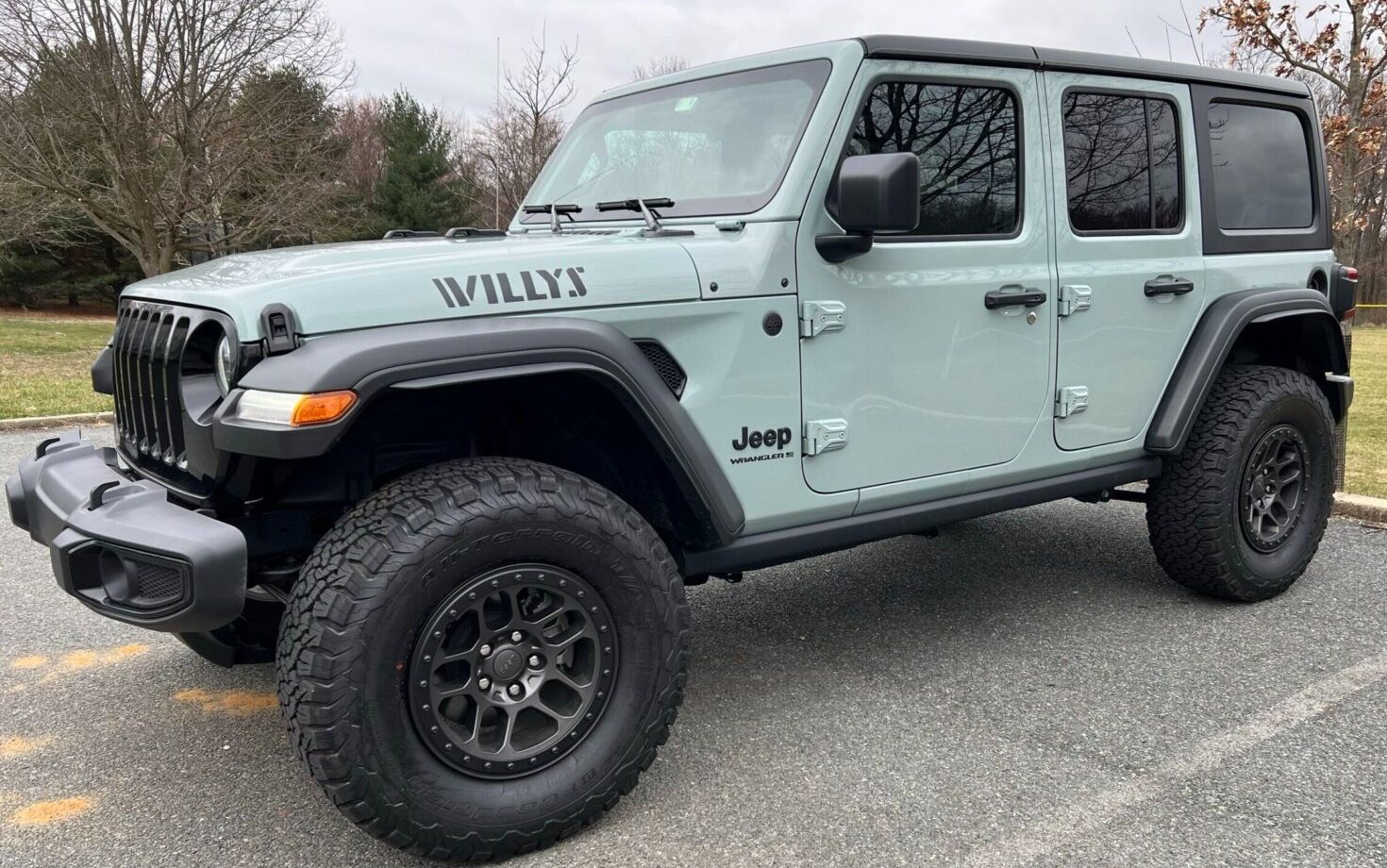
The Jeep Wrangler 4xe has quickly become one of the most popular plug-in hybrid SUVs on the market, offering the rugged capability expected from the Wrangler lineup with the added benefit of electric power.
With its combination of a turbocharged engine and battery-assisted efficiency, it promises both adventure and fuel savings.
However, just like any advanced hybrid system, the durability and performance of the 4xe’s battery heavily depend on how owners use and maintain their vehicle. The hybrid battery is one of the most critical and costly components, and poor habits can drastically shorten its lifespan.
Many Wrangler 4xe owners are drawn to this model because of its ability to operate purely on battery power for shorter distances while still maintaining traditional gasoline capability for longer trips.
This dual nature gives drivers flexibility but also introduces responsibilities. Unlike traditional gasoline-powered Jeeps, this hybrid requires more attention to charging habits, temperature management, driving style, and maintenance routines.
Failing to account for these differences can put undue strain on the battery, reducing efficiency and overall driving experience.
The mistakes that shorten the Wrangler 4xe’s battery life are often not obvious. Some of them come from neglect, while others seem harmless but accumulate damage over time.
Whether it’s repeated deep discharges, irregular charging schedules, ignoring software updates, or overlooking basic care, each habit can chip away at the battery’s long-term health.
Understanding these habits and making simple adjustments can lead to years of reliable performance from the 4xe battery. On the other hand, overlooking them could mean premature wear and an expensive replacement.
Let’s look closely at the everyday mistakes that Jeep Wrangler 4xe owners should avoid to keep their hybrid batteries lasting as long as possible.
Habit 1: Frequently Running the Battery Down to Zero
One of the most damaging habits for a Jeep Wrangler 4xe battery is regularly allowing it to drain down to absolute zero before recharging.
Unlike older nickel-based batteries, lithium-ion batteries, which power the Wrangler 4xe, are not designed to handle repeated deep discharges.
Every time the charge level falls completely to empty, the internal chemical balance of the battery cells is put under stress. Over time, this accelerates chemical wear, reduces capacity, and shortens the battery’s ability to hold energy effectively.
Many owners assume that fully using up the battery before charging makes sense, especially if they want to maximize every bit of electric range. While this approach may seem efficient, it takes a heavy toll over months and years.
The sweet spot for maintaining lithium-ion health is to keep the charge within a moderate range, typically between 20 percent and 80 percent. By avoiding extremes, the battery experiences less strain and maintains its performance longer.
The Jeep Wrangler 4xe is equipped with systems designed to prevent the battery from being pushed too far, but relying solely on those safety measures is not ideal.
Continuous deep discharging will still chip away at the overall health of the cells. Additionally, when the battery runs very low, the vehicle depends more heavily on the gasoline engine, which defeats the purpose of driving a plug-in hybrid in the first place.
A smarter habit is to set regular charging routines based on driving patterns. Plugging in overnight or during off-peak hours not only maintains a healthier state of charge but also benefits from lower electricity rates if available.
Planning charges before longer trips helps prevent the need to run the car completely on gas, while keeping daily commutes efficient.
Ultimately, avoiding the cycle of draining the battery to zero and then charging it fully is one of the simplest yet most effective ways to extend the battery’s life.
Think of it like managing your own energy levels: running on empty is never good for the long term. Your Wrangler 4xe will reward careful charge management with stronger performance, better fuel savings, and fewer long-term costs.
Habit 2: Neglecting Regular Charging Patterns
Another common mistake that weakens the Jeep Wrangler 4xe battery is failing to maintain consistent charging habits. Unlike a regular gas vehicle that can sit unused for long periods without consequence, a plug-in hybrid battery relies on balanced usage to operate at its best.
When owners leave the vehicle uncharged for extended periods, the battery cells naturally lose charge, a phenomenon known as self-discharge. Over time, letting the pack sit in a low state like this can permanently degrade its ability to recharge fully.
Irregular charging also causes uneven cell performance. The Wrangler 4xe battery pack is composed of many individual cells, and when these are not charged consistently, some cells deteriorate faster than others.
This imbalance can lead to reduced driving range, increased reliance on the gasoline engine, and eventually higher repair or replacement costs.
Some drivers worry that frequent charging might harm the battery, but with modern lithium-ion setups, regular top-ups are far healthier than inconsistent, irregular battery cycles.
Jeep has engineered protective systems into the Wrangler 4xe to prevent overcharging, meaning there’s little risk in plugging the vehicle in more often.
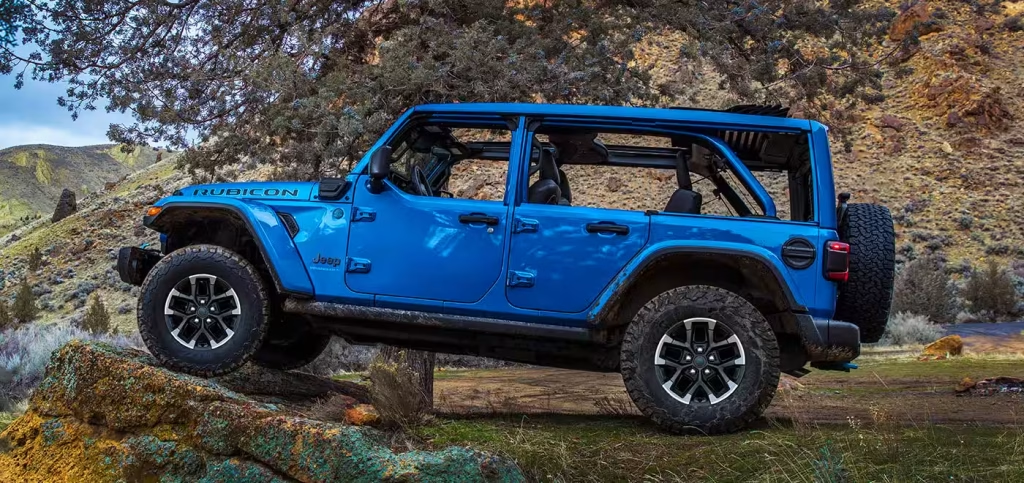
Establishing a daily or near-daily charging routine ensures that your Wrangler 4xe remains ready for both short commutes and longer weekend adventures.
If you drive a modest distance each day, plugging in overnight can help you consistently start each morning with sufficient charge. For drivers with less frequent mileage, charging every few days is still better than waiting until the battery is nearly depleted.
Think of the battery like a living system that functions best with steady, routine care. Just as proper nutrition and rest help the human body remain strong, regular charging keeps the battery balanced and reliable.
Drivers who neglect this and rely solely on gasoline, leaving the hybrid system idle too long, often notice their electric driving range decline sooner than expected.
By prioritizing a steady, predictable charging plan, owners can enjoy peak battery performance, lower fuel costs, and greater confidence that their Wrangler 4xe will continue to deliver its unique hybrid benefits for years to come.
Habit 3: Frequently Using Fast Charging Only
While fast charging provides obvious convenience, relying on it too often can quietly harm a Jeep Wrangler 4xe battery over time. The high-powered electricity used in rapid charging generates additional heat inside the cells.
Heat is one of the biggest enemies of lithium-ion batteries, accelerating chemical aging and diminishing long-term efficiency. When owners consistently choose quick charging stations instead of slower, standard charging, they shorten the lifespan of the battery pack without realizing it.
Occasional fast charging is not a problem. Jeep designed the Wrangler 4xe to handle these situations during long trips or when drivers need to top up quickly.
The issue arises when owners depend on rapid charging every time instead of treating it as an occasional convenience. Much like sprinting is harder on the body than jogging, constant rapid charging places stress on the battery that adds up over the months and years.
Standard Level 1 or Level 2 charging is far gentler on the battery and should be the default option whenever possible. Home charging stations, for example, offer a slow and steady current that allows the cells to recharge at a comfortable pace.
This reduces heat and balances cell performance more effectively. By making slower charging a part of regular care, you extend the pack’s health and ensure optimal electric driving range.
It is also important to consider ambient temperature when using fast charging. Exposing the battery to high outside temperatures while simultaneously forcing rapid energy intake can create a double layer of stress. Whenever possible, reserve quick charging for cooler times of day or when truly necessary on a road trip.
Building the habit of relying mostly on standard home charging, while only using fast charging when travel demands it, strikes a protective balance. The convenience of a quick charge is useful, but depending on it as your primary method accelerates wear.
By being selective about when to use rapid charging, Wrangler 4xe owners can slow down the aging process, maintain stronger battery range, and enjoy the hybrid’s performance benefits for far longer than those who always take the shortcut.
Habit 4: Ignoring Extreme Temperature Effects on the Battery
Temperature management is one of the most overlooked factors when it comes to hybrid battery care. The Jeep Wrangler 4xe’s lithium-ion battery is highly sensitive to both freezing cold and excessively hot conditions.
When exposed to extreme temperatures for prolonged periods, the efficiency and long-term durability of the battery decline rapidly.
In cold weather, the chemical reaction inside lithium-ion cells slows down, reducing the ability of the battery to deliver consistent power.
Owners might find their electric driving range dropping significantly, and if the battery is charged or discharged while at low temperatures, the effects can worsen.
On the other hand, high heat is just as damaging. Heat accelerates the chemical breakdown inside the battery, shrinking its overall capacity and shortening its lifespan. Parked under the blazing sun for days without climate control, the Wrangler 4xe’s battery quietly suffers extra stress.
Many drivers underestimate how much parking habits influence battery health. Leaving the Wrangler exposed to direct sunlight during summer or in freezing winter nights without proper precautions can gradually wear down the pack.
The vehicle’s active thermal management system helps regulate temperature, but no system can fully offset constant environmental stress.
Practical steps help prevent these issues. Whenever possible, park in shaded areas or use garages to keep the battery away from harsh sun exposure.
In colder regions, using a home charging setup not only replenishes the battery but also preconditions it, keeping temperatures stable before driving. Even making use of the remote start or preconditioning feature ensures the vehicle warms or cools itself without straining the battery during immediate use.
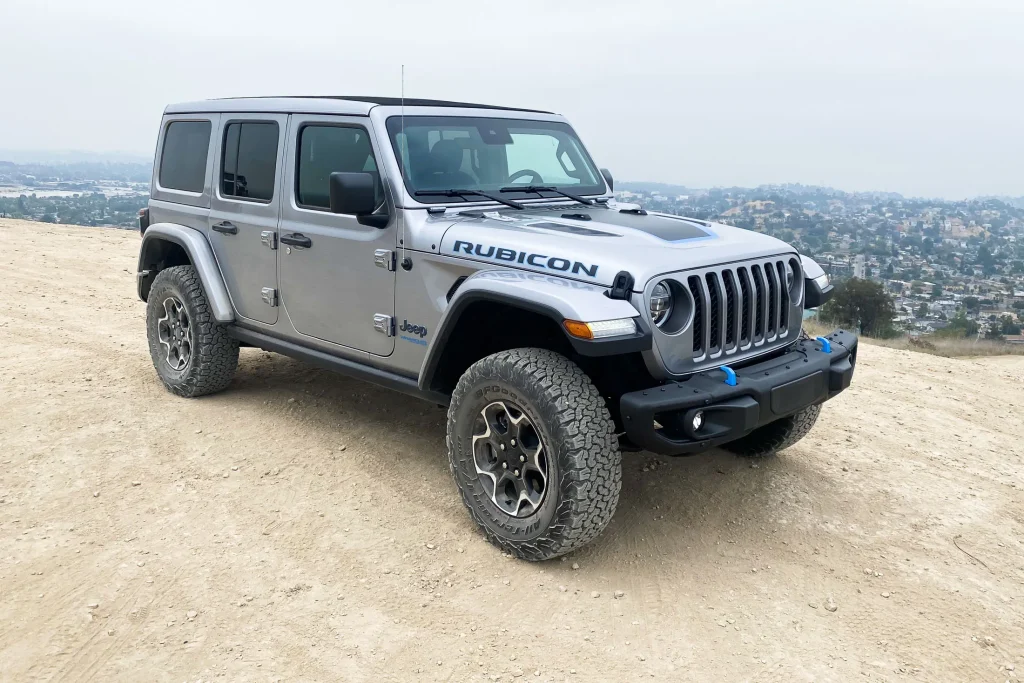
Owners should also resist the temptation to charge the vehicle right after heavy driving on very hot days, since the pack will already be warm. Allowing a short cool-down period before plugging in reduces thermal strain.
By being conscious of temperature impacts on the Jeep Wrangler 4xe and taking protective measures, owners help preserve battery health.
Over time, small adjustments like smart parking choices or scheduled charging can make a noticeable difference in maintaining range stability and ensuring the vehicle’s hybrid system remains strong well beyond the early years of ownership.
Habit 5: Overlooking Software Updates and System Maintenance
Modern vehicles like the Jeep Wrangler 4xe rely heavily on advanced software to manage complex systems, particularly the hybrid battery.
Unfortunately, many owners underestimate the role of software updates and routine system maintenance in keeping the battery healthy. Ignoring updates or skipping service checks can lead to overlooked problems that slowly erode performance.
The Wrangler 4xe’s battery management system constantly monitors charge levels, cell health, temperature, and energy distribution. Jeep engineers periodically release software updates to improve efficiency, fix bugs, or enhance charging logic.
When owners fail to install these updates, the battery may not benefit from the latest protective measures built by the manufacturer. Sometimes even a small adjustment in charging algorithms can reduce stress on the cells and prolong battery life.
Maintenance is equally crucial. During regular service visits, technicians can detect early signs of imbalance between cells, cooling system issues, or errors in how the hybrid system is operating.
If owners stretch maintenance intervals too far, these issues may go unnoticed until they cause noticeable range loss or reduced performance.
It’s easy to treat a hybrid like any other vehicle and assume that skipping a checkup won’t matter, but the 4xe’s battery is a highly technical piece of equipment.
Routine care doesn’t just ensure smooth driving; it prevents small issues from evolving into expensive repairs. For example, a coolant problem in the thermal management system may seem minor but can compromise the battery pack if left unchecked.
Owners should actively schedule updates and treat service visits as battery care appointments, not just general vehicle inspections.
With dealerships and workshops having specialized equipment to check the hybrid battery, these visits add a layer of protection beyond what the driver can monitor daily.
By neglecting technological upkeep, many owners unknowingly accelerate battery wear. Making updates a priority and respecting maintenance intervals means the Wrangler 4xe remains calibrated to factory standards.
This habit alone ensures consistent efficiency, prolongs the life of the battery, and helps owners keep enjoying the advantages of electric driving without unnecessary interruptions.
Habit 6: Aggressive Driving and Heavy Acceleration
Driving style has a surprisingly large impact on the health of the Jeep Wrangler 4xe battery. While the vehicle is built for rugged adventures and has plenty of power under the hood, constantly pushing it to its limits through aggressive driving habits puts added strain on both the gasoline engine and the battery system.
Heavy acceleration, sudden stops, and frequent flooring of the throttle cause the hybrid battery to discharge rapidly and heat up more than necessary.
Every time the driver demands maximum power in a short burst, the vehicle draws high amounts of current from the battery. This not only generates more heat but also stresses the individual cells.
Over time, repeated stress weakens the overall pack and reduces its ability to hold strong charge levels. The result is reduced driving range, less electric-only performance, and greater reliance on the gas engine.
Another side effect of aggressive driving is the inefficient use of regenerative braking. One of the key advantages of a hybrid like the Wrangler 4xe is its ability to recover energy when slowing down.
Smooth driving with gradual deceleration feeds more energy back into the battery. However, if the driver continually brakes harshly after sudden acceleration, the regenerative system cannot perform optimally. Instead of recycling energy, it wastes potential efficiency, causing the battery to work harder without reaping the benefits.
Adopting a more measured driving style has a direct positive effect not only on safety but also on battery life.
Smooth acceleration, maintaining steady speeds, and anticipating traffic flow all allow the hybrid system to utilize stored energy more effectively. It also ensures that the battery avoids unnecessary heating cycles, which are known to accelerate aging.
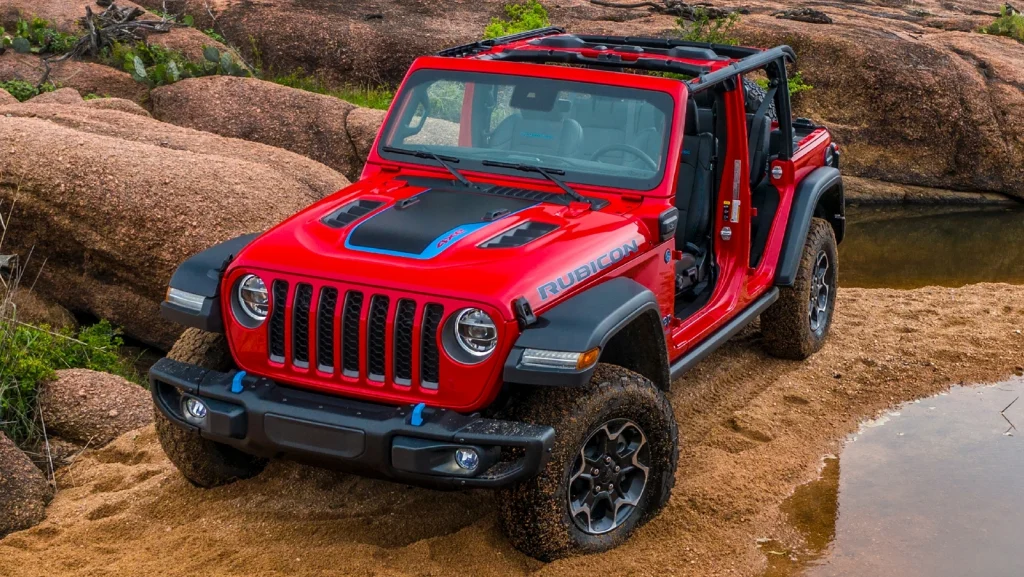
This doesn’t mean drivers should avoid enjoying the Wrangler 4xe’s performance capabilities. The occasional burst of power or off-road challenge won’t ruin the battery.
The key is moderation. Treating aggressive driving as a rare thrill rather than a daily habit ensures the battery and engine both remain healthy. The result is improved longevity, more stable performance, and lower chances of facing costly repairs earlier than expected.
Habit 7: Storing the Vehicle for Long Periods Without Care
One of the most damaging but overlooked habits for Jeep Wrangler 4xe owners is improper storage of the vehicle over long periods.
Many hybrid owners park their vehicles during off-season months, vacations, or extended work travel without realizing the serious effect this has on the battery pack. Lithium-ion batteries naturally lose charge over time, even when not in use.
Allowing the pack to sit untouched for weeks or months can lead to deep self-discharge, a condition that harms the chemical balance of the battery and reduces its capacity for future use.
If the vehicle is left parked with a nearly empty battery, the risk is even higher. A deeply discharged pack that continues draining while unused can fall into a critically low state that shortens lifespan or causes permanent damage.
On the other hand, leaving the vehicle stored at full 100 percent charge for long stretches is also harmful, as the cells suffer increased stress when held at maximum capacity.
The best practice for long-term storage is to keep the battery at a moderate charge, generally around 40 to 60 percent, and ensure the vehicle is plugged into a maintenance charger when possible.
This prevents self-discharge from draining the pack below safe levels and avoids the strain of a prolonged full charge. If a trickle charger or long-term battery maintenance device is available, that is an even better option to keep the system balanced over time.
It is also wise to start and drive the Jeep periodically during storage. Even a short 15 to 20 minute trip every couple of weeks helps cycle the battery and keeps internal components active. Ignoring this step not only harms the battery but can also cause flat spots in tires, fluid issues, or other routine maintenance problems.
Owners who store their 4xe for extended seasons without planning for the battery’s needs often encounter reduced range and performance when they finally return to driving.
By taking a little extra care before leaving the vehicle unused, drivers ensure that their Wrangler 4xe remains ready to deliver both electric efficiency and rugged performance the moment they need it again.
Owning a Jeep Wrangler 4xe brings the best of both worlds: the strength of a rugged off-roader combined with the efficiency of plug-in hybrid technology. However, the advanced battery system that powers this balance requires consistent care and attention.
Certain everyday habits can quietly shorten the lifespan of the battery, leading to lower efficiency, reduced driving range, and higher replacement costs.
One of the most damaging mistakes is regularly draining the battery to zero. Lithium-ion packs thrive when kept within balanced charge levels, and avoiding deep discharges is key. Equally harmful is skipping consistent charging routines.
Allowing the vehicle to sit idle without topping up leads to reduced performance over time. On the other side, over-relying on fast charging brings its own strain, as increased heat during rapid charging accelerates the aging process.
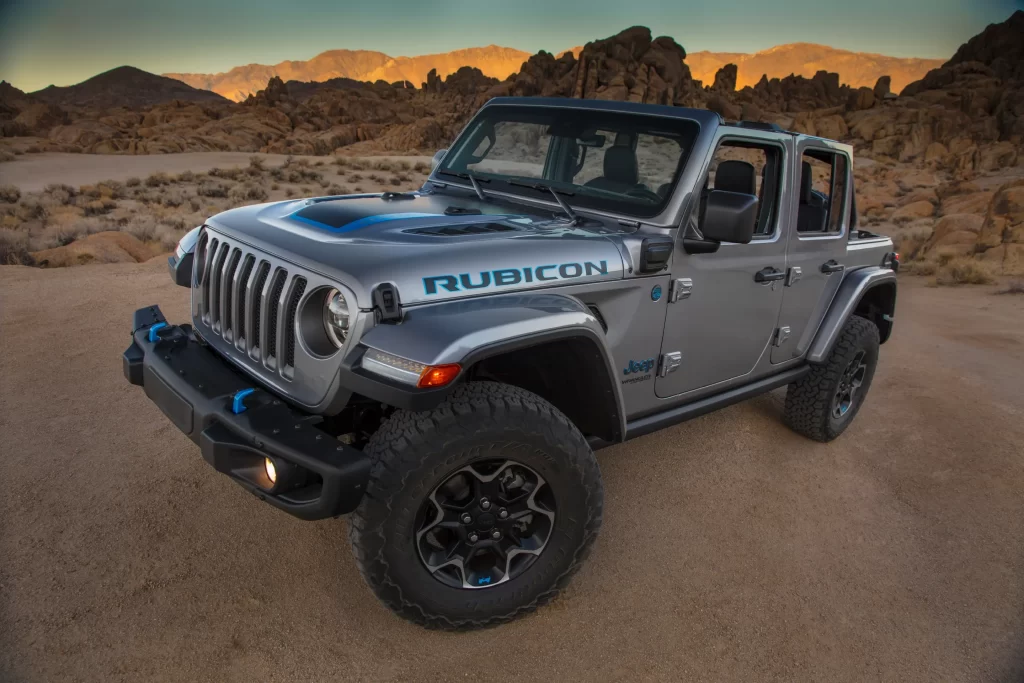
Environmental factors cannot be ignored either. Exposing the Wrangler 4xe to extreme heat or freezing conditions places the battery under additional stress, making proper parking and preconditioning habits important.
Another overlooked area is software and maintenance. Because the vehicle’s hybrid system depends on updates and monitoring, neglecting service visits or ignoring updates compromises the battery’s protective logic.
Driving style plays a critical role as well. Aggressive acceleration and frequent braking limit regenerative efficiency while overheating cells.
Finally, long periods of improper storage are among the fastest ways to degrade capacity if the vehicle is left unused without preparation.
With a few consistent habits balanced charging, smoother driving, timely updates, and thoughtful storage, Wrangler 4xe owners can preserve their battery’s health, ensuring lasting performance and reliability.
Also Read: 7 Driving Habits That Destroy a Subaru Legacy Faster Than You Think
