
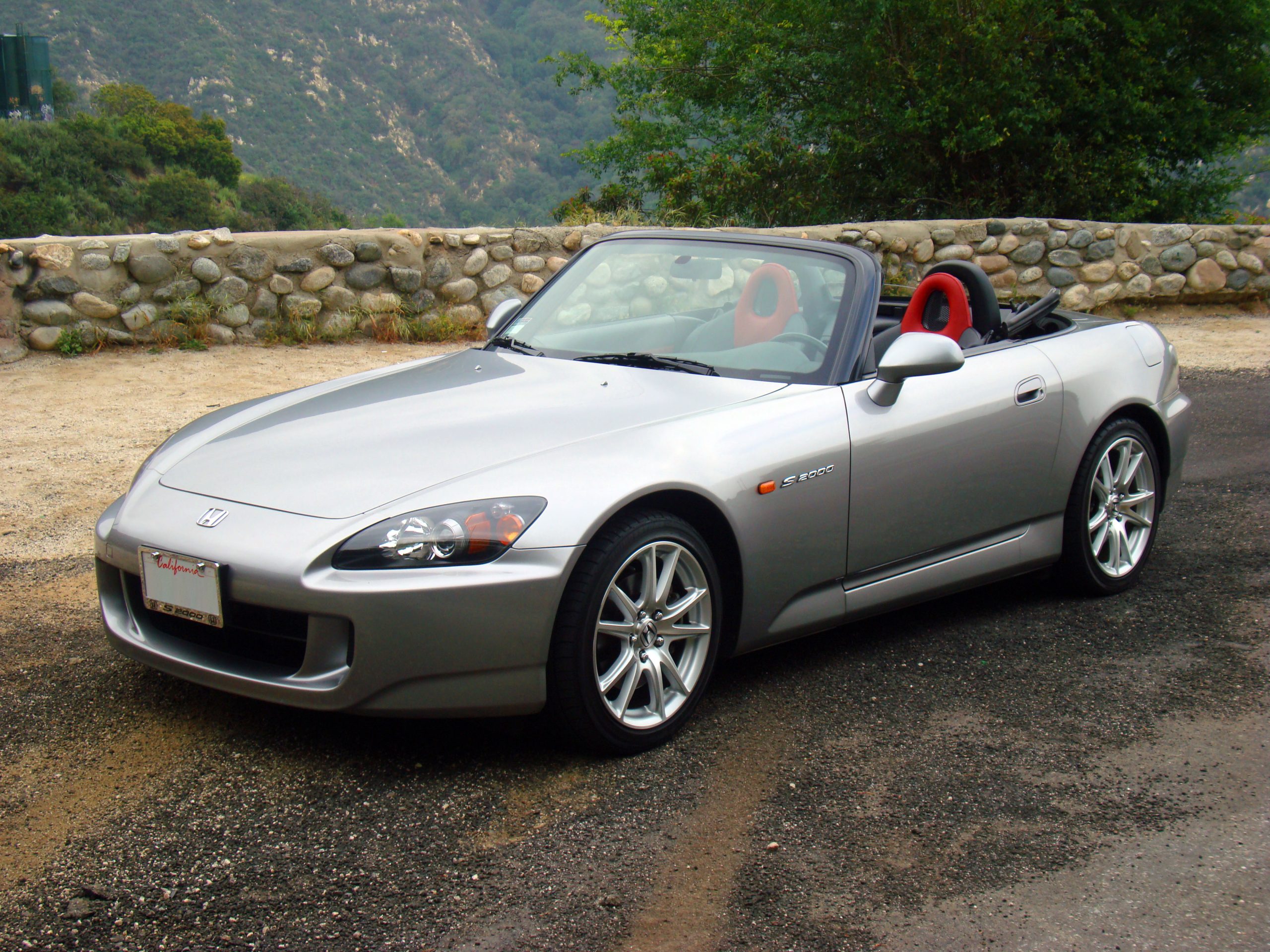
The Honda S2000 is often regarded as one of the most iconic roadsters ever produced. Celebrated for its high-revving F20C and F22C engines, balanced chassis, and driver-focused design, it carved out a special place among enthusiasts who value precision engineering.
However, the same qualities that make this car so rewarding to drive also demand responsibility from the owner.
Unlike modern vehicles loaded with electronic aids and automated safety nets, the S2000 requires care, discipline, and an understanding of how to maintain a machine built to perform at its peak potential.
Every sports car has its weak points, and the S2000 is no exception. While the engine is renowned for durability, improper habits from owners can dramatically shorten its lifespan.
Reaching 200,000 miles with a well-preserved S2000 is achievable, but it demands more than just timely oil changes. Driving style, maintenance practices, and even small overlooked details all play crucial roles in keeping the car healthy.
Unfortunately, many S2000s never reach that milestone because drivers fall into habits that slowly wear the engine, drivetrain, and suspension.
Some of these habits stem from misunderstanding how a high-performance engine should be treated, while others are a result of neglect or cost-cutting on maintenance.
This article covers eight destructive practices that can drastically reduce the longevity of an S2000.
Each habit is explained with context so that both newcomers to the platform and long-time enthusiasts can appreciate not only what harm is caused but also how to adjust behaviors to ensure the car thrives well past the 200k mark.
By avoiding these pitfalls, owners can continue enjoying the unique character of Honda’s masterpiece for years without suffering premature failures.
Also Read: 10 Pro Tips That Keep a Chevy HHR Reliable for Daily Driving
Habit 1: Neglecting Proper Oil Maintenance
One of the fastest ways to compromise the long-term health of a Honda S2000 is by overlooking oil maintenance. The F20C and F22C engines are engineered to operate at extremely high revolutions, boasting redlines of 8,800 rpm and 8,200 rpm, respectively.
At those ranges, lubrication plays a vital role because the sheer speed at which components move places extraordinary stress on the internals.
Skipping oil changes or stretching intervals beyond the manufacturer’s recommendations accelerates wear in ways that might not be noticeable immediately but will eventually exact a heavy price.
Using the wrong oil is another common mistake. The S2000 demands high-quality synthetic oil formulated to withstand high temperatures and maintain viscosity under stress.
Cheaper oils or blends marketed for ordinary sedans may not provide the protection this engine requires, especially when driven spiritedly.
Over time, weak oil film leads to increased friction, bearing wear, and piston ring degradation. These are failures that can easily prevent the car from ever making it to 200,000 miles.
Even with quality synthetic oil, allowing the car to run low on fluid can be catastrophic. Tracking consumption is often overlooked, but many S2000s burn small amounts of oil over time. Owners who fail to check levels regularly risk running the motor near dry, which can destroy it within minutes.
Moreover, skipping the habit of warming up the engine before revving hard puts additional strain on cold oil.
Cold oil flows less efficiently, leaving critical parts briefly starved at high rpm. Taking a few extra minutes to allow proper circulation greatly extends the engine’s health.
The solution is straightforward: commit to consistent oil changes at reasonable intervals, use the correct grade of fully synthetic oil, and always monitor levels.
This simple discipline is often the dividing line between an S2000 that thrives past 200,000 miles and one that requires a rebuild decades earlier.
Habit 2: Frequently Hitting the Rev Limiter
Honda designed the S2000’s engine specifically to thrive at high rpm, but there is a difference between enjoying the upper range and constantly abusing the limiter. The rev limiter is not meant to be used as a performance tool; it serves as a safety barrier.
Every time the motor slams into that cutoff, stress reverberates through the valvetrain, pistons, and rods. While the occasional brush with the limiter may not show immediate consequences, repeated encounters build fatigue that diminishes longevity.
Valve float and bearing stress are two of the most common issues that arise from this habit. At nearly 9,000 rpm, tolerances are razor-thin, and the margins of safety diminish quickly when consistently pushed beyond intended limits.
Enthusiasts sometimes view hitting the limiter as proof they are squeezing every ounce of performance from the car, but the reality is that this style of driving trades years of reliability for fleeting moments of excitement.
Another overlooked consequence is heat buildup. When the engine is constantly revved near the top, oil temperatures climb, reducing lubrication quality.
Components that were designed to handle spirited driving can suddenly become overwhelmed under near-constant limiter abuse. Heat cycling also weakens seals, gaskets, and other engine parts.
Driving the S2000 hard does not mean ignoring mechanical sympathy. Staying within the redline without letting the tachometer bounce off the cutoff delivers nearly the same thrill while preserving the engine’s health.

The car was engineered for high performance, but it rewards precision and respect more than it rewards brute force.
If the goal is to enjoy the S2000 for hundreds of thousands of miles, owners should focus on controlled, spirited driving, reserving the limiter for rare situations rather than making it part of daily habits.
Respecting the natural limits ensures the motor remains strong, responsive, and capable for years to come.
Habit 3: Ignoring Transmission and Differential Care
While the S2000 is famous for its engine, the six-speed manual transmission and Torsen limited-slip differential are equally important to its driving character. Many owners forget that these components require just as much attention as the engine.
Transmission fluid that is neglected or never replaced starts to lose its ability to protect synchros and gears, leading to chronic issues such as grinding shifts, especially in higher gears.
The close-ratio gearbox is one of the highlights of the S2000, but its precision depends on healthy lubrication. Honda recommended fluid changes at specific intervals, yet many skip this because it is less publicized compared to oil changes.
Over extended use, worn-out fluid cannot shield gears from metal-to-metal contact, which accelerates wear and eventually causes expensive repairs.
The differential is another critical yet often overlooked area. Since the S2000 was designed as a rear-wheel-drive sports car, the limited-slip differential experiences constant stress during spirited cornering.
Without fresh fluid, the clutches inside begin to degrade, leading to reduced traction and noisy operation. Some owners mistakenly believe the differential is “filled for life,” but this assumption shortens its service significantly.
Another damaging habit is aggressive clutch dumping and launches. These maneuvers transmit shock directly into the transmission and differential, stretching their limits beyond what Honda designed for street use. Over time, the gears and bearings inside both components suffer from repeated abuse.
Preventing these problems is simple but requires discipline. Sticking to recommended service intervals for gear oil and ensuring high-quality fluids are used prevents premature failures.
Avoiding harsh launches and respecting the mechanical limits of the drivetrain allows the gearbox and differential to last just as long as the engine.
An S2000 with a neglected transmission and differential is likely to face costly repairs before ever reaching 200,000 miles. Regular care, on the other hand, allows these systems to remain smooth and reliable well into the car’s later years.
Habit 4: Skipping Valve Adjustments
The F20C and F22C are unique modern engines in that they require manual valve adjustments at set intervals. This is because of their high-revving design and lack of hydraulic lifters, which would normally handle adjustment automatically.
Many S2000 owners, especially those used to more conventional cars, assume that valve maintenance can be ignored. This oversight often leads to power loss, rough idle, and eventually costly engine damage.
When valves are too tight, they may not fully close, reducing compression and causing misfires or burnt valves.
Conversely, when too loose, they may create excessive noise and hammering inside the cylinder head, leading to accelerated wear of rocker arms and cam lobes. Both scenarios shorten the life of the engine dramatically if left untreated.
This maintenance step requires more effort and skill compared to a standard oil change, which is why many avoid it. Unfortunately, neglecting adjustments every 60,000 to 90,000 miles puts the S2000 on a fast path toward decreased performance and reliability.
Considering that the engine was specifically designed for high-rpm performance, healthy valve clearances are essential for achieving its intended lifespan.

Failing valves eventually mean a rebuild, which easily runs into several thousand dollars. And unlike clutch replacement or suspension refreshes, valve damage affects the very heart of the engine.
The solution again is relatively straightforward: adhere strictly to Honda’s recommended interval for valve clearances. Having a skilled professional handle the adjustment is usually the best option unless the owner is an experienced mechanic with the right tools.
While this service costs more than routine maintenance, it is still far cheaper than repairing a damaged head or replacing burnt valves.
The owners who treat valve adjustments as critical maintenance are usually the ones whose cars exceed 200,000 miles without requiring major engine work. Skipping this step, however, almost guarantees the S2000 will not last nearly as long as it could.
Habit 5: Using Cheap or Incorrect Aftermarket Parts
The Honda S2000 has an enormous aftermarket following, which can be both a blessing and a curse. On one hand, there are countless options for performance upgrades and replacement parts.
On the other, the temptation to save money with unproven or low-quality components can drastically shorten the car’s lifespan. Owners who substitute cheap clutch kits, filters, or suspension parts often discover that the savings are short-lived.
For example, a poorly manufactured intake or filter system can allow dirt and debris into the motor, accelerating wear on cylinder walls and piston rings.
Cheap spark plugs or coils might misfire under load, leading to incomplete combustion and long-term damage to catalytic converters and valves. Even something as simple as using the wrong radiator cap or low-quality hoses can cause overheating, which is particularly dangerous for a high-strung aluminum engine.
Suspension is another area where inferior parts cause big problems. The S2000’s chassis is carefully balanced, and installing cheap coilovers or bushings often ruins geometry while introducing additional stress to mounting points.
Owners may experience accelerated tire wear, compromised handling, and even frame stress that reduces the car’s longevity.
The drivetrain is also vulnerable when bargain parts are used. Clutch kits that cannot handle the engine’s rev range may fail prematurely, leaving behind broken components that can damage the transmission input shaft or flywheel.
The safest path is to use OEM or proven aftermarket parts from reputable manufacturers. While these options often cost more upfront, they preserve the car’s design integrity and prevent future issues.
Considering that many S2000s are now well into their second or third decade of life, relying on quality components is the best way to ensure the engine, suspension, and drivetrain continue working as intended.
Choosing cheap parts might seem harmless in the short term, but over time this habit is one of the fastest ways to prevent the S2000 from ever reaching 200,000 miles.
Habit 6: Neglecting Cooling System Maintenance
High-performance engines generate tremendous heat, and the S2000’s F-series motor is no exception. The factory cooling system was designed to handle aggressive use, but like any mechanical system, it depends heavily on proper upkeep.
Unfortunately, many owners overlook the importance of radiator flushes, hose inspections, and thermostat replacements. This habit can have catastrophic consequences long before the 200,000-mile mark.
Coolant gradually loses its ability to prevent corrosion and maintain proper thermal efficiency. When neglected, rust and sediment begin to build up within the radiator and coolant passages, restricting flow.
This reduces the system’s ability to control temperature, increasing the risk of overheating. Overheating even a handful of times can warp the cylinder head, blow the head gasket, or weaken seals and gaskets, accelerating oil leaks.
Another common failure is ignoring aging radiator hoses or fan components. After years of heat cycling, rubber hoses become brittle and are prone to rupture under pressure.
A sudden burst during spirited driving can cause instant coolant loss and major engine damage. Similarly, radiator fans that stop functioning often go unnoticed until the temperature gauge creeps into the danger zone.
The water pump and thermostat are additional areas of neglect. Both are wear components that eventually fail, yet some owners push them far beyond their service life.
A failed thermostat can trap coolant, preventing circulation, while a failing water pump may not circulate enough fluid, both leading to overheating episodes.
The solution is routine flushing of the system, replacing hoses before they fail, and checking the thermostat and pump as part of preventive maintenance.

Using genuine Honda Type 2 coolant or a high-quality equivalent ensures corrosion protection and consistent performance.
With proper care, the cooling system can remain reliable for decades. Without it, the S2000’s engine life can be cut dramatically short, sometimes ending long before reaching 200,000 miles.
Habit 7: Driving on Worn or Low-Quality Tires
Tires may not directly wear down engine components, but they are critical in preserving the car as a whole. The S2000 was engineered with precision suspension geometry and a chassis that responds to even the smallest changes in grip.
Driving with worn or bargain tires compromises performance, safety, and even structural integrity over time.
Worn tires drastically decrease traction, leading to frequent loss of grip, especially in wet or cold conditions.
This strains the stability of the car and puts tremendous stress on suspension parts when the car skids or grips unexpectedly. In worst cases, it can also cause accidents that leave the car badly damaged, cutting its life short.
The use of cheap budget tires is another issue. These may be fine on economy cars, but they do not offer the grip balance required for a roadster designed for precision handling.
Hard-compound budget tires transmit excessive vibration into bushings, ball joints, and suspension mounting points. Over years of use, this habit accelerates wear across the entire chassis.
Another factor is alignment. Some owners fail to maintain proper wheel alignment, which leads to uneven tire wear and increased strain on steering components.
An improperly aligned S2000 feels twitchy and unstable, which encourages the driver to correct constantly, further stressing steering racks and tie rods.
By keeping fresh, high-quality tires on the car, not only does the S2000 remain safe to drive, but the suspension and chassis are preserved. Regular rotation, proper inflation, and attention to alignment protect the rest of the car from unnecessary stress.
Tires are often viewed as a replaceable expense, but for an S2000, they serve as the vehicle’s first line of defense against excessive wear elsewhere. Skimping on them is a habit that reduces overall service life and almost ensures the car will not reach its full potential longevity.
Habit 8: Storing and Driving the Car Improperly
Many S2000s spend part of their life as weekend cars, stored during off-seasons or driven only occasionally. While this helps preserve mileage, improper storage habits often contribute to long-term damage.
Leaving the car sitting for extended periods without preparation leads to condensation buildup in the engine and exhaust, corroded brake components, and weakened batteries. Over time, this habit contributes to premature aging well before 200,000 miles.
Fuel is another concern. Gasoline left to sit for months can become stale, forming deposits that clog injectors or damage the fuel pump. Owners who fail to use stabilizer additives or run the car occasionally often face starting issues and gummed-up fuel systems.
Tire flat-spotting is also common when the car is stored improperly. Allowing the car to rest on the same patch of rubber for months can deform the tires, leading to poor ride quality and compromised grip.
Fluids also degrade when the car isn’t circulated, which means oil, coolant, and transmission fluid may not provide proper protection upon restart.
Driving habits matter equally. Cold-starting the engine and immediately revving it aggressively is a damaging practice.
The S2000’s high-performance design requires gentle warm-up, allowing oil and coolant to reach operating temperature before pushing the rpm. Neglecting this habit is one of the most direct ways to shorten an otherwise reliable engine’s life.
The solution involves preparation and discipline. For storage, keep the car fueled with additives, disconnect the battery or use a tender, and consider lifting the car on stands to prevent tire wear.
If driven sporadically, the car should still be cycled regularly to circulate fluids. While in use, respecting warm-up periods and avoiding abusive driving behaviors goes a long way toward preserving the car’s vital systems.
The Honda S2000 can survive years of partial or occasional use, but only if treated correctly. Without proper care during storage and warm-up, its lifespan can be cut drastically short.
The Honda S2000 is one of Honda’s most respected sports cars, known for its high-revving F-series engine, precise six-speed gearbox, and balanced chassis.
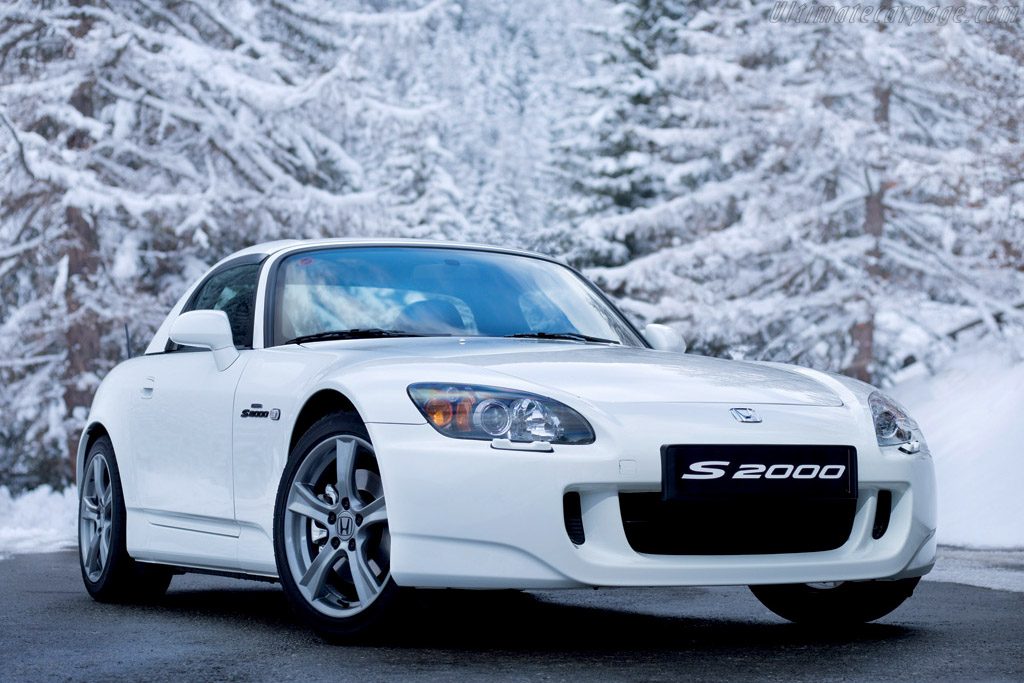
While it can last well over 200,000 miles, reaching that milestone depends heavily on how it is maintained and driven. Owners who make certain mistakes often find their cars wearing out long before they should.
Neglecting oil changes or using the wrong type of oil quickly leads to engine wear, and consistently hitting the rev limiter weakens the motor over time.
Overlooking transmission and differential servicing shortens the lifespan of critical drivetrain parts, while skipping valve adjustments causes long-term internal damage.
Using cheap aftermarket parts might appear to save money in the short term, but poorly made components compromise reliability throughout the car. Similarly, ignoring the cooling system raises the risk of overheating, one of the quickest ways to destroy the engine.
Even tires and storage habits play massive roles. Low-quality or worn tires stress suspension components, and improper storage practices create fuel, fluid, and battery issues that shorten vehicle life.
By avoiding these eight destructive habits, S2000 owners can protect their investment and ensure this legendary roadster continues delivering its trademark driving experience for decades.
