
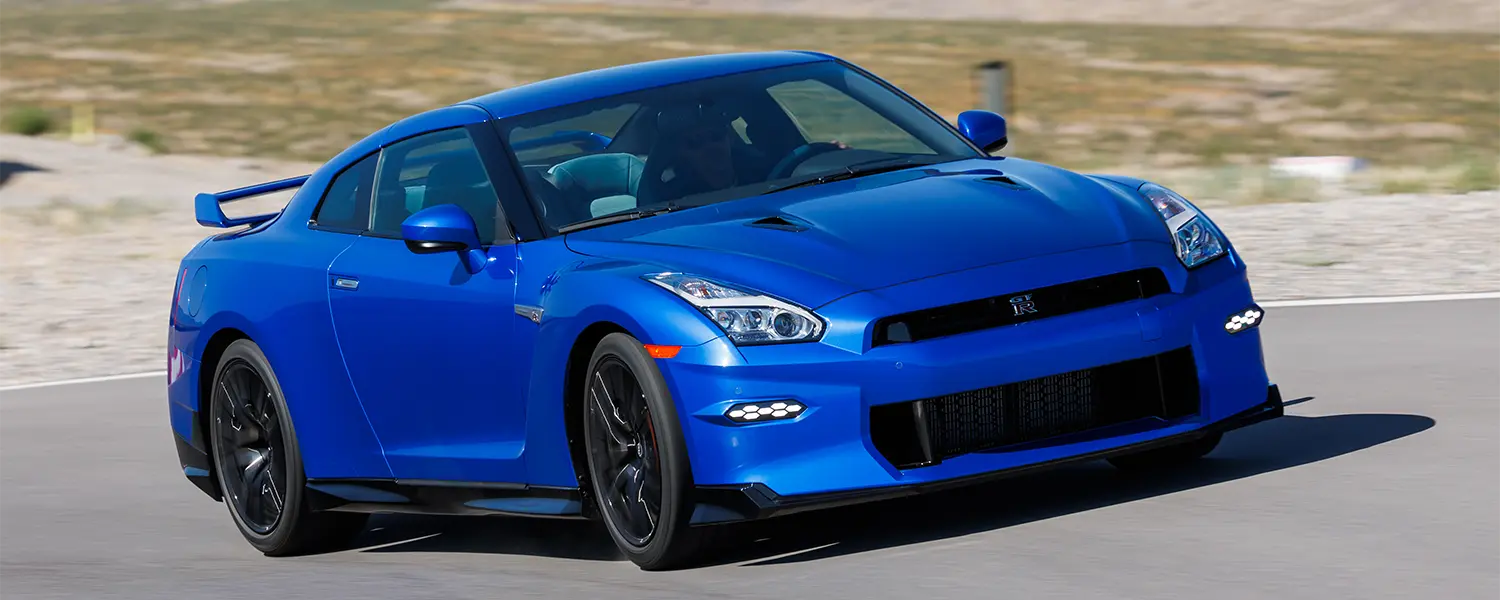
The Nissan GT-R has long been admired as one of the most dependable high-performance cars, blending raw power with modern engineering. Owners around the world appreciate how it manages to compete with top-tier supercars while still being usable as a daily driver.
However, maintaining that balance of reliability and performance requires ongoing attention. Like any finely tuned machine, the GT-R benefits greatly from careful upkeep and preventative care.
Without a proper maintenance routine, even this beast on four wheels can develop avoidable issues that reduce both performance and cost more in the long run.
Reliability is not just about fixing problems after they appear. It is also about preventing potential issues before they arise.
This is especially true for the GT-R, since its twin-turbocharged engine, complex dual-clutch transmission, and advanced all-wheel-drive system all work together under extreme pressure.
With that kind of engineering, cutting corners on care is never a good idea. The difference between a GT-R that remains bulletproof for decades and one that is plagued by breakdowns often comes down to how well the owner treats it.
This guide focuses on ten practical fixes that can extend the life of the GT-R and keep it running at its full potential. These are not gimmicks or unnecessary luxuries, but steps that owners can adopt as reliable habits.
Each fix targets specific areas of the car that need the most attention, from the transmission and cooling system to basic routine checks.
By developing the right maintenance approach and making small but smart adjustments, a GT-R can remain reliable year after year.
This car was built with durability in mind, but with the proper care, its lifespan can be stretched far beyond expectations without compromising the thrill it is known for.
Also Read: 10 Pro Tips That Keep a Chevy HHR Reliable for Daily Driving
Smart Fix 1: Prioritize Transmission Care
The transmission is often seen as the heart of the Nissan GT-R because it determines how effectively the impressive engine power reaches the wheels.
Unlike standard cars, the GT-R uses a dual-clutch automatic transmission that delivers rapid gear shifts to maximize performance. However, this advanced system has precise tolerances and requires more detailed care compared to traditional gearboxes.
If neglected, it can become one of the costliest components to repair. That is why prioritizing transmission health should always stand as one of the main concerns for GT-R owners.
The first step is fluid management. Transmission fluid in the GT-R does more than just lubricate gears. It regulates temperature, ensures smooth clutch operation, and reduces wear and tear.
Over time, this fluid loses its protective properties, especially under heavy driving conditions. Refreshing it at the correct intervals, usually every 30,000 to 40,000 miles, is a critical step.
Using proper factory-recommended fluids is also important, since aftermarket substitutes may not withstand the high stress environments the GT-R’s transmission faces.
Equally important is allowing the car to warm up before pushing it hard. The GT-R may feel ready to go the moment you start it up, but its transmission and fluids need a little time to reach optimum operating temperature. Driving too aggressively while the system is still cold can introduce unnecessary stress and shorten its lifespan.
Monitoring for small warning signs is another part of responsible ownership. Hesitant gear shifts, delayed response, or unusual noises when shifting should never be ignored.
Catching these issues early allows them to be addressed before escalating into something bigger. Periodic inspections by a certified GT-R specialist also add an extra layer of protection.
By making transmission upkeep a priority, owners avoid one of the most common sources of expensive repairs.
With consistent attention, the gearbox continues to deliver the lightning-fast shifts that make the GT-R such a special car without creating headaches years down the line.
Smart Fix 2: Keep the Cooling System Efficient
The cooling system in a Nissan GT-R plays a critical role in making sure the engine and supporting components maintain the correct temperature under load.
With the GT-R’s twin-turbocharged engine producing intense heat, a weak cooling system can quickly lead to reliability issues.
Overheating puts immense stress not only on the engine itself but also on the turbos, gaskets, and fluids, shortening their lifespan significantly. To prevent this, owners need to follow a strict approach to cooling management.
The first step is ensuring coolant quality and levels are always maintained. Over time, coolant breaks down and loses its ability to regulate temperature effectively.
Flushing the system and replacing it with a high-quality, manufacturer-approved coolant every two to three years is essential. Mixing improper coolant types or waiting too long between changes can contribute to corrosion within the radiator and hoses.
Upgrading cooling hardware is another practical option. Owners who track their GT-Rs or drive in very hot climates often see benefits in installing an upgraded radiator, additional oil coolers, or improved intercoolers. These upgrades reduce heat stress, keeping components at safe operating ranges for longer periods.
It is equally important to regularly inspect radiator hoses, water pumps, and thermostat functionality. A single failing part in the system can compromise the entire cooling process.

Even a small coolant leak can quickly turn into a major overheating event, so early detection is key. Routine pressure testing can help identify vulnerabilities before they create damage.
Finally, it is wise to give the GT-R a brief cooldown period after spirited driving. Allowing the car to idle for a short time helps move hot air out of the engine bay and reduces strain on materials that expand under heat.
This small practice, paired with strong system upkeep, helps protect one of the car’s most critical defenses against premature wear. With an efficient cooling system, the GT-R remains stable, reliable, and ready for performance without unnecessary risks of engine damage.
Smart Fix 3: Consistent Oil Care
Engine oil is the lifeblood of the Nissan GT-R, and its role is especially crucial given the car’s high-performance nature. Unlike ordinary cars, the GT-R’s engine operates under much greater loads and temperatures, which means oil degrades faster.
While some might stretch intervals on regular commuter cars, doing so with a GT-R puts the engine at risk of excessive wear or even catastrophic failure.
Owners should commit to consistent oil changes using only the recommended grade of synthetic oil. Nissan’s engineering team designed the GT-R around specific lubrication needs, and these requirements are not suggestions.
Depending on usage, changes should occur between every 3,000 to 5,000 miles, with more frequent intervals for vehicles that see track time or aggressive driving. Cheap alternatives or waiting too long can thin the oil, leaving critical engine parts vulnerable.
Beyond mileage, paying attention to oil color and condition is important. Fresh oil is typically golden, but as it degrades it darkens, thickens, and can produce a burnt smell.
Checking dipstick levels regularly allows an owner to catch low oil levels early. The GT-R’s turbocharged engine may consume more oil than standard cars, so top-ups in between full changes may be necessary.
Using a high-quality filter complements the oil itself. Inferior filters can allow contaminants to circulate, scratching or blocking vital components. Sticking with factory-approved or trusted aftermarket filters maintains the integrity of the system.
Consistent oil care does more than extend longevity it ensures performance remains at its peak. The GT-R’s responsiveness, smoothness, and protection against knocks or overheating all rely on proper lubrication.
Owners who commit to timely oil changes, the right grade, and close inspection of oil health are effectively safeguarding the car against one of the most avoidable causes of failure. Regular oil habits form the foundation of reliability for the GT-R.
Smart Fix 4: Tire and Wheel Maintenance
Tires and wheels may seem like basic car components, but on a Nissan GT-R they play a central role in how the vehicle performs and how long it lasts.
The GT-R’s all-wheel-drive system is carefully tuned to deliver extraordinary grip and acceleration, yet it can only do so when matched with healthy tires. Poor care not only reduces driving satisfaction but also damages suspension and drivetrain elements.
Proper tire pressure is the first habit owners should adopt. Underinflated tires wear unevenly, reduce fuel efficiency, and strain the drivetrain as the car struggles to compensate for lost traction.
Overinflation, on the other hand, makes the ride harsher and reduces grip on rough surfaces. Checking tire pressure at least once a week and adjusting to manufacturer specifications ensures the GT-R delivers the balance it was engineered for.
Tire rotation is equally important. The GT-R’s power distribution system places unique loads on the front and rear sets, which can result in uneven wear if not rotated at appropriate intervals. Alignments should also be checked regularly, since misaligned wheels degrade tires faster and affect handling precision.
Owners must also resist the temptation of using improper tire types. While budget or off-brand tires might seem like a cost-saving choice, they undermine both safety and performance.
Only high-performance tires designed for the GT-R can withstand the torque and speed the car generates. Seasonal variations, such as switching to winter tires in colder regions, further improve reliability and safety.

Beyond tires, keeping wheels balanced and free of structural damage preserves smoothness. Pot holes or aggressive curbs can bend wheels, which not only causes vibrations but risks further mechanical issues. Quick repairs or replacements prevent long-term complications.
When owners focus on tire and wheel care, they are not just protecting rubber they are preserving drivetrain harmony, suspension health, and the precision that makes the GT-R distinctive. Diligent attention to this area supports reliability mile after mile.
Smart Fix 5: Pay Attention to Suspension Components
The GT-R’s suspension system is finely tuned to provide sharp handling while maintaining road comfort.
Unlike typical setups, it constantly balances power delivery across all four wheels, which means suspension parts endure heavy loads. Ignoring this aspect can lead to poor stability, noisy rides, and damage to other critical systems.
Routine inspections are the foundation of suspension upkeep. Bushings, struts, and control arms should be inspected for cracks, leaks, or uneven wear.
Rubber elements especially deteriorate with age, and once they dry out, they compromise alignment and handling. Listening for knocking sounds or rattles during drives can serve as early warning signs.
Shocks and dampers demand extra attention. These control how the car responds to bumps and sudden movements. If performance begins to feel floaty or unstable, worn shocks may be to blame. Replacing them not only revives comfort but also prevents surrounding components from excessive stress.
Lubrication of suspension joints also keeps everything working smoothly. Over time, grease can diminish, which introduces friction where it does not belong. Periodic servicing ensures movement remains efficient and quiet.
Aftermarket upgrades can also serve reliability when chosen wisely. For GT-Rs frequently driven at high speeds or on track, upgraded bushings and coil-over systems may provide more robust protection than standard setups. However, quality is important cutting corners with unproven parts can worsen reliability instead of improving it.
Wheel alignments after suspension work are vital. Skipping this step risks uneven tire wear and handling problems. Even minor misalignments impact the GT-R more noticeably than regular cars due to its high precision.
Consistently respecting the condition of suspension components protects the GT-R from cascading mechanical issues.
When suspension is healthy, the car feels planted, predictable, and safe. Paying attention to this system ensures reliability extends far into the future while preserving the exhilarating drive that defines the GT-R.
Smart Fix 6: Monitor the Braking System
A car as powerful as the Nissan GT-R demands a braking system capable of keeping up with its speed. While the factory setup is robust, its components are under constant high stress. To maintain reliability and safety, owners must regard brake care as a priority rather than an afterthought.
Brake pads and discs are the first items to watch. Aggressive driving shortens their lifespan quickly, and worn pads not only reduce stopping power but also damage rotors.
Routine inspection every few thousand miles helps identify fading performance before it reaches a dangerous stage.
Choosing high-quality replacements designed for this level of performance is critical, since inferior pads can overheat or crumble.
Brake fluid is equally essential. It absorbs moisture over time, which lowers its boiling point and compromises stopping ability under heat.
For GT-R owners, refreshing the brake fluid every one to two years is necessary, especially if the car is used on tracks. Using the correct grade recommended by Nissan ensures proper pressure and resistance against fade.
Checking for leaks, caliper function, and brake line wear rounds out this care process. Even a tiny leak can reduce braking effectiveness dramatically. Proactive testing and early replacement of vulnerable lines saves not only the braking system but also prevents risk while driving.

Another smart habit is cooling off brakes after aggressive runs. Just as the engine benefits from gradual cooldown, brakes need time for heat to dissipate.
Parking immediately after heavy braking can trap heat and warp rotors, leading to costly repairs. Giving them a chance to breathe preserves both function and longevity.
By respecting the braking system as much as the engine, owners maintain the balance that makes the GT-R exceptional. Strong brakes not only improve safety but also sustain the reliability of surrounding parts that depend on controlled deceleration.
Smart Fix 7: Protect the Electrical System
Modern cars rely heavily on electronics, and the GT-R is no exception. Its advanced computer systems manage everything from all-wheel-drive controls to turbo efficiency.
A problem in the electrical system can create chain reactions that affect performance, reliability, and drivability. That makes electrical protection one of the smartest long-term fixes.
Battery care is a logical place to start. Over time, weak or inconsistent power supply can lead to error codes or failure in sensitive modules.
Replacing an aging battery before it fully fails prevents strain on alternators and starting systems. Corroded terminals should be cleaned, while connections should remain tight.
Fuses and relays also need regular attention. If electrical functions behave unpredictably, a failing relay or deteriorating fuse may be at fault. Keeping spare fuses ensures small problems don’t leave the car stranded.
Owners should protect wiring from exposure. Heat, moisture, or rodent activity can compromise insulation, leading to shorts or system failures. During maintenance, visual inspections of wiring harnesses and connectors catch these vulnerabilities early.
Preventing aftermarket overload is equally important. The GT-R attracts enthusiasts who may add accessories such as extra lighting or stereo upgrades, but poor-quality installations can stress circuits never designed for extra loads. Sticking with professional installation keeps the advanced system intact.
Software integrity cannot be ignored. Updating the GT-R’s control systems through trusted dealerships maintains compatibility and reliability. Skipping updates or using unauthorized software modifications can cause instability that slowly erodes dependability.
Electrical systems often go unnoticed until something stops working, making preventive care the smarter approach.
By ensuring a clean power supply, strong connections, and minimal strain on circuits, GT-R owners protect the nerve center that keeps every advanced technology functioning smoothly. Healthy electronics mean reliability extends to every corner of the car.
Smart Fix 8: Regular Drivetrain Inspections
The GT-R’s sophisticated all-wheel-drive drivetrain is a key part of its character. Engine power is not simply transferred to the rear wheels but carefully distributed to maximize grip.
This engineering brilliance, however, also increases maintenance needs. A neglected drivetrain can compromise reliability and drain pockets with expensive repairs.
The gearbox, transfer case, driveshafts, and differentials all require attention. Routine fluid changes are foundational, since these components rely on lubrication to stay functional under heavy stress.
Manufacturer-recommended intervals are worth respecting strictly. Using correct fluids ensures temperature control and reduces wear on gears. Owners who ignore this practice risk shortened lifespan of vital parts.
Driveshafts and CV joints should be inspected for cracks, tears, or grease leakage. Even a slight tear in a boot can lead to debris contamination that destroys the joint over time. Early replacement of failing components avoids the more expensive failures that follow.

Differentials are another common weak spot without maintenance. Inspecting seals, keeping fluids clean, and checking for early signs of noise or vibration all prevent larger breakdowns. Catching a noisy differential early allows resealing or rebuilding rather than replacing.
Alignment and balance also help drivetrain health. If wheels are consistently out of alignment, added strain transfers to the drivetrain. Likewise, vibrations from wheels or driveshafts should be addressed promptly to prevent long-term stress on gear mechanisms.
Owners investing in drivetrain inspections achieve better handling consistency, smooth acceleration, and protection against some of the most costly repair bills associated with the GT-R. Since this car thrives on delivering precise power management, keeping drivetrain parts fresh ensures reliability remains unshaken.
Smart Fix 9: Fuel System Care
The fuel system supplies the lifeblood of the GT-R’s powerful engine. From injectors to pumps, every element must function correctly to guarantee reliable performance. Dirty fuel or neglected filters can ruin efficiency and even damage the engine in the long run.
Replacing the fuel filter at recommended intervals is the first step. Over time, filters clog with sediment, restricting fuel flow and forcing pumps to strain. This not only reduces performance but also risks premature failure of expensive fuel delivery components.
Injectors require careful attention as well. Carbon buildup can impair spray patterns, leading to uneven combustion.
Periodically using quality fuel additives or performing professional cleaning keeps injectors operating as designed. This results in smoother idle, better acceleration, and reduced strain on the motor.
High-performance cars like the GT-R benefit from top-tier fuel choices. Premium-grade fuel contains detergents that minimize carbon deposits, while lower octane fuels can cause knock or pre-ignition under high stress. Consistently filling with the best available fuel safeguards longevity.
Fuel pumps also deserve care. Listening for unusual whining noises or experiencing hesitation under acceleration may signal pump weakness. Replacing pumps before full failure prevents roadside breakdowns.
Finally, inspecting fuel lines for leaks or cracks ensures no fuel loss occurs that could compromise safety. Preventative replacement of vulnerable rubber hoses is affordable compared to the potential hazards of leaks.
With proper fuel system upkeep, the GT-R maintains strong, consistent power delivery while avoiding issues that can silently erode engine health. This smart fix supports both reliability and efficiency, solidifying the car’s reputation for being dependable even under pressure.
Smart Fix 10: Regular Professional Checkups
While owner habits go a long way in keeping the GT-R robust, professional inspections provide the safety net that ensures nothing slips through the cracks. The complexity of the GT-R demands specialized knowledge, and certified technicians familiar with the model bring crucial expertise.
Scheduled maintenance at service centers identifies hidden wear that owners may overlook. From electronic diagnostics to physical inspection of seals and sensors, technicians can detect minor irregularities before they grow. Given the sophistication of the GT-R, catching errors early avoids thousands of dollars in future repairs.

Software updates and recalibrations provided at service centers are equally important. As manufacturers refine systems, they release updates to improve reliability. Installing these keeps the GT-R running at the highest standard.
Professional checkups are not just about repairs. They also help verify that owner modifications are not interfering with the car’s design.
Unverified aftermarket parts can reduce lifespan if not integrated properly, and expert oversight ensures everything works within safe thresholds.
The value of professional advice also cannot be underestimated. Experienced technicians who see GT-Rs regularly can spot patterns of wear specific to the model, offering tailored advice owners might not find otherwise.
For long-term ownership, skipping professional checkups might save short-term costs but leads to long-term setbacks.
Even cars meticulously maintained at home benefit from expert reassurance. By combining strong self-care habits with consistent professional oversight, GT-R owners achieve the highest level of reliability possible.
Also Read: 10 Habits That Destroy a Jeep Grand Cherokee Off-Road
