
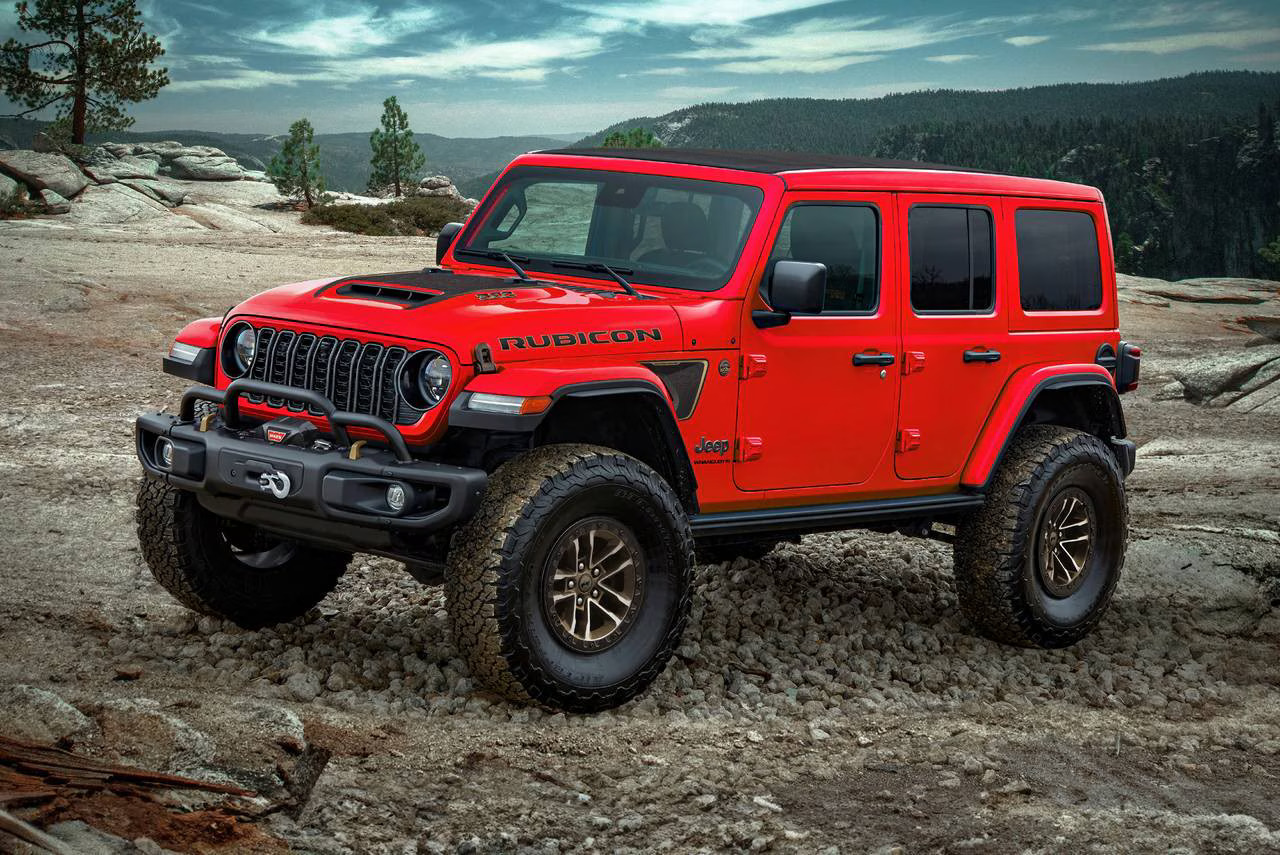
The Jeep Wrangler Rubicon is often seen as the ultimate off-road machine, built to handle rugged trails, rocky paths, and muddy terrains with ease.
Its suspension system plays a huge role in delivering this kind of performance, as it supports the weight of the vehicle, absorbs impacts, and allows for superior articulation on uneven ground.
However, even the strongest setups can wear down far earlier than expected if the owner develops certain careless habits.
While many Jeep owners believe the suspension will last forever because of its hardy design, the truth is that poor driving practices and neglectful maintenance can significantly reduce its lifespan.
Suspension failures rarely happen overnight. Instead, they result from a collection of repeated mistakes that gradually put stress on key parts like shocks, control arms, sway bars, and bushings.
These issues lead to problems such as excessive tire wear, reduced ride comfort, rattling noises when traveling over bumps, and eventually, costly repairs that could have been avoided.
Unfortunately, drivers often don’t realize how much their habits affect the longevity of their suspension until these warning signs are already showing up.
This article focuses on eight of the most common bad habits that owners fall into without even being aware of the long-term damage they cause.
From ignoring regular inspections to pushing the Jeep beyond its design limits, small decisions behind the wheel or in the garage can stack up and create big issues.
For Rubicon owners who want to keep their vehicle performing as strongly years from now as it did on day one, spotting and correcting these mistakes makes all the difference.
Preventing early suspension wear is not complicated, but it does require a bit of awareness, attention, and consistent care.
Also Read: 8 Worst Maintenance Mistakes That Ruin a Chevy Impala Quickly
1. Ignoring Regular Suspension Inspections
One of the easiest yet most overlooked ways Jeep Rubicon owners shorten suspension life is by ignoring routine checks. Many people assume that suspension components will always function properly until something breaks, but wear often develops gradually.
Bushings deteriorate, bolts loosen, shocks begin to leak fluid, and joints lose their play long before complete failure occurs. If left unchecked, these minor developments turn into major issues that impact ride quality and safety.
Regular inspections help catch these small warning signs early. For example, noticing uneven tire wear can indicate worn-out shocks or misaligned components. Detecting a slight clunking noise could point to loose control arm bolts.
Even a simple visual inspection of the shocks for oil leaks can prevent premature failure. The problem arises because many drivers check the engine oil more often than they ever bother looking under the Jeep.
Another point is that suspension damage does not only come from off-road activity. Driving daily on pothole-filled streets or speed bumps taken too aggressively can loosen bolts and damage bushings.
Without maintenance checks, these small issues compound until something costly breaks. A snapped control arm or ruined ball joint not only impacts your wallet but also risks serious safety concerns if failure occurs while driving.
The good news is that this habit is entirely avoidable. Set a routine where suspension is checked at least every six months, even if you rarely off-road. If you do take the Rubicon on demanding trails, inspections should be done after every major trip.
Torque all bolts to the manufacturer’s specifications, look for cracks in bushings, ensure shocks are free of leaks, and observe alignment. These small steps extend the life of your suspension significantly.
A Rubicon’s suspension is hardworking and well-engineered, but it is not immune to neglect. Treating it like a system that deserves regular attention will prevent minor problems from becoming budget-draining repairs.
2. Overloading the Vehicle
Few things strain a suspension system like carrying more weight than it was designed for. The Rubicon is capable of hauling gear, passengers, and accessories, but every Jeep has a payload limit.
Exceeding that capacity puts excessive stress on springs, shocks, and control arms, causing them to wear prematurely. Unfortunately, many owners make modifications or load the vehicle with camping supplies, rooftop tents, or heavy tools without considering how much strain is being added to the suspension.
The added weight compresses the springs beyond their intended limits, reducing suspension travel. This leads to poor ride comfort, bottoming out on bumps, and quicker deterioration of bushings.
Constant overloading also forces shocks to work harder, leading to overheating and fluid leakage. In the long run, this habit causes sagging suspension and an uneven vehicle stance. What starts as a “slightly softer ride” eventually turns into a suspension system that struggles to support even moderate loads.
Owners who frequently overload may also experience increased braking distances and reduced steering responsiveness. This adds not only suspension wear but also major safety concerns.
Suspension geometry changes under excessive weight, which can throw off alignment and cause faster tire wear. Many people mistakenly believe that having heavy-duty components makes their Jeep invincible against overloading, but even upgraded suspension parts have limits.
The solution lies in being mindful of how much weight you are adding. Always know your Jeep’s Gross Vehicle Weight Rating (GVWR) and avoid exceeding it.
If you plan to add extra equipment like steel bumpers, a winch, or a rooftop tent, consider upgrading the springs and shocks accordingly. Load the vehicle strategically, keeping heavy items low and centered to distribute stress evenly.
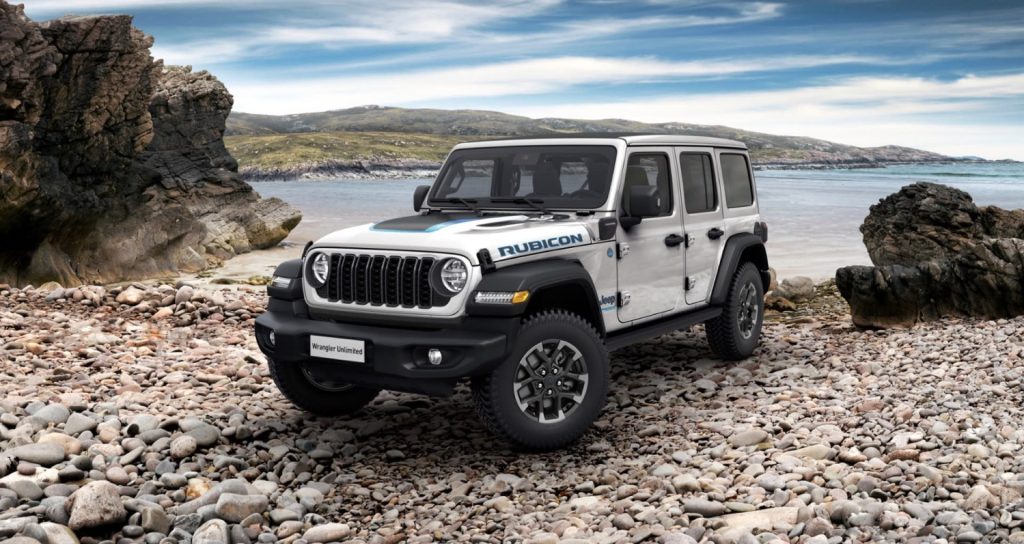
A Rubicon suspension is designed for rugged adventures, but it cannot overcome constant overloading without consequences.
Respecting payload limits and opting for proper equipment upgrades when needed goes a long way toward preserving the system for years of reliable performance.
3. Driving Aggressively Over Rough Terrain
One of the habits that shorten suspension life dramatically is the tendency to drive aggressively over rocky trails, mud pits, or uneven terrains without considering the strain placed on key components.
While the Rubicon is engineered for tough off-road conditions, it is not indestructible. Constantly hitting obstacles at high speeds or bouncing over dips without control sends sharp impacts through shocks, springs, and bushings. Over time, this leads to faster wear and damage.
Aggressive driving exacerbates stress on control arms and joints, as sudden compression and extension can loosen bolts and misalign suspension geometry.
Even when the system is designed for articulation, repeated hard hits increase the likelihood of bent steering links or cracked mounts. Add oversized tires or lifts without reinforcing components, and the damage accelerates even faster.
Owners often mistake the Rubicon’s ruggedness for a license to be careless, but mechanical parts eventually fail under chronic abuse.
This habit also affects ride quality. A Jeep driven recklessly will develop rattles, squeaks, and uneven handling much earlier than one driven with controlled finesse. The suspension not only absorbs impacts but also works to maintain traction.
Driving without regard for terrain reduces its ability to keep tires planted, and this causes instability, wheel hop, and unsafe cornering.
The smarter approach is learning to use momentum and careful wheel placement instead of aggression. Slow and steady climbing with controlled throttle preserves suspension components and achieves the same result without sacrificing longevity.
When a faster approach is unavoidable, avoid hitting hard surfaces head-on by lowering tire pressure slightly to help absorb shocks.
Suspension parts are expensive and time-consuming to replace. Treating your Rubicon with respect on rough terrain ensures that its suspension remains reliable and doesn’t fail prematurely.
Adventure does not require reckless driving, and understanding the difference between calculated off-road technique and unnecessary punishment is the key to keeping your Jeep in strong condition.
4. Skipping Wheel Alignments
Wheel alignment is often underestimated when maintaining a Rubicon, but it plays a critical role in preserving suspension health. Misalignment does not just affect how the Jeep tracks straight on the road.
It also puts strain on bushings, control arms, and shocks. Skipping regular wheel alignments is one of the main reasons suspension systems begin to feel sloppy and wear unevenly.
When alignment is off, the suspension works harder to keep the tires planted properly. This additional stress causes bushings and ball joints to wear out faster than normal.
Misalignment also shifts load distribution unevenly across springs and shocks, leading to premature fatigue. Over time, the Jeep may sit unevenly or feel unstable during turns, which only worsens suspension strain further.
A poorly aligned Rubicon leads to uneven tire wear, which is both costly and unsafe. Drivers who notice one tire wearing faster than others or feel constant pulling to one side are often experiencing issues directly linked to suspension strain caused by misalignment.
Yet many owners overlook alignments, especially after lifting their Jeep or swapping out parts. Installation of larger tires or aftermarket suspension should always be followed by a precise alignment adjustment to avoid accelerated component wear.
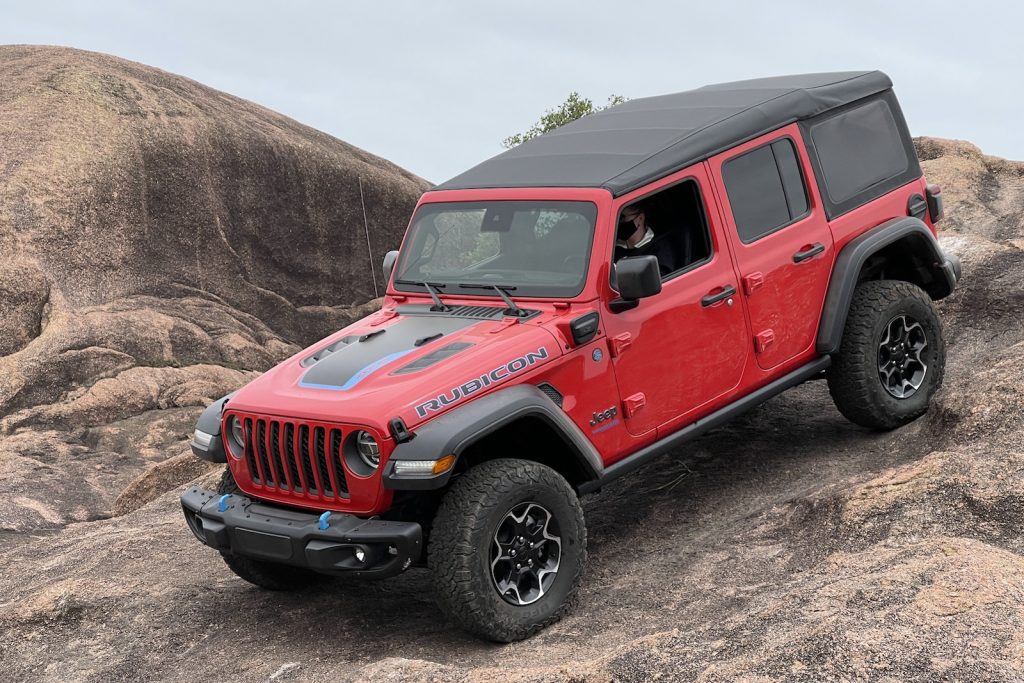
The best habit is to schedule a professional alignment every time you replace suspension components, install lifts, or notice handling inconsistencies. Even if no new parts are installed, having the alignment checked at least once a year is a small investment that extends suspension life.
Proper wheel alignment may seem minor compared to other maintenance tasks, but neglecting it slowly eats away at suspension parts and shortens their service life.
By staying proactive with alignment, you ensure that your Rubicon maintains smooth handling, safe tire wear, and a suspension that lasts as long as possible.
5. Neglecting Lubrication of Suspension Components
The Rubicon’s suspension relies on several moving components that require lubrication to prevent metal-on-metal wear. Fittings such as ball joints, control arms, and sway bar links benefit significantly from proper lubrication.
Unfortunately, many Jeep owners overlook this step, especially if they assume factory-installed parts are “maintenance-free.” In reality, lack of lubrication accelerates wear and shortens suspension life.
When joints and bushings dry out, they lose flexibility and begin cracking under pressure. Dust, dirt, and moisture then creep into these weak points, further increasing wear.
Without lubrication, friction increases, which not only generates noise like squeaks and creaks but also accelerates heat buildup within the joints. Eventually, this causes premature failure of bushings and other suspension points.
Lubrication also prevents rust and corrosion from forming on metal components. A Jeep used in wet or muddy conditions is at higher risk of rust building up around suspension mounts and fittings. Rust weakens those areas and further increases the likelihood of parts loosening or breaking under strain.
The solution is relatively simple and affordable. Inspect grease fittings regularly and apply high-quality grease designed for off-road use. Pay close attention to ball joints, tie rods, and sway bar links, especially if the vehicle is subjected to tough trails.
For Jeeps equipped with aftermarket parts, even more vigilance is necessary, since heavy-duty components often require regular greasing for peak performance.
By staying consistent with lubrication, you not only extend the life of your suspension parts but also improve driving comfort.
Reduced friction means smoother articulation, quieter function, and fewer unexpected breakdowns. Ignoring this simple task is a habit that seems harmless in the short term, but it cuts suspension life dramatically in the long term.
6. Installing Improper Lift Kits
A common upgrade among Jeep lovers involves adding suspension lift kits for ground clearance and larger tires. While this certainly improves off-road performance, not all lift kits are created equal, and installing the wrong one can ruin your suspension quickly.
Many owners prioritize appearance or budget over engineering, leading to setups that strain control arms, shocks, and steering components.
Cheap or poorly designed lift kits often lack the geometry corrections necessary for proper suspension alignment.
As a result, bushings wear faster, shocks operate outside their effective range, and steering angles shift awkwardly. Some kits fail to address caster correction, which eventually impacts both handling and suspension stresses.
Another danger stems from improper installation. Even a high-quality lift can harm your suspension if not installed correctly.
Missing torque specifications, incorrect bracket placement, or mismatched components create weak points that wear down over time. Many do-it-yourself installations overlook fine adjustments like driveshaft angle correction, which contribute to premature wear.
Oversized tires combined with a bad lift put extra strain on every suspension part. Not only do shocks work harder, but joints and bushings face unnatural stress levels. Eventually, steering jitters, sagging springs, and quicker deterioration show up as reminders of poor setup.
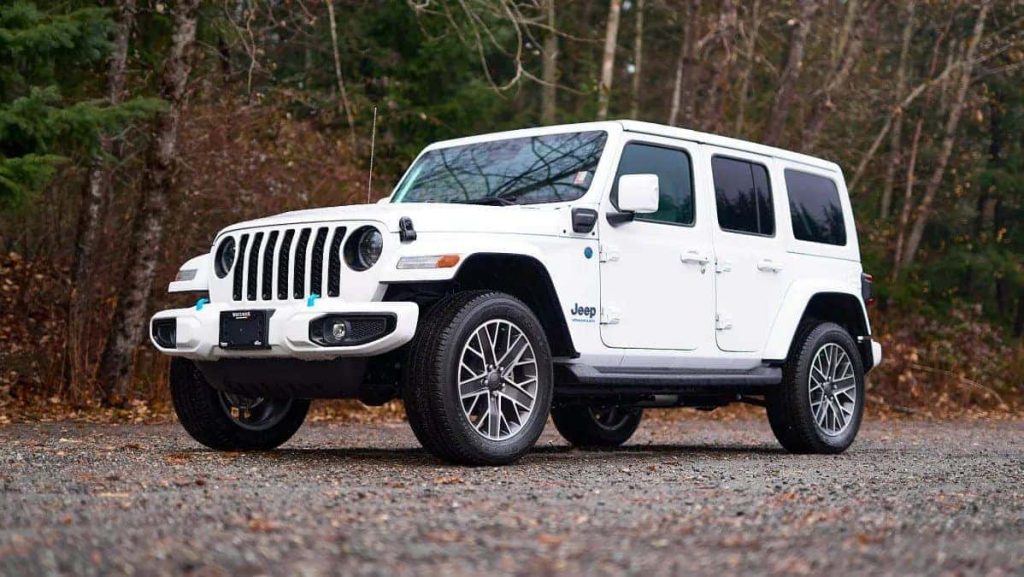
The right way to upgrade is to research carefully and invest in quality kits designed specifically for the Rubicon. Choose options that account for suspension geometry, and ideally have them installed by a trusted shop familiar with modifications.
Adding supporting upgrades such as extended control arms or improved shocks prevents misalignment and stress buildup.
While a lift kit improves off-road capability, the wrong choice or poor installation shortens suspension life and turns fun upgrades into ongoing repairs. Balancing function, quality, and professional setup ensures the Jeep gains clearance without sacrificing durability.
7. Forgetting About Shock Absorber Maintenance
Shock absorbers are often viewed as “fit and forget” components, but they play a central role in extending the life of a Jeep Rubicon’s suspension.
They control the motion of springs, absorb impacts, and prevent the excessive bouncing that directly stresses other suspension parts. When neglected, shocks lose their effectiveness, and the suspension suffers dramatically.
Over time, shocks can leak fluid, lose gas pressure, or develop internal wear. Drivers may notice increased bouncing after bumps, nose-diving during braking, or instability on corners. Each of these signs indicates that the shocks are no longer functioning efficiently.
Many owners fail to replace worn shocks on time, assuming the suspension will continue performing, but in reality, every other component suffers as shocks degrade.
Bad shocks cause springs to compress and recoil harder, wearing them down faster. Ball joints and bushings also absorb more force than they should, leading to premature breakdown.
Tires experience uneven wear because shocks are no longer keeping them firmly planted against the road. Suspension mounts, too, endure more vibration, producing rattles and creaks sooner.
Routine maintenance includes inspecting shocks for leaks, dents, or uneven wear. A visual check is often enough to catch issues.
Gently rocking the Jeep after parking can also reveal failing shocks if the body continues bouncing instead of settling quickly. Replacement should not be delayed since bad shocks gradually compromise the entire suspension’s integrity.
Opting for quality shock absorbers that match the Jeep’s intended use is also crucial. Off-road enthusiasts should consider heavy-duty or gas-charged shocks designed to handle aggressive impacts.
Street drivers should stick with balanced options that maximize ride comfort and stability. Whichever you choose, replacing shocks promptly ensures the suspension as a whole remains effective for years.
Neglecting this central component leads to cascading failures across the system, so staying proactive with shock maintenance is essential.
8. Off-Roading Without Proper Preparation
Taking a Rubicon off-road without adequate preparation is another habit that punishes suspension systems.
Many owners jump right into challenging trails without checking terrain conditions, adjusting tire pressure, or preparing the Jeep properly. The result is excessive strain on suspension mounts, shocks, springs, and bushings.
For example, running full tire pressure on rugged trails sends every impact directly into the suspension.
Rocks, roots, and uneven terrain deliver harsher hits because there is no cushioning effect. Adjusting tire pressure downward according to the terrain not only improves traction but also reduces force transferred into suspension parts.
Neglecting pre-trip inspections also causes problems. Loose bolts, worn-out bushings, or slightly damaged shocks become bigger issues when stressed heavily on trails. Without preparation, drivers risk turning a manageable trip into a suspension-destroying ordeal.
लोडed accessories such as aftermarket bumpers, rooftop tents, or recovery gear need to be considered as well.
Not securing gear properly increases bouncing weight, which makes the suspension absorb unpredictable forces. This can damage mounts and shocks much faster than normal.
The smart approach to off-road adventures is preparation. Always reduce tire pressure to levels appropriate for terrain, inspect suspension components beforehand, and secure all equipment properly.
Carry recovery tools so that the Jeep never has to be yanked aggressively in emergencies, since these sudden pulls also strain suspension mounting points.
Preparation means acknowledging that while the Rubicon is highly capable, it still benefits from mechanical care before being subjected to rugged trails. This habit not only prolongs suspension life but also keeps you safer during off-road trips.
Suspension care often gets overshadowed by other maintenance tasks such as engine servicing, oil changes, or tire rotation.
Yet, for a Rubicon, suspension health is equally vital. Owners sometimes underestimate the role it plays in both off-road capability and everyday driving comfort.
The eight habits outlined above highlight common mistakes that often start as seemingly harmless decisions.
Whether it is skipping an alignment or aggressively hammering through rough trails, each habit slowly reduces lifespan. The tricky part is that suspension wear tends to creep in gradually, so drivers do not notice until performance drops significantly.
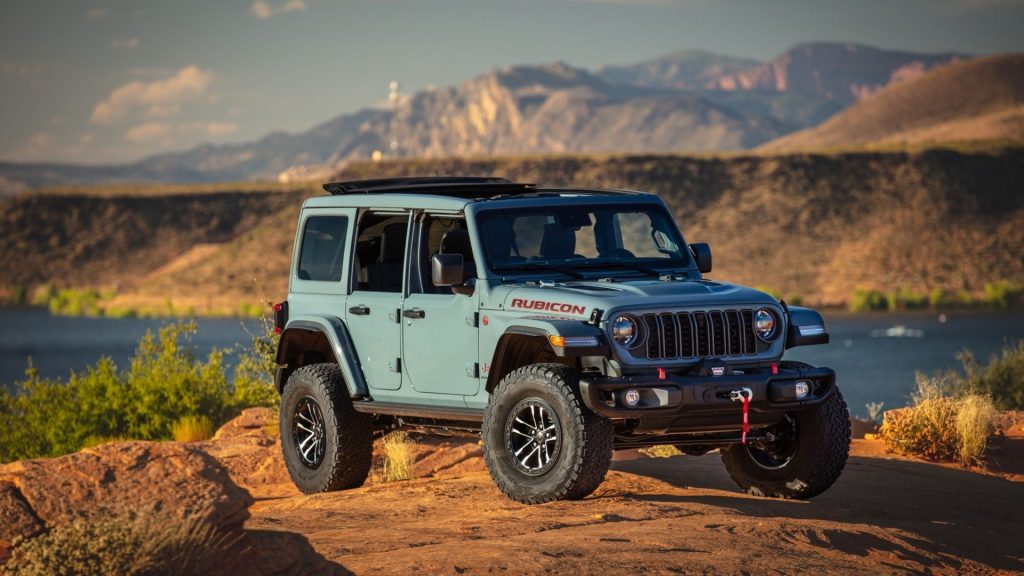
If the Jeep feels less stable, develops rattles, or handles inconsistently, these could very well be signs that poor habits have already taken a toll. But the good news is that every one of these issues can be prevented with proper awareness and care.
Regular inspections, respecting weight limits, replacing worn parts, and preparing responsibly for off-road trips make the difference between a suspension that lasts a decade and one that requires costly repairs every couple of years.
Caring for suspension is not just about financial savings but also about safety and adventure reliability. Imagine being miles into a trail and experiencing suspension failure because of neglected maintenance or recklessness. Preventive effort before the trip could have avoided the situation entirely.
For daily drivers, suspension neglect creates equally serious problems. Misalignment, poor shocks, and worn bushings compromise braking and steering.
That directly affects not just comfort but also ability to respond to emergency manoeuvres. Maintaining suspension should be viewed as both an investment and a responsibility.
Also Read: 8 Oversights That Kill a Dodge Caliber Fast
