
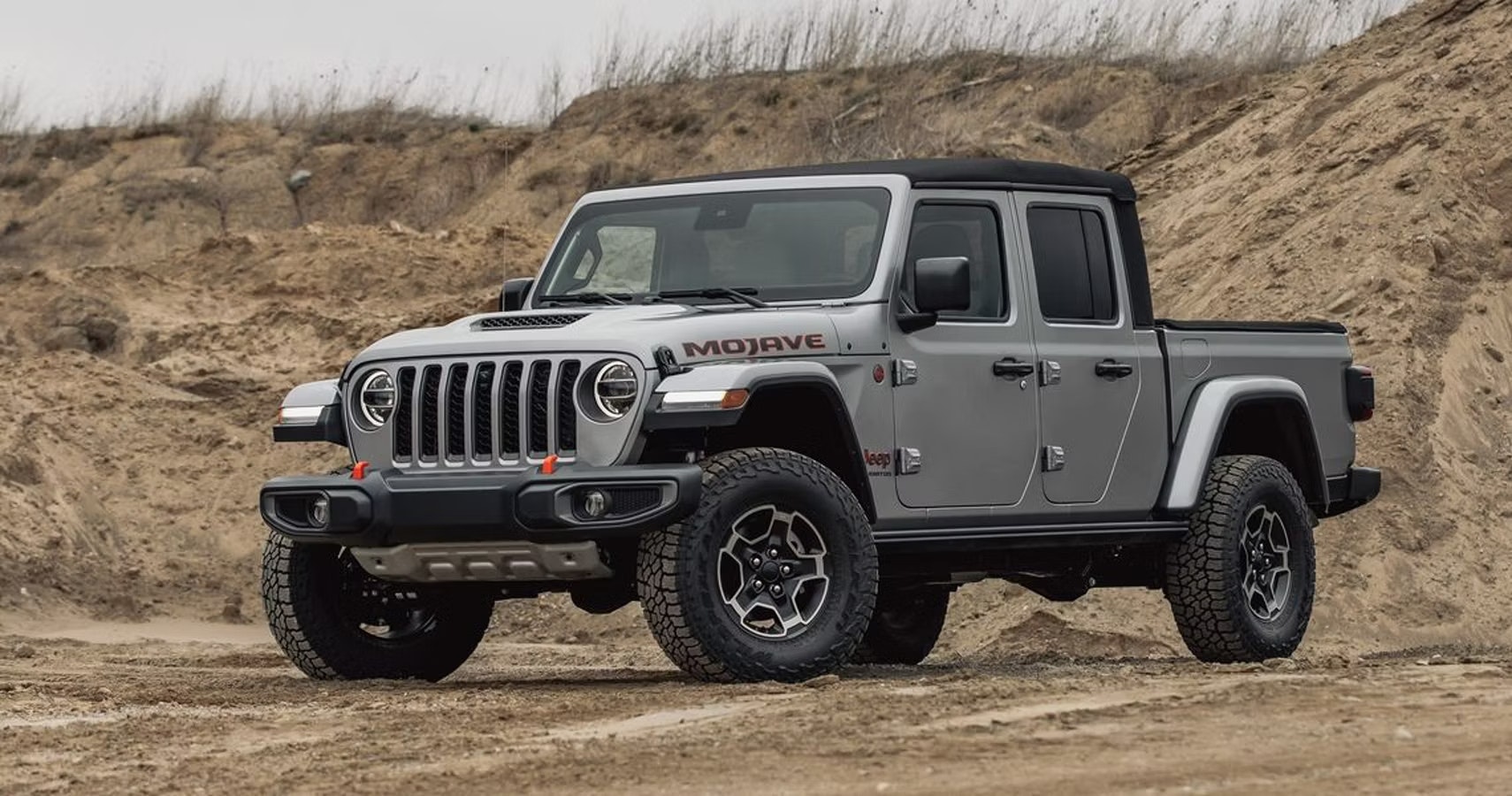
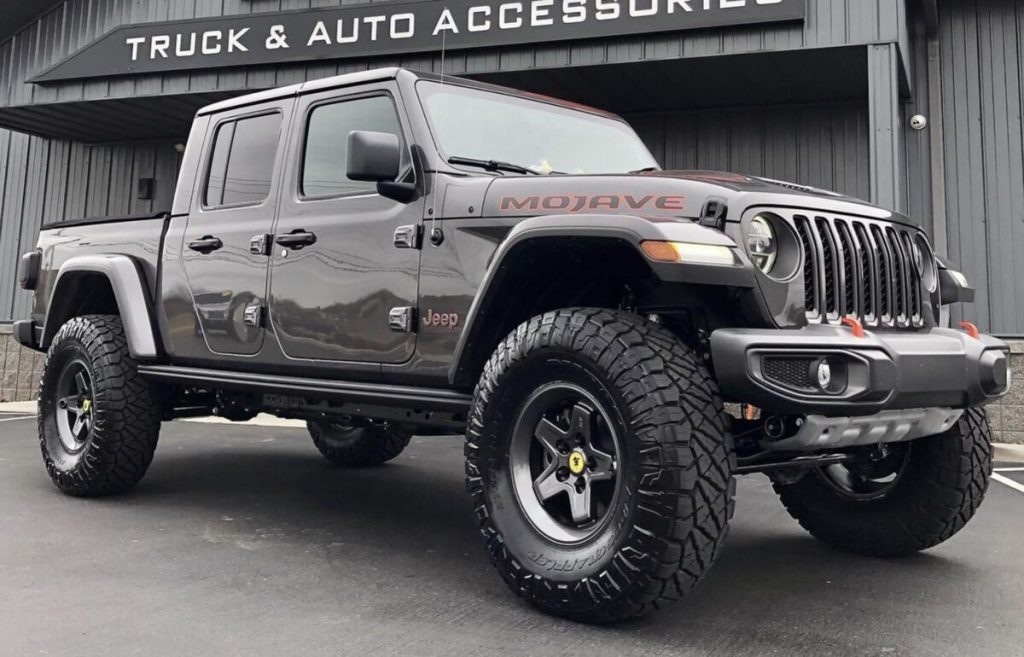
The Jeep Gladiator Mojave is built to thrive where few vehicles dare to travel. Designed with desert running, rugged durability, and adventurous outings in mind, it represents the peak of both Jeep toughness and off-road agility.
From its reinforced chassis to its heavy-duty suspension, every detail signals that this truck is meant to be driven hard and pushed to extremes.
Yet, even a vehicle engineered for punishing terrain is not invincible. What owners often underestimate is that neglecting certain maintenance steps and making common mistakes can dramatically shorten the life of this beast.
Owning a Gladiator Mojave is not just about hitting trails or showing off its powerful design, but about ensuring that the mechanical heart of this truck remains strong for years to come.
Unlike an everyday commuter car, this vehicle requires a specific kind of care that many drivers overlook. When these oversights compound over time, even minor negligence ends up causing significant strain on essential components that are quite expensive to repair or replace.
Whether it’s skipping critical fluid checks, ignoring suspension wear, or simply treating the Mojave like a luxury model rather than a performance-oriented machine, mistakes can sneak up on even experienced drivers.
What makes the difference between a Gladiator Mojave that lasts a lifetime and one that fails prematurely is attention to detail and preventative care.
Each oversight we cover here focuses on real-world issues Jeep owners encounter, often discovered too late when costly repairs have already piled up.
By learning from these experiences, Mojave owners can save themselves both frustration and money. More importantly, they can continue enjoying the raw energy and freedom that this truck provides.
The following sections will outline the biggest oversights that quietly damage the Gladiator Mojave, along with insights on how to avoid these mistakes before it’s too late.
Also Read: 9 Tricks That Keep a Lexus RX Cabin Comfortable for 15 Years
1. Ignoring Suspension Maintenance
The Gladiator Mojave’s identity is tied directly to its suspension system. Jeep engineered this truck with specialized Fox internal bypass shocks, reinforced frame elements, and front hydraulic jounce bumpers to absorb extreme punishment in desert conditions.
This setup is not like a standard pickup’s suspension; it’s built to handle rough landings, uneven terrain, and high-speed bumps without skipping a beat. Unfortunately, many owners overlook the fact that the suspension requires regular attention, inspection, and care to keep operating at its peak.
Ignoring suspension maintenance often begins with the simple assumption that “it’s a Jeep, it can handle anything.” While partly true, no suspension system is indestructible. Over time, desert heat, dust, and constant terrain punishment degrade seals, bushings, and shock fluid.
If leaks go unchecked, the shocks lose their ability to dampen movement effectively. This not only ruins ride quality but also places stress on other components like tires, axles, and steering. Once the shocks are compromised, expensive replacements are usually the only option.
Common signs of neglected suspension care include uneven tire wear, drifting when steering, or clunky noises after going over bumps.
These symptoms often show up after owners delay routine inspections or continue aggressive off-road driving without paying attention to performance changes.
The Mojave’s specialized suspension is far more costly to repair or replace than typical components, which means minor neglect quickly becomes financially painful.
Owners should routinely inspect suspension components every few thousand miles, especially after a trail-heavy weekend. Keeping shocks clean, checking for leaks around seals, and ensuring bolts and bushings are secure can drastically extend service life.
When parts show wear, tackling the issue early is far cheaper than waiting until the suspension is compromised to the point of replacement.
Proper suspension care not only preserves that signature Mojave ride but also saves other critical systems in the truck from unnecessary stress. Overlooking it is one of the fastest ways to shorten the lifespan of this highly capable machine.
2. Neglecting Fluid Levels and Changes
Fluids are the lifeblood of any vehicle, and the Gladiator Mojave is no exception. With its off-road focus and demanding performance, proper lubrication and hydraulic function become even more critical.
Yet many owners cut corners or delay changes because the truck appears to still “run fine.” Unfortunately, ignoring oil, transmission fluid, coolant, or differential fluid maintenance sets the stage for premature wear that hits hardest on an off-road vehicle.
The Mojave’s 3.6-liter Pentastar V6 engine may be tried and tested, but it is still highly sensitive to poor lubrication. Old, degraded oil loses viscosity and fails to protect internal moving parts, particularly under the heat generated during off-road climbs.
Rough driving on dusty trails adds to the contamination level, which means intervals for oil changes are shorter in practice than for a street-only truck.
Likewise, neglecting differential fluid allows fine metal shavings to build up from gear wear, which eventually leads to grinding and costly replacements.
Transmission fluid is another commonly ignored area. Desert runs and trail climbs put stress on transmission systems, causing them to overheat. Without proper fluid care, the heat breaks down the fluid and leaves gears inadequately protected.
This kind of neglect shortens transmission life, leading to expensive rebuilds or replacements that could have been avoided with routine servicing.
Coolant, often overlooked until overheating occurs, is crucial for keeping the engine at stable operating temperatures. With harsh climates in which the Mojave often operates, the coolant system works harder than it does in an average commuter car.
Low or expired coolant increases the risk of overheating and head gasket damage, which is one of the costliest repairs any Jeep owner can face.
Maintaining fluid schedules listed in the manual, and adjusting them based on real driving use, prevents these catastrophic problems. Owners who stay ahead on oil, coolant, and fluid changes end up preserving both the Mojave’s performance and its long-term dependability.
Those who neglect them, on the other hand, face the reality of a shortened vehicle lifespan and drained wallets.
3. Overloading the Truck Beyond Its Limits
The Jeep Gladiator Mojave has respectable towing and payload ratings, but it is not invincible when subjected to constant overloading.
Many owners treat it like a heavy-duty pickup, forgetting that while the Mojave is rugged, it isn’t designed to haul maximum loads day after day.
Consistently pushing beyond towing or payload boundaries is one of the surest ways to wear out drivetrain components, brakes, and suspension well before their time.
Overloading often stems from the misconception that “if it fits, it ships.” Owners pile on gear, trailers, or equipment without calculating weight distribution. This practice strains the frame, axles, and especially the rear suspension.
Continuous excess weight reduces damping capacity, which in turn ruins ride quality and increases bouncing or bottoming out. Brake systems also suffer, as stopping distances increase and components heat up faster than intended.
The drivetrain pays another heavy price. A Mojave tackling both trail conditions and overloaded towing works harder than it should.
The result is often overheating transmissions, worn clutches, or premature wear on the driveshaft. Replacing these parts isn’t only costly but in many cases necessary long before the truck reaches mileage levels typical of a well-maintained Gladiator.
Off-road driving compounds this issue further. It’s one thing to overload a truck on paved highways, but hauling excess weight through sand, gravel, or hills drastically multiplies the strain. The truck designed for athletic agility becomes sluggish, prone to overheating, and far more vulnerable to damage during impacts with the terrain.
The key lies in respecting Jeep’s factory limits for payload and towing. Proper weight distribution across the bed, the use of trailer brakes when hauling heavier loads, and limiting unnecessary equipment reduce wear significantly.
Owners should also remember that just because the Mojave can occasionally carry heavy weights doesn’t mean it should be pushed daily in that way. Balanced use ensures the truck remains strong for adventures rather than worn down prematurely.
4. Overlooking Tire Care and Alignment
The Mojave’s tires serve as its first point of contact with the surfaces it dominates. From deep sand to rocky climbs to highway stretches, tire condition plays a direct role in performance and safety.
Unfortunately, many owners shortchange tire upkeep, assuming rugged all-terrain tires can be neglected because of their tough appearance. This is a costly oversight that heavily impacts not only performance but also the truck’s mechanical health.
Uneven wear patterns emerge quickly if the truck is taken on frequent trails without regular tire rotations. Since off-road driving places uneven strain on the four wheels, one or more tires often wear down faster.
Neglecting rotations means that some tires lose grip prematurely, leading to poor handling and traction issues when it matters most.
Alignment is equally critical yet commonly ignored. Off-road jolts, impacts from rocks, and uneven surfaces kick the suspension out of its precise alignment settings.
This throws off the handling on pavement, reduces fuel efficiency, and forces the steering system to work harder. It also accelerates tire wear, which means replacing entire sets sooner than necessary.
Another overlooked detail is tire pressure. Trail conditions often require airing down tires for grip, followed by re-inflation for highway driving.
Failing to restore proper pressures before extended pavement travel causes overheating, sidewall damage, or even blowouts. Conversely, running overinflated tires off-road results in reduced traction and sharp impacts that transfer shock to the suspension and chassis.
Neglect here does more than shorten tire life. It adds stress on drivetrain elements, particularly the differential and transfer case, which work harder when tires are unevenly sized or damaged. This secondary wear quickly becomes an expensive oversight.
Dedicated tire checks, including rotations every 5,000 miles, maintaining balanced inflation, and addressing alignment after tough off-road sessions, ensure both safety and longevity. Skipping these simple steps turns one of the Mojave’s strongest assets into a weakness that accelerates its decline.
5. Neglecting Undercarriage Cleaning
One of the most underestimated hazards for the Jeep Gladiator Mojave’s longevity is what accumulates underneath. Mud, sand, salt, and small rocks often lodge themselves in the undercarriage during off-road trips.
Left unchecked, this quickly translates into rust, corrosion, and premature component failure. Too many owners admire the dirt-caked look of their off-road beast but fail to realize that the buildup beneath is slowly eating away at the truck’s core.
Salt, especially in winter climates or near coastal areas, is the primary enemy. When left on the frame or undercarriage, it accelerates corrosion and weakens structural metal components. Even the Mojave’s reinforced design isn’t immune.
From exhaust pipes to frame rails, anything exposed underneath suffers in silence until failures become visible and costly.
Mud presents another challenge, as it holds in moisture. This prolonged dampness corrodes bolts, wiring, and suspension points, even when the outside appearance of the truck is clean. Sand can be even worse, acting like abrasive grit that wears through protective coatings or damages moving parts such as driveshaft seals.
The real issue isn’t occasional exposure but repeated off-road sessions without cleaning. Compounding layers of debris trap water, chemicals, or corrosive material in hard-to-see corners. Years of this negligence often lead to expensive frame and suspension repairs, on top of destabilized safety.
Regular undercarriage washes, ideally after every serious off-road trip, prevent this silent destruction.
Many car washes provide underbody rinse features, but for Mojave owners, a more thorough home cleaning with hoses and pressure systems works best to ensure all buildup is removed. Paying extra attention to wheel wells, skid plates, and frame rails ensures long-term protection.
Skipping undercarriage care undermines every other aspect of maintenance. Even the toughest suspension or engine becomes irrelevant if corrosion takes over the foundation of the vehicle. Proper cleaning routines are simple yet vital steps in preserving the Mojave’s strength.
6. Poor Driving Habits Off-Road
The Jeep Gladiator Mojave was engineered for punishing terrain, but that doesn’t mean it can withstand unlimited abuse. Some owners mistake capability for invincibility and drive recklessly across trails.
Aggressive habits like constant throttle, hard landings after jumps, or tackling rocky paths without careful tire placement may provide thrills, yet over time, they are among the leading causes of premature wear.
High-speed desert running may be part of the Mojave’s intent, but sustained abuse without breaks leads to overheating components, particularly shocks, drivetrain, and cooling systems.
Similarly, tackling dune climbs with prolonged max throttle may look impressive on video but forces the engine to operate beyond safe thermal limits. Left unchecked, the result is accelerated wear and risks such as blown head gaskets or damaged pistons.
Hard landings are especially destructive. Every time a truck leaves the ground, the suspension and frame absorb an enormous force upon impact.
While Jeep reinforced the Mojave for these situations, physics always wins out over time. Bushings, joints, and welds fatigue far quicker under repeated abuse than when driven smartly.
Even simple mistakes like poor gear selection on technical climbs ruin components. Spinning tires on loose surfaces generates unnecessary heat in the drivetrain while offering no traction advantage.
Consistent habits like improper tire pressure or charging through obstacles without assessing the terrain also multiply strain across multiple systems.
Responsible off-road driving involves knowing when to push and when to preserve. Using throttle with moderation, selecting appropriate gears, and evaluating trails before tackling them reduces punishment while still delivering thrills.
Many seasoned Mojave owners emphasize that finesse, not reckless speed, is what truly distinguishes off-road skill.
Failing to adjust driving practices not only wears out parts faster but also compromises safety. Too many Gladiators are broken or damaged not because they weren’t capable, but because drivers overestimated their indestructibility. Learning the truck’s limits and respecting them ensures it continues performing as it should for years.
7. Overlooking Electrical and Sensor Checks
Modern trucks rely heavily on electronic systems, and the Jeep Gladiator Mojave is no different. While it may look old-school rugged on the outside, it hides a complex network of sensors and electrical components beneath.
These systems manage everything from engine performance to traction control, yet many owners rarely check them until something fails dramatically. This lack of troubleshooting is another oversight that limits the Mojave’s potential lifespan.
Off-road driving constantly tests the electrical system. Water crossings and deep mud introduce moisture into connectors. Dust and grit penetrate vulnerable wiring points. Constant vibration from rugged trails weakens connection points over time.
While these issues may only create minor warning light triggers at first, they often escalate into severe drivetrain malfunctions if neglected.
One example involves wheel speed sensors tied to stability and four-wheel drive systems. A damaged or dirty sensor can deliver faulty readings, which then disrupt traction control and differential lock operation.
Left unchecked, the added stress on driveline components quickly spreads the damage. Similarly, oxygen sensors or mass airflow sensors coated with dust reduce efficiency and force the engine to run in improper air-fuel ratios, which accelerates wear.
Small electrical anomalies like flickering lights or intermittent stalling are often dismissed by drivers as “quirks,” but they rarely resolve on their own.
What seems like a harmless issue can actually be early evidence of corrosion or worn wiring behind the dashboard or near the frame. Addressing them early prevents cascading issues across the engine or transmission systems.
Regular inspections of exposed wiring, cleaning sensor areas after heavy trails, and responding to diagnostic trouble codes without delay helps avoid expensive electronic failures.
Owners who embrace preventive troubleshooting often extend the resale value of their Mojave as well, since a clean diagnostic history reflects long-term reliability.
Ignoring electrical upkeep is a modern oversight but one that can cripple even the toughest-looking truck. Staying ahead of these checks ensures the Mojave balances its rugged build with dependable performance.
8. Using the Wrong Accessories or Modifications
Aftermarket modifications are a major part of Jeep culture, and many owners personalize their Mojave with lift kits, oversized tires, or custom bumpers.
While there’s nothing wrong with tailoring the truck to suit individual needs, using the wrong accessories or poorly installed modifications is one of the most damaging oversights that shorten its life.
One common mistake is fitting oversized tires without accounting for gearing changes or suspension compatibility. Extra-large tires not only affect handling but strain axles, differential gears, and wheel bearings.
While they may look aggressive, they cause the engine and transmission to work harder than designed. Over time, the added resistance burns out drivetrain parts and accelerates wear.
Lift kits are another source of trouble when poorly chosen. Inexpensive or improperly installed kits often compromise suspension geometry, steering stability, and ride comfort.
Since the Mojave is uniquely outfitted with its specialized suspension, altering it without professional setup often negates the engineering advantage Jeep provided. This creates unpredictable handling both on-road and off.
Poorly installed accessories also lead to electrical failures. Light bars, winches, and other electronic add-ons that are wired incorrectly drain batteries, overload circuits, or melt wiring harnesses. These failures are often mistaken for factory issues but trace back to rushed installations.
Additionally, weight-adding modifications like steel bumpers or rooftop tents significantly increase strain on suspension and fuel economy if not balanced properly. What begins as a simple personalization choice often ends up making the Mojave sluggish, unstable, or more prone to long-term degradation.
The solution lies in choosing quality parts designed specifically for the Mojave’s capabilities and seeking professional installation when needed.
Responsible modification not only enhances performance but ensures longevity. Treating the Mojave as a blank canvas without respecting factory limits is a mistake many regret only after costly repairs emerge.
9. Skipping Routine Inspections and Preventive Care
Probably the most damaging oversight of all is simply neglecting preventive care. Too often, Mojave owners adopt a reactive instead of proactive approach fixing problems only when they occur rather than inspecting and addressing weak spots before they escalate.
While the truck may run fine on the surface, hidden issues quietly grow until they cause catastrophic damage.
Routine inspections include checking hoses, belts, braking systems, steering components, and even small fittings like clamps and connectors. On a truck that deals with vibration, dust, and extreme heat, these parts wear faster than most owners realize.
A loose hose clamp not fixed in time becomes a coolant leak. A small crack on a belt overlooked a year too long eventually strands the vehicle on a trail with major engine risk.
Skipping scheduled checkups at service intervals multiplies these risks dramatically. The Mojave thrives with proactive maintenance tailored to its off-road lifestyle.
Inspections done only at standard highway-driven mileages fall short. A trail-heavy truck may require component checks twice as often as the manual suggests.
Skipping preventive care also shortens resale value. Prospective buyers quickly notice service gaps or the wear signs of neglected parts, reducing the truck’s worth significantly. In contrast, routine checks with documented service history keep the Mojave desirable and strong.
The difference between a truck that fails early and one that survives decades often comes down to simple preventive actions.
Regular inspections may seem tedious in the short term, but they extend the Mojave’s lifespan dramatically while saving thousands in repair bills. Ignoring them risks not only premature breakdowns but also eliminates the confidence an owner should feel behind the wheel.
Also Read: 10 Pro Tips That Keep a Chevy HHR Reliable for Daily Driving
