

The Ford Pinto remains one of the most talked-about cars from the 1970s, remembered as much for its affordability and compact size as for its troubled reputation.
Many owners chose the Pinto because it was economical, easy to maintain, and suited the needs of everyday driving during an era defined by fuel shortages and changing automotive preferences.
However, like many cars from the past, the Pinto requires attentive care to stay in running condition. While some drivers managed to keep their Pintos on the road for decades, others found that certain behaviors and habits drastically reduced the lifespan of this vehicle.
Cars from the 1970s were not built with the level of durability seen in some modern models. This means that simple oversights or neglect can cause them to wear out prematurely.
Owners who skip routine checks, fail to address common maintenance issues, or push the limits of what the Pinto’s small engine can handle often discover their vehicle giving up far sooner than expected.
The Pinto is not known for resilience under harsh treatment, and that means avoiding mistakes is just as important as regular upkeep.
This article looks at eight specific actions that often lead to an early end for a Ford Pinto. These are not complicated mechanical mysteries, but practical causes that stem from oversight, bad habits, or choices that the Pinto simply was not designed to withstand.
Each of these actions puts stress on different aspects of the car, from the engine to the body, and ignoring them can turn a serviceable vehicle into one that requires costly repairs or ends up bound for the scrapyard prematurely.
By recognizing these pitfalls, drivers can better understand how to keep an older car like the Pinto alive for as long as possible.
Also Read: 7 Driving Habits That Destroy a Subaru Legacy Faster Than You Think
Tip 1: Ignoring Regular Oil Changes
One of the quickest ways to destroy a Ford Pinto before its time is skipping or delaying regular oil changes. The Pinto’s engine, like most small engines of the 1970s, was not built with the same protective technologies found in modern cars.
Today many engines can tolerate inconsistent maintenance for longer periods, but the Pinto was much more vulnerable to oil neglect. Without frequent oil changes, the buildup of sludge thickens inside the engine block, clogs the oil passages, and eats away at overall efficiency.
Dirty oil also fails to lubricate properly. That means every moving component inside the Pinto’s little four-cylinder or six-cylinder engine rubs against another with added friction.
Over time, those small scratches and heat points expand into major damage, such as worn-out bearings, scored pistons, or even a seized engine.
Once a Pinto suffers from oil starvation, repairs often cost more than the car’s market value. For many owners back then, that meant the car was simply abandoned or scraped for parts.
Part of what led people to make this mistake was the belief that Pintos were disposable. Owners assumed that since it was a cheap car, they could stretch intervals and worry less about maintenance.
Unfortunately, that mindset guaranteed that many Pintos never reached their natural mileage capacity. A car that might have lasted ten or more years if serviced properly ended up struggling after only five or six.
For anyone aiming to keep a Pinto running, the key was diligence. Keeping fresh oil inside the engine every three thousand miles was not just a suggestion, it was a survival rule.
With fresh oil, the Pinto ran smoother, made less noise, and resisted the destructive wear that caused so many others to fail early. Skipping this critical step is possibly the single biggest move that sent Pintos to early graves.
Tip 2: Overheating the Engine
Another common downfall of the Pinto came from drivers ignoring signs of engine overheating. These cars relied on simple cooling systems with radiators that were not especially robust.
A leaking hose, a faulty thermostat, or a worn-out water pump could cause temperatures to spike quickly. Drivers who kept pushing the Pinto while the dashboard needle crept toward the red zone ended up cooking the engine.
When an engine overheats, the head gasket often fails. This not only allows coolant to leak into the cylinders but often contaminates the oil, creating a blend that wrecks lubrication. For a compact car like the Pinto, this was frequently a death sentence.
While some enthusiasts repaired blown head gaskets, average owners of the time often abandoned the car because the cost outweighed the vehicle’s book value.
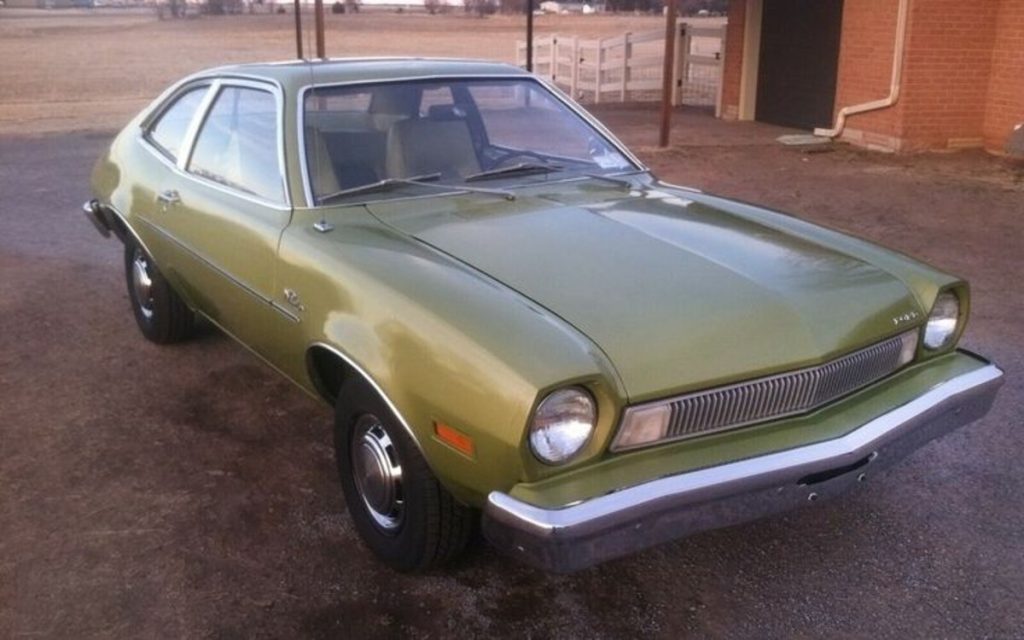
Part of the problem was also related to design. Radiators from this era were not large enough to handle prolonged idling in heavy traffic or long trips in hot weather if they were not perfectly maintained.
Many Pintos fried their engines during summer trips when families packed them full and drove long distances without realizing how close they were to disaster. Once that temperature gauge shot up, minutes of ignorance could erase years of service life.
Preventing this issue required constant vigilance. Checking coolant levels regularly, replacing radiator hoses before they cracked, and listening for signs of water pump wear were essential steps.
The Pinto could handle normal driving if kept cool, but it could not tolerate overheating episodes.
Many of the cars that disappeared quickly from driveways and streets did so because their owners underestimated just how much damage one overheating incident could cause. It was a mistake that turned a working car into scrap overnight.
Tip 3: Carrying Loads It Was Never Designed For
The Pinto was marketed as an economy car, not a heavy hauler. Despite this, many owners treated it as if it were capable of carrying loads far beyond its design limits.
Overloading the small suspension, trunk, and chassis placed stress on every component, which quickly led to sagging springs, worn-out shocks, and stressed axles. The Pinto was never meant to be pushed like a pickup truck, yet many tried.
Extra weight affected more than handling. It strained the small engines, forcing them to climb hills or accelerate on highways with added resistance. An overworked engine ran hotter, consumed more fuel, and wore itself down at a faster rate.
Brakes also lost efficiency under extra loads, which made stopping distances longer and caused faster wear on brake shoes and drums. Over time, the combined effect left the car sluggish, unsafe, and nearing mechanical breakdown long before its natural end.
Part of the problem came from the era. Families often expected their only car to handle every chore, from grocery trips to hauling building supplies.
While a larger sedan might endure this, the Pinto cracked under such demands. Owners who loaded the vehicle beyond its rated capacity often noticed deterioration within just a few years.
If kept at a sensible weight, the Pinto could last much longer. Respecting its limits meant lighter loads, proper distribution, and avoiding situations that turned the car into a strained mule.
Those who ignored this advice found themselves facing suspension rebuilds, transmission trouble, and clapped-out engines far too early. Few actions cut the life of a Pinto shorter than trying to make it something it was never meant to be.
Tip 4: Neglecting Rust Prevention
Rust was the silent killer of many Pintos. The car’s sheet metal was thin compared to later designs, and rust-proofing standards in the 1970s were not what they are today.
For owners in colder climates where salt was spread on roads through winter, the Pinto was particularly vulnerable. Once corrosion set in, it spread rapidly from wheel arches to the floorboards and even into structural areas.
Owners who failed to wash their cars regularly after snowy drives essentially let salt eat away at the Pinto’s body. As rust penetrated deeper, it weakened the structure, making the car unsafe, especially if the frame began to soften.
In some cases, Pintos were scrapped not because of mechanical failure but because rust made them unsafe to drive. Unfortunately, this was a fate shared by many compact cars of the 1970s.
Neglecting rust proofing also harmed resale value. A Pinto dotted with bubbling paint and crumbling fenders gave the impression of a dying vehicle even if the engine was still strong.
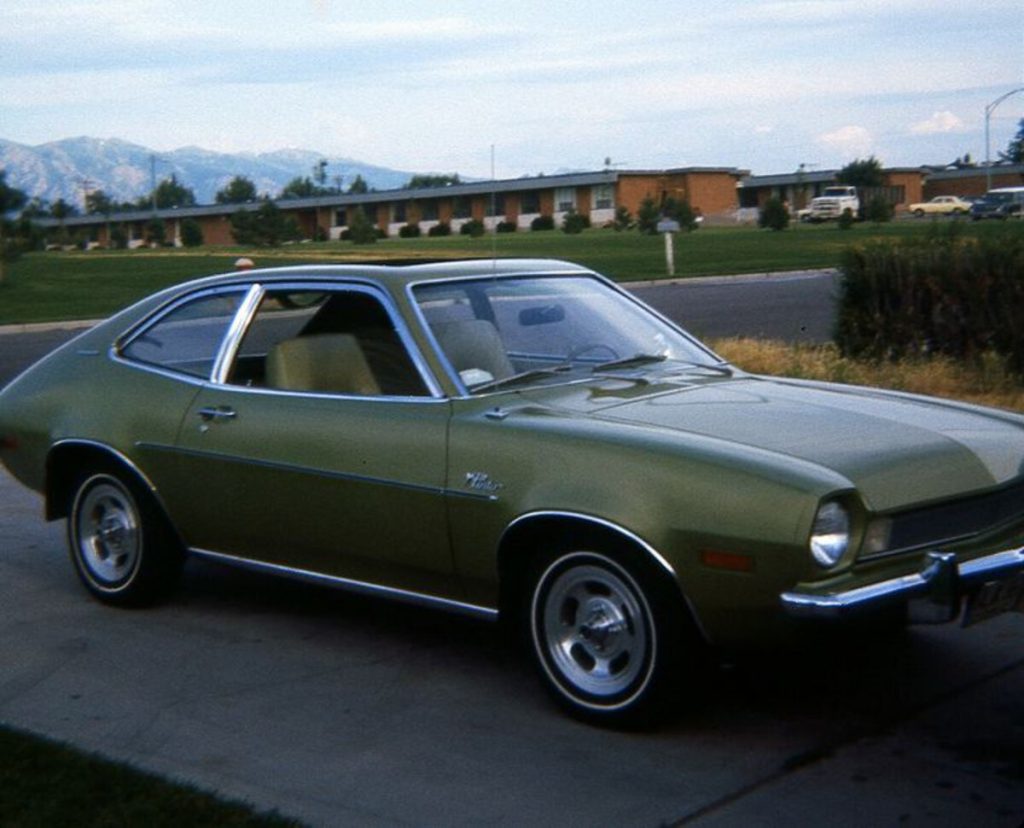
Many were retired early simply because the body looked too far gone for cheap repair. With weak secondhand demand, owners often decided to send them to junkyards rather than patch them up.
The solution was relatively simple but required discipline. Regular washing, undercoating, and spot repairs could have kept these cars on the road much longer. Few people took those steps at the time because Pintos were not perceived as long-term investments.
Their budget nature kept many owners from investing in preservation measures. But those who did extend their car’s life by years compared to neighbors who ignored rust altogether. Corrosion prevention was the crossroads that often decided whether a Pinto lived long or died early.
Tip 5: Pushing the Pinto at High Speeds
One of the deadliest mistakes for a Pinto was regular high-speed driving. Small economy cars are designed for basic commuting, not for stretching out on long stretches of highway at maximum speed.
The Pinto’s light weight and modest engines meant that staying at high RPMs for extended periods placed enormous stress on the drivetrain.
Engines that were forced to run near their upper limits generated excessive heat, consumed oil, and often spun bearings sooner rather than later.
The Pinto’s simple cooling systems could not always keep up at highway strain, especially with worn parts. Many breakdowns occurred after long, fast drives in hot weather conditions.
The handling of the Pinto also became unstable at higher speeds. Its suspension was narrow, steering response wasn’t tight enough, and at times crosswinds made the car feel flimsy.
Push a Pinto past its comfort zone and not only did the engine suffer, but the driver flirted with safety risks. Tires wore out quickly, and braking distances elongated, all of which contributed to shortened service life.
There was also an honesty issue. Some drivers of the era treated the Pinto as if it could be a performance car, but it never was. Stretching its limits mechanically punished nearly every component from the transmission down to the exhaust system.
Keeping it within sensible speed ranges allowed it to last many years. Those who regularly floored it, on the other hand, discovered that a cheap car could become an expensive headache when major repairs knocked at the door.
If owners had focused on steady, moderate speeds, many Pintos would have survived longer. But forcing a car to perform outside its design mold was one of the surefire ways to send it into early retirement.
Tip 6: Poor Brake Maintenance
Brake neglect sent plenty of Pintos to scrapyards earlier than necessary. This car used drum brakes on many versions, which are less efficient than modern disk systems.
That meant they wore out quickly when not serviced properly. Shortcomings in braking ability not only created an accident risk but also placed strain on the drivetrain every time the car had to compensate.
Drivers who ignored squealing noises, grinding sounds, or reduced stopping power often paid a heavy price. Worn-out shoes cut into drums, causing more expensive repairs.
Leaking brake lines went unnoticed until stopping distances doubled and safety collapsed. Rebuilding brakes cost money, and in the 1970s many owners felt fixing an inexpensive Pinto was not worth the price if major components were involved.
The ripple effect also hurt the car beyond brakes themselves. If left unchecked, weakened brakes forced the driver to downshift excessively for deceleration, which strained the transmission and clutch.
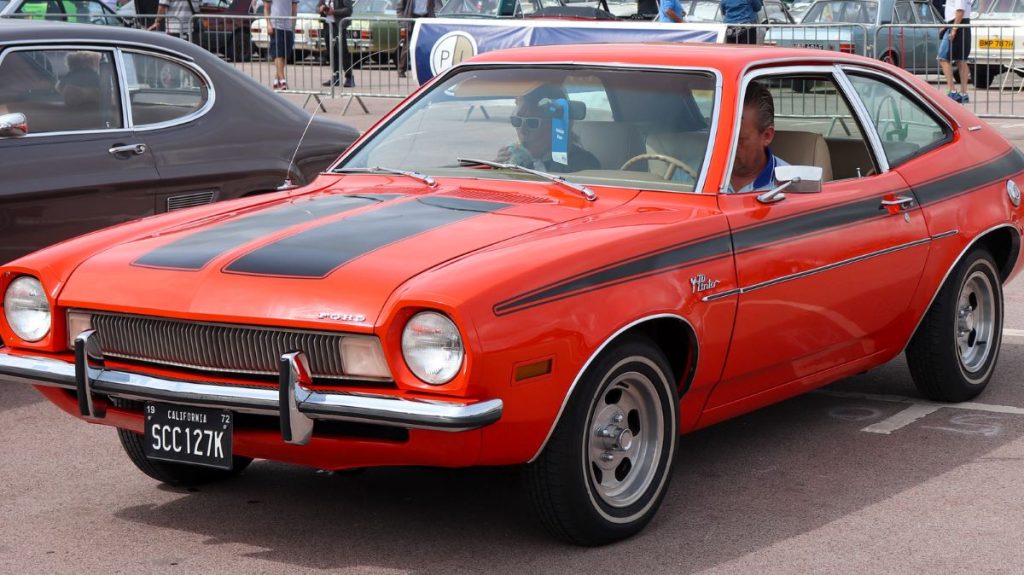
In panic stops, poor brakes increased the chance of minor accidents, leaving dents and body damage. In many cases, brake issues became the deciding factor when owners weighed repair versus retirement.
The Pinto was a car that demanded discipline. Checking brake linings, bleeding the system, and swapping out worn parts extended its life.
Too often drivers delayed such work and paid the consequences in a way that directly cut their lifespan short. Other economy cars from the period survived longer mostly because their owners stayed ahead of brake maintenance.
A Pinto that kept its brakes sharp could remain a reliable commuter. One that lost braking ability prematurely often left the road permanently. Many short-lived Pintos met their end through this avoidable oversight, signifying just how crucial brake health was to survival.
Tip 7: Using Low-Quality Fuel or Parts
Because the Pinto was marketed affordably, many buyers tried to save money wherever possible, including fuel and replacement parts. The problem is that cheap gasoline without proper additives and bargain-bin parts from questionable suppliers quickly undermined the Pinto’s reliability.
Engines designed in the 1970s required relatively clean fuel. Lower-octane or contaminated gas created knocking, carbon buildup, and clogged carburetors.
Pintos would lose power, idle rough, and eventually break down because the system could not cope with dirty combustion. This issue grew worse when paired with poor-quality spark plugs or knockoff carburetor components that simply did not function as required.
Cheap parts extended the struggle beyond the engine. Low-grade brake shoes wore out faster, suspension bushings collapsed early, and ignition parts failed under heat and vibration.
Each premature failure added to the repair cycle, leaving owners frustrated and unwilling to invest further in a car they already saw as low value. Many Pintos that might have lasted longer simply didn’t, because the cost-cutting mindset created a self-fulfilling loop of failure.
High-quality replacements, while more expensive, made an enormous difference. Properly fitting factory-spec parts performed reliably and allowed the Pinto to achieve a longer life.
Skimping on components often meant multiple repairs and early vehicle retirement. Unfortunately, because Pintos were seen as inexpensive disposable cars, too many owners opted for the cheaper route.
This move killed the Pinto’s potential more subtly than ignoring oil, but it was just as destructive in the long run. The vehicle needed decent parts and fuel to continue functioning, and denying it that limited its lifespan considerably. Owners who aimed to stretch every dollar ironically ended up cutting the life of their car short.
Tip 8: Letting Small Problems Grow
Perhaps the most overlooked reason Pintos failed early was that small problems were often ignored until they turned serious. Strange noises, uneven idles, tiny fluid leaks, or flickering warning lights frequently signaled upcoming trouble.
Because the Pinto was inexpensive, many drivers assumed they could simply keep driving it without paying attention.
That attitude proved destructive. A simple coolant leak that might have cost only a few dollars to fix could escalate into a ruined radiator or blown head gasket if neglected.
A small vibration in the steering wheel could have been solved with a tire balance but, when ignored, often led to worn suspension parts that created costly impacts. Small oil leaks might have seemed harmless, but in a Pinto’s small engine, low oil levels spelled disaster quickly.
Economy cars require as much attention as expensive ones, sometimes more, since they are less robust when pushed beyond their limits.
But the Pinto often suffered from the opposite. People thought it was a “throwaway car”, so they shrugged off those small warnings. That mindset guaranteed the car deteriorated far faster than a well-maintained equivalent.
Cars that received attention early tended to remain on the road for years longer. Owners who took noises and leaks seriously often contained damage before it became catastrophic. The Pinto was, after all, not impossible to maintain.
It just required someone willing to listen closely and act early. Many skipped that responsibility, and the result was a vast number of Pintos that stopped running before they ever had to.
Letting small issues snowball into large ones is one of the surest ways to kill any car, but it was especially potent with the Pinto. The fate of countless units rested on that pattern of delayed action, proving that neglect was the true final blow for so many of them.
The Ford Pinto has become something of a cautionary tale in American car culture. Often remembered for its controversial design and its role in debates about safety, the Pinto carried a reputation that sometimes overshadowed the reality of its purpose.
It was never meant to be a powerhouse, a heavy hauler, or a car that could last through neglect. It was designed for affordability and efficiency during a particular economic period. When treated within those limits, it could reasonably serve as dependable transportation. The problem lies in how most people handled their Pintos.
The eight factors discussed throughout this article show a clear pattern. The Pinto failed not purely because of its engineering faults, but because of the way owners interacted with it.
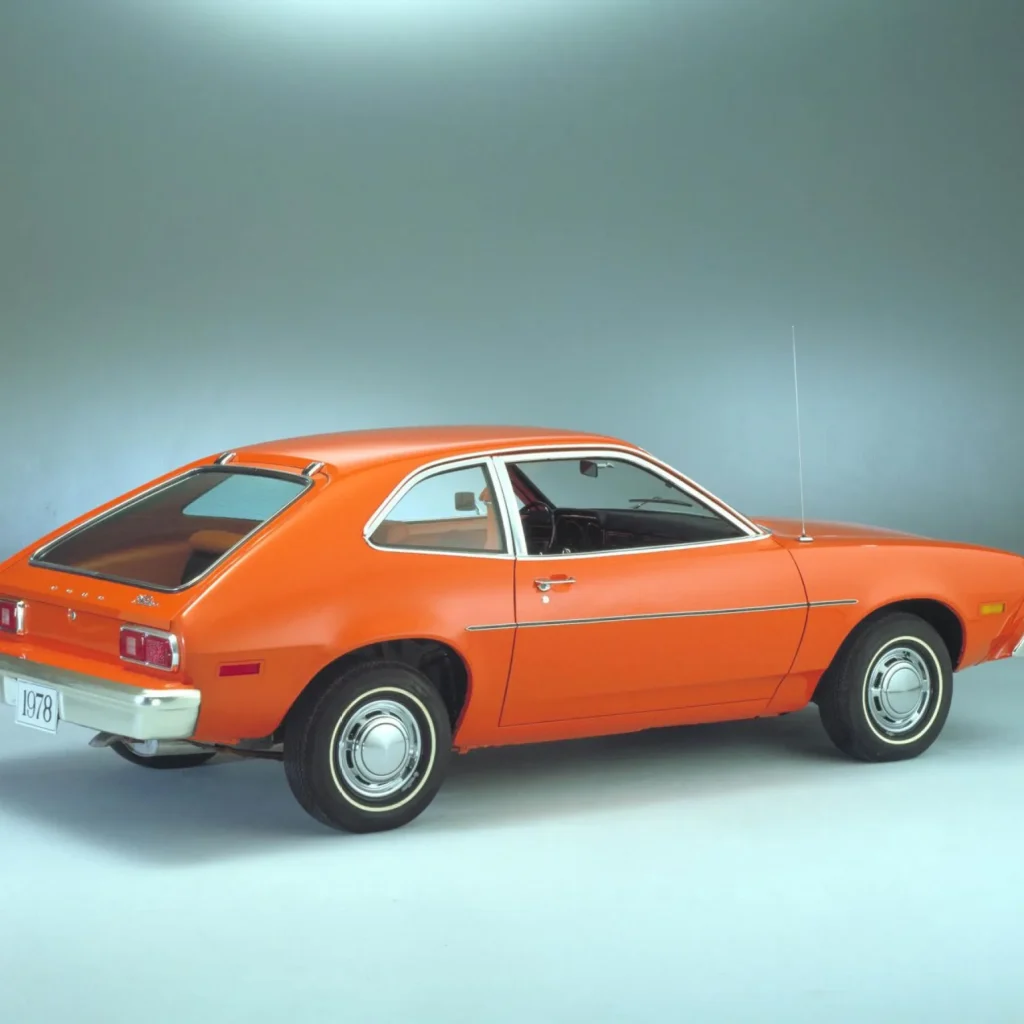
Standard cars of today benefit from decades of advances that allow for longer service intervals, stronger materials, and safety systems that prevent drivers from going too long without addressing issues.
Vehicles of the 1970s required owners to be hands-on. The Ford Pinto personified that demand. When oil changes were skipped, cooling systems were ignored, or rust attacked the body, there was nothing to protect the car from rapid decline.
Consider oil neglect. For modern drivers, it might seem like missing one interval does little harm. For Pinto owners, that choice could shave entire years off the vehicle’s lifespan. Think of overheating.
A single event could turn a working commuter into scrap because the systems were not forgiving. In that sense, the Pinto held drivers accountable for diligence in a way that many budget cars now try to avoid.
Also Read: 7 Things That Keep a Toyota 4Runner Rock-Solid Forever
