
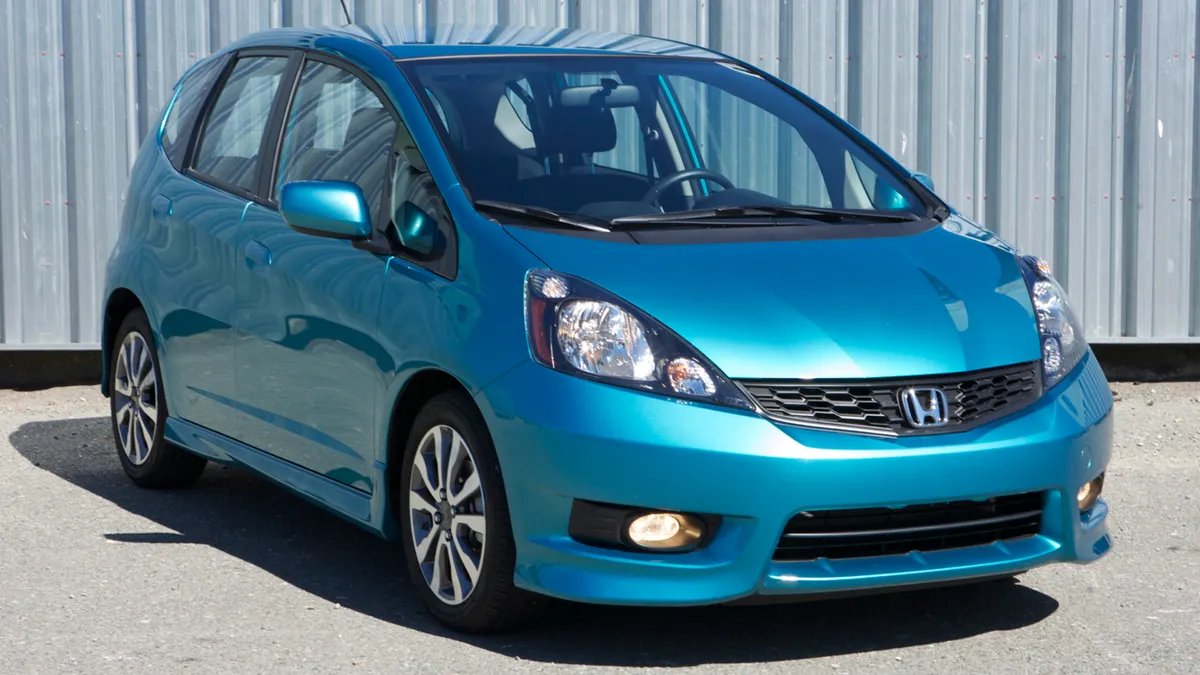
The Honda Fit has built a reputation as one of the most versatile and practical subcompact hatchbacks on the market. With its clever “Magic Seat” system, impressive fuel economy, and affordable price point, it has long been a favorite among city drivers, students, and families needing a dependable daily commuter.
However, like any long-running model, not every year of the Fit delivers the same level of reliability and quality. Some years stand out for their long-term durability, making them vehicles you can drive for decades, while others are plagued by persistent problems that lead to costly repairs and headaches for owners.
For buyers considering a used Honda Fit, knowing which years to target and which to avoid can make all the difference between a wise investment and a regrettable purchase. Below, we break down the five best and worst Honda Fit years to guide your decision with confidence.
5 Honda Fit Years You Can Drive For Decades
1. 2013 Honda Fit (2nd-Generation)
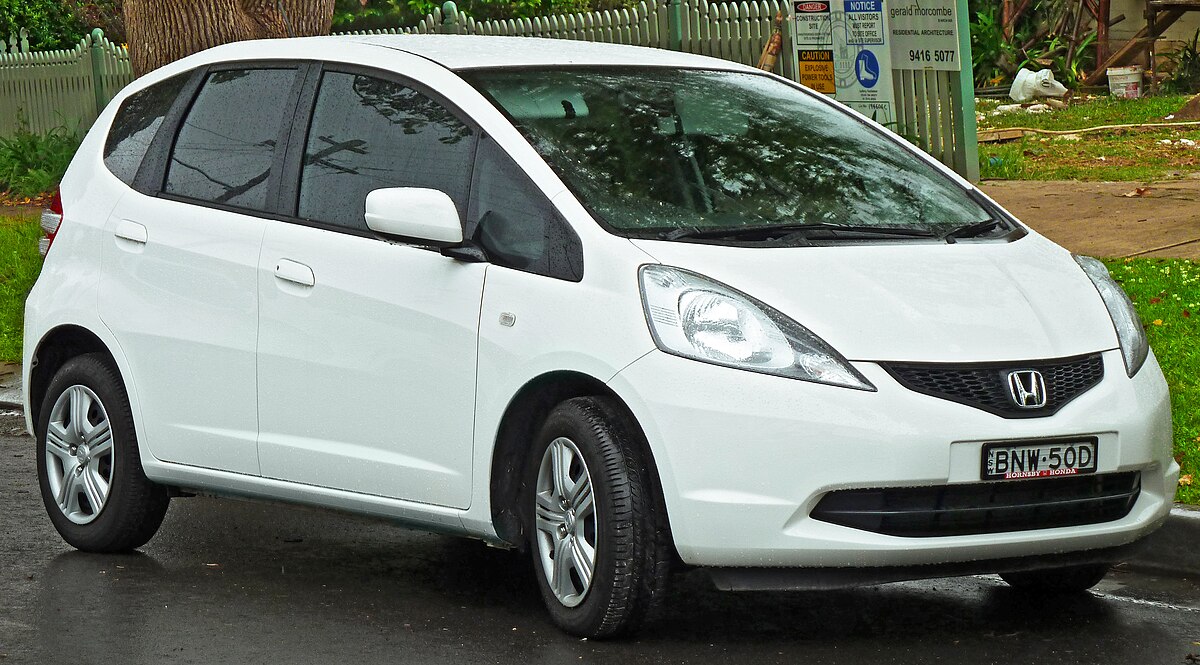
The 2013 Honda Fit stands out as one of the most reliable models in the second-generation lineup, recording fewer complaints than earlier years. As the final year of this generation, it benefited from Honda’s improved quality assurance before the introduction of a new design.
However, buyers should remain vigilant about major recalls, including the Takata airbag issue and the 2020 recall concerning driveshaft corrosion. While the model did not receive any significant updates from the previous year, Honda did introduce a separate all-electric version, the Fit EV.
Despite growing competition in the subcompact segment, the 2013 Fit retained its reputation as a dependable, fun-to-drive, and highly practical vehicle.
Performance-wise, the Fit is powered by a 1.5-liter four-cylinder engine producing 117 horsepower, paired with either a five-speed manual or five-speed automatic transmission.
The manual transmission offers quicker acceleration, with the Fit Sport reaching 60 mph in 8.9 seconds, compared to the slower 11 seconds with the automatic. Fuel efficiency is competitive, delivering between 29 and 31 mpg combined depending on configuration.
While these figures are respectable, rivals such as the Ford Fiesta, Chevrolet Sonic, and Hyundai Accent offer more refined engines, stronger brakes, and better ride comfort.
Still, the Fit’s light weight, nimble handling, and responsive steering preserve its reputation as a fun and engaging car for city driving, even if it lacks highway refinement.
In terms of safety, the 2013 Honda Fit delivers mixed results. It comes standard with essential features like stability control, antilock brakes, front side airbags, and side curtain airbags.
Government crash tests gave it four out of five stars, while the Insurance Institute for Highway Safety rated it “Good” in most major categories, except for the small-overlap frontal crash test, where it received a “Poor” rating.
Additionally, its braking distance of 131 feet from 60 mph is longer than average, making it less competitive in emergency stop performance. Despite these shortcomings, the Fit still offers reliable safety for its class, though newer competitors provide stronger crash protection and a quieter, more refined driving experience.
The interior is where the Fit truly excels. Honda’s innovative “Magic Seat” system allows for a variety of cargo and seating configurations, offering versatility unmatched by many rivals. With the rear seats folded, the Fit provides 57.3 cubic feet of cargo space, rivaling even some compact crossovers.
The seat bottoms also flip up to create vertical storage for taller items, while the front seat folds flat to accommodate items up to 8 feet long.
Though cabin materials feel less premium compared to competitors like the Kia Rio or Ford Fiesta, the Fit’s spacious rear seating and clever interior layout make it a practical choice for families, pet owners, or anyone who values utility in a small car.
Ultimately, while the 2013 Honda Fit faces stiff competition from newer, more refined subcompacts, its blend of reliability, fuel economy, and unmatched versatility ensures it remains a top contender in the segment.
2. 2017 Honda Fit
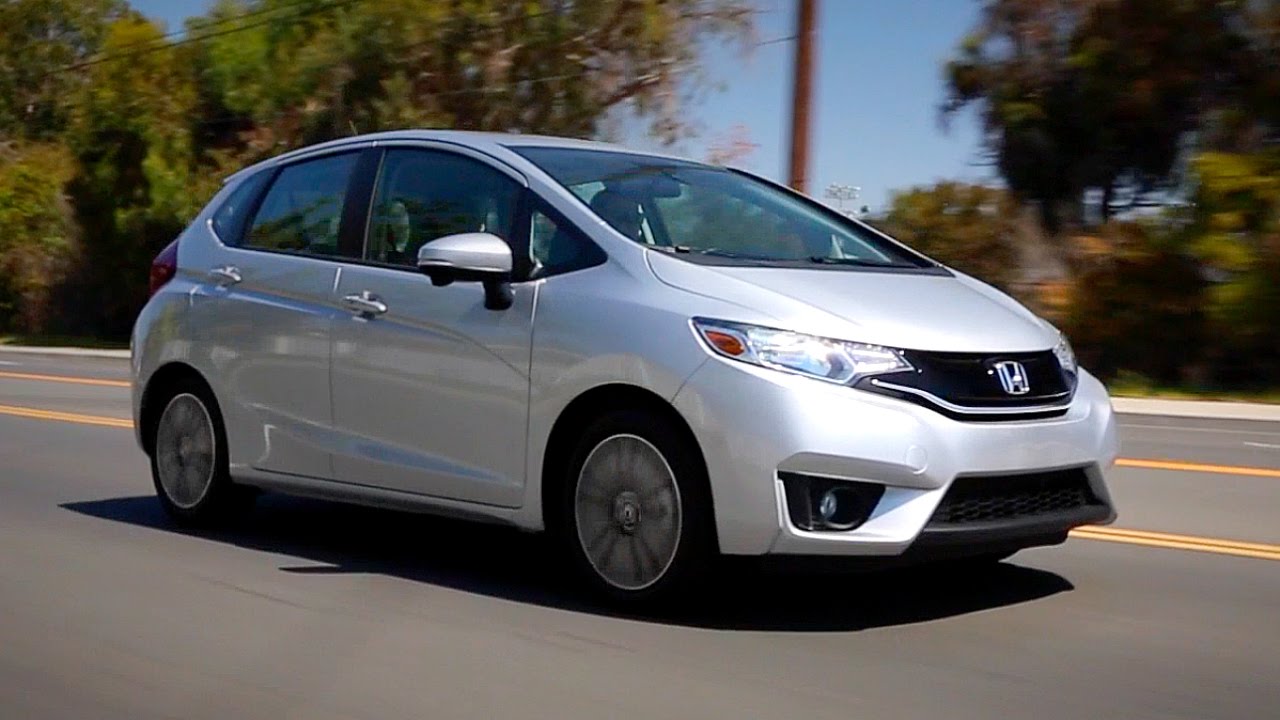
The 2017 Honda Fit is widely regarded as one of the most reliable models from the third generation, benefiting from Honda’s improved quality control during production. Unlike earlier years in the generation, this version was also supported by Honda’s Japanese facility, adding consistency to the build quality.
The model year has no major recalls according to NHTSA, though some owners have reported minor issues such as air conditioning glitches, electrical faults, and cooling system troubles.
Even with these occasional complaints, the 2017 Fit stands out as one of the most dependable and worry-free options for buyers seeking a used subcompact hatchback. Its combination of reliability, versatility, and low operating costs makes it a smart long-term investment in the segment.
Practicality remains the Fit’s strongest trait, thanks to Honda’s unique Magic Seat system. This design allows the rear cushions to flip up, creating vertical space for tall cargo, or fold flat for an impressive 52.7 cubic feet of storage capacity, rivaling some small crossovers.
The front passenger seat also folds flat to accommodate items nearly 8 feet long, enhancing its cargo-hauling flexibility. These clever configurations ensure the Fit delivers unmatched utility for its size, appealing to urban drivers, small families, and anyone who values versatility in a compact car.
Despite competitors like the Kia Soul and Toyota Yaris offering their own advantages, few can match the Fit’s balance of efficiency, roominess, and cargo innovation.
Behind the wheel, the 2017 Honda Fit offers nimble handling and an engaging driving experience, especially with the six-speed manual transmission. Its small size makes maneuvering in tight spaces easy, while its stable highway composure marks an improvement over earlier models.
Fuel economy remains excellent, with even the less efficient trims exceeding 30 mpg. However, drivers may notice significant road noise, and the CVT transmission can cause the engine to drone during hard acceleration.
Still, its responsive steering, light weight, and visibility make it a confident and enjoyable choice, particularly for city driving and winding roads. Compared to rivals like the Ford Fiesta, which offers similarly sharp handling but lacks interior space, the Fit remains the more practical daily driver.
Inside, the Fit balances simplicity with functionality. Most trims feature a touchscreen interface with smartphone integration, although Android compatibility is limited, and the lack of a traditional volume knob frustrates some users.
Higher trims include HondaLink with app integration, while EX-L models offer a faster, built-in navigation system with voice commands. Seating comfort is respectable, with rear passenger space that surprisingly surpasses the midsize Honda Accord in legroom, making the Fit unusually accommodating for taller passengers or child seats.
While cabin materials are modest compared to some competitors, the straightforward layout, cargo versatility, and spacious rear seating cement the 2017 Fit as a practical and reliable subcompact hatchback that excels in meeting both everyday and family needs.
3. 2019 Honda Fit
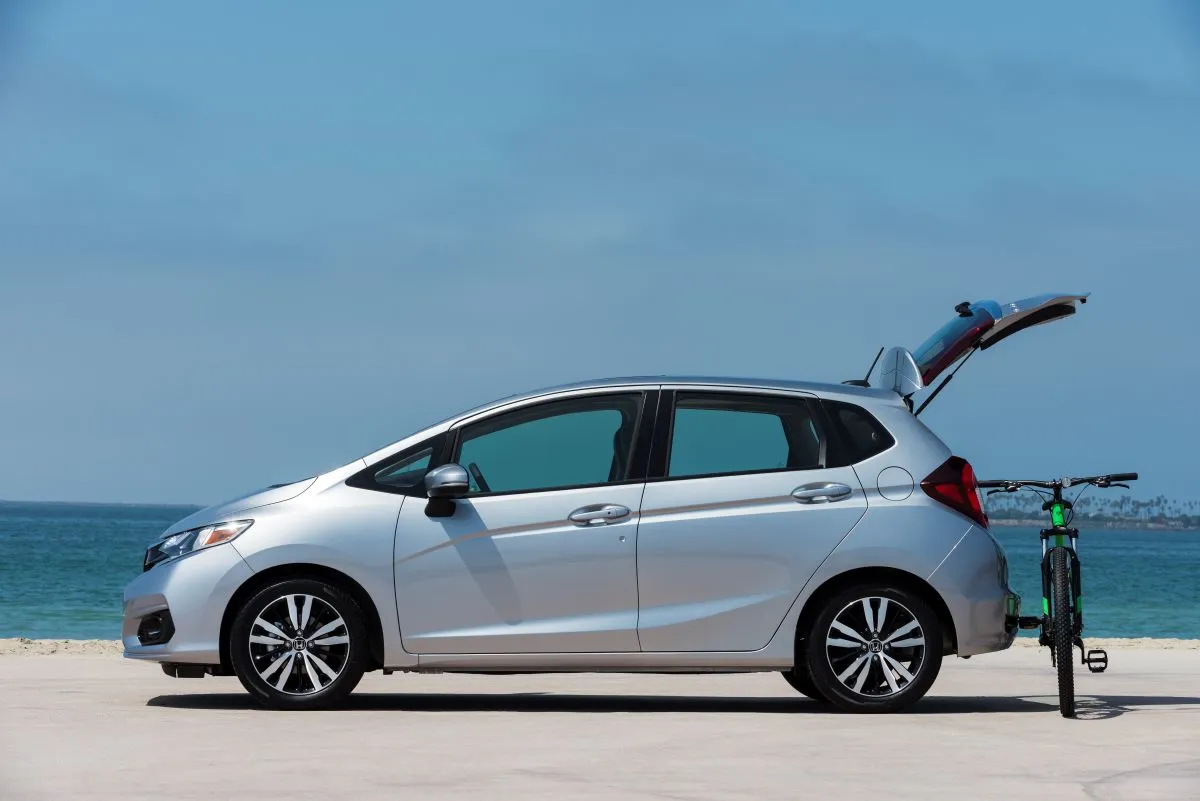
The 2019 Honda Fit represents one of the best years for the model, offering reliability, efficiency, and strong features that make it a smart choice in the subcompact segment. As the second-to-last model year before Honda discontinued the Fit in the North American market, it benefited from years of refinements.
While a fuel pump recall did affect some models, this does not diminish its reputation as one of the most dependable options.
Buyers gain peace of mind with fewer complaints compared to earlier versions, along with improved safety equipment and updated technology. Its compact dimensions also make it a standout choice for city driving, while the configurable Magic Seats set it apart in terms of cargo versatility.
In terms of driving, the 2019 Honda Fit is not designed for speed but delivers nimble handling and stable freeway performance. Its 1.5-liter four-cylinder engine paired with a CVT automatic transmission provides adequate acceleration, reaching 0-60 mph in around 8.8 seconds.
Steering is light, linear, and responsive, while handling around corners is sharp, making it enjoyable for daily use. The Fit also shines in drivability thanks to easy-to-operate controls, smooth braking, and excellent maneuverability in tight urban environments.
Ride comfort is surprisingly good for a subcompact, with supportive seating and a suspension tuned to absorb bumps effectively. Noise levels at highway speeds are present but not overwhelming, and the Fit remains comfortable for both short commutes and long road trips.
Inside, the Honda Fit continues to impress with practicality and clever design. Its cabin is remarkably roomy for a vehicle of its size, providing generous legroom and decent comfort for adult passengers.
The highlight remains the Magic Seats, which fold in multiple ways to maximize cargo space and accommodate taller or bulkier items with ease. Visibility is excellent, aided by a large windshield and well-positioned mirrors, although rear pillars slightly hinder three-quarter views.
The materials used in the interior feel solid, and despite some hard plastics, the Fit does not give off the impression of being cheaply built. Storage spaces for smaller items are limited, but the Fit’s utility still surpasses most rivals in the segment.
Technology and safety features round out the Fit’s appeal. For 2019, it offered Apple CarPlay and Android Auto, bringing modern connectivity to most trims, while the infotainment system, though simple, is functional and easy to integrate with smartphones.
Advanced driver aids such as adaptive cruise control, forward collision warning, and lane departure mitigation add a layer of safety typically not expected in a budget-friendly hatchback. While it lacks blind-spot monitoring, Honda’s LaneWatch camera provides a helpful alternative.
All these strengths, paired with impressive fuel efficiency rated at up to 36 mpg combined, make the 2019 Honda Fit a standout choice for buyers seeking an affordable, practical, and dependable small car.
4. 2012 Honda Fit
The 2012 Honda Fit remains one of the most practical and versatile subcompact cars on the market, blending affordability with clever design and an unexpectedly fun driving experience.
While it faces increased competition from newer hatchbacks like the Chevy Sonic, Ford Fiesta, and Hyundai Accent, the Fit continues to stand out thanks to its unique utility and thoughtful updates.
For 2012, the Fit Sport receives refreshed styling, steering-wheel audio controls, and an upgraded Bluetooth system with streaming audio, while all trims benefit from added sound insulation for a quieter cabin.
With its distinctive hatchback design, low ownership costs, and Honda’s reputation for dependability, the Fit is a solid choice for buyers seeking value and flexibility.
Performance is modest but lively for the class. Under the hood, the 2012 Fit carries a 1.5-liter four-cylinder engine producing 117 horsepower and 106 pound-feet of torque, paired with either a five-speed manual or a five-speed automatic with optional paddle shifters.
A Fit Sport equipped with the manual transmission accelerates from 0 to 60 mph in 9.5 seconds, while the base automatic takes a slower 11 seconds.
Fuel economy ranges between 27–28 mpg city and 33–35 mpg highway, depending on the transmission, placing it among the more efficient cars in its class, though some rivals do slightly better.
Lightweight and responsive steering make the Fit agile and enjoyable, especially in urban driving. The addition of better cabin insulation also addresses complaints of excessive road noise from earlier models, enhancing ride comfort.
Inside, the Fit sets itself apart with ingenious packaging and surprising space. The standout feature remains Honda’s 60/40-split Magic Seat system, which allows for multiple cargo configurations.
The rear cushions fold up to create vertical storage space for taller items, while the seatbacks fold down to form a flat load floor with an impressive 57.3 cubic feet of cargo capacity rivaling some small crossovers. Additionally, the front passenger seat can fold flat, accommodating items nearly 8 feet long.
The cabin itself is roomy enough for adults in both rows, offering solid comfort despite some hard plastics and the lack of a driver’s seat height adjustment. The design is stylish and functional, with controls placed within easy reach and an available tilt-and-telescoping steering wheel for fine-tuning driving position.
Safety and reliability further boost the Fit’s appeal. All 2012 models include stability control, traction control, ABS, active front head restraints, front side airbags, and full-length curtain airbags.
Government crash testing awarded the Fit four out of five stars, while the IIHS rated it “Good” in key frontal and side impact categories. Though its braking distance of 134 feet from 60 mph is only average for the segment, the Fit maintains a reassuring safety record.
Combined with Honda’s well-established reliability, the 2012 Fit strikes a rare balance of affordability, utility, fuel efficiency, and engaging driving dynamics. For shoppers who want a small hatchback that feels anything but basic, the 2012 Honda Fit remains a standout choice.
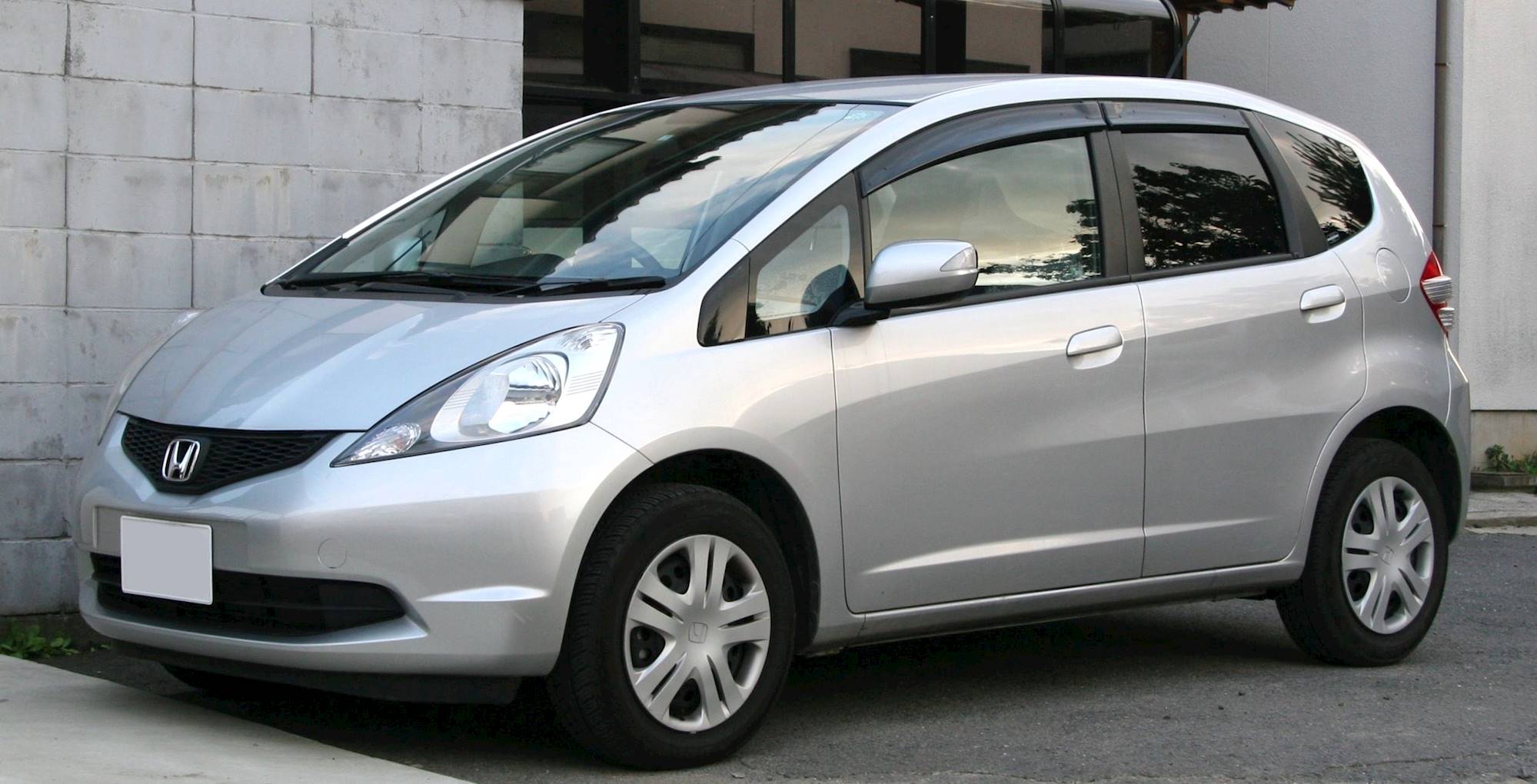
5. 2020 Honda Fit
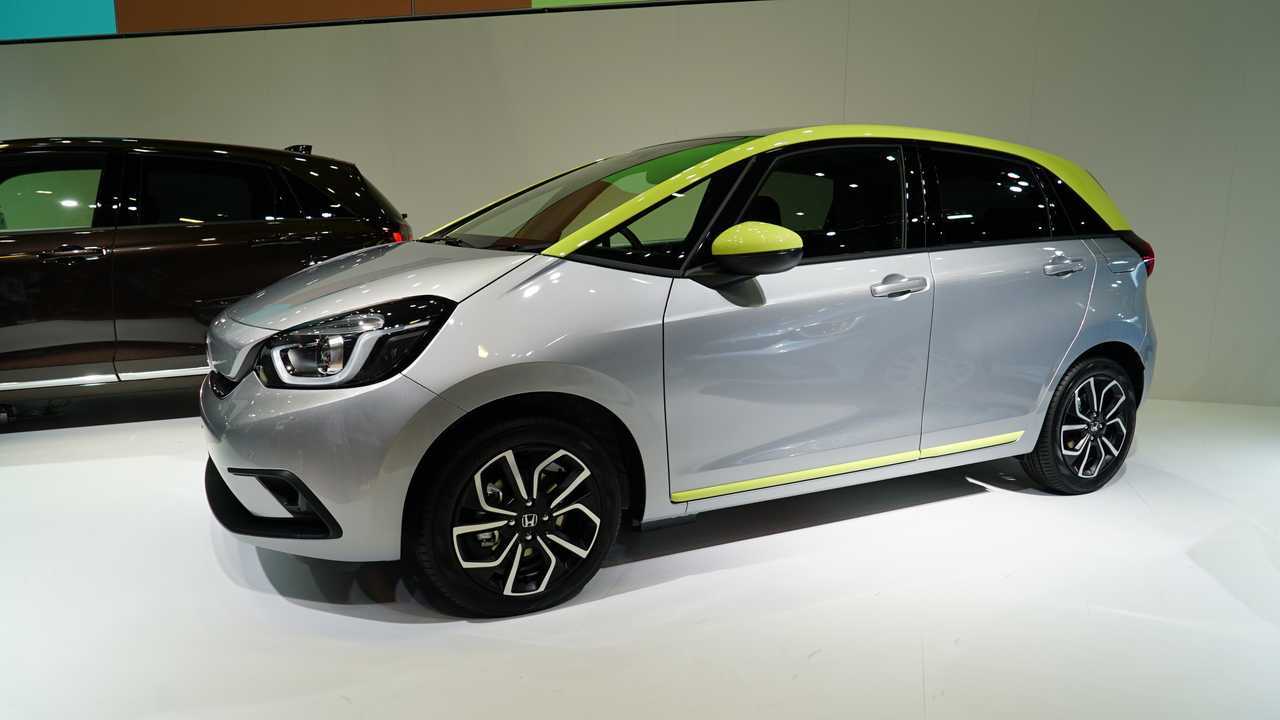
The 2020 Honda Fit may not generate the buzz of its siblings like the Civic or CR-V, but it has carved out a niche as one of the most practical and versatile subcompacts available. While its design and modest engine may not excite enthusiasts, its true strength lies in versatility and value.
Central to this is Honda’s signature Magic Seat system, which provides multiple cargo configurations unmatched in the segment. Owners can fold the rear seat cushions upward to transport tall items or fold the seatbacks down to create a flat load floor.
The front passenger seat also folds flat, allowing storage of longer objects, making the Fit far more functional than most rivals. For buyers prioritizing affordability, fuel economy, and clever design, the 2020 Fit remains one of the most underrated vehicles in its class.
Performance in the Fit is modest but surprisingly lively for its size. Powered by a 1.5-liter four-cylinder engine, it delivers enough pep for city driving and highway merging without feeling underpowered.
The Fit’s lightweight and responsive steering adds to its agility, giving it a more engaging character than many competitors in the subcompact hatchback market. Fuel efficiency is another standout trait, as the Fit consistently matches or even exceeds its EPA estimates in real-world conditions, something not all rivals can claim.
Around town, it feels sprightly and maneuverable, perfect for urban driving where space is limited. For budget-conscious drivers who still want some driving enjoyment, the Fit offers a well-rounded balance.
Where the Fit makes some compromises is in comfort and refinement. Its upright seating position and firm seats may leave taller drivers searching for an ideal fit, while the ride quality can feel jittery during braking or over uneven pavement.
In hard braking tests, the car tends to squirm slightly, which may lessen driver confidence in emergency situations. Additionally, its infotainment system lags behind more modern competitors, with slower response times and an interface that feels dated by current standards.
That said, the interior still impresses with its thoughtful layout, class-leading cargo space, and excellent outward visibility, making it practical for both daily commutes and weekend trips.
Trim levels provide flexibility for buyers with varying needs. The midlevel Sport trim hits a sweet spot by offering alloy wheels, additional speakers, and smartphone integration via Apple CarPlay and Android Auto, all at an attractive price.
Importantly, it avoids the space-compromising sunroof included in higher trims, making it a better choice for taller drivers. Those seeking more advanced safety features, including lane departure warning and forward collision warning, will need to step up to the EX trim, which also enhances technology offerings.
The 2020 Honda Fit may not be flashy, but its winning combination of affordability, efficiency, versatility, and agile driving dynamics makes it one of the smartest buys in the small hatchback category.
Also Read: 5 Cars with Climate Control That Works vs 5 That’s Just for Show
5 Honda Fit Years That Won’t Last
1. 2007 Honda Fit: Early Reliability Woes with Steering and Clutch Issues
The 2007 Honda Fit, one of the earliest entries in Honda’s subcompact lineup, has developed a reputation for significant reliability concerns. According to CarComplaints.com, owners filed 485 complaints, making this year among the most problematic.
The most concerning issue involves power steering failure, which can occur suddenly and cause drivers to lose control. Honda eventually acknowledged flaws with the electronic steering module and extended the warranty coverage up to ten years.
However, that did little to ease concerns since the failure could occur unpredictably, often leading to dangerous driving conditions. On average, repairs cost about $790, a significant burden on owners of a budget-friendly hatchback.
Another frequent complaint centers on premature clutch failure, often reported between 40,000 and 60,000 miles, far earlier than expected for a Honda vehicle. While not as widespread as steering issues, clutch breakdowns forced many drivers into expensive repairs, especially frustrating given Honda’s reputation for durability.
To add to these concerns, the 2007 Fit’s seating design has been described as uncomfortable during long drives, further diminishing its appeal. These combined flaws make the 2007 model a cautionary tale for buyers considering older Fits, despite its otherwise clever utility and fuel efficiency.
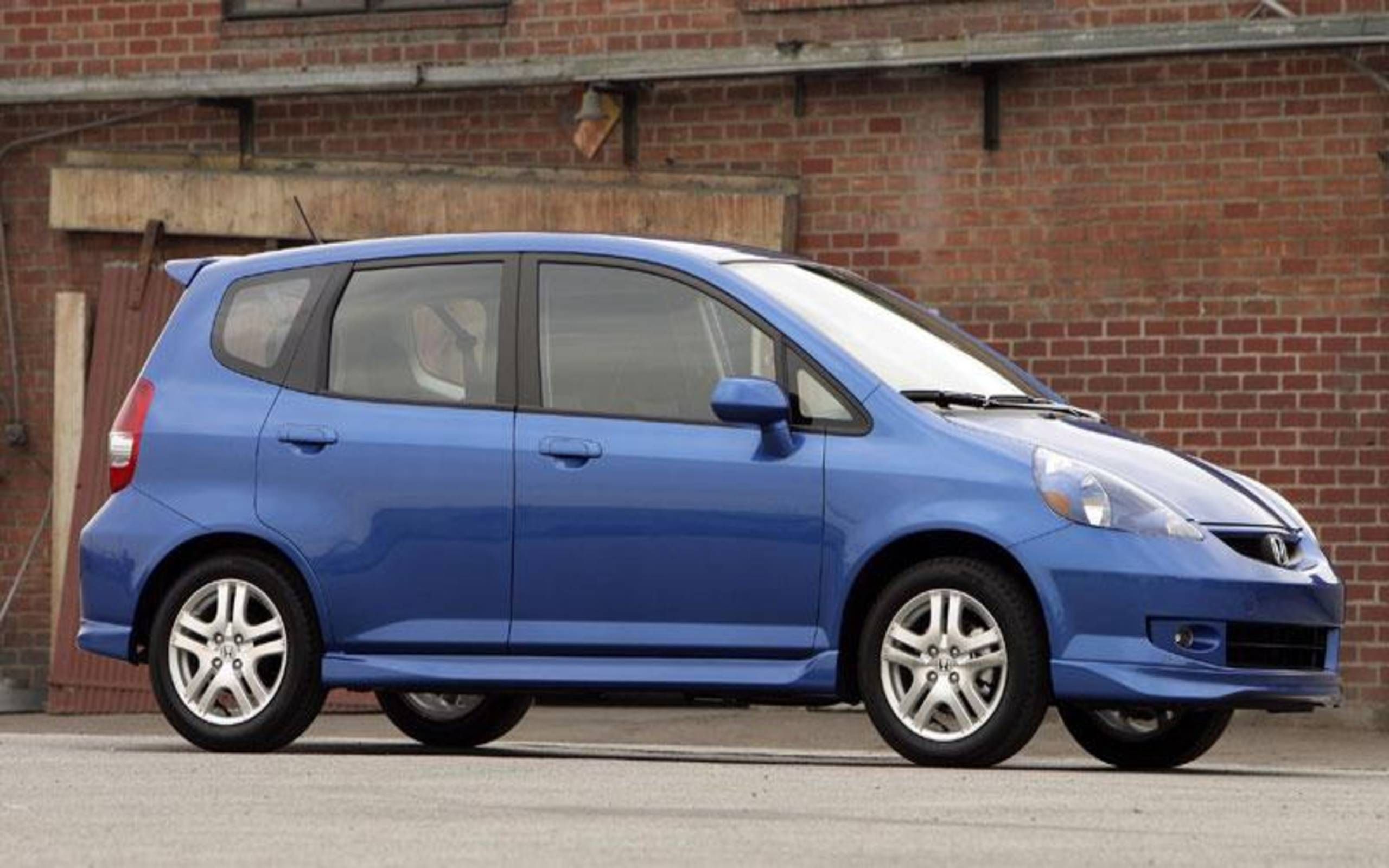
2. 2008 Honda Fit: Clutch Failure, Transmission Issues, and Paint Defects
The 2008 Honda Fit didn’t fully escape the issues of its predecessor, though the number of complaints dropped to 304 according to CarComplaints.com. Among the most frustrating problems for owners was the early failure of the clutch, which sometimes occurred even after a replacement.
One driver reported spending thousands of dollars on repeated clutch repairs, with no long-term fix in sight. The average repair cost was approximately $1,590, substantially higher than the 2007 version, making it one of the most expensive Fit problems on record.
In addition to clutch trouble, some owners experienced transmission slipping, which caused jerky shifts or loss of power while driving. Such issues undermined the vehicle’s reliability, especially for those who expected Honda’s signature smoothness and long-lasting transmissions.
Beyond mechanical failures, cosmetic flaws also plagued the 2008 Fit, particularly paint chipping and peeling. Owners reported flaking paint as early as a few years into ownership, leading to rust exposure and repair costs averaging $700.
While less dangerous than steering failures in the 2007 model, these problems significantly impacted the car’s long-term value and appearance. For many, the 2008 Fit proved to be an improvement in some areas but still fell short of the reliability standard set by Honda’s other vehicles.
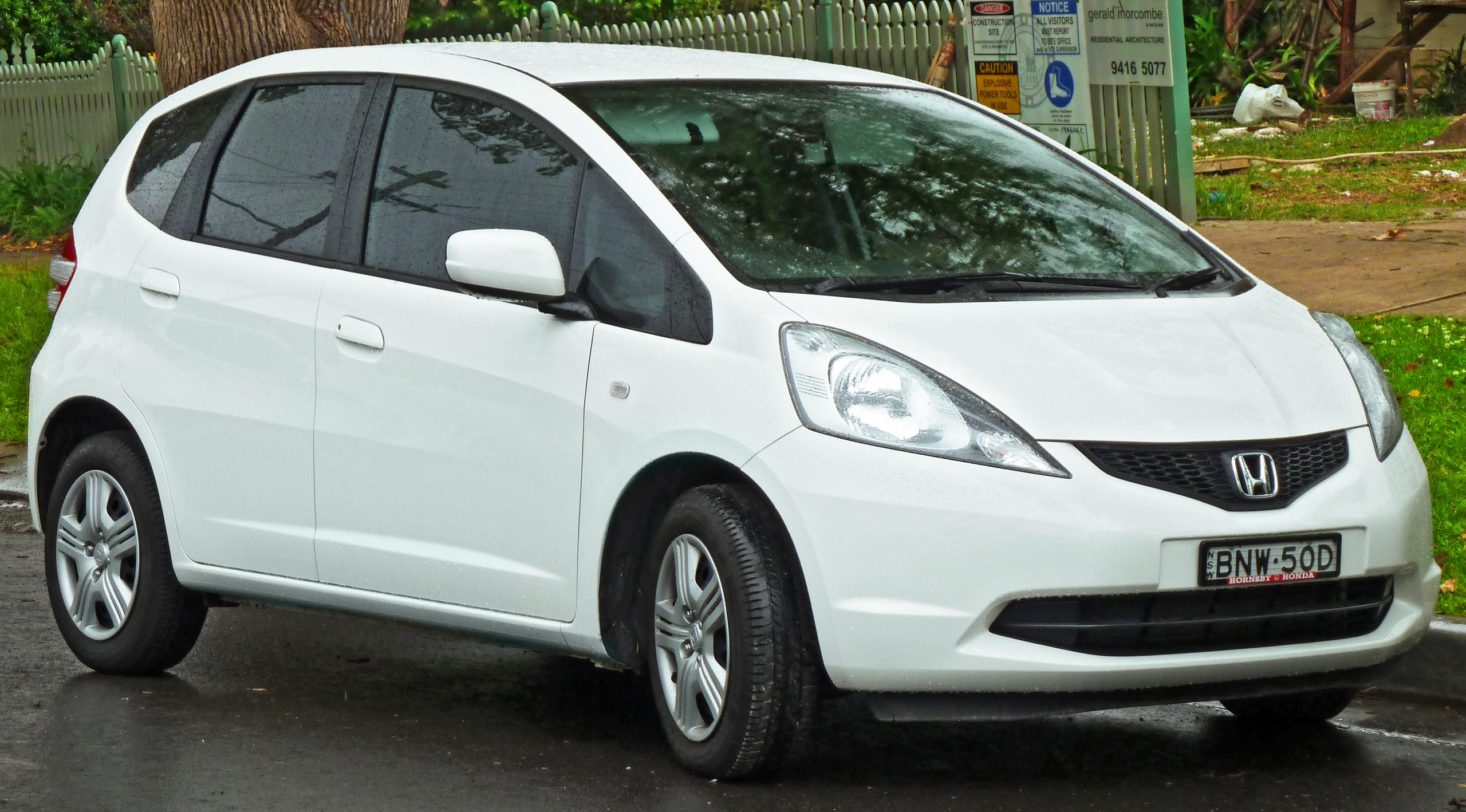
3. 2013 Honda Fit: Rodent Damage, Faulty A/C, and Comfort Concerns
By 2013, Honda had made strides in refining the Fit, yet complaints still lingered, totaling 220 for this model year. While not as numerous as in earlier years, some problems were unusual and frustrating for owners. One notable issue involved rodent damage to the fuel pump due to Honda’s use of soy-based coatings.
While only a handful of reports exist, chewed wiring and fuel pump leaks created costly and unexpected repairs. Another more widespread complaint involved the air conditioning system, which many owners found insufficient, particularly in hotter states.
Some drivers reported that the A/C either failed entirely or was too weak to cool the cabin effectively, forcing them to limit daytime driving in summer. This became more than just an inconvenience; it undermined the Fit’s practicality as an everyday commuter.
Comfort also remained a recurring weakness, as the Fit’s seats drew criticism for being stiff and uncomfortable during long trips. Although the 2013 model offered Honda’s signature space efficiency and versatility, its unusual problems, such as rodent-chewed parts and underwhelming climate control, diminished buyer satisfaction.
For those seeking reliability, this model year raised questions about Honda’s design decisions and quality control.
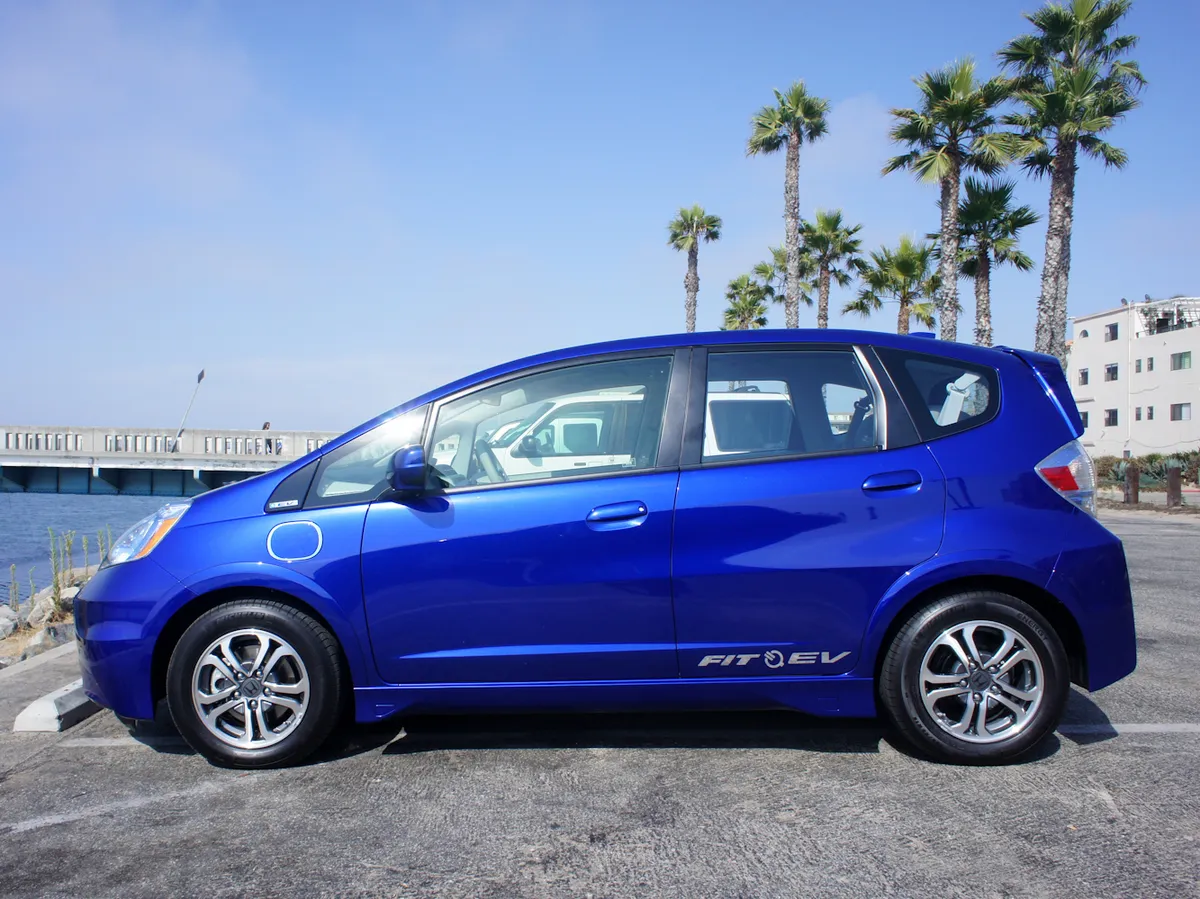
4. 2015 Honda Fit: Electrical Failures and Infamous Seat Comfort Issues
The 2015 Honda Fit, which introduced a redesigned third generation, was supposed to improve reliability and modernize the lineup. However, it ended up being one of the most troublesome years, with 389 complaints. The majority of issues stemmed from electrical system failures, ranging from power outlets to malfunctioning gauges.
Some drivers reported dashboard meters flickering or freezing entirely, which created serious safety concerns. Others claimed that the electrical problems extended to infotainment and accessory systems, leading to widespread frustration.
Consumer Reports highlighted these flaws as some of the worst reliability scores in the subcompact category. Beyond electrical gremlins, seat comfort became one of the most heavily criticized aspects of the 2015 Fit.
Numerous owners complained of back and neck pain during long drives, describing the seats as poorly padded and ergonomically unsupportive. This problem turned daily commutes and road trips into painful experiences, especially since Honda marketed the Fit as a practical choice for everyday driving.
Combined with interior rattles and low-quality materials, the 2015 model’s shortcomings overshadowed its strengths in cargo flexibility and fuel efficiency. For many buyers, this Fit year became a disappointment, tarnishing the reputation of Honda’s otherwise dependable hatchback.
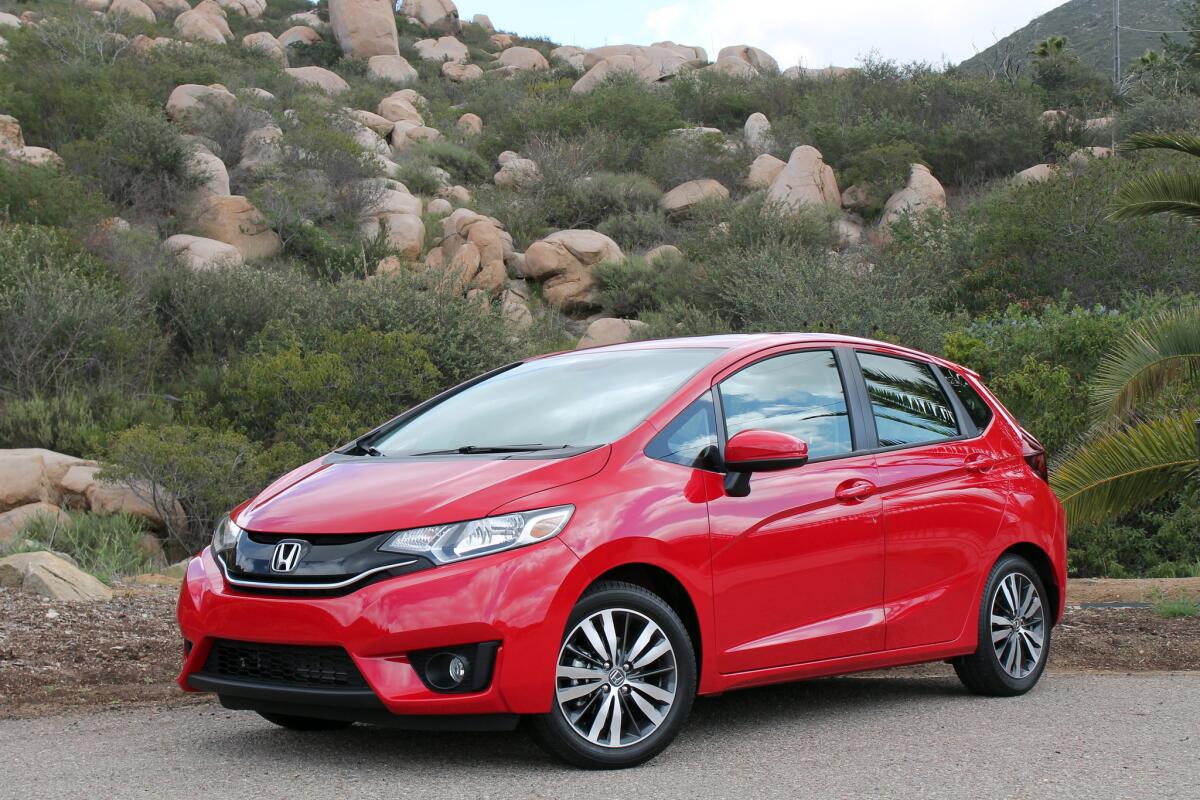
5. 2016 Honda Fit: Mediocre Reliability with Fuel and Body Integrity Problems
The 2016 Honda Fit fared slightly better than its predecessor but still earned only a middling reliability score of 3 out of 5 from Consumer Reports. Owners logged complaints about multiple areas, the most persistent being uncomfortable seats, a recurring theme across several model years.
Beyond seating woes, more serious concerns arose with the fuel injection system, which some owners claimed reduced fuel efficiency and performance. Repairs for this issue typically cost $1,200, a steep expense for a subcompact car known for affordability.
Another common frustration involved power equipment failures, such as malfunctioning windows and door locks, which undermined convenience. Body integrity was another sore point, with drivers reporting squeaks, rattles, and poor soundproofing.
Road and wind noise seeped easily into the cabin, reducing ride comfort on highways. While the 2016 Fit did not reach the same level of complaints as the 2015 model, it failed to restore confidence in Honda’s subcompact.
Buyers expecting a return to form were met instead with average dependability, nagging comfort issues, and costly repairs. Ultimately, the 2016 Fit reinforced the notion that not all Honda years are created equal, and some should be approached with caution.
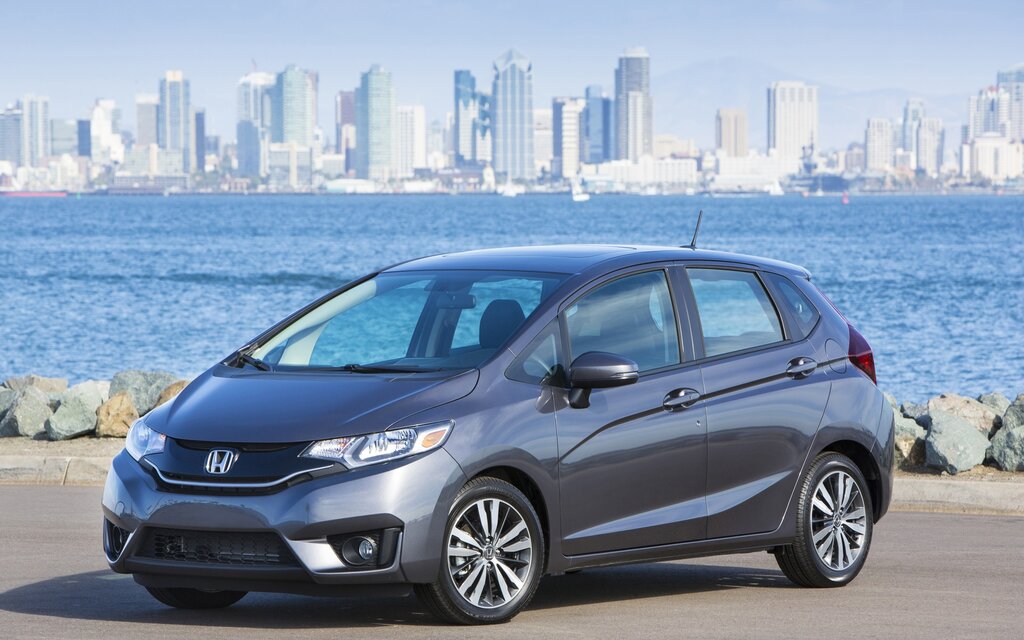
The Honda Fit remains one of the most practical and affordable small cars ever produced, but its reliability record hasn’t always been consistent. Some versions shine for their durability, fuel efficiency, and clever design, proving that Honda’s focus on innovation can deliver long-lasting value.
Others, however, have faced recurring issues with components, comfort, or build quality, reminding buyers that not every model is equally dependable. For today’s used car shoppers, the Fit still stands out as a smart choice thanks to its versatility, strong gas mileage, and compact yet roomy design.
The key is identifying the more dependable versions and avoiding those with known problems. With the right pick, the Honda Fit can serve as a budget-friendly commuter or a reliable long-term daily driver, offering the practicality and fun-to-drive nature that has made it a standout in the subcompact car segment.
Also Read: 10 Cars With Tricky Seatbelt Buckles for Elderly Passengers
