

Many drivers buy a Chevy Avalanche because of its strong design, unique versatility, and powerful engine options. It has a reputation for being a truck that offers comfort like an SUV and the practicality of a pickup. Yet, despite its toughness, the Avalanche can wear out faster than expected when it is not maintained properly.
Owning a reliable vehicle requires more than just fueling it and driving daily. How long it lasts depends on the care and attention it receives. A small neglect today can lead to major trouble tomorrow, and this is true for the Avalanche as much as any other vehicle.
Every vehicle has weak points, and the Avalanche is not an exception. From engine problems to transmission damage, from suspension wear to electrical faults, the way an owner handles the truck determines how quickly it keeps its strength or how fast it goes down.
Drivers often make mistakes without realizing the long-term damage they are causing. Some issues may start small but grow with time, while others come from habits that are avoidable if one pays attention.
On this page, we will look closely at the mistakes that can cut short the life of a Chevy Avalanche. Each mistake can reduce performance, create safety risks, or lead to expensive repairs that could have been prevented.
Understanding these problems is important for any Avalanche owner who wants to keep the truck in strong condition for years. By avoiding these errors, the vehicle will serve better, drive smoothly, and remain dependable for a longer time.
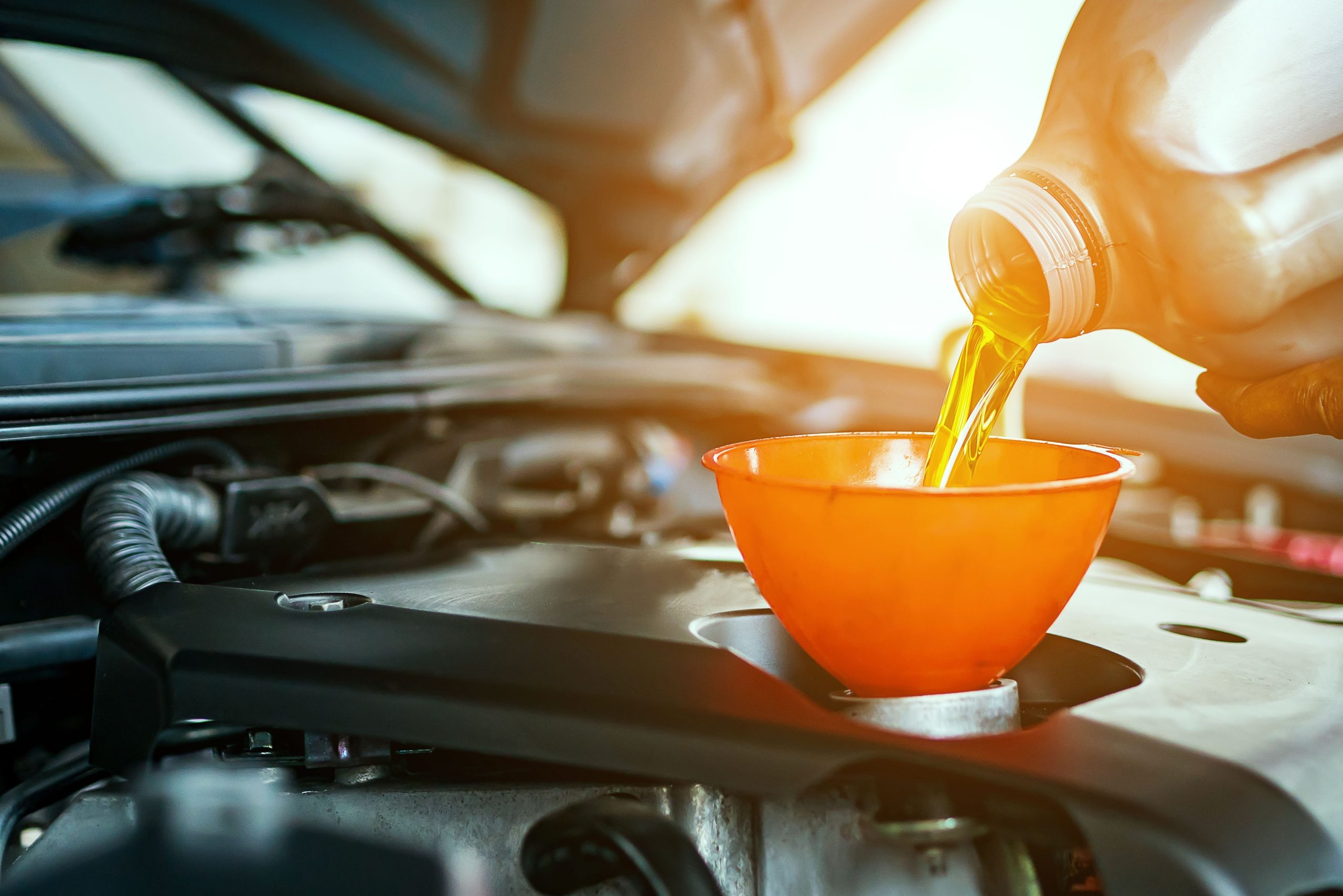
1. Ignoring Regular Oil Changes
One of the fastest ways to weaken a Chevy Avalanche is by neglecting oil changes. Oil is the lifeblood of the engine, keeping its parts lubricated, reducing friction, and preventing overheating. Without fresh oil, the engine parts rub against each other, causing faster wear and unnecessary stress.
Many owners think they can delay an oil change without serious effects, but that belief often shortens the life of the truck. Old oil becomes dirty with debris and sludge, which clogs small passages inside the engine. When this happens, moving parts like pistons, bearings, and camshafts begin to suffer damage.
After a while, this leads to poor performance, rough idling, and higher fuel consumption. In some cases, dirty oil can cause engine seizure, which often means replacing the engine entirely. Chevy recommends a strict schedule for oil changes, depending on how the truck is used.
A driver who uses the Avalanche for heavy towing or frequent long trips should change oil more often compared to someone who drives mostly in light conditions. Using the right oil type also matters, since the wrong viscosity can lead to overheating or a lack of proper lubrication.
Drivers sometimes try to save money by skipping oil changes, but this choice usually results in far greater expenses down the line. A new engine costs thousands of dollars, while a timely oil change is far cheaper and less stressful. Keeping the oil filter in good condition is also part of this routine, since the filter helps trap dirt that should not enter the engine.
Regular oil maintenance is one of the simplest yet most effective ways to extend the life of the Avalanche. Ignoring it may not cause immediate failure, but the hidden damage builds up until the vehicle starts to fail faster than expected.
2. Overlooking Transmission Care
The transmission is one of the most critical systems in the Chevy Avalanche, and yet it is often neglected. Transmission problems are among the most expensive to repair, and once they begin, they rarely improve without major work. Many owners make the mistake of assuming the transmission will remain strong without routine service. This thinking often leads to early breakdown.
Transmission fluid plays a similar role to engine oil. It lubricates moving parts, helps with cooling, and ensures smooth gear changes. When the fluid becomes dirty or runs low, the gears begin to grind and overheat. This results in slipping gears, delayed shifting, or total failure of the transmission. Repairing or replacing a transmission is one of the costliest repairs on an Avalanche.
A common mistake is towing loads heavier than what the truck is designed to handle. The Avalanche can tow a lot, but constant overloading puts pressure on the transmission. Heat builds up inside, and without proper cooling, the system breaks down. Even driving in heavy traffic or climbing steep roads regularly can stress the transmission if fluid levels are not checked.
Flushing and replacing transmission fluid at recommended intervals is essential. Ignoring leaks is another mistake that shortens transmission life. A small leak may look harmless, but even a few drops of fluid lost regularly can cause the transmission to run dry. Once that happens, damage begins almost instantly.
Another habit that hurts the transmission is shifting gears roughly or without coming to a complete stop. Many drivers put the vehicle into reverse or park while it is still slightly moving, which causes extra strain on internal parts. With time, these bad habits kill the system.
To keep the Avalanche strong, transmission care should never be overlooked. Checking fluid regularly, driving responsibly, and sticking to service schedules can make the difference between a transmission that lasts many years and one that fails too soon.
Also Read: 5 Chevrolets That Hold Value at Trade‑In vs 5 That Dealers Ignore
3. Poor Cooling System Maintenance
The cooling system in a Chevy Avalanche keeps the engine at the right temperature. If this system is ignored, the engine can overheat, leading to cracks, blown gaskets, or even total engine destruction. Unfortunately, many owners do not pay enough attention to the radiator, coolant, hoses, and thermostat until it is too late.
Coolant is designed to absorb heat from the engine and release it through the radiator. With time, the coolant loses effectiveness and becomes contaminated. If it is not replaced, it can cause rust buildup inside the system and block the proper flow of liquid. The water pump also suffers when the coolant is old, as it struggles to push fluid through clogged passages.
A major mistake is driving the truck with low coolant levels. Sometimes a small leak is ignored because the driver assumes it is not serious. But every time the coolant runs low, the risk of overheating increases. Even one incident of overheating can shorten the engine’s life.
The hoses and belts connected to the cooling system also need attention. A weak hose may burst under pressure, leaving the engine without cooling in the middle of a trip. Replacing these parts before they fail is much cheaper than paying for a major repair after overheating damage.
The radiator should be flushed at regular intervals to remove deposits. Skipping this step means the cooling system cannot function as intended. Also, using the wrong type of coolant can cause chemical reactions that harm the system.
Drivers often underestimate how quickly overheating can destroy an engine. Once the temperature gauge reaches red, every second matters. Shutting the vehicle off immediately and addressing the problem can save the engine. Ignoring the cooling system is one of the deadliest mistakes for a Chevy Avalanche, as no truck can survive repeated overheating for long.

4. Using Cheap or Wrong Fuel
Fuel choice plays a big role in the health of any vehicle. Many Avalanche owners damage their trucks by using poor-quality fuel or the wrong octane level. While the engine may run on cheap fuel at first, hidden damage begins to build up inside.
Low-quality fuel often contains impurities that clog injectors and reduce combustion efficiency. As time goes on, this causes the engine to knock, lose power, and consume more fuel. The exhaust system also suffers because unburned particles pass through, damaging the catalytic converter. Replacing this part is expensive, and it often fails when the engine is fed with bad fuel for a long time.
Some drivers ignore the manufacturer’s octane recommendation and use lower-grade fuel to save money. This mistake can lead to engine knocking, which stresses pistons and cylinders. Even though the truck may keep running, performance suffers, and the lifespan of the engine drops.
Another problem comes from ignoring fuel filter replacement. The filter traps dirt before it reaches the engine. When it clogs, the engine is forced to work harder to get enough fuel, and this can damage the fuel pump. Fuel pump replacement costs far more than simply changing the filter on schedule.
Additives in fuel also make a difference. Some stations mix fuel with too much ethanol, which can harm rubber seals and hoses as time goes on. While ethanol blends are common, high levels can cause corrosion and moisture buildup. Choosing trusted fuel stations helps reduce this risk.
The Avalanche was built to perform well, but only if it gets the right fuel. Saving money on cheap fuel is a false economy because it leads to costly repairs. Using clean fuel of the correct grade keeps the engine running strong and prevents damage that often goes unnoticed until it is too late.
5. Neglecting Suspension and Steering Care
Suspension and steering systems keep the Avalanche stable, safe, and comfortable on the road. Yet many owners forget that these parts also need regular maintenance. Driving with worn suspension components not only reduces comfort but also increases stress on other parts of the truck.
Ball joints, bushings, shocks, and struts all wear out with time. When these parts become weak, the vehicle handles poorly, especially at high speeds or when carrying heavy loads. Ignoring early signs like uneven tire wear, knocking sounds, or a bouncy ride leads to bigger damage. A suspension failure can even cause accidents if the driver loses control.
Steering components such as tie rods and power steering pumps also require attention. Low steering fluid, for example, causes the pump to run dry and fail. Replacing it is far more expensive than simply topping up or flushing fluid at the right intervals.
A common mistake is driving with misaligned wheels. Poor alignment increases tire wear, strains the suspension, and forces the steering system to work harder. This is especially true for trucks like the Avalanche that often carry loads or tow trailers. Even hitting potholes without checking alignment later can shorten the life of suspension parts.
Routine inspection of these systems can save a lot of money. Many owners wait until steering feels loose or the ride becomes uncomfortable before visiting a mechanic. By that time, damage had already spread to multiple parts.
Suspension and steering may not be as visible as the engine or transmission, but they are just as important. When neglected, the truck wears out faster, safety is reduced, and repair bills rise sharply. Keeping these systems in shape ensures the Avalanche continues to handle well, even under heavy use.
6. Forgetting Brake System Maintenance
Brakes are one of the most critical safety features on any vehicle, yet many Avalanche owners do not service them as often as needed. Forgetting brake maintenance not only shortens the life of the truck but also puts the driver and passengers in danger.
Brake pads wear down with use, and if they are not replaced in time, the metal backing starts grinding against the rotor. This causes deep grooves that require rotor replacement. Ignoring this issue means the cost of repair increases greatly compared to simple pad replacement.
Brake fluid is another part often forgotten. With time, fluid absorbs moisture, which reduces its ability to work under heat. This can cause brake fade, where the system feels weak or fails during hard stops. Regular flushing keeps the fluid fresh and prevents corrosion in the brake lines.
Driving habits also affect brake life. Constant hard braking, riding the brakes down hills, or carrying heavy loads without proper control puts pressure on the system. These habits cause parts to wear faster and increase the chances of failure.
The brake warning light should never be ignored. Many drivers assume it is just a sensor error, but it often signals low fluid or worn pads. Addressing it early prevents accidents and saves the vehicle from more damage.
Keeping the braking system strong means regular inspection of pads, rotors, lines, and fluid. A safe truck is also a durable truck, and ignoring the brakes is one mistake that cuts the life of an Avalanche drastically.
7. Overloading the Truck
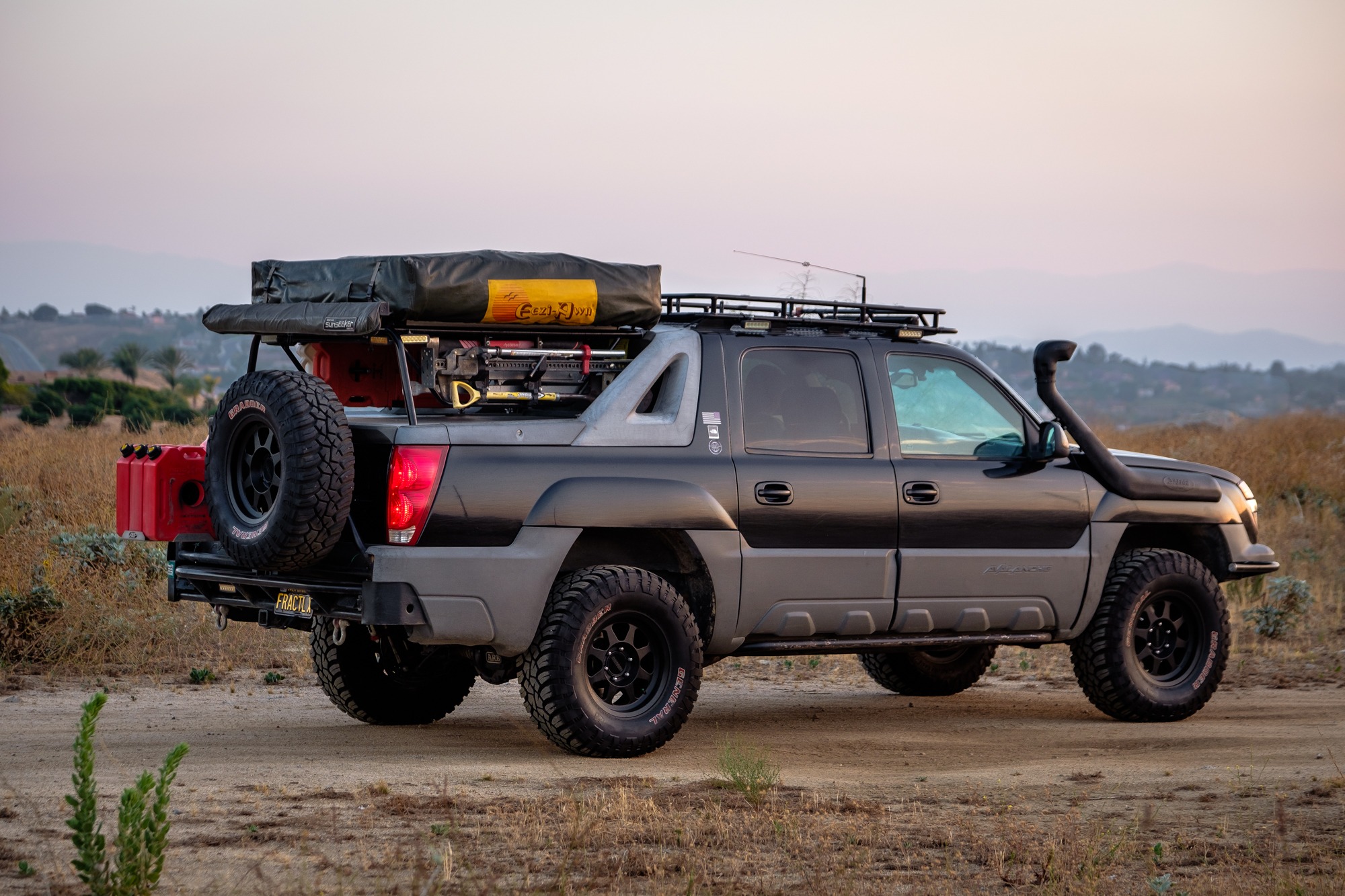
The Chevy Avalanche is built to carry and tow heavy items, but many owners push it beyond its rated capacity. Overloading is a mistake that damages multiple parts of the vehicle at once. The suspension, transmission, brakes, and tires all suffer when the truck is forced to handle more than it was designed for.
Heavy loads strain the engine, causing it to overheat and wear out faster. The transmission struggles to manage the extra weight, leading to gear slipping and fluid breakdown. Brakes require more force to stop the vehicle, which causes them to fade quickly and wear unevenly. Suspension parts also collapse under pressure, leading to alignment issues and poor handling.
Tires are often the first to fail under excess weight. Overloaded tires build up heat, which can cause blowouts. This is dangerous on highways, especially when carrying passengers or towing trailers. A single blowout at high speed can lead to serious accidents.
Manufacturers set specific towing and payload limits for a reason. Exceeding those numbers puts the whole truck at risk. Some owners think adding aftermarket parts will allow the truck to handle more weight, but unless the entire system is upgraded, stress still falls on factory parts.
Responsible use of the Avalanche means respecting its limits. Regularly carrying or towing loads heavier than recommended shortens the truck’s life drastically. Proper weight distribution also matters, as unbalanced loads can cause swaying, poor braking, and faster wear on suspension parts.
The Avalanche is strong, but every vehicle has its limit. Overloading ignores that fact and leads to repairs that could have been avoided.
8. Ignoring Electrical System Issues
The Avalanche has a complicated electrical system that controls everything from lights to ignition and fuel delivery. Many owners ignore small electrical problems until they grow into larger ones. A flickering light, a dead battery, or a faulty sensor may seem minor, but they often signal deeper issues.
One common problem is battery neglect. Leaving corroded terminals or ignoring a weak battery causes starting problems and affects other electronics. A failing alternator also reduces power to critical systems. Without enough electrical supply, fuel injectors, ignition coils, and sensors cannot work properly, which leads to poor engine performance.
Faulty wiring is another problem often ignored. Exposed or damaged wires can cause shorts, which may blow fuses or even start fires. Many Avalanche models are now old enough that wiring wear is common, and ignoring it is dangerous.
Sensors play a big role in modern vehicles. The Avalanche depends on oxygen sensors, mass airflow sensors, and others for proper fuel and engine management. When a sensor fails, the engine runs inefficiently, burns more fuel, and damages parts like the catalytic converter. Many drivers ignore the check engine light, but that light often means a sensor is struggling.
Electrical accessories also draw power. Installing aftermarket items without proper wiring can overload the system. This affects both the battery and alternator. Keeping the electrical system healthy means checking battery life, replacing weak alternators, and repairing wiring issues as soon as they appear.
Ignoring these issues makes the truck unreliable and shortens its useful life. A strong electrical system keeps the Avalanche running smoothly, while neglect leads to constant breakdowns.
Also Read: 5 Chevrolet Malibu Models With Rock-Solid Engine

9. Poor Tire and Wheel Care
Tires and wheels are often the most ignored part of a Chevy Avalanche, yet they affect performance, fuel efficiency, safety, and lifespan. Poor tire care is a mistake that slowly kills the truck by increasing wear on other parts.
Driving with low tire pressure is one of the biggest errors. Underinflated tires cause poor fuel economy, heat buildup, and uneven wear. Overinflated tires, however, reduce traction and cause a rough ride. Both conditions damage suspension parts and reduce control.
Wheel alignment is another issue often neglected. Misalignment causes the truck to pull to one side, reduces stability, and wears tires unevenly. It also forces the steering system to work harder. Regular alignment checks are necessary, especially after hitting potholes or carrying heavy loads.
Rotating tires extends their life and ensures even wear. Many drivers skip this simple maintenance, which results in early tire replacement. Balancing tires is also important, as unbalanced wheels cause vibrations that damage suspension and steering components.
Ignoring tire condition also affects safety. Worn-out tires have poor grip, especially on wet or icy roads. This increases the risk of accidents. Checking tread depth and replacing tires at the right time keeps the truck safe and reliable.
Wheel care goes beyond just tires. Bent or cracked rims from rough driving reduce handling quality and cause slow air leaks. Repairing or replacing damaged wheels keeps the Avalanche steady on the road. Proper tire and wheel care ensures smoother rides, safer handling, and longer vehicle life. Ignoring this aspect makes the truck weaker and more costly to maintain.
Keeping a Chevy Avalanche in good condition requires steady attention to details that many owners often overlook. Every mistake listed here may appear small at first, but each one creates a chain reaction that shortens the truck’s useful years.
Ignoring oil changes, neglecting the transmission, allowing the cooling system to weaken, or using poor fuel all take away from the strength of the engine. Failing to care for suspension, brakes, and tires reduces both safety and comfort, while overloading the truck puts every major system under unnecessary stress.
Even the electrical system, which many drivers assume is less important, plays a vital role in daily performance. The truth is that the Avalanche was built to be both practical and powerful, but no vehicle can survive constant neglect. When owners treat it properly, it can last for many years while remaining dependable.
The best way to protect the investment is to follow maintenance schedules, pay attention to early warning signs, and avoid habits that wear the vehicle down too quickly. A Chevy Avalanche that is properly maintained will not only keep running smoothly but will also continue to deliver the strength, reliability, and comfort that made it popular from the start.
