
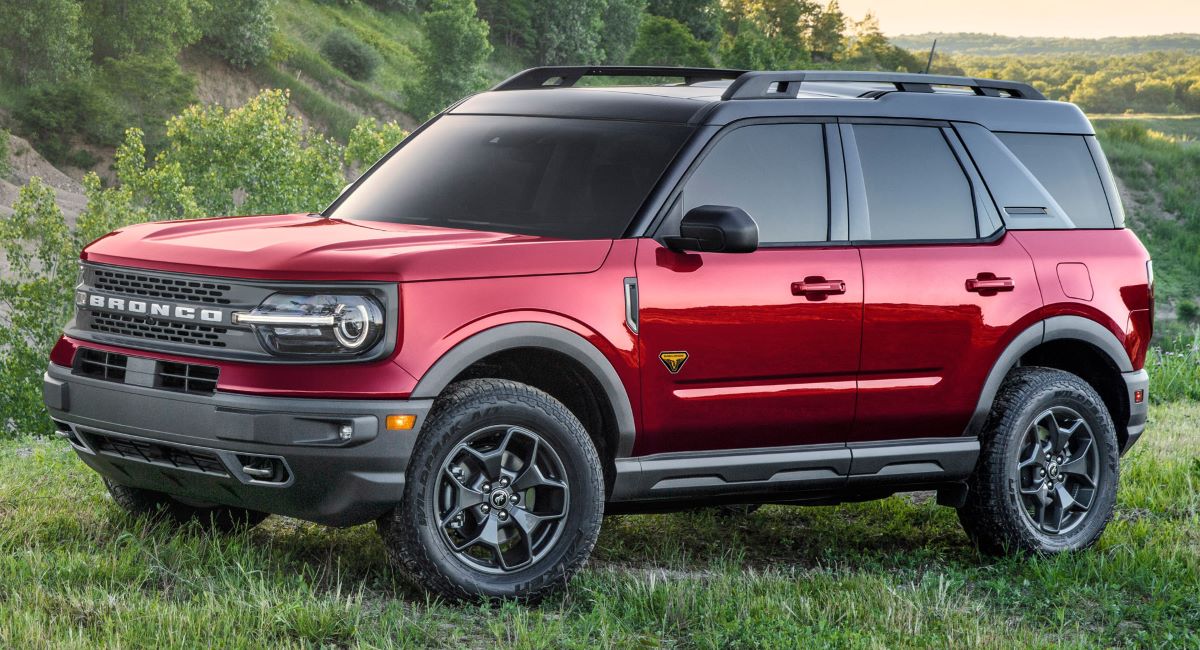
The Ford Bronco is one of America’s most iconic SUVs, built for rugged adventures, off-road capability, and everyday driving. Since its return to the market, the Bronco has been celebrated by enthusiasts and families alike for its versatility.
However, while the Bronco is designed to be tough, it isn’t indestructible. Like any vehicle, it requires proper care and attention to last well beyond the 150,000-mile mark.
Unfortunately, many owners unknowingly shorten the life of their Bronco by making mistakes that accelerate wear and tear.
For drivers who want to protect their investment and keep their Bronco running strong for years, it’s important to avoid common pitfalls. Below are nine mistakes that can quietly destroy a Ford Bronco before it even reaches 150,000 miles.
1. Neglecting Regular Oil Changes
One of the most common and damaging mistakes Bronco owners make is skipping or delaying oil changes. The engine oil keeps the turbocharged EcoBoost or V6 engine lubricated, reduces friction, and helps regulate temperature.
When oil becomes old or dirty, it loses its ability to protect the engine components. Over time, this leads to sludge buildup, poor performance, and even catastrophic engine failure.
Ford typically recommends oil changes every 7,500 to 10,000 miles, depending on driving conditions. However, Broncos used for off-roading, towing, or city stop-and-go traffic may need oil changes more frequently.
Using the wrong oil type or low-quality filters is another mistake that can cut engine life short. Simply keeping up with scheduled oil changes using high-quality synthetic oil can easily extend the Bronco’s life.
2. Ignoring Transmission Maintenance
The Ford Bronco’s 10-speed automatic transmission is engineered for both smooth highway driving and rugged trails. But like any transmission, it’s highly dependent on clean, properly filled transmission fluid.
Many owners mistakenly believe transmission fluid is “lifetime” and doesn’t require attention. In reality, ignoring it can lead to overheating, slipping gears, and premature transmission failure often before 150,000 miles.
Checking fluid levels and scheduling a transmission service around 60,000 to 100,000 miles (depending on usage) helps prevent costly breakdowns.
Off-road driving, towing, or heavy city use puts even more strain on the transmission, making maintenance essential.
The transmission is one of the most important components in your vehicle, transferring power from the engine to the wheels and allowing you to shift speeds smoothly. But while it’s built to handle the demands of daily driving, improper use or neglect can quickly lead to serious damage.
Transmission repairs are among the most expensive fixes a vehicle can need, and in worst-case scenarios, total failure may require a full replacement.
One of the biggest mistakes drivers make is neglecting regular transmission maintenance. Transmission fluid is vital for lubricating, cooling, and cleaning the system’s internal components, but over time it degrades and becomes contaminated.
Old or dirty fluid increases friction, causes overheating, and accelerates wear on delicate parts, sometimes leading to complete failure. Without proper lubrication, metal components grind against each other, generating excess heat and damage.
The solution is simple: check your transmission fluid regularly. It should be at the correct level and bright red or pink in color.
Dark, burnt-smelling fluid signals trouble and may even point to the need for a rebuild. Following your manufacturer’s maintenance schedule for fluid changes, filter replacements, and inspections is the best way to protect your transmission from unnecessary wear.
Another costly mistake is ignoring transmission warning signs. Drivers sometimes dismiss early symptoms such as slipping gears, delayed shifting, unusual noises, or dashboard warning lights, but these signals should never be overlooked.
Left unchecked, minor issues can snowball into major failures, driving repair costs higher while also creating safety risks. A malfunctioning transmission can cause unpredictable vehicle behavior, which is dangerous in critical driving situations.
Paying close attention to how your car feels and sounds is key. If you notice grinding noises, hesitation, or sluggish response, it’s time to see a professional immediately. Prompt attention can mean the difference between a minor repair and a full replacement.
Improper shifting habits also take a toll on your transmission. Many drivers make the mistake of shifting from reverse to drive before coming to a complete stop.
While it may seem harmless, this habit puts enormous strain on internal clutches and bands, leading to accelerated wear or even breakage.
The fix is simple: always stop completely before shifting between reverse and drive. Shifting smoothly and avoiding abrupt gear changes will go a long way in protecting your transmission.
Overloading your vehicle is another way to cause serious damage. Carrying or towing more weight than your vehicle is rated for puts extra stress on the transmission, generating excessive heat and forcing components to work harder than they were designed to.
Heat buildup breaks down transmission fluid faster, reduces lubrication, and accelerates wear. To prevent this, always respect your vehicle’s maximum weight and towing limits as listed in the owner’s manual.
If towing is a regular activity, make sure your vehicle is equipped with the proper towing package, including a transmission cooler, to manage the added heat.
Finally, using the wrong transmission fluid is a surprisingly common mistake. Each vehicle requires a specific fluid with unique additives and viscosity levels.
To avoid this, always check your owner’s manual for the correct type of transmission fluid and stick to it. When in doubt, consult a professional mechanic to ensure you’re using the proper fluid for your vehicle.
Your transmission is a vital part of your vehicle, and protecting it doesn’t have to be complicated. By keeping up with regular maintenance, paying attention to warning signs, practicing proper shifting habits, avoiding overload, and always using the correct transmission fluid, you can prevent costly repairs and extend the life of your transmission.
Also Read: 5 Engines That Survive Hauling and 5 That Can’t Handle Towing
3. Overloading or Towing Beyond Limits
The Bronco is capable, but it has limits. Exceeding payload or towing capacity is a surefire way to wear down critical components like the suspension, transmission, and brakes.
Some owners push their Bronco beyond its rated limits by hauling heavy gear, overloading roof racks, or towing more than it’s designed for.
Constant overloading causes premature suspension wear, brake overheating, and engine strain. Not only does this reduce reliability, but it also becomes a safety hazard.
Staying within Ford’s recommended towing and payload capacities is critical if you want the Bronco to last past 150,000 miles.
4. Skipping Tire Rotations and Alignments
Tires are more than just rubber on the road they’re directly linked to the Bronco’s suspension, handling, and safety.
Off-road driving, potholes, and curb impacts can quickly knock the Bronco’s alignment out of spec. If owners neglect tire rotations and alignments, uneven tire wear occurs, putting additional strain on steering and suspension components.
This mistake also leads to reduced fuel efficiency and a harsher ride. Tire rotation should generally be done every 5,000 to 7,500 miles, while alignments should be checked at least once a year or after hitting rough terrain.
Proper tire care not only saves money but also prevents early wear on other systems.
5. Using Cheap or Incorrect Parts
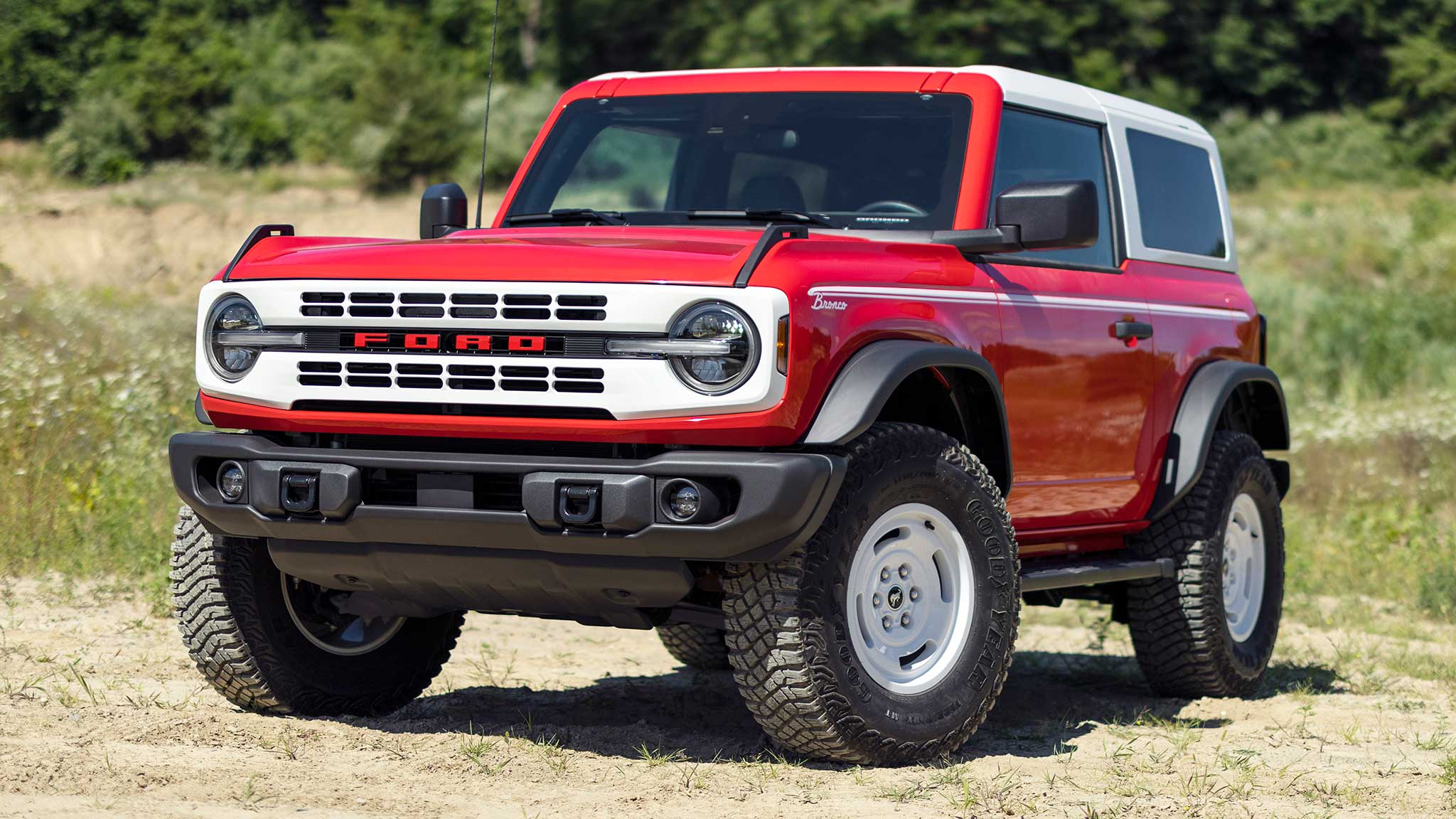
When it’s time for repairs, some Bronco owners cut corners by choosing low-quality aftermarket parts or skipping OEM recommendations.
While cheaper components may save money upfront, they often don’t meet Ford’s performance standards. Using the wrong spark plugs, filters, or brake pads can create more problems down the road.
For example, installing the wrong type of brake pads may cause premature rotor wear, while subpar filters can allow dirt into the engine.
Over time, these shortcuts reduce the Bronco’s reliability and longevity. Investing in quality parts designed for the Bronco’s systems ensures smoother performance and longer lifespan.
Auto repair plays a vital role in keeping vehicles safe, reliable, and performing at their best. Whether performed by a professional mechanic or a do-it-yourself enthusiast, repairs must be handled carefully to avoid creating new problems.
Mistakes in the repair process can lead to additional damage, unnecessary expenses, or even serious safety risks. By recognizing the most common errors, car owners and technicians can take the right precautions and ensure a smoother, more effective repair process.
One of the most frequent and costly mistakes is neglecting a proper diagnosis before making repairs. Many automotive problems share similar symptoms, which can easily lead to misdiagnosis if thorough testing is skipped.
For instance, a rough idle might be traced to a dirty air filter, failing spark plugs, or a clogged fuel injector. If the wrong assumption is made, the incorrect parts may be replaced, wasting both time and money while leaving the actual problem unresolved.
Using diagnostic tools like OBD-II scanners and consulting manufacturer repair manuals helps pinpoint the issue accurately before any work begins. A complete assessment ensures the right fix is made the first time, preventing repeated breakdowns.
Another common error involves using the wrong replacement parts. Every vehicle is designed to operate with specific components, and substituting incorrect or low-quality parts can cause major issues.
Some aftermarket parts may be reliable, but many do not meet manufacturer specifications. These substandard parts can wear out quickly, cause compatibility problems, or even damage connected systems.
Whenever possible, it’s best to use OEM (Original Equipment Manufacturer) parts for guaranteed fit and performance. If aftermarket parts are necessary, choosing a reputable brand and verifying compatibility with the vehicle’s make and model helps avoid long-term damage.
Improper tightening of components is another frequent repair mistake. Every bolt, nut, and fastener has a recommended torque specification, and ignoring these guidelines can have serious consequences.
Over-tightening may crack parts, strip threads, or put unnecessary stress on surrounding components, while under-tightening can lead to leaks, part failures, or dangerous looseness.
For example, overtightening an oil drain plug can strip the threads of the oil pan, complicating future oil changes, while under-tightening wheel lug nuts could result in a wheel detaching while driving.
Using a torque wrench and following the manufacturer’s specifications ensures each component is secured correctly and safely.
Fluids are another critical area that should never be overlooked during auto repair. Engine oil, coolant, transmission fluid, brake fluid, and power steering fluid all require proper maintenance to keep a vehicle running smoothly.
Mistakes such as ignoring low levels or using the wrong type of fluid can cause severe damage. For example, mixing incompatible coolants can create sludge buildup that clogs the cooling system, while the wrong transmission fluid can lead to erratic shifting and long-term mechanical failure.
Checking the owner’s manual for the correct fluid types and ensuring proper levels are maintained is an essential step in preventing expensive repairs.
Skipping brake system inspections is another risky mistake that compromises vehicle safety. Many drivers only pay attention to their brakes once they begin making noise, but by then, rotors may already be damaged.
Overlooking other components such as brake fluid, calipers, or the condition of the rotors can increase the risk of brake failure.
Avoiding these common mistakes during auto repair is the key to keeping vehicles in excellent condition. Conducting thorough diagnostics, using the right replacement parts, following torque specifications, and monitoring fluid quality are all critical for preventing future problems.
Equally important is giving attention to brake systems, gaskets, electrical connections, and taking test drives to confirm that repairs have been completed successfully.
By following these best practices, car owners and mechanics alike can ensure safer driving, improved performance, and a longer vehicle lifespan.
Also Read: 5 Dodge Challenger Years You Can Trust vs 5 You Can’t
6. Neglecting Rust Prevention and Undercarriage Care
The Ford Bronco was built with off-road adventures in mind, but exposure to mud, salt, and moisture can take a toll. Rust is one of the biggest enemies of SUVs, especially in regions with harsh winters or near coastal areas where salt is common.
Many Bronco owners overlook undercarriage cleaning, leading to corrosion that weakens suspension components, exhaust systems, and the frame itself.
Regularly washing the Bronco’s undercarriage particularly after off-roading or winter driving goes a long way in preventing rust.
Applying protective coatings and rustproofing treatments can also add years to the vehicle’s life. Without this care, corrosion can creep in and cut the Bronco’s lifespan short well before 150,000 miles.
7. Driving Aggressively or Off-Roading Without Preparation
The Bronco is a capable off-roader, but that doesn’t mean it can handle reckless abuse without consequences. Hard acceleration, constant aggressive braking, and rough handling put unnecessary strain on the engine, transmission, and brakes.
Likewise, hitting the trails without proper preparation like airing down tires, checking fluids, and inspecting the vehicle afterward can cause hidden damage.
Off-road driving often exposes the Bronco to sharp rocks, water crossings, and steep climbs.
Without proper technique and post-trip inspections, owners risk damaging the suspension, underbody, and drivetrain. Treating the Bronco like an indestructible toy is a major mistake that can end its life early.
Encountering an aggressive driver on the road can be stressful and, at times, dangerous. These drivers, often speeding, tailgating, or weaving between lanes, are a major cause of traffic accidents and put everyone at risk.
Recognizing the signs of aggressive driving and knowing how to respond are essential to preventing road rage and staying safe. By practicing calm, defensive driving, you not only protect yourself but also contribute to a safer road environment for everyone.
This guide outlines practical strategies to manage and avoid aggressive drivers while helping you recognize and reduce aggressive driving tendencies in your own behavior.
The first step in preventing road rage is avoiding offensive driving. Being courteous and considerate goes a long way in minimizing conflicts.
Simple actions like signaling before merging, maintaining a safe following distance, and refraining from rude gestures help prevent misunderstandings that often escalate tension.
Cutting off other drivers, for instance, is a common source of frustration, but it can usually be avoided by ensuring ample space before merging and signaling your intentions.
If you make a mistake, a quick wave of apology can help diffuse anger. Similarly, driving too slowly in the left lane is both discourteous and, in many places, illegal. The left lane should be reserved for passing, and moving over when another driver wants to go faster helps prevent impatience from turning into aggression.
Tailgating is another behavior that can quickly escalate situations; maintaining a two-second following distance shows respect for the driver ahead and reduces collision risks. If someone is tailgating you, staying calm and safely changing lanes is the best way to de-escalate.
Just as important as avoiding offensive behaviors is refusing to engage with aggressive drivers. When another motorist is acting recklessly, your safest choice is to give them space.
Adjust your speed or change lanes to distance yourself, and allow them to pass rather than challenging them. Eye contact, often perceived as a provocation, should be avoided to prevent escalation.
Managing your own emotions behind the wheel is equally important. Stress, frustration, and impatience can turn even the calmest driver into an aggressor under the wrong circumstances.
Developing empathy helps soften irritation, remembering that the driver cutting you off might be inexperienced, distracted, or dealing with an emergency makes it easier to let minor incidents go.
If anger behind the wheel is a recurring issue, stress-management techniques such as deep breathing, calming music, or even professional anger management resources can help keep emotions in check.
Finally, learning defensive driving techniques strengthens your ability to stay safe when others make poor choices. Defensive driving emphasizes awareness, anticipation, and calm decision-making to avoid accidents before they happen.
Many courses cover essentials like safe following distances, situational awareness, and effective responses to reckless drivers. By practicing defensive driving, you not only protect yourself from the risks posed by aggressive drivers but also adopt a calmer, more proactive mindset that makes driving less stressful overall.
8. Ignoring Dashboard Warnings and Small Issues
Many Bronco owners make the mistake of ignoring minor warning lights or unusual noises, assuming they’ll go away on their own.
A check engine light, unusual vibration, or minor leak might not seem urgent, but these small problems often signal bigger issues.
For example, a neglected coolant leak can lead to overheating and engine failure, while ignoring a brake warning light can put the entire braking system at risk.
Catching small issues early not only saves money but also prevents major failures that can total an engine or transmission. Staying proactive with inspections and acting quickly on warning signs is key to pushing the Bronco well beyond 150,000 miles.
9. Skipping Routine Fluid Checks Beyond Oil
While most owners remember oil changes, they often overlook other vital fluids. The Bronco relies on multiple systems to function properly: coolant for temperature regulation, brake fluid for safe stopping, power steering fluid for handling, and differential fluid for off-road performance.
Neglecting these fluids can cause overheating, brake failure, steering issues, or drivetrain wear.
For example, old brake fluid absorbs moisture over time, reducing stopping power and corroding internal brake components.
Low coolant levels can warp the cylinder head, while neglected differential fluid can ruin gears. Regularly checking and replacing all fluids according to Ford’s maintenance schedule is a must for long-term reliability.

The Ford Bronco is built tough, but even the strongest SUV won’t last if owners neglect it. Simple mistakes like skipping oil changes, ignoring fluid maintenance, or overloading the vehicle can quietly shave years off its lifespan.
On the other hand, a Bronco that receives consistent care, quality parts, and responsible driving habits can easily push well past 150,000 miles.
For US drivers who invest in a Bronco whether for family road trips, off-road adventures, or daily commutes it pays to protect that investment.
By avoiding these nine costly mistakes, you can ensure your Bronco remains a reliable, adventure-ready SUV for years to come.
