
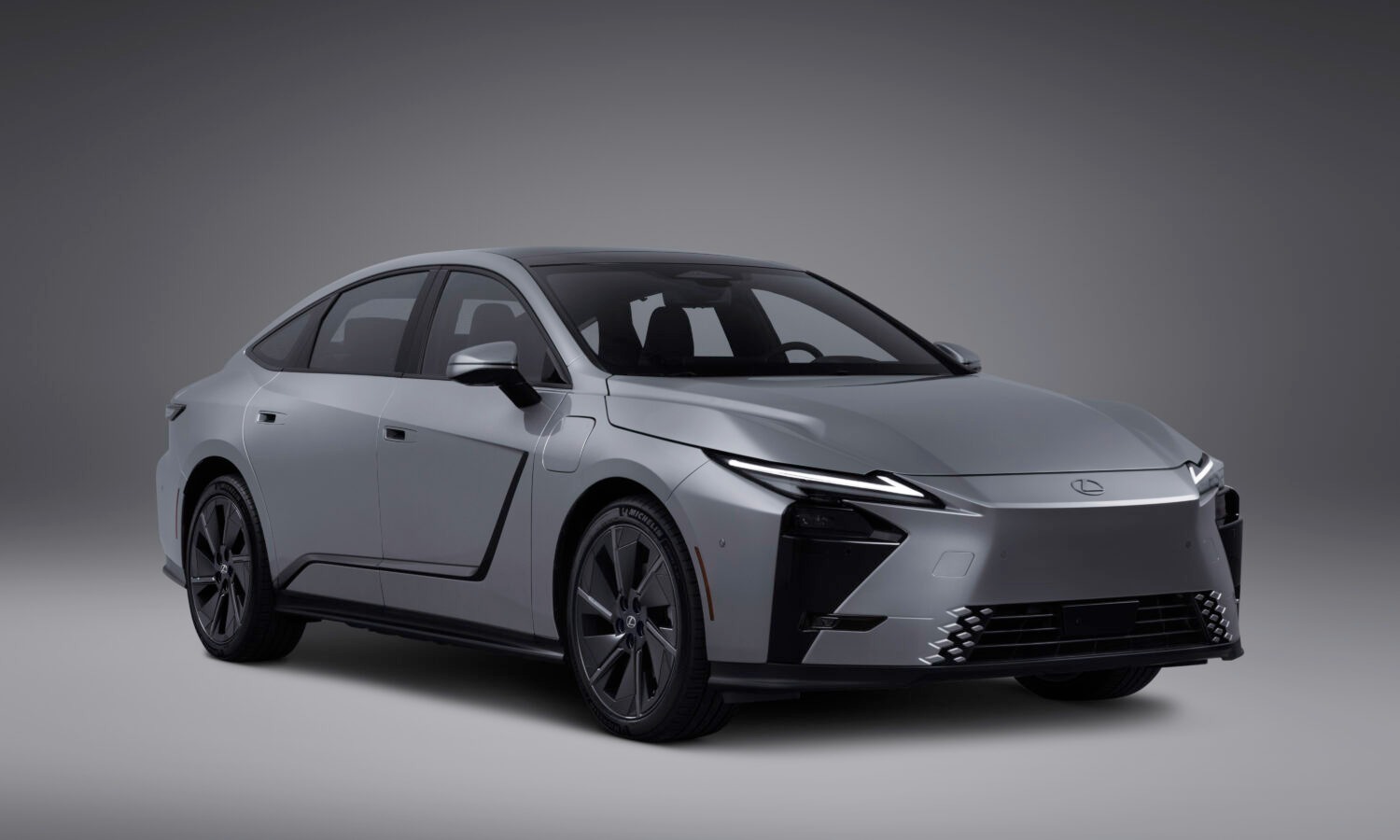
The Lexus ES has built a reputation as one of the most dependable luxury sedans on the market. This vehicle combines comfort, performance, and reliability in ways that make it a favorite among drivers who want both luxury and peace of mind. When properly maintained, the ES can serve its owners faithfully for decades, often reaching well beyond 200,000 miles with minimal major repairs.
The secret to achieving this remarkable longevity lies in understanding the specific maintenance needs of your ES and addressing them proactively. Many owners make the mistake of treating their luxury sedan like any regular car, but the ES has unique requirements that, when met, can extend its life well beyond what most people expect from any vehicle.
Preventive maintenance becomes the foundation of long-term reliability. Rather than waiting for problems to develop, smart ES owners focus on addressing potential issues before they become expensive repairs. This approach not only saves money but also ensures that the vehicle continues to perform at its best throughout its lifetime.
The following ten maintenance strategies have been proven effective by ES owners who have successfully kept their vehicles running strong for decades. These methods go beyond basic oil changes and tire rotations to address the specific systems and components that tend to need attention as the ES ages. Each strategy targets common failure points while maximizing the return on maintenance investment.
Understanding these maintenance priorities helps owners make informed decisions about their vehicle care. The ES rewards careful attention with exceptional reliability, but it requires owners who understand its needs.
By implementing these ten smart fixes, ES owners can expect their vehicles to deliver the same smooth, quiet, and dependable performance for many years to come.
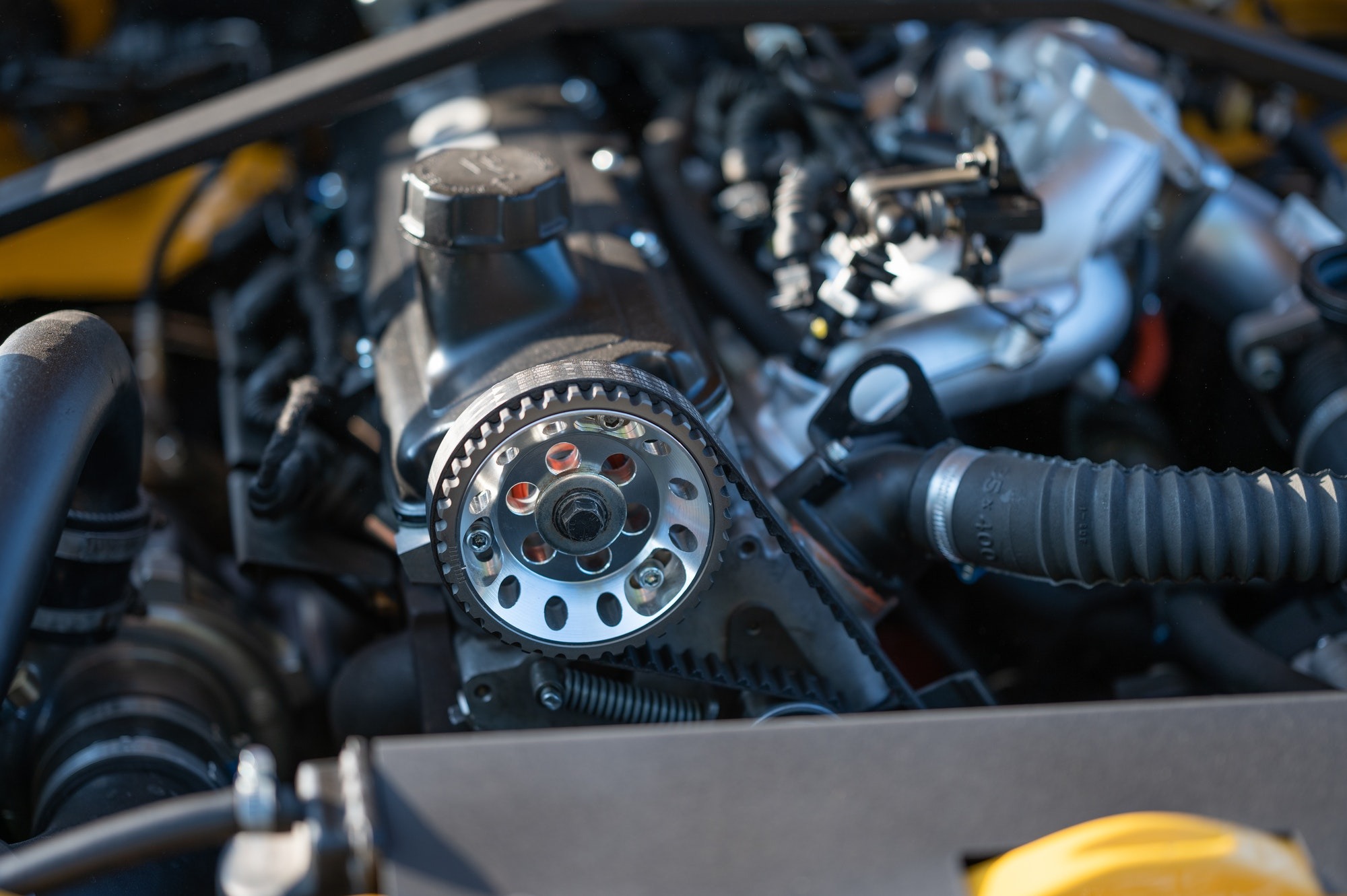
1. Master the Art of Timing Belt and Water Pump Replacement
The timing belt system represents one of the most critical maintenance items for ES models equipped with interference engines. This rubber belt synchronizes the movement of pistons and valves, preventing them from colliding and causing catastrophic engine damage. When the timing belt fails on an interference engine, the resulting repairs can cost more than the vehicle’s value.
ES owners must understand their specific engine type and timing belt interval. Most ES models require timing belt replacement every 90,000 to 100,000 miles, but this interval can vary based on driving conditions and engine type. Severe driving conditions, including frequent stop-and-go traffic, extreme temperatures, or dusty environments, may require earlier replacement.
The water pump replacement should always accompany timing belt service. Since accessing the water pump requires removing the timing belt, replacing both components simultaneously saves labor costs and prevents future problems. Water pumps typically last longer than timing belts, but when they fail, they can damage the new timing belt and require the entire job to be repeated.
Professional timing belt replacement involves more than just the belt itself. The complete service includes replacing the belt tensioner, idler pulleys, and associated seals. These components work together to maintain proper belt tension and alignment. Failing to replace worn tensioners or pulleys can cause premature belt failure, defeating the purpose of the maintenance.
Timing belt replacement requires specialized tools and expertise. The procedure involves precise timing marks that must be aligned correctly to ensure proper engine operation. Incorrect installation can result in poor performance, engine damage, or complete failure. This maintenance item should always be performed by qualified technicians who understand the specific requirements of ES engines.
Early warning signs of timing belt problems include squealing noises from the engine bay, visible cracks or fraying on the belt, or metal shavings near the timing cover. However, timing belts can fail without warning, making scheduled replacement the only reliable prevention method. ES owners should never delay this critical maintenance once the recommended interval is reached.
2. Implement Strategic Transmission Fluid Management
Automatic transmission fluid serves multiple functions in the ES transmission system, acting as a lubricant, coolant, and hydraulic medium. Proper fluid management extends transmission life and prevents costly repairs that can easily exceed several thousand dollars. The key lies in understanding when and how to service the transmission fluid properly.
Many ES models come with so-called “lifetime” transmission fluid, but this designation applies only under ideal driving conditions. Real-world driving, especially in city traffic, extreme temperatures, or mountainous terrain, breaks down transmission fluid much faster than manufacturer testing suggests. Smart ES owners replace transmission fluid every 50,000 to 60,000 miles regardless of manufacturer recommendations.
The method of fluid change makes a crucial difference in transmission longevity. Simple drain-and-fill services only replace about one-third of the total transmission fluid. The remaining fluid, trapped in the torque converter and cooling lines, continues to contaminate the fresh fluid. Complete transmission fluid exchanges, using specialized equipment to flush the entire system, provide much better results.
Transmission fluid condition tells the story of transmission health. Fresh fluid appears bright red and flows smoothly. As it ages, the fluid darkens and develops a burnt smell, indicating internal component wear and oxidation. Black, thick, or burnt-smelling fluid suggests immediate attention is needed to prevent transmission failure.
ES transmissions benefit from using the exact fluid specification recommended by Lexus. Generic or incorrect fluids can cause shifting problems, seal damage, and premature wear. The small cost difference between correct and generic fluid becomes insignificant when compared to transmission replacement costs. Always verify fluid specifications before service.
Temperature management plays a crucial role in transmission fluid life. ES models equipped with transmission coolers experience longer fluid life and better transmission durability. Owners who frequently tow, drive in mountainous areas, or experience hot climates should consider auxiliary transmission cooling to extend fluid and transmission life.
Regular transmission service intervals become even more important as the ES ages. Older transmissions with higher mileage require more frequent fluid changes to maintain proper operation. Establishing a consistent service schedule and maintaining detailed records helps identify patterns and prevent unexpected failures.
Also Read: 9 Tricks That Keep a Lexus RX Cabin Comfortable for 15 Years
3. Perfect Your Engine Oil Analysis Program
Engine oil analysis provides detailed information about engine condition and helps optimize oil change intervals for maximum engine protection. This diagnostic tool, commonly used in commercial applications, offers tremendous value for ES owners committed to long-term vehicle reliability. Proper oil analysis can predict problems months before they become serious issues.
The analysis process involves sending a small oil sample to a laboratory for detailed testing. Results include information about wear metals, contamination levels, additive depletion, and oil condition. This data reveals which engine components are wearing, whether the oil is performing properly, and how long the current oil can continue protecting the engine.
Establishing baseline data requires several consecutive oil samples from the same engine using the same oil type. This baseline helps identify trends and abnormal readings that might indicate developing problems. Single oil analyses provide limited value, but trending data as time goes on reveals important information about engine health and oil performance.
ES engines typically show predictable wear patterns in oil analysis results. Iron levels indicate cylinder and piston ring wear, while copper and lead suggest bearing wear. Aluminum readings can point to piston or engine block wear. Understanding these markers helps owners make informed decisions about maintenance timing and repair priorities.
Oil analysis results help optimize change intervals for individual driving patterns. Some ES owners discover they can safely extend oil change intervals, while others learn their driving conditions require more frequent changes. This personalized approach to maintenance ensures adequate protection while avoiding unnecessary service expenses.
Contamination readings in oil analysis reveal important information about engine condition. Fuel contamination might indicate injector problems or incomplete combustion. Coolant contamination suggests head gasket or cooling system issues. Water contamination can point to condensation problems or external leaks. Early detection of these issues prevents major engine damage.
The investment in oil analysis pays dividends through extended engine life and reduced repair costs. ES engines that receive oil changes based on actual condition rather than arbitrary intervals typically last longer and experience fewer problems. This scientific approach to maintenance eliminates guesswork and provides peace of mind.
4. Establish Comprehensive Cooling System Maintenance
The cooling system maintains proper engine temperature and prevents overheating damage that can destroy an ES engine within minutes. This difficult system includes the radiator, water pump, thermostat, hoses, and various sensors that work together to regulate engine temperature. Proper cooling system maintenance prevents expensive engine repairs and ensures reliable operation.
Coolant replacement intervals become critical as the ES ages. Most ES models use long-life coolant that requires replacement every 100,000 miles or ten years. However, coolant breaks down faster under severe driving conditions, including extreme temperatures, frequent towing, or stop-and-go driving. Visual inspection of coolant condition helps determine actual replacement needs.
The cooling system flush procedure removes old coolant, scale deposits, and contamination that accumulate as time goes on. Simple drain-and-fill services leave contaminated coolant in the engine block and heater core, reducing the effectiveness of fresh coolant. Complete system flushes ensure all old coolant is removed and replaced with fresh, protective fluid.
Thermostat replacement should accompany major cooling system service. This component regulates coolant flow and maintains proper engine temperature. Failed thermostats can cause overheating or prevent the engine from reaching proper operating temperature. Both conditions reduce engine efficiency and can cause long-term damage. Thermostat replacement is inexpensive insurance against cooling system problems.
Radiator cap replacement often gets overlooked during cooling system service. The radiator cap maintains system pressure and allows coolant expansion during heating cycles. Weak caps reduce system pressure, lowering the coolant boiling point and potentially causing overheating. Cap replacement costs very little but provides important system protection.
Cooling system hoses require regular inspection for cracks, bulges, or soft spots that indicate impending failure. ES models use multiple cooling system hoses that can fail independently. Hose failure can cause immediate coolant loss and engine overheating. Preventive hose replacement prevents roadside breakdowns and potential engine damage.
Temperature monitoring becomes increasingly important as the ES accumulates miles. Owners should watch for temperature gauge changes, cooling fan operation, and coolant level variations. Early detection of cooling system problems prevents minor issues from becoming major repairs.
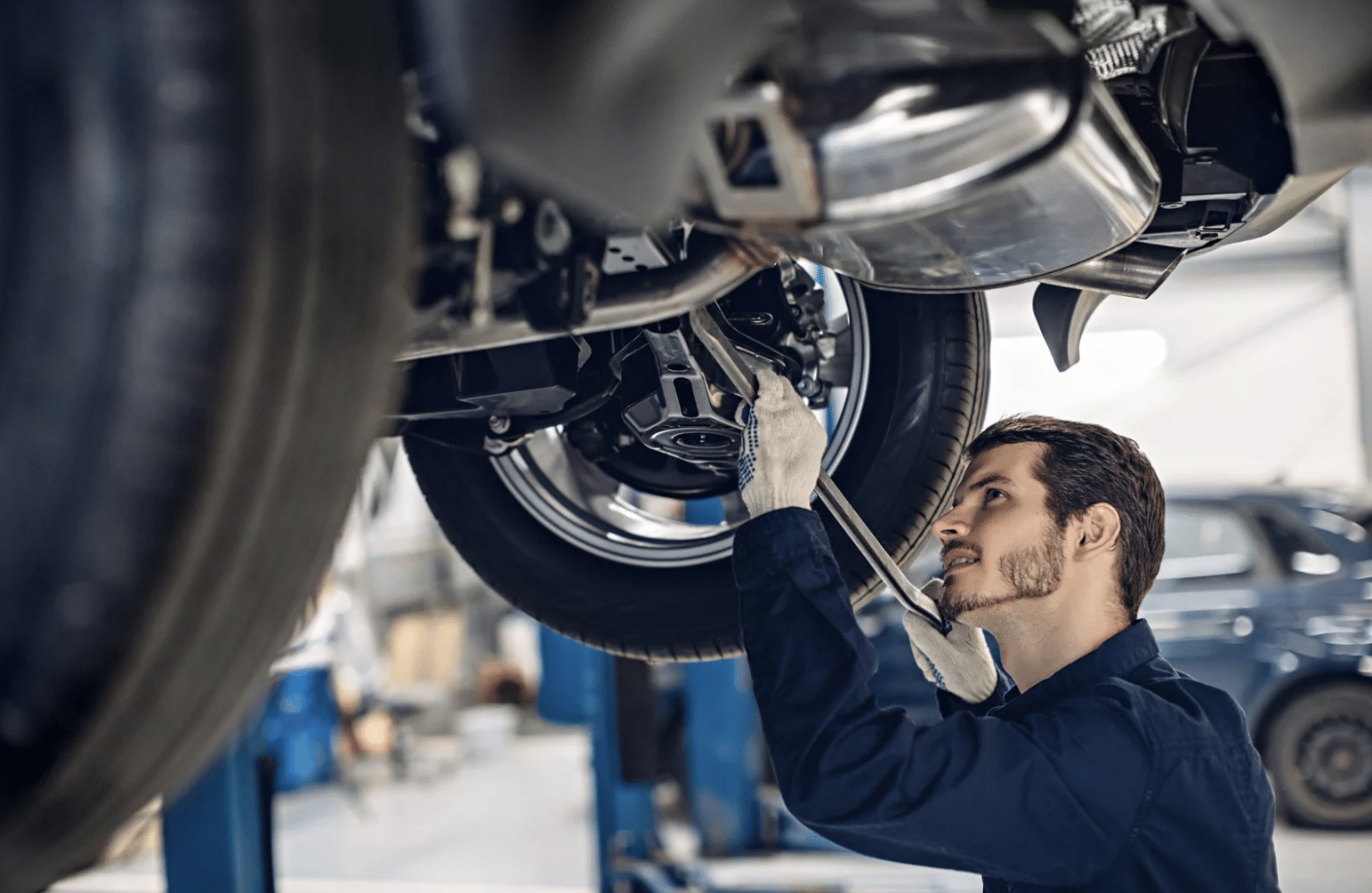
5. Optimize Suspension Component Replacement Strategy
The ES suspension system provides the smooth, quiet ride that defines the luxury driving experience. This system uses multiple components that wear at different rates, requiring a strategic approach to maintenance and replacement. Understanding how suspension components interact helps owners make cost-effective repair decisions that maintain ride quality.
Shock absorbers and struts deteriorate gradually, making wear difficult to detect through daily driving. Most ES owners don’t notice suspension degradation until replacement components dramatically improve ride quality. Professional suspension inspection every 50,000 miles helps identify worn components before they affect ride comfort or handling.
Suspension bushings connect various components and absorb road vibrations. These rubber or polyurethane parts wear from age, mileage, and exposure to heat and chemicals. Worn bushings create noise, vibration, and handling problems that worsen after a while. Bushing replacement restores suspension geometry and eliminates annoying squeaks and rattles.
The ES uses sophisticated suspension designs that require proper alignment after component replacement. Incorrect alignment causes tire wear, handling problems, and reduced fuel economy. Professional alignment ensures all suspension components work together properly and maximizes tire life.
Ball joints and tie rod ends experience wear from steering input and road forces. These components affect steering feel and vehicle safety. Worn ball joints or tie rod ends can cause wandering, uneven tire wear, or steering problems. Regular inspection prevents these components from failing and causing dangerous situations.
Suspension component replacement timing affects repair costs and vehicle performance. Replacing related components together reduces labor costs and ensures balanced performance. For example, replacing both front struts simultaneously maintains even ride height and handling characteristics.
ES suspension systems benefit from quality replacement parts that match original specifications. Cheaper aftermarket parts may not provide the same ride quality or durability as original equipment. The small savings on inferior parts become expensive when premature replacement is required.
6. Develop Advanced Brake System Care
The ES brake system requires sophisticated maintenance that goes beyond simple pad replacement. This complicated system includes multiple components that work together to provide safe, reliable stopping power. Proper brake maintenance ensures safety while minimizing repair costs and maximizing component life.
Brake fluid replacement prevents internal component corrosion and maintains proper brake operation. Brake fluid absorbs moisture from the atmosphere, reducing its boiling point and causing internal corrosion. Most ES models require brake fluid replacement every two to three years, regardless of mileage. This simple service prevents expensive brake component failures.
The brake fluid bleeding procedure removes trapped air and contaminated fluid from the entire brake system. Proper bleeding requires specific procedures and equipment to ensure complete air removal. Incorrect bleeding procedures can introduce air bubbles that reduce braking performance and create safety hazards.
ES brake systems use sophisticated anti-lock and stability control systems that require special maintenance considerations. These systems include additional components like pressure sensors, control modules, and hydraulic pumps that can be damaged by improper service procedures. Professional brake service ensures these complicated systems continue operating properly.
Brake rotor maintenance extends component life and maintains smooth braking performance. Rotors should be measured for thickness and inspected for scoring, warping, or cracking during each brake service. Minor rotor issues can often be corrected through resurfacing, while severe problems require replacement.
Caliper maintenance prevents stuck pistons and uneven brake wear. Brake calipers contain pistons that extend to apply brake pressure and retract to release the brakes. These pistons can stick from corrosion or contamination, causing uneven pad wear and reduced braking performance. Regular caliper service prevents these problems.
Brake component quality affects both performance and longevity. ES brake systems require specific pad compounds and rotor materials to function properly. Generic or incorrect brake components can cause noise, vibration, or premature wear. Using correct brake components ensures proper performance and maximum life.
7. Execute Strategic Electrical System Maintenance
The ES electrical system controls numerous vehicle functions and becomes increasingly difficult in newer models. This system includes the battery, alternator, starter, and hundreds of electronic components that require proper maintenance to ensure reliable operation. Electrical problems can be difficult to diagnose and expensive to repair if not addressed promptly.
Battery maintenance prevents starting problems and electrical system damage. ES batteries typically last four to six years, but extreme temperatures, frequent short trips, or electrical accessories can reduce battery life. Regular battery testing identifies weak batteries before they fail and leave owners stranded.
The charging system test verifies that the alternator produces adequate voltage and current to power vehicle systems and charge the battery. Failing alternators can damage expensive electronic components and leave vehicles inoperable. Early detection of charging system problems prevents costly secondary damage.
ES models use sophisticated engine management systems that rely on numerous sensors and actuators. These components can fail from age, contamination, or electrical problems. Proper diagnosis requires specialized equipment and training to identify faulty components without replacing expensive parts.
Electrical connection maintenance prevents intermittent problems and component failures. ES vehicles contain hundreds of electrical connections that can corrode or loosen after a while. These connection problems cause intermittent faults that are difficult to diagnose and can damage expensive electronic components.
Ground connection inspection identifies poor electrical grounds that cause numerous vehicle problems. The ES electrical system relies on multiple ground connections to complete electrical circuits. Corroded or loose ground connections can cause starting problems, lighting issues, or electronic component failures.
Electrical system maintenance requires proper tools and procedures to avoid damaging sensitive electronic components. Modern ES vehicles contain computer-controlled systems that can be damaged by incorrect testing procedures or electrical surges. Professional electrical service protects expensive components and ensures reliable operation.
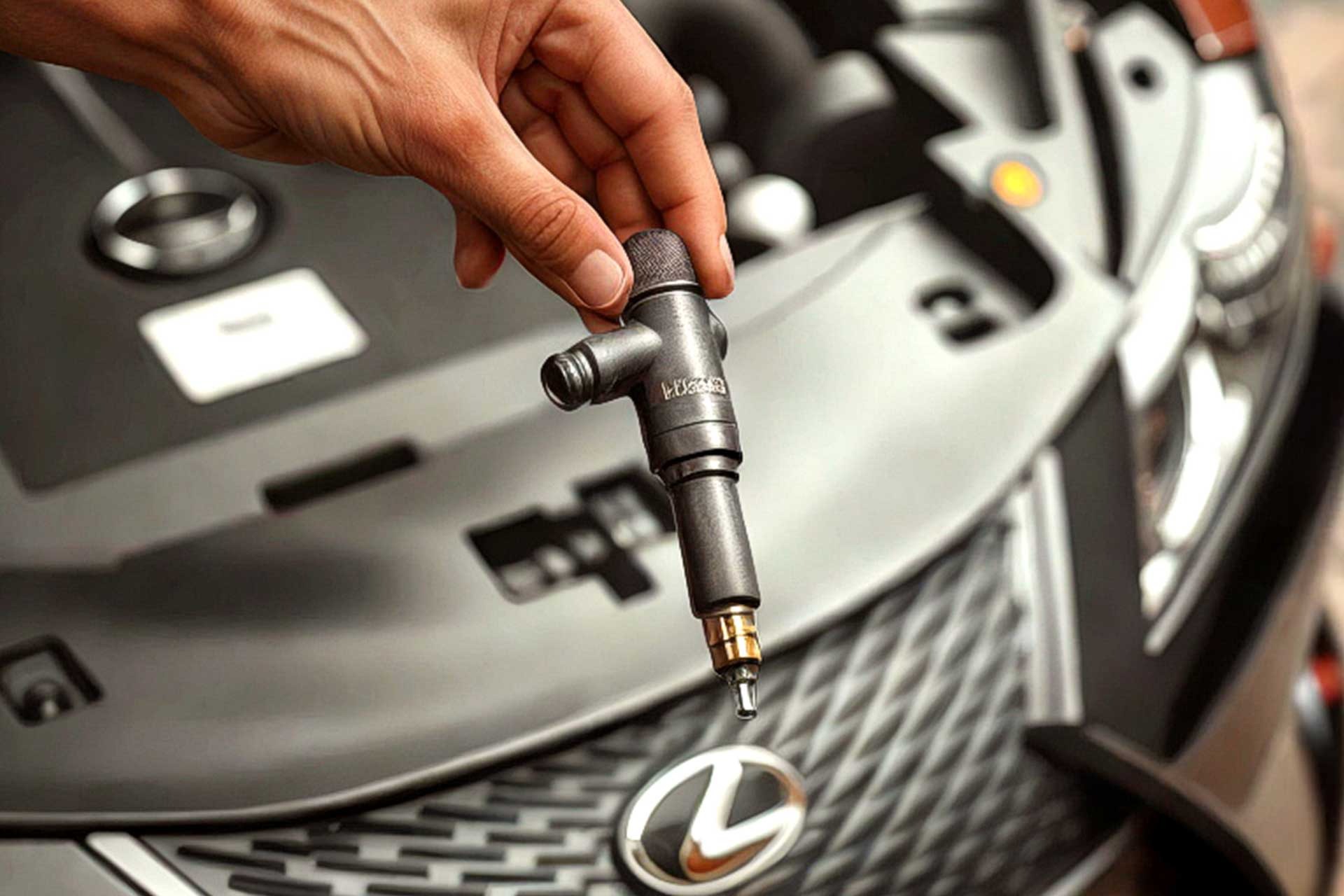
8. Master Fuel System Cleaning and Maintenance
The ES fuel system delivers clean fuel to the engine at precise pressure and volume. This system includes the fuel tank, pump, filter, injectors, and various sensors that work together to ensure optimal engine performance. Proper fuel system maintenance prevents performance problems and extends engine life.
Fuel injector cleaning removes deposits that accumulate from fuel contamination and combustion byproducts. These deposits restrict fuel flow and affect injector spray patterns, reducing engine performance and fuel economy. Professional fuel injector cleaning restores proper fuel delivery and engine operation.
Fuel filter replacement removes contamination before it reaches expensive fuel injectors or engine components. Clogged fuel filters restrict fuel flow and can cause engine performance problems or component damage. Most ES models require fuel filter replacement every 30,000 to 50,000 miles.
The fuel pump assembly includes the pump motor, pressure regulator, and fuel level sender. This assembly operates inside the fuel tank and can be damaged by contamination or running the tank empty. Fuel pump problems cause starting difficulties, performance issues, or complete engine failure.
Fuel system pressure testing verifies that all components operate within specifications. Incorrect fuel pressure can cause poor performance, emissions problems, or engine damage. Pressure testing identifies failing components before they cause secondary damage.
Carbon deposit removal addresses buildup on intake valves and combustion chambers that reduces engine performance and efficiency. Direct injection ES engines are particularly susceptible to carbon buildup that affects airflow and combustion. Regular cleaning maintains engine performance and prevents expensive repairs.
Fuel quality affects system cleanliness and component life. Poor quality fuel contains contamination and fewer detergent additives that keep the fuel system clean. Using quality fuel and periodic fuel system treatments helps maintain system cleanliness and prevents deposit formation.
9. Implement Proactive Drivetrain Maintenance
The ES drivetrain transfers power from the engine to the wheels through multiple components, including the transmission, drive axles, and related systems. These components experience stress and require proper maintenance to ensure reliable operation and prevent expensive failures.
CV joint maintenance prevents drivetrain vibration and component failure. Constant velocity joints allow the drive axles to transfer power while accommodating steering input and suspension movement. Worn CV joints create clicking noises during turns and can fail completely, leaving the vehicle inoperable.
Drive axle boot replacement protects CV joints from contamination and moisture. These rubber boots cover the CV joints and contain lubricating grease. Torn boots allow contamination to enter the joints, causing rapid wear and failure. Boot replacement is much less expensive than CV joint replacement.
Differential service maintains proper lubrication for gear components that distribute power between the wheels. Some ES models include limited-slip differentials that require special lubricants and service procedures. Proper differential maintenance prevents gear wear and ensures smooth operation.
Engine and transmission mount inspection prevents excessive drivetrain movement that can cause vibration, noise, and component damage. Worn mounts allow excessive engine movement that stresses other drivetrain components and creates uncomfortable vibrations. Mount replacement restores proper drivetrain alignment.
Drivetrain alignment ensures all components work together properly and minimizes stress on individual parts. Misalignment can cause vibration, tire wear, and premature component failure. Professional alignment verifies proper drivetrain geometry and corrects any problems.
Universal joint service applies to ES models with rear-wheel drive configurations. These joints transfer power through the driveshaft and require periodic lubrication and inspection. Worn universal joints cause vibration and can fail catastrophically, damaging other drivetrain components.
Also Read: 5 Lexuses With Long Engine Life vs. 5 Models With Early Oil Consumption

10. Develop Comprehensive Interior and Exterior Care
Long-term ES reliability includes maintaining the interior and exterior components that affect comfort, safety, and resale value. These systems include climate control, lighting, trim pieces, and protective finishes that require specific maintenance to preserve their function and appearance.
Climate control system maintenance ensures comfortable cabin temperatures and prevents expensive component failures. The ES uses sophisticated automatic climate control systems that include multiple sensors, actuators, and electronic controls. Regular service maintains system performance and prevents component damage.
Air filtration system maintenance improves cabin air quality and protects climate control components. Cabin air filters remove dust, pollen, and other contaminants from outside air entering the vehicle. Clogged filters reduce airflow and can damage blower motors or other climate control components.
Leather and interior trim care preserves the luxury appearance and comfort that ES owners expect. Proper cleaning and conditioning prevent cracking, fading, and premature wear of interior surfaces. Regular care maintains interior appearance and protects resale value.
Exterior paint protection prevents oxidation, fading, and corrosion that can affect both appearance and structural integrity. The ES uses high-quality paint systems that require proper care to maintain their protective properties. Regular washing, waxing, and paint protection extend finish life and prevent corrosion.
Lighting system maintenance ensures proper visibility and safety. ES models use sophisticated lighting systems including LED and HID components that require special service procedures. Proper lighting maintenance prevents premature component failure and maintains safe operation.
Door and window seal maintenance prevents water leaks and wind noise that can affect comfort and cause interior damage. These seals deteriorate from age and exposure to weather conditions. Regular inspection and treatment maintain seal effectiveness and prevent expensive interior damage.
Understanding these ten maintenance strategies helps ES owners develop comprehensive care programs that extend vehicle life and maintain reliable operation for decades. Each strategy addresses specific systems and components that require attention as the ES ages, providing a roadmap for long-term vehicle care that protects both investment and driving satisfaction.
