

The Honda Passport has become a favorite among American drivers who want the reliability of Honda engineering paired with the versatility of a mid-size SUV.
Known for its rugged performance, spacious interior, and dependable V6 engine, the Passport is often seen as a family-friendly vehicle that can handle both city commutes and weekend getaways with ease.
However, like any vehicle, its longevity depends largely on how well it’s cared for. Even a tough and dependable SUV can suffer premature wear if drivers fall into careless routines.
Unfortunately, many owners unknowingly develop habits that shorten the lifespan of their Honda Passport, leading to costly repairs and a reduced resale value.
From neglecting simple maintenance to pushing the vehicle beyond its limits, these mistakes can slowly chip away at its durability.
If you want to enjoy your Passport for 200,000 miles or more, it’s important to recognize and avoid these pitfalls. Let’s take a closer look at eight bad habits that can ruin a Honda Passport too soon.
1. Skipping Oil Changes and Fluid Checks
One of the most common mistakes Honda Passport owners make is neglecting regular oil changes. The Passport’s 3.5-liter V6 engine depends heavily on clean, high-quality oil to keep all moving parts lubricated and running smoothly.
When oil isn’t changed on time, it thickens, loses its protective qualities, and allows harmful deposits to build up. Over time, this can cause engine components to wear down prematurely, leading to reduced performance or even catastrophic engine failure.
In addition to oil, other fluids such as coolant, transmission fluid, brake fluid, and power steering fluid need consistent attention.
Neglecting fluid checks and replacements not only shortens component life but also makes the SUV more prone to overheating, poor shifting, or braking issues.
Sticking to the recommended maintenance schedule in the owner’s manual can prevent these problems and keep the Passport’s engine and transmission healthy for years.
2. Ignoring Transmission Maintenance
The Honda Passport uses a 9-speed automatic transmission in many of its models, and while it’s designed for smooth shifting, it requires proper care.
Unfortunately, some owners assume modern transmissions are maintenance-free. That assumption can be costly. Ignoring transmission fluid changes or driving aggressively can cause the transmission to overheat, slip, or wear down prematurely.
Since replacing or repairing a transmission is one of the most expensive automotive repairs, preventative care is crucial.
Following Honda’s service guidelines for fluid changes and avoiding excessive towing or harsh driving habits will go a long way toward keeping the Passport’s transmission reliable.
3. Overloading the SUV
The Honda Passport is marketed as a rugged SUV, but it still has limits. Many owners overestimate its towing and payload capacities, leading to premature wear.
Overloading the Passport with heavy cargo or towing more than its rated 5,000 pounds puts immense strain on the engine, transmission, brakes, and suspension.
This bad habit doesn’t just accelerate wear it also makes driving unsafe. An overloaded vehicle takes longer to stop, is harder to control, and increases the risk of accidents.
To keep your Passport running smoothly and safely, always respect the manufacturer’s weight ratings and avoid pushing the SUV beyond its intended limits.
4. Neglecting Tire Care
Tires are one of the most overlooked yet essential components of any SUV. Many Passport drivers fail to rotate their tires, ignore alignment checks, or drive on underinflated rubber. These habits not only shorten tire life but also stress the suspension and reduce fuel efficiency.
Driving on worn or improperly inflated tires also affects safety, especially in wet or icy conditions. The Passport, while equipped with available all-wheel drive, still depends on good tire traction to maintain control.
Checking tire pressure monthly, rotating every 6,000 to 8,000 miles, and scheduling alignment checks when needed can make a significant difference in both performance and longevity.
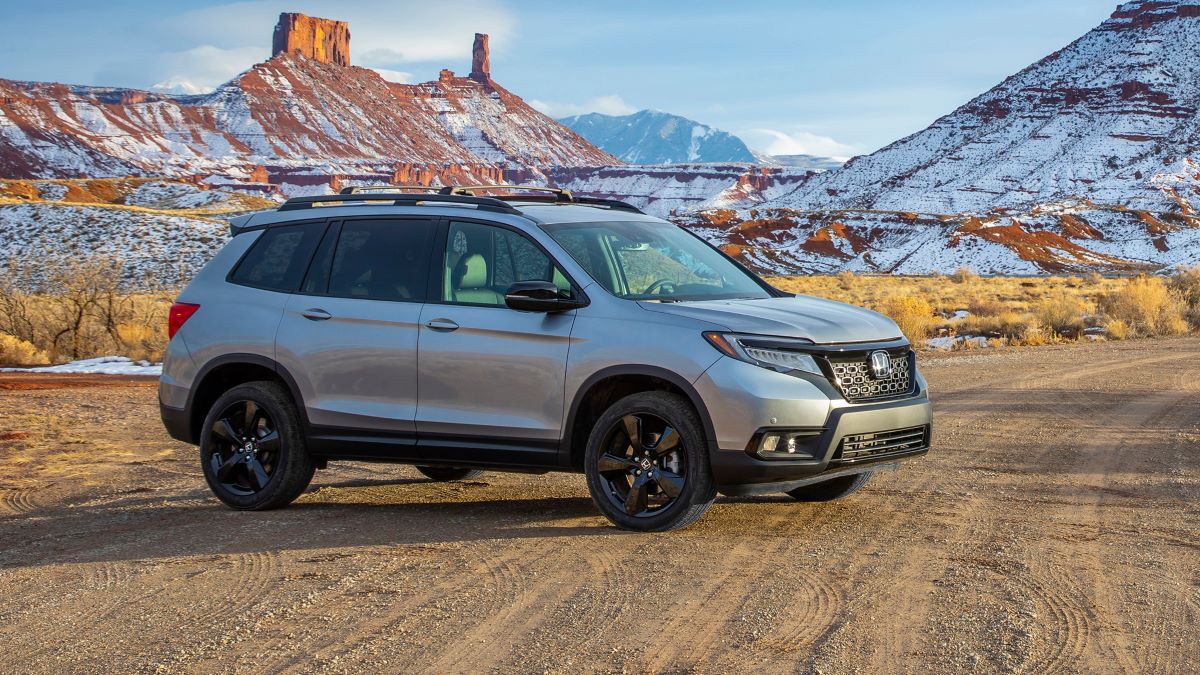
5. Driving Aggressively
SUVs like the Honda Passport are built for comfort and capability, not for constant aggressive driving. Yet many drivers develop habits like rapid acceleration, hard braking, and taking corners at high speeds.
Over time, this driving style puts unnecessary strain on the engine, transmission, suspension, and brakes.
Not only does aggressive driving wear down mechanical parts faster, but it also reduces fuel efficiency and increases the likelihood of accidents.
The Passport’s smooth ride and dependable handling are best preserved when drivers adopt a steady, measured driving style. Avoiding sudden starts and stops will help the SUV remain dependable well into high mileage.
6. Forgetting Brake Maintenance
Brakes are one of the most critical safety systems in any vehicle, yet many Passport owners wait too long before replacing brake pads or checking the system.
Driving with worn-out pads or ignoring squeaking and grinding noises can cause severe damage to rotors and calipers, leading to costly repairs.
Regular brake inspections and timely replacements ensure the Passport’s stopping power remains strong, especially when driving in hilly areas or while towing.
Since the SUV is often used for family trips and long drives, dependable brakes are non-negotiable. Keeping up with brake maintenance is not only smart financially but essential for safety.
7. Ignoring the Check Engine Light
It’s tempting to dismiss the check engine light, especially if the SUV still seems to drive normally. But ignoring warning lights is a serious mistake that many Passport owners make.
That little light could indicate anything from a loose gas cap to a failing catalytic converter or misfiring cylinder.
By ignoring the warning, small problems can escalate into major repairs. For example, a faulty oxygen sensor can reduce fuel efficiency and damage the catalytic converter if left unaddressed.
Using an OBD-II scanner or visiting a mechanic right away ensures minor issues are caught early, saving money and protecting the SUV’s long-term health.
8. Neglecting Seasonal and Preventive Care
Another overlooked aspect of Passport maintenance is preparing the SUV for seasonal changes.
Drivers in colder regions often skip winter prep, such as battery checks, antifreeze top-offs, or swapping to winter tires. In hot climates, ignoring the cooling system and air conditioning service can lead to overheating and discomfort.
Preventive care like washing off road salt, waxing the exterior to prevent paint damage, and keeping the undercarriage clean also play a role in the SUV’s longevity.
Many owners only focus on the engine, forgetting that rust, corrosion, and small exterior issues can also shorten the vehicle’s lifespan.
A little extra care with seasonal and preventive maintenance goes a long way toward keeping the Passport in top condition.
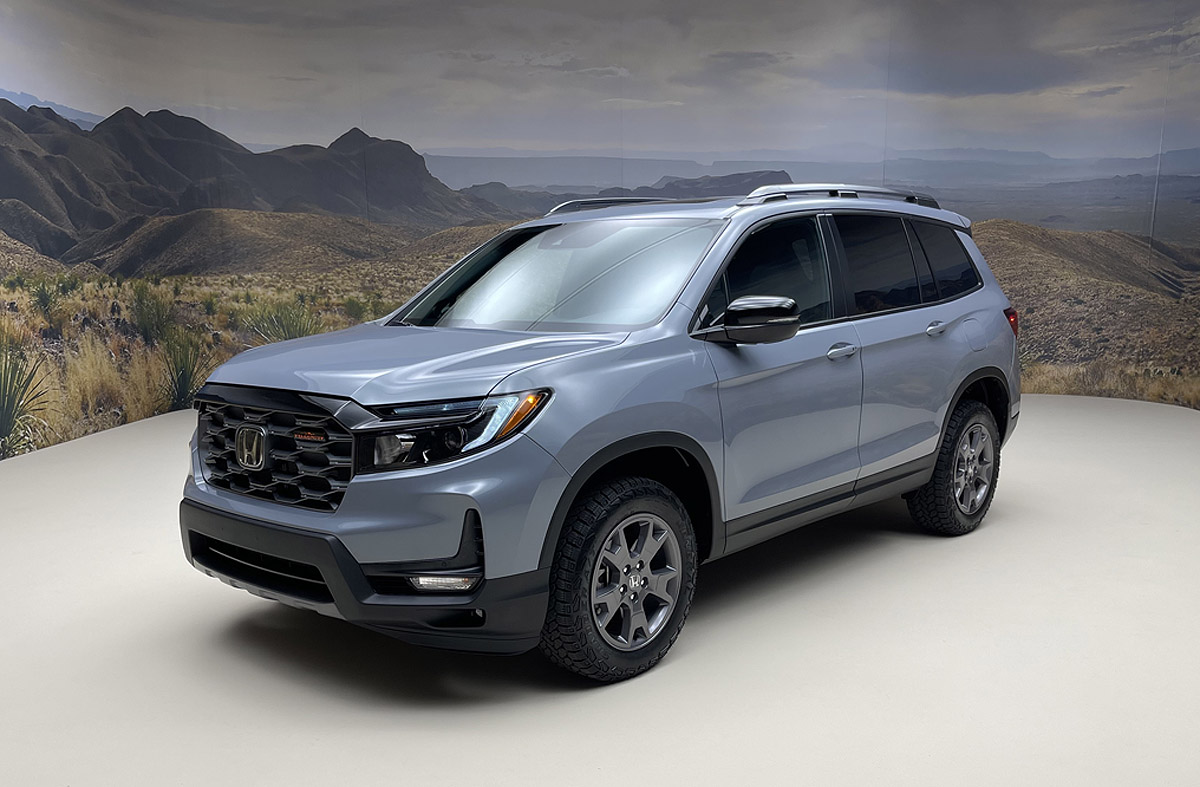
The Honda Passport is designed to be a dependable SUV that can handle both everyday driving and outdoor adventures. However, no vehicle is immune to bad habits that wear it down prematurely.
Skipping maintenance, overloading the SUV, ignoring warning lights, or driving aggressively may not seem like major issues in the short term, but they gradually reduce the Passport’s reliability and lifespan.
For American families who depend on the Passport for road trips, daily commutes, and weekend getaways, investing time and attention in proper care is essential.
By avoiding these eight damaging habits, you can keep your Passport running smoothly for hundreds of thousands of miles, ensuring it remains the reliable companion Honda designed it to be.
