
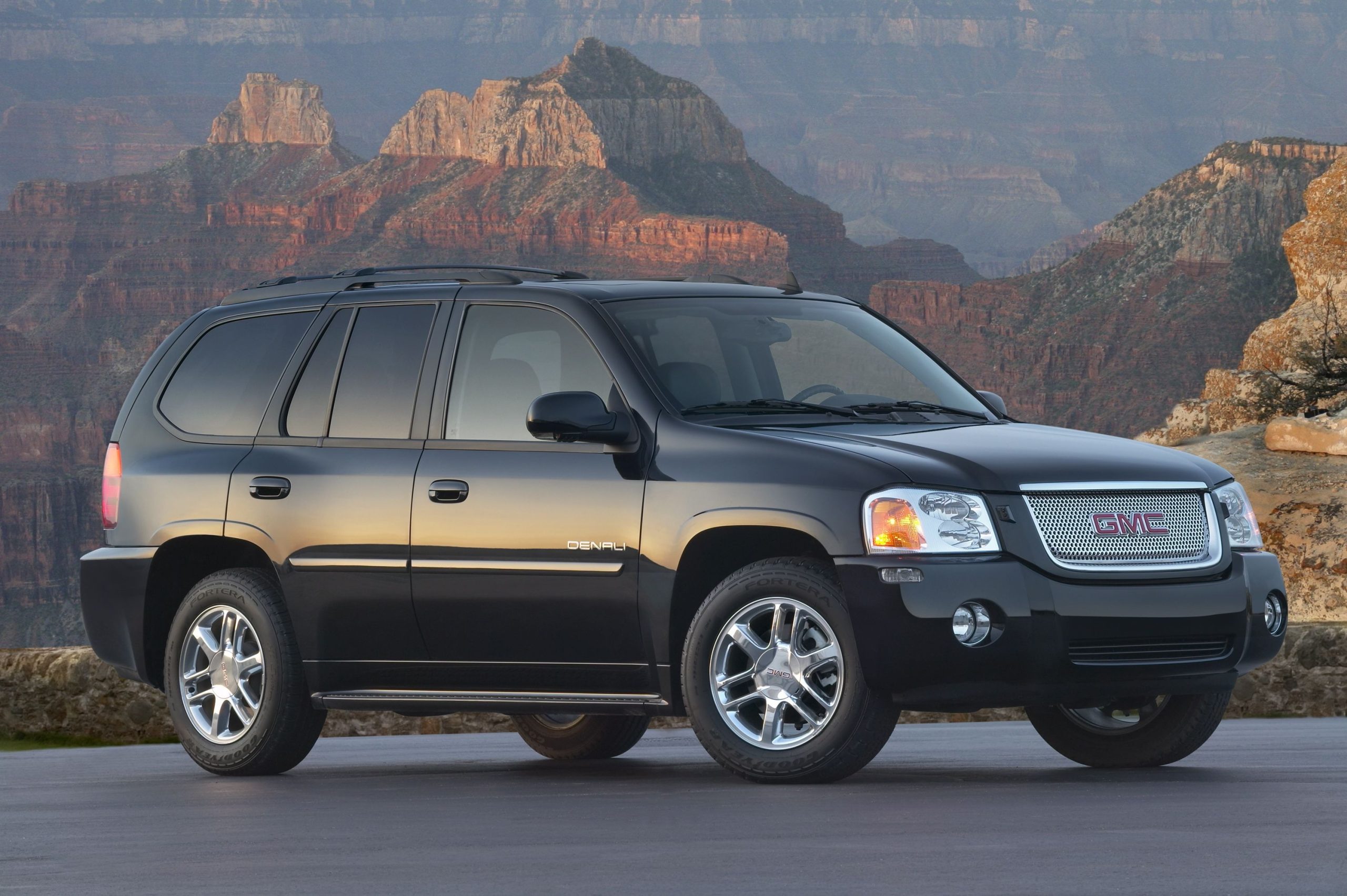
The GMC Envoy stands as one of the most recognizable mid-size SUVs that dominated American roads during its production years from 1998 to 2009. This robust vehicle earned a reputation for delivering dependable performance and offering families the space they needed for daily adventures.
However, like any automobile that has been out of production for over a decade, the Envoy faces unique challenges when it comes to maintaining its market value. Understanding what affects your GMC Envoy’s resale value becomes crucial, whether you plan to sell soon or want to protect your investment for future transactions.
Many owners unknowingly engage in practices that steadily reduce their vehicle’s worth, sometimes costing themselves thousands of dollars when it comes time to trade up or sell. The automotive resale market operates on specific principles that reward well-maintained vehicles while penalizing those showing signs of neglect or poor decision-making.
Your Envoy’s value depends on multiple factors ranging from mechanical condition to aesthetic appeal, maintenance history to modification choices. Each decision you make as an owner either preserves or diminishes what potential buyers will pay.
Some value-draining mistakes happen gradually as time goes on, while others can immediately impact your SUV’s market appeal. Mechanical neglect tops the list of value killers, but cosmetic issues, poor modification choices, and inadequate documentation also play roles in determining final sale prices.
Smart Envoy owners recognize that preservation of resale value requires ongoing attention to detail and strategic decision-making throughout their ownership period. The investment you make in proper care and maintenance will return dividends when you decide to move on to your next vehicle.
By avoiding these nine common pitfalls, you can protect your Envoy’s value and ensure it remains an attractive option for potential buyers in today’s competitive used car market.

1. Skipping Regular Oil Changes and Basic Maintenance
Regular maintenance represents the foundation of vehicle value preservation, yet many GMC Envoy owners fall into patterns of delayed or skipped service intervals that gradually destroy their SUV’s worth. Oil changes stand as the most critical maintenance task, with the Envoy’s engine requiring fresh oil every 3,000 to 5,000 miles, depending on driving conditions and oil type used.
When owners extend oil change intervals beyond manufacturer recommendations, engine components begin suffering from increased friction and heat buildup. This leads to premature wear of pistons, rings, bearings, and other internal parts that are expensive to replace.
Potential buyers often request maintenance records during the purchasing process, and gaps in oil change documentation immediately raise red flags about the vehicle’s care. Beyond oil changes, the Envoy requires regular attention to transmission fluid, coolant, brake fluid, and differential oil.
Each of these fluids serves specific purposes in keeping your SUV running smoothly, and neglecting any one of them can result in costly repairs that dramatically reduce resale value. Transmission problems alone can cost several thousand dollars to repair, often exceeding the vehicle’s total worth.
Air filter replacement might seem like a minor maintenance item, but a dirty filter forces the engine to work harder, reducing fuel efficiency and potentially causing damage to the mass airflow sensor. Similarly, neglecting spark plug replacement can lead to misfires, reduced power output, and catalytic converter damage.
These seemingly small oversights compound as time goes on, creating a cascade of mechanical problems that savvy buyers will either avoid entirely or use as leverage for deep price reductions.
Brake maintenance deserves special attention since the Envoy’s substantial weight puts extra stress on brake components. Worn brake pads can damage rotors, while old brake fluid can lead to brake line corrosion and reduced stopping power.
Suspension components also wear faster on heavier vehicles like the Envoy, and replacing struts, shocks, and bushings represents a serious expense that many buyers prefer to avoid by purchasing a better-maintained example.
2. Ignoring Warning Lights and Diagnostic Codes
Modern vehicles like the GMC Envoy come equipped with sophisticated diagnostic systems designed to alert drivers when problems develop. Ignoring these warning lights and diagnostic codes represents one of the fastest ways to transform minor issues into major repair bills that devastate resale value.
The check engine light serves as your Envoy’s primary communication tool for reporting problems with the engine management system, emissions controls, or related components. When this light illuminates, the vehicle’s computer has detected a malfunction and stored a diagnostic trouble code that can help identify the specific problem.
Ignoring this warning often allows minor issues to escalate into major failures requiring expensive repairs. Common check engine light triggers in the Envoy include faulty oxygen sensors, catalytic converter problems, mass airflow sensor issues, and evaporative emission system leaks.
An oxygen sensor might cost under $200 to replace when caught early, but ignoring the problem can lead to catalytic converter damage that costs over $1,000 to repair. Similarly, a small evaporative emission leak might require only a new gas cap, but continued neglect can necessitate replacement of the entire evaporation system.
Oil pressure warning lights demand immediate attention since continued driving with low oil pressure can destroy the engine within minutes. Temperature warning lights indicate cooling system problems that can cause head gasket failure or engine block cracking if ignored. These catastrophic failures often exceed the vehicle’s total value, making the Envoy essentially worthless except for parts.
Modern car buyers have become increasingly sophisticated about diagnostic procedures, and many will scan a used vehicle for stored trouble codes before making an offer. Even if warning lights are not currently illuminated, stored codes reveal the vehicle’s problem history and can indicate ongoing issues that will require attention.
Vehicles with clean diagnostic systems command higher prices and attract more serious buyers than those showing evidence of neglected warning signs. Professional diagnostic scans cost relatively little compared to the potential problems they can reveal or prevent.
Regular diagnostic checks help identify developing problems before they become expensive repairs, and clearing codes only after addressing underlying issues maintains the vehicle’s diagnostic integrity for future buyers.
Also Read: 10 Tricks That Keep a GMC Envoy Reliable for 300,000 Miles
3. Using Low-Quality or Incorrect Fluids and Parts
The temptation to save money by using cheaper fluids and aftermarket parts often backfires by reducing the GMC Envoy’s reliability and resale value. Your SUV was engineered to operate with specific fluid types and quality levels, and substituting inferior alternatives can lead to premature component failure and reduced performance.
Engine oil quality affects every aspect of engine operation, from lubrication to heat dissipation to cleaning action. Using conventional oil when the manufacturer specifies synthetic can result in increased engine wear, especially in the Envoy’s high-stress applications like towing or mountain driving. Similarly, using oil with incorrect viscosity ratings can cause poor cold-weather starting, reduced fuel economy, or inadequate high-temperature protection.
Transmission fluid represents another critical area where quality matters tremendously. Generic transmission fluids may not provide the same friction characteristics, temperature stability, or additive packages as manufacturer-specified fluids.
This can lead to harsh shifting, slipping, overheating, and premature transmission failure. Transmission repairs often cost more than the Envoy’s total value, making fluid quality a crucial factor in long-term ownership costs.
Coolant chemistry has become increasingly sophisticated, with different manufacturers requiring specific formulations to prevent corrosion and maintain proper heat transfer. Mixing incompatible coolant types or using generic formulations can cause cooling system corrosion, head gasket leaks, and radiator damage.
The Envoy’s aluminum engine components are particularly sensitive to coolant quality, making proper fluid selection essential for long-term reliability. Aftermarket parts vary tremendously in quality, with some offerings matching or exceeding original equipment standards while others provide barely adequate performance.
Brake pads represent a perfect example, where cheap alternatives may wear quickly, create excessive dust, or fail to provide adequate stopping power. Similarly, air filters, spark plugs, and other wear items benefit from using quality components that maintain performance standards throughout their service life.
Potential buyers often inquire about maintenance practices and may request receipts showing what products were used during service intervals. Documentation showing consistent use of manufacturer-specified fluids and quality parts reassures buyers about the vehicle’s care and can justify higher asking prices.
4. Neglecting Exterior and Interior Appearance
Physical appearance plays a tremendous role in determining resale value since potential buyers form immediate impressions based on what they see during initial vehicle inspections. The GMC Envoy’s substantial size means it presents a large surface area that can show wear, damage, or neglect more readily than smaller vehicles.
Paint condition affects resale value more than any other cosmetic factor, with faded, scratched, or damaged paint immediately signaling neglect to potential buyers. The Envoy’s paint can suffer from various environmental factors, including UV exposure, acid rain, tree sap, bird droppings, and road salt.
Regular washing and waxing protect the paint surface, while neglect allows contaminants to permanently etch the finish or cause oxidation that requires expensive professional correction.
Rust represents a particularly serious concern for Envoys, especially those operating in salt-prone environments like coastal areas or regions that experience winter road treatments. Rust typically begins around wheel wells, door frames, tailgate areas, and body panel joints before spreading to more visible locations.
Once rust establishes itself, removal requires professional bodywork that can cost thousands of dollars and may never completely restore the vehicle’s appearance. Interior wear patterns tell the story of vehicle use and care, with seats, carpets, dashboard surfaces, and door panels showing evidence of how the owner treated their Envoy.
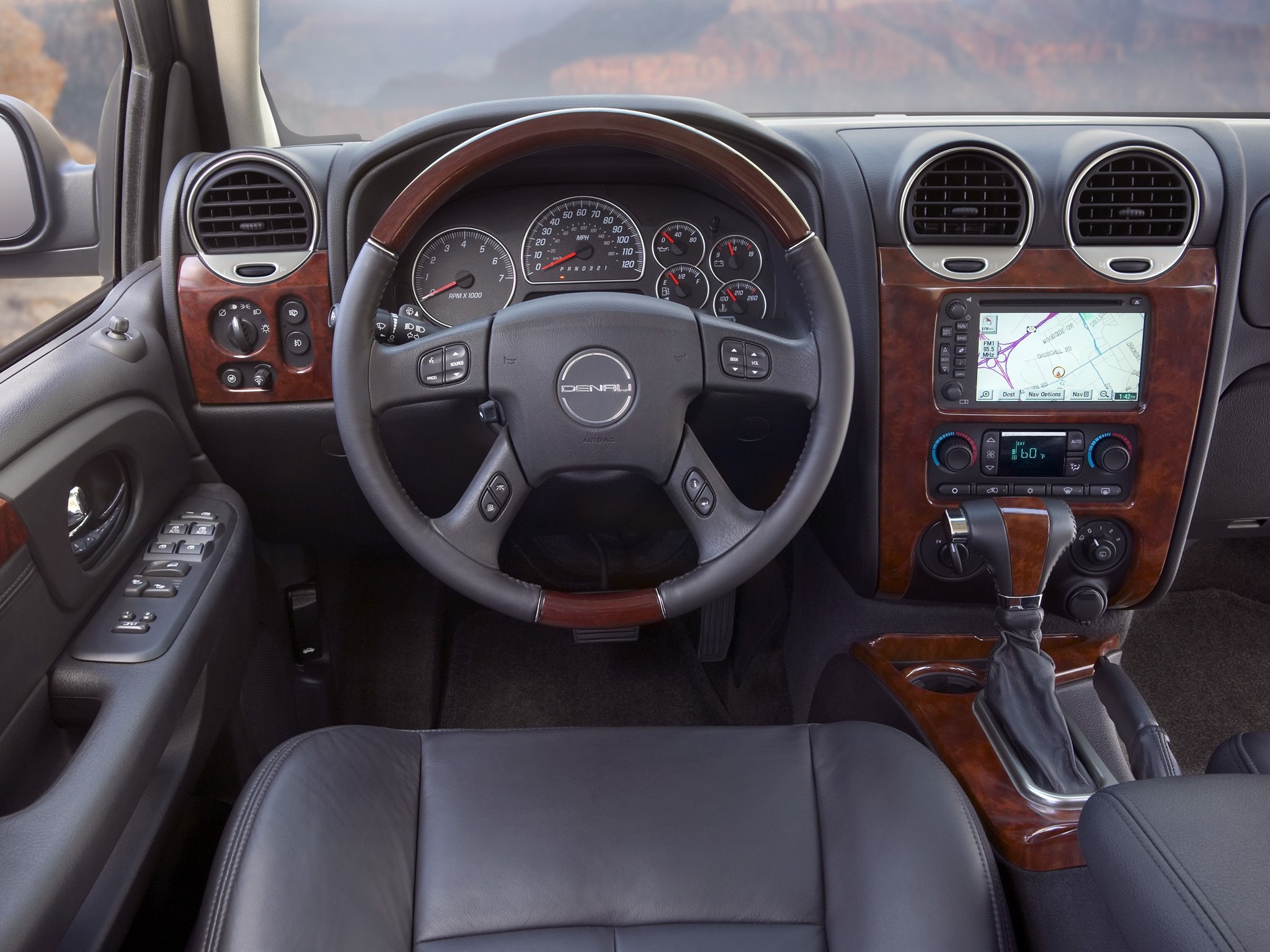
Leather seats can crack, fade, or develop permanent stains without proper conditioning and cleaning. Fabric upholstery can show wear patterns, stains, or odors that are difficult to remove. Dashboard surfaces may crack due to UV exposure or extreme temperatures, requiring expensive replacement to restore appearance.
Wheel and tire condition significantly impacts first impressions since these components are among the first details potential buyers notice. Curb, rash, corrosion, or damage on wheels suggests careless driving or poor maintenance habits.
Worn or mismatched tires indicate alignment problems, suspension issues, or simply poor planning on the owner’s part. Quality tires in good condition suggest careful ownership and can actually enhance the vehicle’s perceived value.
Headlight clarity affects both appearance and safety, with clouded or yellowed lenses making the Envoy look older and less well-maintained than it actually is. Professional headlight restoration or replacement can dramatically improve the vehicle’s appearance for a relatively modest investment.
5. Making Poor Modification Choices
Vehicle modifications can either enhance or destroy resale value depending on their quality, appropriateness, and appeal to potential buyers. Many GMC Envoy owners make modification choices that reflect their personal preferences without considering how these changes will affect future marketability.
Suspension modifications represent one of the most controversial areas of Envoy customization. While some buyers appreciate lifted suspensions for improved ground clearance and aggressive appearance, others view these modifications as indicators of hard use or potential reliability problems.
Lowered suspensions typically appeal to even fewer buyers and can create practical problems with ground clearance and ride quality that limit the vehicle’s versatility. Wheel and tire modifications can dramatically alter the Envoy’s appearance and performance characteristics.
Oversized wheels often look impressive but can negatively impact ride quality, increase tire replacement costs, and make the vehicle more susceptible to pothole damage. Additionally, low-profile tires associated with large wheels typically cost more to replace and may not appeal to practical buyers seeking reliable transportation.
Engine modifications rarely add value to used vehicles and often raise concerns about reliability and potential warranty issues. Cold air intakes, exhaust systems, and engine tuning may improve performance but can also suggest that the vehicle has been driven hard or stressed beyond manufacturer specifications.
Many buyers specifically avoid modified vehicles due to concerns about long-term reliability and unknown modification quality. Interior modifications such as aftermarket stereo systems, seat covers, or dashboard accessories typically fail to add meaningful value and may actually detract from the vehicle’s appeal if they appear cheap or poorly installed.
Professional installations using quality components fare better than obviously amateur efforts, but even professional modifications rarely return their full cost at resale time. Paint modifications, including graphics, color changes, or custom paint jobs, appeal to very limited audiences and often reduce marketability.
Returning the vehicle to stock appearance typically costs more than the modification added to resale value, creating a net loss for the owner. Even high-quality custom paint work rarely appeals to enough buyers to justify its cost.
The key to value-preserving modifications lies in choosing reversible changes that can be easily undone or opting for modifications that have broad appeal across potential buyer demographics. Keeping original components allows future owners to return the vehicle to stock condition if desired.
6. Accumulating Excessive Mileage
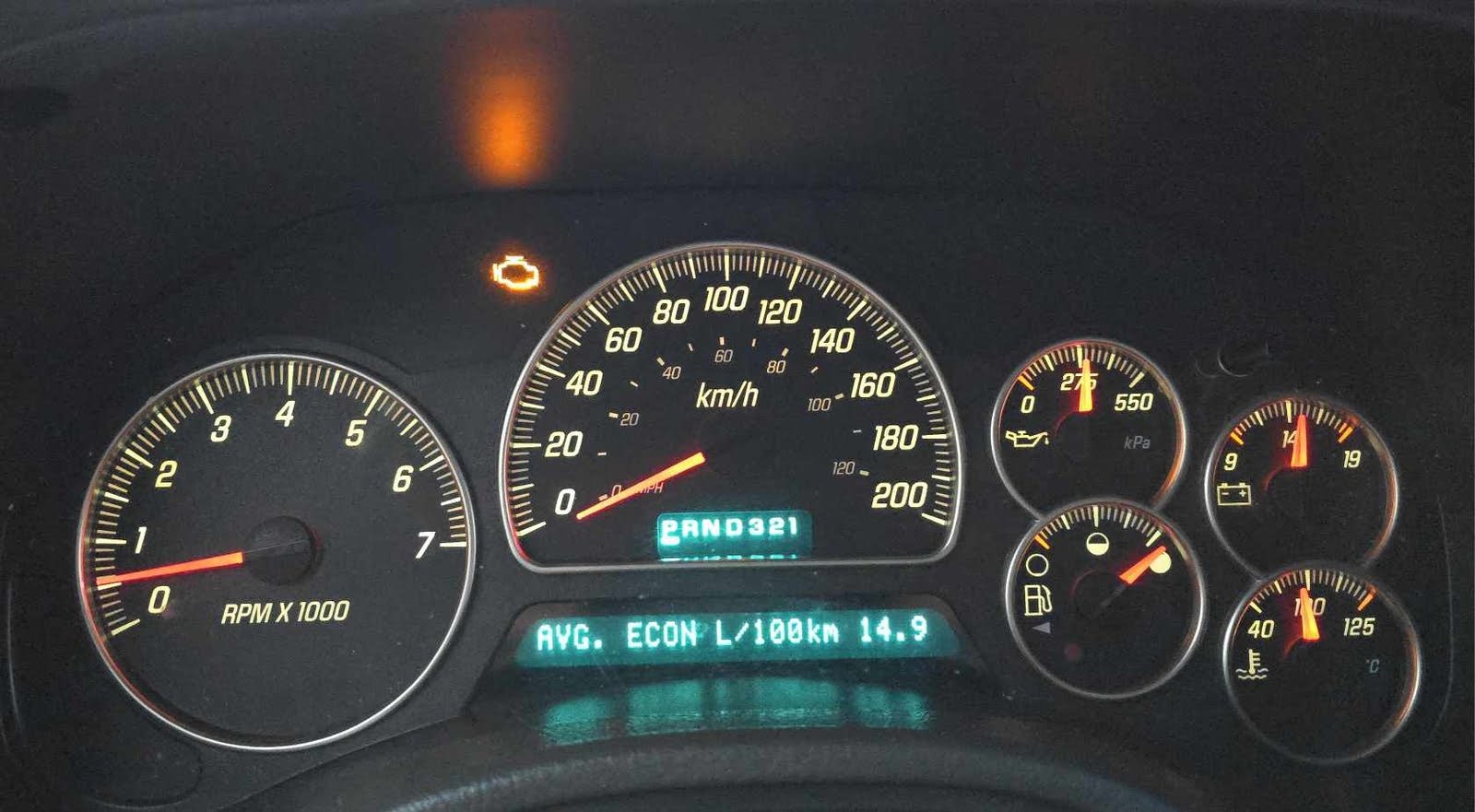
Mileage represents one of the primary factors potential buyers consider when evaluating used vehicles, and the GMC Envoy faces particular challenges in this area due to its age and typical usage patterns. High mileage immediately signals increased wear and reduced remaining service life to prospective purchasers.
The average vehicle accumulates approximately 12,000 to 15,000 miles per year, meaning a 2005 GMC Envoy should show roughly 240,000 to 300,000 miles by 2025. However, many Envoys have accumulated more mileage due to their popularity for long-distance driving, towing applications, and commercial use. Once mileage exceeds certain thresholds, resale value drops dramatically regardless of mechanical condition.
Different mileage categories affect buyer perception and pricing strategies. Low-mileage Envoys with under 150,000 miles command premium prices since they suggest light use and potentially longer remaining service life.
Medium-mileage vehicles between 150,000 and 250,000 miles represent the mainstream market where condition matters more than pure mileage numbers. High-mileage Envoys exceeding 250,000 miles face serious market resistance and typically appeal only to buyers seeking inexpensive transportation or parts vehicles.
Mileage type matters as much as total accumulation, with highway miles generally causing less wear than city driving due to consistent operating conditions and reduced stop-and-start cycles.
However, documenting mileage type proves difficult, leaving buyers to make assumptions based on total numbers and vehicle condition. Towing mileage represents the most demanding service and can cause premature wear, even with proper maintenance.
Certain mechanical components have predictable replacement intervals that correlate with mileage accumulation. Timing belts, transmission services, suspension components, and major engine services typically occur at specific mileage points. Buyers factor these upcoming maintenance costs into their purchase decisions, reducing offers for vehicles approaching major service intervals.
Odometer integrity has become increasingly important as digital systems have made tampering more difficult but not impossible. Buyers often verify mileage through service records, inspection documentation, and vehicle history reports. Discrepancies in mileage reporting can destroy buyer confidence and eliminate serious purchase interest.
7. Skipping Professional Inspections and Repairs
Many GMC Envoy owners attempt to save money by avoiding professional diagnostic services and repairs, instead relying on temporary fixes or ignoring problems entirely. This penny-wise, pound-foolish approach often results in much more expensive repairs later while simultaneously destroying resale value through poor execution and inadequate problem resolution.
Professional diagnostic equipment can identify developing problems before they cause catastrophic failures, allowing for planned repairs at convenient times rather than emergency roadside situations.
The Envoy’s complicated electronic systems require specialized scan tools and software updates that are not available to typical do-it-yourself mechanics. Attempting to diagnose problems without proper equipment often leads to incorrect part replacement and wasted money.
Transmission problems represent a perfect example of why professional service matters tremendously. Transmission fluid changes require specific procedures, fluid types, and diagnostic checks to ensure proper operation.
Attempting transmission service without proper equipment or knowledge can cause shifting problems, overheating, or complete transmission failure. Professional transmission shops have the tools and expertise to properly service these difficult systems while identifying and developing problems before they require complete rebuilds.
Electrical system repairs demand particular expertise since the Envoy’s integrated computer systems can be damaged by improper diagnostic procedures or incorrect repair attempts. A simple alternator replacement might seem straightforward, but modern alternators require specific programming procedures to integrate with the vehicle’s charging system management. Failure to follow proper procedures can cause multiple system failures and expensive computer module damage.
Brake system repairs involve safety-critical components that must function perfectly to protect occupants and other road users. Professional brake service includes proper bleeding procedures, rotor measurement and reconditioning, and system pressure testing that ensure optimal performance.
Amateur brake repairs often result in a spongy pedal feel, reduced stopping power, or premature component wear that compromises safety and reduces resale value. Air conditioning system service requires specialized equipment and refrigerant handling procedures that are regulated by federal law.
Attempting DIY air conditioning repairs can damage expensive components, release harmful refrigerants into the atmosphere, and violate environmental regulations. Professional service ensures proper system operation while maintaining environmental compliance and warranty coverage.
8. Failing to Maintain Proper Documentation
Complete and organized maintenance records serve as proof of proper vehicle care and can impact resale value by demonstrating responsible ownership to potential buyers. Many GMC Envoy owners fail to maintain adequate documentation, missing opportunities to showcase their vehicle’s care and potentially raising questions about hidden problems or neglect.
Service records provide tangible evidence that recommended maintenance has been performed on schedule using appropriate parts and fluids. Buyers can verify that oil changes occurred at proper intervals, major services were completed as recommended, and any problems were addressed promptly and professionally.
Complete records also help buyers anticipate upcoming maintenance needs and budget accordingly for future ownership costs. Warranty documentation becomes increasingly important as vehicles age since it demonstrates that any covered repairs were completed using genuine parts and approved procedures.
Extended warranty paperwork can transfer to new owners, providing additional value and peace of mind. Keeping warranty documents organized and accessible shows attention to detail that buyers appreciate and respect.
Repair receipts tell the complete story of problem resolution and can actually enhance buyer confidence when they show that issues were addressed promptly and thoroughly. A receipt showing professional transmission service or engine repair demonstrates that the owner invested in proper maintenance rather than ignoring problems or attempting inadequate fixes.
Quality repair documentation can justify asking higher prices by proving the vehicle’s condition. Vehicle history reports from services like Carfax or AutoCheck provide independent verification of accident history, flood damage, and other important factors that affect resale value.
Owners who can provide clean history reports alongside their own documentation present a compelling case for their vehicle’s quality and care. Discrepancies between owner claims and history reports can destroy buyer confidence and eliminate serious interest.
Title documentation must be clear, accurate, and properly maintained to facilitate smooth ownership transfer. Liens must be properly released, title transfers must be completed correctly, and any name changes or address updates must be reflected accurately. Title problems can delay or prevent sales while creating legal complications for both buyers and sellers.
Also Read: 10 Fixes That Keep a GMC Sierra HD Ready for Work Forever
9. Choosing the Wrong Time and Method to Sell
Timing and sales methodology impact the final price achieved when selling a GMC Envoy, yet many owners fail to consider these factors when deciding to sell. Poor timing or inappropriate sales channels can cost thousands of dollars in reduced proceeds while creating unnecessary stress and complications during the sales process.
Seasonal factors affect SUV demand patterns, with vehicles like the Envoy typically commanding higher prices during late summer and early fall when buyers prepare for winter driving conditions.
Spring sales often face increased competition from other sellers while buyers focus on smaller, more fuel-efficient vehicles for summer driving. Understanding these patterns helps maximize sale proceeds through strategic timing.
Economic conditions influence used car markets, with recession periods typically reducing demand for larger, less fuel-efficient vehicles like the Envoy. Strong economic conditions and low fuel prices can increase SUV demand and support higher sale prices. Monitoring economic indicators and fuel price trends helps identify optimal selling windows.
Different sales methods serve different purposes and attract different buyer types. Private party sales typically yield the highest proceeds but require more time, effort, and interaction with potential buyers.
Dealer trade-ins offer convenience but usually result in lower proceeds due to dealer profit margins and reconditioning costs. Online platforms, auctions, and consignment services provide middle-ground options with varying levels of convenience and potential returns.
Market research becomes crucial for establishing realistic asking prices that attract serious buyers while maximizing return on investment. Overpricing vehicles relative to market conditions results in extended selling periods, reduced buyer interest, and eventual price reductions that may fall below initial market value.
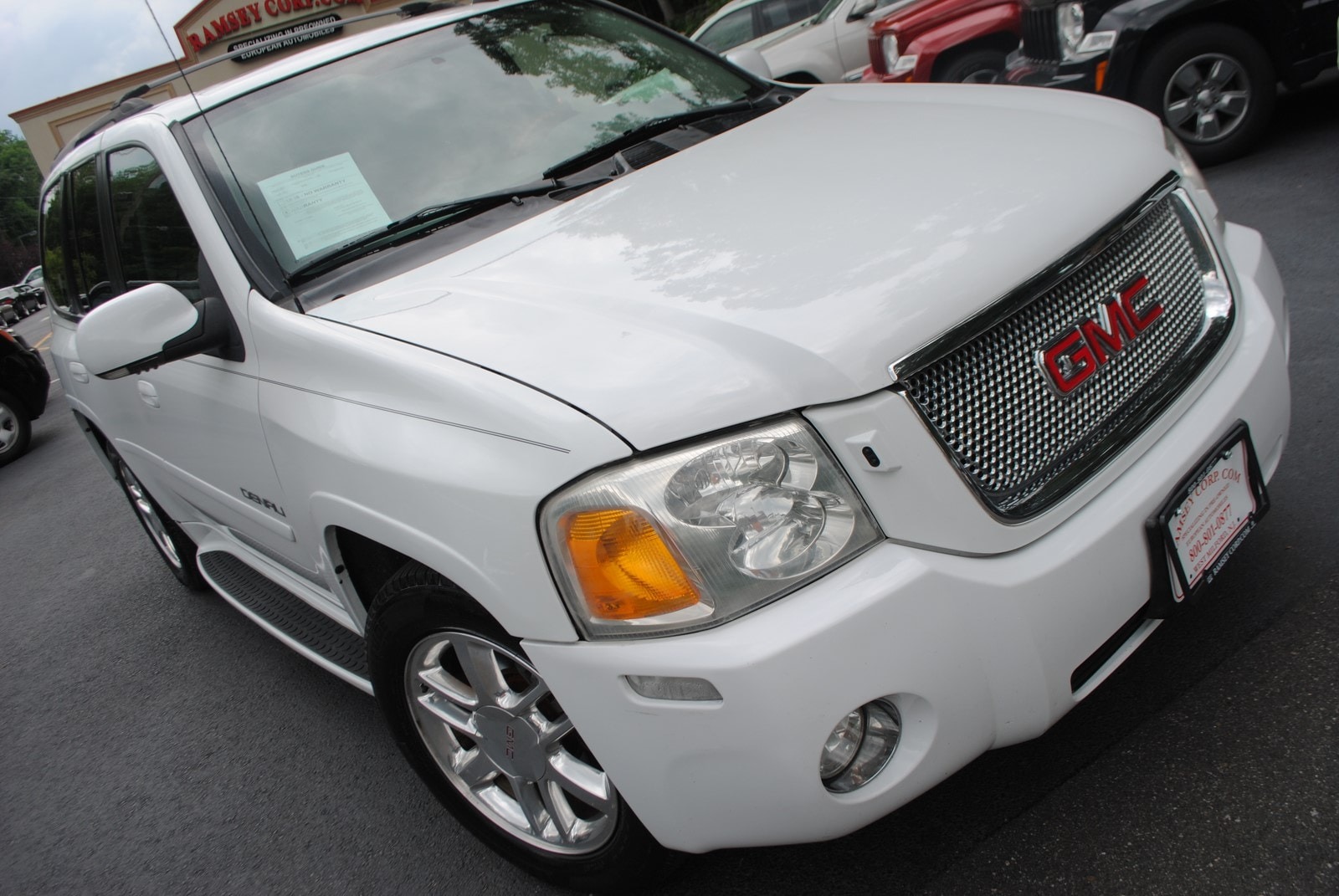
Underpricing sacrifices potential profits while suggesting problems that may not actually exist. Presentation quality affects buyer perception and final sale prices tremendously. Professional detailing, minor repair completion, and high-quality photographs can increase buyer interest and justify higher asking prices.
Poor presentation suggests neglect or hidden problems, reducing buyer confidence and supporting lower offers. The investment in proper presentation typically returns several times its cost in higher sale proceeds.
Marketing strategy determines the pool of potential buyers and influences final sale terms. Comprehensive advertisements with detailed descriptions, multiple photographs, and honest condition disclosure attract serious buyers while filtering out those seeking unrealistic bargains. Poor marketing limits buyer exposure and may attract only bottom-fishing negotiators seeking distressed sales.
