The Kia Soul has carved a unique niche in the automotive world, blending hatchback practicality with quirky, standout styling that appeals to a wide range of drivers.
Over the years, certain model years have risen above the rest, offering reliability, engaging performance, and thoughtful design that keep them relevant even as newer generations arrive.
From its debut in 2010 to the refined third-generation models in 2021, the Soul has consistently delivered a distinctive driving experience while providing value, versatility, and comfort.
These standout years combine durable powertrains, practical interiors, and user-friendly technology with the brand’s signature funky personality, making them sought-after choices in the subcompact segment.
Whether for daily commuting, weekend adventures, or city driving, these Kia Souls prove that age doesn’t necessarily diminish appeal. In this article, we highlight five model years that continue to impress owners and enthusiasts alike for their longevity, reliability, and fun-to-drive character.
5 Kia Soul Years That Never Die
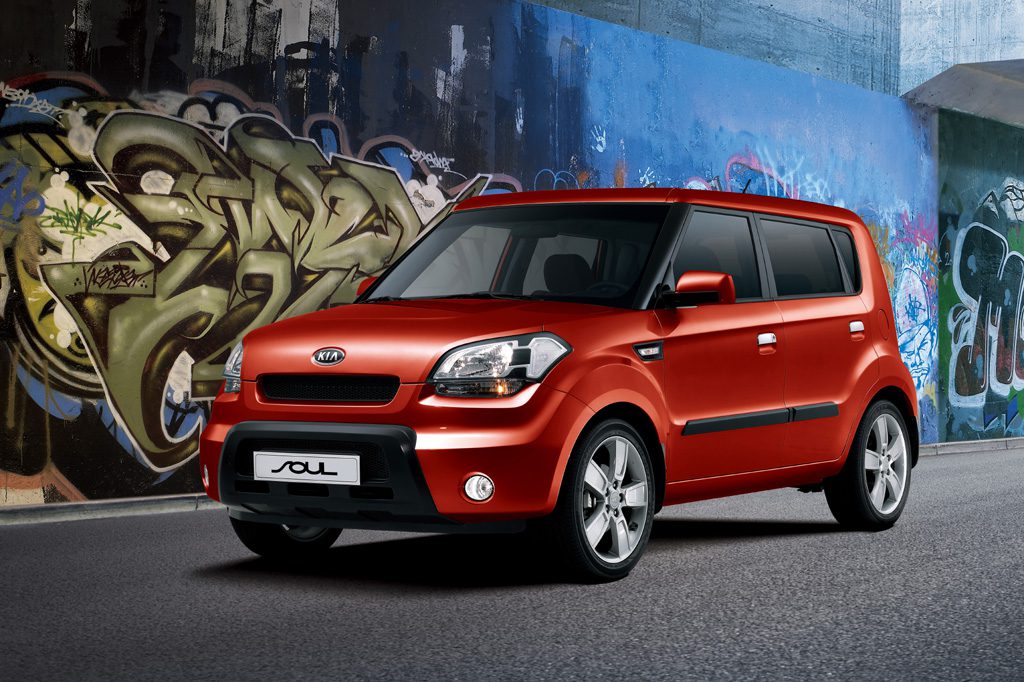
1. 2010 Kia Soul
The 2010 Kia Soul, as the inaugural model of its generation, defied the common trend of first-year recalls and complaints. Unlike many new cars, it recorded only three minor recalls: headliner plate detachment, intermittent stop lamp switch, and wiring harness replacement, with none affecting the powertrain’s reliability.
Complaints were minimal, totaling just 11 on Car Complaints, and were spread across different areas rather than focused on a single problem. This reliability, combined with Kia’s strong warranty and value proposition, provided early owners with a reassuring ownership experience.
The Soul’s debut marked a departure from Kia’s traditionally conservative styling, presenting a vehicle designed to appeal to both practical needs and emotional preferences.
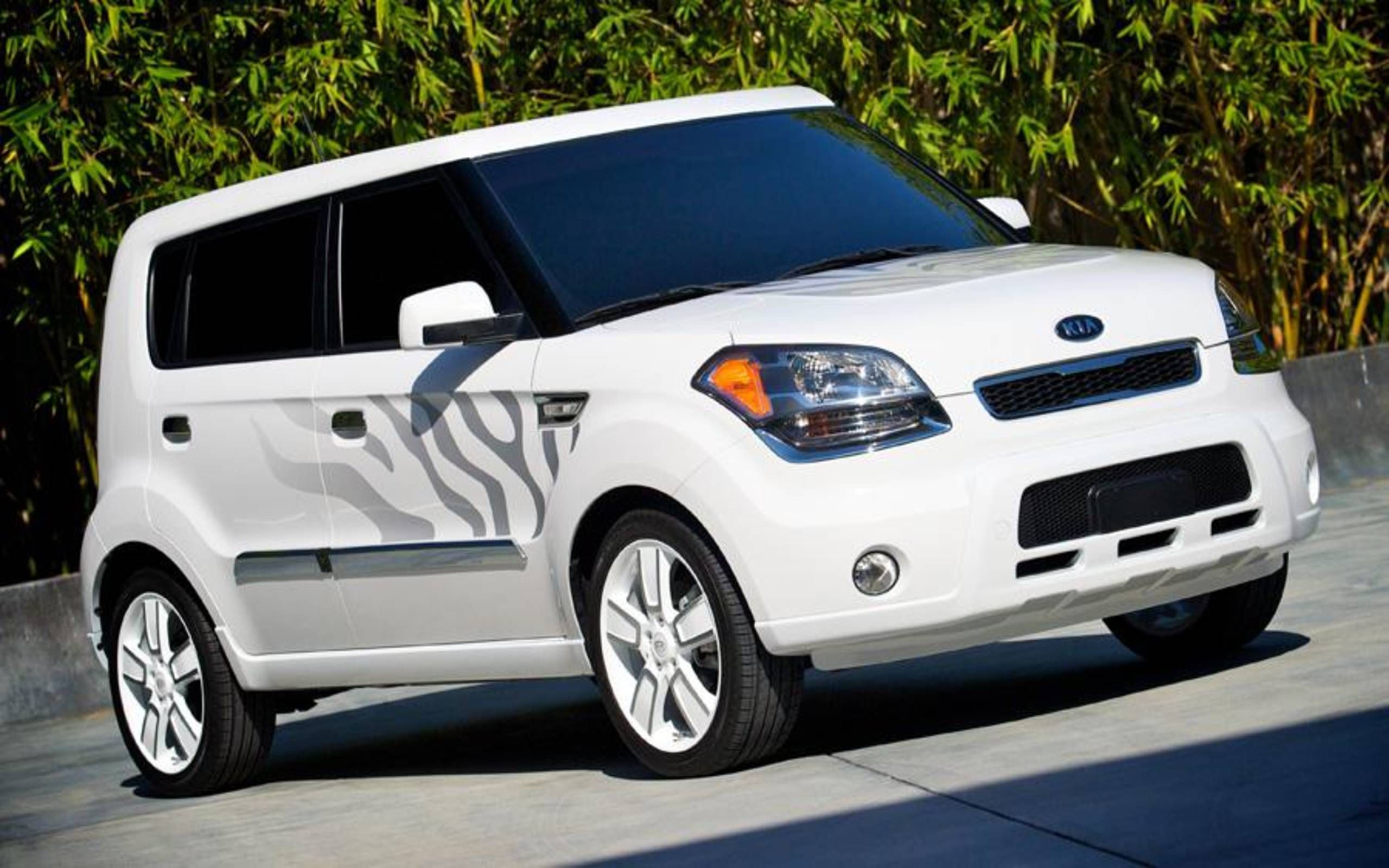
Distinctive styling and interior customization set the Soul apart from its competitors. Its boxy, yet slightly rounded design drew comparisons to the Scion xB but incorporated a more modern, angled greenhouse with blacked-out A-pillars.
The hatchback offered a unique array of exterior colors, including Molten, Java, Shadow, Dune, and Alien, alongside interior options such as houndstooth or glow-in-the-dark upholstery. These design choices made the Soul a standout on the road and reflected Kia’s effort to inject personality into its vehicles.
Inside, two-tone color schemes and a thoughtful layout combined practicality with style, offering easy-to-use controls and a surprisingly spacious cabin for passengers, though cargo capacity was moderate compared to rivals like the Scion xB and Honda Fit.
Under the hood, the 2010 Kia Soul featured either a 1.6-liter four-cylinder engine producing 122 horsepower or a 2.0-liter inline-four with 142 horsepower.
While the base engine was modest and paired only with a five-speed manual, most buyers likely opted for the more powerful 2.0-liter engine, available with a manual or optional four-speed automatic.
Performance was respectable for a small hatchback, with the Soul Sport achieving 0–60 mph in 8.8 seconds. Handling was surprisingly engaging, with the car remaining stable in corners and providing decent feedback, though the ride could feel busy at higher speeds, especially with larger wheels.
Steering was adequate but lacked sharpness, and highway comfort was somewhat compromised by road noise and suspension firmness.
The Soul’s safety and interior design reinforced its appeal as a well-rounded small car. Standard safety features included antilock brakes, stability control, front side airbags, and side curtain airbags, providing a strong safety foundation.
The interior emphasized practicality while incorporating playful elements, including a protruding center stack with simple climate and audio controls, along with ample legroom for passengers.
The tall roofline allowed for a spacious feel, even accommodating elaborate hairstyles, while the rear cargo area, though smaller than some competitors, benefited from the vehicle’s boxy design for larger items.
The 2010 Kia Soul combined quirky styling, functional interior space, reliable performance, and a wealth of features at an attractive price point, establishing itself as a unique and compelling choice in the subcompact hatchback segment.
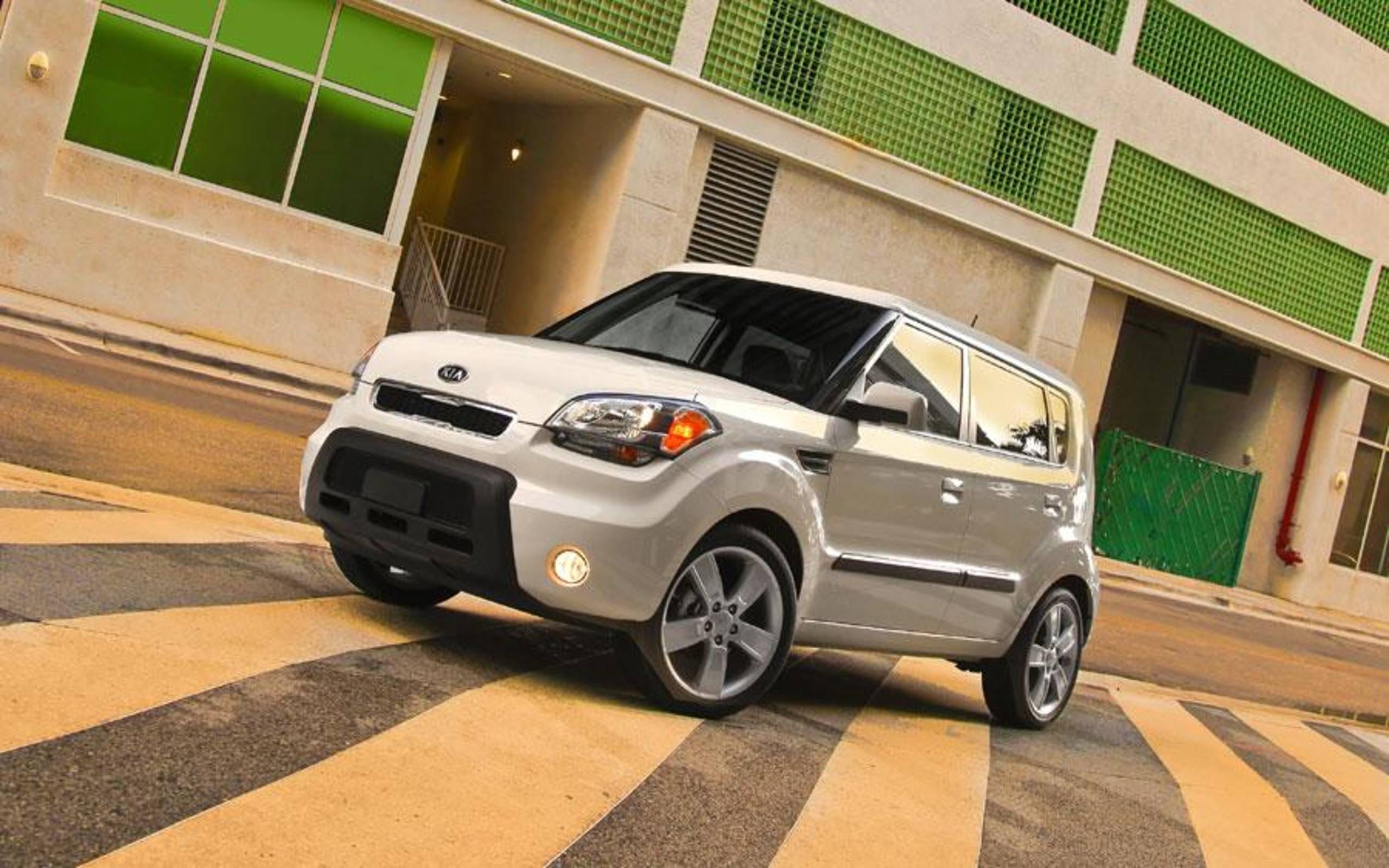
2. 2018 Kia Soul
The 2018 Kia Soul, part of the second-generation “PS” lineup introduced in 2014, is widely considered one of the most appealing model years of this generation. It stands out for its minimal recalls, with just one gas-powered model recall concerning airbag deployment, a critical safety matter, while the 2018 Soul EV shows three recalls.
Reliability remains a strong point for the standard gas version. The Soul continues to blur traditional vehicle categories, blending hatchback practicality with subcompact crossover SUV traits.
It offers an elevated seating position, spacious interior, and enhanced cargo capacity compared with similarly sized competitors, while maintaining a lower price point, making it a trend-setting choice in its segment.
Performance and driving dynamics make the 2018 Soul surprisingly engaging for a boxy, small vehicle. Most drivers find the standard 161-horsepower engine more than sufficient, while the range-topping Exclaim (!) trim offers a turbocharged 201-horsepower engine.
Acceleration is steady and predictable, with sport mode enhancing throttle response, though the dual-clutch automatic can feel hesitant in traffic. Braking is firm and controllable, and the steering provides a good on-center feel with appropriate effort across speeds.
Handling is agile for its size, giving drivers confidence on winding roads, while ride quality is slightly firmer than typical subcompact SUVs but remains comfortable for long drives. Noise levels are moderate, with wind, road, and engine sounds present but not intrusive.
The interior combines practicality with thoughtful design, though it uses a fair amount of hard plastic. Controls are intuitive, well-labeled, and easy to operate, while the taller doors and elevated ride height make entering and exiting effortless.
Passengers benefit from a roomy cabin with ample rear-seat headroom and legroom, enhanced by a panoramic sunroof. Visibility is excellent despite slightly thick rear pillars, and materials and construction exceed expectations for the price, especially in higher trims.
Cargo space reaches 19 cubic feet behind the rear seats and expands to 61 cubic feet with the rear seats folded, providing better capacity than most subcompact SUVs, though not as versatile as some competitors. Storage for smaller items is adequate, if not exceptional.
Technology and driver assistance features further strengthen the Soul’s appeal. Its infotainment system supports Apple CarPlay and Android Auto, with an optional Harman Kardon audio system delivering impressive sound quality.
Touchscreen response is immediate, and controls balance physical buttons with onscreen menus for ease of use. Available driver aids include lane departure warning, blind-spot monitoring, adaptive cruise control, and forward collision warning with automatic emergency braking.
Combined with standard comfort, convenience, and safety features, the 2018 Kia Soul offers a spacious, capable, and stylish package at a price that undercuts most subcompact SUVs, making it an attractive option for buyers seeking value, practicality, and a fun-to-drive vehicle.

3. 2021 Kia Soul
The 2021 Kia Soul, part of the third-generation SK3 lineup introduced in 2020, is widely regarded as one of the most refined and reliable model years of this small SUV. Both the 2020 and 2021 models carry only a single recall concerning improperly heat-treated piston oil rings, which affects engine reliability and could impact up to 147,249 vehicles.
While this issue warrants attention, the 2021 Soul remains highly reliable, with just five complaints recorded on Car Complaints, two of which pertain to the recall. The model also earned a reassuring 88/100 quality and reliability score from J.D. Power, further cementing its reputation as a dependable choice.
Notably, the 1.6-liter turbocharged engine is still available in the 2021 model, offering enthusiasts a peppy option that was later discontinued in the 2023 refresh.
Performance and driving dynamics make the 2021 Soul a surprisingly engaging vehicle for its segment. The standard 2.0-liter engine provides sprightly acceleration for city and suburban driving, while the CVT automatic generally mimics a traditional automatic transmission.
In testing, the Soul achieved 0–60 mph in 8.8 seconds, which is respectable for a small SUV. Steering effort feels natural and responsive, and cornering abilities are better than expected for a boxy vehicle, rivaling sportier subcompacts like the Mazda CX-3.
While braking is slightly touchy and requires smooth modulation, the handling remains confident and composed. Like previous Souls, the 2021 model does not offer all-wheel drive, which may be a consideration for buyers seeking enhanced traction in varied conditions.
The interior of the 2021 Kia Soul emphasizes practicality, comfort, and accessibility. Ergonomics are straightforward, with intuitive touchscreen menus and physical buttons for essential functions.
Tall doors, wide openings, and a generous cabin height make entering and exiting effortless, while the interior provides ample headroom and legroom for four adults, making longer journeys comfortable.
Storage is adequate, with a deep cargo well offering 24.2 cubic feet of space, although folding the rear seats creates a hump that limits full utility. Materials are a mix of durable plastics and faux leather, and the leather-wrapped steering wheel and door trim add a touch of refinement.
Advanced safety features, including forward collision mitigation and blind-spot monitoring, are standard on all trims except the base LX, enhancing occupant protection.
Technology, fuel economy, and its strong value contribute significantly to the 2021 Soul’s appeal. Apple CarPlay and Android Auto come standard, and the available six-speaker audio system delivers clean, balanced sound, though bass response is limited without a subwoofer.
The EPA-rated fuel economy of the CVT-equipped model is 30 mpg combined (27 city/33 highway), slightly better than many competitors, though real-world driving averaged 26.8 mpg.
With a competitive price point, strong warranty coverage, and a thoughtful blend of features, the 2021 Kia Soul offers an attractive package for buyers seeking a practical, stylish, and fun-to-drive subcompact SUV that balances everyday usability with a distinctive personality.
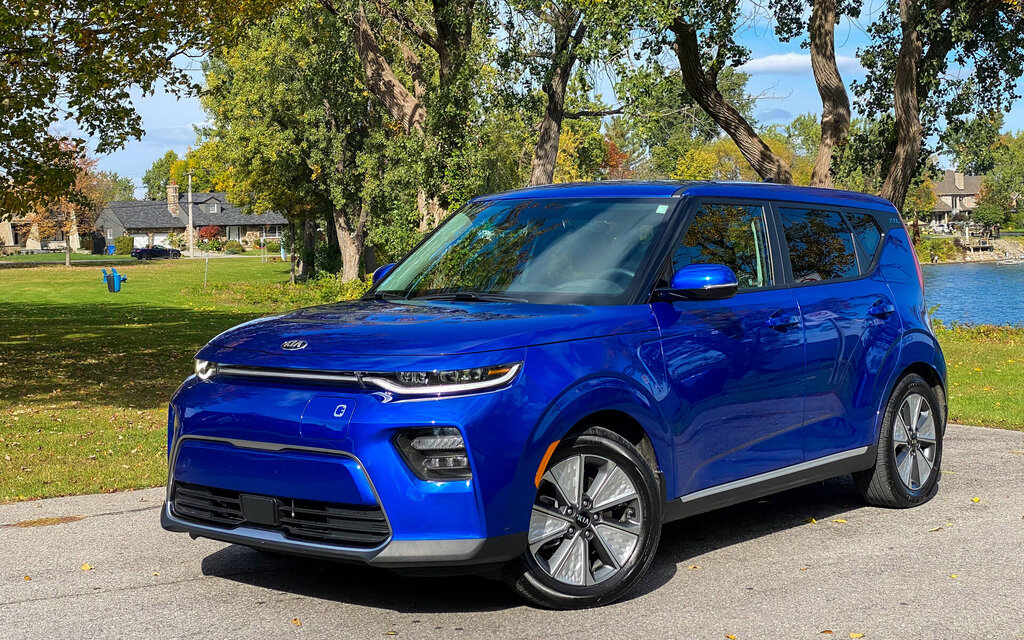
4. 2019 Kia Soul
The 2019 Kia Soul, part of the second-generation lineup introduced in 2014, continues to stand out in the growing subcompact crossover segment. Over the years, the Soul has refined its unique position between hatchbacks and small SUVs, offering a combination of elevated seating, cargo flexibility, and standout style.
For 2019, the model added a few more standard features to the base trim, enhancing value without significantly increasing cost. Kia’s 10-year/100,000-mile warranty remains a highlight, providing long-term peace of mind.
Engine options offer spirited performance, though fuel economy remains average, and all-wheel drive is still unavailable. The Soul’s blend of affordability, practicality, and distinctive design keeps it highly competitive in its class.
Driving dynamics for the 2019 Soul are engaging, particularly for a boxy, subcompact vehicle. The Plus trim’s standard engine delivers more power than most rivals, while the turbocharged Exclaim (!) trim offers exceptional acceleration and spirited performance.
Power delivery is smooth once underway, and sport mode enhances throttle responsiveness. Steering feels balanced, with a good on-center feel at highway speeds, and the car remains stable through corners. Braking is firm and controllable, though aggressive braking requires smooth modulation.
Despite its small footprint, the Soul handles winding roads well, providing a fun driving experience that is accessible even for less experienced drivers. The dual-clutch automatic in the Exclaim trim can be slightly hesitant in stop-and-go traffic, but the Soul’s drivability remains confident and reassuring.
Interior comfort and usability are among the 2019 Soul’s strongest points. Front seats are comfortable even on longer trips, while rear seats offer adequate space for taller passengers. The tall doors and elevated ride height make entering and exiting easy, and the panoramic sunroof enhances the sense of space.
Materials are durable, with well-padded areas where occupants frequently rest their arms. Visibility is excellent despite slightly thick rear pillars, and the cabin feels roomier than many subcompact SUV competitors.
Cargo space is practical, with 19 cubic feet behind the rear seats and up to 61 cubic feet with the rear seats folded, although the fold is not flat. Small-item storage is adequate but not exceptional, with room for essentials but fewer clever solutions compared with some rivals.
Technology and safety features add modern convenience and peace of mind. The Uvo3 touchscreen interface, standard or optional depending on trim, supports Apple CarPlay and Android Auto, and optional Harman Kardon audio delivers strong sound quality.
Navigation is clear and easy to operate, combining physical buttons with touchscreen menus for intuitive use. Advanced driver aids, including lane departure warning, blind-spot monitoring, adaptive cruise control, and forward collision warning with automatic emergency braking, are available on higher trims.
The 2019 Kia Soul combines engaging performance, versatile interior space, robust features, and competitive value, making it a practical yet fun choice in the subcompact crossover segment.
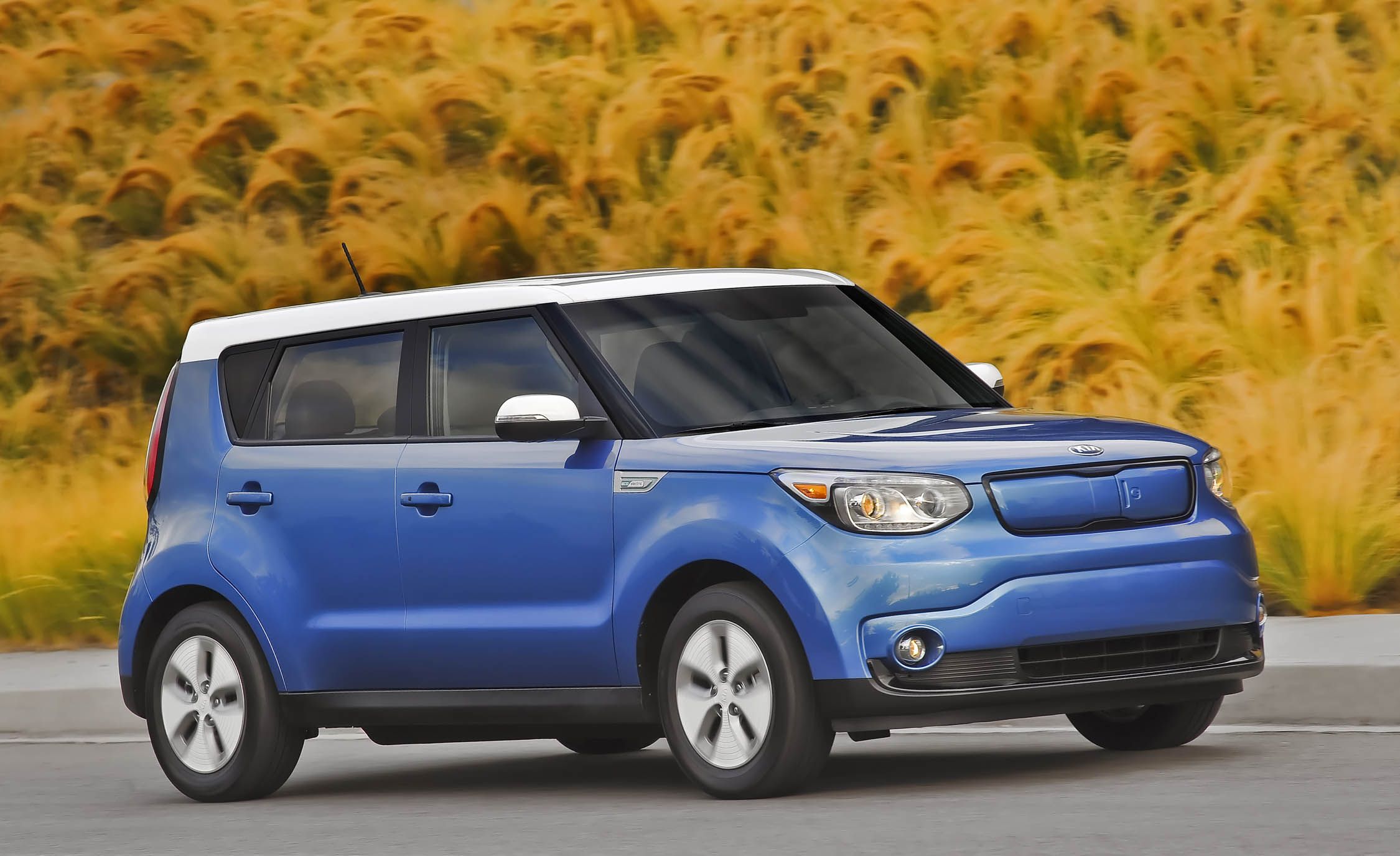
5. 2011 Kia Soul
The 2011 Kia Soul builds on the unique identity established by its first-generation predecessor, offering a mix of quirky styling, practicality, and enhanced features.
Notable updates for the year include new rear shock absorbers and standard rear disc brakes, replacing the previous drum setup, along with minor enhancements such as new door handles, push-button start, a trip computer, and heated outside mirrors.
These improvements refine the Soul’s ride and usability, addressing some of the previous model’s shortcomings while maintaining the vehicle’s distinctive hipster appeal.
With funky trim names like Soul + and Soul !, customizable interiors, and an illuminated speaker surround that pulses with music, the 2011 Soul targets a youthful market without compromising practicality, thanks to its affordable price and generous warranty coverage.
Performance is a strong point for the 2011 Soul, particularly in the higher trim levels. The base model comes with a 1.6-liter four-cylinder engine producing 122 horsepower, while the Sport and upper trims offer a 2.0-liter inline-four with 142 horsepower.
A five-speed manual is standard across the range, with a four-speed automatic available for those preferring ease of use. The Soul Sport with a manual transmission can reach 0–60 mph in 8.8 seconds, offering spirited acceleration for a small car.
Handling is nimble and well-planted in corners, although steering feedback can feel numb and nonlinear.
The revised rear shocks help smooth out the ride on highways, while optional 18-inch wheels enhance style but can introduce some road noise and stiffness over bumps. The Soul balances everyday drivability with engaging performance for a boxy subcompact.
Inside, the 2011 Kia Soul combines practicality with playful design elements. The podlike center stack places essential audio and climate controls within easy reach, while optional two-tone upholstery and colorful accents add a modern, youthful touch.
Space is generous for a small car, with high-mounted seats providing ample legroom and a tall roofline offering plenty of headroom. Cargo capacity behind the rear seats measures 19 cubic feet, expanding to 53 cubic feet when the rear seats are folded flat.
While this falls slightly short of competitors such as the Nissan Cube, Honda Fit, and Scion xB, the Soul’s boxy shape and clever design make it versatile for daily errands and weekend trips. Entry and exit are also easy thanks to tall doors and a slightly elevated ride height.
Safety and practical usability complete the Soul’s appeal. Standard features include four-wheel antilock disc brakes with brake assist, stability control, traction control, front side airbags, side curtain airbags, and active front head restraints.
Although the 2011 model has not yet been rated under the newer government crash standards, previous ratings for the 2010 Soul were strong, with five stars for frontal and side crash protection for front occupants and four stars for rear passengers, along with top scores from the IIHS.
The Soul’s braking performance is solid, stopping from 60 mph in 121 feet in Edmunds testing. Combined with its practicality, roomy interior, youthful design, and spirited driving dynamics, the 2011 Kia Soul stands out among boxy subcompact competitors as a stylish, fun, and functional choice.
Also Read: 5 Cars with Backup Cameras You Can Trust vs 5 That Are Blurry and Useless
5 Kia Soul Years That Die
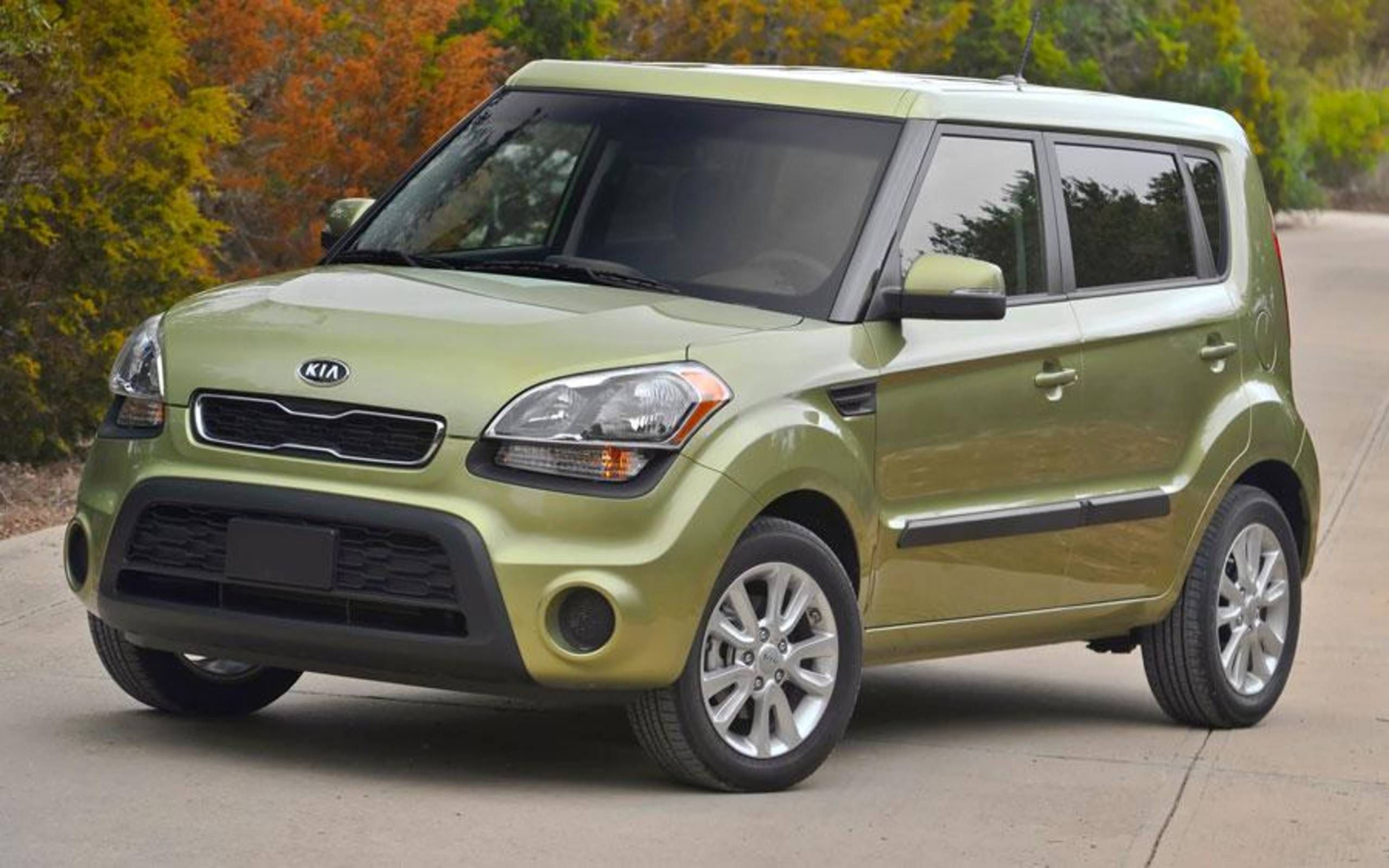
1. 2012 Kia Soul: Clunking Noises and Safety Concerns
The 2012 Kia Soul stands out as a highly problematic year, with 470 complaints reported to the NHTSA. Owners frequently cite body integrity issues, particularly clunking and rattling noises while driving over bumps or turning corners.
This has been a persistent and widespread concern, yet no recall was issued to address it, leaving owners frustrated. The clunking typically occurs when the steering wheel is turned, accompanied by a popping or rattling noise, signaling potential suspension or steering component faults.
Beyond noise complaints, some owners have reported the hood unexpectedly unlatching while driving, posing a serious safety hazard, especially on highways. Although not every car experiences these issues, the frequency and potential severity make the 2012 Soul a year to approach with caution.
While the model maintained the quirky styling and functional interior for which the Soul is known, these mechanical and safety problems overshadow its aesthetic and practical appeal.
For potential buyers or current owners, verifying the vehicle’s condition and being aware of these recurring concerns is essential, particularly regarding the steering, suspension, and hood latching mechanisms. The 2012 Kia Soul demonstrates that even minor-looking mechanical issues can create major safety and reliability concerns.
2. 2013 Kia Soul: Engine Failures Emerge
The 2013 Kia Soul saw a rise in complaints, totaling 495 reports to the NHTSA, with the most critical issue being engine failure. Many owners reported engine problems arising around 85,000 miles, with symptoms ranging from a loud banging noise to complete engine shutdowns.
The standard remedy for these failures is engine replacement, costing upwards of $5,000, a significant expense for owners. Additional complaints included ticking noises from the engine, sometimes so loud that they required immediate dealership inspection.
Repairs for this problem often ran around $4,100, making the 2013 Soul a costly year for mechanical issues. While other aspects, such as interior space, design, and handling, remained consistent with the Soul’s reputation, these engine concerns significantly overshadowed any practical benefits.
Buyers considering a 2013 model must be cautious and verify service history to ensure no major engine issues exist. Even routine maintenance does not guarantee the avoidance of failure, making this model a high-risk option.
Compared to the 2012 Soul, the 2013 model escalated from minor clunking and rattling concerns to serious, costly mechanical failures that threaten both reliability and safety.
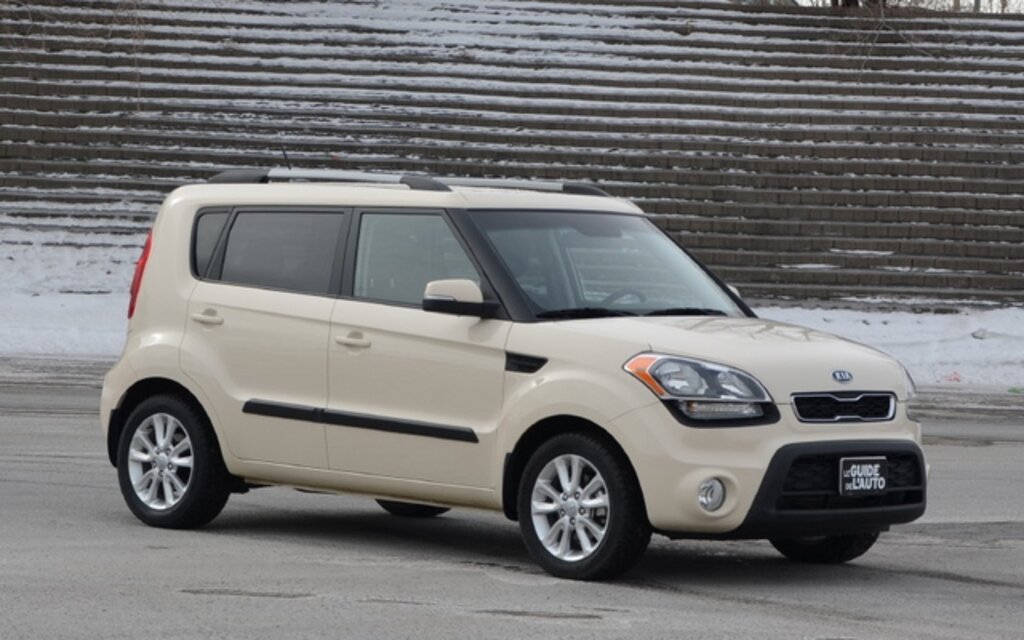
3. 2014 Kia Soul: Record Number of Complaints
The 2014 Kia Soul represents one of the worst model years in terms of reliability, receiving over 900 complaints and a dismal 1 out of 5 rating from Consumer Reports. Engine failure remained the primary concern, often linked to a faulty oil pump that caused excessive oil consumption.
Owners reported needing to add a quart of oil every 300 miles, even with consistent maintenance. The ticking and knocking noises that appeared in prior model years persisted, typically occurring around 105,000 miles. Despite diligent oil changes, the problem recurred, indicating design or manufacturing flaws in the engine itself.
These issues not only lead to costly repairs but also raise concerns about vehicle safety and longevity. Beyond engine problems, complaints about other mechanical issues were common, including suspension and body noises similar to previous years.
The 2014 Soul demonstrates how ongoing engineering flaws can compound over successive model years, affecting owner satisfaction and reliability.
For buyers or current owners, this model year represents a high-risk option, with engine performance and maintenance challenges overshadowing the vehicle’s practical interior and styling. In short, the 2014 Soul set a new benchmark for problematic years within the Kia Soul lineup.
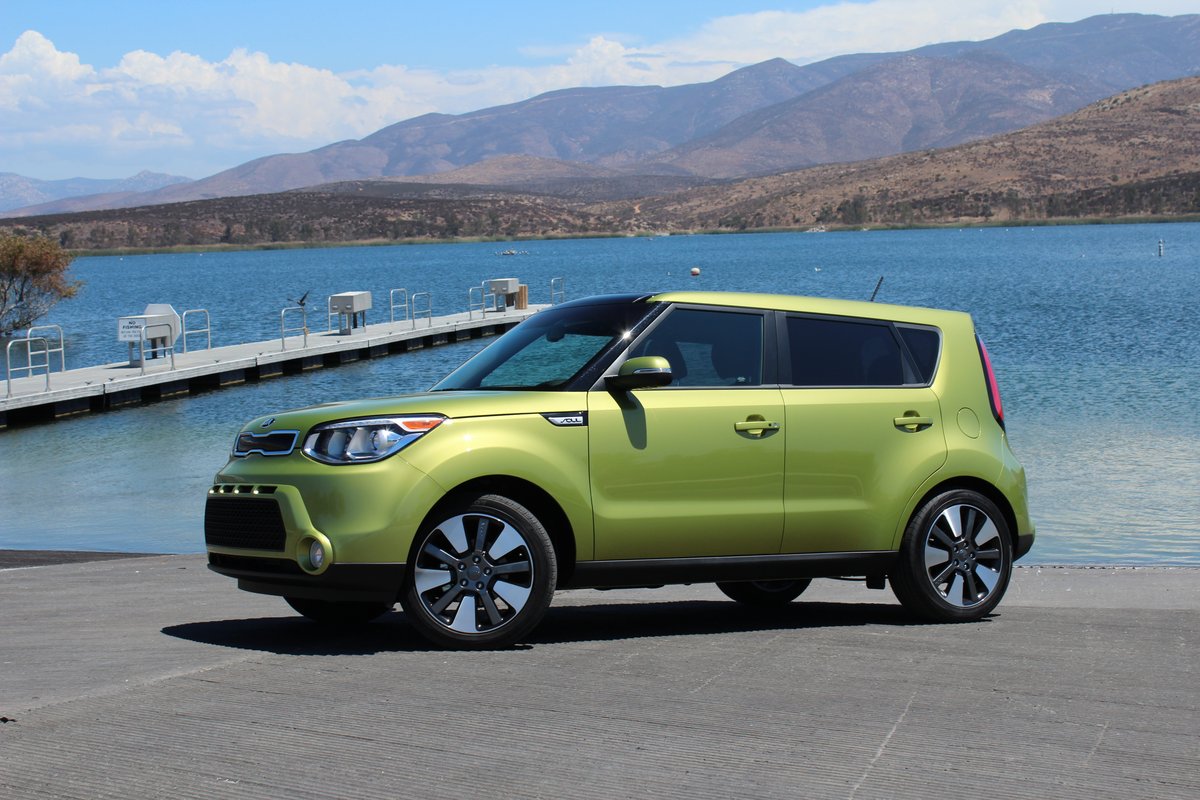
4. 2015 Kia Soul: Continued Engine Problems
The 2015 Kia Soul followed the trend of its problematic predecessors, with more than 700 complaints reported and four recalls issued. Engine failure was again the top concern, typically occurring around 80,000 miles.
Early symptoms included increased oil consumption and knocking or ticking noises, eventually progressing to complete engine failure. Repairs or engine replacements were costly, averaging around $4,620. Excessive oil consumption was another recurring problem, indicating continued issues with engine design and reliability.
While Kia continued to offer the Soul’s trademark boxy styling, functional interior, and long warranty coverage, these engine problems significantly compromised the model’s appeal. Owners also reported secondary issues such as transmission performance and minor suspension noises, although these were less critical than the engine failures.
For potential buyers, verifying the engine condition and service history is essential to avoid high repair costs. The 2015 model demonstrates that even with recalls and improvements, systemic issues persisted, highlighting the ongoing reliability concerns that plagued mid-2010s Kia Souls.
These mechanical failures overshadowed the Soul’s practical features and made it one of the more problematic years in the second-generation lineup.
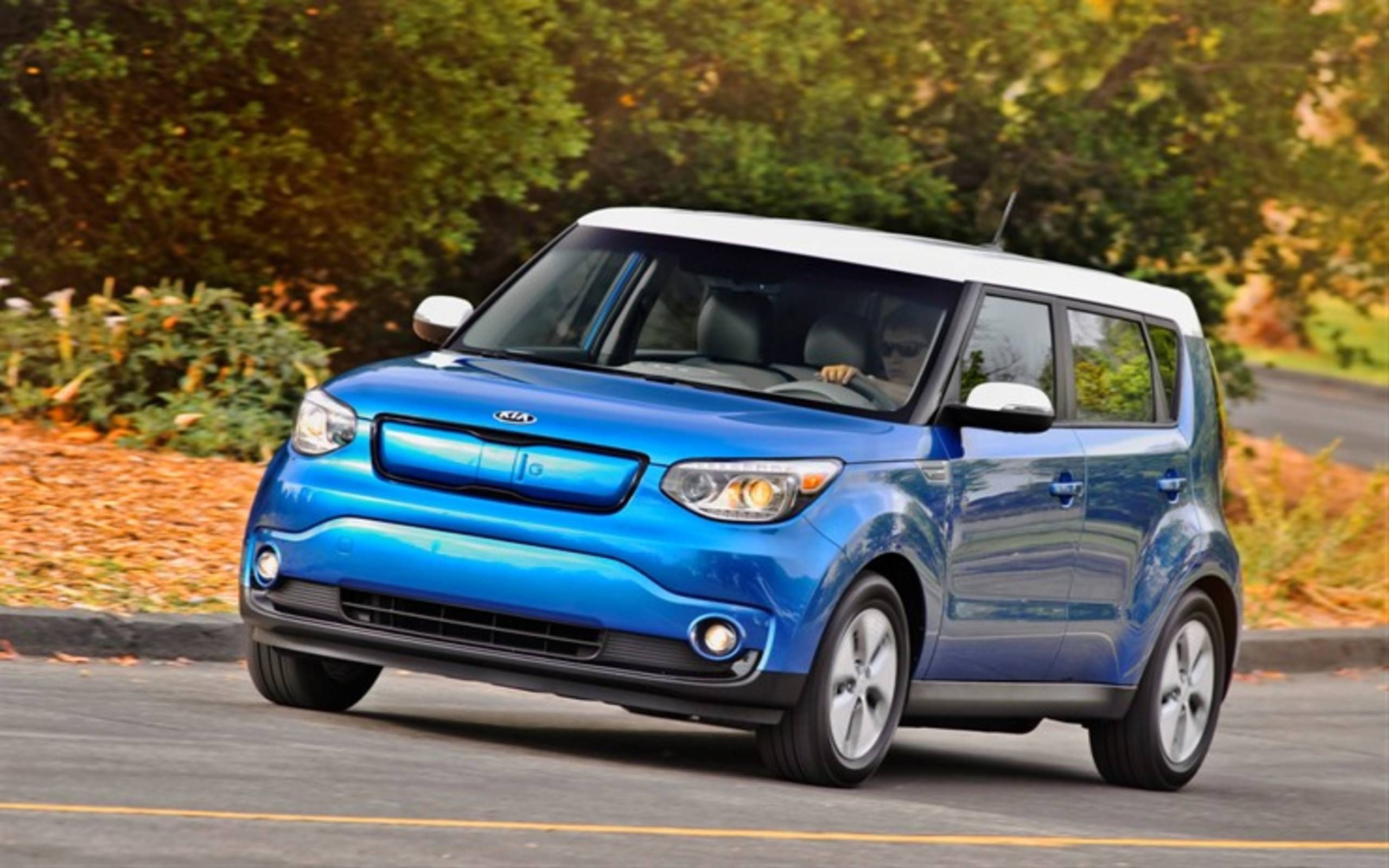
5. 2016 Kia Soul: The Engine Crisis Peaks
The 2016 Kia Soul is frequently cited as the worst model year due to severe engine failures. Despite fewer total complaints compared with 2014, the severity of reported issues is higher, with blown engines around 90,000 miles being a consistent and costly problem.
Replacement costs can reach approximately $7,000, making this a significant financial burden. In addition to engine failure, owners reported vehicles refusing to start, often with unclear causes, although battery issues were suspected.
Steering, suspension, and minor mechanical complaints were also reported, but the engine problem dominated concerns. Safety and reliability are seriously compromised in this model year, making it a high-risk purchase.
While the Soul maintained its signature boxy design, practical interior, and general drivability, these positive attributes are overshadowed by catastrophic engine failures. Buyers are strongly advised to avoid the 2016 Soul or thoroughly verify maintenance history, particularly engine and starting system repairs.
The 2016 Kia Soul illustrates a peak in systemic mechanical problems, representing a cautionary tale for prospective buyers considering late-second-generation models.
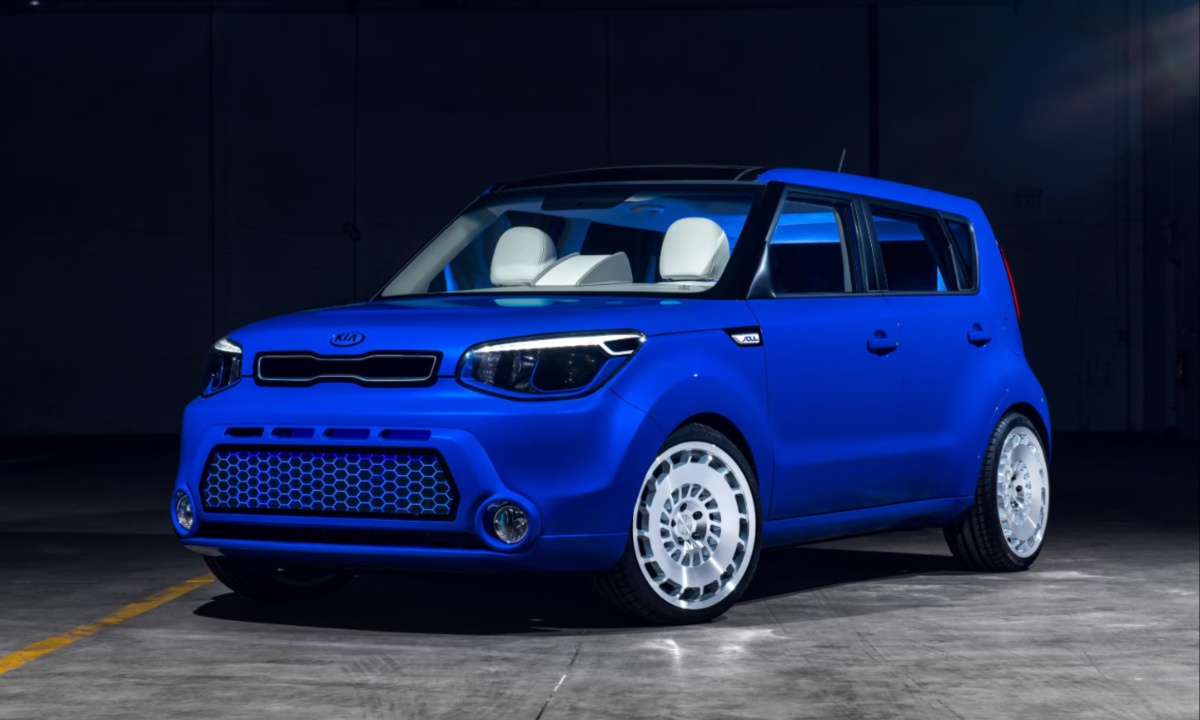
The five Kia Soul model years highlighted in this article demonstrate that a small SUV can combine reliability, style, and practicality without compromise. From the trailblazing 2010 model that introduced Kia’s distinctive boxy design to the 2021 SK3 generation with its refined driving dynamics and modern technology, these vehicles stand out as benchmarks of durability and owner satisfaction.
Each year showcased balanced performance, comfort, and safety features while maintaining the Soul’s playful, unique personality, a trait that sets it apart in a crowded subcompact segment.
Choosing one of these standout years ensures a dependable vehicle with a proven track record, minimal recalls, and enjoyable driving characteristics.
For buyers seeking value, versatility, and longevity, these Kia Souls continue to offer compelling reasons to consider them, proving that with the right model year, this funky little hatchback can deliver years of worry-free, practical, and fun ownership.
Also Read: 10 Cars With Rear Parking Sensors That Are Actually Useful