
When it comes to owning a Jeep Compass, most people are drawn to its rugged personality, versatile size, and ability to handle both city streets and light trails with confidence. It strikes a balance between being a practical daily driver and a capable weekend adventurer, which is why so many drivers consider it a dependable choice.
But like any vehicle, the Compass can only stay reliable with consistent care and attention. Reliability isn’t simply a matter of luck or a feature built into the SUV from the factory; it’s the result of smart habits, preventative maintenance, and knowing the key areas that need care before they become problems.
Many Jeep owners quickly realize that while the Compass offers excellent value, modern technology, and a comfortable cabin, it can also develop issues if ignored. From routine oil changes to transmission fluid servicing, tire rotations, and software updates, every little detail matters when your goal is long-term dependability.
The Compass, like any compact SUV, is put under a variety of conditions: bumper-to-bumper traffic during the week, highway drives for road trips, and sometimes even rougher paths that call on its off-road roots. All of this makes keeping it in top shape a priority.
The truth is, reliability is less about what the manufacturer promises and more about what the owner does to keep the vehicle healthy. Jeep enthusiasts often say that maintenance is the difference between a Compass that feels solid at 150,000 miles and one that becomes troublesome well before that. With the right checklist of tasks, the Compass can be one of the most dependable SUVs in its class.
In this article, we’ll dive into ten essential things you can do to keep your Jeep Compass reliable for daily driving. Each step covers a practical area of ownership, from fluid checks to electrical upkeep, ensuring your SUV doesn’t just survive your daily grind but thrives in it.
1. Stay Consistent with Oil Changes
One of the simplest yet most crucial maintenance tasks for keeping your Jeep Compass reliable is staying consistent with oil changes. Engine oil is the lifeblood of your vehicle it lubricates moving parts, reduces friction, and helps control engine temperature.
Over time, oil breaks down, loses its protective qualities, and collects dirt and debris. Ignoring oil changes can cause increased wear, overheating, and eventually severe engine damage, which can drastically shorten the life of your Compass.
The Jeep Compass, like many modern vehicles, relies on synthetic oil for optimal performance. While some drivers may try to stretch oil change intervals to save money, this approach often costs more in the long run.
The Compass generally requires an oil change every 5,000 to 7,500 miles, depending on driving conditions. Short trips, heavy traffic, or hot climates may call for more frequent servicing. Keeping an eye on the oil level and quality between changes is equally important low or dirty oil is a red flag that shouldn’t be ignored.
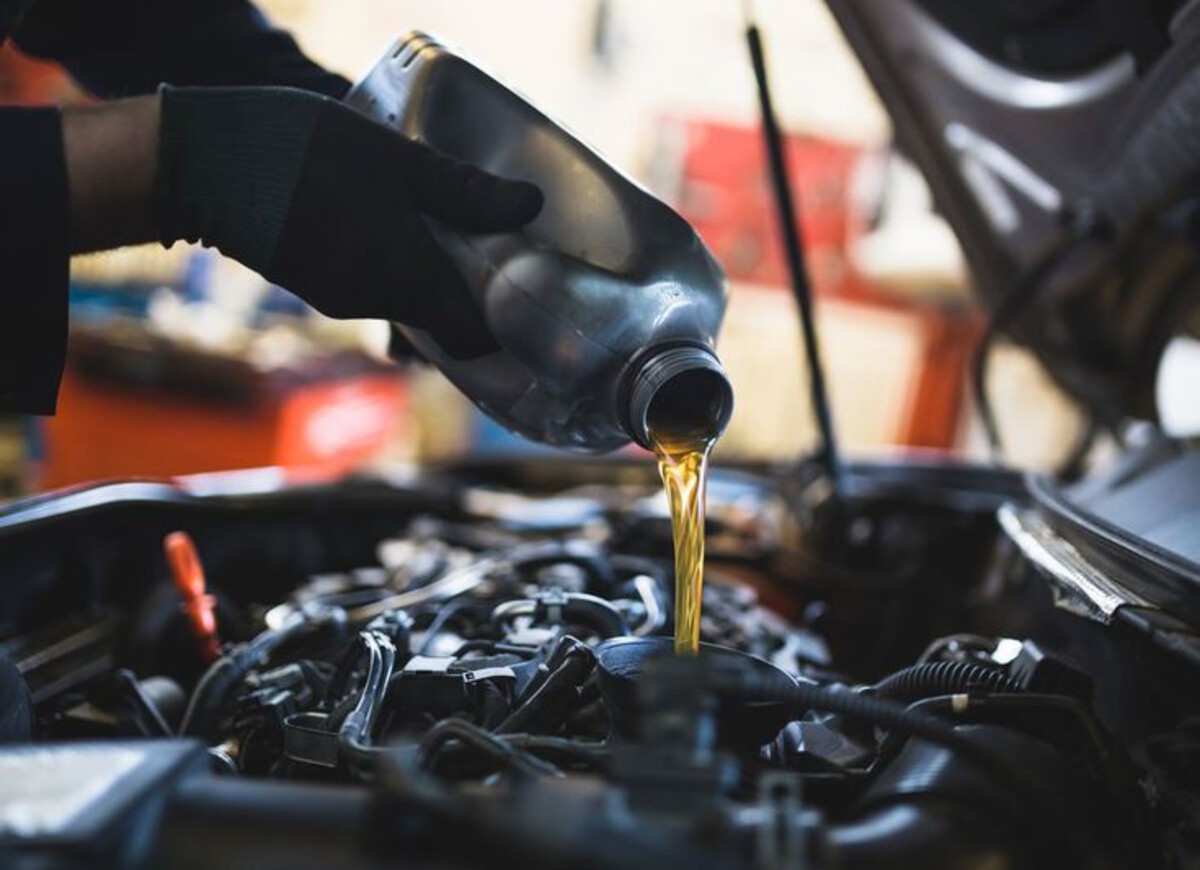
By sticking to a regular oil change schedule and using manufacturer-recommended oil and filters, you safeguard the Compass against premature wear and costly repairs. It’s one of the easiest habits to maintain, yet it pays huge dividends in reliability.
When Jeep designed the Compass, they engineered its 2.4-liter Tigershark engine and newer turbocharged powertrains to balance efficiency and performance. But regardless of engine design, one constant remains: both need clean, high-quality oil to operate smoothly.
Regular oil changes prevent sludge buildup, keep seals and gaskets healthy, and ensure the engine maintains proper compression. Without them, components such as camshafts, pistons, and bearings face accelerated wear, leading to reduced reliability and potential breakdowns.
Many Compass owners underestimate the role oil plays beyond lubrication. Fresh oil carries away contaminants, prevents rust inside the engine, and even helps keep emissions cleaner.
In an SUV that’s often used for a mix of commuting and adventure, oil works harder than most drivers realize. Extended idling in traffic or frequent stop-and-go driving in the city increases engine strain, which makes timely oil changes even more critical.
Using the right oil type is another key step. Jeep specifies synthetic oil for most Compass models, which provides better resistance to heat and breakdown than conventional oil. While synthetic blends may seem like a cheaper option, they don’t offer the same long-term protection. Pairing the right oil with OEM-quality filters ensures that microscopic particles don’t circulate through the system, further boosting reliability.
It’s also smart to check oil levels monthly. Even with routine changes, engines can consume oil, and catching a low level early can prevent serious problems. Adding a quick oil inspection to your monthly maintenance routine gives peace of mind and extends engine life.
Ultimately, staying disciplined about oil changes is one of the most cost-effective ways to keep a Jeep Compass running reliably for years. Neglecting this step can turn a dependable SUV into a headache, while consistency ensures smooth starts, efficient driving, and confidence every time you hit the road.
2. Rotate and Balance Tires Regularly
Tires are often overlooked when it comes to reliability, but for a Jeep Compass, they’re one of the most important factors in ensuring safe and consistent daily driving.
This compact SUV relies on even tire wear for proper handling, braking, and fuel efficiency. Failing to rotate and balance tires at regular intervals can cause uneven tread wear, leading to premature replacements and even suspension strain. Over time, this can make the Compass feel less stable on the road, especially at higher speeds or during sudden maneuvers.
Rotating the tires every 6,000 to 8,000 miles helps distribute wear evenly across all four wheels. Since front tires typically wear faster due to steering and braking forces, moving them to the rear extends the overall lifespan of the set.
Along with rotation, tire balancing ensures that weight distribution across the wheel is even, preventing vibrations and uneven handling. For drivers who frequently tackle both city commutes and weekend getaways, balanced tires make every mile smoother.

Consistent rotation and balancing also preserve fuel efficiency. Uneven tires force the engine to work harder, increasing consumption. For a vehicle like the Compass, which is designed to deliver reliable efficiency, this small step pays off significantly over time. Regular inspections during rotations also allow you to catch punctures, bulges, or alignment issues early.
By committing to routine tire rotation and balancing, Jeep Compass owners maintain safe handling, prolong tire life, and keep the vehicle performing reliably through countless daily drives.
ALSO READ: 10 Steps That Extend a GMC Savana Van’s Road Life
The Jeep Compass is known for being a versatile SUV capable of city commuting, highway cruising, and light off-road trails. But all of these demands put unique pressure on the tires.
The front tires often wear down faster due to steering angles and braking, especially in urban stop-and-go traffic. Without regular rotation, this imbalance can cause the Compass to pull to one side, reduce traction in wet conditions, and ultimately compromise safety.
Rotating tires every 6,000 to 8,000 miles, or with every other oil change, is a smart routine. Jeep recommends a forward-cross pattern rotation for front-wheel-drive Compass models, which helps even out wear patterns across the tread.
For all-wheel-drive versions, a rearward-cross rotation often provides better balance. Following these guidelines ensures the tires wear more evenly, extending their usable life and saving money in the long run.
Balancing is equally important. Even minor imbalances in tire weight distribution can lead to noticeable vibrations in the steering wheel or cabin at highway speeds. These vibrations are not only uncomfortable but can also wear down suspension components and bearings prematurely. A balanced set of tires reduces stress on the drivetrain and ensures the Compass rides smoothly regardless of road conditions.
Another hidden benefit of consistent tire maintenance is improved fuel economy. Unevenly worn tires create extra rolling resistance, forcing the engine to work harder. For Compass owners who value reliability and efficiency, maintaining tire health directly supports both.
Finally, rotations provide an excellent opportunity to inspect for damage. A mechanic can check tread depth, look for irregular wear (which may indicate alignment problems), and identify nails or punctures before they become flats. This proactive approach adds another layer of reliability to daily driving.
In short, regularly rotating and balancing tires is not just about tire longevity it’s about protecting the Compass’s handling, safety, and fuel efficiency. It’s a simple yet highly effective practice that ensures the SUV remains dependable for daily use and long-distance drives alike.
3. Keep the Brake System in Top Shape
Brakes are the backbone of reliability when it comes to daily driving, and the Jeep Compass is no exception. Whether you’re maneuvering through heavy traffic or heading out on a highway trip, a healthy brake system ensures both safety and confidence. Over time, brake pads, rotors, and fluid wear down, which can lead to longer stopping distances or even system failure if ignored.
Checking the brake pads every 12,000 miles, monitoring fluid levels, and replacing parts as needed are simple but essential steps to keeping your Compass dependable.
The SUV’s weight, combined with city stop-and-go driving, puts extra pressure on the brakes, making maintenance even more critical. With routine inspections and timely servicing, the Compass’s braking performance stays sharp, reducing risks and keeping it reliable no matter the conditions.
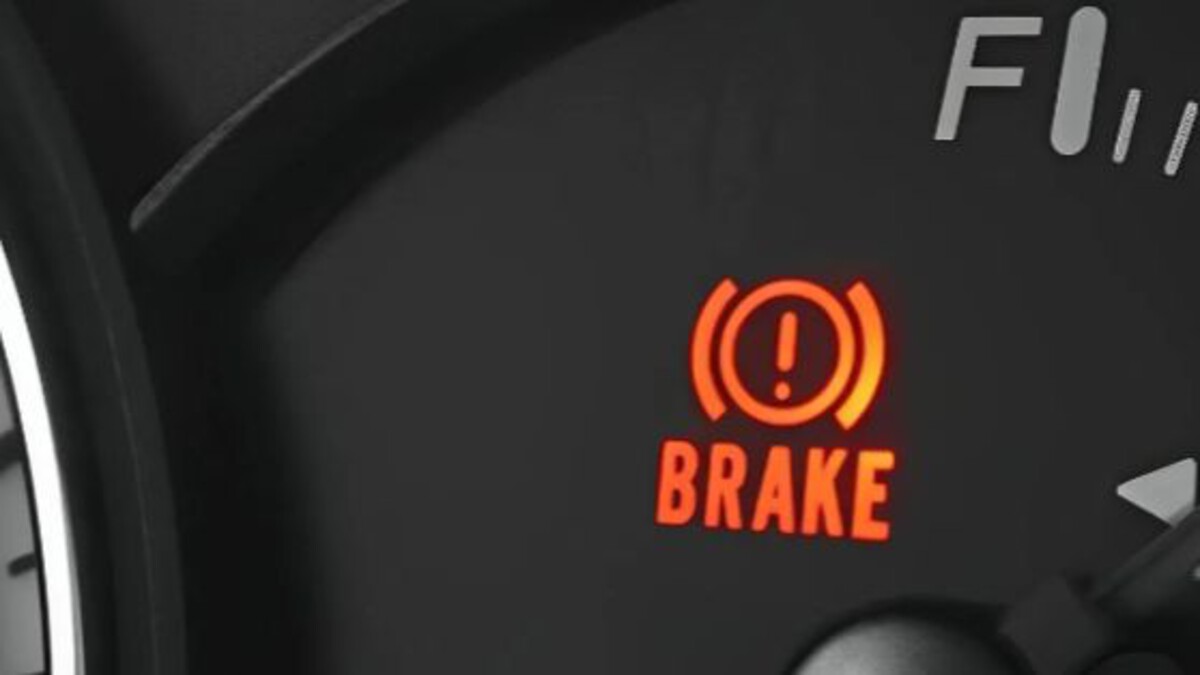
The Jeep Compass is designed for versatility, but that means its brakes endure a wide range of demands frequent city stops, highway cruising, and the occasional off-road venture. Brake pads naturally wear down over time, and when ignored, they can damage rotors, leading to costly repairs. Checking pad thickness during routine service prevents this issue, and replacing them before they’re too thin ensures smooth and safe stops.
Brake fluid is another overlooked component. Over time, it absorbs moisture, which reduces its effectiveness and can even corrode internal parts. Flushing the brake fluid every two to three years keeps the system responsive and prevents internal damage. For Compass owners, this step ensures the ABS and electronic brake-force distribution systems function properly, especially in emergencies.
Rotors also need regular attention. Warped or uneven rotors cause vibrations during braking, which not only affects comfort but also reliability. Catching this early keeps the Compass stable and predictable.
Finally, listening to your vehicle can save trouble squealing noises, grinding sounds, or a spongy pedal are early warnings that should never be ignored. By addressing these small signs right away, you prevent major issues and ensure the Compass remains a trustworthy daily driver.
4. Prioritize Transmission Care
The transmission is one of the most critical components in keeping a Jeep Compass reliable, especially for daily commuting. Whether your Compass uses the CVT (continuously variable transmission) or a traditional automatic, neglecting this system can lead to expensive problems and reduced drivability.
Transmission fluid acts as both a lubricant and a coolant, preventing internal gears and belts from wearing prematurely. Over time, fluid breaks down and loses effectiveness, which can result in jerky shifts, overheating, or even complete failure. To keep your Compass running smoothly, it’s important to check transmission fluid levels regularly and follow Jeep’s recommended service intervals for replacement.
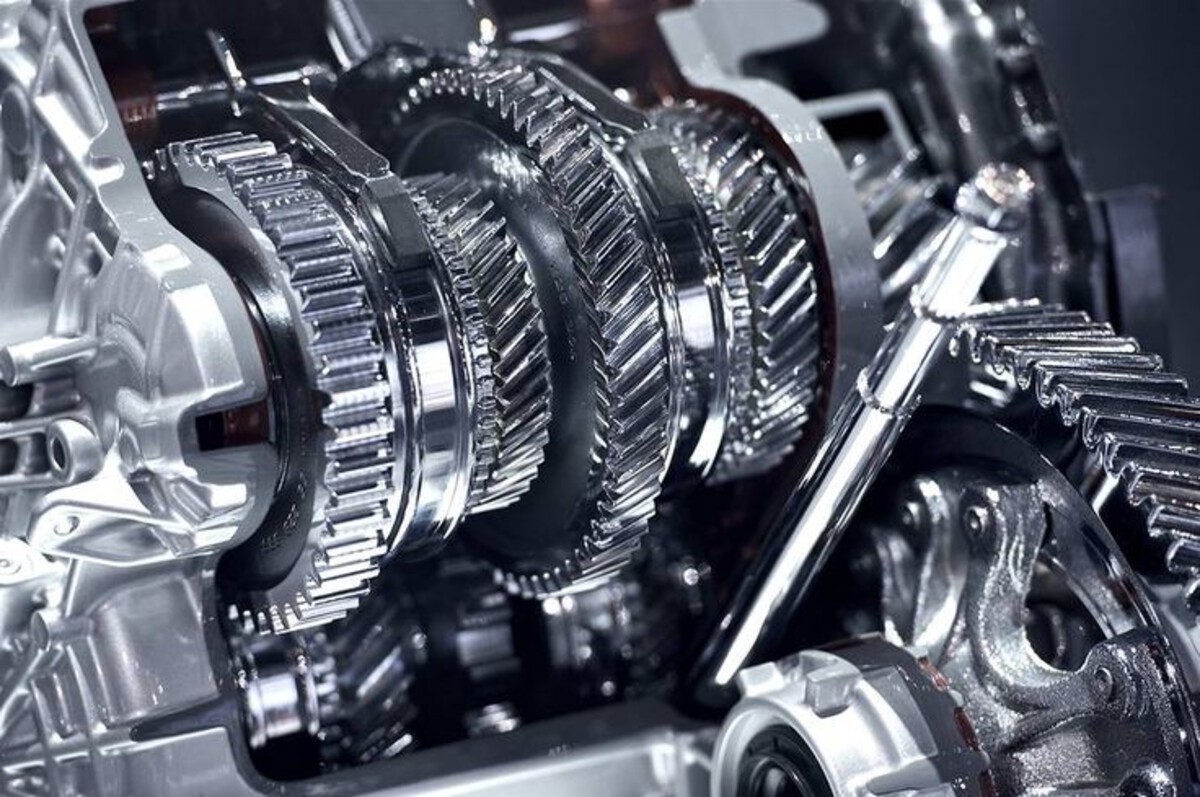
Addressing small symptoms early like hesitation, rough shifts, or slipping, can save thousands in future repairs. With proper care, the transmission will provide consistent performance and long-term dependability, ensuring your Compass is always ready for the road.
The Compass has built a reputation as a versatile daily driver, but transmission reliability is often where owners face challenges if maintenance is neglected. The CVT, in particular, requires extra care because it relies on continuous tension between belts and pulleys. Without fresh fluid, heat and friction accelerate wear, leading to expensive repairs that could otherwise be avoided.
Jeep recommends periodic transmission fluid changes depending on driving style and mileage, often every 60,000 miles. However, for drivers who regularly encounter heavy traffic, towing, or hilly terrain, more frequent service is wise. Using the correct Mopar-approved transmission fluid is essential, as substitutes may not provide the necessary protection.
Another key step is paying attention to early warning signs. If your Compass hesitates when accelerating, shifts harshly, or makes whining noises, it’s time to schedule an inspection. Often, these small symptoms signal minor issues that can be fixed before they escalate into major failures.
Keeping the transmission healthy also means practicing good driving habits. Avoid sudden accelerations, excessive towing, or holding the vehicle on an incline using the accelerator instead of the brake. These habits put unnecessary strain on the transmission.
By staying proactive with transmission fluid care and driving responsibly, Compass owners protect one of the most vital systems in the SUV. This not only saves money but also ensures smooth performance mile after mile.
5. Maintain the Battery and Electrical System
The Jeep Compass relies heavily on its electrical system, especially with modern features like push-button start, infotainment, and driver-assist technologies. At the heart of this system is the battery, which provides the power necessary to start the engine and keep electronics running smoothly.
A weak or failing battery can leave you stranded and put unnecessary stress on components like the alternator and starter. Checking the battery’s charge level, cleaning corroded terminals, and replacing it every 3 to 5 years helps ensure dependable performance.
In addition, routine inspections of the alternator, fuses, and wiring prevent electrical issues that could compromise reliability. For daily driving, where you depend on your Compass to start without hesitation, a strong and well-maintained electrical system is essential.
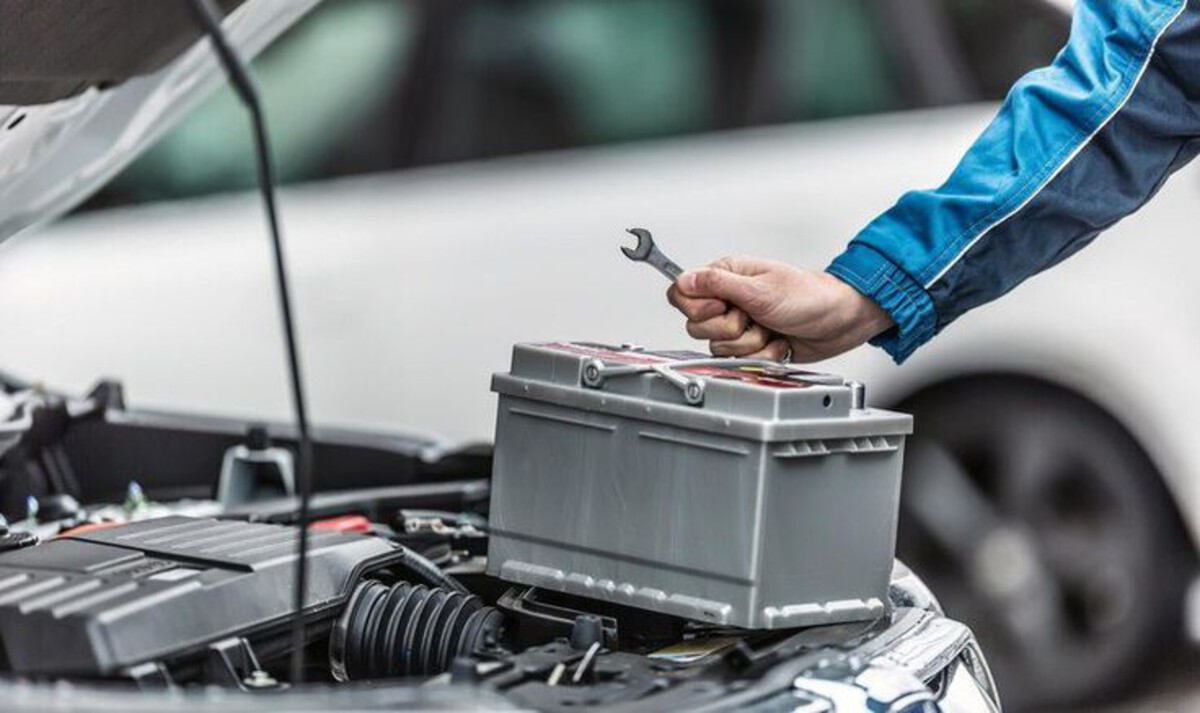
Electrical problems are one of the most common issues Compass owners encounter, but most can be prevented with simple maintenance. The battery should be checked regularly with a voltmeter healthy readings typically fall between 12.4 and 12.7 volts when the engine is off.
Anything lower signals a weakening battery that should be replaced soon. Cleaning corrosion from terminals with a wire brush and applying dielectric grease prevents poor connections, which often cause starting troubles.
The alternator also plays a key role in reliability, as it charges the battery while driving. If you notice dimming headlights, flickering interior lights, or warning symbols on the dashboard, it may be a sign the alternator is failing. Catching this early prevents sudden breakdowns.
Fuses and wiring should not be overlooked either. Loose or damaged connections can trigger dashboard error codes, disable features, or even drain the battery overnight. Regular inspections during service appointments keep these small issues in check.
Finally, Compass models with advanced infotainment systems and electronic safety features put extra demand on the battery. Upgrading to a high-quality replacement when needed ensures these systems run without glitches.
By maintaining the battery and electrical system, you secure the foundation for daily dependability. It’s a small investment of time that pays off in reliable starts, smooth electronics, and peace of mind on every drive.
ALSO READ: 9 Common Oversights That Turn a Jeep Liberty Into a Money Pit
6. Care for the Cooling System
The cooling system is vital to keeping your Jeep Compass reliable, especially during long commutes and summer heat. Its main job is to regulate engine temperature and prevent overheating, which can cause catastrophic damage.
The system consists of the radiator, water pump, thermostat, hoses, and coolant, all working together to keep the engine at an optimal temperature. Over time, coolant breaks down and loses its ability to protect against corrosion and heat buildup.
Cracked hoses or a weak water pump can also lead to leaks, stranding you without warning. Jeep recommends flushing and replacing coolant every 60,000 miles, but checking levels regularly is equally important. A simple inspection of hoses, coolant color, and radiator condition ensures the system works efficiently.

By giving your cooling system the attention it needs, you protect your Compass from one of the most common causes of engine failure, ensuring it stays dependable every day.
The Compass may be compact, but its engine produces enough heat that a dependable cooling system is non-negotiable. Overheating can warp cylinder heads, damage gaskets, and even seize the engine, all of which result in costly repairs.
Regular coolant maintenance is the best way to prevent this. Fresh coolant not only keeps the engine cool but also prevents internal rust and scale buildup inside the radiator and water passages.
Checking coolant levels monthly is a simple habit that adds a strong layer of protection. Low coolant could signal a leak in the radiator, water pump, or hoses. Catching these issues early prevents small problems from turning into breakdowns. The coolant reservoir should show fluid at the recommended fill line any sudden drops need immediate attention.
Another key element is the thermostat. If it sticks open or closed, the engine may overheat or run inefficiently. Having it inspected during coolant flushes is a smart preventative measure.
Hoses also deserve close inspection. With time, they become brittle and may develop cracks or bulges. Replacing them before they burst keeps the system running smoothly. Likewise, ensuring the radiator cap seals properly helps maintain system pressure.
By caring for the cooling system, Jeep Compass owners protect their engine’s longevity and daily reliability. This small step ensures the SUV handles traffic jams, hot summers, and road trips without missing a beat.
8. Stay on Top of Software and System Updates
Modern Jeep Compass models are more than mechanical machines; they’re packed with software-driven systems that control everything from infotainment to advanced driver assistance features.
Over time, these systems can develop glitches or fall behind in performance if not updated. Jeep frequently releases software updates to improve functionality, patch bugs, and even enhance safety features. Ignoring these updates may lead to unreliable touchscreen performance, faulty warning lights, or lag in navigation and connectivity.
Visiting the dealership or using Jeep’s update system ensures your Compass stays up to date with the latest improvements. These updates also keep systems like traction control and ABS running at peak performance, which directly supports reliability and safety.

Staying current doesn’t just make your driving experience smoother it prevents small digital issues from becoming frustrating or disruptive to daily driving.
The Compass has grown increasingly reliant on technology, making system updates just as important as oil changes. Infotainment problems, such as freezing screens or Bluetooth pairing failures, are common complaints that can often be solved with a simple software refresh.
Likewise, driver-assist features like lane departure warning or adaptive cruise control rely on precise programming, and updates keep them functioning properly.
Many Compass owners don’t realize that software updates also improve vehicle stability systems, transmission calibration, and even fuel efficiency in some cases. By ignoring these, drivers risk missing out on refinements that improve long-term reliability.
Updates are usually handled by dealerships during service appointments, but Jeep also provides over-the-air updates for certain models. Checking regularly ensures you’re not falling behind.
Ultimately, keeping your Compass software current ensures that all digital and electronic features work as intended, reducing frustration and boosting confidence in your SUV’s reliability.
ALSO READ: 5 Hybrids That Save Owners Money vs 5 That Don’t
9. Take Care of the Fuel System
The fuel system is essential to the Jeep Compass’s reliability because it ensures consistent engine performance and efficiency. Over time, fuel injectors, filters, and pumps can become clogged or worn, reducing power and making the engine work harder. Dirty injectors may cause rough idling, poor acceleration, or even misfires.
A clogged fuel filter can strain the pump, leading to costly repairs. To keep your Compass running smoothly, it’s important to use high-quality fuel, replace the fuel filter at recommended intervals, and occasionally use a fuel system cleaner to remove deposits. Modern Compass engines are designed for efficiency, but they rely on a clean and steady fuel supply to deliver dependable performance.
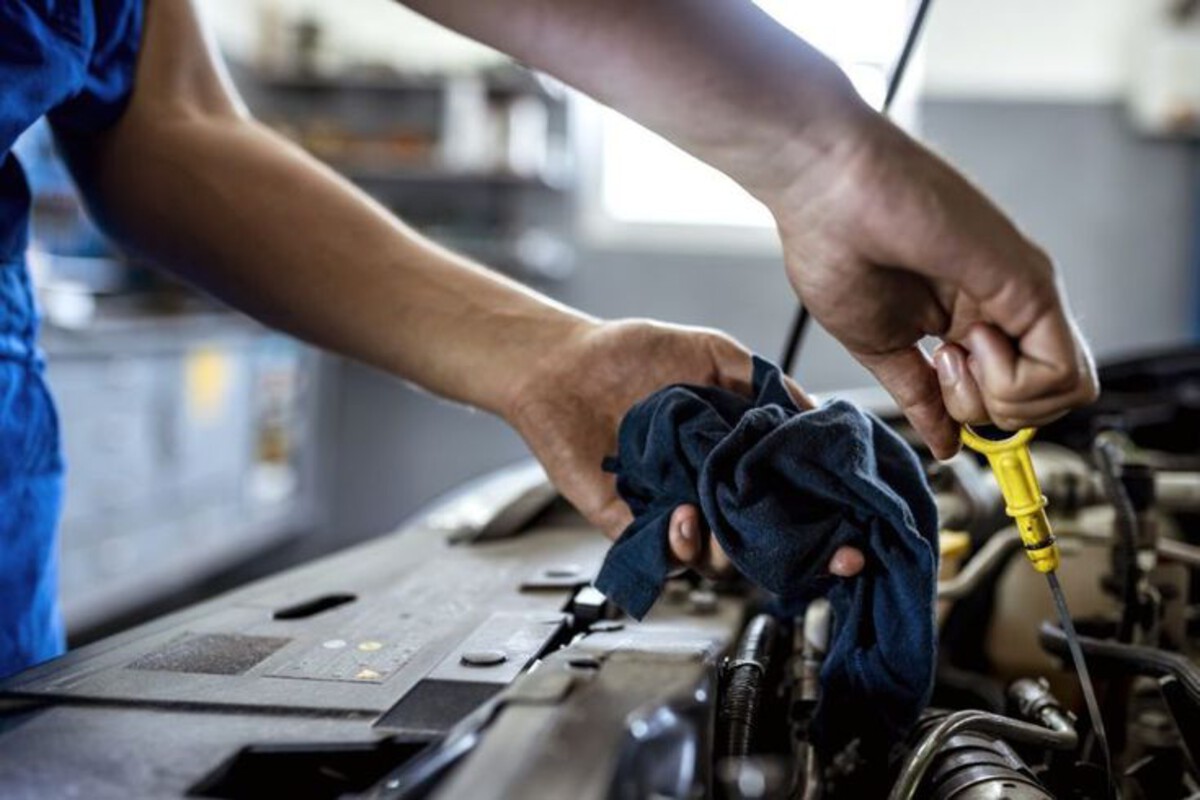
By staying on top of fuel system maintenance, owners not only extend engine life but also enjoy smoother daily driving, better gas mileage, and fewer unexpected issues on the road.
The Jeep Compass fuel system is designed to deliver precise amounts of fuel for optimal performance. When injectors get dirty, they disrupt this balance, causing uneven combustion and reduced reliability. Using a fuel system cleaner every 10,000 to 15,000 miles can help keep injectors clear and maintain engine smoothness.
The fuel filter is another key component. If it becomes clogged, the engine may struggle for power, and the fuel pump is forced to work harder, shortening its lifespan. Replacing the filter at recommended intervals ensures clean fuel reaches the engine.
Compass owners should also be mindful of fuel quality. Cheap or contaminated gasoline can introduce impurities that damage injectors and sensors. Sticking to trusted fuel stations minimizes this risk.
By caring for the fuel system, drivers keep the Compass efficient and strong. This not only supports everyday reliability but also prevents costly repairs down the line.
10. Schedule Regular Inspections and Preventive Care
Even with diligent maintenance, the Jeep Compass benefits greatly from regular inspections and preventive care. Many issues develop slowly, and professional checkups catch them before they grow into expensive repairs.
During a routine inspection, mechanics look at brakes, belts, hoses, fluids, suspension, and electronics to ensure everything is functioning correctly. Preventive care goes beyond fixing problems it’s about replacing worn parts before they fail, saving you from unexpected breakdowns.
Jeep recommends annual multipoint inspections, but more frequent visits are wise for high-mileage drivers or those who face harsh road conditions. Preventive maintenance also helps preserve the Compass’s resale value, as service records prove consistent care. A well-maintained Compass not only drives reliably day to day but also holds its reputation as a dependable compact SUV.

Scheduling inspections is one of the smartest steps to keep your vehicle running smoothly, mile after mile.
Regular inspections are a cornerstone of Jeep Compass reliability because they provide a clear picture of your SUV’s overall health. During these checkups, technicians can spot worn belts, cracked hoses, low fluids, or uneven tire wear long before they cause trouble. Catching a small coolant leak or weak battery early prevents breakdowns that could otherwise leave you stranded.
Preventive care also means replacing parts on schedule rather than waiting for failure. Items like spark plugs, filters, and brake pads have predictable lifespans, and replacing them proactively ensures steady performance. This approach is cheaper in the long run and builds trust in your vehicle.
Owners who stick to inspection schedules often find their Compass runs smoother, requires fewer major repairs, and lasts well beyond 150,000 miles. It’s not just about reliability today it’s about extending the vehicle’s life for years. Preventive care turns small investments of time and money into long-term dependability.
Owning a Jeep Compass is about enjoying a balance of rugged character and everyday practicality. But like any vehicle, its reliability depends on the habits and care of its owner. The ten steps we’ve covered, ranging from oil changes and tire rotations to software updates and preventive inspections, are not just maintenance tips; they are the foundation of long-term dependability.
Each task plays its part: clean oil preserves the engine, strong brakes protect safety, and healthy tires ensure smooth handling. Meanwhile, less obvious areas like the cooling system, transmission, and fuel delivery remind us that reliability is built from attention to both the visible and hidden systems working together.