The Volkswagen Passat has long held a unique position in the midsize sedan market, blending German engineering with everyday practicality. Since its arrival in the U.S. in 1989, the Passat has earned a reputation for comfort, spaciousness, and refinement, appealing to families and commuters alike.
While SUVs and crossovers have overshadowed traditional sedans in recent years, the Passat remains a noteworthy option for buyers seeking value without sacrificing driving confidence. Like many long-running models, however, the Passat’s track record is a mix of standout successes and frustrating missteps.
Some model years have delivered exceptional durability, strong safety scores, and owner satisfaction, while others have been plagued by costly mechanical problems and safety recalls.
For used-car shoppers, understanding which years shine and which years stumble is critical. This guide highlights five Volkswagen Passat model years celebrated for their reliability and five that are better left avoided.
5 VW Passat Years With Solid Builds
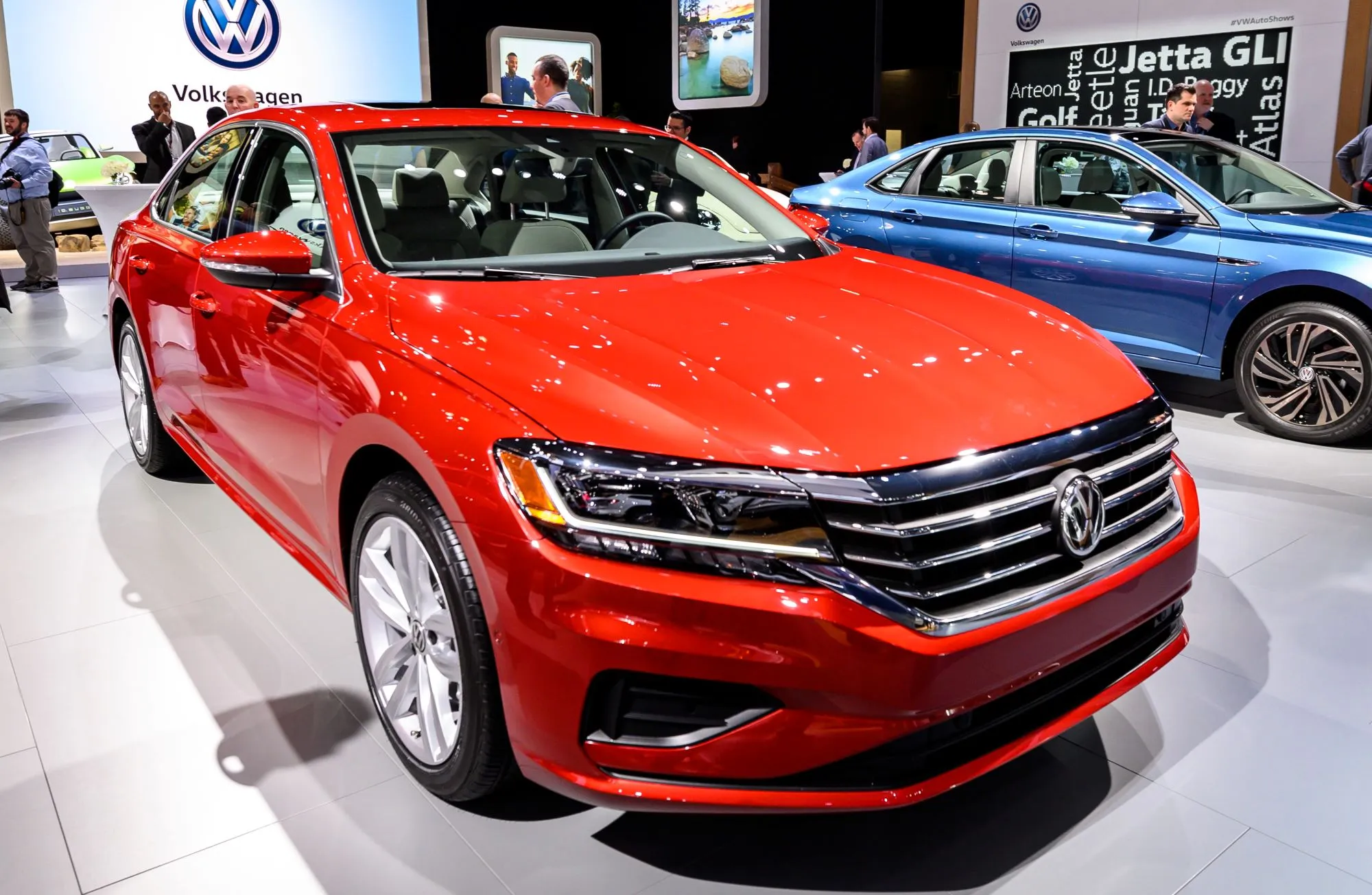
1. 2022 Volkswagen Passat
The 2022 Volkswagen Passat closes the curtain on a long-running midsize sedan that has been part of the U.S. market since 1989. As consumer preferences continue to shift toward SUVs, Volkswagen made the decision to discontinue the model, marking the 2022 version as the final edition.
To commemorate this, the automaker introduced a Limited Edition trim and eliminated the base S trim. Built on a platform that dates back to 2012, the Passat enters its final year as a practical, comfortable, and reliable option, even if it no longer stands out in performance or innovation.
Reviewers such as Edmunds and Kelley Blue Book rated it favorably, with scores of 4.0 and 4.4 out of 5, respectively, while customer comments highlight its class, fuel efficiency, and refined driving experience.
On the road, the Passat delivers a mixed driving experience. Equipped with a single powertrain choice, a 2.0-liter turbocharged four-cylinder paired with a six-speed automatic transmission, the sedan feels smooth but underwhelming compared to rivals.
Acceleration is sluggish, particularly in highway passing scenarios, and the transmission favors early upshifts, which dulls responsiveness. Braking distances are longer than average, and pedal feel can be inconsistent, though the car remains stable and composed in corners.
Steering is light and makes parking simple, but lacks engagement. In terms of fuel efficiency, the Passat achieves an EPA-estimated 28 mpg combined (24 city/36 highway), and real-world tests suggest it can slightly outperform those numbers. While not a performance leader, it prioritizes predictable, reliable commuting over driving excitement.
Comfort and space are two of the Passat’s strongest qualities. Its suspension tuning favors a plush ride that absorbs road imperfections with ease, making it ideal for daily driving or long trips.
Wide, supportive front seats and generous rear legroom allow passengers to settle in comfortably, and dual-zone climate control ensures consistent temperature management.
The cabin is relatively quiet, though tire noise can intrude on rougher surfaces. Inside, practicality takes precedence, with a wide and deep trunk that expands further thanks to split-folding rear seats, multiple storage compartments, and accessible car-seat anchors that make it family-friendly.
While the interior is spacious and functional, it lacks the premium materials and polish found in some competitors, and minor ergonomic issues, such as a low-placed infotainment screen, detract slightly from the experience.
Technology and value round out the Passat’s appeal in its final year. Standard Apple CarPlay and Android Auto integration, optional navigation, and Volkswagen’s remote smartphone connectivity make the car tech-friendly, while the Fender audio system earns praise for its rich, bass-heavy sound.
Driver-assist features such as adaptive cruise control and blind-spot monitoring generally perform well, though the backup camera and parking sensors occasionally frustrate.
Priced competitively against other four-cylinder sedans, the Passat delivers a solid balance of features and space, though it lacks extras like ventilated seats or higher-output engine options offered by rivals.
Covered by a four-year/50,000-mile warranty and complemented by roadside assistance and included maintenance, the 2022 Volkswagen Passat exits the market as a sensible, comfortable, and well-equipped midsize sedan that will be missed by loyal fans, even if it no longer leads the segment.

2. 2021 Volkswagen Passat
The 2021 Volkswagen Passat is the second installment of the 8th generation and continues to deliver reliability and practicality in the midsize sedan segment. While not as stylish or modern as its competitors, it holds strong appeal through its cavernous trunk, roomy interior, and generous standard safety features.
Adaptive cruise control became standard in 2021, joining forward-collision warning, blind-spot monitoring, automated emergency braking, and rear cross-traffic alert. Safety performance was also strong, earning favorable IIHS scores and a five-star rating from the NHTSA.
Review platforms reflected mixed perspectives: Edmunds rated it 3.6/5, Kelley Blue Book scored 4.4/5, while J.D. Power did not offer a rating. Owners often praised its comfort, space, and affordability, especially compared with Japanese rivals.
Performance in the 2021 Passat is serviceable, though not inspiring. Powered by a modest four-cylinder engine, it lacks the speed and punch offered by competitors such as the Honda Accord or Hyundai Sonata. Acceleration feels sluggish, highway passing can be slow, and braking distances are longer than average for its class.
Still, the Passat redeems itself with comfort. Its smooth, plush suspension absorbs road imperfections easily, creating a relaxed ride ideal for daily driving. Seats are wide and supportive, with rear passengers benefiting from excellent legroom, and the dual-zone climate control works effectively for both front and rear occupants.
Noise isolation is well managed, with minimal road or wind intrusion, though steering feedback is light. While not sporty, it is easy to maneuver in city traffic and tight parking spots.
Volkswagen designed the 2021 Passat to excel in interior space and usability. The roomy cabin offers generous legroom both in front and rear, giving it an edge in family friendliness. Access is straightforward thanks to long doors, though tight parking lots may reduce convenience.
The driver benefits from good visibility and adjustable seating and steering, accommodating various body types. Technology offerings are simple but practical. Standard Apple CarPlay and Android Auto integration enhance connectivity, and the available Fender audio system delivers impressive sound quality.
Higher trims include navigation, though the infotainment display’s small size and awkward placement are less than ideal. Some drawbacks include sensitive parking sensors, inconsistent backup camera operation, and underwhelming voice commands.
Practicality remains one of the strongest points of the 2021 Passat. Its wide, deep trunk and 60/40-split folding rear seats provide excellent cargo versatility, while numerous storage bins and sizable door pockets add daily convenience.
Car-seat installation is hassle-free thanks to large rear doors, spacious seating, and accessible LATCH anchors. Fuel economy is respectable, with EPA estimates at 28 mpg combined, though many real-world tests reported over 30 mpg, highlighting its efficiency.
In terms of value, the Passat delivers a solid mix of comfort, space, and safety at a competitive price point. While it lacks some premium touches such as ventilated seats or upgraded engine options, it remains a dependable choice for buyers seeking a straightforward, comfortable sedan.
Volkswagen’s 4-year/50,000-mile warranty and included maintenance plan further strengthen its appeal, even as rivals surpass it in technology and performance.

3. 2018 Volkswagen Passat
The 2018 Volkswagen Passat continued the brand’s tradition of offering a roomy, comfortable midsize sedan that prioritizes practicality over flash. While its styling had remained largely unchanged since its generation launched in 2012, this conservative design reinforced its timeless and understated character.
For this model year, Volkswagen introduced an updated 2.0-liter turbocharged four-cylinder engine, producing 174 horsepower and improved fuel efficiency of 29 mpg combined, along with a new GT trim powered by an optional V6 engine.
Buyers also benefited from available driver-assist features such as blind-spot monitoring and automatic emergency braking, enhancing the Passat’s safety credentials.
This was further supported by a 5-star safety rating from the NHTSA, helping cement the sedan’s reputation as one of the more reliable and secure vehicles in its class. Reviewers praised its value, with Edmunds rating it 4.0 out of 5, Kelley Blue Book 4.5 out of 5, and J.D. Power awarding it 79 out of 100.
Performance in the 2018 Passat is highlighted by the stronger four-cylinder engine, which delivers a livelier drive than the outgoing 1.8-liter engine. In testing, the Passat sprinted from 0 to 60 mph in around 7.7 seconds, making it quicker than many rivals’ base trims.
However, while acceleration impressed, other aspects of the driving experience fell short. Braking performance was average, with a spongy pedal feel, and steering feedback was vague at lower speeds. Handling also lagged behind sharper competitors like the Honda Accord or Mazda6, though the Passat remained stable on the highway.
For those seeking more power, the V6 engine and sport-tuned suspension of the GT trim offered a more dynamic alternative, though most buyers found the four-cylinder sufficient for daily driving.
Ultimately, the Passat’s drivability leaned toward comfort and predictability rather than excitement, a compromise many family-oriented shoppers found appealing.
Comfort and space remained standout qualities of the 2018 Passat, with one of the roomiest cabins in the midsize class and exceptional rear-seat legroom. Front seats were firm yet supportive, making the sedan an excellent long-distance cruiser.
The quiet cabin and compliant suspension further enhanced its suitability for road trips, though the rear seatback was slightly more upright compared to rivals.
Trunk space proved to be a major selling point, with 15.9 cubic feet of capacity in a wide and deep layout that could easily accommodate multiple sets of golf clubs and luggage, according to owners.
Visibility was excellent thanks to large windows and slim pillars, and the cabin design favored ease of use with simple controls and logical layouts. While interior materials included more hard plastics than past Volkswagens, build quality remained solid, and the cabin atmosphere was functional, if not premium.
Technology and value rounded out the 2018 Passat’s appeal. Standard features included Apple CarPlay and Android Auto integration (on all but the base trim), a rearview camera, and available driver aids like adaptive cruise control and lane-keeping assist.
Infotainment systems, however, were basic, with touchscreens that were smaller and less visually sharp compared to rivals. Still, the inclusion of smartphone connectivity and easy-to-use menus made them practical.
The Passat’s reputation for dependability, strong warranty coverage, and competitive pricing made it an attractive option for families seeking space, safety, and comfort over luxury or sportiness.
While it lacked the boldness and cutting-edge design of some competitors, the 2018 Volkswagen Passat excelled as a versatile, reliable, and quietly capable midsize sedan.
4. 2016 Volkswagen Passat
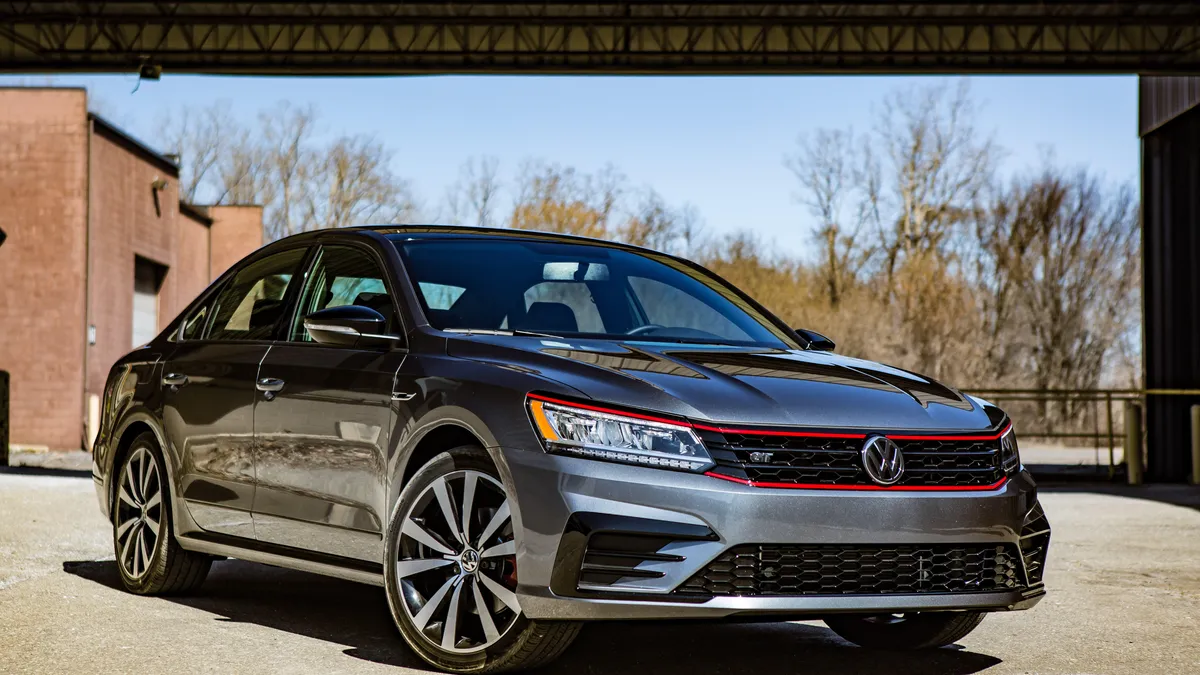
The 2016 Volkswagen Passat arrived with a mild refresh that improved its appeal in the competitive midsize sedan market. Updates included a slightly revised exterior with new headlights, LED taillights, and chrome accents, along with a more modern interior featuring an updated center stack and full leather seating for higher trims.
Volkswagen also expanded standard safety equipment to include a rearview camera, while advanced features such as blind-spot monitoring, lane departure warning, and forward collision mitigation with automatic braking became available on upper trims.
A new R-Line model introduced sportier styling elements, and smartphone integration improved significantly with the introduction of Apple CarPlay, Android Auto, and MirrorLink.
While exterior design changes were subtle, the updates to technology and safety helped the Passat remain a well-rounded, family-friendly sedan in a crowded segment.
Performance options in 2016 came in the form of two proven engines: a turbocharged 1.8-liter four-cylinder rated at 170 horsepower and a 3.6-liter V6 producing 280 horsepower.
The four-cylinder was paired with a six-speed automatic transmission and delivered solid acceleration, reaching 60 mph in about 7.7 seconds, along with respectable fuel economy of 29 mpg combined.
The V6 engine, available only on SEL Premium trims, provided more robust performance, hitting 60 mph in 6.4 seconds, but fuel efficiency dropped to 23 mpg combined. Both engines offered reliability and versatility, appealing to drivers who valued efficiency as well as those who craved more power.
On the road, the Passat favored comfort over sharp handling, with a quiet cabin and smooth ride that excelled during long-distance travel. Steering was precise, though not particularly engaging, and the DSG transmission in V6 models could feel sluggish outside of Sport mode.
Interior comfort and practicality were standout strengths of the 2016 Passat. The cabin was spacious, bordering on full-size sedan dimensions, with generous rear-seat legroom that could comfortably accommodate tall passengers.
The trunk offered an impressive 15.9 cubic feet of cargo space, expandable with folding rear seats, making it a top choice for families and frequent travelers. Front seats were wide and supportive, while the backseat, though slightly upright, still provided ample comfort.
High-quality interior materials gave the cabin a refined feel, with a simple, user-friendly layout that avoided unnecessary complexity. The available Fender premium audio system delivered excellent sound quality, further enhancing the driving experience.
The only drawback was the infotainment system’s small screen size, which lagged behind competitors in terms of display sharpness and ease of use, despite its faster response times compared to older units.
Safety and reliability rounded out the Passat’s appeal. Standard features included ABS brakes, traction and stability control, airbags, and a rearview camera, while higher trims added driver-assist technologies.
The 2016 Passat earned a five-star safety rating from the NHTSA along with strong scores from the IIHS, reinforcing its reputation as a secure choice for families. Owners praised its fuel efficiency, comfort, and reliability, with some reporting impressive long-distance performance and durability under demanding conditions.
Reviewers gave it solid ratings from Edmunds (4.4/5), Kelley Blue Book (4.5/5), and J.D. Power (82/100), placing it among the more trusted midsize sedans of its time.
While rivals like the Honda Accord, Toyota Camry, and Mazda6 offered stronger styling or sharper performance, the 2016 Volkswagen Passat carved its niche as a quiet, spacious, and safe sedan that delivered excellent everyday usability and long-term value.
5. 2009 Volkswagen Passat
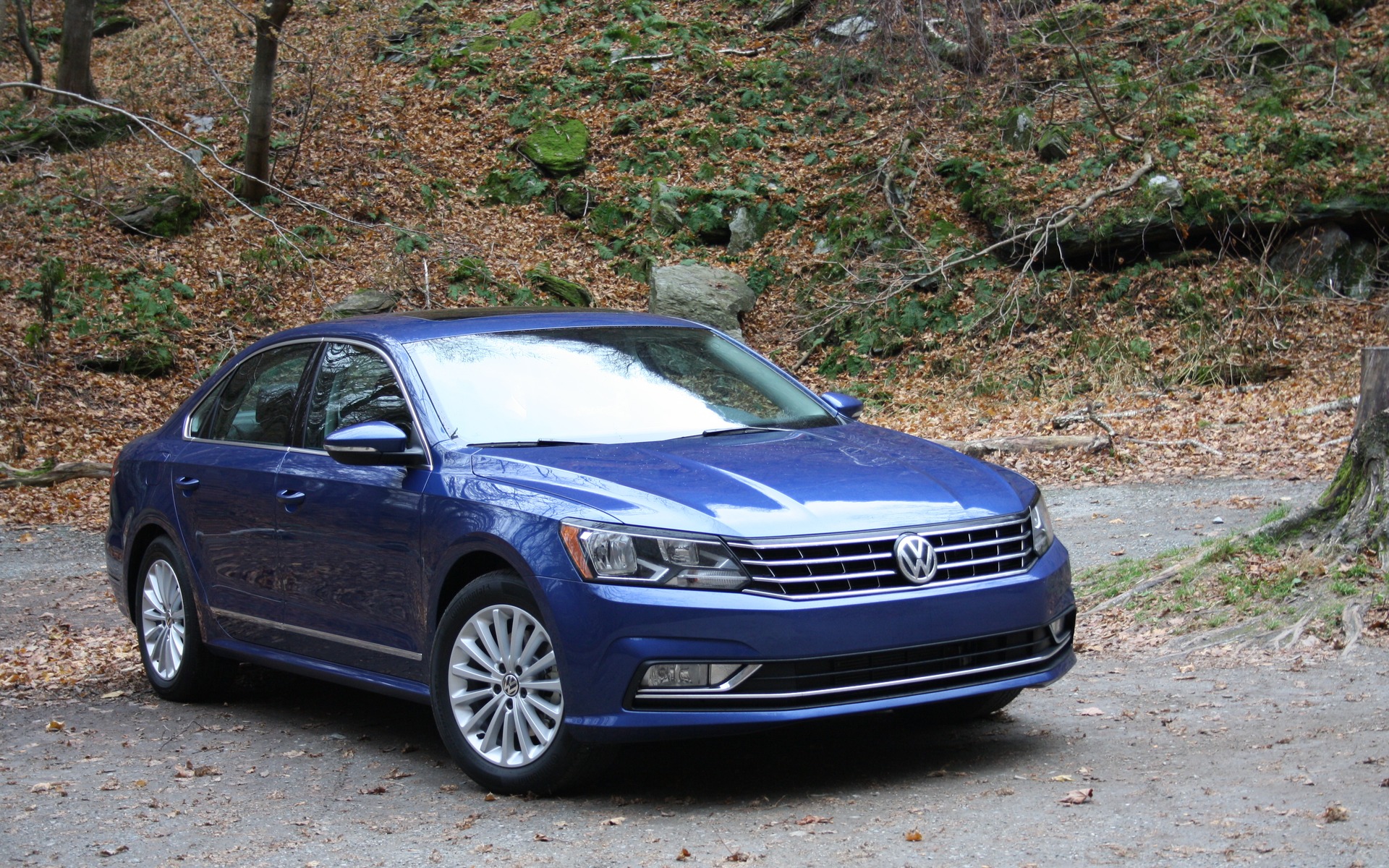
The 2009 Volkswagen Passat stands out as a refined midsize sedan that blends comfort, upscale design, and solid handling, despite a reduction in engine and trim options compared to previous years.
For this model year, Volkswagen streamlined the lineup to a single Komfort trim, equipped exclusively with a turbocharged 2.0-liter four-cylinder engine producing 200 horsepower and 207 lb-ft of torque, paired with a six-speed automatic transmission.
Performance testing recorded a 0–60 mph time of 7.7 seconds, a respectable result considering its focus on refinement over raw speed. With EPA fuel economy estimates of 19 mpg city, 29 mpg highway, and 23 mpg combined, the Passat delivers an efficient balance between performance and everyday usability.
Owners and critics alike praised the 2009 model for its smooth ride and enjoyable driving dynamics, highlighting it as a comfortable, versatile choice within the midsize sedan segment.
Volkswagen’s decision to discontinue the higher-priced V6 model and reduce the lineup was largely influenced by rising costs that had previously pushed the Passat into near-luxury territory.
By simplifying its offerings, Volkswagen positioned the 2009 Passat as a more competitive alternative to rivals such as the Honda Accord, Toyota Camry, and Nissan Altima.
While the elimination of certain features like leather upholstery, xenon headlights, and a premium audio system disappointed some buyers, the Passat retained its signature German engineering quality, high-end materials, and upscale cabin design.
Additionally, a new hard-drive-based navigation system with touchscreen capability and digital music storage was introduced, enhancing modern usability. The 2009 Passat also offered a wagon variant, providing significant cargo flexibility with up to 72.6 cubic feet of space, making it a practical alternative to SUVs for families.
Safety remained a strong suit for the 2009 Passat, with standard antilock disc brakes, stability control, anti-whiplash front head restraints, and a full suite of airbags. Optional rear-seat airbags added further protection.
In crash testing, the Passat earned impressive results, including five stars in front passenger side-impact protection and a “Good” rating from the Insurance Institute for Highway Safety (IIHS) in both frontal-offset and side-impact categories.
While the sedan’s 14.2-cubic-foot trunk was about average for the class, the wagon variant offered exceptional cargo-carrying capability. The model’s highway stability, well-balanced chassis, and precise steering were frequently praised, although some drivers noted intrusive road noise at higher speeds.
The 2009 Passat achieved a strong balance between comfort and capability, earning a reputation as a premium-feeling sedan without the premium price.
Inside, the Passat distinguished itself with a cabin that felt closer to an entry-level luxury sedan than a mainstream midsize competitor. Reviewers and owners consistently highlighted its superior fit and finish, high-grade materials, and intuitive controls.
Even the standard leatherette upholstery was considered high quality, offering durability and comfort beyond many competitors’ real leather. Spacious seating made long drives relaxing, with reviewers noting its ability to remain composed and comfortable over extended trips.
Coupled with its upscale design, practical wagon option, strong safety scores, and capable turbocharged engine, the 2009 Volkswagen Passat emerged as a well-rounded option for buyers seeking refinement, practicality, and European driving flair in a midsize package.
Also Read: 5 Cars That Rarely Need Brake Pad Replacements vs. 5 That Burn Through Them
5 VW Passat Years With Flaws
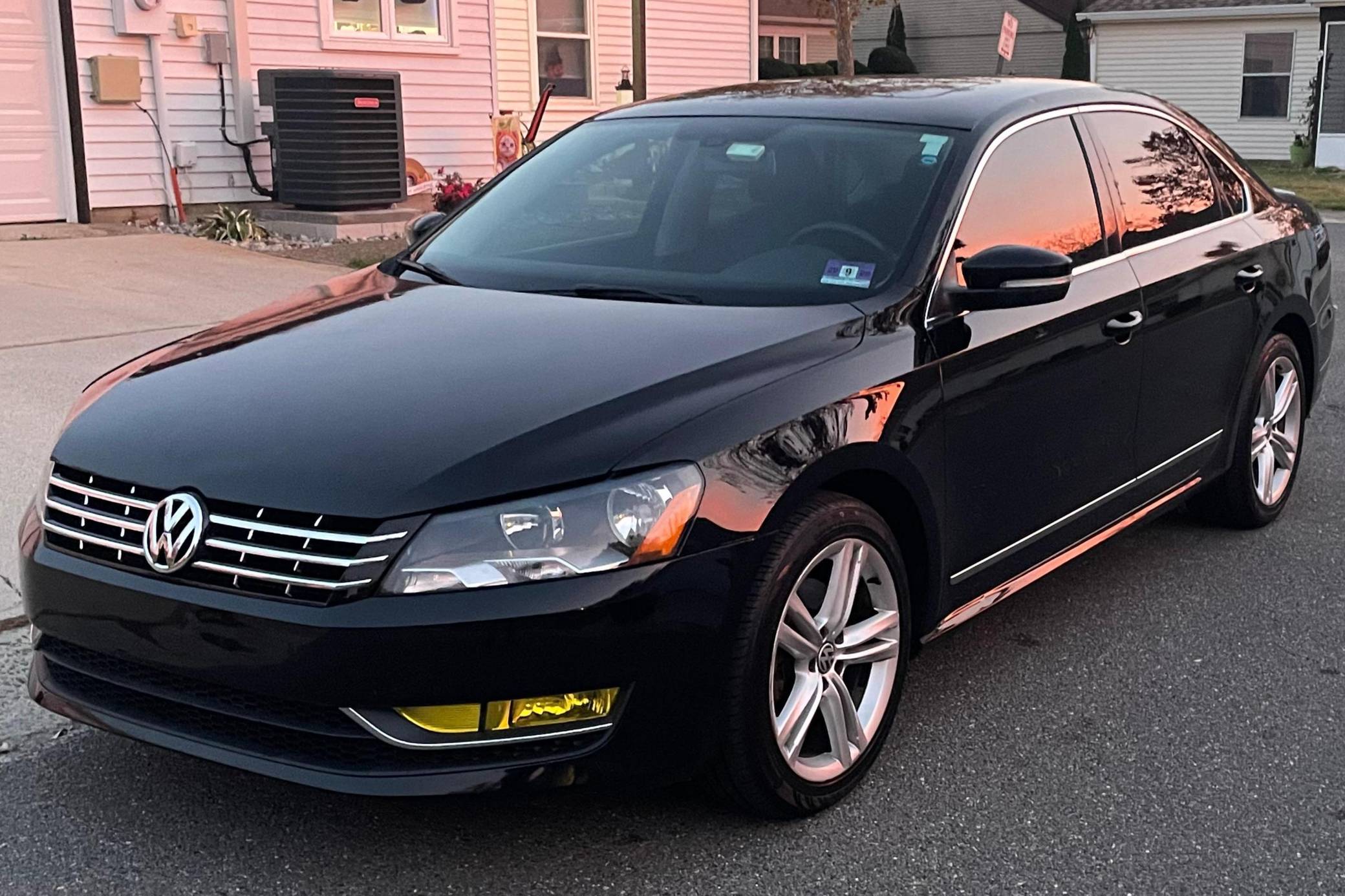
1. 2013 Volkswagen Passat: The Most Problematic Year
The 2013 Volkswagen Passat has gone down as the most problematic model year in the sedan’s history. According to CarComplaints.com, it received 82 official complaints, while CarProblemZoo.com documented 890 reported issues, far surpassing previous generations.
The majority of these problems revolved around airbag malfunctions, including faulty sensors, constant warning light illumination, and steering wheel control failures linked to poorly installed airbags.
Beyond safety issues, clockspring failures, faulty air conditioning systems blowing hot air, and electrical system fluid migration were widely reported. These recurring faults not only undermined driver confidence but also significantly tarnished the Passat’s reliability reputation. Among all problematic model years, 2013 stands as the peak of unreliability, blending critical safety risks with costly, frustrating repairs.
2. 1999 Volkswagen Passat: Early Warning Signs
The 1999 Passat had its fair share of issues, but it was not nearly as infamous as later years. The most reported concern involved the anti-lock braking system (ABS), which often malfunctioned due to a defective control module. This made the safety system unreliable for many owners, a serious drawback for a car in this class.
Other common problems included gearbox failures preventing the car from going into gear, power windows collapsing into doors, and persistent oil leaks. CarComplaints.com registered 12 official complaints, while CarProblemZoo.com logged 850 problems.
Although its problem volume was high, the 1999 model was considered manageable compared to the catastrophic airbag failures and electrical complications that would plague the 2013 version more than a decade later.

3. 2003 Volkswagen Passat: “Avoid Like the Plague”
The 2003 Passat earned one of the worst reputations in Volkswagen’s lineup, with CarComplaints.com bluntly labeling it “Avoid Like the Plague.” Unlike earlier models, the bulk of its issues stemmed from the engine and cooling system.
Owners frequently reported oil sludge buildup, engine failures, low oil pressure, and ignition coil breakdowns, leading to overheating, misfires, and even complete engine loss. Symptoms such as smoke pouring from under the hood and a burning oil smell were all too common.
With 194 complaints and 809 problems, the 2003 model left many owners facing high repair bills or premature vehicle replacement. While plagued by mechanical disasters, its faults were more engine-related compared to the safety-critical airbag failures of the 2013 model.
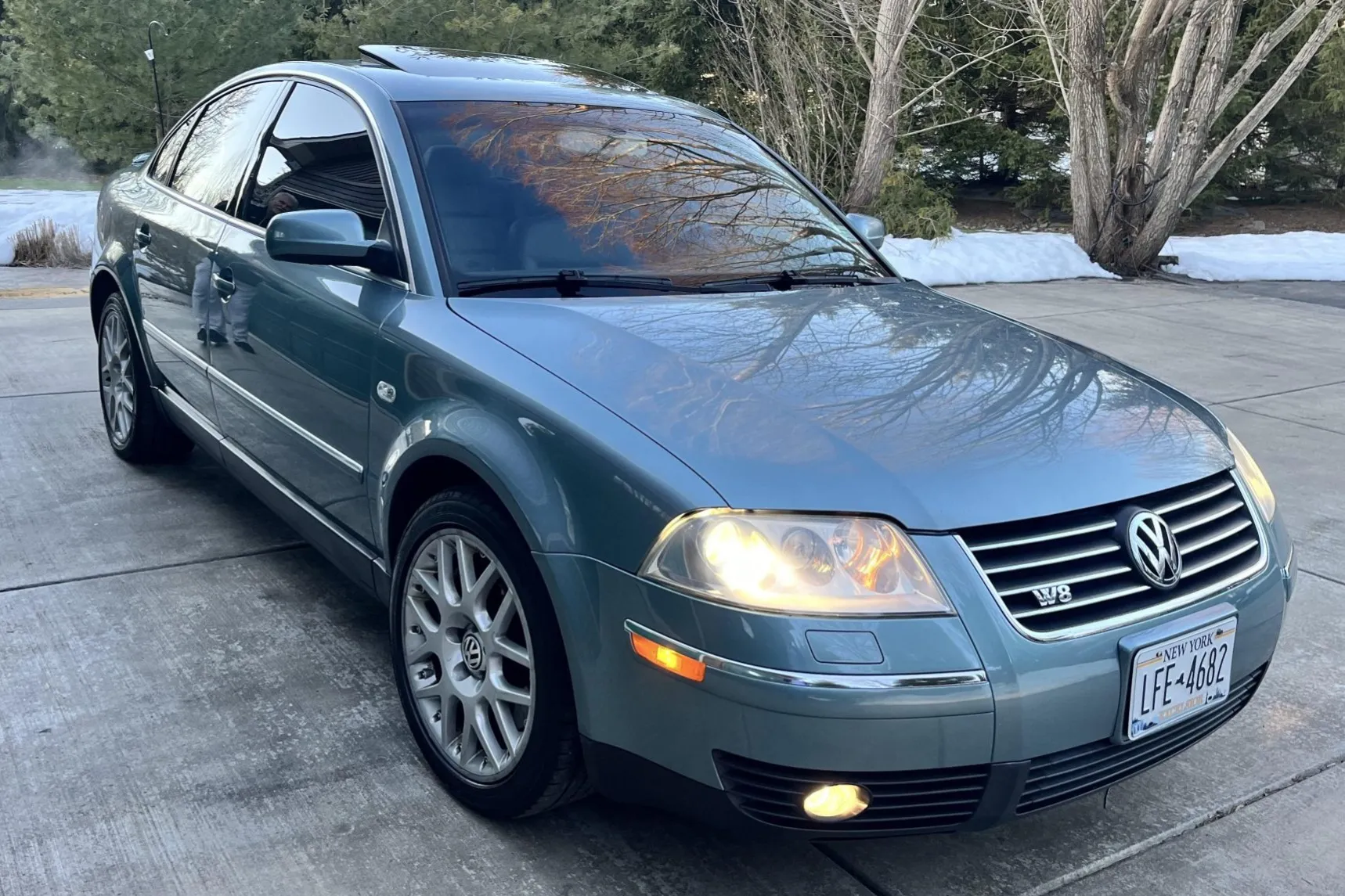
4. 2006 Volkswagen Passat: “Beware of the Clunker”
The 2006 Volkswagen Passat continued the model’s troubled streak, becoming infamous for severe engine-related breakdowns. CarComplaints.com gave it the grim title of “Beware of the Clunker,” reflecting the widespread frustrations of owners.
Reported problems included complete engine failure, camshaft wear and tear, ignition issues preventing the car from starting, and intermittent airbag malfunctions. With 105 official complaints and 754 problems, the 2006 model fell short of expectations and created reliability doubts.
Although less notorious than the 2003 model, it remained a cautionary purchase due to its recurring mechanical failures. Still, its issues, though costly, were less alarming than the systemic airbag defects and high volume of complaints that characterized the 2013 Passat as Volkswagen’s most unreliable year.
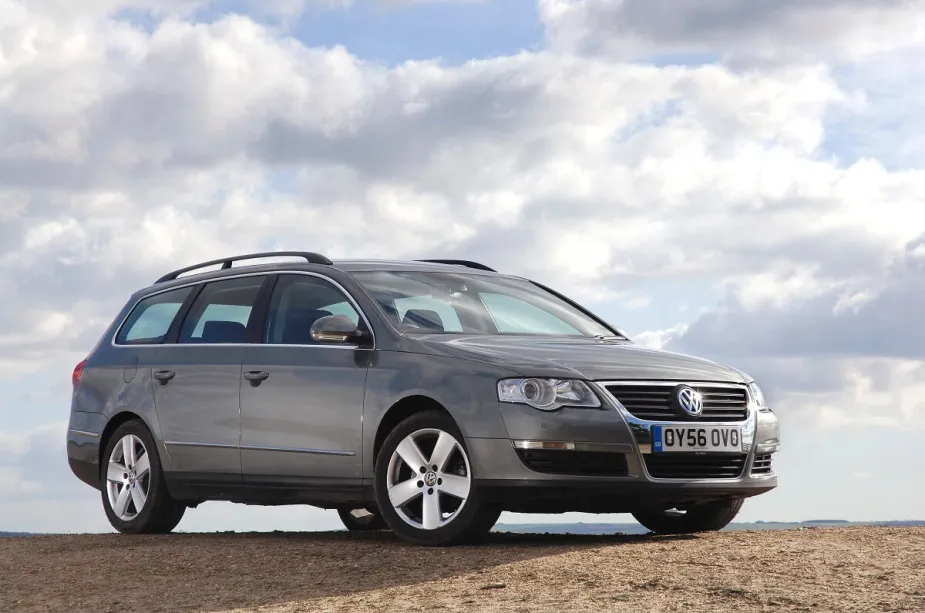
5. 2014 Volkswagen Passat: A Step Forward, but Still Flawed
The 2014 Volkswagen Passat attempted to move beyond the disastrous 2013 model but continued to face significant reliability problems. At the center of these was the clockspring failure, a defect in the steering wheel assembly that disrupted steering wheel buttons and disabled airbag functionality.
This caused major safety concerns, echoing many of the issues from the prior year. Additional owner complaints included excessive oil consumption, sudden engine power loss, and steering control malfunctions.
CarComplaints.com listed 52 complaints, while CarProblemZoo.com reported 684 issues. Though a slight improvement over 2013, the 2014 model still carried a reputation for unreliability. It ultimately reinforced the perception that Passats from this era were plagued with recurrent safety and mechanical faults.
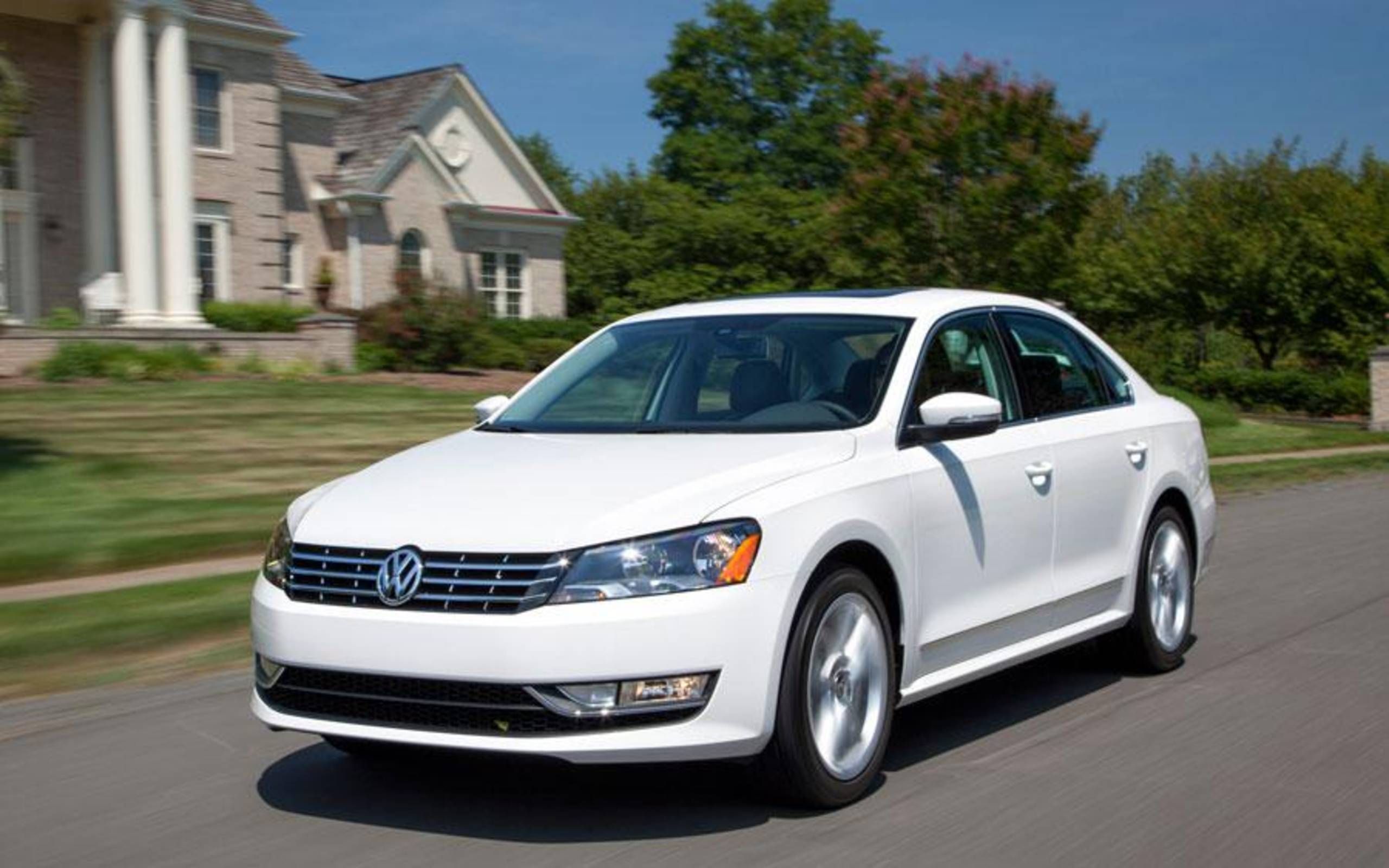
Choosing the right Volkswagen Passat comes down to separating dependable years from those burdened by flaws. Models like the 2009, 2016, 2018, and 2022 editions highlight what the Passat does best: comfort, practicality, and long-term usability, making them smart picks for buyers seeking solid midsize sedans.
On the other hand, years such as 2013, 2003, and 2006 underscore the risks of costly repairs, safety concerns, and notable unreliability. For those entering the used-car market, this knowledge provides a clear advantage, ensuring you can enjoy the strengths of the Passat without inheriting its most frustrating problems.
While Volkswagen has since shifted its focus toward SUVs and electric vehicles, the Passat’s legacy remains strong. With the right model year, shoppers can still find a sedan that delivers the refinement, efficiency, and comfort that made it a mainstay for more than three decades.
Also Read: 10 Cars With Tricky Seatbelt Buckles for Elderly Passengers