
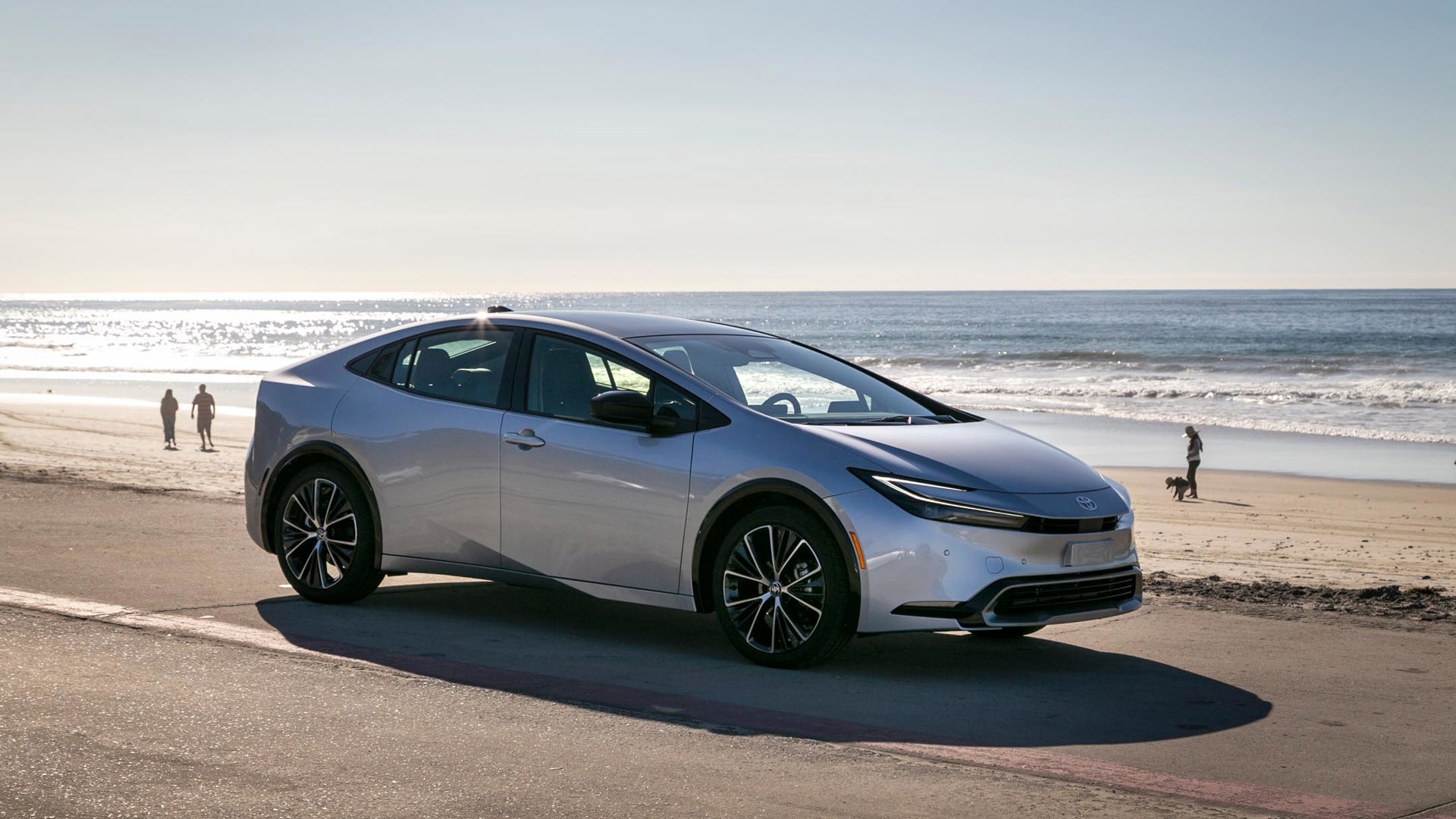
The Toyota Prius C has earned a reputation as one of the most practical and efficient hybrid options for daily driving.
While the gasoline engine plays its part, the real heart of this car lies in its hybrid battery system, which is designed to give drivers dependable performance and impressive fuel savings.
Like any vehicle component, however, the battery requires attention and care to ensure it delivers reliable service for many years. Without the right approach, hybrid owners may notice weaker performance, reduced fuel economy, and in some cases expensive replacement costs.
Fortunately, there are proven methods to help extend the life of the Prius C battery while keeping the car running at its best.
Hybrid batteries have unique needs compared to conventional car batteries, and that means drivers must be aware of how their daily habits, maintenance routines, and storage practices affect battery health.
Many Prius C owners have successfully driven for well over a decade with their original factory battery pack still performing at a high level.
This longevity is not just because of Toyota’s engineering, but also because smart drivers understand that batteries benefit from regular use, proper charging conditions, and careful upkeep.
The goal of the following guide is to provide practical and detailed strategies that can be applied every day. Whether you’re commuting through city traffic, planning long highway trips, or storing the car for specific seasons, each tip is designed to help maintain strong performance from your Prius C battery.
By applying these strategies, owners can enjoy extended battery life, fewer costly repairs, and the confidence that their hybrid system remains at peak efficiency. Each section highlights one specific approach so that you can apply it directly to your own driving habits.
Also Read: 10 Easy Wins That Keep a Toyota Prius V Battery Healthy
Tip 1: Keep the Battery at Moderate Charge Levels
One of the most important habits for maintaining a Prius C battery is ensuring it spends most of its time at a moderate charge level rather than consistently high or low extremes. Hybrid batteries are optimized to operate within a balanced range.
Unlike a phone or laptop battery that is designed to be charged to 100 percent and occasionally drained close to zero, hybrid battery packs prefer staying in the middle range of their capacity.
When the battery is consistently kept near full charge, it endures additional stress due to higher heat levels and increased chemical reactions inside the cells.
On the other hand, allowing the battery to run too low repeatedly can shorten its lifespan by causing the cells to degrade faster. Toyota’s onboard computer management system tries to balance charge levels automatically, but driving habits greatly influence how well this works.
For example, heavy stop-and-go traffic often pushes the battery into widely fluctuating states of charge, while moderate highway cruising tends to keep it stable.
To avoid unnecessary strain, drivers should adopt smoother driving techniques and allow the car’s system to regulate charging more evenly. Accelerating gently and braking gradually helps avoid rapid drains or sudden energy recovery that might unbalance the pack.
Parking conditions also matter. Prolonged idling with the air conditioning running not only wastes fuel but also forces the hybrid battery to cycle more aggressively to keep up with electrical demand.
Instead, aim to keep trips consistent in length and avoid practices that cause the battery to swing from near-empty to near-full too often.
By keeping the battery within its ideal middle range, you let the cells work at their most efficient state, extending both performance and longevity.
Tip 2: Drive Regularly to Maintain Charge Balance
Hybrid batteries benefit from regular use, and leaving a Prius C idle for long stretches can weaken the system. Unlike lead-acid starter batteries, hybrid packs are larger with complex chemical balance requirements.
If they sit unused for extended periods, the battery cells can develop imbalances where some hold more charge than others. This imbalance places stress on the weaker cells, ultimately reducing total capacity and efficiency.
To minimize this risk, it is essential to drive the Prius C regularly, even if only for short distances. Allowing the hybrid system to engage periodically ensures that the pack cycles through charge and discharge processes in a balanced way.
Ideally, the car should be driven a few times each week. Trips do not need to be extremely long, but they should provide enough time for the system to stabilize both battery charge and temperature.
If a Prius C must sit unused for weeks, consider precautions. For example, arranging for a trusted friend or neighbor to drive the car periodically is effective.
Some owners also make use of hybrid battery chargers or maintainers specifically designed to keep cells balanced during downtime. However, the simplest solution is consistent driving.
Environment also plays a part. Vehicles stored outdoors in extreme weather while sitting idle face additional stress compared to those left in garages.
Heat accelerates chemical wear, while cold can make it harder for the system to maintain efficiency when restarted. Coupling regular use with proper storage improves performance considerably.
Driving the Prius C regularly supports intake system health, gasoline quality stability, and engine fluid circulation, all of which indirectly help the hybrid battery.
This routine ensures that when you need your car for longer trips, the hybrid system responds efficiently without sluggish charging cycles or capacity loss. Consistent driving is one of the simplest tricks to keeping the battery strong and dependable.
Tip 3: Avoid Excessive Heat Exposure
Temperature management plays a major role in the condition of hybrid batteries, and one of the most harmful factors is prolonged exposure to extreme heat.
High temperatures accelerate chemical breakdown inside battery cells, making them lose efficiency and capacity faster over time. For Prius C owners living in hot climates, this concern is particularly important.
Parking practices make a huge difference. Leaving the car under direct sunlight on scorching days exposes both the interior and the hybrid system to high heat, which can cause unnecessary strain on the cooling fan and the pack itself.
Whenever possible, park indoors or under shade. Even using a windshield sunshade or partially lowering windows to allow ventilation can help reduce interior heat that otherwise increases pressure on the hybrid battery.
Toyota engineers designed the Prius C with a battery cooling fan located near the rear seats. This system pulls in cabin air to regulate battery temperature.
If the cabin becomes excessively hot, the fan has to work harder, potentially pulling in dust and contaminants that clog the vents. By keeping the car cleaner and cooler, you reduce the load on this cooling system, allowing it to function more effectively.
Air conditioning use is another factor. While keeping the cabin cooler protects the battery, forcing the air conditioner to run continuously on high settings during extreme weather requires substantial energy, indirectly impacting the hybrid pack.
Instead, ventilating the cabin first by opening doors or windows before switching on the air conditioner reduces the burden.
Regular maintenance of the cooling fan should not be overlooked either. This involves ensuring the intake vent is free from dust, pet hair, or debris that could restrict airflow. In hot seasons, this preventive step is especially valuable.
By prioritizing temperature control and protecting the battery from heat exposure, Prius C owners can significantly extend the life of their hybrid system while also enjoying smoother performance year after year.
Tip 4: Keep the Battery Cooling System Clean
The cooling system of the Prius C battery is a vital yet often overlooked component. Unlike traditional engines with radiators and coolant systems, the hybrid battery relies on a fan that circulates air from the cabin.
This design means that whatever is present in the cabin air dust, hair, lint, or allergens can end up pulled directly into the cooling intake. Over time, buildup in the system restricts airflow, raising internal battery temperatures and forcing the fan to work harder.
Keeping the cooling system clean is a preventative step to prolong battery health. The intake vent is usually located near the rear seat area.
Many Prius C owners are surprised when they inspect this vent and find it partially clogged by pet hair, clothing lint, or general debris. A simple cleaning with a vacuum or soft brush often restores proper airflow immediately.
In households with pets, this task becomes even more important. Pet hair is one of the leading causes of clogged intake vents, as it easily accumulates inside vehicles.
Drivers who frequently transport pets should make it a habit to check the vent regularly. Similarly, families that use the rear seats often may find dust and debris collecting faster than expected.

Beyond cleaning the intake vent, some owners choose to service the fan itself periodically. Professional cleaning ensures that the internal blades remain free from buildup, reducing mechanical wear and maintaining efficiency. This service is usually not very expensive and can prevent more costly issues later.
It is also beneficial to run the cabin air filter on schedule, as a cleaner filter provides fresher airflow not just for passengers but also for the hybrid system.
Since the Prius C battery depends heavily on this cooling circulation, maintaining clear airflow prevents overheating and minimizes the risk of uneven wear across the cells.
By ensuring the hybrid cooling system remains clean, Prius C drivers provide the battery with a supportive environment for long-term strength and dependable performance in various driving conditions.
Tip 5: Use Smooth Driving Habits
The way you operate your Prius C has a direct impact on how much strain the hybrid battery experiences. Sudden acceleration, rapid braking, and aggressive stop-and-go movements force the battery to cycle between charge and discharge more frequently than necessary.
While the system is built to handle fluctuations, excessive cycling over years of use shortens the overall lifespan of the pack.
Practicing smooth and consistent driving helps the battery work more efficiently. For example, when accelerating, allow the car to build speed gradually rather than pushing hard on the accelerator.
This reduces immediate demand on the electric motor and prevents sharp drain from the hybrid system. Similarly, gentle braking allows regenerative charging to take place in a balanced manner, preventing sudden surges of recovered energy from straining the cells.
Anticipating traffic signals, changes in traffic flow, and uphill sections also plays an important role in achieving smoother driving.
By easing off early and maintaining momentum where possible, you minimize rapid transitions that damage long-term battery health. In addition, your fuel economy improves, meaning you benefit financially as well as mechanically.
Driving smoothly does not only protect the battery but also reduces wear on other parts of the car such as the brake pads, tires, and transmission components. Over the course of years, this adds up to lower operating costs and fewer repairs.
For drivers new to hybrids, it often takes some time to get accustomed to the feeling of regenerative braking and the balance between electric and gasoline power. But once mastered, smooth operation becomes second nature.
By treating the Prius C as a system that rewards steadiness and foresight, owners optimize both performance and battery life over the long term.
Tip 6: Avoid Deep Discharge Situations
While Toyota designs its hybrid management systems to prevent the battery from completely emptying, it is still possible to push the pack toward lower-than-ideal levels if the car is consistently driven until nearly no electric charge remains.
Frequent deep discharge situations stress the cells because they place pressure on the lowest state of charge, which is when battery degradation speeds up.
For Prius C owners, this means avoiding habits that would cause the car to operate primarily on electric mode until it is nearly drained. While short electric-only operation is beneficial for fuel economy, overusing it can push the system toward these low-charge extremes.
Instead, let the hybrid system alternate naturally between gasoline and electric power. The onboard computer is programmed to maintain the battery within safe operating limits, but thoughtful driving further helps stability.
Extended uphill driving or towing situations also risk placing heavy load on the battery. In such conditions, relying on the gasoline engine when possible ensures that the electric pack does not deplete too quickly.
The same concept applies in heavy city traffic where repeated accelerations in electric-only mode quickly draw power down. Allowing the gasoline engine to engage more often keeps the charge at safe levels.
Another habit to avoid is intentionally trying to force the hybrid system to run solely in electric mode for prolonged stretches. While it may feel efficient, it creates stress on the cells and reduces potential lifespan. Instead, let the Prius C balance energy use as originally designed.
By steering clear of deep discharge scenarios, Prius C owners support cell stability, reduce chemical stress, and maintain a healthier battery for years of reliable service. Consistency and moderation in power usage are central to extending hybrid battery life.
Tip 7: Maintain Proper Tire Pressure and Alignment
Although tire care may not seem directly related to hybrid battery health, it affects the way the Prius C consumes and manages energy. Underinflated tires create rolling resistance, forcing the car to expend more power to maintain speed.
This results in both higher gasoline usage and extra strain on the hybrid battery as it assists the engine with additional torque during acceleration. Over time, this unnecessary load accelerates wear on the pack.
Keeping tires inflated to the recommended pressure ensures that the car glides more efficiently and allows the hybrid system to operate within its optimal range.
Checking tire pressure at least once a month is a simple yet effective habit. Seasonal changes in temperature often cause pressure fluctuations, making checks even more important during hot summers and cold winters.
Wheel alignment plays a similar role. Poor alignment results in drag as the wheels fail to roll in a straight, balanced manner.
Drivers often compensate by pressing harder on the accelerator, which increases workload on the battery. Regular alignment checks, especially after hitting potholes or curbs, prevent such inefficiencies.
Tire maintenance benefits extend beyond energy management. Unevenly worn tires decrease safety, reduce braking performance, and raise the likelihood of accidents.
Considering the Prius C’s lightweight body and reliance on hybrid synergy for smoothness, proper tire condition is more significant than some drivers realize.
Owners who invest in low-rolling-resistance tires tailored for hybrids may also notice an improvement in energy savings along with reduced reliance on the battery. These tires are designed to lower friction, allowing the car to travel further with less power expenditure.
By keeping tires properly inflated, aligned, and suited for hybrid efficiency, you alleviate unnecessary strain on the Prius C battery while also enjoying greater safety, comfort, and fuel economy during daily driving.
Tip 8: Service the Hybrid System Periodically
Preventive servicing is a cornerstone of hybrid battery care. While Prius C batteries do not require direct owner maintenance in the way lead-acid starter batteries do, regular checkups ensure potential problems are detected early.
Toyota recommends periodic hybrid system inspections that include evaluating the battery’s state of charge, cooling fan operation, and related software updates.
During servicing, technicians use diagnostic tools to monitor voltage differences between modules. Even minor imbalances within the battery pack can be identified before they create major problems.
Early detection allows corrective actions, sometimes by conditioning or rebalancing the pack, which helps restore uniformity across cells.
Another benefit of scheduled servicing is keeping the hybrid control software current. Toyota occasionally issues updates that improve energy management, cooling fan operation, or overall efficiency.
These adjustments contribute indirectly to battery health by ensuring smoother function and reduced strain.
Fluid and filter checks are also crucial. While these do not directly affect the battery, keeping the engine, transmission, and air system in excellent condition prevents extra demand being placed on the hybrid pack.
For instance, a clogged air filter forces the car to rely more on electric assist, which cycles the battery harder than necessary.
Prius C owners looking to extend the service life of their pack should not neglect hybrid-specific inspections as part of routine maintenance plans.
Even if the car appears to be running well, professional diagnostics can highlight subtle issues invisible to everyday drivers.
By regularly servicing the hybrid system through trusted professionals, you ensure the battery operates within its most efficient parameters.
This not only extends the life of the pack but also keeps the entire car performing at the level drivers expect from Toyota’s trusted hybrid lineup.
Tip 9: Avoid Excessive Short Trips
Short trips may seem harmless, but they can negatively impact hybrid batteries when repeated frequently. Starting the Prius C, driving for just a few minutes, and then turning it off prevents the system from fully balancing charge cycles.
The battery goes through partial use without reaching optimal operating temperatures, which is less efficient in the long run.
Repeated short trips also mean the gasoline engine does not warm up properly, causing the hybrid system to lean more heavily on the battery for propulsion. This accelerates charging and discharging processes that drain efficiency over the years.
Owners who consistently drive only one or two miles at a time may notice their hybrid battery degrading faster than expected compared with those who incorporate longer drives.
The solution is not to avoid short trips altogether, as they are sometimes unavoidable, but to balance them with occasional medium to long drives. Allowing the hybrid system to function in steady conditions, cycle through charging states, and reach proper operating temperatures keeps the battery healthier.
Trip planning is another effective approach. Instead of multiple quick errands with the car being turned off and restarted in between, group errands into one longer trip. This allows the hybrid system to stabilize rather than constantly reboot and repeatedly stress the battery.
Another factor to consider is climate. During cold weather, the negative effects of short trips amplify, as both the gasoline engine and battery struggle to reach efficient operating levels. Allowing at least one or two thorough drives each week during such conditions strengthens system balance.
By reducing the number of unnecessary short trips and combining minor errands into longer ones, owners help maintain a consistent charging pattern, which preserves Prius C battery health over time.
Tip 10: Store the Car Properly if Not in Use
If you anticipate leaving your Prius C unused for extended periods, preparing it properly for storage is vital for battery preservation. Hybrid packs degrade faster when left idle without appropriate precautions. Fortunately, taking a few simple steps safeguards their performance.
First, choose the right storage environment. A climate-controlled garage is ideal because it shields the car from both heat and cold, which accelerate chemical wear in the cells. Avoid leaving the car outside under direct sun for weeks at a time, as heat buildup has lasting negative effects.

Second, ensure the car is stored with the battery at a moderate charge level rather than completely full or nearly empty. Hybrids prefer staying in the mid-range of their charge window. Fully charged or depleted states increase stress during idle storage.
Third, consider periodic startup and operation. If possible, arrange for someone to drive the car every couple of weeks. Even a 15- to 20-minute drive allows the battery to cycle and prevents imbalances among cells. This habit also keeps fluids circulated and prevents the gasoline from becoming stale.
For longer storage scenarios exceeding several months, specialized hybrid battery maintainers are available. These devices are designed to manage charge balance between cells. Unlike traditional trickle chargers for conventional batteries, they provide balanced conditioning suited specifically to hybrid packs.
Before storing the Prius C, cleaning and maintenance tasks such as topping off fluids, checking tire pressures, and clearing the cabin air intake vent also contribute to better preservation.
Since the hybrid system depends on clean airflow for cooling, storing the car in dust-free conditions adds further protection.
By storing the Prius C with careful preparation, you drastically increase the likelihood that the hybrid battery remains healthy, avoiding costly issues when the car returns to regular use.
Also Read: 10 Tricks That Keep a GMC Sierra Elevation Strong Forever
