
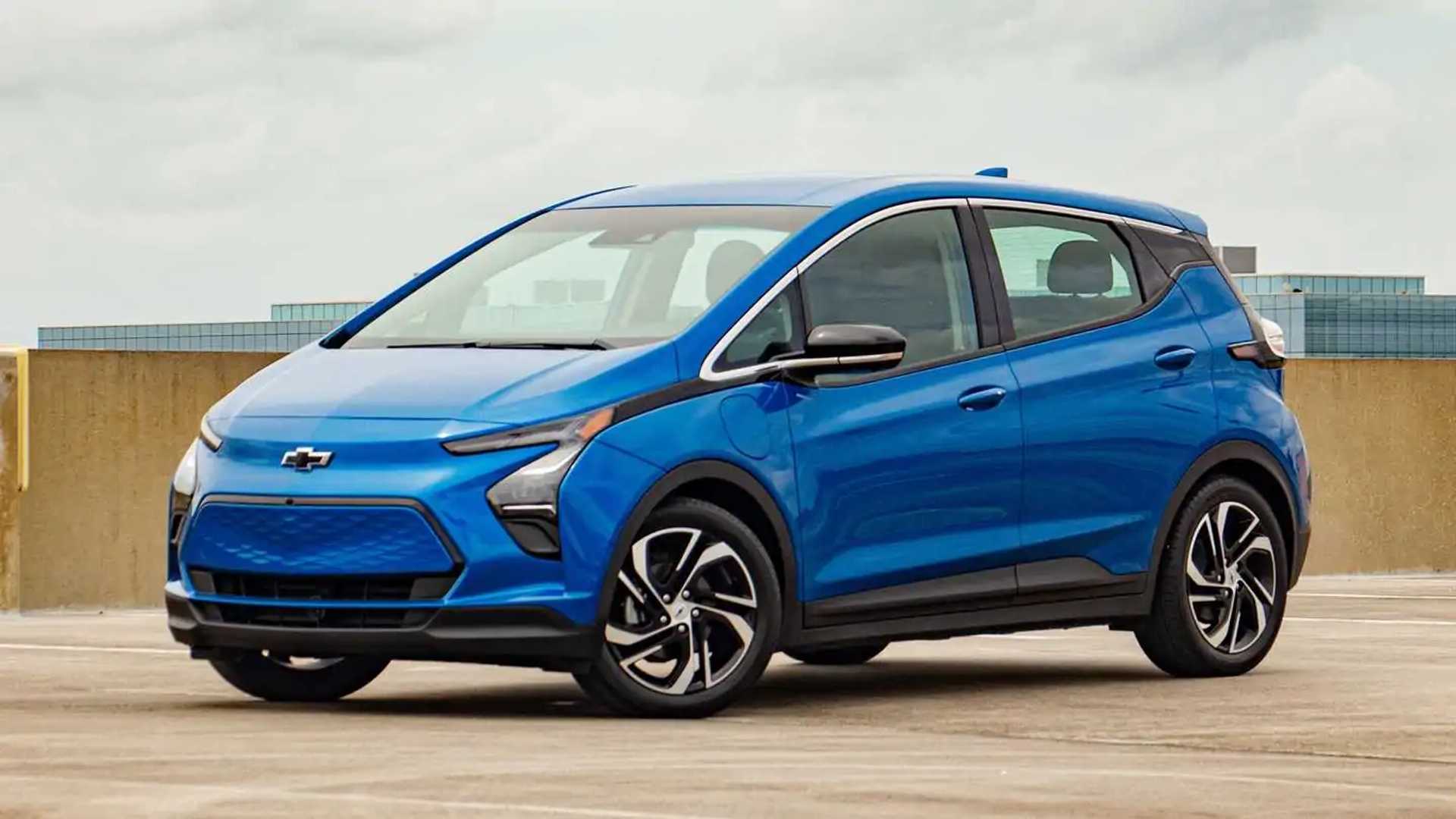
Owning a Chevrolet Bolt can be a rewarding experience if it is treated with the right care and attention.
Many drivers assume electric cars have fewer maintenance requirements compared to conventional gas-powered vehicles, which is partially true, but longevity still depends on how well the vehicle is treated as mileage accumulates.
The Bolt is built with durable components, an efficient motor, and a strong battery system, yet pushing it beyond 300,000 miles requires a combination of smart driving habits, steady upkeep, and early problem prevention.
The main advantage of electric cars like the Bolt is the reduced number of mechanical parts that can fail compared to traditional engines. There are no oil changes, spark plugs, or timing belts to worry about, but that does not mean the Bolt is indestructible.
Tire wear, suspension stress, battery health, and thermal management all affect how long the vehicle performs at a reliable standard.
Owners who anticipate keeping their Bolt beyond its expected lifespan need to adopt routines and strategies that keep the car running smoothly across city traffic, highway commutes, and even long-distance trips.
Another factor influencing longevity is how the high-voltage battery is managed. It is the most expensive part of the vehicle, and preserving its health extends the Bolt’s usefulness by years.
Beyond the battery, the vehicle’s performance depends on keeping software updated, monitoring cooling systems, treating the charging cycle correctly, and not neglecting smaller areas such as brakes and cabin features. Each of these elements adds up to create a complete care plan for long-term usage.
In the following sections, we will examine 10 practical hacks that can push your Chevy Bolt comfortably beyond the 300,000-mile mark without losing efficiency or dependability. These methods aim to bring out the best from your electric companion for many years.
Also Read: 10 Hacks That Keep a Honda Element Reliable Forever
1. Master the Art of Battery Charging
The battery is the lifeline of the Chevrolet Bolt, and its condition will ultimately determine whether the vehicle can cross the 300,000-mile milestone. Preserving battery life starts with controlling how and when you charge it.
Much like how smartphone batteries degrade when constantly held at 100 percent, the Bolt’s pack benefits from staying within a moderate state of charge. The sweet spot for daily usage sits between 20 and 80 percent. By avoiding constant max charges, the battery chemistry remains stable for a longer period.
Another smart tactic involves reducing exposure to high-power fast charging except when it is absolutely necessary. DC fast chargers are convenient for road trips, but they also generate more heat, placing stress on the cells.
Regular use of lower-level home charging promotes slower, cooler charging cycles, which translate into better longevity. Scheduling your charging to end right before you plan to drive also reduces the time the battery remains at a high charge level, further easing wear.
Temperature control plays a supporting role. Cold weather can reduce range temporarily, while hot conditions accelerate aging.
To counter these, use preconditioning features while plugged in. This lets the car manage temperature without draining the battery. Parking in shaded areas or garages also reduces excessive heat exposure.
Finally, be intentional about charging habits during long-term storage. If you will not be driving for several weeks, leave the battery at about 50 percent rather than full to minimize stress. Activating the car’s storage mode helps maintain health.
These tweaks might feel like minor habits, but over years, they add thousands of extra miles of dependable performance. Treating the battery like the living heart of the car ensures it keeps your Bolt running long past expectations.
2. Respect Tire Health and Rotation Cycles
While many drivers overlook tires as a basic maintenance item, for an electric vehicle like the Bolt, they are a cornerstone of long-term reliability.
The instant torque from the electric motor puts more strain on tires compared to most gas-powered cars, so paying attention to them will prevent uneven wear and improve efficiency.
Start by sticking to a strict rotation schedule. Ideally, tires should be rotated every 6,000 to 7,500 miles. This balances out the stress across all four tires, since front tires often wear down faster.
Without rotation, you could see premature balding that forces more frequent replacements. Regular rotations extend tire life by thousands of miles, saving money and supporting longer journeys from the same set.
Maintaining proper tire pressure is another make-or-break factor. Underinflated tires not only wear out quicker but also force the motor to work harder, draining the battery faster.
Check tire pressure monthly, preferably when the tires are cool, and adjust them to the manufacturer’s recommended psi. Proper inflation improves handling, braking, and mileage all at once.
Wheel alignment also plays a role. Potholes, curbs, or rough terrain can push wheels slightly off alignment. Even a small deviation causes uneven tread wear, leading to earlier replacement and reduced control over the vehicle. A professional alignment check every year keeps everything balanced.

Do not forget to perform visual inspections. Look for sidewall cracks, bulges, or embedded objects. Since electric cars are heavier due to the battery pack, tires face more stress, making these problems more common if not monitored closely.
With consistent care, a single set of tires can last much longer, extending comfort and safety while also protecting other parts of the car like suspension and steering systems. Proper tire practices directly support a Bolt’s long-distance capacity.
3. Keep Software and Firmware Up to Date
Unlike traditional cars, the Chevrolet Bolt benefits significantly from routine software updates. The vehicle’s performance isn’t limited to its physical components it’s also about how efficiently the onboard software manages systems like charging, battery thermal stability, and motor efficiency.
Missing updates could cause reduced performance or even overlooked defects that shorten the car’s lifespan.
Manufacturers frequently release patches to improve battery management algorithms, enhance charging compatibility, and refine regenerative braking systems.
Staying on top of these not only ensures smoother driving but also prolongs component life. Updates often include fixes for minor issues before they escalate into expensive repairs.
It’s worth setting reminders to check the vehicle’s update status regularly. Since the Bolt supports over-the-air updates, most improvements can install automatically if connected to Wi-Fi. However, some key recalls or updates might require dealer servicing.
Establishing a habit of confirming that your Bolt has the latest firmware prevents falling behind on crucial performance tweaks.
Another overlooked benefit of software updates lies in efficiency enhancements. Even minor tuning of the motor’s power delivery or thermal management means less long-term strain.
In fact, some updates indirectly improve range by optimizing how the car handles energy consumption. Over decades of ownership, that small efficiency gain adds up to reduced stress on the powertrain and battery.
Beyond the major systems, updates also keep smaller features in check such as infotainment reliability, connectivity, and driver-assist technologies.
While these might not directly extend mechanical life, a fully functional system ensures a safer, more enjoyable driving experience, which contributes to reduced stress on both the driver and the vehicle.
Think of updates as preventative medicine. Ignoring them might not cause instant problems, but consistently applying new enhancements keeps the Bolt aligned with its best performance design, letting it tackle higher mileage targets with fewer hiccups along the way.
4. Manage Regenerative Braking Wisely
Regenerative braking is one of the most defining features of the Chevy Bolt, not just for sustainability but also for extending the lifespan of mechanical brakes.
However, many drivers don’t realize that how you use regenerative braking can impact both driving feel and long-term efficiency.
The system works by allowing the electric motor to act as a generator during deceleration, sending energy back into the battery. While this is excellent for efficiency, it does not entirely replace traditional brakes.
If the driver relies too heavily on regeneration at all times, the brake pads might not be used enough, allowing rust and uneven wear to develop. Striking a balance protects both systems.
A habit worth practicing is alternating between regenerative braking and periodic use of the hydraulic brakes, especially in wet areas where rust could accumulate quickly.
Lightly pressing the brake pedal occasionally helps keep the discs clean and the pads evenly worn. This simple action prevents long-term replacement costs and sudden brake issues.
At the same time, learning how to properly adjust regenerative braking levels can help shape driving style. Using higher regenerative force in stop-and-go traffic reduces wear and captures more energy.
On open highways, medium or lower regen settings make for smoother driving and prevent abrupt deceleration for those following behind.
Some drivers prefer “one-pedal driving,” where regeneration nearly brings the car to a complete stop. While this is efficient, it should not become the only driving style. Instead, rotate between techniques to balance component wear.

Finally, pairing regenerative braking with route planning further stretches its benefits. For example, activating stronger regeneration on downhill slopes maximizes energy recovery, while lighter settings in steady cruise allow smoother operation.
Thoughtful use of this system contributes both to extended battery health and minimized maintenance costs, directly supporting that 300,000-mile goal.
5. Prioritize Cooling and Heating Systems
Temperature control systems are critical guardians of the Chevy Bolt’s battery and motor. Excess heat is one of the battery’s greatest enemies, and consistent management of the thermal system can extend performance by years.
The Bolt uses a liquid cooling loop to regulate battery temperature, which is much more effective than air cooling, but it still requires maintenance after years of usage.
Coolant should be checked routinely and swapped according to recommendations, typically every 5 years or 150,000 miles.
Dirty or degraded coolant loses its ability to absorb heat effectively, putting stress on the battery and electronics. Ignoring this can lead to costly replacements long before the odometer reads 300k.
Cabin HVAC systems also play an indirect role in battery health. By preconditioning your cabin while plugged in, the system uses wall power instead of draining the battery to achieve comfort. This small step reduces demand during driving, which supports both efficiency and durability.
Air filters that control HVAC airflow should also be replaced yearly, as clogged filters put strain on the fan motor and reduce cooling efficiency. Clean airflow equals a healthier system that doesn’t overwork itself.
Motor temperature deserves equal attention. Electric motors run cooler than combustion engines, yet they still rely on coolant circulation to avoid overheating during long or steep drives. Keeping the system free of leaks and topped with fresh coolant guarantees smoother performance over decades.
Some Bolt owners underestimate how much environment matters. If you live in regions with extreme heat or freezing winters, cooling and heating functions will work harder day after day.
Parking in shaded or insulated spaces helps these systems preserve their capacity. Regular pre-checks each season make sure they are ready to handle the workload before extreme weather arrives.
Looking after heating and cooling may not seem glamorous, but it is one of the strongest ways to secure the Bolt’s long-term endurance. Without proper thermal management, even the toughest battery chemistry and electronics will eventually fail ahead of schedule.
6. Protect the Charging Port and Cables
The charging system is the lifeline of your Chevy Bolt, and while most owners think of the battery first, the charging port and associated cables should not be ignored.
This component faces daily wear and tear, exposure to the elements, and repetitive strain from plugging and unplugging. Over time, dirt, corrosion, or improper handling can shorten its useful life and create charging difficulties.
A key habit to adopt is always inspecting the charging connector before use. Dirt or moisture residue in the port can interfere with current transfer and generate unnecessary heat, which accelerates wear.
Keeping a small soft brush or compressed air canister handy makes it easier to remove dust and ensure smooth connections. During rainy or snowy conditions, cover the port with the provided cap once charging is complete to minimize exposure.
Another long-term practice is to avoid strain on charging cables. Leaving them twisted, kinked, or under pressure causes internal wire fatigue, which reduces performance over time.
Always coil cables loosely and store them either in the trunk or mounted on a dedicated wall hook if charging at home. These small precautions prevent cracking in insulation, which becomes hazardous once cables age.

Additionally, pay attention to the condition of your home or public charging station. A faulty plug, worn-out socket, or overheated adapter not only risks damaging the Bolt’s system but could also become a safety issue. Scheduling professional inspection for your home charging equipment every few years keeps the system reliable.
Moisture protection is equally vital. A worn rubber seal around the charging port may allow condensation to sneak in, causing corrosion. Checking seals during regular maintenance avoids expensive replacements later.
By treating the charging interface as carefully as the battery itself, you safeguard smooth power delivery for the long haul. A preserved charging system greatly increases your Bolt’s chance of surpassing 300k miles.
7. Care for Suspension and Steering Components
The Chevy Bolt’s weight, largely due to its large battery pack, puts more demand on suspension and steering parts than many conventional compact cars.
Over hundreds of thousands of miles, these components endure rough roads, potholes, sudden stops, and sharp turns. If neglected, all that stress translates into shaky handling, uneven ride quality, and additional strain on related systems.
To keep suspension healthy, start with proactive inspections. Struts, shocks, and control arms often show minor wear long before they fail outright. Detecting symptoms like uneven tire wear, squeaks, or a bouncy ride helps address problems while they are still affordable.
Replacing worn bushings or shock absorbers early ensures the load is evenly distributed, preventing collateral damage to more expensive parts.
Wheel bearings and tie rods also deserve attention. Failing bearings create humming noises and can negatively affect efficiency, while loose tie rods compromise steering response.
Regular lubrication and alignment checks minimize strain on these joints. Electrified steering systems still rely on these traditional mechanical parts, so treating them with care prolongs precise handling.
Suspension upkeep also means maintaining cleanliness. Road salt, dirt, and grime collect around moving joints, wearing seals down prematurely. Occasional underside washes and protective sprays shield the suspension from corrosion.
Driving habits strongly influence suspension life as well. Repeated aggressive cornering or frequently hitting potholes at speed accelerates wear dramatically. Slower, smoother approaches over obstacles and speed bumps allow the car’s damping systems to absorb impacts evenly.
Ignoring suspension gradually degrades comfort and increases battery consumption because excess friction demands more motor power. Smooth rolling systems preserve efficiency as much as they improve ride quality.
By checking and maintaining suspension and steering regularly, Bolt owners can secure a car that feels solid and steady even after hundreds of thousands of miles. Strong handling means safer driving, longer tire life, and fewer surprises on the path toward 300k.
8. Maintain Brake System Beyond the Basics
Electric vehicles like the Bolt are famous for reduced brake wear because regenerative braking handles much of the stopping load. However, this can sometimes lull drivers into believing hydraulic brakes need no attention.
While pads and rotors last longer than in gas-powered cars, the system still requires consistent upkeep, especially for long-haul drivers aiming to hit 300,000 miles.
Moisture accumulation is a common issue. Since the hydraulic brakes are activated less often, there is more chance for rust to form on rotors, particularly in humid or snowy areas with salted roads.
Driving at least occasionally with intentional brake pedal use keeps surfaces clean. Choosing a safe open road to give the pads firm pressure ensures rust buildup gets cleared away.
Brake fluid is another key aspect. Many forget that fluid attracts moisture over time, reducing its performance. Replacing brake fluid every two to three years maintains a strong pedal feel and prevents late-stage corrosion inside the system.
Attention should also be directed to brake lines, hoses, and ABS sensors. Small cracks or leaks eventually escalate into major replacements if overlooked. Regular inspections during tire rotations or services give mechanics a chance to catch early weaknesses.
Another habit that reduces premature wear is avoiding overburdening the system with constant heavy loads. When carrying significant cargo or multiple passengers regularly, brakes are forced to work harder during unexpected stops. Adjust driving habits with extra buffer distances, reducing abrupt demands.

Finally, be mindful of emergency brake functionality. Some owners rarely engage it, leading to cables stiffening or sticking. Testing the emergency brake periodically ensures it remains effective in unexpected situations.
While longer intervals between part replacements are an advantage of the Bolt, they don’t exempt routine checks.
By blending regenerative braking wisely with consistent hydraulic system care, Bolt drivers reap the benefit of long life for both systems. Regular attention to brakes supports safe stopping power and ensures reliable performance for decades of travel.
9. Reduce Cabin Wear and Electronics Strain
Longevity is not just about the drivetrain. A car that travels 300,000 miles also needs a cabin that feels supportive, reliable, and functional.
Neglecting interior features and electronics can make the Bolt frustrating to own long before the motor or battery give out. Regular attention to these areas ensures the car remains pleasant even when it racks up massive mileage.
Start by taking care of electronics that control infotainment, displays, and driver-assist functions. Extreme heat or cold directly affects screens and circuit boards.
Using windshield shades during hot weather, parking in covered spots, or setting climate preconditioning prevents electronics from baking under the sun. Consistent cooling also extends the lifespan of LED screens and touch controls.
Charging devices inside the car should be managed carefully too. Overloading the outlets with multiple devices or using low-quality adapters strains the electrical circuit. Sticking with recommended chargers designed for safe voltage output keeps these accessories safe during long commutes.
Basic interior care like treating leather, cloth, and dashboard plastics adds unexpectedly large benefits. Seats and surfaces degrade quickly under UV rays, which makes long drives uncomfortable and reduces resale value. Applying protective conditioners or UV sprays twice a year slows this wear.
Another overlooked element is cleaning dust from cabin air vents. Dust buildup restricts airflow, strains the HVAC, and spreads allergens. Regular use of a vacuum with a brush attachment maintains strong air circulation.
Even small details such as window seals or door gaskets help in the long run. Cracked seals allow wind noise and moisture entry, making high-mileage driving far less comfortable. Replacing these inexpensive materials early avoids water damage to electronics and upholstery.
Keeping the interior environment comfortable and functional not only adds to day-to-day driving joy but also ensures that high-mileage ownership doesn’t feel worn out or exhausting.
The Bolt can remain as pleasant at 300k miles as it was in the first year when treated with steady care for its interior and electronics.
10. Adopt Smart Driving Habits Every Day
No matter how perfect your maintenance schedule is, daily driving habits ultimately make the largest difference in pushing a Bolt past 300,000 miles.
EVs are inherently efficient, but careless driving multiplies stress on components, reducing their life. Smooth, thoughtful driving is the most affordable long-term hack for extending lifespan.
Hard acceleration repeatedly delivers maximum torque output, which not only drains the battery quicker but also stresses tires, suspension, and motor mounts.
By gradually pressing the accelerator, the Bolt still provides strong power without the long-term wear. Similarly, gentle braking habits reduce pressure on both regenerative and hydraulic systems.
Consistent speeds on highways also prove more efficient for the battery’s chemistry. Constant surging between faster and slower speeds makes the pack work harder to regulate output. Using cruise control when appropriate balances energy consumption across hours of travel, improving range and putting less strain on the motor.
Anticipating traffic flow by looking ahead also prevents rapid starts and stops. Driving with awareness ensures fewer abrupt actions, which keeps both passengers and key components calmer.
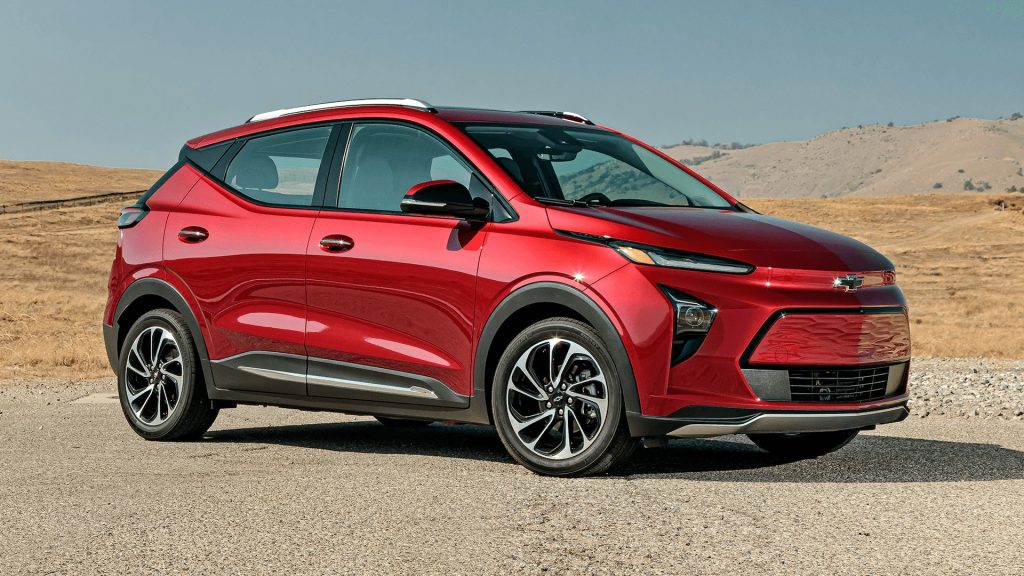
Weight management is another subtle driver-controlled factor. Carrying unnecessary cargo daily adds to overall load. Lightening the car by removing unused gear from the trunk and roof creates less rolling resistance and strain on brakes and suspension.
Finally, stick to steady warm-up routines in extreme weather. Allow preconditioning while plugged in rather than accelerating immediately with a cold battery. These small choices reduce stress at the start of every journey.
Over the span of nearly two decades and several hundred thousand miles, these behaviors save substantial wear. Smart driving doesn’t cost extra it just requires consistency.
Combining such disciplined driving habits with strong maintenance routines ensures the Bolt not only survives but excels far beyond the milestone most owners think unreachable.
Also Read: 10 Tricks That Keep a GMC Sierra All Terrain Running Strong
