

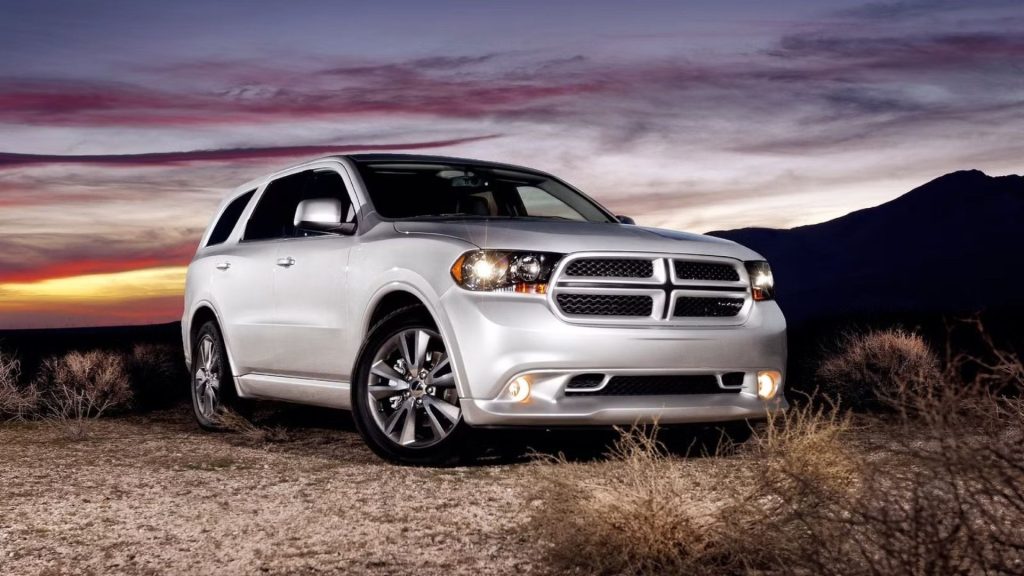
The Dodge Durango R/T holds a special appeal for drivers who crave both muscle and practicality.
It brings together a strong V8 engine, aggressive styling, and the kind of spacious utility that makes it easy to use as a daily family hauler while still satisfying those who enjoy speed and performance.
Unlike some SUVs that lean heavily toward refinement alone, the R/T stays true to Dodge’s heritage in providing an engaging drive with a confident presence on the road.
Yet, like any performance vehicle, this strength comes with responsibilities that stretch far beyond turning the key and hitting the throttle. Owners who neglect essential upkeep can watch the driving experience deteriorate faster than expected.
While the Durango R/T was engineered for spirited drivers, it demands consistent attention to details that keep its powerful engine, drivetrain, suspension, and interior systems in balance.
Every performance-oriented model comes with its quirks, and over time, certain mistakes by owners repeat often enough that patterns begin to emerge.
These oversights seem minor at first, but as the miles build, they can dramatically shorten the life span of the vehicle or turn ownership into an expensive frustration.
Many drivers fall into the trap of assuming that toughness automatically equals resilience. The Durango R/T has a reputation for being able to handle vigorous use, but that does not mean it is immune to wear, heat stress, or poor maintenance decisions.
Overlooking scheduled service intervals, ignoring small warning signs, or failing to adjust driving habits to suit conditions are common errors.
This guide outlines the most frequent oversights that can cause a Dodge Durango R/T to decline well before its time. By understanding and avoiding these pitfalls, owners can keep their SUV strong, reliable, and enjoyable over the long term.
Also Read: 9 Worst Moves That Kill a Ford Probe’s Longevity
Oversight 1: Ignoring Regular Oil Changes
Engine oil is the lifeblood of the Dodge Durango R/T’s 5.7-liter HEMI V8, and neglecting oil changes is one of the fastest ways to shorten its lifespan. The V8 runs hot and works hard, especially under heavy acceleration, towing, or extended highway driving.
Old, dirty oil loses its ability to lubricate essential engine parts properly, which then increases friction, generates excess heat, and accelerates wear on components such as the camshaft, lifters, and piston rings. Over time, buildup of sludge can clog oil passages, starving the engine of lubrication at the worst possible moment.
Too many owners underestimate just how much harder a performance SUV works compared to a smaller commuter vehicle.
While Dodge recommends oil changes at manufacturer-specified intervals, drivers who push the R/T frequently whether for towing, spirited driving, or long-distance hauls, often benefit from shorter service intervals.
High-quality synthetic oil is not optional; it’s essential for handling both the operating temperatures and stress that the HEMI generates.
Beyond engine longevity, neglecting routine oil service affects performance and fuel efficiency. A poorly lubricated engine loses power, making each drive feel less enjoyable.
Fuel consumption rises, exhaust emissions increase, and in time, costly repairs become inevitable. Something as relatively inexpensive as fresh oil ends up saving thousands compared to major engine overhauls.
The warning signs of neglected oil are not always obvious until the damage is advanced. Drivers should not wait for the check-engine light or noticeable knocking noises before addressing the issue.
Setting a rigid schedule for oil changes based on mileage and driving conditions will keep this critical system reliable. Skipping or delaying this maintenance is a mistake that has prematurely ended the life of countless R/T engines.
Consistency here is one of the simplest ways to protect the investment and ensure the SUV continues to deliver its signature performance.
Oversight 2: Neglecting Transmission Care
Many Dodge Durango R/T owners focus so intently on the powerful V8 under the hood that they forget the transmission takes an equal share of abuse. This SUV depends on a smooth-shifting transmission to balance both performance and utility.
Allow transmission fluid to degrade or ignore early signs of gear hesitation, and the entire driving experience quickly deteriorates.
The transmission on an R/T is designed to handle power, towing, and spirited acceleration, but without routine servicing, it becomes one of the leading weak points in ownership.
Transmission fluid is more than a lubricant. It acts as a cooling agent and provides hydraulic pressure to engage the gears. When neglected, the fluid thickens, loses effectiveness, and allows increased friction between parts.
Overheating then follows, particularly if the SUV is used for towing heavy loads. Once overheating takes hold, internal seals can harden, clutch packs wear faster, and shifting becomes rough and inconsistent. Rebuilding or replacing a transmission is among the most expensive repairs a Durango owner will ever face.
Owners may also dismiss smaller red flags as harmless quirks. Slight slipping in gears, delayed engagement after shifting, or jerking between speeds points toward underlying transmission wear.
Addressing these early by replacing fluid, checking for leaks, or updating the transmission control unit can prevent severe degradation. Ignoring these subtle warnings is a mistake that kills the smoothness and reliability that define the R/T driving experience.
Proactive maintenance involves checking fluid color and level regularly, scheduling fluid replacement as recommended, and paying attention to changes in behavior.
Many drivers mistakenly assume transmissions are sealed systems that do not require attention until a failure happens. This false sense of durability comes with a significant cost.
The R/T can deliver dependable performance only if its transmission receives the care it requires. Regular maintenance ensures that the powerful engine’s work is transferred to the wheels without interruption or costly disruption.
Oversight 3: Overlooking Cooling System Maintenance
A high-output V8 engine like the one in the Dodge Durango R/T generates tremendous heat, which makes the cooling system a frontline defense against premature engine wear. Unfortunately, many owners forget about routine coolant servicing until it is too late.
When the cooling system is overlooked, overheating becomes a frequent risk and can lead to catastrophic damage such as warped cylinder heads, blown gaskets, or even complete engine failure.
Coolant gradually loses its protective properties and becomes contaminated with rust or debris as it cycles through the system. Old coolant is less effective at heat transfer and will not protect internal passages against corrosion.
Radiators, hoses, and water pumps also suffer damage if the cooling system is not serviced on schedule. For an SUV designed to handle towing and power demands like the R/T, added stress on the cooling system makes maintenance a necessity rather than an option.
Overheating events not only damage internal components but also reduce the efficiency of engine oil, which is already tasked with cooling and lubricating under pressure.
Once the cooling system struggles, performance suffers and the durability of the engine rapidly declines. That makes neglecting coolant flushes and hose checks one of the biggest oversights Durango R/T owners can make.
A healthy cooling system requires consistent monitoring of coolant levels, ensuring that hoses are free from leaks, and that the radiator fans engage properly.
The thermostat must also be kept in working condition, as a faulty thermostat can cause the entire system to underperform. Routine flushing according to manufacturer advice keeps the system free of buildup that reduces its effectiveness.
Simply put, refusing to give attention to the cooling system is one of the quick ways to ruin an otherwise strong SUV. An overheated V8 often marks the beginning of repeated mechanical problems, which could have been prevented with basic diligence.
Oversight 4: Cheap or Incorrect Fuel Choices
Performance SUVs demand proper fuel quality, and the Durango R/T is no exception. Equipped with a HEMI V8 designed for strong performance, it runs most efficiently on higher-octane fuel.
Many owners dismiss this requirement, assuming that cheap regular unleaded gas is a harmless cost-saving shortcut. Over time, this oversight damages both performance and reliability.
Fuel with insufficient octane struggles to control engine knocking, which occurs when combustion timing is thrown off. Persistent knocking not only decreases efficiency but can cause long-term wear on pistons, spark plugs, and valves.
The engine management system attempts to compensate by dialing back performance, leading to sluggish acceleration and a frustrating driving experience. This diminishes the R/T’s defining trait: its power delivery.
Another common mistake is relying on no-name gas stations with poor fuel quality standards. Contaminated or watered-down fuel contributes to clogged injectors, carbon buildup, and misfires.
Even though the impact may not be immediate, the result is greater maintenance costs and reduced reliability. For a vehicle designed to balance muscle with versatility, unreliable fueling habits quickly undermine the ownership experience.
Beyond correct octane, owners should also keep up with fuel system maintenance. This includes replacing filters, using quality additives when necessary to reduce carbon deposits, and monitoring injector performance.
Neglecting this attention not only robs the vehicle of its sharp responsiveness but often shows up in reduced towing strength and poor efficiency under load.
Choosing proper fuel is not about chasing luxury but ensuring that the engine continues to perform as it was engineered to.
Saving a few dollars at the pump may seem appealing in the moment, but the trade-off of lost longevity and diminished performance becomes far more costly.
For any Durango R/T owner invested in maintaining the spirit of the SUV, proper fuel selection should be a consistent priority.
Oversight 5: Skipping Suspension and Alignment Care
Owners of performance SUVs often underestimate how much the suspension system contributes to the experience behind the wheel.
The Dodge Durango R/T relies on a carefully tuned suspension to balance handling, comfort, and the demands of a high-horsepower engine.
Neglecting suspension maintenance or avoiding alignment checks is one of the quickest ways to lose not only ride comfort but also safety and performance.
Shocks, struts, bushings, and control arms take a daily beating from road imperfections. Over time, worn suspension components reduce stability, increase stopping distance, and make steering feel loose or vague.
For an SUV like the Durango R/T, which already carries significant weight and torque, a neglected suspension system compounds wear on tires and other mechanical parts. Eventually, uneven tire wear can lead to repeated replacements and reduced traction during critical moments.
Alignment is an often-ignored area that directly influences handling. Hitting potholes, curbs, or driving extended distances without proper rotation contributes to wheels falling out of alignment.
Once misaligned, the vehicle constantly fights against steering corrections, draining fuel economy and stressing suspension parts unnecessarily.
Another overlooked issue is the importance of suspension care when towing. The R/T can be used for hauling, but towing places additional stress on rear suspension components.
Failing to monitor and service these parts when regularly hauling can cause sagging or compromised stability, further reducing safety on highways.
Preventive action includes regular tire rotation, suspension inspections, and timely replacement of worn parts. If owners wait until knocking sounds or harsh vibrations appear, the repair bills will likely climb significantly higher.
Since the suspension system directly affects driving confidence, no amount of engine performance can make up for its failure.
By keeping shocks, struts, and alignment in good condition, the Durango R/T remains safe, comfortable, and true to its purpose as a performance-driven family SUV.
Oversight 6: Ignoring Brake System Wear
With a strong V8 and aggressive acceleration, the Dodge Durango R/T demands a braking system that is always in top condition.
Unfortunately, one of the most common mistakes owners make is waiting too long to service brakes, leading to compromised safety and growing expenses.
While bigger and more powerful SUVs generally place added demand on brakes, neglecting them on the R/T accelerates both wear and danger.
Brake pads naturally wear over time as they press against rotors to slow the vehicle’s considerable mass.
If pads are allowed to wear down too far, the metal backing grinds directly on the rotors, requiring full rotor replacement rather than simple pad replacement. This not only increases costs but also reduces brake efficiency during emergency stops.
Rotors themselves can warp after repeated high-stress stopping, especially if drivers enjoy spirited use or tow heavy loads.
Signs like pulsating braking, squealing noises, or increased stopping distance are warnings that should never be overlooked. Ignoring these signals jeopardizes both driver confidence and occupant safety.
Brake fluid also plays a crucial role but is frequently ignored. Over time, fluid absorbs moisture from the atmosphere, which reduces its boiling point and compromises stopping power. During aggressive braking situations, overheated fluid can lead to brake fade, leaving the driver with little response when it is most needed.
A disciplined driver schedules brake inspections along with tire rotations or oil changes to stay ahead of potential failures. Checking pad thickness, rotor wear, fluid condition, and brake line integrity ensures the R/T delivers the stopping confidence its engine demands.
Owners who ignore these aspects discover that a powerful SUV quickly loses credibility on the road if its braking system cannot match output with control. Protecting the brake system keeps performance balanced and prevents unnecessary, high-cost repairs.
Oversight 7: Dismissing Electronics and Software Updates
Modern vehicles rely heavily on electronics, and the Dodge Durango R/T is no exception. From transmission management to infotainment controls and safety features, its systems are interconnected through onboard computers.
Owners often neglect software updates or brush aside minor electrical issues, assuming they have little bearing on performance. This is a costly oversight because software directly influences drivability and reliability.
The R/T’s electronic control unit (ECU) constantly manages engine timing, fuel delivery, and emissions controls. Updates from the manufacturer often fine-tune these calibrations to improve performance, fix bugs, or address long-term reliability concerns.
Ignoring updates means running on outdated programming, essentially leaving performance and efficiency gains locked away.
Electrical neglect also extends to infotainment glitches, malfunctioning sensors, or warning lights that are dismissed without diagnosis.
Small sensor failures often trigger reduced power modes or affect fuel economy. For instance, an oxygen sensor malfunction left unchecked can lead to poor fuel mixture, burning more gas while lowering engine life expectancy.
Because the R/T integrates advanced driver-assistance technologies, overlooking these systems diminishes safety as well. Owners sometimes delay upgrades or replacements due to perceived cost, but the trade-off is a vehicle operating below its engineered standards.
Routine electronic checkups at the dealership or a trusted service center bridge the gap between strong hardware and the software that controls it.
Addressing recalls, applying patches, and resolving fault codes promptly prevents minor issues from snowballing into broader failures. With technology so deeply woven into performance, skipping this responsibility kills reliability faster than many realize.
Electronics are not merely conveniences; they shape how the Durango drives, responds, and protects its occupants.
Dismissing updates and repairs removes a central piece of the ownership puzzle, leaving the SUV vulnerable to problems that extend far beyond infotainment frustrations.
Oversight 8: Overloading and Towing Misjudgments
One of the biggest selling points of the Dodge Durango R/T is its ability to blend performance with practicality. The SUV comes with strong towing capability, making it a popular choice for those who frequently haul boats, trailers, or campers.
However, many owners misuse this strength by overloading the vehicle or ignoring proper towing guidelines. Over time, this oversight quickly reduces both reliability and safety.
Every vehicle has a rated towing capacity and gross vehicle weight limit, and exceeding these limits places enormous strain on the transmission, cooling system, suspension, and brakes. Some R/T owners assume that because the SUV has a powerful V8, it can handle anything they attach to the hitch.
The transmission, however, was not designed to tolerate sustained abuse from loads heavier than recommended. This results in overheating, premature wear, and ultimately, costly repairs or replacements.
Overloading the cabin or cargo area is equally detrimental. Weighed-down vehicles strain suspension components, sag rear ends, and reduce braking effectiveness.
Tires also bear extra heat when overloaded, increasing the chances of blowouts at highway speeds. Many of these issues begin subtly with longer stopping distances or slight instability but quickly escalate to hazardous conditions.
Towing mistakes also include failing to use the correct hitch setup, not distributing trailer weight evenly, or forgetting to check tire pressure on both the SUV and the trailer. Improper practices like these destabilize the vehicle and increase the likelihood of sway or loss of control during highway driving.
Responsible towing means knowing the SUV’s exact capacity, using the right equipment, and performing pre-trip checks on fluid levels, cooling systems, and suspension health.
Ignoring these steps guarantees wear on critical systems and eliminates the balance that makes the Durango R/T appealing.
Though built tough, this SUV cannot endure repeated misuse without showing serious performance loss. Proper towing habits, rather than brute force, preserve its reliability far into the future.
Oversight 9: Neglecting Interior and Electrical Comfort Systems
While it may seem cosmetic compared to the powertrain, neglecting the interior and comfort systems of the Dodge Durango R/T can quietly ruin ownership enjoyment and drive down resale value.
Many owners focus primarily on engine and drivetrain care but overlook electrical systems, climate control, and cabin upkeep. Over time, dismissing these areas results in constant annoyances, expensive fixes, and an SUV that feels far older than it should.
The R/T’s cabin integrates advanced electrical systems ranging from power seats to climate control. Small problems such as failing switches, malfunctioning fans, or weak air-conditioning units can escalate rapidly when ignored.
For a performance SUV, comfort becomes a large part of why it appeals to families. If climate control struggles, electrical faults drain the battery, or speaker systems cut out, the experience shifts from refined to frustrating very quickly.
Moisture buildup, blocked cabin filters, and poorly maintained HVAC systems also affect reliability more than most realize. A failing blower motor places unnecessary electrical load on the system.
Clogged filters strain airflow, making the system less effective, forcing owners to push harder on controls and accelerating wear. Neglect adds up until replacement costs rival drivetrain repairs.
Another overlooked aspect of interior care is wiring integrity. Over time, vibrations and rough use can loosen connections, cause sensor failures, or create short circuits.
Addressing small glitches early avoids major electrical issues that often cascade into multiple system failures when left unchecked.
Keeping the interior neat and electrical systems serviced is also about preserving value. A well-kept cabin signals consistent care overall. Ignoring comfort systems while focusing solely on performance leaves the SUV incomplete in its purpose.
The Dodge Durango R/T was designed to combine muscle capability with family usability, and letting interior systems deteriorate strips it of this balance. Long-term satisfaction comes from treating the cabin and electrical features with the same discipline as mechanical components.
Also Read: 9 Worst Maintenance Steps That Will Kill a Ford Aerostar’s Longevity
