
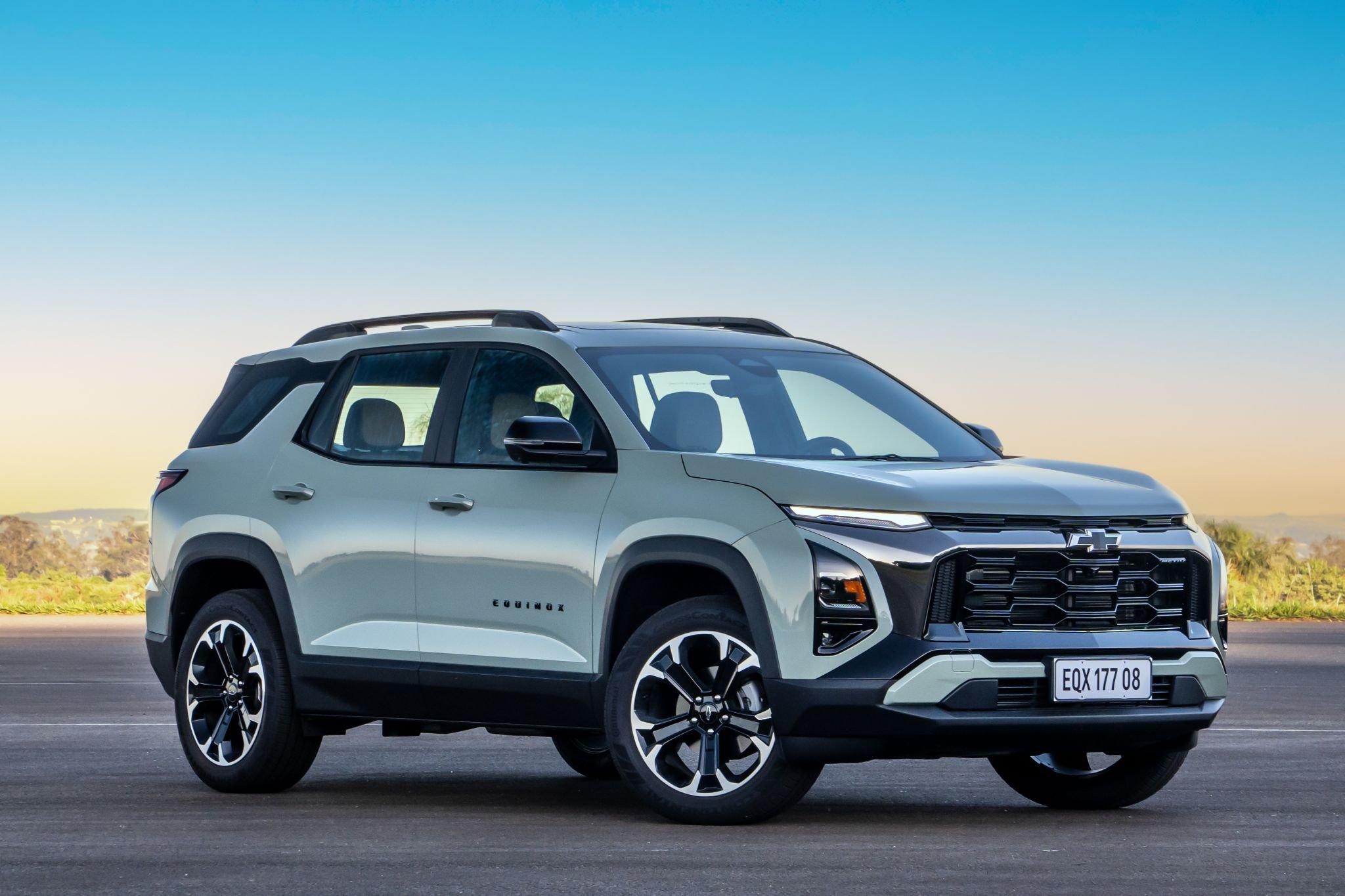
The Chevy Equinox LT has earned a reputation as one of Chevrolet’s most versatile midsize SUVs, valued by families and commuters alike for its balanced mix of comfort, efficiency, and practicality.
Like any vehicle, though, its long-term success depends heavily on how well it is cared for over the years. While some owners trade in their vehicles every three to five years, others want their Equinox to stay on the road for decades.
Achieving that goal takes more than routine oil changes. It requires a thoughtful approach to maintenance, attention to wear-and-tear components, and day-to-day habits that protect the vehicle’s mechanical integrity.
Drivers who consistently maintain their Equinox LT often find that these SUVs can exceed 200,000 miles without major problems.
Whether it is keeping the engine healthy, protecting the transmission, or simply avoiding small habits that create big repairs later, every decision adds up to a longer lifespan.
The trick is not just to react to issues when they arise, but to prevent them by knowing what the vehicle needs over time.
This guide offers ten detailed practices designed to keep the Chevy Equinox LT dependable for decades. Each hack addresses a specific area: from essential fluids and mechanical checks to driving style adjustments and environmental care.
By applying these tips consistently, owners will not only maximize vehicle reliability but also reduce repair costs as the years go on. The Equinox LT can serve as a long-lasting daily driver if it is given the right attention.
These steps are practical, easy to apply, and rooted in what both experienced mechanics and long-time Chevy owners have learned firsthand. With patience and commitment, you can make your Equinox LT a trusted companion far beyond the typical lifespan.
Also Read: 10 Useful Pro Tips That Keep Your Chevy Impala LT Road-Ready
Hack 1: Stick to a Strict Oil Change Routine
One of the most effective ways to ensure your Chevy Equinox LT lasts for decades is by staying disciplined with oil changes. The engine depends on clean oil to reduce friction, maintain temperature, and deliver proper lubrication to moving parts.
Over time, oil breaks down due to heat and contaminants, which decreases its effectiveness. If neglected, this can eventually lead to premature engine wear or even catastrophic damage.
Chevy recommends a specific maintenance schedule for the Equinox LT, usually every 5,000 to 7,500 miles depending on driving conditions.
While the onboard oil life monitoring system provides useful alerts, owners who truly want their SUV to last beyond 200,000 miles tend to change oil earlier than necessary often closer to the 5,000-mile mark. This ensures the engine always runs with high-quality lubrication.
The choice of oil type is just as important. Using synthetic oil is highly recommended because it is engineered to resist thermal breakdown longer than conventional oil.
Synthetic blends also offer better performance during cold starts, protecting the engine when it is most vulnerable to wear. Pairing this with a high-quality filter that traps microscopic debris will further increase engine reliability over time.
It is also worth making oil checks a habit between service intervals. Pulling the dipstick once every few weeks allows you to quickly identify leaks or abnormal oil consumption. If the color, texture, or smell of the oil seems off, those early signs can alert you to problems before they escalate.
By setting a reliable oil change routine, Equinox LT owners protect the most crucial part of their vehicle the powertrain. It is a straightforward but powerful habit that has the single greatest impact on ensuring the SUV is still driving strong decades later.
Hack 2: Take Care of the Transmission
The transmission is one of the most critical and costly components in your Chevy Equinox LT. Without proper care, the transmission can wear out long before the rest of the vehicle, leading to expensive repairs or outright replacement.
However, with preventive attention, your SUV’s transmission can perform strongly for hundreds of thousands of miles.
Routine transmission fluid checks are the first step. Unlike engine oil, transmission fluid is often overlooked, yet it controls heat, provides lubrication, and helps deliver power efficiently from the engine to the wheels.
Old or contaminated fluid can cause slippage, hard shifting, or overheating. For maximum longevity, owners should follow Chevrolet’s service intervals for fluid changes, usually around the 45,000 to 60,000-mile mark.
Some drivers shorten this even further if they tow, carry heavy cargo, or often drive in stop-and-go city conditions.
Next, keeping an eye on driving habits pays off. Abrupt acceleration, harsh braking, or overloading the vehicle puts unnecessary stress on the transmission.
Smooth driving, avoiding sudden gear changes, and respecting the vehicle’s towing capacity all contribute to better long-term durability.

Another overlooked aspect is fluid cooling. Since heat is the biggest enemy of transmission health, ensuring the cooling system is properly maintained is vital.
This means keeping the radiator and transmission cooler clean while monitoring coolant levels. A malfunctioning cooling system can quickly overheat the transmission, leading to costly damage.
For owners who keep their Equinox LT over decades, a routine inspection by a professional mechanic can help identify issues early.
Any grinding noise, unusual vibrations, or delayed engagement when shifting gears should never be ignored. Addressing small issues before they grow into larger failures extends the SUV’s usable life significantly.
By respecting the transmission with regular fluid service, mindful driving, and cooling system care, Equinox LT owners can avoid the nightmare of major repairs. This simple attention ensures smooth power delivery year after year.
Hack 3: Keep the Cooling System Healthy
The engine cooling system is often the unsung hero of vehicle longevity. For a Chevy Equinox LT, ensuring the cooling system remains in top shape can mean the difference between a problem-free engine and one ruined by overheating.
Overheating is catastrophic for an engine and can cause warped cylinder heads, failed gaskets, or even a seized motor repairs that can end the life of a vehicle prematurely.
The first step is staying consistent with coolant changes. While many owners only think about coolant when topping it off, old fluid loses its ability to regulate temperature efficiently and protect the system from corrosion.
Chevrolet typically recommends replacing coolant every five years or 100,000 miles, but owners who want extended life for their SUV often refresh coolant sooner, around the four-year mark.
Inspection matters just as much as replacement. Coolant hoses, clamps, and the water pump should be checked periodically for leaks, cracks, or brittleness.
A small leak left unattended can rapidly turn into a breakdown on the road. Likewise, the radiator should be kept free of debris, especially if the vehicle is frequently driven in dusty or rural environments.
Another key point is using the right type of coolant specified for the Equinox LT. Mixing different formulas may not seem like a big issue at first, but it can reduce the effectiveness of corrosion inhibitors inside the coolant, shortening the system’s lifespan.
Finally, pay attention to the temperature gauge on the dashboard. If you notice it creeping higher than normal, do not ignore it.
Early detection of overheating signs saves the engine from irreversible damage. Many long-time Chevy owners say that simply responding quickly to small warning signs prevented thousands of dollars in repairs.
By keeping the cooling system in excellent condition, you are safeguarding the very heart of the vehicle. Preventing overheating removes one of the top threats to long-term engine health, helping the Equinox LT remain reliable for decades.
Hack 4: Stay on Top of Brake Maintenance
The braking system is much more than a safety device it also plays a role in extending the life of your Chevy Equinox LT. Poorly maintained brakes not only affect stopping power but can also create secondary issues with tires, suspension, and even fuel economy.
First, brake pads should be inspected regularly. Worn-out pads can damage the rotors, which are more expensive to repair.
Many vehicle owners wait too long before replacing brake pads, leading to deeper scoring of the rotors. Replacing pads early is far cheaper and prevents unnecessary stress on other components.
Brake fluid is another critical but often forgotten maintenance task. Over time, brake fluid absorbs moisture, which reduces its effectiveness and can corrode internal brake components.
Chevrolet recommends replacing it every two to three years for maximum reliability. This small routine can prevent sudden brake failure and extend the entire braking system’s life.
Driving style also plays a huge role in brake health. Riding the brakes on downhill stretches, tailgating, or frequent hard stops wears them out faster. Instead, adopting smoother driving habits, anticipating stops earlier, and coasting before braking can drastically increase the lifespan of both pads and rotors.

Owners should also pay attention to subtle indicators. Squeaking, grinding, or vibrations when braking are early signs that maintenance is overdue. Catching these issues quickly lowers repair bills and maintains safety at all times.
Lastly, regular inspections by a qualified mechanic will ensure all components including calipers, rotors, and brake lines are performing properly. Even if the SUV feels fine, hidden problems can develop, especially for vehicles driven in areas with heavy rainfall or snow where corrosion is a concern.
Maintaining healthy brakes is about more than immediate safety. It reduces long-term repair costs, protects critical components, and keeps the Equinox LT functioning at its best year after year.
Hack 5: Tire Care and Alignment Checks
Tires are the direct connection between your Chevy Equinox LT and the road, meaning their condition plays a big role in overall performance, safety, and longevity.
Neglecting them can lead to premature wear, poor handling, and even damage to the suspension system. Proper tire care also reduces fuel costs and prevents excessive strain on other parts of the vehicle.
The most important tire habit is maintaining proper air pressure. Underinflated tires create more rolling resistance, which not only increases fuel consumption but also causes accelerated wear along the edges.
Overinflated tires, on the other hand, wear down faster in the middle tread and reduce traction. Checking pressures monthly with a reliable gauge and inflating them to manufacturer specifications keeps traction, comfort, and durability balanced.
Tire rotation is just as critical. Front and rear tires wear differently depending on driving conditions and road surfaces.
By rotating them every 6,000 to 8,000 miles, the wear pattern is spread evenly, effectively doubling the lifespan of the tires. Skipping this step often leads to uneven tread depth, increasing the risk of blowouts or poor handling during challenging conditions like rain or snow.
Wheel alignment checks are another overlooked step. Misalignment often develops gradually, resulting in uneven tread wear, vibrations, or the vehicle pulling to one side.
When left uncorrected, it not only shortens tire life but also places additional stress on steering and suspension components. Scheduling alignment inspections once a year or whenever unusual tire wear is noticed ensures everything works in harmony.
Lastly, routinely inspecting tires for cuts, punctures, bulges, or excessively low tread keeps safety intact. Replacing them before the tread falls below the legal minimum ensures grip remains reliable in emergencies.
Good tire care combined with regular alignment checks does more than save money. It gives the Equinox LT predictable handling, extends suspension life, and ensures consistent performance through decades of use.
Hack 6: Protect the Suspension and Steering
Suspension and steering components often go unnoticed until something feels off. Yet, they play a vital role in ensuring ride comfort, handling stability, and overall vehicle durability. Protecting them helps your Chevy Equinox LT age gracefully and prevents expensive repairs in the long run.
One of the simplest things you can do is avoid potholes and rough road conditions whenever possible.
Severe impacts cause damage to shocks, struts, tie rods, and ball joints even a single deep pothole can misalign wheels or bend suspension parts. While it’s not always practical to avoid every bump, slowing down when conditions are rough lessens the impact.
Regular inspections are essential as suspension components wear gradually. During routine services, mechanics can check shocks, bushings, and joints for wear or leaks.
Replacing worn parts before complete failure keeps the vehicle safe while reducing secondary damage. For example, a failed shock absorber can wear down tires much faster.
Proper lubrication matters as well. Steering linkages and suspension joints may depend on grease fittings, and if these dry out, they lead to increased friction, rust, and premature wear. Having them lubricated during oil changes or scheduled services can significantly extend their usable life.
Wheel alignment also affects suspension health. If left unchecked, misalignment puts uneven stress on components, forcing the steering system to work harder and wearing out parts quickly. As mentioned earlier, getting alignment checks annually or after rough impacts is a smart habit.
Drivers who tow or carry heavy cargo should also be mindful. Overloading strains suspension and steering far beyond intended limits, which shortens their life. Following load ratings ensures these parts remain strong for the long term.
By paying attention to worn parts, avoiding unnecessary stress, and keeping everything lubricated, the suspension and steering systems of the Equinox LT will remain smooth and reliable. Comfort, stability, and reduced repair costs are the rewards of consistent care.
Hack 7: Maintain Electrical and Battery Systems
A healthy electrical system is fundamental for the long-term reliability of a Chevy Equinox LT. From starting the engine to powering advanced technology inside the cabin, electrical components and the battery must remain in peak condition.
The first key practice is monitoring battery health. Modern batteries typically last around three to five years, but climate and driving conditions affect this lifespan.
Extremely hot or cold environments place added stress on the battery, sometimes causing it to fail without warning. Regular testing, especially before seasonal changes, helps catch weak batteries before they leave you stranded.
Cleaning and protecting terminals is equally important. Corrosion buildup can interfere with current flow and prevent stable starting. Applying a protective anti-corrosion spray or simply cleaning the terminals during routine service prevents electrical disruptions.
Beyond the battery, paying attention to the alternator and starter is important. Warning signs, such as dim headlights when idling or difficulty starting, can point to charging system issues. Addressing these signs promptly prevents a full electrical failure that could leave the vehicle unusable.
Fuses and relays should also be checked when small systems, like power windows or lights, begin malfunctioning. Though often overlooked, these inexpensive parts protect more complex systems from overload. Replacing a worn fuse early keeps repairs simple and avoids larger failures.
Driving habits also play a role. Short trips with frequent starts drain the battery without giving the alternator time to recharge it fully, which reduces its life. Taking longer drives periodically helps keep it strong. Owners who store their SUV for long periods should use a trickle charger to maintain charge.
When consistently monitored, the electrical system provides smooth performance for decades. With dependable ignition, steady power to accessories, and minimal risk of sudden failures, maintaining this system is a key factor in ensuring long-term Equinox LT reliability.
Hack 8: Keep the Exhaust and Emission Systems Healthy
Exhaust and emission systems are often ignored until they start making noise or trigger a check-engine light. However, caring for these systems significantly contributes to the Chevy Equinox LT’s longevity, efficiency, and environmental performance.
The exhaust system starts with the manifold and extends down to the muffler and tailpipe. Rust and wear in any of these parts can lead to leaks, reduced performance, or harmful fumes entering the cabin.
Inspecting the underside of the SUV during regular maintenance helps catch early rust spots or holes before they expand. Driving in regions with salted winter roads increases rust risks, making inspections even more crucial.
The catalytic converter is a central component in controlling emissions, and it is extremely costly to replace if neglected.
Fuel quality has a direct effect here: using poor or contaminated gas can damage the converter, clogging it over time. Consistently using good quality fuel and addressing misfires early helps prevent such issues.

Oxygen sensors, another vital emission component, need timely replacement. A failing sensor affects fuel-air balance, reducing efficiency and causing excess strain on the engine as well as the catalytic converter. Keeping them fresh ensures the entire system continues running cleanly and efficiently.
Another smart habit is avoiding unnecessary idling. Extended idling increases soot buildup in the exhaust, which gradually clogs components. Similarly, regularly driving at highway speeds allows the system to burn off moisture and residues that develop when the SUV is only driven for short trips.
Lastly, always address a check-engine light promptly. Many times, the cause traces back to an exhaust or emission system problem. Delaying only compounds the issue, leading to costlier repairs later.
By protecting the exhaust and emission systems, Equinox LT owners ensure better fuel economy, reduced repair bills, and compliance with environmental standards all while adding more years of reliable service to the SUV’s lifespan.
Hack 9: Interior and Exterior Care
While mechanical upkeep is vital, caring for the interior and exterior of a Chevy Equinox LT plays an equally large role in ensuring long-term usefulness and value.
Owners who maintain both cosmetic and functional details often find themselves driving a vehicle that feels newer even after decades.
For the exterior, regular washing and waxing is key. Dirt, road salt, bird droppings, and tree sap can damage paint and lead to rust, especially in wheel wells and undercarriage areas.
A wax coating adds a protective layer that guards paint from UV rays and environmental contaminants. Garage parking, when possible, provides additional protection from the elements.
Rust prevention efforts should extend beneath the vehicle as well. Applying rustproofing sprays or undercoating treatments every few years significantly delays corrosion. This is particularly valuable for SUVs in snow-prone regions where salt is common.
On the inside, keeping upholstery and trim clean extends their lifespan. Regular vacuuming prevents dirt buildup that wears down fabrics and carpets. Using protectants on leather or vinyl prevents cracking and fading caused by heat and sunlight.
Electronics and controls inside the Equinox also benefit from careful use. Avoiding food or liquid spills prevents electrical issues or sticky switches. Keeping the cabin well-ventilated reduces excess humidity, which can otherwise encourage mold growth in air conditioning ducts.
Simple actions like replacing worn weatherstripping and keeping door seals lubricated also prevent leaks, wind noise, and rust formation around entry points.
When interior and exterior care are prioritized alongside mechanical maintenance, the Equinox LT maintains its resale value, provides continuous comfort, and avoids cosmetic deterioration that makes a car feel older than it really is.
Owners who commit to this care often drive SUVs that look and feel closer to five years old than twenty.
Hack 10: Smart Driving Habits for Long Life
Driving style has a direct effect on vehicle health, and developing smart habits behind the wheel can dramatically increase the Chevy Equinox LT’s longevity. Even with perfect maintenance, harsh driving habits shorten lifespan, while thoughtful driving allows systems to last far longer.
One of the simplest habits is gentle acceleration. Flooring the gas pedal frequently forces the engine and transmission to work harder than necessary, accelerating wear
. Smooth and steady inputs protect these components and improve fuel efficiency. Similarly, avoiding sudden braking helps reduce wear on the brakes and suspension.
Another worthwhile habit is respecting warm-up times. In colder weather, driving gently during the first few minutes allows oil to circulate fully before applying heavy loads. This prevents unnecessary strain on the engine and transmission during their most vulnerable state.
Maintaining steady highway speeds instead of rapid fluctuations reduces stress throughout the drivetrain. Cruise control, when appropriate, helps maintain this consistency. Carrying heavy cargo or towing within rated limits also builds long-term reliability, while avoiding overload situations prevents severe wear.
Awareness of road conditions matters too. Avoiding potholes, curbs, or rough terrain when not necessary spares the suspension and tires from damage. On long trips, taking short breaks gives both the driver and vehicle a rest, especially in hot conditions where cooling systems work hard.
Lastly, disciplined attention to dashboard warning lights is a smart habit. Instead of ignoring them, addressing alerts like the check engine, transmission, or tire pressure indicator immediately can prevent small issues from escalating.
By adopting calm, predictable, and vehicle-friendly driving habits, owners reinforce every other maintenance effort described earlier. These habits protect the SUV mile after mile, helping the Equinox LT remain dependable, efficient, and strong for several decades.
Also Read: 10 Hacks That Help a Jeep Cherokee Run Strong Forever
