
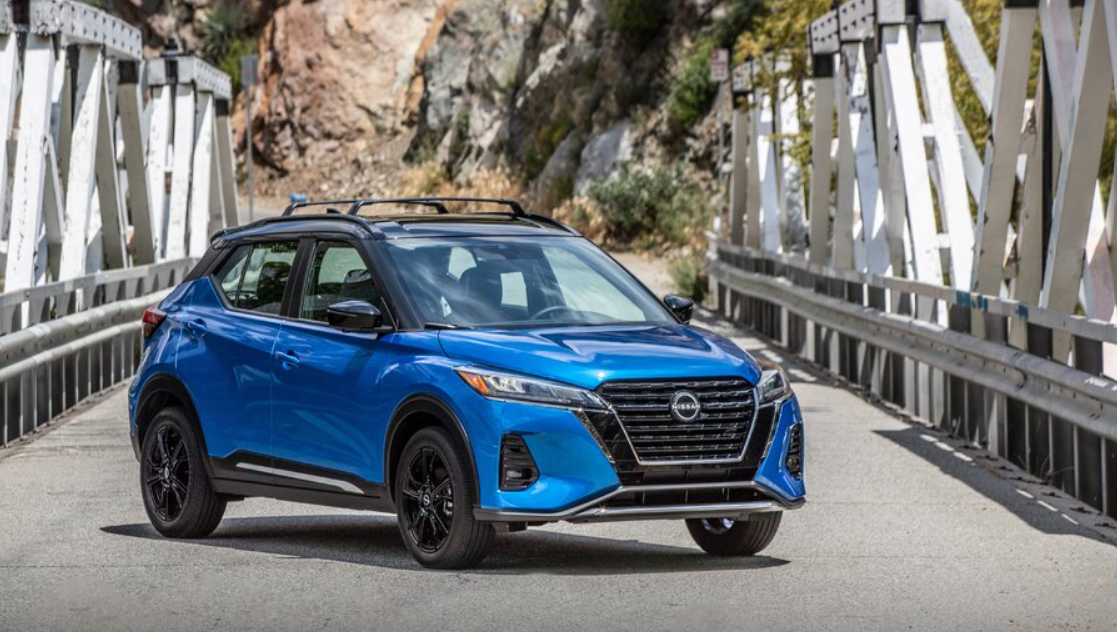
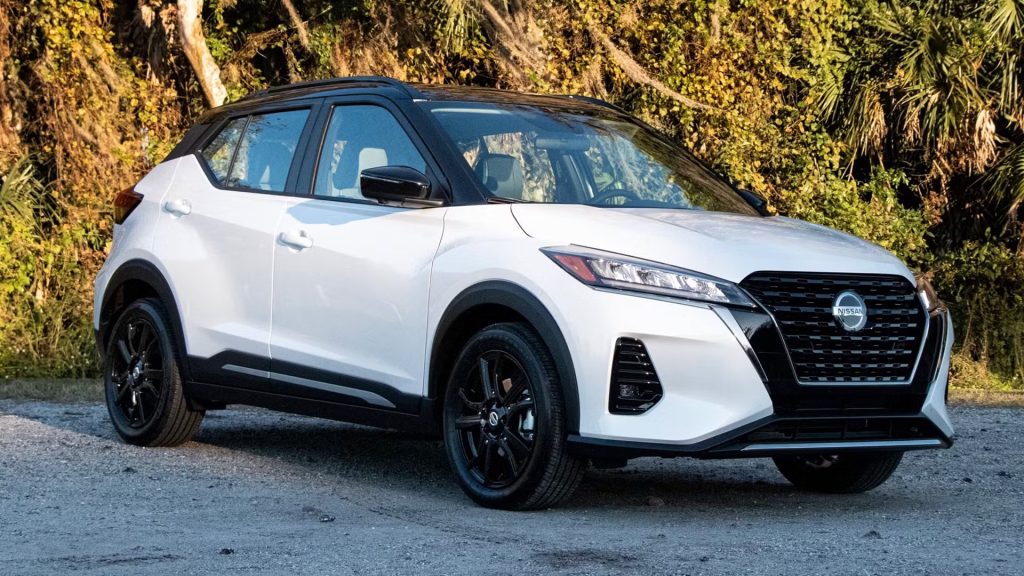
The Nissan Kicks has secured a reputation as a dependable compact crossover that balances efficiency, style, and practicality.
Owners appreciate its modern technology, comfortable ride, and budget-friendly nature, but ensuring that this vehicle keeps running smoothly as the years pass requires more than routine driving.
Every vehicle benefits from consistent care and informed decisions, and the Kicks is no exception. For drivers who plan to own their car beyond the early years of its life, it pays to adopt certain habits that protect its mechanical integrity and preserve its value.
Car longevity is less about luck and more about steady care. A Nissan Kicks that is maintained diligently can continue performing reliably long after its initial warranty period. Minor preventive measures often save owners from larger, more costly repairs further ahead.
At the same time, it is important to understand which practices are most effective for this specific model. Elements such as its engine, suspension setup, and interior design influence what kind of maintenance yields the best results.
Drivers who know exactly how to keep their vehicle operating in good condition not only enjoy peace of mind but also get more return on their investment.
Preserving fuel efficiency, maintaining comfort, and avoiding major breakdowns all contribute to a more satisfying ownership experience. With a mix of mechanical attention, smart driving habits, and careful scheduling, the Nissan Kicks can remain dependable year after year.
The following guide covers ten specific moves that go beyond standard advice. Each one is designed to suit the characteristics of the Nissan Kicks with an emphasis on extending its usable road life.
By following these methods, owners will give themselves the best chance of enjoying many additional years with their vehicle.
Also Read: 10 Mistakes That Kill a Dodge Daytona Turbo Early
1. Stick to a Consistent Oil Change Schedule
Engine oil is the lifeblood of every vehicle, and for the Nissan Kicks, timely oil changes are perhaps the most important factor in preserving engine health. Oil reduces friction, prevents harmful buildup, and controls temperatures within the engine.
When owners delay changing the oil, it begins to lose its effectiveness, resulting in increased wear of engine components. Over time, sludge can develop, which prevents proper lubrication and leads to costly damage.
The Kicks has relatively small displacement engines, meaning they rely heavily on efficiently maintained lubrication to ensure smooth operation.
Following the manufacturer’s recommendations for change intervals is a minimum, but owners who drive in extreme conditions such as very hot climates, dusty roads, or stop-and-go city environments should consider shortening those intervals. This prevents contaminants from harming vital moving parts.
Another smart move is using high quality synthetic oil that matches Nissan’s grade specifications.
Synthetic oils offer better protection, particularly against high temperatures and oxidation. Pairing oil changes with filter replacements adds extra insurance, since an old filter can restrict flow or allow particles to circulate inside the system.
Drivers should also make oil checks a habit between regular services. By occasionally pulling out the dipstick, owners can monitor both the level and color of the oil.
If it appears too dark or drops noticeably between scheduled changes, it might raise the need for additional servicing. These simple observations can prevent small maintenance issues from growing into engine failures.
Treating oil changes as a non negotiable routine not only extends the longevity of the engine but also provides smoother performance and better fuel efficiency.
For a vehicle like the Nissan Kicks, which many families keep for regular commuting, preserving fuel economy along with dependability makes the ownership experience much more satisfying. Consistent oil care is one of the most cost effective strategies owners can adopt.
2. Prioritize Tire Care and Alignment
Tires might not be the most glamorous part of a vehicle, but they play a vital role in how long the Nissan Kicks lasts. Worn-out, unevenly inflated, or poorly aligned tires put stress on the suspension system and reduce overall safety.
By making tire health a priority, owners can save money in the long run while also reducing strain on other mechanical components.
Routine tire pressure checks should be part of every owner’s plan. The Kicks is designed with recommended pressure levels that balance handling, comfort, and safety.
Driving with underinflated tires reduces fuel economy and increases the risk of premature sidewall wear, while overinflating leads to poor grip and faster tread loss. Keeping a small tire gauge in the glove compartment allows for quick checks whenever needed.
Rotating tires regularly is another essential step. Because front wheels bear more of the load due to steering and braking, they wear at a different rate compared to the rear wheels. Swapping positions every 8,000 to 10,000 kilometers ensures even wear and extends tire life.
Wheel alignment is equally important. Misalignment can go unnoticed at first, but it causes uneven tread wear and can lead to steering issues. If the vehicle starts pulling to one side, it’s a direct signal that professional adjustment is required.
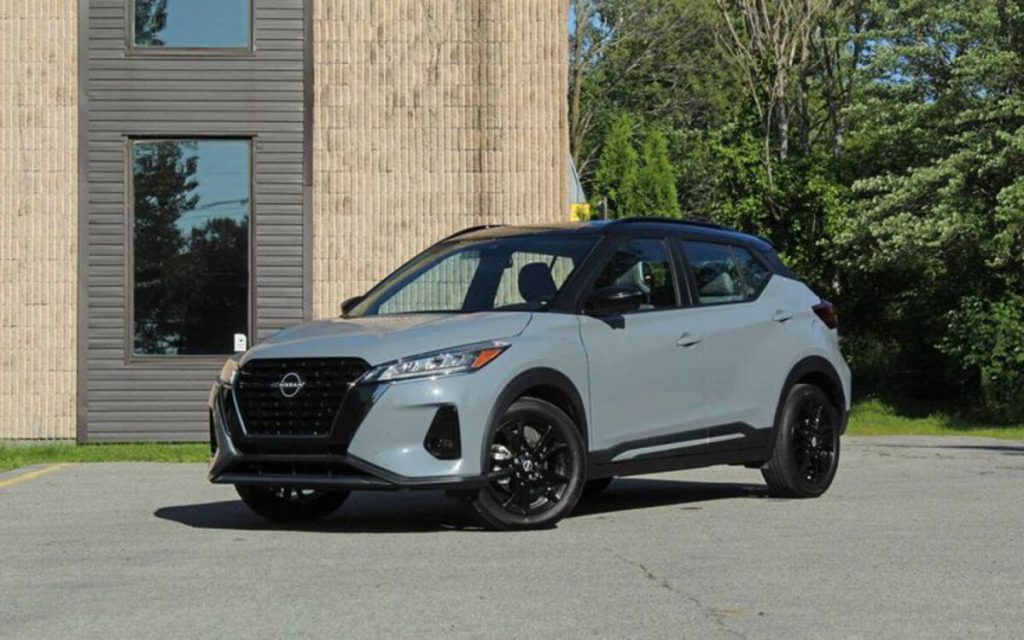
Maintaining balanced tires is not just for longevity but also for comfort. Balanced wheels prevent vibrations that not only cause driver fatigue but can also place additional stress on wheel bearings and suspension parts.
When both balance and alignment are correct, the Kicks will deliver a smoother and more controlled driving experience.
Replacing tires at the right time is crucial too. Worn treads compromise braking stability, especially in wet conditions. Owners should visually inspect tread depth and look for cracks or bulges that indicate replacement is overdue.
Attention to tire care benefits everything from fuel efficiency to suspension life, making it one of the smartest ways to keep the Nissan Kicks dependable for longer.
3. Maintain the Cooling System
Keeping the engine at the right temperature is a must for extending the usability of the Nissan Kicks, and the cooling system is the foundation of that process.
Engine overheating not only affects performance but can also cause irreversible damage to head gaskets, radiators, or even the engine block. The simplest way to combat this risk is consistent monitoring and servicing of the vehicle’s cooling system.
Coolant levels should be checked regularly since they ensure the engine can regulate heat effectively. Over time, coolant may evaporate or degrade, reducing its ability to dissipate heat.
Using the proper coolant mix recommended by Nissan rather than random substitutes is important because different fluid chemistries can impact performance. Replacing coolant at defined intervals prevents corrosion buildup that could block radiator passages.
The cooling system also relies heavily on the water pump, thermostat, and radiator hoses. Cracked or brittle hoses threaten leaks, while a malfunctioning thermostat can prevent the engine from reaching or maintaining optimal temperature.
Most issues with these parts develop slowly, giving owners time to notice. A cautious driver who performs occasional inspections can spot dried coolant traces, bulging hoses, or unfamiliar engine temperature fluctuations before they escalate.
Flushing the radiator periodically is another preventive measure. It clears deposits and sediment that naturally accumulate over years of use, restoring proper flow and efficiency to the cooling system.
A fully functioning cooling system not only keeps the vehicle safe from overheating but improves overall performance. Engines that maintain their designed operating temperatures burn fuel more efficiently and maintain lubrication balance better.
Since the Nissan Kicks is often used in urban conditions where idling and stop-and-go traffic are frequent, the cooling system puts in a lot of work behind the scenes.
Giving this system regular attention saves money, reduces the risk of breakdowns, and ensures longer road life for the vehicle.
4. Protect the Transmission
The transmission is one of the most complex and costly systems in the Nissan Kicks, and protecting it is a smart move if longevity is the goal. Proper attention to this component can mean avoiding one of the largest repair bills a car owner might ever face.
Transmission fluid is as vital to the gearbox as oil is to the engine. It lubricates gears, cools internal parts, and maintains hydraulic pressure. Unfortunately, owners often overlook checking this fluid until problems show up.
For the Nissan Kicks, regularly monitoring fluid levels is a must. Low fluid can cause slipping, delayed shifts, or overheating inside the transmission, all of which shorten its life.
Changing transmission fluid at the scheduled interval is equally crucial. Old fluid loses its effectiveness and may contain debris that accelerates wear.
Always using the type recommended by Nissan is important since transmission designs are sensitive to fluid specifications. Using incorrect fluid can reduce efficiency or cause damage.
Owners should also pay attention to their driving habits, as harsh or rushed gear changes can strain the transmission.
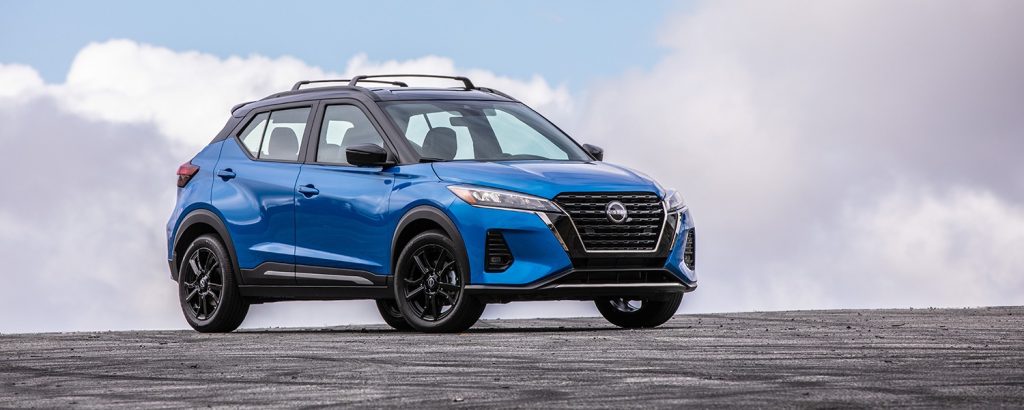
Waiting briefly before accelerating after starting the car gives fluids a chance to circulate. For automatic models, avoiding unnecessary frequent shifting between drive and reverse when stuck in traffic reduces stress on the gearbox.
Checking for leaks under the car is another simple practice. Even small spots of reddish fluid on the ground can signal a developing problem that needs immediate attention. Addressing leaks early often makes the difference between a minor seal repair and a full system replacement.
Protecting the transmission allows the Kicks to preserve its smooth driving experience and reliable performance. When handled carefully, the system can serve reliably for hundreds of thousands of kilometers.
Ignoring it, on the other hand, almost guarantees costly repairs far earlier than expected. Preventive care and mindful driving are the real secrets behind transmission longevity.
5. Focus on Brake System Health
The braking system is central to safety, but for Nissan Kicks owners, maintaining brake health also plays an important role in extending the car’s overall life.
Worn brakes don’t only result in longer stopping distances; they also create strain on multiple wheel components and increase accidents’ likelihood, which then leads to larger repair costs.
Brake pads and discs wear down gradually, and failing to replace them at the right time can damage calipers and rotors. Paying attention to warning signs such as squeaking, vibrations, or the dashboard brake indicator light helps prevent more expensive failures.
One significant benefit of keeping fresh pads and healthy rotors is that it preserves wheel balance and prevents unnecessary suspension strain.
Brake fluid is another key factor. It absorbs moisture naturally over time, which reduces braking effectiveness and can even corrode internal system parts.
Flushing and replacing it every two to three years is one of the simplest steps to ensure dependable braking. Using the correct fluid grade recommended by Nissan makes a difference in maintaining hydraulic system reliability.
Driving style also has a major impact. Aggressive stopping or riding the brake pedal continuously creates excessive heat that wears pads down rapidly. Smooth and controlled braking, combined with anticipation in traffic, not only saves fuel but prolongs component life across the car.
Inspections should become part of routine care. A quick glance at pad thickness during wheel rotations can reveal how much life remains and whether all sides are wearing evenly. Uneven brake wear can indicate caliper issues, which should be addressed promptly to avoid reduced safety.
When brakes work correctly, the Kicks remains steady, fuel economy stays consistent, and other mechanical systems are spared from avoidable stress.
Paying attention to these details not only secures driver safety but acts as a smart investment in keeping the entire vehicle dependable for years to come.
6. Keep the Battery in Top Condition
A reliable battery ensures that every aspect of the Nissan Kicks starts and operates without fuss. While many think of the battery only when it fails, proactive care can greatly increase its lifespan and prevent unexpected breakdowns.
The first step is regular inspection for corrosion around the terminals. Corrosion disrupts the flow of electricity and makes the car harder to start, especially in colder weather.
Cleaning terminals with a proper brush or applying anti-corrosion spray helps maintain good connectivity. Ensuring the battery is securely mounted is equally important because vibration over rough roads can shorten its service life.
Another key habit is monitoring the battery’s charge level. Modern service centers can easily test whether a battery is still holding sufficient voltage. Doing this once or twice a year provides a clear view of its condition before sudden failures occur.
For owners who frequently drive short distances, the alternator may not recharge the battery fully, which means taking the car for an occasional longer drive helps restore balance.
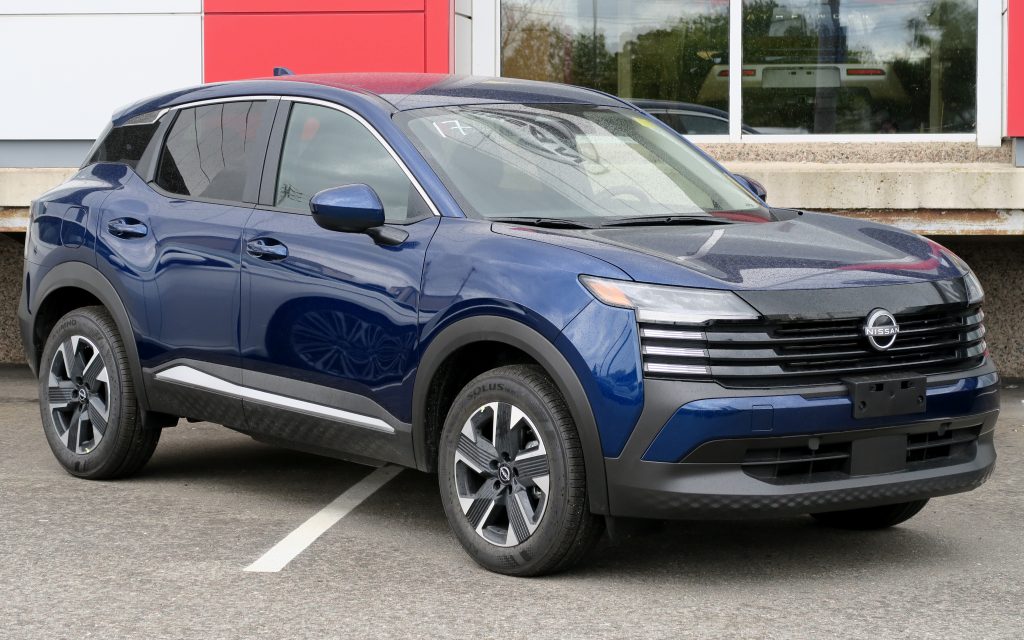
Temperature impacts are worth remembering as well. Heat causes fluid inside the battery to evaporate, while cold weather makes it harder to produce starting power. Parking in shaded or sheltered spots when possible reduces long-term battery stress.
Replacing a weak battery before it completely dies is a wise preventive step. This saves other electronics from low-voltage damage that can result when the failing battery strains the system.
Since the Nissan Kicks includes modern infotainment and safety electronics, stable battery output is especially necessary to avoid errors or resets.
Keeping the battery in top condition ultimately saves inconvenience and protects electrical components from unnecessary stress.
By investing a little time in regular checks and replacements, Kicks owners ensure reliability every time they turn the key, which contributes directly to a longer vehicle life.
7. Use Quality Fuel and Maintain the Fuel System
Fuel quality directly affects how smoothly a Nissan Kicks runs and how long it lasts. Poor-grade or contaminated fuel can introduce deposits in the fuel system, reducing efficiency while risking damage to injectors and valves.
Since the car’s compact engine depends on precise combustion, using quality fuel is one of the simplest yet smartest ways to extend its years on the road.
Choosing stations with reliable track records reduces the chance of filling up with diluted or contaminated gasoline. While premium fuels are not necessary unless specified, sticking with good quality ensures fewer long-term issues.
The fuel filter plays a vital role by screening impurities before they reach sensitive components. Over extended periods, these filters can become clogged, restricting fuel flow and forcing the pump to work harder. Replacing the filter at suggested intervals avoids unnecessary wear and supports consistent engine performance.
Fuel injectors also need occasional attention. Over time, carbon deposits may hinder spray patterns, reducing combustion efficiency. Many service centers offer injector cleaning, which restores proper fuel atomization. Drivers who notice rough idling or reduced mileage should consider having this done.
Another useful habit involves avoiding frequently driving on very low fuel. Besides risking sudden stalls, it forces the fuel pump to operate less efficiently and increases the chance of sediment being pulled from the tank. Keeping at least a quarter tank full benefits both the pump and the entire fuel delivery system.
Pairing fuel system care with periodic use of approved fuel additives can also help. Additives remove minor deposits and maintain cleanliness, but these should be used carefully and according to manufacturer guidance.
Maintaining the fuel system ensures the Nissan Kicks can run efficiently with consistent mileage, better emissions, and reduced engine strain. Since poor fuel quality can silently harm performance over time, prioritizing this system directly supports long-term dependability.
8. Protect the Suspension System
A comfortable ride and steady handling are among the Nissan Kicks’ strongest qualities, and much of this depends on a healthy suspension system.
However, suspension components face constant stress from rough roads, potholes, and rapid steering actions. Ignoring signs of wear can shorten the car’s productive years significantly.
Suspension parts such as struts, shocks, and control arms are designed to absorb impacts and maintain stability. When they weaken, not only does ride comfort drop, but additional strain gets transferred across the frame and tires.
Drivers may notice unusual noises, uneven tire wear, or excessive bouncing after bumps as early indicators of trouble.
Routine inspection is the first line of defense. Checking for leaks around shock absorbers or damage to rubber bushings can reveal issues before they escalate. Keeping the undercarriage clean also prevents dirt and salt from corroding joints and mount points.
Wheel balancing and alignment should be maintained alongside tire care, since the two systems work together. If suspension geometry shifts out of alignment, both handling and safety decline. Correcting alignment at the first sign of pulling or uneven tread wear reduces pressure on steering components.

Driving habits greatly influence suspension longevity. Avoiding harsh pothole impacts, slowing down over speed bumps, and reducing abrupt steering movements all prevent unnecessary load on the system.
For urban Kicks owners who often deal with less-than-perfect road conditions, these behaviors provide long-term advantages.
If parts such as struts eventually require replacement, using genuine or high-quality aftermarket components protects the car’s integrity. It may cost more initially, but the system will last longer and continue working as designed.
A well-maintained suspension not only ensures a more pleasant driving experience but also prevents ripple effects of damage across tires, wheels, and chassis. Preserving this system keeps the Nissan Kicks comfortable, safe, and structurally strong long after its initial years.
9. Preserve the Interior and Electronics
When considering vehicle longevity, owners often focus on engines and mechanical systems. However, the interior and electronics of a Nissan Kicks are equally important for retaining usability and value. A car that continues performing mechanically but suffers from damaged interiors loses appeal and comfort much sooner.
Routine cleaning of the cabin prevents wear caused by dust, spills, and UV rays. Using UV-protective cleaners on plastic surfaces keeps them from cracking or fading with age.
Seat fabrics should also be vacuumed regularly, while leather trims benefit from conditioners that prevent drying. Keeping window seals clean reduces unnecessary strain on power window motors.
Electronics in the Kicks include infotainment units, sensors, cameras, and safety systems. These features improve driving quality but rely on stable electrical input and maintenance. Protecting them starts with ensuring the battery remains strong and avoiding aftermarket accessories that overload circuits.
Software updates also play a part. Many car manufacturers issue updates that resolve bugs or improve system reliability. Owners who ignore these may face glitches affecting navigation, audio, or safety alerts. Checking with service centers periodically ensures all updates are installed.
Care with liquids inside the cabin is vital as well. Spills near gear selectors or on power outlets risk damaging sensitive modules. Floor mats and protective liners provide an inexpensive but powerful layer of safety against moisture intrusion.
Proper use also extends the life of electronics. For instance, avoiding overuse of high fan speeds in the air conditioning system reduces wear on blower motors. Similarly, handling switches and knobs gently rather than forcefully extends mechanical life.
By keeping the interior inviting and the electronics operating correctly, the Nissan Kicks retains its comfort and modern feel even after years of use.
This contributes to higher resale value and more enjoyable ownership. Owners who include interior and electronic care in their maintenance habits find their car feels newer for a much longer time.
10. Drive Smart and Avoid Aggressive Habits
While maintenance plays a central role in extending the Nissan Kicks’ lifespan, driving behavior may be just as influential. The way an owner treats the vehicle daily determines how much wear develops across the car’s most important systems.
Aggressive acceleration, harsh braking, and consistently driving at very high speeds increase strain on the engine, transmission, brakes, and suspension.
These systems are designed to endure normal stress, but when constantly pushed beyond intended limits, their lifespan reduces noticeably.
Smooth driving is one of the simplest habits that can extend road life. Gradual acceleration allows fluids to circulate properly and reduces stress on moving parts.
Anticipating stops instead of braking abruptly saves pads, discs, and suspension bushings. Maintaining steady speeds rather than fluctuating sharply prevents unnecessary fuel waste and improves overall efficiency.
Driving with mechanical sympathy also means respecting warm-up and cool-down cycles. Allowing the engine to reach its stable temperature before hard acceleration keeps wear minimal, while giving the turbocharger (if present in some markets) a chance to cool down before shutting off prevents internal damage.
Load management is another aspect often overlooked. Carrying unnecessary cargo continuously puts extra pressure on suspension and reduces fuel economy. Roof racks and accessories should only be installed when needed since they create additional drag and strain.
Even simple habits like slowing down over bumps or avoiding potholes whenever possible are powerful in prolonging a car’s usable life. City driving frequently exposes the Kicks to these challenges, which makes cautious handling particularly beneficial.
Drivers who practice consistent, patient, and aware habits will notice their car not only lasts longer but also runs smoother and consumes less fuel.
The Nissan Kicks rewards such treatment by returning reliability for many additional years. Smart driving therefore completes the set of strategies that ensure the Kicks continues delivering dependable service well beyond expectations.
Also Read: 10 Moves That Kill a Honda Crosstour Before 150,000 Miles
