
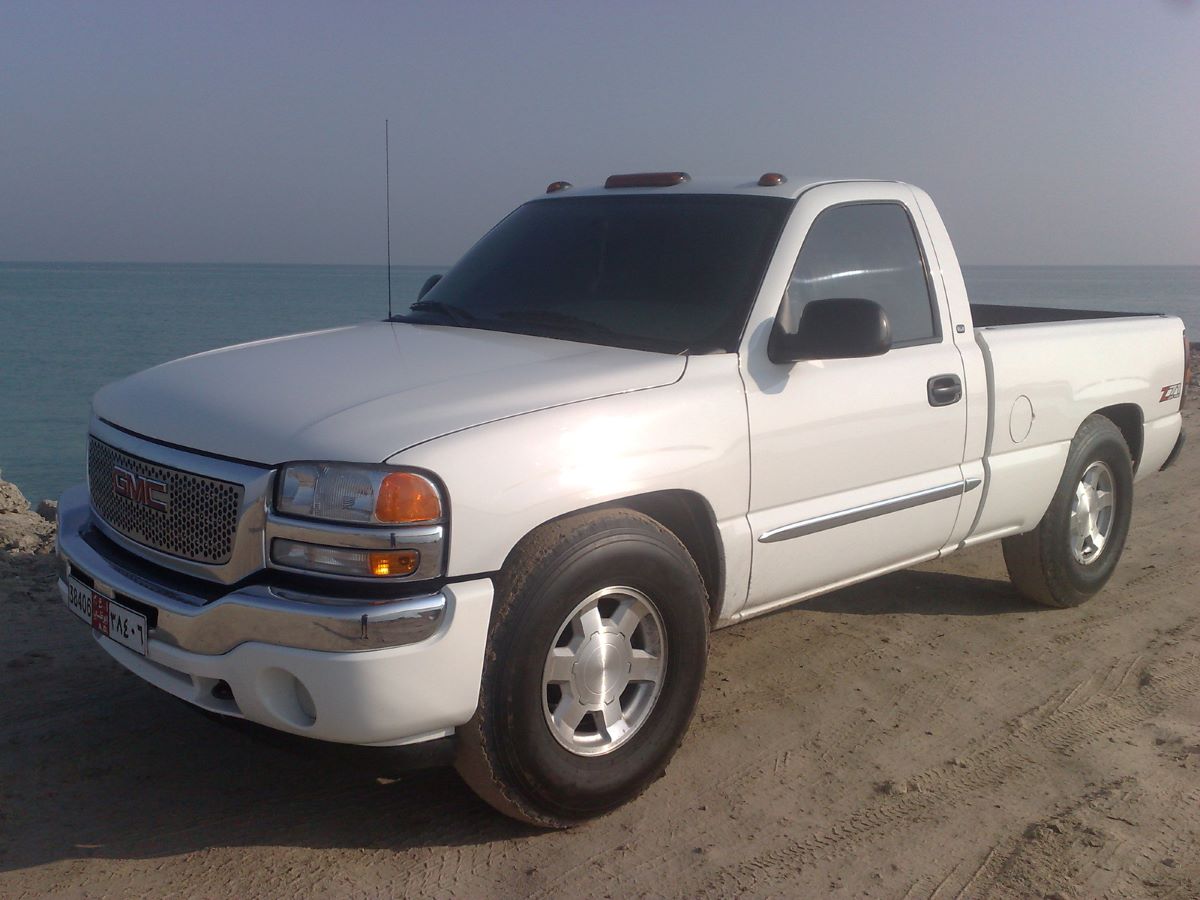
The GMC Sierra All Terrain has built a strong reputation among truck enthusiasts who seek both rugged performance and dependable daily usability.
Designed with a balance of off-road capability and comfort, it stands out as a truck that does more than just haul cargo or tow trailers.
Owners of this model appreciate its versatility, but like any complex vehicle, keeping it running at its best requires consistent attention and smart maintenance practices.
A well-maintained Sierra can handle demanding conditions, deliver long-term reliability, and continue to provide the driving experience that makes it a favorite among pickup fans.
Truck ownership goes beyond just oil changes and fuel-ups. The Sierra All Terrain is engineered with advanced technology, strong suspension components, and powerful drivetrains, each of which needs regular care.
Whether it’s the V8 under the hood, the 4WD system that helps it tackle rough paths, or the luxury touches in the cabin, different aspects of the truck come together to create a well-rounded machine.
Over time, neglecting even small details can lead to wear, reduced efficiency, or expensive repairs. That is why consistent, proactive measures are essential for keeping this truck in peak form.
This article highlights ten proven tricks that can extend the life of your GMC Sierra All Terrain while keeping its performance smooth and reliable.
Each trick focuses on a practical aspect of maintenance or driving habits that can reduce strain, cut down on repair costs, and increase the truck’s long-term dependability.
Whether you use the Sierra for towing heavy loads, weekend adventures, or just reliable everyday driving, these tips will help you keep it strong for years to come.
Also Read: 10 Costly Oversights That Kill a Jeep Wrangler Unlimited Too Soon
Trick 1: Stay On Top of Fluid Maintenance
Fluids are the lifeblood of any vehicle, and for a GMC Sierra All Terrain, this couldn’t be more accurate. Every part of the truck relies on proper lubrication and fluid circulation to operate smoothly.
The engine, transmission, transfer case, differentials, cooling systems, and even the power steering require specific fluids to function correctly. Skipping fluid maintenance is one of the fastest ways to shorten the lifespan of your Sierra.
Start with oil. GMC recommends regular oil changes based on mileage or the Oil Life Monitoring System alerts. Using high-quality synthetic oil provides better protection under tough conditions, especially when towing or off-roading.
Fresh oil ensures the engine operates cooler, reducing internal friction and extending life. Couple this with a clean oil filter, and you’ve got the foundation for a longer-lasting engine.
Transmission fluid is just as important. The Sierra’s automatic transmission works hard, especially if you’re towing. Fluids that degrade lose their ability to reduce heat and friction, leading to slipping gears and costly damage.
Checking transmission fluid levels and color frequently is a good habit. Fluids should look clean and not smell burnt. If you notice dark, dirty fluid, a flush is overdue.
The transfer case and differential fluids deserve equal attention. These are critical in powering all four wheels in the All Terrain model. Ignoring them could lead to grinding noises, difficult shifts into 4WD, and drivetrain wear. Refreshing these fluids periodically prevents stress on gears and bearings.
Coolant keeps engine temperatures stable. A low or contaminated coolant can quickly cause overheating, warped heads, or gasket failures. Always ensure coolant levels are correct, and flush the system every few years.
When you make a consistent schedule to change and check fluids, you do more than avoid problems; you ensure the Sierra runs at peak performance in every condition. Trucks push against heavy loads, hot climates, and sometimes freezing trails. Reliable fluid care keeps those extremes manageable.
Trick 2: Tire Care and Wheel Alignment
Tires have a direct connection to both performance and safety. For a Sierra All Terrain, they also define how capable the truck feels off-road or on challenging roads.
Tires are often overlooked because they usually wear slowly, but failing to care for them is one of the quickest ways to harm handling and compromise fuel efficiency.
Proper inflation is the first step. Underinflated tires not only burn extra fuel but also cause sidewalls to flex more, creating uneven wear.
Overinflated tires wear the center tread too quickly and make rides harsher. Keeping tire pressure at GMC’s recommended levels improves grip, comfort, and efficiency. A regular check with a digital gauge is a straightforward way to stay on track.
Rotation is another essential task. Front tires take more abuse due to steering, while rear tires on a Sierra may carry heavier loads. Rotating them at recommended intervals balances wear, giving you more mileage from a full set. Uneven wear can shorten tire life dramatically, causing you to replace them sooner than necessary.
Tread depth is just as critical. Off-road capable tires with deep tread are designed for traction, but over time they wear down and lose effectiveness in rain, snow, or mud.
Using a tread depth gauge, or simply the coin test, can alert you when it’s time for replacements. Driving on bald or worn tires is dangerous, especially for a powerful truck like this.
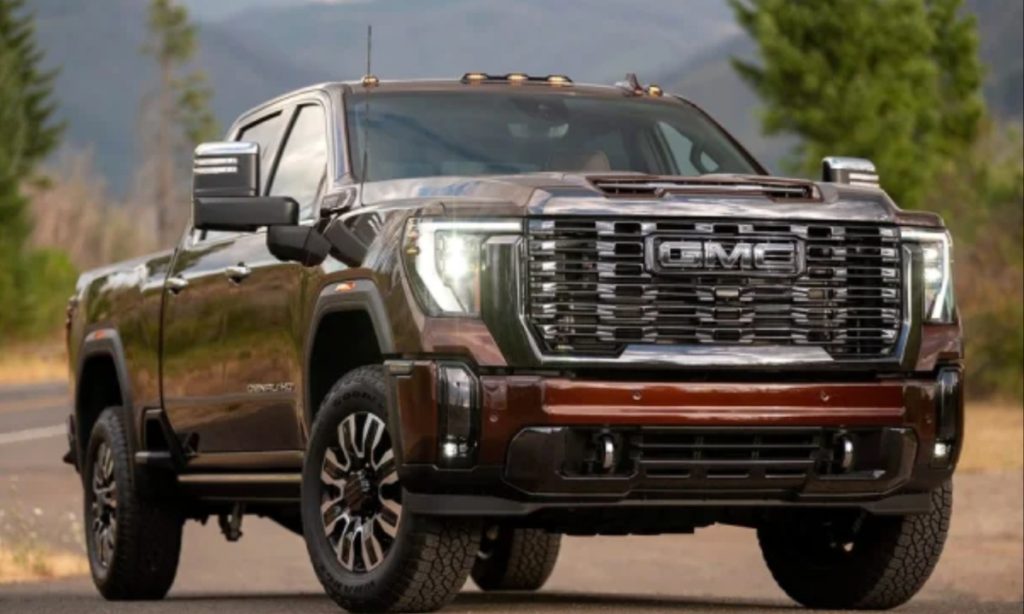
Wheel alignment closes the circle of proper tire care. Misalignment happens subtly from hitting potholes, curbs, or rough roads common in truck usage.
When alignment drifts, the truck might pull to one side, cause uneven tread wear, or shake through the steering wheel. Keeping the wheels aligned ensures smooth tracking, safer handling, and tire longevity.
A Sierra maintained with sharp wheel care not only performs well but also saves drivers from unnecessary fuel costs and constant replacements. Strong, healthy tires are the contact point between power and terrain, so they should always stay in prime condition.
Trick 3: Battery and Electrical System Health
Your Sierra All Terrain is more electronically advanced than many older trucks. Its electrical system powers not just essential functions like ignition, but also controls advanced driver-assist features, infotainment, lighting, and even off-road settings.
At the center of it all is the battery. Ensuring its strength and the health of the entire electrical system is vital if you want reliability and comfort each time you start the truck.
Batteries degrade naturally over time, especially in trucks that face temperature extremes. Hot summers can evaporate internal battery fluids, while freezing winters slow down chemical reactions, making cold starts difficult.
Routine inspections of battery terminals for corrosion and ensuring cables are tightly connected go a long way. White or green residue on terminals reduces performance and can even stop your truck from starting. Cleaning terminals carefully with a mixture of baking soda and water removes these deposits.
Battery testing is also wise, particularly before winter or long trips. Many auto shops offer free voltage and load testing. If your battery struggles to hold charge, replacing it early avoids being stranded. GMC recommends replacement every 3 to 5 years, depending on conditions and usage.
Beyond the battery itself, fuses, alternator output, and wiring should not be ignored. The alternator keeps the battery charged while you drive. If headlights start dimming or accessories act erratically, the alternator may be weakening. Early detection prevents larger failures.
Modern Sierra trucks also rely heavily on sensors and computers. A failing voltage supply can confuse these modules, creating false error codes or disabling features unexpectedly. Reliable power ensures digital systems behave properly.
Keeping jumper cables or a portable jump starter in the truck is a smart backup measure. Even the best-maintained batteries can die suddenly.
With basic attention, though, your electrical system will remain dependable for years, powering both essential systems and the comforts that make the Sierra All Terrain enjoyable.
Trick 4: Suspension and Shock Absorber Care
The Sierra All Terrain is built for rough roads and work demands, meaning its suspension absorbs a tremendous amount of impact over time.
Suspension components play a direct role in both comfort and control. Neglecting them doesn’t just make rides harsher; it also wears out tires and stresses other components, leading to bigger repair costs.
Shock absorbers and struts are at the heart of this system. They control how the truck handles bumps, dips, and uneven roads.
When shocks wear out, you’ll notice the Sierra bouncing excessively after hitting bumps, nose-diving during braking, or swaying on turns. Worn suspension parts reduce tire contact with the road, lowering traction and stability.
While shocks and struts are designed to last tens of thousands of miles, heavy use such as towing, carrying loads, or frequent off-road travel shortens their lifespan.
A good inspection rule is to check them every 50,000 miles, or sooner if you notice ride performance deteriorating. Replacing them in sets (front pair or rear pair) maintains balance.
Bushings, ball joints, and control arms also demand attention. These smaller components can crack or wear over time, especially with constant exposure to dirt and rough terrain.
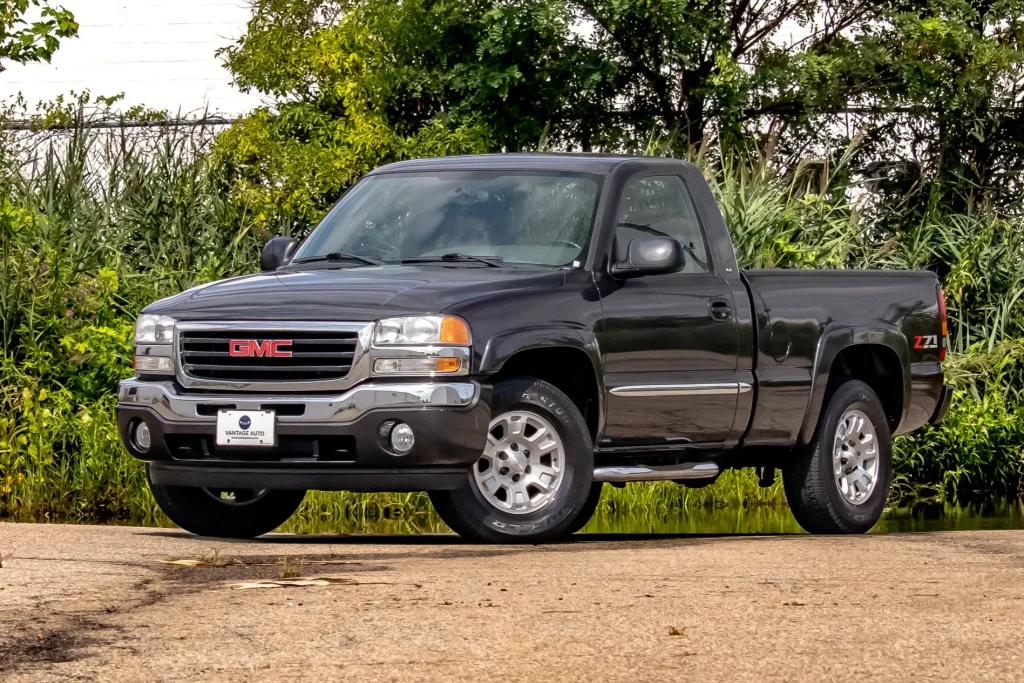
Odd noises while turning, uneven handling, or loose steering often point to these problems. A mechanic can spot wear during scheduled service, and replacing small parts early prevents major failures.
Rear leaf springs in the Sierra deserve periodic inspection as well. Trucks carrying heavy loads may experience sagging or cracked springs, leading to unstable handling. Reinforcing them or replacing damaged ones ensures stability when hauling trailers or cargo.
Maintaining suspension health not only makes the Sierra more comfortable to drive but also protects related systems from stress. Smooth suspension encourages even tire wear, keeps braking performance sharp, and ensures your truck handles predictably no matter the surface.
Paying attention to suspension early will keep this powerful pickup running strong under all conditions.
Trick 5: Brake System Attention
When talking about safety, the brake system is the most important feature on the Sierra All Terrain. Trucks as large and powerful as this require strong braking performance to manage their weight and the added loads of towing. Taking brakes for granted is never an option.
Brake pads wear down with everyday driving. On a truck like the Sierra, pads may wear quicker when frequent towing, hauling, or downhill driving is involved. Listening for squealing or grinding noises during braking is an early warning that pads are nearing the end of their life.
Replacing pads before they fully wear out saves the rotors from damage. Rotor replacement is far more costly than simple pad service.
Brake fluid is another key part of the system. Over time, this fluid absorbs moisture which reduces its boiling point.
When towing downhill or braking heavily, old brake fluid can lead to a spongy pedal and reduced stopping power. Flushing it every couple of years prevents overheating and ensures strong, consistent braking.
Don’t forget the parking brake, especially in off-road use. Mud, dust, and debris can interfere with its cables and mechanism. Inspecting and cleaning it periodically keeps it reliable, particularly on steep inclines where the truck depends on it.
The Sierra also uses ABS sensors and electronic braking aids. If your dashboard shows a brake or ABS warning light, have it checked immediately. With trucks this size, even a minor braking issue can magnify into a dangerous situation under stress.
Finally, pay attention to the feel of your brakes. If the pedal feels soft, sinks too far, or vibrates under pressure, there’s a likely issue that needs immediate attention. Ignoring these symptoms risks both performance and safety.
Proper brake care ensures you can count on your Sierra’s stopping power whether cruising the highway, coming down a mountain, or maneuvering through traffic.
Trick 6: Transmission and Gearbox Care
The Sierra All Terrain features tough transmissions designed for heavy loads and torque delivery. Yet, this component is one of the most expensive to repair if neglected, which makes preventive care absolutely essential.
Automatic transmissions, which are common in the Sierra, rely on fluid not just for lubrication but also for hydraulic pressure. As mentioned earlier, fluid breakdown leads to harsh shifting, slipping, or overheating.
Following GMC’s service schedule for transmission fluid replacement protects against early wear. Trucks used for hauling trailers need even more frequent checks, as added heat stresses transmission parts.
Pay attention to how your Sierra shifts. Sudden jerks when changing gears, unusual noises while in drive, or hesitation to switch gears are early indicators of transmission problems. Catching these signals early can save the entire gearbox from catastrophic damage.
For owners with manual transmission variants, checking clutch health is also important. Slipping clutches or hard shifting are signs that replacement may soon be necessary. Regular checks and sensible driving habits like avoiding excessive clutch riding or heavy acceleration in high gears extend lifespan.
The 4WD system also relies on a transfer case, which contains gears and requires clean fluid to operate smoothly. If shifting in or out of 4WD mode feels rough, or you hear grinding sounds, fluid or component inspection is due right away.
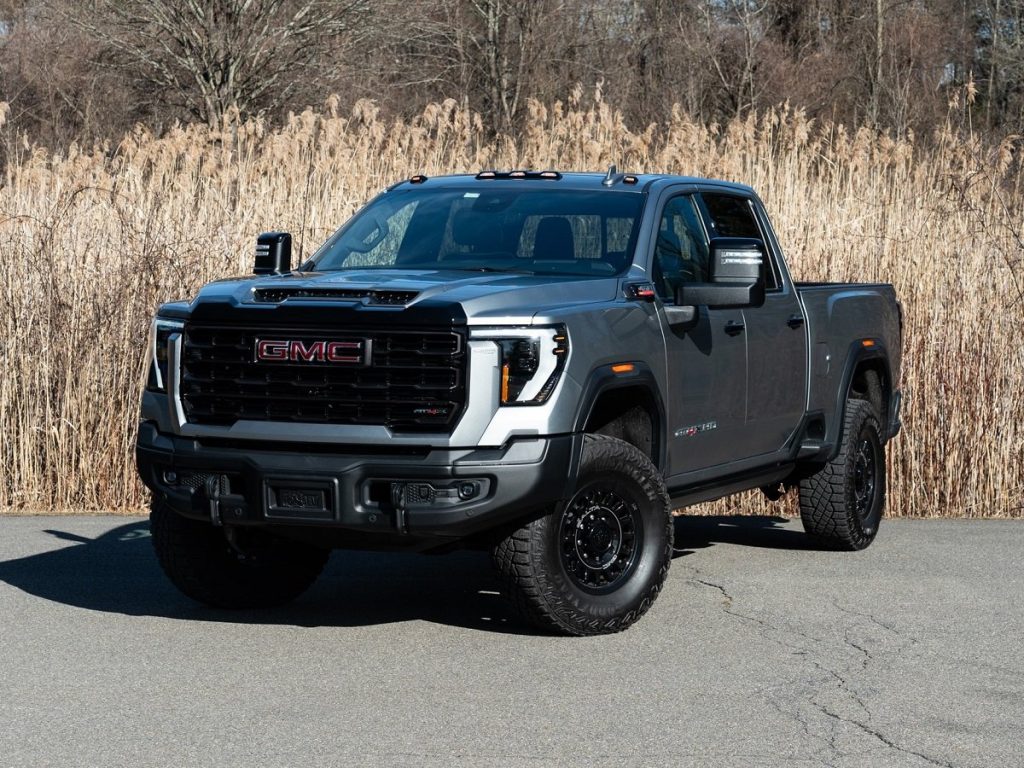
Cooling is another overlooked factor. Heavy usage, especially towing, can cause transmission fluid to overheat. Installing an auxiliary transmission cooler is a popular upgrade among Sierra owners who frequently tow. This simple add-on can dramatically extend transmission life and keep shifts smooth under pressure.
Since the transmission directly connects the engine’s power to the wheels, keeping it strong protects the entire driving experience. A reliable gearbox ensures the Sierra can handle its advertised capabilities without hesitation, giving you confidence in every drive.
Trick 7: Air Filters and Fuel System Care
Engines achieve peak performance when air and fuel mix efficiently. On a truck like the Sierra All Terrain, which often faces dusty job sites or off-road trails, these systems need consistent care. Attention to air filters and the fuel system ensures optimum output, better gas mileage, and longer engine life.
Start with the air filter. This simple component prevents dust, pollen, dirt, and grit from entering the engine. A clogged filter reduces airflow, forcing the engine to burn more fuel.
For Sierra owners who drive on dirt trails or gravel roads, filters may clog quicker than urban drivers realize. Checking them regularly and replacing them every 15,000–30,000 miles is a practical habit. A clean filter improves acceleration and fuel economy instantly.
The fuel filter is equally vital. Dirty fuel can contain particles that block injectors and damage sensors.
GMC Sierra trucks usually have fuel filters designed for long service intervals, but contaminated fuel can shorten this lifespan. Replacing the filter on time ensures steady pressure and clean delivery to the engine.
Fuel injectors also benefit from periodic cleaning. Over time, carbon and residue clog these tiny nozzles, leading to rough idling, hesitation, or poor mileage. High-quality fuel injector cleaners or professional services restore their spray patterns.
Finally, keeping the gas tank relatively full can reduce condensation and moisture buildup. Moisture in fuel tanks encourages rust and weakens performance. Using quality gasoline and, when possible, additives designed to clean injectors and prevent buildup is another way to keep the fuel system healthy.
Air and fuel care translates directly to better efficiency and more dependable power delivery. Trucks demand strong engines all the time, and keeping these filters and systems in shape ensures the Sierra runs with the performance owners expect from a work-and-adventure-ready pickup.
Trick 8: Protecting the Exterior and Undercarriage
The GMC Sierra All Terrain is exposed to demanding conditions, and keeping its body and undercarriage protected helps maintain both performance and resale value. Rust and corrosion are some of the most damaging yet most preventable issues a truck can face.
Mud, salt, and debris collect on the underside whenever the Sierra is taken through dirt trails, snowy roads, or moist conditions. Left unchecked, they attack metal parts and fuel lines, often going unnoticed until damage is extensive.
Routine washing, including power-washing the undercarriage, prevents these materials from sticking and starting corrosion. Many owners schedule a professional undercarriage wash a few times per year, especially in regions where road salt is common.
Protective coatings also help dramatically. Applying underbody sealants or anti-rust sprays adds a barrier against moisture.
Even simple applications can extend the frame and suspension component life for many years. Spray-on bedliners are another protective solution for truck beds, guarding against cargo scrapes and rust formation.
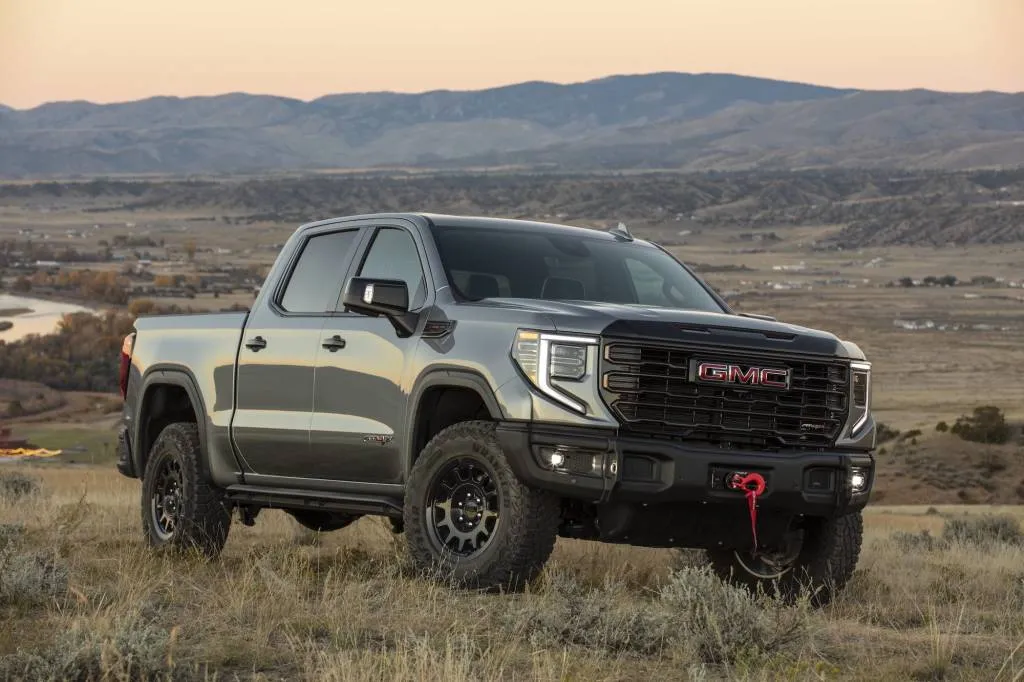
The paintwork deserves equal care. Regular washing removes contaminants while waxing protects against UV rays and adds a hydrophobic layer that repels water and dirt. Paint sealants and ceramic coatings are increasingly popular as long-lasting solutions to protect appearance.
Accessories like mud flaps and fender liners also play a defensive role. They reduce rocks, mud, and salt from hitting vulnerable areas behind wheels and on lower doors. Without them, the lower body panels of a Sierra may be peppered with chips and scratches that expose bare metal to corrosion.
Keeping the Sierra’s body and undercarriage cared for is not just cosmetic it protects structural strength and resale worth.
Buyers place immense value on a rust-free, well-kept truck. For an owner, that means not only years of dependable use but also higher long-term value if you ever decide to sell or trade in.
Trick 9: Proper Use of Towing and Hauling Features
Many Sierra All Terrain owners buy the truck for its towing and hauling capabilities. Its strong frame and drivetrain make it one of the best in its class for heavy-duty tasks. However, misusing these features is one of the quickest ways to wear down the vehicle prematurely. Knowing how to tow and haul properly keeps both safety and lifespan on your side.
Always respect towing capacity guidelines. Exceeding the rated capacity stresses the engine, transmission, suspension, and brakes. Even occasional overloading creates hidden damage that may only reveal itself years later.
If you frequently haul near the maximum rating, consider using weight distribution hitches or trailer brake controllers to reduce wear on components.
Pay attention to tongue weight when attaching trailers. An unbalanced trailer, with either too little or too much tongue load, destabilizes your Sierra and strains the suspension. Proper measurements and adjustments are crucial for both safety and handling.
Engage towing modes that your Sierra provides. Tow/Haul settings automatically adjust transmission shift points and engine response, easing strain on the gearbox during heavy loads. Relying on this feature, rather than manual force, preserves component life.
Brakes are another critical part of towing. Trailer brake controller systems help slow down heavy loads evenly, reducing stress on your Sierra’s brake pads and rotors. Without them, the truck alone absorbs full braking duties, which accelerates wear.
When hauling in the truck bed, distribute loads evenly and secure them adequately. Uneven weight not only stresses suspension but also risks damaging the bed structure. Using bed protection liners helps absorb scratches and avoids permanent wear.
Handled correctly, the Sierra’s towing and hauling potential is a benefit rather than a liability. Keeping these practices in mind ensures you can depend on its strength for years while preventing hidden wear that reduces long-term reliability.
Trick 10: Keep Up with Software and System Updates
Today’s GMC Sierra All Terrain is not just a mechanical powerhouse but also a technological one. Its infotainment, advanced driver-assist systems, and even some engine and drivetrain management rely on software. Overlooking updates leaves the truck behind technologically and may even reduce efficiency or safety.
Software systems control everything from navigation maps to adaptive safety aids. Manufacturers release updates periodically to fix bugs, introduce new features, or improve compatibility with smartphones and digital devices.
By keeping your Sierra’s software current, you prevent glitches that can frustrate drivers and affect functionality.
Performance updates can also come through recalibrations issued by GMC. Small changes in transmission logic or engine tuning can enhance driving smoothness, fuel economy, or performance. Ignoring these updates means missing out on refinements engineered into the vehicle after purchase.
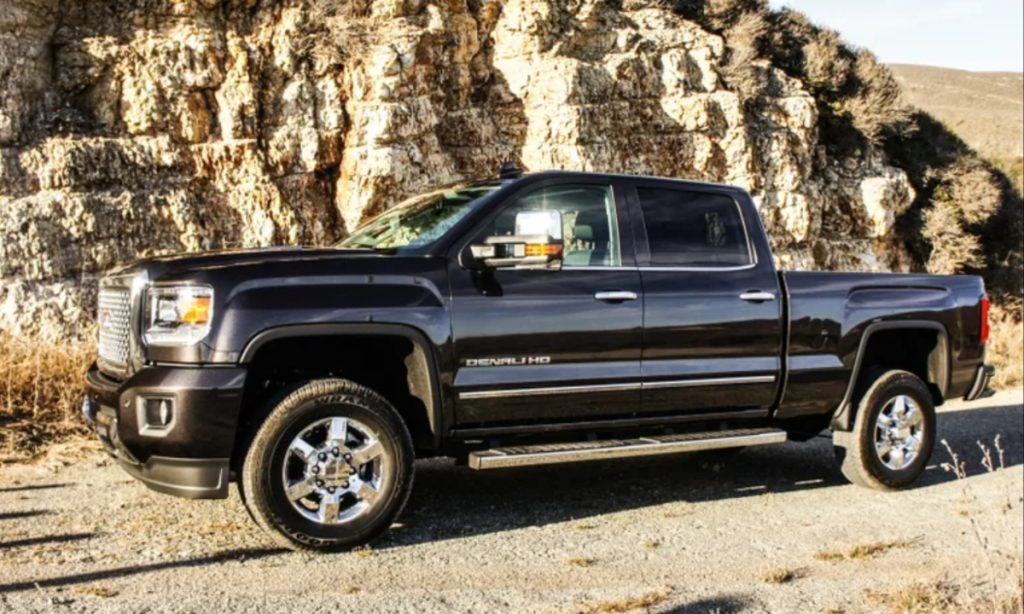
Some updates must be performed by dealers, while others may be handled over-the-air, depending on your model year. Scheduling dealership visits ensures software, infotainment, and safety systems are at their latest versions.
Beyond software, regularly checking for recalls related to electronic or safety systems is also crucial. Manufacturers occasionally discover issues after vehicles hit the market. Addressing them promptly keeps your Sierra aligned with intended reliability.
Even navigation maps should not be neglected. For those who use their Sierra on long hauls or off-road trips, updated maps ensure better accuracy when planning routes.
By treating your truck’s technology with the same respect as its mechanical parts, you guarantee smoother performance and fewer frustrations.
A modern Sierra is as much about systems integration as it is raw power, and keeping those systems updated allows maximum benefit from the technology built into the truck.
Also Read: 10 Hacks That Help a Toyota Paseo Survive Another Decade
