
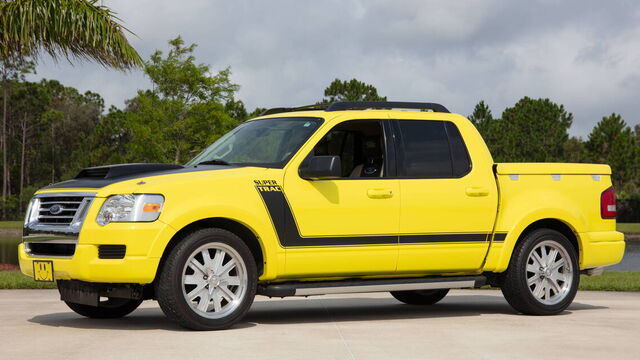
When it comes to midsize pickup trucks, the Ford Explorer Sport Trac often gets recognition for its uniqueness, blending the comfort of an SUV with the practicality of a pickup.
Produced between 2001 and 2010, the Sport Trac carved a niche for itself among drivers who wanted the versatility of a truck but the style and ride of an Explorer.
Over the years it has gained a loyal fan base, with many owners holding on to theirs well past the 200,000-mile mark. However, this is only possible when proper care and attention are given. Too often, small mistakes and overlooked maintenance habits can lead to major problems that shorten the life of a Sport Trac significantly.
Cars and trucks are built to last, but they can only live up to their reputation if owners understand what keeps them reliable. The Sport Trac is no exception. Neglect, misuse, or careless habits create a perfect recipe for expensive breakdowns that could have otherwise been avoided.
Owners who fail to recognize early warning signs or who treat the Sport Trac like a disposable vehicle often find themselves facing costly repairs long before the truck’s potential lifespan is reached. The truth is, most of these issues are easily preventable if drivers follow smart maintenance practices.
In this article, we will discuss seven mistakes that can quickly damage a Ford Explorer Sport Trac. These include both mechanical oversights and usage habits that create unnecessary strain on the truck.
By understanding these mistakes and learning how to avoid them, owners can protect their Sport Trac from premature wear and keep it running strong for many years.
Whether someone is a current owner or considering picking up a used model, knowing what not to do is just as important as learning the best care methods.
Also Read: 10 Hacks That Keep a Toyota GR Corolla Track-Ready Forever
Mistake 1: Ignoring Transmission Maintenance
One of the most damaging mistakes Sport Trac owners make is neglecting the transmission. The transmission is essentially the heart of how the vehicle transfers power from the engine to the wheels, and in trucks like the Sport Trac, it endures extra stress due to towing, hauling, or off-road use.
Ford transmissions in the early to mid-2000s are known to be sensitive, and if regular maintenance is overlooked, failure is almost inevitable.
A common misconception is that automatic transmissions are sealed for life. Many Sport Trac owners assumed that skipping transmission fluid changes would not cause harm, but in reality, dirty or burnt fluid accelerates wear on the clutch packs, solenoids, and valve body.
Once the slipping starts, repairs can quickly exceed two thousand dollars, sometimes more than the cost of the truck itself if it is older and higher mileage.
Another mistake is ignoring early warning signs. Hard shifts, delayed engagement when shifting into gear, or odd clunking noises are often brushed off until the truck stops moving altogether.
Drivers who use their Sport Trac for towing especially worsen the situation, as the extra weight produces more heat in the transmission fluid. Without proper cooling and frequent fluid service, the lifespan of the transmission drops dramatically.
The correct habit is straightforward. Change the transmission fluid and filter regularly, ideally every 30,000 to 40,000 miles. Use the right type of fluid that Ford specifies, as not all automatic transmission fluids are compatible.
Installing an auxiliary transmission cooler can also extend longevity, especially for Sport Trac owners who tow boats, trailers, or campers. Paying attention to these details can prevent the largest and most expensive breakdown most owners face.
When cared for properly, the Sport Trac transmission can last as long as the engine. Ignoring it, however, is one of the quickest ways to turn the truck into a non-running lawn ornament.
Mistake 2: Running the Engine with Poor Maintenance
Another mistake that cuts a Sport Trac’s life short is neglecting the engine’s basic needs. The 4.0-liter SOHC V6 and the later 4.6-liter V8 found in these trucks are fairly robust engines when maintained properly. However, careless habits such as skipping oil changes or using poor-quality parts quickly bring unnecessary trouble.
Oil sludge buildup is one of the most common killers. When oil is not changed at the correct intervals, deposits accumulate in the timing chain guides and valve train.
For the 4.0-liter engine, the timing chain is already a weak point, known for rattle and wear. If oil flow suffers due to neglect, the guides crack, the chain stretches, and suddenly the owner is facing a repair bill of thousands.
Coolant neglect is another silent engine destroyer. Old coolant loses its ability to protect against corrosion and overheating.
Drivers who ignore leak signs like low coolant levels, puddles under the truck, or consistent high temperatures are unknowingly pushing their Sport Trac toward head gasket failure. This is particularly dangerous on long highway trips or when pulling a trailer.
Fuel quality also matters. Using the cheapest gas combined with a clogged air filter can lead to carbon deposits on the intake valves and spark plugs, causing rough running and decreased fuel economy. Over time, the stress of poor combustion can damage pistons and catalytic converters.

The solution is simple: stick to a maintenance schedule. Regular oil changes every 5,000 miles, coolant flushes around every 50,000 miles, and spark plug replacements when recommended. It’s also smart to listen for changes in how the engine sounds.
Early noises, knocks, or rattles should not be ignored because they typically mean a smaller problem is about to turn into a major failure.
Taking care of the engine is non-negotiable. The Sport Trac can run smoothly for hundreds of thousands of miles if its vital fluids and wear items are properly maintained. Overlooking them, however, sets the stage for premature engine failure.
Mistake 3: Overloading the Truck
A Sport Trac may look like a traditional pickup, but it does not share the heavy-duty foundation of an F-150.
This misunderstanding often leads to owners loading far beyond what the truck is designed to carry or tow. Doing so stresses nearly every mechanical component, cutting its lifespan drastically.
One of the most common mistakes is placing too much weight in the cargo bed. While the Sport Trac bed is useful for hauling, it is not intended for heavy construction loads.
Overloading compresses the suspension, weakens shocks, and wears out rear springs prematurely. The rear differential and driveshaft also take on additional strain, leading to gear whine or failure.
Towing past the rated capacity is another frequent issue. Owners see the hitch and assume the truck can pull anything, but exceeding the rated limit overheats the transmission, stresses the engine, and reduces braking performance.
A worn-out transmission or overheated engine often traces back to years of pulling more than the truck was ever built to handle.
Even tires and brakes suffer when the truck is overloaded. Tires begin to bulge under excessive weight, increasing the risk of blowouts, while brakes wear more quickly and may fade under pressure, putting safety at risk on highways.
The solution is respecting weight ratings. The door sticker provides the GVWR (Gross Vehicle Weight Rating) and the maximum towing capacity.
Staying within these limits ensures the Sport Trac performs reliably without unnecessary wear. Equipping the truck with trailer brakes and a weight-distribution hitch for heavy towing helps reduce the load on factory parts.
A Sport Trac is versatile but not indestructible. Treating it like a smaller version of an F-150 leads owners to shorten its lifespan significantly. Proper use within the rated capacities keeps the truck safe, stable, and long-lasting.
Mistake 4: Ignoring Suspension and Steering Wear
The suspension and steering system of the Sport Trac often go overlooked until serious problems arise.
Because the truck rides higher than most SUVs, owners assume it is rugged enough to take abuse without much upkeep. Unfortunately, this assumption leads to uneven tire wear, poor handling, and dangerous driving conditions.
The front suspension in particular is known for worn ball joints and tie rod ends. Once these parts develop play, the steering feels loose and imprecise.
Over time, this leads to accelerated tire wear because alignment goes out of specification. Many Sport Tracs have chewed through sets of tires prematurely simply because suspension components were ignored.
The shocks and struts are also key to comfort and control. Worn shocks lead to excessive bouncing, reduced braking performance, and instability on rough roads. For owners taking their Sport Trac off pavement, neglected suspension quickly results in clunks, uneven ride height, and loss of control.
Bushings in the control arms and sway bars also degrade. Once they crack and dry out, the truck loses stability, creating body roll in corners. This makes daily driving less safe and makes highway travel tiring due to constant steering correction.
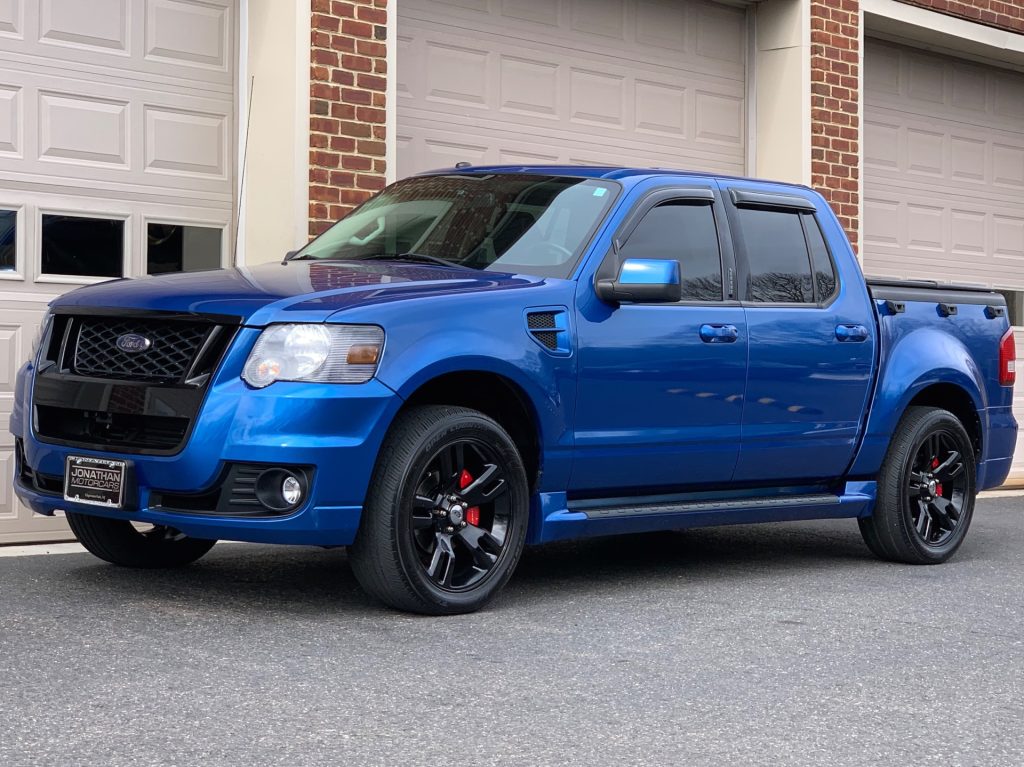
The solution is proactive inspection and maintenance. Regularly check suspension components for looseness, grease fittings when possible, and replace worn items before they break.
Upgrading to higher-quality shocks or polyurethane bushings often makes the truck feel tighter and safer than stock. Alignment should also be checked and corrected every time new suspension parts are installed or whenever tires show uneven wear.
Steering and suspension maintenance not only improve safety but also protect other systems. A well-maintained front end helps tires last longer, improves fuel economy, and keeps the truck handling as it was designed. Ignoring these components is a mistake that drastically shortens the driving life of a Sport Trac.
Mistake 5: Neglecting Rust Prevention
Rust is one of the silent destroyers of the Sport Trac, particularly in regions with road salt or high humidity.
Many owners treat rust as cosmetic, believing it starts and ends with faded paint or bubbling around the wheel arches. In reality, corrosion is actually one of the quickest ways a Sport Trac reaches the scrapyard.
Frame rust is the deadliest form. The boxed steel frame beneath the truck is strong, but once corrosion gets hold, it starts eating away until the structural integrity is compromised.
Trucks that seem mechanically solid can fail safety inspections due to frame perforation. Spotting rust too late often means the truck cannot be saved without costly welding.
The rocker panels and wheel wells are other common problem areas. Water and road salt trap inside these sections, slowly gnawing at the metal until holes form. Once rust spreads, many owners give up fixing it because the cosmetic damage feels overwhelming.
Undercarriage components also suffer. Fuel lines, brake lines, and mounting brackets can corrode, leading to serious safety hazards. A brake line failure due to hidden rust can end in disaster.
Prevention is straightforward but requires consistency. Washing the truck’s underside frequently, especially in winter climates, makes a big difference.
Applying rust-proofing sprays or undercoatings provides a protective barrier against moisture. Checking drain holes in doors and rocker panels ensures that water does not sit and accelerate corrosion.
Once rust has begun, addressing it early is crucial. Sanding away small patches and applying primer and paint prevents spreading. Waiting too long allows rust to penetrate deeper, making the damage irreversible.
A rust-free Sport Trac can be kept running nearly indefinitely, but one riddled with corrosion loses both value and safety. Failing to protect against rust is a mistake that ends the truck’s life faster than almost any other problem.
Mistake 6: Overlooking Brake System Care
Few components of the Sport Trac are as vital as the braking system, yet it is one of the most commonly neglected areas.
Many owners only replace brake pads when they hear grinding noises, which means damage has already spread to rotors and calipers. By the time the repair is made, costs rise unnecessarily, and safety has been compromised.
Ignoring early signs of brake wear is dangerous. Squealing sounds often come from the wear indicators built into pads, warning that replacement time is approaching.
Vibration or pulsation in the brake pedal usually means the rotors are warped from excessive heat. If these issues are overlooked, stopping distances increase significantly, putting both the driver and others on the road at risk.
Another overlooked issue is brake fluid. Over time, brake fluid absorbs moisture from the air, reducing its effectiveness and causing corrosion in the master cylinder or brake lines.
Many Sport Trac owners have faced complete brake failure due to a rusted steel brake line bursting under pressure. This often happens without warning and can cause accidents if the vehicle is in motion.
Rear drum brakes, found on many older Sport Trac models, require periodic adjustments and replacement parts as well.
When neglected, they reduce stopping power and place extra strain on the front brakes, causing premature wear. Owners who ignore the rear system often end up replacing the front brakes far more often than necessary.

The solution is following a basic brake service schedule. Pads and rotors should be checked every 10,000 miles, fluid should be flushed every 2 to 3 years, and all lines should be inspected for rust or leakage.
Anti-lock braking system (ABS) lights should never be ignored either, as ignoring the warning can mask a serious safety issue.
Brake system care is not just about extending the truck’s life but ensuring driver and passenger safety. Neglect in this area is one mistake that can end both a Sport Trac’s usefulness and its reliability very quickly.
Mistake 7: Failing to Address Electrical and Cooling System Issues
The Ford Explorer Sport Trac relies heavily on its electrical and cooling systems to function properly, yet many owners push off repairs in these areas until problems become catastrophic.
What starts as a small inconvenience, like flickering lights or a slightly higher engine temperature, can quickly escalate into complete vehicle failure.
Electrical neglect is particularly common. Corroded battery terminals, weak alternators, and aging wiring harnesses are often ignored until the truck refuses to start.
Over time, poor charging systems also damage other electronic components, including the PCM (Powertrain Control Module). Repairing these issues after failure is far more expensive than addressing them early.
Cooling system failures are equally, if not more, destructive. The Sport Trac engine is especially sensitive to overheating, and ignoring small leaks, worn water pumps, or radiator blockages is one of the fastest ways to destroy it.
A single incident of severe overheating can warp cylinder heads, blow head gaskets, and render the engine useless. Many Sport Trac engines have been scrapped due to preventable cooling failures.
Symptoms like a sweet smell from leaking coolant, a rising temperature gauge, or “check gauges” warnings should never be dismissed. Unfortunately, many owners put off repairs because the truck seems to run fine until total breakdown occurs.
This shortens not only the engine’s lifespan but also stresses transmission coolers and air conditioning systems, leading to further damage.
Preventive measures include checking coolant levels weekly, replacing old hoses before they burst, and flushing the radiator every 50,000 miles.
Electrical issues should be handled immediately by cleaning battery connections, testing alternator voltage, and replacing aging wiring before it causes shorts.
By staying ahead of electrical and cooling problems, Sport Trac owners can protect themselves from sudden breakdowns and expensive repair bills. Failing to do so is one of the most damaging oversights, and it rapidly shortens the usable life of the truck.
Beyond the seven key mistakes outlined above, it is important to understand that any vehicle’s durability is tied to the philosophy of preventive care. The Ford Explorer Sport Trac holds a unique place in the automotive market.
It was never built as a heavy-duty hauler like the F-150, nor was it meant to be just a family SUV. Instead, it was designed as a balance between comfort and utility. Owners who recognize this balance and care for the truck accordingly often see exceptional longevity.
Preventive care starts with regular inspections. Small habits such as checking tire pressure weekly, opening the hood to look for leaks, and listening for sounds that were not there before can make the difference between a minor repair and a complete failure.
For example, catching a coolant drip early might mean a twenty-dollar hose replacement instead of a blown head gasket.
Another important point is understanding limitations. Many Sport Trac owners assume because it has a pickup bed, it can carry or tow the same amount as a larger truck. This misunderstanding leads to stress on nearly every part of the vehicle, from suspension to transmission.
Respecting the factory load ratings and using the right equipment, such as trailer brakes or weight-distribution hitches, demonstrates preventive care through responsible usage.
Owners should also recognize the importance of using quality parts and fluids. Bargain filters, cheap oils, or low-grade brake pads might seem economical upfront but often shorten the lifespan of mechanical components.
Ford engines rely on precise oil flow, cooling capacity, and fuel delivery. Low-quality replacements compromise these functions, lowering reliability. A few extra dollars on proper parts often translates into years of additional service life.
Rust protection is another area where simple prevention pays off. Washing the undercarriage after winter storms, applying rust inhibitors, and repairing small paint chips quickly all contribute to long-term survival.
Too many Sport Tracs have been scrapped not because of mechanical problems but because of frames or bodies consumed by corrosion. An hour spent cleaning salt off in the spring often adds years of usable life to the vehicle.
Driving habits also play a large role. Hard acceleration, abrupt braking, and constant stop-and-go travel wear the drivetrain faster than smoother driving.

Allowing the engine to warm up, avoiding redline shifts, and not riding the brakes contribute to keeping components healthy. Even tires and suspension parts last longer if the truck is driven with care.
Documentation of maintenance also matters more than people realize. Not only does it help owners keep track of what was done and when, but it also boosts resale value.
A well-documented Sport Trac with receipts for fluid changes, brake services, and rustproofing is far more attractive to a future buyer. Vehicles with proven maintenance often command higher prices and are trusted to last longer.
Preventive care is about mindset. Instead of reacting only when something breaks, a responsible owner stays ahead of potential problems.
The Sport Trac, when treated with this mindset, has proven itself to be capable of covering 200,000 to 300,000 miles or more. Stories exist of owners still driving their original Sport Tracs after decades, thanks to routine attention.
In the end, avoiding the seven key mistakes is not just about preventing failure. It is about respecting the engineering behind the truck and giving it the care it deserves.
Even though it has been more than a decade since the Sport Trac ended production, it remains a truck that can provide dependable service today if treated correctly.
Owners who fail to maintain it often lose theirs prematurely, while those who practice consistent preventive care enjoy a vehicle that surprises them with how much life it still has to give.
Also Read: 7 Bad Habits That Ruin a Jeep Patriot Transmission
