
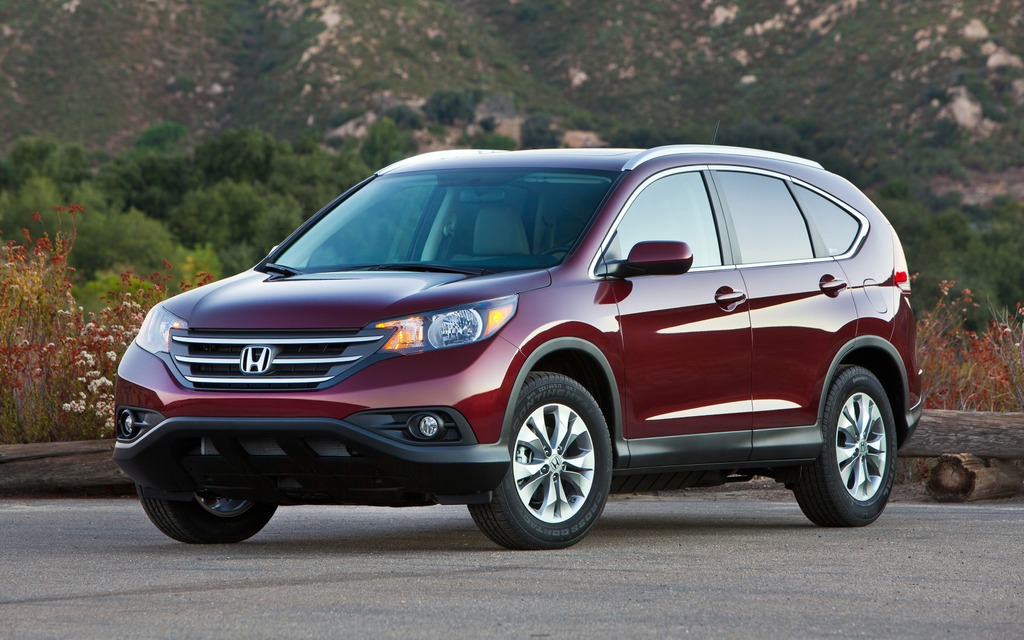
The Honda CR-V Touring has built a strong reputation for being one of the most reliable and family-friendly SUVs on the market.
With its smooth performance, premium comfort, and practical features, the Touring trim is often considered the sweet spot for those who want refinement without compromising everyday usability.
However, while Honda has engineered the CR-V to be durable, how owners treat their vehicles has just as much of an impact on longevity as the vehicle’s build quality itself.
All too often, car owners unknowingly develop habits that shorten the life of their vehicle. What starts as a small oversight during daily use or routine maintenance can gradually strain the engine, transmission, brakes, or even the suspension.
For a model like the CR-V Touring, which is designed for long-term use and dependable driving, the last thing you want is to compromise its lifespan just because of avoidable mistakes.
Whether it’s ignoring scheduled service intervals, neglecting fluid checks, or adopting aggressive driving tendencies, these seemingly minor moves can add up significantly over time.
Treating the CR-V with care is essential if you expect it to remain smooth, efficient, and safe during years of ownership. Many owners assume that because a Honda is reliable, it will withstand any type of treatment.
That assumption could not be further from the truth. No matter how well-built a vehicle may be, if it is mismanaged or poorly maintained, its life expectancy will inevitably shorten.
The goal here isn’t to scare drivers but to make them aware of patterns that commonly lead to problems. By avoiding these eight moves, CR-V Touring owners can preserve their SUV’s performance, enjoy stronger resale value, and avoid costly repair bills down the line.
Also Read: 8 Habits That Kill a Ford Fiesta EcoBoost Quickly
Tip 1: Ignoring Oil Changes
One of the quickest ways to damage a Honda CR-V Touring is by skipping or stretching oil changes beyond manufacturer recommendations.
The engine oil in this SUV is specifically formulated to provide lubrication, reduce friction, and remove heat from moving parts. When the oil becomes too old or contaminated, it loses its effectiveness and puts crucial engine components at risk.
A clean oil supply is essential because the CR-V’s turbocharged 1.5L engine works under controlled pressure. If the oil is degraded, it can no longer flow smoothly, leading to buildup inside the turbo, potential wear on pistons, and damage to the crankshaft.
Over time, this increases the likelihood of engine knocking, reduced performance, and eventually catastrophic failure. Even if the engine keeps running for a while with old oil, the unseen wear inside will shorten its lifespan considerably.
Honda’s maintenance minder system makes it simple for owners to know when oil changes are required. Yet many drivers push past the reminder, assuming another thousand miles won’t do much harm. That assumption is often wrong.
Dirty oil circulates contaminants that grind against sensitive metal surfaces, while low oil levels starve the engine of necessary lubrication. Once this damage begins, no amount of fresh oil or cleaning products can reverse it.
Choosing the correct oil type is just as important as timely changes. The Honda CR-V Touring generally requires synthetic oil, which is engineered to tolerate higher temperatures and keep the engine running efficiently.
Using a cheaper, incorrect grade of oil risks clogging filters faster, causing deposits to form and even triggering engine warning lights.
Regular oil changes should be treated as non-negotiable. Spending a small amount on timely maintenance saves thousands of dollars that could otherwise be lost to rebuilds or replacements.
By prioritizing this simple step, owners ensure that the CR-V Touring continues delivering the smooth, dependable performance Honda is known for.
Tip 2: Aggressive Driving Habits
Another move that shortens the lifespan of a Honda CR-V Touring is adopting aggressive driving practices.
While the SUV is built with comfort and efficiency in mind, it is not designed to endure consistent hard acceleration, sudden braking, or sharp cornering like a performance vehicle.
These habits put unnecessary strain on the drivetrain, brakes, tires, and suspension, slowly wearing out parts and increasing maintenance costs.
Take the transmission, for example. The CR-V Touring uses a continuously variable transmission (CVT).
This type of system is efficient but also sensitive to abrupt driving inputs. If a driver frequently floors the accelerator or slams on the brakes, the CVT endures extra stress, which can cause premature wear or even failure.
Replacing a CVT is among the most expensive repairs, and often a direct result of years of harsh treatment.
Aggressive cornering puts additional pressure on the suspension and wheel bearings. The extra weight shift can cause premature uneven tire wear, forcing owners to replace tires earlier than they should.
Similarly, brakes that are constantly slammed instead of applied gently will develop overheating issues, reducing their stopping power and shortening the lifespan of pads and rotors.
Fuel efficiency also takes a noticeable hit with harsh driving styles. The CR-V Touring is engineered to perform optimally with balanced, steady inputs.
When drivers push it beyond its natural rhythm, not only does fuel consumption rise, but the vehicle ends up requiring more frequent servicing.
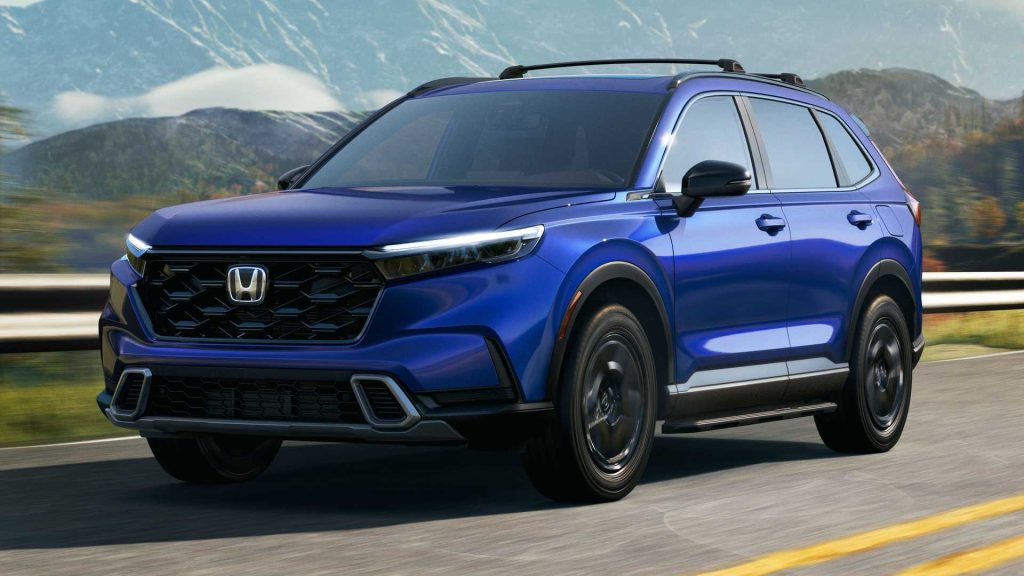
Many owners underestimate how much smoother their CR-V feels when driven calmly. Gradual acceleration, timely braking, and maintaining steady highway speeds not only preserve mechanical parts but also improve passenger comfort.
In fact, treating the CR-V Touring with gentler inputs often extends vehicle life by thousands of extra miles.
Driving with patience and foresight reduces stress on both the vehicle and the driver. By breaking free from aggressive habits, CR-V Touring owners will enjoy longer component life, improved efficiency, and greater dependability, exactly as the SUV was designed to deliver.
Tip 3: Neglecting Transmission Service
One of the costliest mistakes an owner can make with a Honda CR-V Touring is ignoring transmission maintenance. Since the Touring trim comes equipped with a CVT (Continuously Variable Transmission), it requires consistent care to keep functioning properly.
Unlike traditional automatic transmissions, a CVT is designed for smooth and efficient operation, but it is also more sensitive to poor maintenance practices.
Many drivers assume that transmissions are sealed and don’t need regular service. This is far from accurate for the CR-V. The transmission fluid is critical for lubrication, cooling, and providing correct pressure to the pulleys and belts inside the CVT.
Over time, this fluid deteriorates due to heat and contaminants, losing its ability to protect the system. Dirty or degraded fluid causes hesitation, shuddering, slipping, and eventually complete transmission breakdown.
Replacing or repairing a CVT can cost several thousand dollars, much more than what periodic fluid changes would require.
Honda’s schedule usually recommends fluid service around 25,000 to 30,000 miles, though this may vary depending on driving conditions. Ignoring this recommendation is essentially gambling with one of the CR-V Touring’s most expensive components.
Using the correct CVT fluid is just as important as staying on schedule. Some owners try cutting corners with generic or non-Honda certified fluids, but this poses a serious risk. The CR-V’s transmission has very specific requirements, and using improper fluid can accelerate wear dramatically.
By respecting fluid change intervals and insisting on the right type of fluid, owners can expect their transmission to last much longer.
Regular service may feel like an unnecessary burden in the moment, but it prevents major headaches later. Treating the CVT with care is one of the smartest ways to ensure that the CR-V Touring remains smooth, reliable, and truly economical over the long haul.
Tip 4: Overloading the Vehicle
The Honda CR-V Touring is a family SUV that’s designed to carry passengers and cargo comfortably. However, overloading it beyond recommended limits is a silent killer for various components.
Every vehicle has a Gross Vehicle Weight Rating (GVWR), which represents the maximum safe weight, including passengers, luggage, and accessories. Ignoring this limit puts significant stress on the suspension, brakes, tires, and engine.
Excess weight forces the suspension system to work harder, compressing springs and struts beyond their intended range. This not only results in premature wear but can also create a rougher ride and reduced stability.
Braking distances increase because the system has to work with more momentum, leading to overheated pads and rotors. Overloaded tires are another concern. When burdened beyond capacity, they heat up much faster, which can trigger blowouts, especially during long drives.
Fuel efficiency also suffers, as the engine must burn more fuel to move the additional load. Over time, this strain lowers efficiency and places the drivetrain under unnecessary pressure.
The CVT is particularly affected by heavy loads, since it is designed for smoother transitions rather than hauling extremes. Consistently exceeding weight limits significantly shortens its service life.
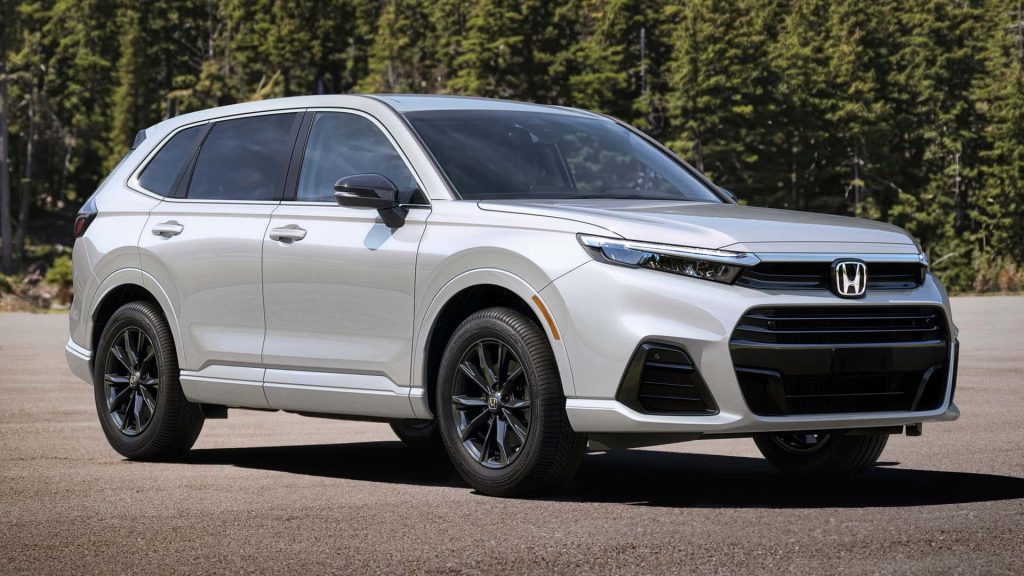
For many owners, it can be tempting to pack everything into the CR-V for road trips. While the cargo space is ample, keeping weight in check is vital.
Using a roof box or trailer rated for extra carrying can help, but the owner’s manual clearly outlines safe towing limits. Ignoring those instructions will eventually compromise both performance and safety.
The Touring trim is built to balance comfort, capability, and efficiency. Sticking within Honda’s weight specifications ensures the SUV delivers these qualities effectively.
By respecting manufacturer load limits, CR-V Touring owners protect their investment and maintain safe, smooth driving for thousands of miles.
Tip 5: Skipping Tire Care
Tires are often overlooked despite being one of the most critical parts of any vehicle, including the CR-V Touring.
They are the only contact between the SUV and the road, meaning their condition directly impacts safety, handling, and efficiency. Failing to check tire health regularly contributes significantly to early wear of multiple vehicle systems.
Incorrect tire pressure is a prime concern. Driving with underinflated tires causes the sidewalls to flex more than intended, generating excess heat. This not only reduces fuel efficiency but also accelerates tread wear, leading to earlier replacements.
On the other hand, overinflated tires reduce grip, create harsher rides, and increase the chance of punctures. Honda provides clear PSI recommendations on a factory label inside the driver’s door, but many owners disregard this simple reference.
Rotating tires is equally important. Uneven wear develops naturally due to weight distribution and drivetrain forces.
By rotating tires at recommended intervals, owners maximize usage across all four and extend overall lifespan. Skipping this step results in uneven tread, forcing two tires to be replaced far earlier than the others.
Wheel alignment and balance also play a large role. Misalignment causes the vehicle to pull to one side, while unbalanced wheels create unwanted vibrations.
Both situations reduce ride comfort and place extra stress on suspension parts. Ignoring these issues not only costs more in replacement tires but accelerates wear on shocks and struts too.
Finally, ignoring worn-out tires can be dangerous. Low tread depth reduces grip in wet conditions, lengthens stopping distances, and increases the risk of aquaplaning.
A CR-V Touring may have advanced safety systems like traction control, but these features are ineffective if the tires are in poor condition.
Regular tire checks, proper inflation, rotations, and timely replacements are inexpensive compared to the damage poor tire care causes.
By making tire health a priority, owners ensure the CR-V Touring continues to deliver both comfort and safety throughout its usage.
Tip 6: Disregarding Brake Maintenance
Brakes are one of the most critical safety systems in any vehicle, and ignoring their maintenance can reduce not only the CR-V Touring’s performance but also compromise safety for everyone inside.
Despite being essential, brakes are often forgotten until they start squealing or feeling weak. By then, the damage may already be advanced.
Honda equips the CR-V Touring with a braking system designed to last, but constant wear is unavoidable. Brake pads wear down slowly each time they make contact with the rotors.
If ignored for too long, the pads become too thin, causing metal-to-metal grinding. This damages the rotors, requiring a costly replacement that could have been avoided with earlier attention.
Neglecting brake fluid is another harmful oversight. Just like engine oil, brake fluid absorbs heat and moisture over time, reducing its effectiveness.
Old fluid introduces air pockets and weakens stopping power, which can be extremely dangerous in emergency situations. Honda usually recommends fluid changes every few years to maintain stopping performance.
Driving style also plays a huge role in brake life. Constant heavy braking, riding the brake pedal, or tailgating increases stress on pads and rotors.
While the CR-V Touring features systems like Electronic Brake Distribution and ABS, these cannot completely counteract bad habits. Smooth, predictive braking substantially extends component lifespan.
Ignoring early warning signs is perhaps the most damaging habit. A squealing noise, vibrations, or a spongy brake pedal all indicate that something requires attention. Some drivers ignore these signals until brakes fail during critical situations, leading to accidents or major repair bills.
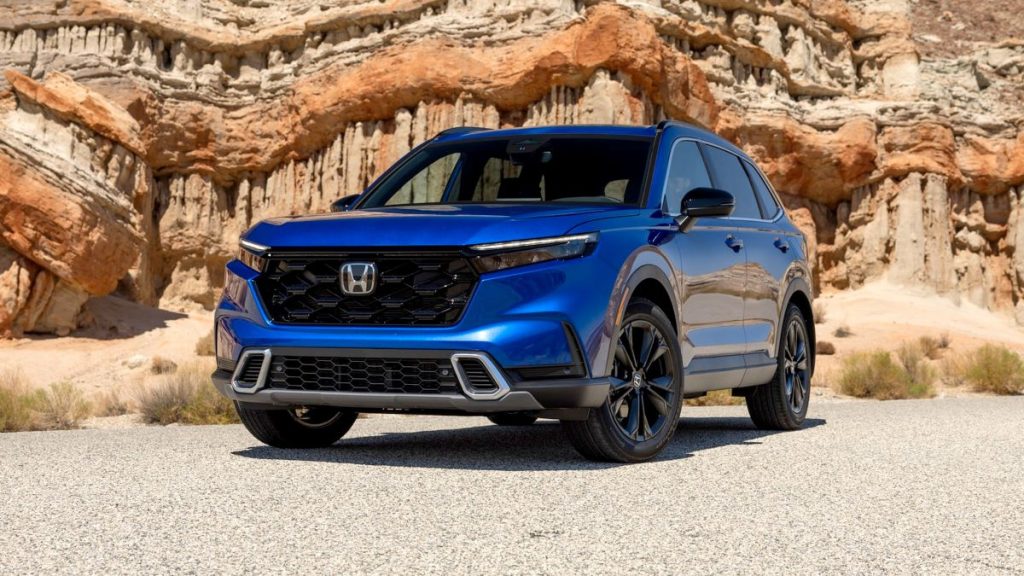
Consistent brake inspections during service visits are inexpensive and save owners from larger costs later. Keeping pads, rotors, and fluid in check is an easy step that provides long-term safety and prevents premature wear.
With routine care, the CR-V Touring’s brakes can last longer and maintain the strong, reliable stopping power Honda designed them to deliver.
Tip 7: Using Cheap Fuel or Ignoring Fuel System Care
Poor fuel choices are another silent factor that can shorten the lifespan of the CR-V Touring. Many owners assume that since it runs on regular gasoline, all fuels are the same.
This assumption leads some to opt for the cheapest option at the pump, but bargain fuel often comes with fewer detergents and additives. Over time, this causes deposits to form in the fuel injectors, intake valves, and combustion chamber.
Deposits reduce efficiency, forcing the engine to work harder. Symptoms include rough idling, hesitation when accelerating, and decreased fuel economy. If left unchecked, this buildup can trigger costly repairs and reduce overall engine health.
Drivers may not immediately notice the impact, but over several years, the damage becomes significant.
Using higher-quality fuels that meet Top Tier standards makes a noticeable difference. These fuels contain detergents that actively clean the system as you drive, maintaining performance and reducing the likelihood of expensive maintenance. The small additional cost at the pump is minor compared to the long-term benefits it provides.
Another overlooked factor is fuel filter health. While Honda engines are designed for efficiency, any clog in the fuel delivery system disrupts smooth operation.
Regular servicing ensures filters are functioning correctly and prevents contaminants from reaching the injectors. Skipping this check can result in engine misfires or sputtering.
For turbocharged engines like the CR-V Touring’s 1.5L, fuel quality matters even more. The turbo operates under higher pressures, and poor fuel accelerates carbon buildup in sensitive areas. Over repeated use, this can shorten turbo lifespan significantly.
Owners who pay attention to fuel quality and maintenance intervals will enjoy consistent acceleration, better mileage, and far fewer engine-related issues. Investing in proper fuel care is another small but crucial practice that prolongs the CR-V Touring’s dependable performance.
Tip 8: Ignoring Cooling System and Overheating Issues
The engine in a Honda CR-V Touring operates within a precise temperature range. When everything is working properly, the cooling system ensures the engine remains at its ideal temperature, balancing performance and efficiency.
However, when this system is neglected, overheating quickly becomes a major problem that can shorten the vehicle’s life dramatically.
Coolant is the most vital part of the system. It transfers heat away from the engine and prevents internal parts from warping. Over time, coolant loses its protective qualities and becomes contaminated, reducing its effectiveness.
If not changed as recommended, the degraded fluid will fail to regulate temperature and may allow corrosion inside the radiator and passages. This can cause blockages and expensive damage.
Ignoring coolant leaks is another dangerous habit. Even a small leak can turn into a significant issue under prolonged driving, starving the engine of necessary fluid.
Early signs often include low coolant levels or the smell of something sweet burning under the hood. Some owners dismiss these indicators, only to face a catastrophic breakdown later.
The radiator, hoses, water pump, and thermostat all function together, and neglecting inspections puts the system at risk.
For example, a failing water pump will stop coolant circulation, leading to overheating and serious engine failure. Similarly, a stuck thermostat may prevent coolant flow, causing the CR-V to heat up rapidly.
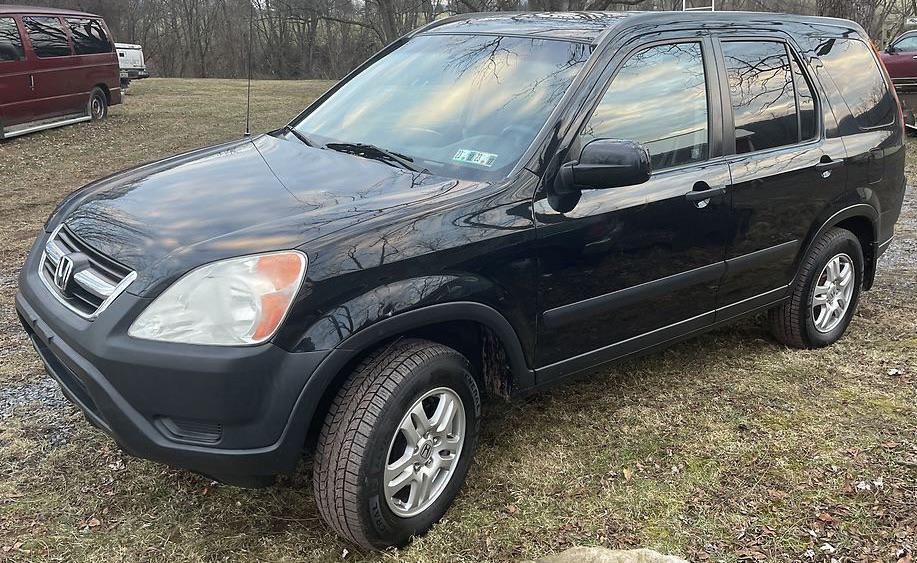
Modern Hondas often provide dashboard warnings for overheating, but ignoring these signs is a costly mistake.
Driving while the engine is overheating can warp the cylinder head or even crack the engine block, essentially rendering the vehicle unusable.
Preventative checks are simple and far less costly: regular coolant flushes, monitoring fluid levels, and responding quickly to leaks or warning lights.
Such attention ensures the CR-V Touring continues performing dependably without risk of an overheating meltdown. Protecting the cooling system is one of the most effective ways to keep the SUV reliable for many years.
Owning a Honda CR-V Touring comes with the expectation of hassle-free driving, refined comfort, and strong reliability. These qualities are part of the reason the CR-V consistently ranks among the most popular SUVs worldwide.
Yet, as durable as it may be, longevity is never guaranteed without responsible ownership. Every vehicle, no matter how well engineered, can only endure what its driver puts it through. Understanding and avoiding damaging habits is arguably the most important step in ensuring the CR-V lives up to its potential.
The eight harmful moves we discussed ignoring oil changes, driving aggressively, neglecting transmission service, overloading, skipping tire care, disregarding brake maintenance, relying on low-quality fuel, and ignoring cooling system upkeep, represent common patterns many owners fall into.
On the surface, each one may seem minor. A missed oil service here, a slightly heavier load on a weekend trip, or neglecting tire rotation every once in a while doesn’t feel dangerous at first. But the effect is cumulative.
Vehicles are machines operating under constant stress, and these stresses build into failures if maintenance and sensible use are not consistently followed.
Also Read: 10 Hacks That Keep a Toyota GR Corolla Track-Ready Forever
