
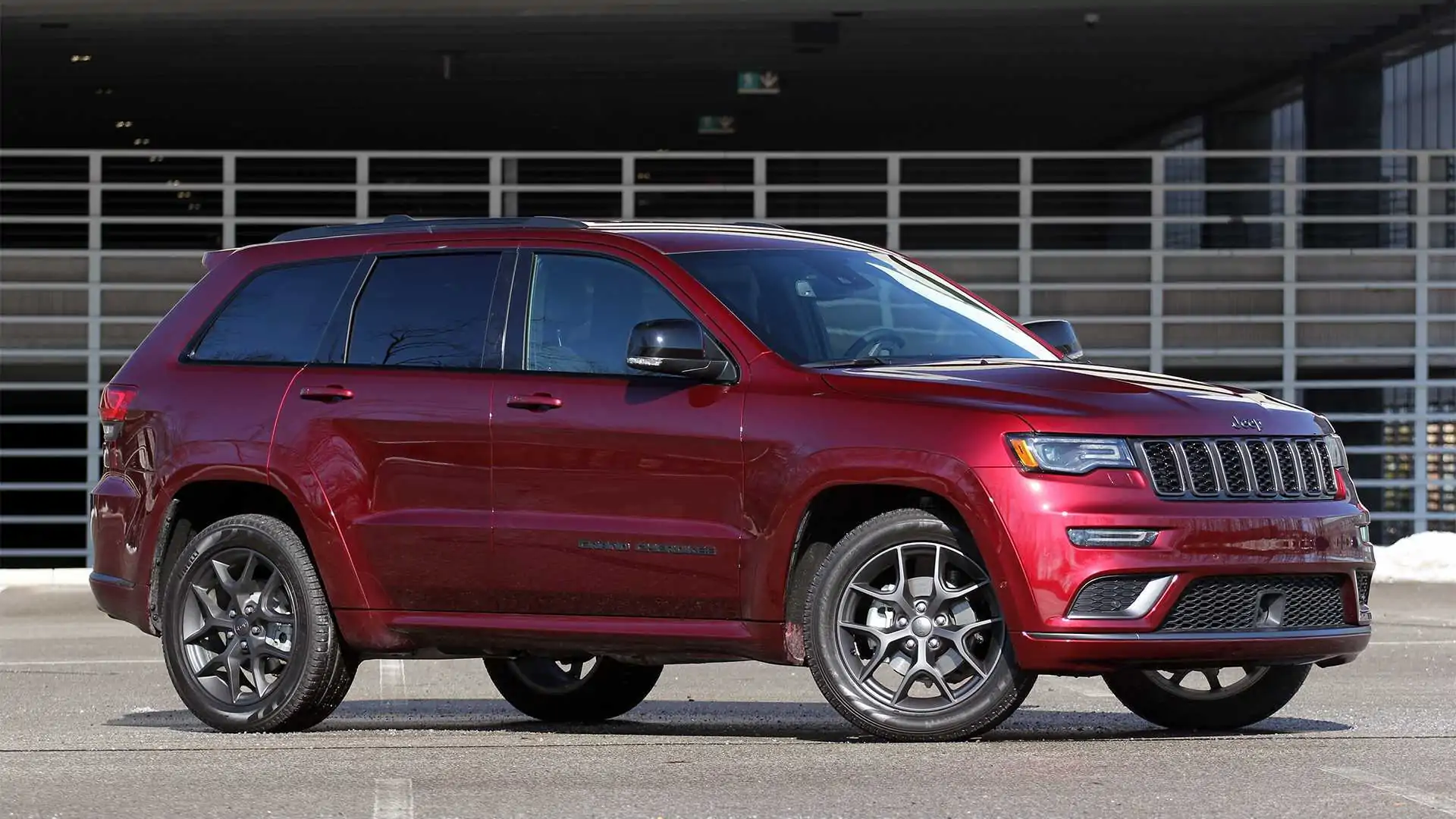
The Jeep Grand Cherokee Summit sits at the very top of Jeep’s luxury-performance lineup. It combines rugged off-road heritage with premium comfort, advanced technology, and refined styling.
For many owners, it represents a balance between adventure and prestige, making it one of the most desirable trims in the SUV category.
However, while the Grand Cherokee Summit is built with durability in mind, neglect and poor maintenance habits can drastically shorten its lifespan.
A vehicle of this caliber requires attention both on the road and off it. Treating it carelessly or ignoring essential upkeep can lead to expensive repairs, mechanical failures, and a noticeable dip in performance.
Unlike smaller, less complex vehicles, the Grand Cherokee Summit relies on a range of interconnected components working seamlessly together. From its advanced four-wheel drive systems to its luxury-oriented interior and electronics, everything is designed with precision.
Small mistakes that might not affect a basic commuter car can have amplified effects here. For example, something as simple as ignoring oil changes or delaying brake service can end up damaging much larger systems and leaving you with hefty repair bills.
Beyond that, everyday habits such as rough driving or skipping tire checks slowly wear the SUV down until it loses its efficiency and reliability.
Proper care ensures that the Grand Cherokee Summit continues to deliver the strength, comfort, and sophistication it promises. Knowing what not to do is just as important as knowing the right maintenance steps.
In this article, we cover eight critical mistakes that Jeep Grand Cherokee Summit owners sometimes make, mistakes that can dramatically shorten the lifetime of the vehicle and compromise its value.
By paying attention to these, you can keep your Summit running strong, maintain its luxury touch, and avoid unnecessary headaches on the road.
Also Read: 10 Easy Wins That Keep a Toyota Solara Running Forever
Mistake 1: Ignoring Regular Oil Changes
One of the quickest ways to harm a Jeep Grand Cherokee Summit is by neglecting routine oil changes. Modern engines, especially the ones fitted in the Summit trim, rely heavily on clean, high-quality engine oil to function correctly.
Oil provides lubrication between moving components, reduces friction, keeps temperatures in check, and carries away microscopic debris. If left unchanged, oil begins to break down and thicken.
It loses its ability to protect the metal components inside the engine and instead starts circulating harmful deposits. Over time, this neglect can result in worn-out parts, overheating, and even complete engine failure.
The service manual generally recommends oil changes every 5,000 to 7,500 miles, depending on the type of oil used. Synthetic oil is usually preferred for modern engines given its stability under heat and pressure.
Extending oil change intervals far beyond the manufacturer’s recommendation may seem harmless at first, but the long-term impact is costly. The Grand Cherokee Summit houses a performance-oriented V6 or available V8 engine, both of which are precision machines.
Any contamination or sludge buildup interferes with the smooth operation of components such as pistons, valves, and bearings.
Aside from engine wear, dirty oil also affects efficiency. A neglected engine must work harder to produce the same level of performance, reducing fuel economy and creating more strain across the drivetrain.
Owners often notice sluggish performance, knocking sounds, or even a burning smell when oil is excessively old. By that stage, the damage is usually already underway.
Keeping oil fresh is one of the simplest yet most effective ways to extend your Summit’s life. Scheduling oil and filter changes at the proper intervals, making sure the correct grade of oil is used, and checking levels between services helps prevent premature wear.
This straightforward habit ensures that your Grand Cherokee Summit continues to operate smoothly for thousands of miles without major issues.
Mistake 2: Neglecting Transmission Maintenance
The Jeep Grand Cherokee Summit uses advanced automatic transmissions paired with powerful engines, designed for both everyday comfort and demanding off-road conditions. This system is engineered to deliver smooth shifting, but it requires consistent care.
One of the biggest errors owners make is ignoring transmission fluid checks and service intervals. Transmission fluid serves as both a lubricant and a coolant, keeping components such as clutches and gears operating smoothly.
Over time, this fluid breaks down due to heat and friction, which eventually leads to rough shifts, hesitation, or slipping.
Many drivers assume the transmission requires no care until a major problem surfaces, but by then repairs often come at a high cost.
A worn transmission can cost thousands of dollars to replace, making preventative care essential. Jeep recommends transmission fluid inspections and changes based on mileage, driving conditions, and load use.
Since the Summit is often used for towing or long-distance trips, the transmission works harder than in smaller vehicles, meaning fluid breakdown can occur faster.
Delaying maintenance can also allow contaminants or shavings from worn gears to circulate within the system. This creates additional wear, leading to overheating and eventual failure.
Drivers might notice jerky gear changes or warning lights, but these are usually late signs. At that point, the damage may already be permanent.

To prevent issues, have the transmission fluid level and condition checked regularly. When the fluid is dark or smells burnt, replacement should not be postponed.
Using the proper fluid recommended by Jeep ensures maximum protection, since not all fluids offer the same properties.
A well-maintained transmission provides not just smooth performance but also extends the life of the drivetrain. Simply paying attention to this often-overlooked system can keep your Summit running reliably for years.
Mistake 3: Overlooking Cooling System Care
Another mistake that shortens the life of a Grand Cherokee Summit is ignoring the cooling system. The engine generates tremendous heat during operation, and the cooling system ensures it stays within a safe temperature range.
This system includes the radiator, coolant, thermostat, hoses, and water pump, all working together to prevent overheating. Neglecting regular coolant replacement or failing to notice leaks can quickly lead to engine damage.
Coolant not only regulates temperature but also helps prevent corrosion inside the engine and radiator. Over time, coolant breaks down and becomes less effective. Old or contaminated coolant may allow rust and deposits to form inside vital components, restricting the flow of fluid.
When this happens, heat builds up and can cause head gasket failure, warped cylinder heads, or even complete engine damage. These issues are among the costliest repairs a car owner can face.
Many owners pay attention to oil but underestimate coolant maintenance. Skipping coolant flushes or topping up with the wrong type can create long-term problems.
Warning signs like frequent overheating, coolant residue near the engine bay, or a low fluid level should never be ignored. Even small leaks in hoses or clamps can cause the system to lose efficiency rapidly.
Routine inspections are essential. Coolant should be replaced at intervals recommended in the owner’s manual, and the system should be pressure tested during regular service visits. Keeping hoses flexible and free of cracks avoids unplanned breakdowns.
Additionally, ensuring the radiator is not clogged with debris maintains airflow for proper cooling.
Proper cooling system care guarantees stable operation even during summer, heavy towing, or rough trail driving. Protecting this system is a relatively inexpensive task compared to the severe consequences of neglect.
With regular service, you reduce the risk of catastrophic overheating and keep your Jeep Summit dependable.
Mistake 4: Poor Tire and Alignment Care
Tires are an often underestimated part of vehicle maintenance, yet they play a critical role in performance, safety, and lifespan of the Grand Cherokee Summit.
Neglecting tire pressure, alignment, and rotation schedules can wear them down unevenly and compromise driving stability. Improperly maintained tires not only reduce comfort but also strain components such as suspension and steering.
Incorrect tire pressure is one of the most frequent issues. Underinflated tires generate more heat and wear out quickly, while overinflated ones reduce grip and handling. Either condition affects fuel efficiency and increases the chances of blowouts.
Some owners also forget to rotate their tires, which evens out wear across all four wheels. Skipping this simple service shortens tire life and leads to early replacement costs.
Wheel alignment is another crucial factor. Misalignment causes uneven tread wear and can pull the vehicle to one side, making driving more difficult and unsafe.
If suspension components are stressed due to alignment neglect, repairs become costly. For a premium SUV like the Summit, alignment issues also detract from the smooth ride it promises.
Driving styles also matter. Rapid cornering, hard braking, and ignoring road hazards like potholes add extra wear to tires and alignment components.

Since the Grand Cherokee Summit is often driven on mixed terrains, balancing off-road use with proper maintenance is vital.
Monitoring tire pressure monthly, rotating them at recommended intervals, and checking for signs of uneven wear are simple yet effective practices.
Ensuring wheels are professionally aligned makes driving smoother and extends tire life. Investing time in this area not only saves money but also keeps the high-class ride quality and safety of your Summit intact.
Mistake 5: Using the Wrong Fuel or Ignoring Fuel System Care
The Grand Cherokee Summit often comes with engines that require specific fuel grades for peak performance. Using a lower-octane fuel than recommended can hinder efficiency, reduce power, and cause knocking in the engine.
Prolonged use of the wrong fuel may damage internal components and sensors, gradually diminishing the engine’s precision tuning.
The fuel system, including the pump, injectors, and filters, also demands attention. Ignoring this part of maintenance can cause clogging and inconsistent power delivery.
Dirty fuel injectors reduce performance and increase fuel consumption. A failing fuel pump may strain the engine, leading to stalling and unreliable starts.
Many owners underestimate how much fuel quality impacts the entire system. Cheaper gas stations sometimes supply fuel with more contaminants. Poor-quality fuel leaves behind sediments, which accumulate inside injectors and the combustion chamber.
This buildup causes rough idling and loss of horsepower. Similarly, overdue fuel filter replacements allow dirt to circulate through the system, wearing components prematurely.
Some signs of fuel system neglect include decreased mileage, hesitation during acceleration, and unusual engine noises. Drivers sometimes assume these are minor issues, but they often trace back to clogged injectors or subpar fuel quality.
Preventative care is straightforward. Always use the fuel grade specified for your engine. Regularly replacing the fuel filter and considering occasional fuel system cleaners also helps keep injectors free from buildup.
If your Summit is used heavily for towing or long highway trips, fuel system care becomes even more important, since higher loads demand consistent performance.
Paying attention here ensures your SUV delivers the smooth power and efficiency it was designed for.
Using the correct fuel and maintaining the system protects the engine while maximizing reliability. What seems like a small detail can play a massive role in keeping your Summit from developing long-term issues.
Mistake 6: Disregarding Suspension and Brake Maintenance
Suspension and braking systems are areas owners often overlook until noticeable problems occur. In a vehicle like the Grand Cherokee Summit, these systems do more than just control handling; they affect safety, ride comfort, and long-term durability. Ignoring them shortens vehicle life and undermines driver confidence.
Suspension components, including struts, shocks, and control arms, wear gradually. Drivers may become accustomed to declining performance rather than noticing changes immediately.
Poor suspension leads to excessive bouncing, uneven tire wear, and extra stress on steering components. These issues not only increase running costs but also reduce comfort, which is a signature appeal of the Summit.
Brakes are another critical factor. Delaying brake inspections or ignoring early warning signs like squeaks, grinding, or longer stopping distances risks rotor damage, caliper wear, and even brake failure.
Braking systems on larger SUVs experience heavier stress, especially if the vehicle is used for towing or city driving. Once components are neglected long enough, repairs can cost significantly more than preventive service.
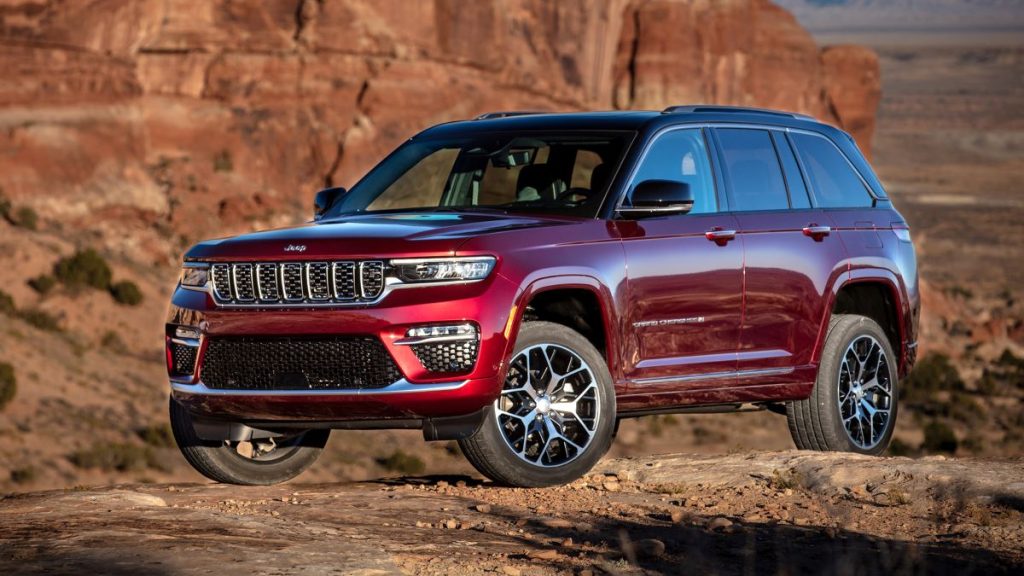
Overlooking routine fluid changes in both suspension (where hydraulic systems apply) and brakes adds to the risk. Old brake fluid absorbs moisture over time, lowering its effectiveness. This condition can make braking inconsistent, particularly in emergencies.
The Jeep Grand Cherokee Summit deserves proactive care in this department. Regular inspections every service interval for both suspension and brakes ensure early detection of problems.
Replacing worn shocks or struts keeps the ride smooth, while timely brake pad changes save the rotors and maintain safe stopping power.
A luxury SUV should not feel clunky, unstable, or unsafe. By prioritizing regular suspension and brake checks, owners preserve both the driving enjoyment and the long-term reliability of their Summit.
Mistake 7: Ignoring Electronic and Software Updates
Modern vehicles like the Grand Cherokee Summit integrate advanced electronics, ranging from infotainment to driver-assist systems.
While these technologies enhance convenience and safety, they require periodic attention. Ignoring updates or failing to address electronic malfunctions can reduce performance and even compromise safety features.
The Summit often includes adaptive cruise control, lane-keeping systems, and parking assistance. These rely heavily on sensors and software. When these systems are out of date or malfunctioning, drivers may lose crucial support.
Software updates provided during dealership visits often correct bugs, improve functionality, and enhance system response. Many owners dismiss these updates as unnecessary, but skipping them can mean missing safety enhancements or fixes for known issues.
Small glitches like a frozen infotainment screen or malfunctioning navigation system may appear minor but can indicate broader problems in electronic modules.
Left unattended, these issues may spread across connected systems, increasing repair complexity. For instance, a malfunctioning electronic control unit may impair fuel management, driving dynamics, or even safety alerts.
Battery health also plays a role in electronics. Weak batteries or inconsistent voltage affect sensor accuracy. Regular inspection of batteries and alternator output keeps systems functioning reliably.
Keeping software current and addressing electronic warnings promptly is a cost-effective step. Jeep dealerships or authorized service centers often check for available updates during routine visits.
Owners who avoid these services reduce not just luxury experiences but also the protection offered by advanced driver aids.
A well-functioning electronic system ensures the Summit carries both its premium feel and its reputation for dependable safety.
By staying on top of updates and paying attention to warnings, you maintain the seamless blend of technology and performance the Summit was designed to deliver.
Mistake 8: Rough Driving and Ignoring Towing Guidelines
The Jeep Grand Cherokee Summit is engineered to handle both highway cruising and off-road challenges. However, treating the vehicle recklessly on a routine basis quickly wears it down.
Aggressive habits like rapid acceleration, harsh braking, and abrupt cornering place unnecessary stress on the engine, transmission, and suspension. Over time, this style of driving speeds up component degradation and increases the likelihood of costly failures.
Towing is another area where care is often ignored. The Summit comes with specific towing capacities depending on the engine configuration. Exceeding these limits strains both the transmission and cooling systems.
Even towing within capacity, but without properly distributing weight or checking trailer connections, can cause drivetrain issues and reduce vehicle stability.
Driving off-road without respecting limitations can also be damaging. While Jeep’s systems are designed for rough conditions, they still require thoughtful use.
For example, using the wrong drive mode on certain terrains or failing to maintain speeds suitable for the surface can overload systems such as differentials or axles.
Owners sometimes underestimate how small habits compound over time. Continuously flooring the accelerator or slamming brakes during city driving increases fuel consumption while heating up mechanical components. Similarly, sudden aggressive lane changes put additional strain on steering and suspension.
Practicing smoother driving techniques preserves fuel efficiency, extends engine life, and reduces repair frequency.
When towing, staying within specified weight limits, using proper hitches, and evenly distributing cargo makes a big difference. In addition, adhering to scheduled checks after heavy towing or off-road sessions ensures early detection of wear.
A Grand Cherokee Summit lasts significantly longer when treated with respect. Responsible driving, combined with attention to towing guidelines, maintains its luxury touch while allowing it to thrive in both everyday and adventure situations.
The Jeep Grand Cherokee Summit is widely admired for its refined luxury and rugged capability, but its performance and lifespan depend heavily on how owners care for it.
Neglect or poor habits can dramatically shorten its life and lead to expensive repairs. There are eight key mistakes that many owners make, each with real consequences if left unchecked.
One of the biggest missteps is ignoring regular oil changes. Fresh oil keeps the engine clean and lubricated, while old oil causes buildup, overheating, and wear.
Similarly, many drivers forget about transmission maintenance. Transmission fluid breakdown leads to slipping, rough shifts, and eventual system failure, often costing thousands to repair.
The cooling system is another vital area often overlooked. Coolant prevents overheating and corrosion, but when neglected, it results in leaks, clogged passages, or severe engine damage. Tires and alignment are equally important.
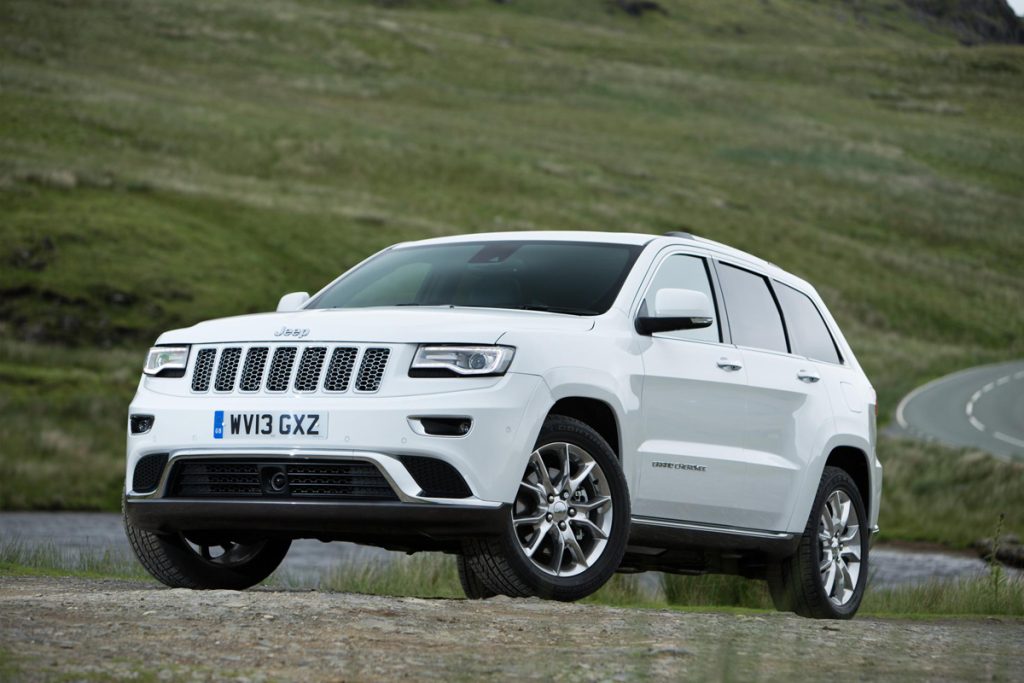
Improper inflation, lack of rotation, or skipped alignments reduce tire life, worsen handling, and add strain to suspension parts.
Fuel system health also matters. Using the wrong fuel grade or ignoring fuel filter replacements harms efficiency and can damage injectors or pumps. Suspension and brakes, critical to both safety and comfort, are often delayed until obvious symptoms appear, raising costs and reducing reliability.
Electronics and software play a big role in the Summit’s luxury appeal. Skipping software updates or ignoring electronic glitches reduces functionality and may disable safety features.
Finally, careless driving habits such as harsh acceleration, abrupt braking, and exceeding towing limits create avoidable stress on major systems like the drivetrain and suspension.
By avoiding these eight mistakes, owners can protect their Summit from premature wear. The key lies in consistency: following service schedules, addressing small issues early, and treating the vehicle responsibly.
When maintained correctly, the Jeep Grand Cherokee Summit continues to deliver smooth performance, advanced technology, and long-term dependability. With proper attention, it remains not only a luxury SUV but also a reliable partner for everyday driving and adventure.
Also Read: 10 Hacks That Keep a Toyota Camry Hybrid Reliable for Years
