
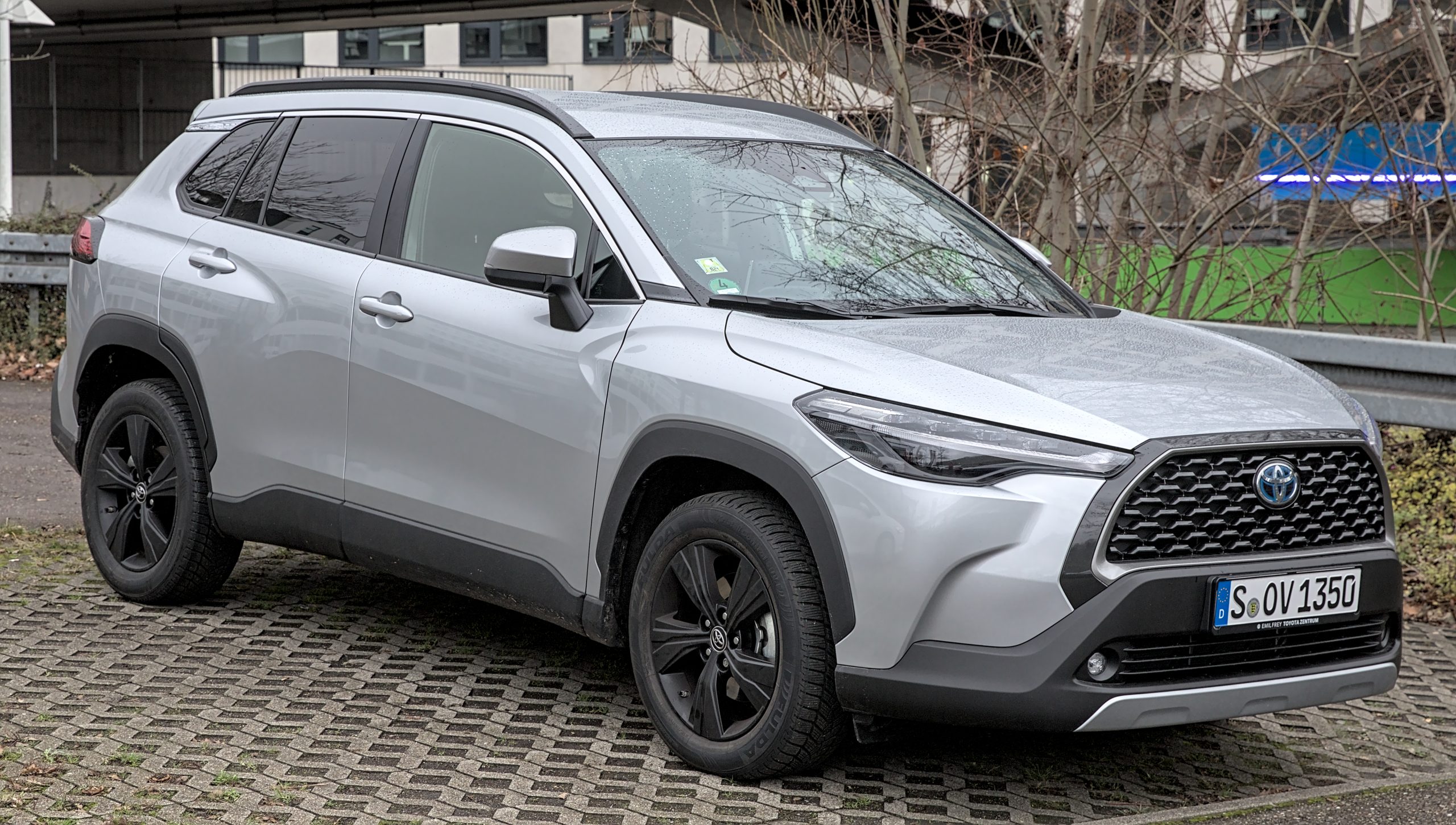
The Toyota Corolla has long carried its reputation as one of the most reliable and durable everyday cars. For decades, owners have praised it for its efficiency, low maintenance demands, and ability to keep running strong far longer than many competitors.
Among its various trims, the Corolla LE remains especially popular because it balances affordability with comfort features, making it ideal for daily commuters, families, and even first-time drivers.
But while Toyota builds these vehicles with an impressive level of quality, simply owning a Corolla does not guarantee that it will automatically climb past the 200,000-mile milestone. Achieving this benchmark requires mindful care, timely maintenance, and driving habits that protect critical systems over time.
Reaching and even surpassing 200k depends on how the car is treated throughout its life. Simple measures like frequent oil changes, fluid checks, and tire care make a big difference. Beyond the basics, though, certain practical hacks can help extend longevity.
Think of them as preventative strategies that allow the Corolla to maintain its reliability far into its old age. These steps not only prevent costly repairs but also preserve the smooth and comfortable performance that Corolla owners appreciate.
This guide breaks down ten hacks that drivers can apply consistently to maximize the potential of their Toyota Corolla LE. Each method targets essential parts of the car, ranging from the engine to the transmission, suspension, and even the electrical system.
Some are straightforward habits you can adopt without spending much money, while others involve small investments that pay off significantly in the long run.
By applying these approaches, a Corolla has a very strong chance of joining the elite club of high-mileage vehicles that power on reliably well past 200,000 miles.
Also Read: 10 Mistakes That Ruin a Dodge Avenger Too Soon
Hack 1: Consistent Oil Changes and Using the Right Oil
Few maintenance steps are as important as timely oil changes. For a Toyota Corolla LE, sticking to a regular oil schedule is the foundation of long-lasting performance.
Fresh motor oil ensures that the engine stays properly lubricated, which minimizes wear and heat buildup inside one of the car’s most crucial components.
As oil circulates, it prevents metal-on-metal friction while cleaning out particles that accumulate during combustion. Without routine changes, sludge can develop, eventually leading to reduced performance and damaging failures.
Most Corolla LE models benefit from an oil change every 5,000 to 7,500 miles, depending on driving conditions and whether conventional, synthetic blend, or full synthetic oil is used.
Toyota itself recommends synthetic for modern Corollas because it handles heat better, resists breakdown longer, and offers cleaner operation.
Sticking to synthetic can extend the engine’s health while keeping internal parts smooth and efficient. A small investment in quality oil reduces long-term repair costs dramatically.
Beyond timing, you should also pay attention to the oil filter. A clogged filter restricts flow, forcing contaminants to stay in the engine rather than being trapped. Replacing the oil filter with each change is a simple step that greatly contributes to reliability.
Drivers should also monitor oil levels between changes. Even if the Corolla isn’t burning oil in noticeable amounts, checking the dipstick monthly ensures that the engine never runs low, which could cause irreversible damage.
In older high-mileage Corollas, a gradual increase in consumption might appear, and topping off in between changes keeps the lubrication system stable.
In short, treating oil changes as non-negotiable maintenance prolongs the Corolla LE’s engine health. The habit might feel basic, but it is one of the most influential in making sure the car pushes beyond the 200,000-mile mark.
Neglecting this single area quickly shortens the lifespan, while consistency guarantees longevity that Toyota intended for the model.
Hack 2: Transmission Care and Fluid Maintenance
While the Toyota Corolla LE is built with a dependable transmission, neglecting this component can limit its lifespan dramatically.
Transmission issues tend to arise gradually, and once serious problems develop, the cost of repair can equal or exceed the car’s overall value. Luckily, keeping the transmission healthy involves straightforward habits and routine fluid service.
For automatics, checking the fluid regularly is critical. Fresh fluid should appear clean and have a slightly pink or red tint. If it looks dark or carries a burnt smell, it’s past its prime.
Overheated or old transmission fluid leads to harder shifts, reduced lubrication, and potential long-term damage. A simple flush and refill at manufacturer-recommended intervals can add many extra miles to the Corolla’s transmission life.
Equally important is gentle driving. Abrupt gear changes, pushing the car hard from a stop, or ignoring strange noises during shifts can accelerate internal wear. Corolla transmissions thrive when drivers avoid aggressive acceleration or holding onto gears unnecessarily.
For drivers with CVT-equipped Corollas, smooth throttle application is even more crucial, since continuous variable transmissions rely heavily on belts that must remain in top condition.
Another wise practice includes keeping an eye out for leaks. Small drips under the car often indicate gasket or seal issues. Catching them early makes the difference between a low-cost repair and a complete rebuild.
Finally, when replacing parts like fluid or filters, sticking to genuine Toyota or high-quality equivalents is strongly recommended to maintain performance.
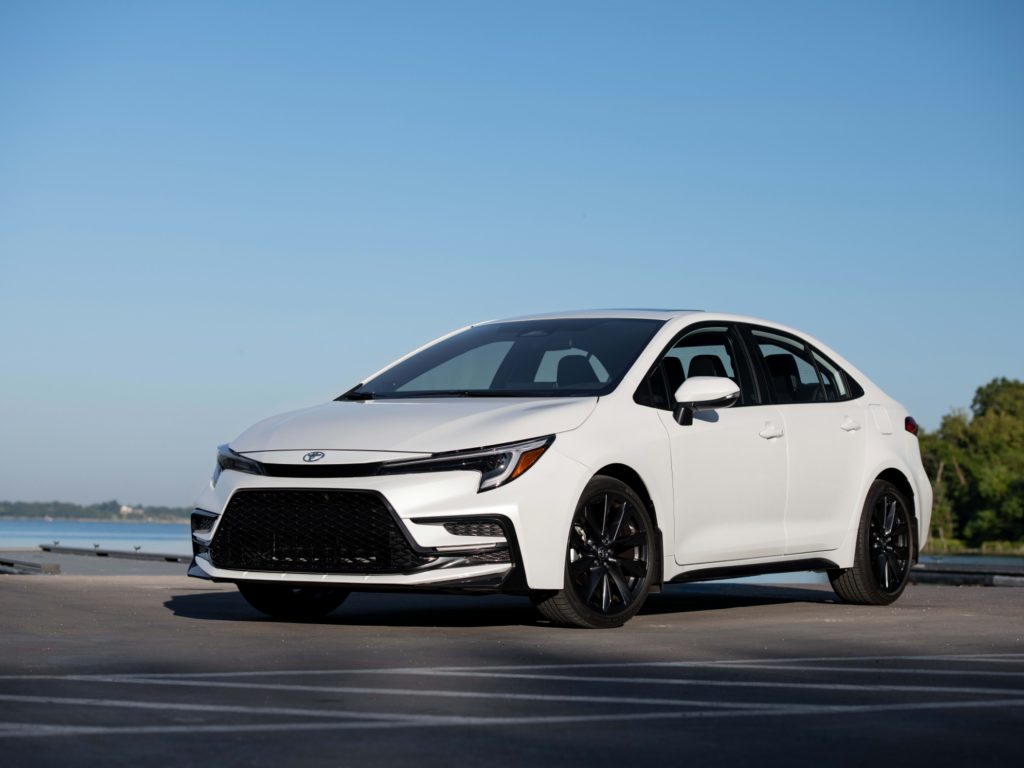
Neglected transmissions cut short the car’s life more often than engines do. When treated with the same care as oil changes, the Corolla LE’s transmission can remain dependable well past 200k miles, ensuring the car continues to deliver smooth everyday driving.
Hack 3: Brake System Care
The braking system is central not just to driver safety but also to extending the Toyota Corolla’s service life. Worn brakes place strain on multiple connected systems, while neglected brake fluid reduces stopping efficiency and creates corrosion over time.
Fortunately, consistent upkeep can make brake components last longer while avoiding costly repairs.
Owners should schedule brake inspections at least twice a year. The pads, rotors, and calipers all need monitoring to ensure they wear evenly.
Brake pads, for instance, typically need replacement between 30,000 and 70,000 miles, depending on driving style. Freeway commuters usually see extended life, while urban stop-and-go conditions demand earlier replacement.
One helpful practice is to drive with anticipation. Smooth braking not only improves fuel efficiency but also extends pad and rotor life by reducing heat buildup. Aggressive braking habits drastically shorten component longevity.
Brake fluid maintenance is equally important. Over time, brake fluid absorbs moisture from the air, which lowers its boiling point.
This compromises stopping power and accelerates internal rust within the hydraulic system. Toyota generally recommends flushing the fluid every two to three years, ensuring reliable hydraulic pressure.
Rotors should also be resurfaced or replaced as needed. Ignoring warped or badly scored rotors leads to vibration, compromised performance, and potential suspension wear. During routine maintenance, mechanics should also inspect brake hoses and lines for small cracks or leaks to avoid sudden failure.
A properly maintained brake system not only guarantees safer drives but also protects the Corolla’s suspension and tires from unnecessary strain.
By making brake care a priority, owners can confidently count on their Corolla LE to remain dependable as mileage climbs toward 200,000 and beyond.
Hack 4: Tire and Wheel Alignment Checks
Tires directly connect the Corolla to the road, and their upkeep has an outsized effect on prolonged vehicle life.
Many owners underestimate how proper tire care contributes not just to traction but also to suspension durability, fuel efficiency, and smooth performance over hundreds of thousands of miles.
Routine tire rotation is a must, typically every 6,000 to 8,000 miles. Since front and rear tires experience different levels of wear, rotation helps spread the load evenly across all four corners, extending each tire’s life. Regular balancing further ensures even tread wear and prevents unnecessary strain on steering components.
Alignment checks should also be a top priority. Potholes, rough roads, and everyday bumps can gradually knock wheels out of alignment. Signs like uneven tread wear, pulling to one side, or a crooked steering wheel indicate misalignment.
If not corrected, misalignment puts extra pressure on the suspension, shortens tire life, and increases fuel consumption. Having alignment checked once a year or after a noticeable bump protects both safety and vehicle longevity.
Maintaining proper inflation also plays a central role. Tires running underinflated heat up quickly, reducing their lifespan while increasing rolling resistance, which forces the engine to work harder.
Conversely, overinflated tires reduce grip and lead to uneven wear in the center of the tread. Checking pressure monthly, and after major temperature changes, ensures reliable performance.

High-quality tires suited to local driving conditions further optimize long-term reliability. For example, all-season tires are versatile for most climates, while snow-rated options might be appropriate for colder regions where safety and grip are essential.
Stretching beyond 200,000 miles involves eliminating unnecessary wear across all systems, and tire care is one of the most overlooked yet crucial strategies for achieving that.
Proper tires and alignment extend suspension health, improve comfort, and make every mile easier on the Corolla’s body.
Hack 5: Cooling System and Radiator Health
A dependable cooling system keeps the Corolla LE’s engine running within its ideal temperature range.
When this system fails, overheating becomes a serious risk that can cause catastrophic damage in seconds. Fortunately, preventative care allows the cooling system to remain dependable as the miles add up.
Routine coolant checks are a must. Over time, coolant breaks down and loses effectiveness. As it ages, it can also cause corrosion inside the radiator and engine passages.
Flushing the system every 50,000 to 100,000 miles, or as recommended by Toyota, keeps fluid fresh and effective while preventing internal rust. Using the proper Toyota-specified coolant ensures compatibility with seals and engine metals.
The radiator itself should be inspected for buildup and leaks. Dirt, bugs, and road debris clogging the radiator fins reduce its ability to transfer heat, while leaks diminish cooling capacity.
A yearly inspection, along with occasional flushing of the radiator exterior with low-pressure water, helps maintain efficiency.
Checking the water pump, thermostat, and hoses completes the system’s health check. Hoses can become brittle with age, leading to dangerous bursts.
Pumps and thermostats wear out gradually, making it important to monitor any leaks, unusual noises, or temperature fluctuations.
Driving habits also influence cooling system effectiveness. Allowing the engine to warm up gradually in extreme conditions prevents thermal stress, while avoiding overload from towing or excessive strain maintains stable cooling performance.
A failed cooling system is one of the fastest ways to cut short a Corolla’s lifespan. By treating it as a high-priority system and servicing it consistently, the engine stays protected against overheating, preserving its strength beyond 200,000 miles.
Hack 6: Suspension System Upkeep
The suspension system of the Corolla LE directly affects how the car handles daily stress from roads. As miles accumulate, it can either show premature wear or remain solid if owners practice preventative maintenance.
Healthy suspension does not just provide comfort; it reduces strain on the body and steering system, creating a more durable car overall.
Struts and shocks gradually wear out, meaning their decline isn’t always obvious. Reduced handling precision, nose-diving under braking, and uneven tire wear are typical signs of weakened suspension.
Replacing them in a timely manner ensures the Corolla maintains stability and prevents extra strain on joints and bushings.
Regular inspections of tie rods, ball joints, and bushings are also key. Worn parts here lead to rattles, vibrations, and poor handling that ultimately shorten the car’s life if ignored. These components are not costly compared to the damage they prevent, and timely replacements keep the car driving like new.
Wheel alignment ties directly into suspension health. Continuing to drive with worn suspension accelerates alignment issues and amplifies tire wear. By combining suspension checks with alignment servicing, owners extend both systems’ durability at once.
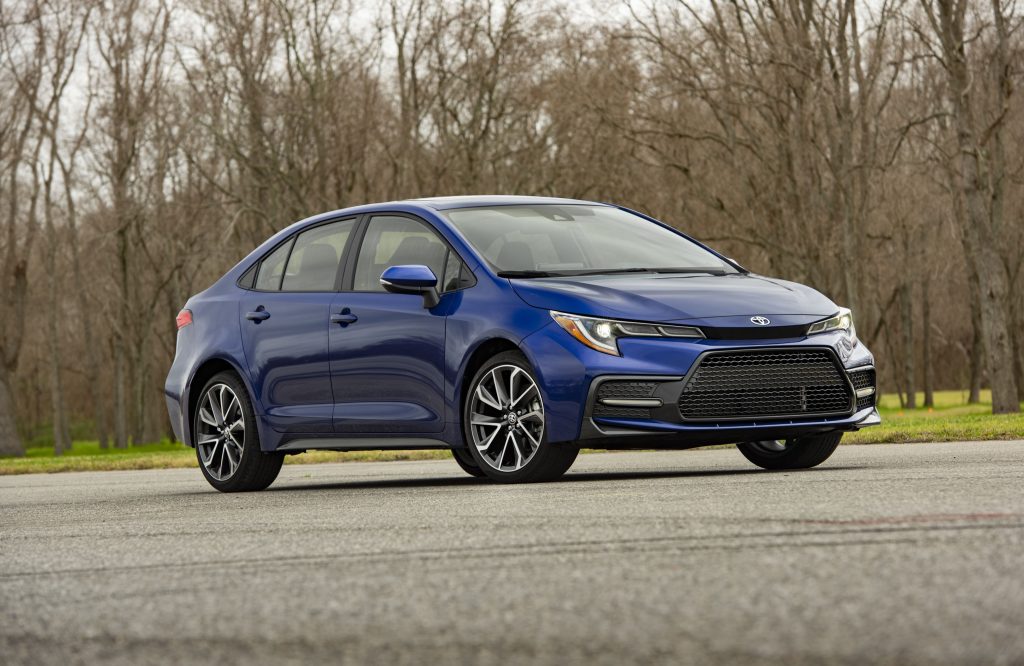
Another useful practice is not overloading the vehicle. Carrying excessive loads, though tempting for convenience, puts unnecessary weight on suspension components. Keeping within Toyota’s recommended load limits relieves stress and avoids premature part failures.
Extending the Corolla beyond 200k miles is not just about engines and transmissions. A well-kept suspension system ensures that daily driving continues to feel safe, smooth, and controlled, while minimizing stress on structural components over the long haul.
Hack 7: Battery and Electrical System Maintenance
The Corolla LE’s electrical system plays a much bigger role than many realize, powering not just accessories but also critical functions that keep the engine running.
A weak battery or overlooked alternator strain can shorten the life of multiple systems. Maintaining electrical health contributes significantly to reliability.
Battery care starts with regular testing. Even though a battery can last three to five years on average, extreme hot or cold climates shorten that span.
Checking voltage during routine servicing ensures no surprises, especially before long drives. Corrosion on battery terminals should also be cleaned promptly, as buildup interrupts current flow and weakens system performance.
The alternator, which charges the battery and powers electronics, must also be monitored. Dim headlights, flickering dashboard lights, or unusual noise from the accessory belt often signal alternator issues.
Addressing these signs early avoids being stranded while also protecting sensitive electrical components from erratic voltage.
Fuses, wiring, and grounding points should also be checked periodically. Vibrations and age cause connections to loosen, reducing overall reliability.
Corolla owners who keep additional accessories such as aftermarket audio systems or dash cameras should be particularly mindful of power load and ensure installations are done properly to prevent electrical strain.
Using the car regularly also prolongs electrical system health. Surprisingly, cars left idle for long periods suffer from discharged batteries and stiffened contacts. Weekly driving keeps the system active and batteries charged.
Electrical stability makes a massive difference in high-mileage cars. With proper testing, cleaning, and replacement of worn parts, the Corolla LE’s electrical setup remains dependable long after passing the 200,000-mile mark.
Hack 8: Fuel System Care
The fuel system dictates both performance and efficiency, making it another crucial area in keeping the Corolla healthy beyond 200k. Over time, deposits form within fuel injectors, filters, and lines that hinder smooth fuel delivery.
Small issues here can gradually reduce performance, cause rough idle, or even lead to major engine problems.
Fuel injector cleaning is an effective habit owners can adopt. Many mechanics recommend professional cleaning every 60,000 to 90,000 miles, depending on driving and fuel quality. This removes varnish and carbon buildup, restoring smooth spray patterns and combustion.
The fuel filter, though designed to last, still requires replacement within recommended intervals. A clogged filter forces the fuel pump to work harder, shortening its lifespan. Since replacing a pump is far costlier than a filter, sticking to preventive care pays off.
Additionally, drivers should use good-quality fuel whenever possible. While the Corolla LE doesn’t require premium gasoline, using fuel from reputable stations ensures fewer contaminants making their way into the system.
In regions where ethanol blends are common, periodic use of fuel additives designed for ethanol balance can help protect against moisture accumulation.
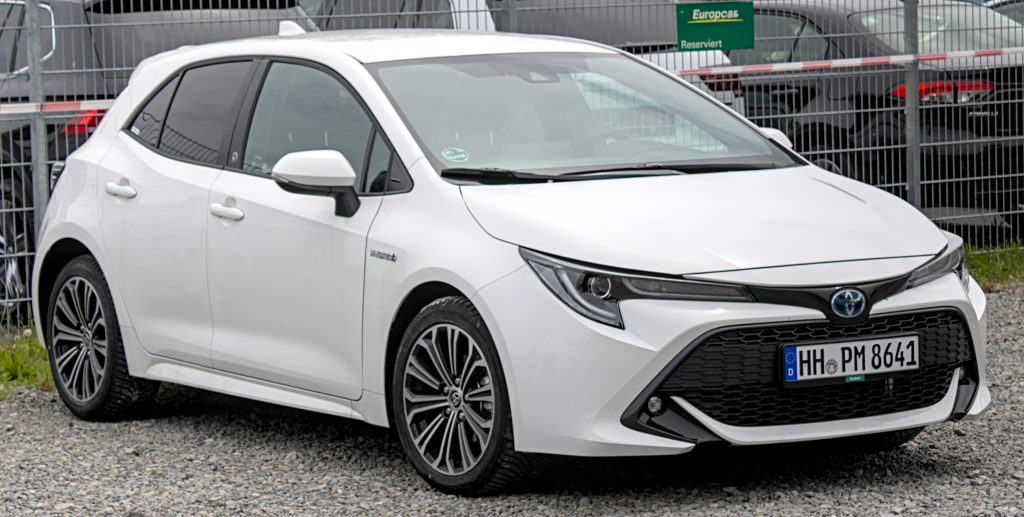
The gas cap also deserves more attention than it usually gets. A loose or cracked cap allows vapors to escape, causing the check engine light to trigger and slightly reducing fuel system efficiency. Replacing a cap is inexpensive but makes a noticeable difference in keeping the system airtight.
Maintaining the Corolla’s fuel system is about consistent preventive measures. By keeping injectors clean, filters fresh, and components sealed, drivers see better mileage, smoother acceleration, and far fewer engine-related issues. This care translates directly into years of extra dependability beyond 200k miles.
Hack 9: Cabin and Interior Preservation
While mechanical health is most often emphasized, the condition of a car’s interior also determines how long it feels enjoyable and functional. A Corolla LE that lasts beyond 200,000 miles should feel as dependable inside as it does mechanically. Preserving the cabin makes ownership rewarding over the long haul.
Regular cleaning helps prevent interior deterioration. Dust, spills, and oils from hands build up on surfaces, where they can break down materials over time.
Wiping down dashboards, seats, and controls with proper cleaners protects against cracks and fading. Upholstery also benefits from fabric or leather protectants, especially in sunny climates.
Using sunshades or parking in shaded areas prevents UV rays from damaging the dashboard and seats. Heat also accelerates the breakdown of plastics and adhesives, leading to rattles and loose panels over time. Window tints, where legal, provide added protection as well.
The climate control system should also be maintained. A clean cabin air filter improves air quality while preventing excess strain on HVAC components. This also benefits the electronics that operate in controlled temperatures within the cabin.
Floor mats and carpets should not be overlooked either. Dirt and moisture trapped under mats can cause rust in the floor pan. By cleaning them and ensuring mats fit properly, owners prevent hidden long-term damage.
Moreover, treating doors, latches, and window regulators gently avoids premature failures. Slamming doors or overusing power windows without allowing proper cycles accelerates wear.
A clean, well-kept interior encourages owners to keep caring for the vehicle mechanically as well. By preserving comfort and functionality throughout the cabin, the Corolla feels newer for longer, making 200,000 miles attainable without the sense of driving a worn-out vehicle.
Hack 10: Responsible Driving Habits
Finally, extending the Corolla LE well beyond 200k miles relies heavily on the driver’s daily habits. Even with meticulous maintenance, rough driving styles shorten longevity by pushing systems to their limits unnecessarily. Responsible driving empowers all other hacks to work effectively.
Rapid acceleration and hard braking create stress on the transmission, brakes, and suspension systems. Instead, smooth throttle use and controlled stopping not only make every system last longer but also improve fuel efficiency.
The Corolla is built for balance, not aggressive performance, so treating it accordingly rewards owners with extended reliability.
Avoiding potholes and rough surfaces whenever possible also makes a huge difference. Constant exposure to poor road conditions loosens suspension parts, causes alignment issues, and shortens tire life. Trotting carefully over difficult roads extends multiple systems simultaneously.
Warm-up habits also matter. Letting the engine settle for about a minute after startup in cold weather gives oil a chance to circulate and lubricate critical parts. Similarly, not overloading the car with unnecessary cargo reduces strain across suspension and powertrain systems.
Consistent highway driving is also healthier for the Corolla compared to constant short trips. Long drives allow the engine and exhaust system to reach ideal operating conditions, where carbon buildup is reduced and fluids are fully circulated.
Lastly, paying attention to small changes in sound, performance, or behavior prevents small issues from snowballing into major damage. Early-response driving behavior keeps the car running at its best for years longer.
At the end of the day, how drivers treat the Corolla on a daily basis adds up more than any individual service. The owner who drives responsibly will see their Corolla sail confidently beyond the 200k mark while remaining enjoyable and cost-efficient.
Also Read: 10 Hacks That Keep a Toyota Camry Hybrid Reliable for Years
