
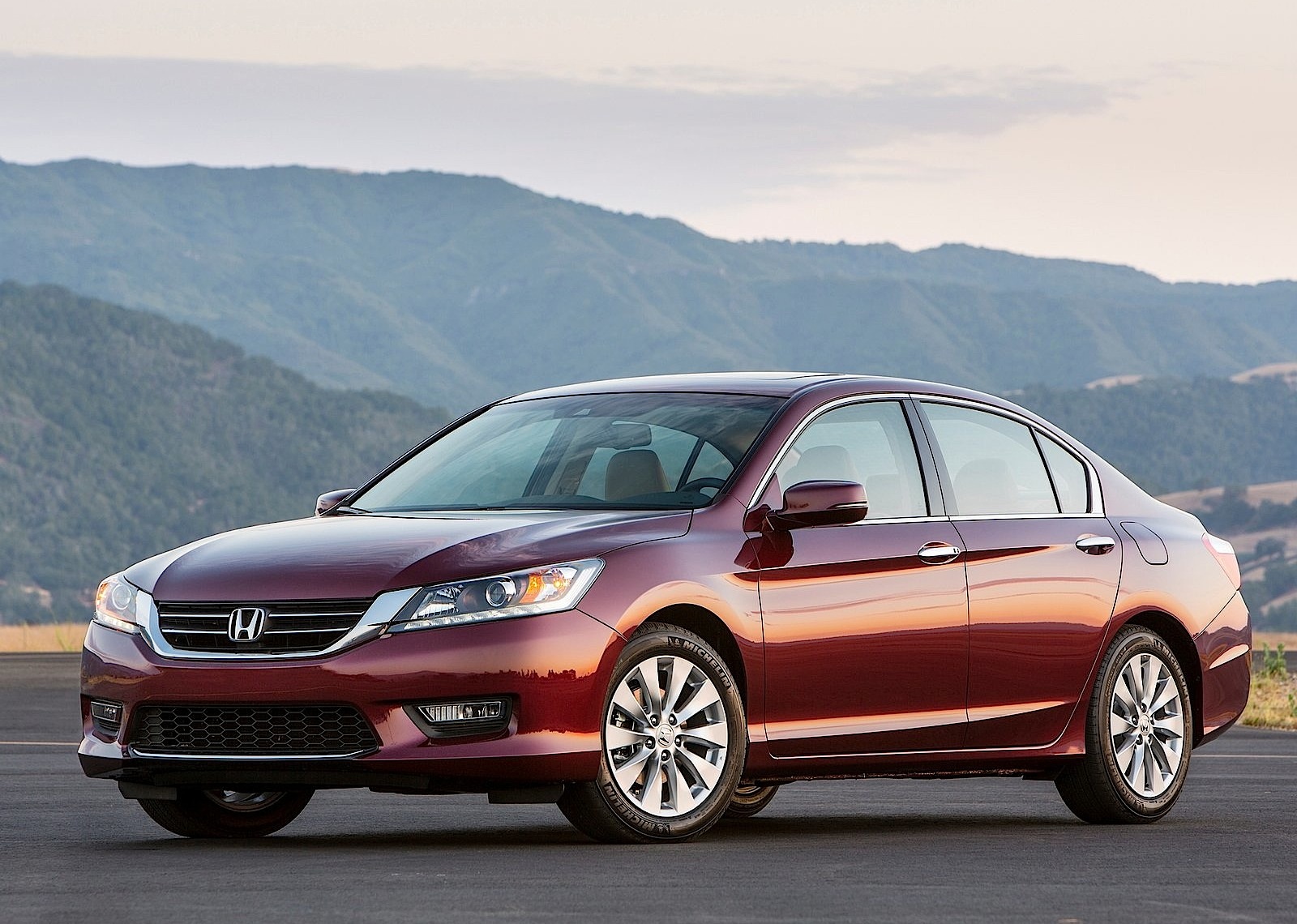
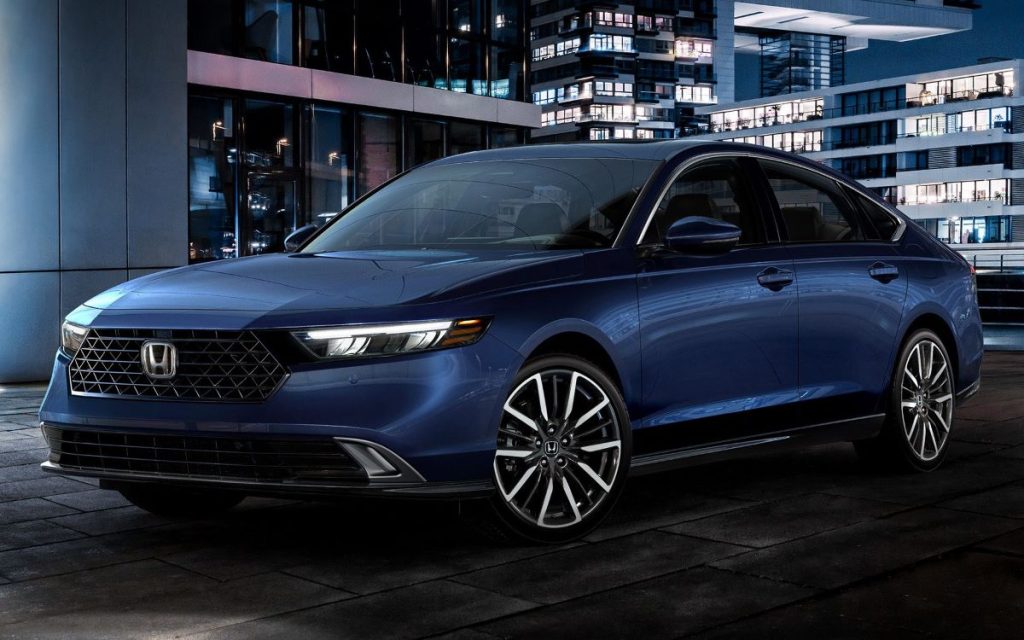
The Honda Accord Touring has earned a strong reputation for its reliability, comfort, and refined features. Owners often consider it one of the most dependable midsize sedans available, thanks to its engineering quality and durability.
However, no matter how well a car is designed, the way it is treated on a daily basis can either prolong or shorten its life. Many Accord Touring models are built to last well past the 200,000-mile mark when driven carefully and maintained correctly.
Unfortunately, small habits that drivers often overlook can slowly erode that longevity. Over time, what starts as a minor oversight can develop into something costly, leading to expensive repairs and even premature failure of key components.
Understanding how daily actions affect a vehicle is crucial. A machine like the Accord Touring is designed with precision, and neglecting basic care, driving harshly, or avoiding routine maintenance can drastically reduce its performance.
The problem is that many habits that hurt a car do not show immediate effects. Unlike a sudden breakdown, these issues build quietly and may not be noticed until the repair bills begin to pile up.
This article looks at the habits that can destroy an Accord Touring more quickly than most drivers realize. Whether it is ignoring certain fluid checks, aggressive driving behaviors, or neglecting regular inspections, these habits create problems that could have been avoided.
For anyone who values their Honda Accord Touring, learning these habits and understanding their impact will help keep the car on the road longer while avoiding unnecessary costs.
By recognizing these actions and correcting them, drivers can ensure that their sedan continues to deliver the smooth performance, efficiency, and reliability that made them choose the Accord Touring in the first place.
Also Read: 8 Oversights That Can Ruin Your Dodge Dynasty Quickly
Habit 1: Skipping Regular Oil Changes
One of the fastest ways to shorten the life of a Honda Accord Touring is neglecting regular oil changes. Engine oil is not simply a lubricant; it is the lifeblood of the car’s motor.
It reduces friction between internal components, carries away heat, and captures contaminants that come from fuel combustion.
When oil changes are skipped, the oil slowly loses its effectiveness, thickens, and fails to lubricate moving parts properly. This leads to premature wear, sludge buildup, and increased strain on vital engine parts.
The manufacturer recommends an oil change interval, and while some owners push beyond it to save time or money, the long-term consequences can be destructive.
Worn-out oil breaks down under high engine temperatures, leaving deposits that clog important passageways inside the motor.
Even the most reliable Honda engine cannot withstand such neglect forever. The result could be noisy operation, reduced fuel economy, overheating, or even complete engine failure.
Another factor drivers overlook is the type of oil used. The Accord Touring often requires synthetic oil meeting a specific grade.
Using the wrong oil or lower-quality substitutes reduces its protective properties. People may switch to cheap oil brands without realizing the long-term cost when the engine develops problems.
Regular oil changes, using the correct specification, keep the Accord Touring’s motor running smoothly for years.
Drivers who think they are saving a small amount of money by extending intervals are often faced with much higher repair bills, such as replacing timing chains, bearings, or worse, the entire engine.
It is always cheaper and smarter to follow the maintenance schedule than to gamble with one of the most critical fluids in the vehicle. Skipping oil changes may not cause immediate failure, but over time it is one of the most damaging habits a Honda owner can adopt.
Habit 2: Ignoring Transmission Service
The transmission in the Honda Accord Touring is a highly advanced unit, whether automatic or CVT, designed to deliver smooth shifts and provide consistent performance. However, like any mechanical system, it depends on proper care to stay reliable.
One of the worst habits that damages it quickly is neglecting transmission service. Many car owners believe that transmission fluid lasts the lifetime of the vehicle, but this assumption is far from reality.
Transmission fluid performs several roles. It lubricates gears, helps transfer power, maintains hydraulic pressure, and cools the system. Over time, heat and contamination break down the fluid, making it less effective.
When that happens, gears may slip, shifts become harsh, and internal components start wearing prematurely.
Once a transmission develops severe internal wear, repairs are extremely expensive, often costing thousands of dollars. What could have been prevented with timely fluid replacement becomes a financial burden.
Another mistake drivers make is treating the transmission roughly. Abrupt acceleration, harsh braking, and aggressive shifting put undue strain on the system.
In automatic-equipped or CVT Accord Touring models, the transmission is calibrated for smoothness and efficiency, not extreme abuse.
Constant heavy loads or sudden gear selection, such as slamming from reverse to drive without stopping fully, puts significant pressure on internal mechanisms.
Honda provides specific recommendations for fluid type and replacement intervals. Using incorrect or low-quality transmission fluid is another habit that leads to premature wear. Only approved fluid should be used, as these are designed to handle the unique demands of Honda transmissions.
Ignoring this key maintenance step gradually shortens the lifespan of one of the vehicle’s most expensive assemblies. Drivers who keep up with proper fluid changes and avoid abusive driving will often see their Accord’s transmission last for hundreds of thousands of miles.
Those who neglect it, however, usually face sudden performance issues and costly repairs that could have been avoided with basic maintenance.
Habit 3: Driving Aggressively All the Time
A Honda Accord Touring is built for comfort and balanced performance, but treating it like a performance car can drastically reduce its reliability.
Aggressive driving habits, such as constant hard acceleration, sharp cornering, and late braking, put tremendous strain on multiple systems.
While the engine and chassis are designed to handle daily driving with confidence, they are not engineered for repeated abuse associated with racing-like behavior.
When the throttle is constantly pushed to the limit, it increases engine stress, forces higher internal temperatures, and consumes more fuel. This not only reduces efficiency but also accelerates wear on pistons, rings, and gaskets.
Similarly, quick and harsh braking causes heat buildup in the brake system. Over time, this leads to premature wear of brake pads, warping of rotors, and eventual failure of the braking components.
Suspension components also suffer when a car is pushed hard through turns and uneven roads. Bushings, struts, and control arms end up wearing out more quickly, leading to clunky noises, uneven tire wear, and expensive replacements.
The Accord Touring is tuned for comfort and stable driving, not to withstand continuous aggressive handling like high-performance sports cars.
Perhaps the most overlooked consequence of aggressive driving is fuel system stress. Constant heavy acceleration draws more fuel, forcing fuel pumps and injectors to work harder.
This results in increased deposits in the combustion chamber and higher emissions. Not only does this degrade performance, but it also decreases resale value over time, as potential buyers often avoid vehicles that appear abused.
Treating an Accord Touring gently does not mean driving slowly at all times. Rather, it means accelerating smoothly, braking gradually when possible, and respecting the fact that longevity comes from balance.
Drivers who resist the urge to treat their sedan like a race car will enjoy smoother operation, better fuel economy, and much fewer repair costs through the life of their vehicle.
Habit 4: Skipping Brake Maintenance
The braking system of the Honda Accord Touring is vital not only for performance but also for safety. Ignoring brake maintenance is a costly mistake that shortens the life of the vehicle.
Brakes slowly wear down with use, and when pads are left too long without replacement, they can grind directly on the rotors. This not only leads to expensive replacement parts but also increases the chances of accidents due to reduced stopping power.
Brake fluid is another critical but often overlooked component. Over time, brake fluid absorbs moisture, reducing its effectiveness. This causes spongy brake feel, longer stopping distances, and increased wear on calipers and other hydraulic components.
In severe cases, overheating brakes caused by neglected maintenance can lead to complete brake system failure, a terrifying and dangerous situation for any driver.
Driving habits play a key role in brake longevity as well. Constant hard braking, tailgating, or city driving without proper spacing forces brakes to work harder than necessary.
This results in pads and rotors wearing out much faster than if the car were driven with more care. Routine inspections allow small issues to be caught before they turn into major problems.
Ignoring squeaking noises, vibrations in the pedal, or dashboard warning indicators only makes matters worse. These early warning signs should never be ignored, as they often prevent much larger breakdowns when addressed promptly.
Honda engineers design the Accord Touring’s braking system for precision and balance, and it relies heavily on owners keeping up with maintenance.
Whether it’s replacing pads at recommended intervals, flushing brake fluid, or simply driving with more care, brake maintenance is essential to preserving the Accord’s performance and safety.
Skipping it might save a little money in the short run, but it greatly increases risks and repair costs. Proper attention ensures that the braking system continues to perform as intended and that both the car and driver remain safe on the road.
Habit 5: Neglecting Tire Maintenance
Tires are the only part of a Honda Accord Touring that touch the road, yet they are often among the most neglected components.
Failing to care for tires not only shortens their lifespan but also impacts safety, fuel economy, and even the suspension system. Many drivers realize too late how much damage neglected tires can cause to the entire vehicle.
One of the key habits that harm tires is ignoring pressure checks. Underinflated or overinflated tires wear unevenly, reduce traction, and put more strain on the engine as it works harder to move the car efficiently.
Tire blowouts caused by improper pressure are dangerous, especially at highway speeds. Regular pressure checks are simple and inexpensive, yet many people fail to do them.
Alignment and rotation are just as important. When the wheels are misaligned, the car pulls to one side and the tires wear down unevenly. Ignoring this not only destroys the tires prematurely but also makes handling less safe.
Tire rotation helps distribute wear evenly among all four tires, increasing their lifespan and ensuring smoother handling.
Another costly mistake is buying low-quality or mismatched tires. The Accord Touring is engineered with specific handling dynamics in mind, and mixing different brands or ignoring the proper size specification disrupts this balance.
High-quality tires designed for the car’s weight and performance deliver better grip, stability, and durability.
Drivers often see tires only as an expense when they should be viewed as part of the car’s safety system. Tires that are well-maintained improve fuel economy, provide better braking performance, and protect other components like suspension and steering systems from unnecessary stress.
Neglecting tire care may not cause immediate breakdowns, but the long-term damage far outweighs the effort needed for regular upkeep.
Keeping a close eye on tread depth, alignment, pressure, and rotation will greatly extend not only tire life but also the performance of the entire Accord Touring. Failure to do so is one of the quickest ways to reduce reliability and safety.
Habit 6: Using Cheap or Incorrect Fuel
The Honda Accord Touring is designed to run efficiently when provided with the right grade of fuel recommended by the manufacturer. Unfortunately, some drivers develop the habit of constantly using cheap or incorrect fuel to cut costs.
While this may save a little money in the short term, it gradually causes harm to the engine and fuel system over the vehicle’s lifespan.
Fuel quality directly affects engine performance. Low-grade gasoline often contains higher levels of impurities, which can lead to carbon buildup on valves, pistons, and injectors.
As buildup increases, fuel combustion becomes less efficient, causing reduced power, knocking noises, and higher emissions. The engine management system may compensate to a certain degree, but over time the balance shifts toward permanent damage.
Another issue arises from using lower-octane fuel than recommended. Octane rating is important for preventing pre-detonation, commonly known as knocking. In high-compression engines, knocking can destroy pistons and rings when left unchecked.
The Accord Touring’s engine is designed with precision tuning, and using the wrong fuel undermines this carefully engineered balance.
Cheaper stations may also have poor-quality pumps or storage methods that introduce contaminants into the fuel, leading to clogged filters and injector damage.
Drivers may not notice the effect right away, but the gradual decline in performance and efficiency becomes clear after thousands of miles.
By consistently providing the proper fuel grade and sourcing from trusted providers, Accord Touring owners ensure cleaner combustion, smoother operation, and a longer-lasting engine.
The savings from cheap fuel are insignificant when compared to the cost of repairing damaged injectors, catalytic converters, or even rebuilding the engine. Fuel is the engine’s diet, and depriving it of the correct quality dramatically shortens its health span.
Using the right fuel may feel unnecessary to some drivers, but it is among the simplest and most effective habits to preserve the value and life of a Honda Accord Touring.
Habit 7: Overloading the Car Regularly
The Honda Accord Touring is designed as a mid-size sedan meant to balance comfort, performance, and fuel efficiency. Consistently subjecting it to excessive loads is a habit that wears out the car faster than many drivers realize.
Each vehicle comes with a manufacturer-specified weight limit, and ignoring it can apply additional stress to several key systems.
Overloading places a heavy burden on the suspension. Springs and struts are designed for a certain tolerance, but continuous excess weight causes them to wear out prematurely.
As suspension components weaken, the ride becomes harsh, uneven, and less controlled. Handling also suffers significantly, making the car less safe to drive.
Another major consequence of overloading is the stress it places on the braking system. The increased weight requires more pressure to stop, which overheats brake pads and rotors. Frequent overloading often results in brake fade, longer stopping distances, and potential brake failure.
The drivetrain also suffers. Excess weight forces the engine and transmission to work harder, raising operating temperatures and putting additional strain on internal components.
This is especially damaging for modern CVT transmissions found in some Accord Touring models, as they are less tolerant of high-stress conditions compared to traditional automatics.
Tires take the direct impact of constant overloading. When pushed beyond capacity, they overheat, wear unevenly, and are more prone to sudden failure. This not only accelerates their replacement but also raises the risk of dangerous blowouts on the road.
While occasional heavy loads may not cause immediate problems, making it a regular habit shortens the lifespan of several expensive systems. Honda designed the Accord Touring with limits for a reason, ensuring proper safety and functionality under intended use.
Drivers who respect those limits experience long-term durability, while those who ignore them pay the price through costly repairs and unwanted breakdowns.
Using the vehicle responsibly and keeping weight within recommended limits protects suspension, brakes, drivetrain, and tires, ensuring the car retains its reliability for many years.
Habit 8: Ignoring Warning Lights and Minor Issues
Modern vehicles like the Honda Accord Touring are equipped with an advanced system of sensors that alert the driver when something is wrong.
Unfortunately, one of the most dangerous habits owners develop is ignoring warning lights or dismissing minor issues as unimportant. This not only leads to bigger repair bills but also shortens the overall life of the car.
Warning lights such as the check engine light, ABS light, or oil pressure warning exist for a reason. They indicate that the system has detected abnormal conditions that require attention.
Minor issues like a misfiring cylinder or a sensor malfunction may seem harmless at first, but they often act as an early indicator of serious problems brewing inside the engine or transmission.
For example, ignoring an oil pressure warning could mean continuing to drive while lubrication is critically low, which can destroy the engine within minutes.
Similarly, overlooking a coolant temperature warning easily leads to overheating, head gasket failure, or warped engine heads. These outcomes are far more expensive than addressing the initial issue.
Even issues that do not involve lights, such as unusual noises, vibrations, or smells, should never be dismissed. A squeaking belt, faint brake squeal, or occasional misfire may feel minor, but each one signals a developing failure.
Catching these problems early often allows inexpensive fixes, whereas waiting leads to larger breakdowns.
Modern diagnostics make it easy to scan an Accord Touring for error codes, providing clear insight into hidden problems. Many drivers delay this simple step until it is too late, at which point damage has already spread to other components.
Taking warnings seriously is one of the simplest yet most powerful habits to extend vehicle life. A car that receives quick attention for small issues tends to stay reliable, while ignoring these alerts turns small concerns into major failures.
Respecting the signals the car provides is vital to preserving the Accord Touring’s performance and durability.
The Honda Accord Touring is built for reliability and longevity, but careless driving and poor maintenance habits can cut its life short.
Skipping oil and transmission fluid changes, neglecting brake and tire maintenance, and using cheap or incorrect fuel gradually wear down critical systems.
Aggressive driving, overloading the car, and ignoring dashboard warnings accelerate costly failures.
Each of these habits may seem minor in the moment but collectively lead to major problems over time. By maintaining fluids, driving responsibly, and addressing issues early, Accord owners can greatly extend the car’s performance, safety, and long-term dependability.
