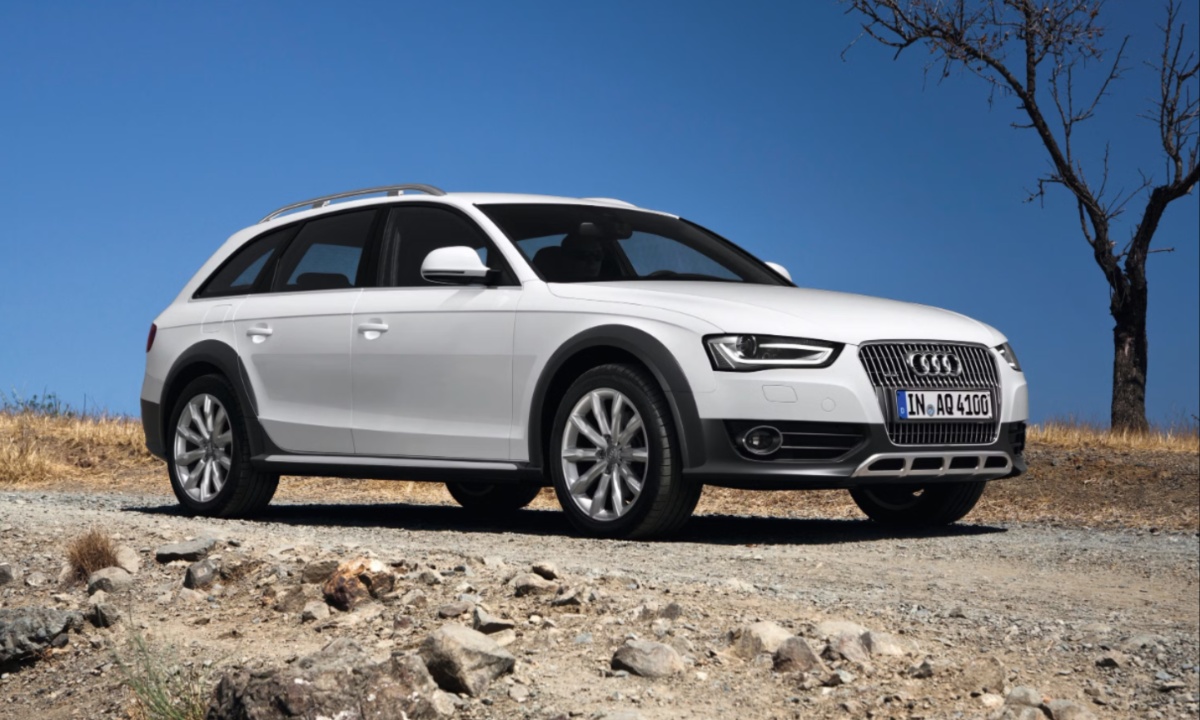
The Audi A4 has long been one of the most popular compact luxury sedans, admired for its balance of refinement, performance, and cutting-edge German engineering. Over the years, it has established itself as a serious rival to the BMW 3 Series and Mercedes-Benz C-Class, offering a stylish alternative that blends comfort with capability.
However, not all A4 model years are created equal. While some stand out for their reliability, strong driving dynamics, and lasting value, others are remembered for costly problems that can turn ownership into a headache.
For buyers interested in a used luxury car, knowing which Audi A4 years are worth buying and which to avoid can make all the difference in ensuring a satisfying ownership experience.
In this article, we’ll explore five Audi A4 years that deliver excellent value, solid reliability, and refined performance, as well as the years that are best left off your shopping list.
5 Audi A4 Years Worth Buying
1. 2005 Audi A4
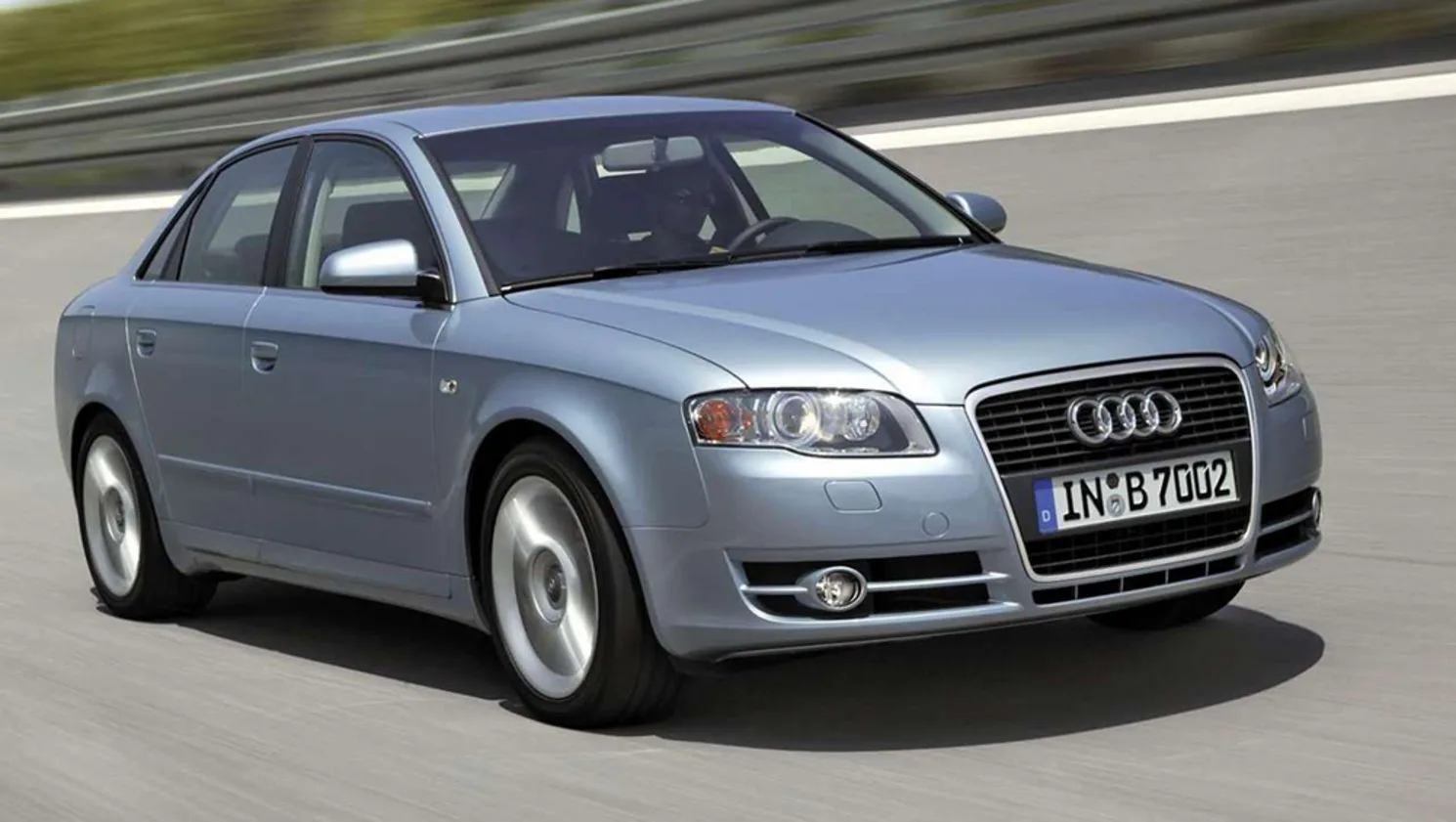
The 2005 Audi A4 marked a significant step forward from its predecessors, addressing many of the reliability concerns that plagued the 2002–2004 models. While not entirely free of issues, the refinements made for 2005 brought much-needed improvements in performance and long-term durability.
Buyers considering this model are encouraged to conduct a thorough pre-purchase inspection, as with any used luxury vehicle, to ensure proper maintenance history. The 2005 A4 received important updates, including new bi-xenon headlamps, an improved satellite/navigation system, and styling tweaks.
OnStar was dropped from the options list, while satellite radio became available for the Cabriolet. A midyear refresh also brought in new engines and chassis upgrades, making the 2005 A4 a more polished and competitive offering in the entry-luxury sedan market.
Under the hood, the base A4 featured a 1.8-liter turbocharged four-cylinder engine, producing 120 kW of power at 5,700 rpm and 225 Nm of torque at just 1,950 rpm. Power delivery was smooth and responsive, thanks to the pairing with a one-speed automatic transmission.
Audi claimed a combined fuel consumption of 8.4L/100km, supported by a sizable 70-liter tank that gave the sedan an estimated range of over 800 km per fill-up. While the official emissions figures were not disclosed, the engine design reflected Audi’s engineering focus on efficiency and performance balance.
This model came with front-wheel drive as standard, with Audi’s Quattro all-wheel drive available on higher trims, enhancing traction in winter conditions, a key selling point for the brand.
In terms of size and proportions, the A4 struck a balance between comfort and sportiness. Measuring 4,547mm in length, 1,766mm in width, and 1,428mm in height, the sedan offered a well-proportioned stance with a 2,650mm wheelbase that provided stability on the road.
The unladen weight of 1,490 kg contributed to its solid handling while maintaining reasonable efficiency. Standard equipment included 17-inch wheels wrapped in 235/45 ZR17 tires, with ventilated disc brakes at the front and solid discs at the rear, ensuring confident stopping power.
The suspension setup combined a multi-link front with a torsion beam rear, designed to deliver both comfort and responsive handling. Audi’s five-year unlimited-kilometer warranty at the time reinforced its premium positioning and offered peace of mind for buyers.
When compared to rivals like the BMW 3 Series, the 2005 Audi A4 stood out as a luxurious yet slightly more affordable alternative. Its strengths included a refined interior, strong safety equipment, and the versatility of sedan, wagon, and convertible body styles.
Pricing in Australia started at $57,800, positioning it firmly within the medium luxury segment. Practical features such as a 310-liter boot capacity, a five-seat configuration, and towing ability of up to 1,500 kg made it versatile for both daily driving and long-distance touring.
While newer competitors offered stronger power-to-weight ratios and more boot space, the A4 remained highly competitive thanks to its blend of German engineering, stylish design, and driving confidence.
The 2005 Audi A4 successfully balanced performance, luxury, and value, cementing its place as one of the more desirable entry-level luxury cars of its era.
2. 2020 Audi A4
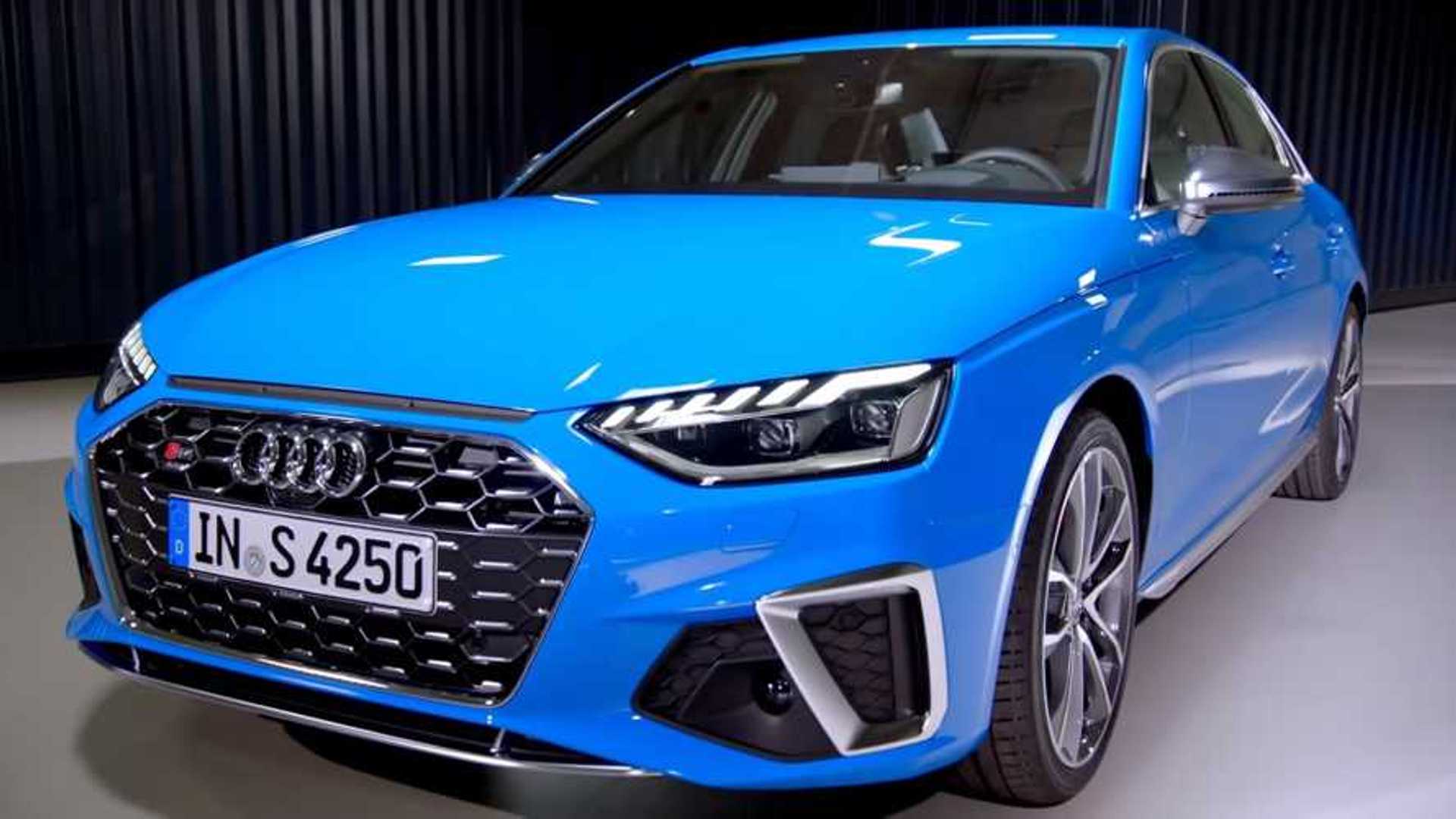
The 2020 Audi A4 continues to deliver a refined mix of luxury, technology, and performance in a compact sedan format. As part of the fifth-generation lineup introduced in 2017, the 2020 model features updated front-end styling, standard LED headlights, and a larger 10.1-inch touchscreen-based MMI infotainment system.
Audi retained its classic button-based climate controls, making daily operation simple and intuitive. While Consumer Reports gave it a reliability rating of 3, independent data shows very few issues, with only minor complaints reported to CarComplaints.com and the NHTSA.
Competing with vehicles like the BMW 3 Series, Mercedes-Benz C-Class, Volvo S60, and Genesis G70, the 2020 A4 maintains its appeal through a blend of practicality, style, and advanced features that enhance the driving experience.
Performance in the 2020 Audi A4 is smooth and responsive, particularly with the more powerful engine option. Acceleration is strong, the engine operates quietly, and transmission shifts are nearly imperceptible, although there is occasional hesitation when pulling away from a stop.
The Quattro all-wheel-drive system provides confident traction and stability, while the braking system excels with both strong stopping power and smooth modulation for everyday driving.
The suspension strikes a balance between firm control and comfort, absorbing road imperfections without feeling harsh, and the front seats are supportive enough for long drives. Highway noise is minimal, creating a serene cabin environment ideal for commuting or longer trips.
The interior of the 2020 Audi A4 is stylish, tech-forward, and more spacious than previous models, approaching midsize sedan dimensions. The optional Virtual Cockpit digital instrument cluster allows drivers to view navigation, entertainment, and performance information with ease.
Legroom and headroom are generous for all passengers, and visibility is excellent thanks to thin pillars and a large glass area. Audi’s new MMI touchscreen provides higher-resolution graphics and an intuitive interface, though it requires some adaptation compared with the previous knob-based system.
Standard Apple CarPlay, Android Auto, wireless charging, and multiple USB ports add to convenience. Practical storage solutions include a 40/20/40-split rear seat and a well-designed trunk opening, providing flexibility despite slightly smaller cargo space compared to some competitors.
The 2020 Audi A4 achieves competitive fuel efficiency, with the Quattro model rated at an EPA-estimated 27 mpg combined (24 city/32 highway). Real-world testing confirms similar results without requiring overly conservative driving.
Value is strong, with more standard equipment for the money than many German rivals and pricing that remains competitive even when fully loaded. Warranty coverage is typical for the class, offering four years/50,000 miles for both bumper-to-bumper and powertrain protection.
Combining refined performance, a comfortable and spacious interior, advanced technology, and practical storage, the 2020 Audi A4 continues to be a compelling choice for buyers seeking a premium, well-rounded compact luxury sedan.
3. 2014 Audi A4
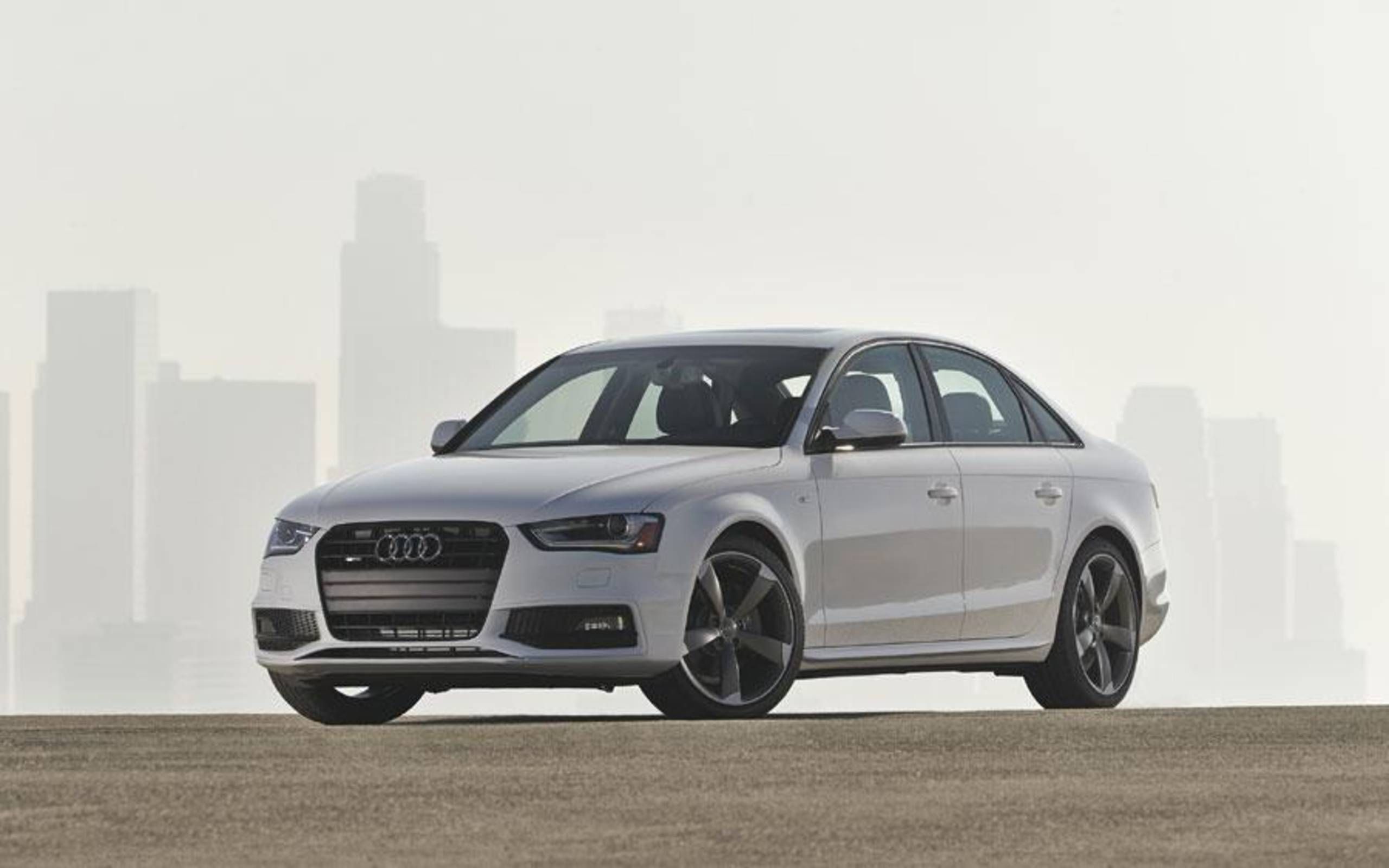
The 2014 Audi A4 marked a turning point in the B8 generation, finally delivering the dependability that had eluded earlier model years. Consumer Reports awarded it a 3 out of 5 for reliability, a significant improvement compared to the 2011 and 2013 models that scored just 1.
Engine complaints diminished considerably, making this the first A4 of its generation to earn a reputation for being a trustworthy choice. Alongside the mechanical improvements, Audi gave the A4 a modest power increase, bumping the output of its 2.0-liter turbocharged four-cylinder engine to 220 horsepower, up from 211 the previous year.
Additional standard features such as Bluetooth connectivity and an iPod interface also enhanced its appeal. With its mix of refinement, performance, and luxury, the 2014 A4 emerged as one of the most well-rounded offerings in the entry-level luxury sedan segment.
Performance was one of the highlights of the 2014 Audi A4. The 2.0-liter turbocharged engine delivered 220 horsepower and 258 lb-ft of torque, enough to propel the car from 0 to 60 mph in 6.2–6.6 seconds depending on drivetrain configuration.
Buyers could choose between front-wheel drive with a CVT or Audi’s Quattro all-wheel-drive system paired with either a six-speed manual or an eight-speed automatic. Fuel efficiency was competitive: 27 mpg combined with FWD and CVT, 26 mpg with AWD and the manual, and 24 mpg with AWD and the automatic.
While some rivals offered more thrilling six-cylinder or higher-output engines, the A4’s balance of efficiency and torque-rich performance made it a compelling everyday driver. Those seeking greater excitement could turn to the sport-oriented S4, which offered sharper dynamics and significantly more power.
On the road, the 2014 A4 impressed with its balance of comfort and athleticism. Its suspension absorbed bumps with ease while still delivering a precise and secure driving experience. Around corners, the A4 demonstrated confident handling, comparable in many ways to the class-leading BMW 3 Series.
The optional Sport package enhanced grip and responsiveness, though at the expense of ride comfort. Braking performance was excellent, with tests showing the A4 could stop from 60 mph in just 108 feet when equipped with summer tires.
Safety was another strength: the A4 earned five stars in every government crash test and a “Good” rating in most IIHS evaluations, though it did fare poorly in the newer small-overlap frontal crash test, a weakness it shared with many rivals at the time.
Inside, the 2014 A4 carried Audi’s tradition of class-leading interiors. The cabin blended understated elegance with exceptional build quality, featuring standard leather upholstery and premium materials throughout. Its design favored simplicity and refinement over flashiness, giving it a timeless appeal.
Passenger space was generous for the segment, with rear outboard seats offering adult-friendly legroom and headroom, while the 12.4-cubic-foot trunk was average for the class.
Audi’s MMI infotainment system provided centralized control over navigation, audio, and connectivity features, though some functions required delving into deeper menus.
Compared to BMW’s iDrive or Mercedes’ COMAND, MMI was slightly less intuitive, especially in non-navigation-equipped models where the controller was placed on the dash. Nonetheless, the A4’s cabin quality, comfort, and practicality made it one of the most attractive interiors in the small luxury sedan category.
4. 2015 Audi A4
The 2015 Audi A4 continued the upward trajectory of dependability established in the previous model year, earning a strong 4 out of 5 rating for reliability from Consumer Reports. This marked a dramatic improvement from earlier B8-generation models, which had been plagued with complaints.
By 2015, reports of engine issues had dwindled to a mere handful, while other categories tracked by the NHTSA showed only single-digit complaint numbers. Although largely unchanged from the 2014 version, the A4 remained a formidable contender in the entry-level luxury sedan market.
With its blend of confident performance, a premium interior, and excellent safety ratings, it solidified itself as a top choice for buyers seeking a well-rounded luxury car.
Performance came courtesy of a 2.0-liter turbocharged four-cylinder engine, producing 220 horsepower and 258 lb-ft of torque. While these figures trailed the BMW 328i on paper, the A4’s superior low-end torque ensured effortless acceleration in everyday driving.
Audi estimated a 0–60 mph time of 6.2–6.6 seconds, placing it squarely in the middle of its class. Standard models paired front-wheel drive with a CVT, while Quattro all-wheel drive variants offered either a six-speed manual or an eight-speed automatic.
Fuel economy was competitive, with up to 27 mpg combined for the FWD CVT model, dipping only slightly for AWD versions. For enthusiasts craving more speed and agility, the sportier S4 provided a higher-performance alternative.
On the road, the 2015 Audi A4 struck an impressive balance between comfort and athleticism. The turbo-four delivered strong bursts of acceleration, and while it lacked the engaging soundtracks of six-cylinder rivals, it made up for it with responsive torque.
Handling was composed and confidence-inspiring, particularly in Quattro-equipped models that excelled in poor weather conditions. Standard suspension tuning leaned toward comfort, but the optional Sport and Sport Plus packages sharpened dynamics for more spirited driving, albeit with a firmer ride.
Braking performance was equally impressive, with the A4 stopping from 60 mph in just 108 feet when fitted with summer tires.
Safety was another strength, with the A4 earning a perfect five stars in every government crash-test category and “Good” ratings from the IIHS in most tests, though it did score poorly in the newer small-overlap frontal crash evaluation.
Inside, the 2015 Audi A4 upheld the brand’s reputation for cabin excellence. The interior exuded understated sophistication, with clean lines, premium materials, and standard leather upholstery setting it apart from BMW and Mercedes rivals that used synthetic leather.
Space was generous for the segment, with front seats offering excellent comfort and rear outboard seats providing adequate room for adults. The 12.4-cubic-foot trunk was average, but practical enough for everyday use. Audi’s MMI infotainment system provided centralized control of navigation, audio, and connectivity functions.
Though effective, it was slightly less intuitive than BMW’s iDrive or Mercedes’ COMAND, particularly in models without navigation, where the MMI controller was located on the dash instead of the center console.
Even so, the A4’s combination of craftsmanship, practicality, and premium ambiance ensured it remained one of the most desirable small luxury sedans in 2015.
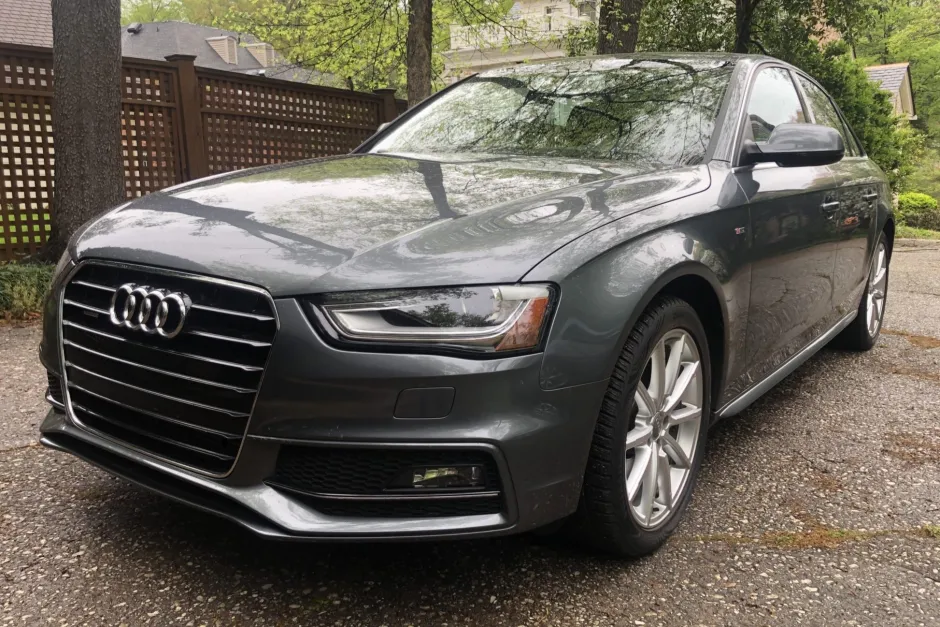
5. 2016 Audi A4
The 2016 Audi A4 marked the final year of the B8 generation and did so on a high note. Consumer Reports awarded it a 4 out of 5 for reliability, while CarComplaints recorded just one engine-related issue, confirming that the lingering problems of earlier years had been resolved.
Audi trimmed the lineup for 2016, discontinuing the Prestige trim and redistributing equipment among the remaining Premium and Premium Plus models. Base trims now included heated mirrors and a sportier three-spoke steering wheel, although adaptive cruise control was no longer offered.
Despite being one of the oldest models in the compact luxury sedan segment at the time, the A4 maintained a strong reputation for comfort, refinement, and balanced driving dynamics, proving that a well-honed design can age gracefully.
Under the hood, every 2016 A4 featured the familiar 2.0-liter turbocharged four-cylinder engine, producing 220 horsepower and 258 lb-ft of torque. Buyers could choose between front-wheel drive with a CVT or Quattro all-wheel drive with either a six-speed manual or an eight-speed automatic transmission.
Performance was competitive, with Audi estimating 0–60 mph in 6.6 seconds with the CVT, 6.4 seconds with the manual, and 6.2 seconds with the automatic. Fuel economy matched rivals closely, returning up to 27 mpg combined with the CVT, 26 mpg with the manual, and 25 mpg with the automatic.
While competitors like BMW and Mercedes offered slightly stronger powertrains and better efficiency, the A4’s combination of responsive acceleration and sure-footed Quattro grip made it an appealing choice for buyers who valued both confidence and capability.
On the road, the 2016 A4 delivered the composed and polished driving experience that had long been a hallmark of the model. The standard suspension setup balanced comfort and control, providing a smooth ride over rough roads without sacrificing stability in corners.
For drivers seeking sharper handling, the Sport package added a lowered suspension and stiffer tuning, though this came at the expense of ride comfort, particularly when paired with the available 19-inch wheels.
Braking performance was excellent, with tests showing the A4 could stop from 60 mph in just 108 feet when equipped with summer tires.
Safety credentials were strong as well, with a perfect five-star rating from the NHTSA and “Good” ratings in most IIHS crash tests, though like earlier models, it struggled in the small-overlap frontal-offset test, earning a “Poor” score.
Inside, the 2016 Audi A4 demonstrated why the brand’s cabins were often considered benchmarks in the luxury segment. While the design dated back to the late 2000s, its restrained layout and premium materials helped it remain stylish and sophisticated.
Standard leather upholstery set it apart from rivals that relied on vinyl, and Audi’s signature red-lit gauges reinforced the premium feel. The cabin was spacious for a compact luxury sedan, with ample front-seat comfort and sufficient rear-seat head- and legroom for adults.
Cargo capacity was average, with 12.4 cubic feet of trunk space. Audi’s MMI infotainment system, controlled via a rotary dial and buttons, remained effective though slightly less intuitive than BMW’s iDrive.
Higher trims benefited from a console-mounted controller and upgraded screen, enhancing usability. Altogether, the 2016 A4 closed out its generation as a mature, well-rounded, and highly reliable option in the luxury sedan market.
Also Read: 5 Cars with Climate Control That Works vs 5 That’s Just for Show
5 Audi A4 Years To Avoid
1. 2008 Audi A4: Early Warning Signs
The 2008 Audi A4 is often remembered for introducing recurring reliability problems that would plague the model for several years. The most notable issue was with oil consumption and monitoring. Owners reported oil leaks, incorrect recognition of oil levels between changes, and overconsumption at relatively low mileage.
Beyond this, climate control issues began appearing after a few years, particularly with the air conditioning system, which struggled to maintain performance.
Despite these setbacks, when properly maintained, the A4 still offered a comfortable and composed drive, demonstrating Audi’s strength in design and ride quality. However, the reliability concerns overshadowed its positives.
Safety recalls also created concern for 2008 buyers, particularly surrounding airbags. There were five separate recalls related to corrosion, delayed deployment, or even explosions upon deployment, mostly affecting the driver’s side.
These safety defects reflected a deeper issue with long-term dependability. While the A4 provided the refinement expected from a German luxury sedan, the mix of costly oil issues, potential climate system repairs, and critical airbag recalls marked it as a model year for buyers to approach with caution.
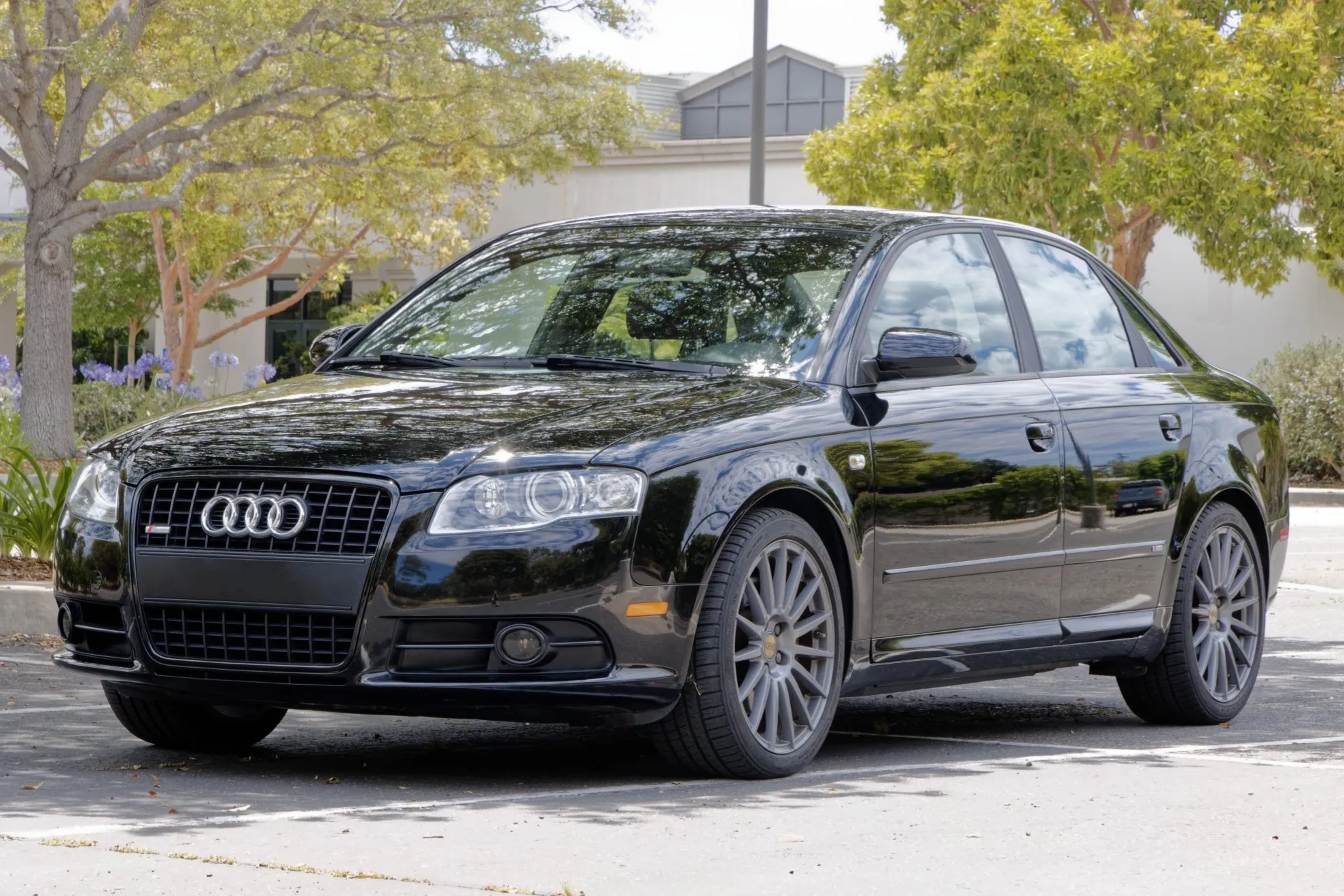
2. 2009 Audi A4: A Risky Transition Year
Following in the footsteps of the 2008 model, the 2009 Audi A4 suffered from similar oil issues but also faced an even bigger concern: engine failures. Many owners experienced severe problems with oil consumption that, if ignored, led to engine damage over time.
While some considered the 2009 A4 a decent used luxury sedan thanks to its comfort and features, the reality was that the cost of ownership climbed sharply. Repairs tied to overconsumption and mechanical breakdowns made it one of the more expensive used Audis to maintain, especially as mileage increased.
Fuel economy was another weak point. The 2009 A4 consumed more fuel than many rivals and, when paired with the oil issues, earned a reputation for inefficiency and unreliability. On the safety front, the 2009 model inherited the same five airbag recalls as the 2008 A4.
These ranged from corrosion issues to deployment failures, undermining buyer confidence. In the long term, the 2009 model became one of the least recommended due to its combination of recalls, mechanical breakdowns, and excessive repair costs.
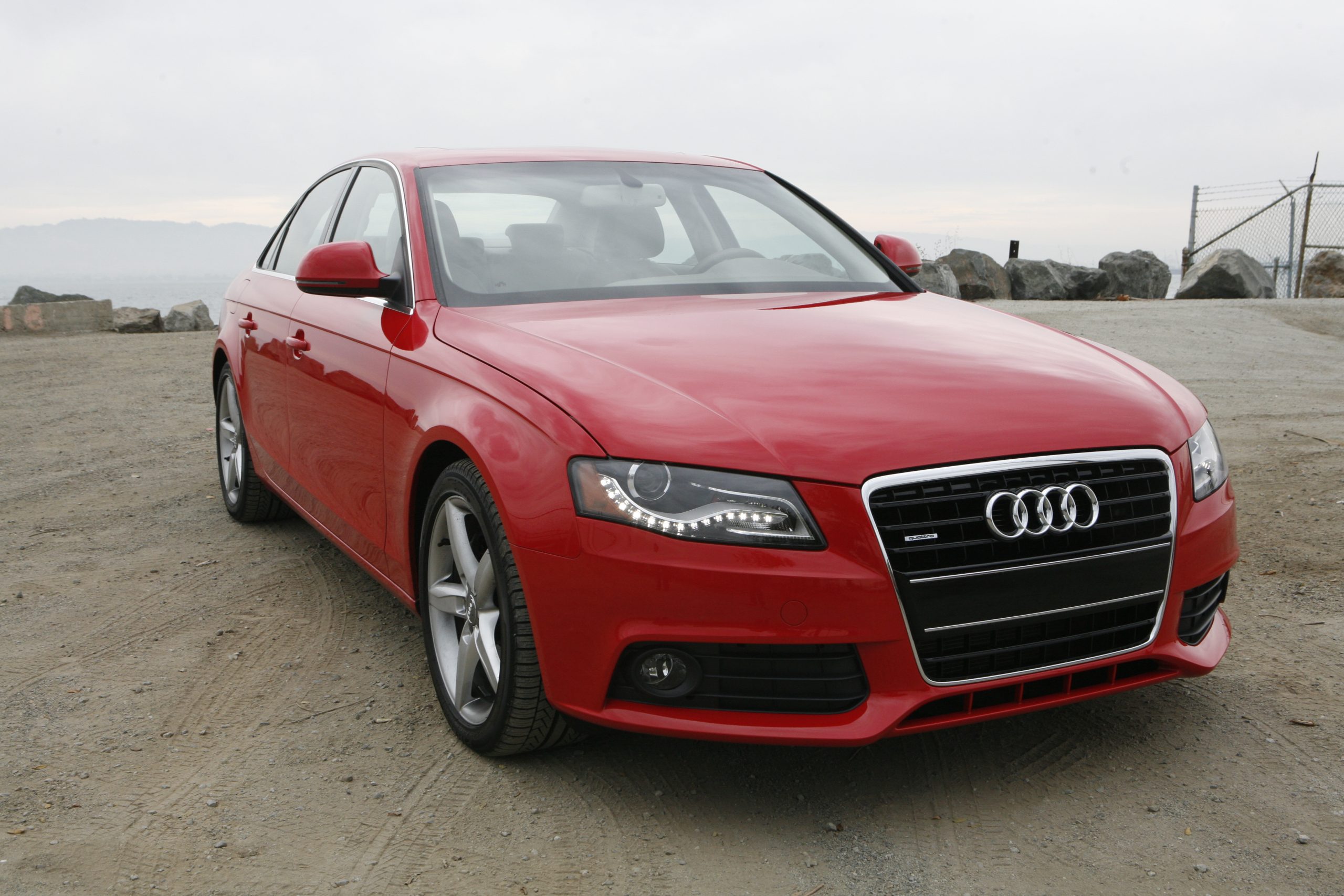
3. 2011 Audi A4: The Worst Model Year
If 2009 was bad, the 2011 Audi A4 was worse in terms of mechanical reliability and cost of repairs. This model year is widely considered the worst of the A4 lineup due to widespread engine-related failures. Owners complained of extreme oil consumption, frequent breakdowns, and poor fuel efficiency.
The most common problem involved costly engine replacements, often averaging more than $5,000. This turned the 2011 A4 into a financial burden for many buyers, with recurring repair expenses stacking up at relatively low mileage.
Interestingly, while 2011 had fewer total complaints than 2009, the severity of its issues elevated its reputation as the least desirable A4 year. While 2009’s problems were frequent, 2011’s were catastrophic, often requiring full engine replacements rather than piecemeal repairs.
Unlike earlier years, 2011 did not face widespread recalls, meaning its biggest problems were not addressed through manufacturer fixes but left to owners to handle. As such, it became a prime example of a model year where Audi’s engineering faltered, leaving drivers with high ownership costs and low confidence in long-term reliability.
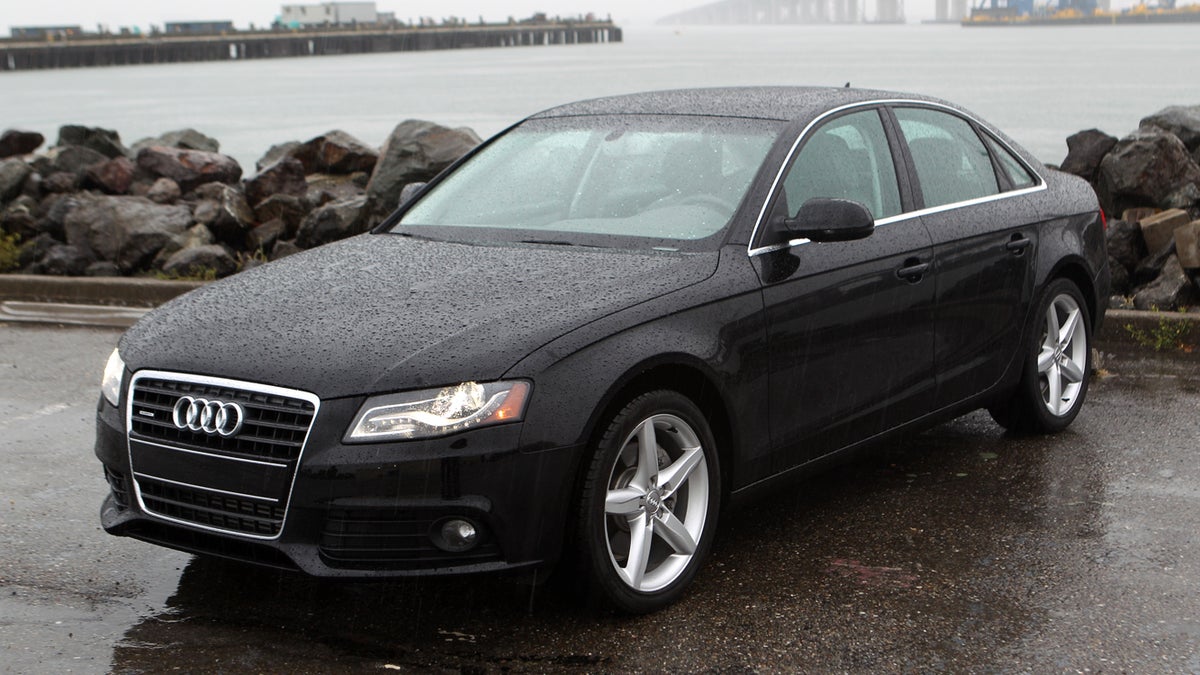
4. 2003 Audi A4: A Troubled Second Generation
Stepping back to the second generation, the 2003 Audi A4 stands out as one of the worst-built versions of the sedan. It marked the beginning of a particularly poor stretch for Audi, characterized by inconsistent build quality and frequent breakdowns.
According to the National Highway Traffic Safety Administration (NHTSA), the 2003 model racked up 215 complaints, one of the highest totals in the model’s history. Issues spanned across the fuel system, engine cooling, and speed control, showing that the problems were not isolated but systemic.
In addition to the complaints, four recalls were issued for the 2003 A4, two of which addressed recurring fuel pump failures. This made the car unpredictable and costly to maintain, with reliability suffering even when repairs were performed.
Many of these vehicles began to experience significant wear by just 60,000 miles, well before the expected lifespan of a premium sedan.
Given the volume and range of issues, the 2003 A4 is often cited as a turning point that damaged Audi’s reliability reputation for much of the following decade, until improvements were finally seen with the 2012 redesign.
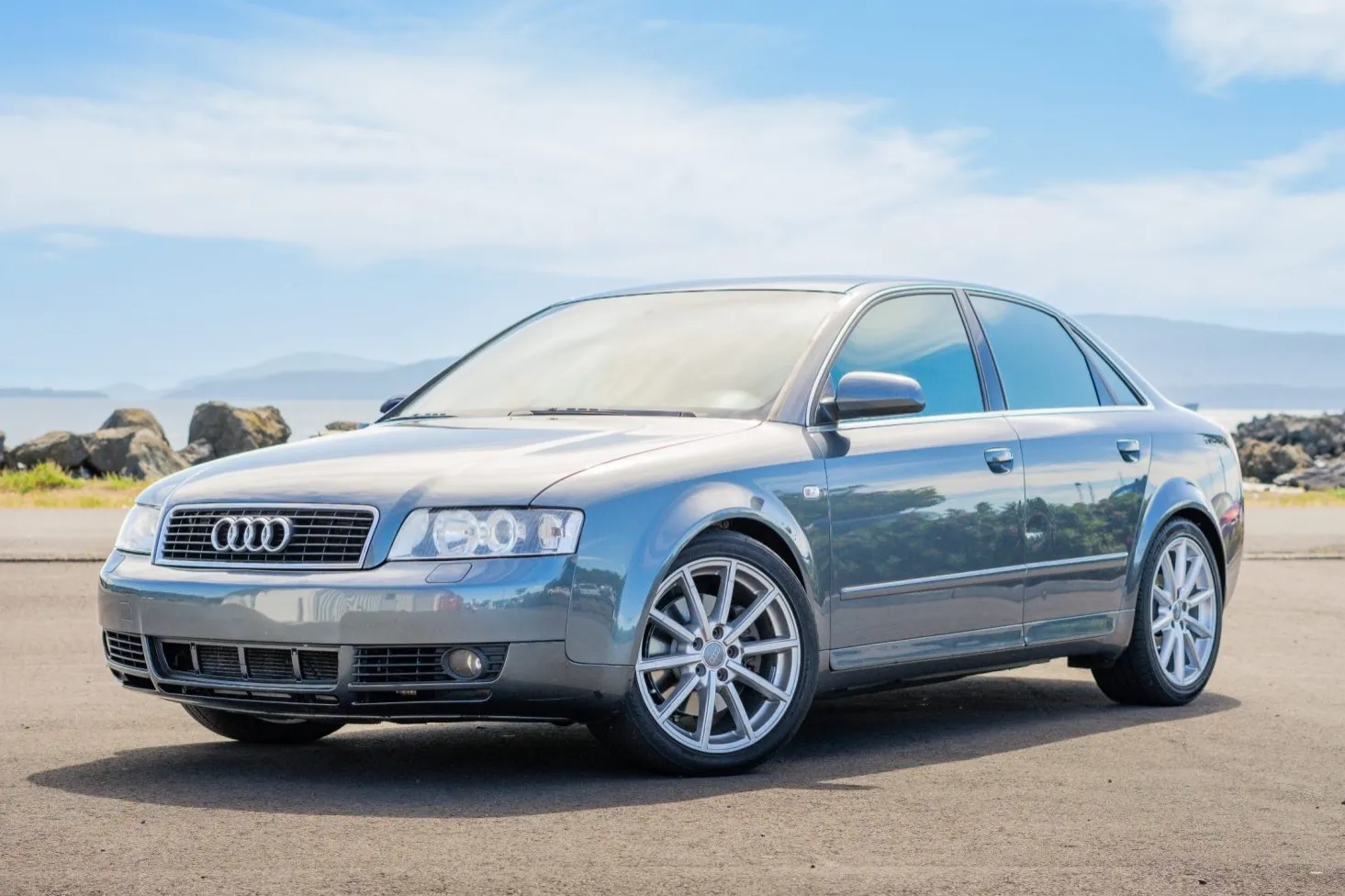
5. 2017 Audi A4: A Rocky Start to the Fourth Generation
While Audi made major strides in the 2010s, the 2017 A4 marked another problematic launch year. This model introduced the fourth generation of the A4, yet it struggled with reliability despite offering strong performance and driver satisfaction.
Consumer Reports noted a high owner satisfaction score of 4 out of 5, but reliability scores lagged behind with an average of just 37 out of 100. Owners praised the driving experience, but frequent complaints about electrical systems, climate control, leaks, and engine failures kept the 2017 model from ranking among the more dependable A4s.
The issues were visible in complaint records as well. CarComplaints data showed a sharp spike in problems for 2017 compared to the years before and after. Airbag concerns again dominated safety-related reports, making up nearly half of the 31 NHTSA complaints and three of the five recalls issued.
While some enjoyed the refinement and updated features of the 2017 redesign, the reliability concerns made it an undesirable choice for those prioritizing long-term ownership. In hindsight, the 2017 A4 mirrored earlier troubled transition years like 2009, where first-year redesigns proved riskier than later, better-refined versions.
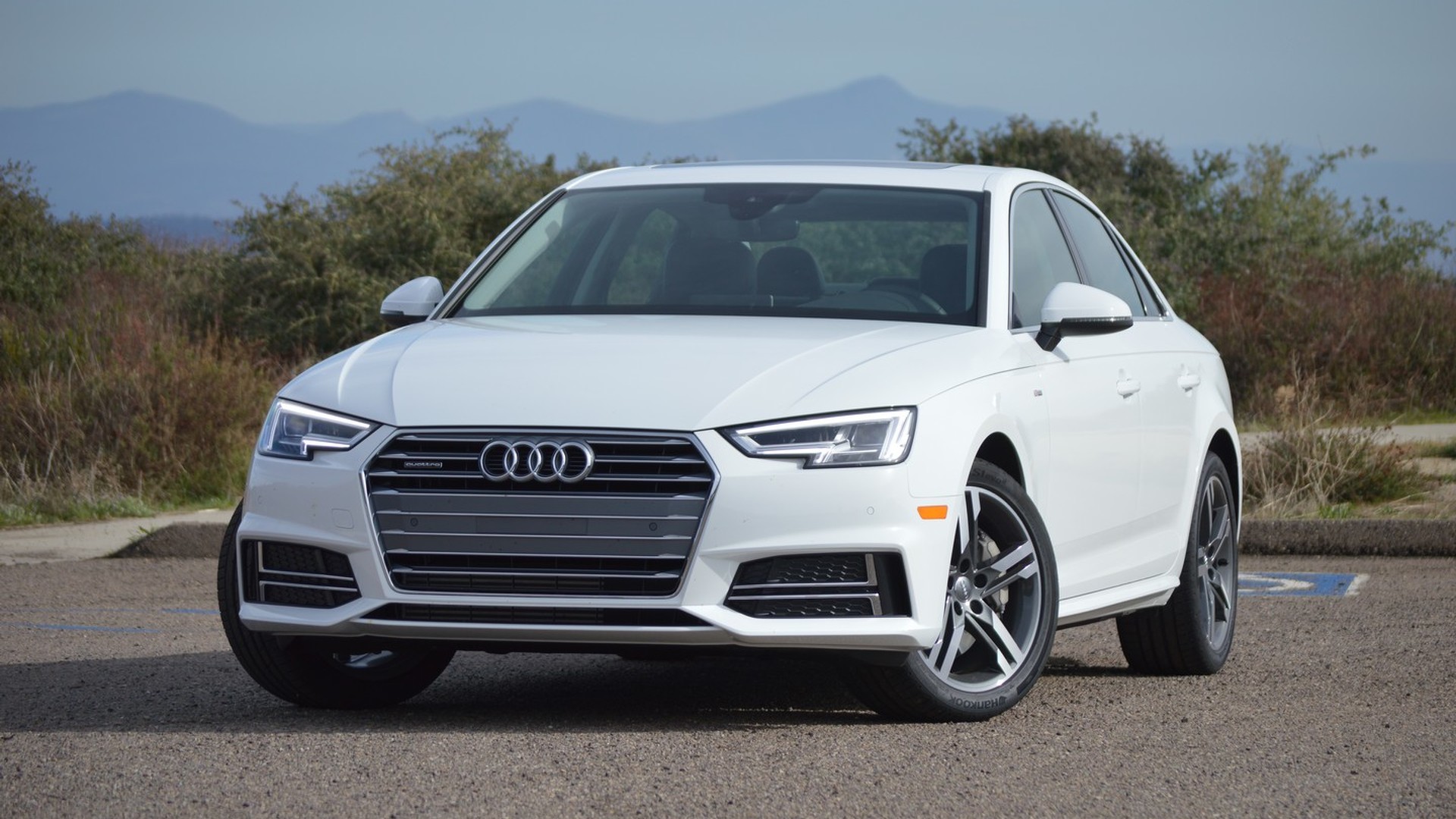
The Audi A4 remains a compelling choice for drivers who want a refined luxury sedan that blends performance, comfort, and style. While the model has had its ups and downs over the years, certain versions have proven to be especially reliable and rewarding, making them smart buys on the used market.
At the same time, some model years are best avoided due to recurring issues that can lead to costly repairs and frustration. For anyone considering a pre-owned A4, doing thorough research and prioritizing maintenance history is essential to ensuring a positive ownership experience.
Ultimately, the best examples of the A4 showcase timeless German engineering, a premium interior, and driving dynamics that continue to impress enthusiasts and everyday drivers alike.
By choosing carefully, buyers can enjoy the luxury and confidence the A4 is known for, while steering clear of the pitfalls that can come with the wrong model year.
Also Read: 10 Cars With Tricky Seatbelt Buckles for Elderly Passengers