

Every driver wants a car that delivers peace of mind on the road. For many people, the Volkswagen Passat has built a reputation for offering comfort, dependable handling, and a well-balanced driving experience. But like any machine, a car can only remain in good condition if the owner pays attention to proper care.
A vehicle left without attention will wear out faster and may put its occupants at risk. That is why understanding how to care for your VW Passat can help you keep it safe and reliable for daily driving. The Passat is designed to give owners both performance and comfort, but these qualities are maintained through regular attention.
Many drivers forget that cars need the same kind of routine care that people give to their health. Just as a person goes for medical check-ups, a car also requires regular inspections, servicing, and preventive measures. By keeping up with these practices, the Passat continues to perform well, saves money in the long run, and avoids stressful breakdowns.
Taking good care of a car does not mean waiting until a problem shows up. Instead, it involves consistent steps that reduce wear and protect against damage. From checking the oil to paying attention to the tires and brakes, each action adds to the safety of the car and the confidence of the driver.
On this page, we will explain ten important steps that help every VW Passat owner keep their car both safe and reliable. Each step goes beyond quick fixes to focus on habits that extend the life of the car. By following these practices, owners can ensure that their vehicle serves them well for many years without unnecessary trouble.
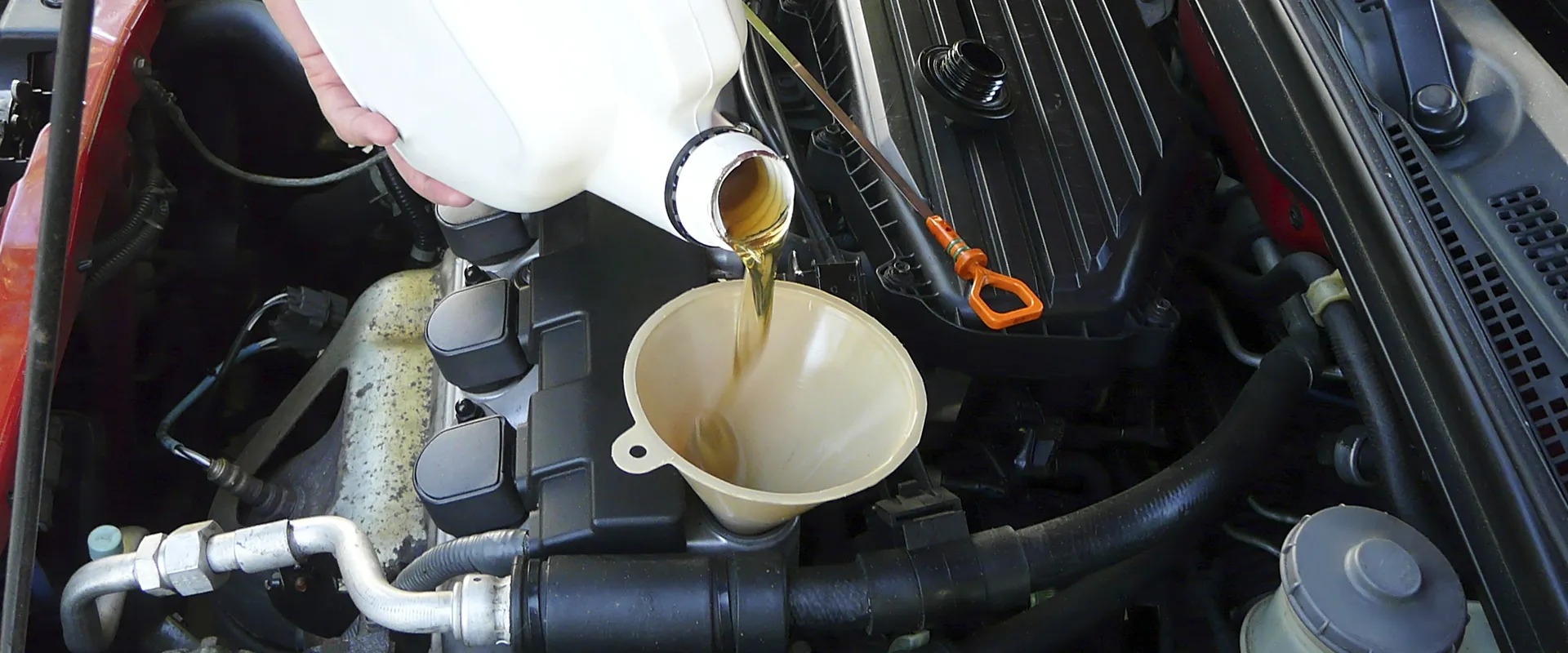
1. Regular Engine Oil Checks and Timely Changes
The engine is the heart of any vehicle, and in a VW Passat, keeping the engine in good health means giving special attention to the oil. Engine oil does more than just lubricate moving parts.
It also cools down components, prevents corrosion, reduces wear, and carries away tiny particles that could damage the system. When oil becomes dirty or loses its effectiveness, the engine works harder and may suffer permanent damage.
For this reason, checking the oil regularly is very important. Many owners overlook this step, assuming the car will alert them if oil runs low. While the Passat does come with warning lights, waiting for them to come on is not a safe approach.
By the time a low-oil light appears, the engine may already have experienced stress. Checking the oil every few weeks or before long trips gives the owner a chance to notice changes in oil level or color. Changing the oil at the right time is another part of this process.
Volkswagen usually recommends a specific interval for oil changes depending on the model year and engine type. For modern Passats, this may fall between 7,500 and 10,000 miles, but the best habit is to follow the guidance in the car’s manual. Sticking to the right schedule ensures that the engine remains protected from buildup that could reduce efficiency.
Choosing the correct oil type is equally important. The Passat often requires synthetic oil, which is specially designed to handle higher temperatures and longer intervals between changes. Using the wrong oil may cause the engine to run poorly and even shorten its lifespan. For drivers in areas with extreme heat or cold, ensuring that the oil grade matches the environment is also necessary.
Owners should also change the oil filter whenever the oil is changed. A clean filter helps prevent particles from circulating back into the engine. Ignoring this detail allows dirt to stay in the system, which can lead to faster wear.
By making regular oil checks and timely oil changes a habit, a VW Passat owner ensures that the car’s engine runs smoothly. This simple step keeps the car safe for driving, prevents costly breakdowns, and allows the vehicle to deliver reliable performance for years.
2. Keeping Tires in Good Condition
Tires are the only parts of the car that touch the road, so their condition directly affects safety and reliability. A well-maintained set of tires allows the VW Passat to grip the road properly, deliver good fuel efficiency, and provide stable handling. Ignoring tire care, however, can lead to poor braking, reduced comfort, and even accidents.
The first step in tire care is monitoring air pressure. Tires that are underinflated wear out faster and increase fuel consumption, while overinflated tires reduce traction and may cause uneven wear. Volkswagen usually places a label on the driver’s side door frame or in the manual that shows the recommended pressure. Drivers should check tire pressure at least once a month and before long trips.
Another part of tire maintenance is keeping an eye on tread depth. The grooves in the tire are designed to push water away and maintain grip, especially in wet conditions. When the tread becomes too shallow, the risk of hydroplaning increases, and braking distance becomes longer.
A simple way to check tread depth is by using a tread gauge or the penny test, where the top of Lincoln’s head should not be fully visible if the tread is adequate. Tire rotation is another practice that improves safety and extends the life of the tires. Because front tires often wear faster due to steering and braking, rotating them every 5,000 to 7,500 miles helps distribute wear evenly. For the Passat, this simple action can prevent the need for early replacement.
Wheel alignment and balancing are also part of tire care. A car with poor alignment may pull to one side, wear down tires unevenly, and reduce driving comfort. Balancing ensures that the tires rotate evenly, reducing vibrations. Both should be checked regularly, especially after hitting potholes or curbs.
Finally, it is wise to inspect tires visually. Look out for bulges, cuts, or foreign objects stuck in the tread. Even small damage can grow into a dangerous situation if left unattended. Replacing damaged or worn-out tires on time is cheaper than dealing with accidents or suspension repairs caused by bad tires.
By keeping tires in top shape, Passat owners maintain road safety, enjoy smoother rides, and protect the car from unnecessary strain. Tires may look simple, but their care plays a major role in keeping the vehicle reliable.
Also Read: 5 VW Passat Years With Solid Builds vs 5 With Flaws
3. Paying Attention to Brake System Maintenance
The brakes are one of the most critical systems for safe driving. A VW Passat may have powerful engines and advanced features, but none of that matters if the brakes cannot stop the vehicle properly. Because the braking system is exposed to wear every time the car is used, giving it proper attention is not something to delay.
The first aspect of brake care is listening and feeling for changes. Drivers should pay attention to unusual noises such as squealing, grinding, or clicking sounds when pressing the pedal. These can indicate that brake pads are wearing thin or that debris has entered the system. Another sign is vibration through the brake pedal or steering wheel, which can suggest warped rotors.
Brake pads themselves should be checked regularly. Pads are designed to wear down slowly, but once they reach a certain thickness, they can no longer protect the rotors. Replacing pads on time saves the driver from costly repairs, since rotors are more expensive to replace.
For many Passats, brake pads may last between 30,000 and 70,000 miles, depending on driving style and conditions. City driving usually wears them out faster than highway use. Brake fluid is another part of the system that should not be ignored.
As time goes on, brake fluid can absorb moisture, reducing its effectiveness and causing corrosion within the system. Volkswagen often recommends flushing and replacing brake fluid every two to three years. By keeping the fluid clean, the hydraulic pressure that allows the brakes to work remains strong and reliable.
Owners should also remember to inspect brake rotors and calipers. Warped rotors can reduce stopping power and cause uneven wear, while sticky calipers can prevent pads from releasing fully. If the car pulls to one side during braking, this could be a sign of caliper trouble.
Ignoring brake issues is not only a threat to the driver but also to passengers and other road users. That is why every Passat owner should treat brake care as a high priority. By addressing any warning signs early, checking pads, maintaining clean brake fluid, and ensuring rotors are in good condition, the braking system will continue to provide safe and effective stopping power.
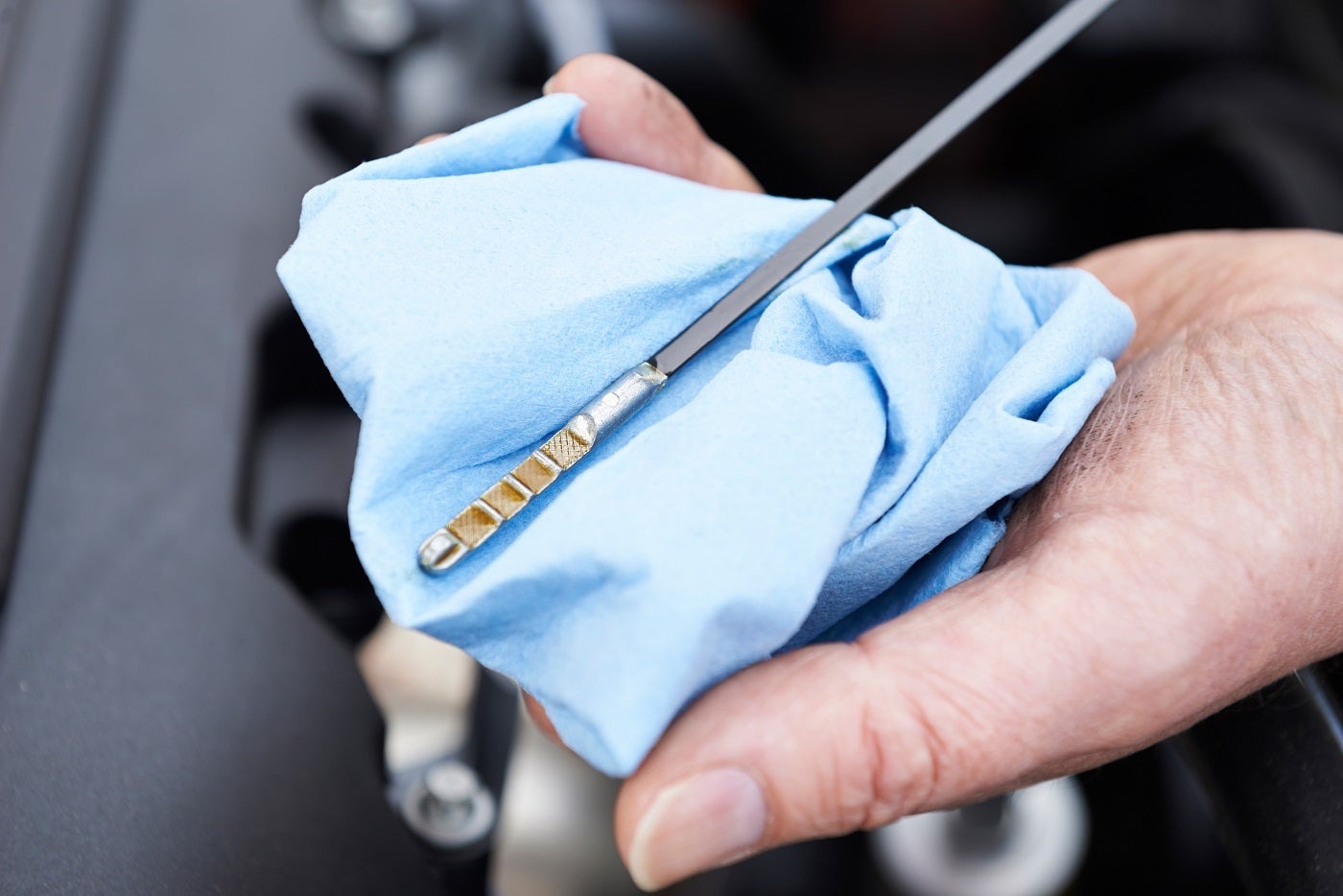
4. Transmission Care and Fluid Checks
The transmission is the part of the VW Passat that transfers engine power to the wheels. Whether it is an automatic or manual system, its smooth operation is vital for reliability. A poorly maintained transmission can lead to jerky changes, slipping gears, or even total failure, which is very expensive to repair. Keeping the transmission in good condition is one of the most important steps in ensuring the long life of the vehicle.
Checking transmission fluid is the first step. Transmission fluid works to cool, lubricate, and allow proper gear shifting. When fluid levels drop or when the fluid becomes dirty, the transmission may overheat and suffer damage.
In many newer Passat models, the transmission is sealed, which means checking the fluid is not as straightforward. For these cars, professional servicing is often required to confirm fluid quality. For older models, the dipstick method can be used to check both level and condition.
The color and smell of transmission fluid can give useful information. Fresh fluid is usually red or pink, while burnt or dirty fluid may appear brown and smell unpleasant. If the fluid looks or smells bad, it should be changed immediately.
Volkswagen often recommends a transmission fluid change every 40,000 to 60,000 miles, though it depends on the driving environment. Cars used in heavy traffic or with frequent stop-and-go driving may need more frequent servicing.
Another aspect of care is avoiding rough driving habits. Hard acceleration, towing heavy loads, or shifting between gears without care can stress the transmission. For automatic Passats, allowing the car to come to a complete stop before shifting between drive and reverse protects the system from unnecessary strain. For manual Passats, avoiding riding the clutch and shifting smoothly helps preserve the gearbox.
Regular servicing by a qualified technician is also important. Since many parts of the transmission are sealed and not visible, only professional checks can identify hidden problems before they grow worse. Small leaks or worn components caught early are cheaper to fix than waiting for major breakdowns.
By keeping transmission fluid fresh, avoiding rough use, and servicing the system regularly, Passat owners can prevent costly failures and enjoy smoother, more reliable driving. A healthy transmission is central to the long-term safety and dependability of the car.
5. Maintaining the Cooling System
Engines generate high levels of heat, and without a proper cooling system, the VW Passat would not be able to run safely. The cooling system is responsible for keeping the engine temperature within a safe range.
If it fails, overheating can cause severe damage such as warped cylinder heads, blown gaskets, or cracked blocks. Taking care of this system is, therefore, a crucial step in keeping the car reliable. Coolant is the lifeblood of the cooling system. It circulates through the engine, absorbs heat, and then releases it through the radiator. After a while, coolant loses its effectiveness and can even become corrosive.
This is why Volkswagen recommends flushing and replacing coolant at set intervals, often every 50,000 miles or every few years, depending on the model and type of coolant used. Using the correct coolant type specified by Volkswagen is important, since mixing different types can cause chemical reactions that damage the system.
Regularly checking coolant levels is also important. Low coolant can be a sign of leaks, which should never be ignored. Small leaks may come from hoses, clamps, or the radiator itself, while larger leaks could come from the water pump or head gasket. If the coolant is consistently low, the car should be inspected immediately to prevent overheating.
The radiator, water pump, thermostat, and hoses all play roles in keeping the system effective. Hoses should be checked for cracks or swelling, while the radiator should be free of debris. The thermostat controls coolant flow, and if it fails, the engine may run too hot or too cold. The water pump circulates coolant through the engine, and when it begins to fail, owners may notice leaks or squealing noises.
Another habit that helps protect the cooling system is avoiding driving with a hot engine. If the temperature gauge moves into the danger zone, the car should be stopped safely and allowed to cool before any further driving. Continuing to drive while overheated can cause damage that costs thousands to repair.
By keeping the cooling system serviced, monitoring coolant levels, and responding quickly to leaks, Passat owners ensure that their engines run at the right temperature. This prevents overheating, extends engine life, and supports the overall safety and reliability of the car.
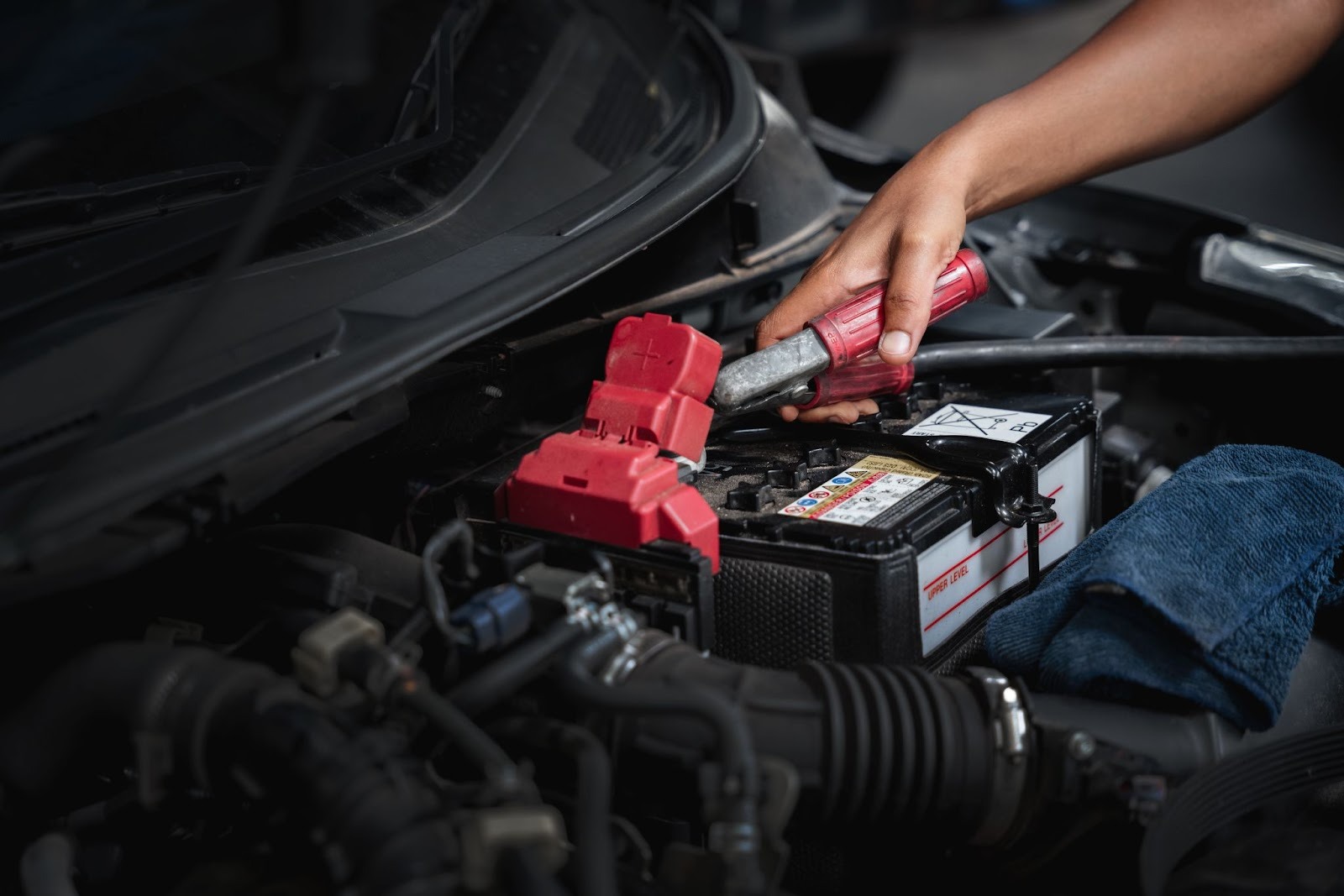
6. Battery Care and Electrical System Checks
A reliable car depends on a strong and healthy battery. For the VW Passat, the battery is more than just a power source for starting the engine. It also supports lights, air conditioning, entertainment systems, and safety features such as airbags and ABS. Without a well-maintained battery, the vehicle may fail to start, or electrical systems may malfunction.
The first part of battery care is inspection. Drivers should regularly check for corrosion around the terminals. White or green powdery buildup is a sign of corrosion and can interrupt the flow of power.
Cleaning the terminals with a safe battery cleaner or a mixture of baking soda and water helps maintain strong connections. A protective spray can also be applied after cleaning to prevent future buildup. Voltage checks are another way to ensure the battery is performing well.
A fully charged battery should measure about 12.6 volts when the engine is off, and between 13.7 and 14.7 volts when the engine is running. Many auto shops can test the battery for free, giving owners a clear idea of its health. If the voltage drops too low, replacement may be necessary to prevent unexpected breakdowns.
Driving habits also influence battery life. Short trips that do not allow the alternator enough time to recharge the battery can weaken it after a while. Taking the Passat on longer drives from time to time helps keep the battery fully charged. For cars that are not driven often, a trickle charger can keep the battery healthy.
The electrical system should also be checked regularly. Alternators, fuses, and wiring all contribute to smooth functioning. If headlights dim, dashboard lights flicker, or electrical systems behave strangely, the issue may not only be the battery but also the alternator or wiring. Addressing electrical issues quickly prevents them from spreading to other systems.
Most batteries last between three and five years, depending on climate and use. Extreme cold or heat can shorten lifespan. By replacing the battery on time and keeping the electrical system inspected, Passat owners avoid stressful moments where the car refuses to start. Consistent care ensures reliable performance of both the battery and the broader electrical system.
7. Suspension and Steering System Care
A VW Passat is designed to give drivers a comfortable and stable ride, but this quality depends heavily on the suspension and steering systems. These parts ensure that the car handles bumps, corners, and uneven roads safely. Without proper attention, wear in the suspension or steering system can affect comfort, handling, and safety.
The suspension system includes shocks, struts, springs, and control arms. Shocks and struts absorb bumps and keep the car stable, while springs help maintain ride height and comfort. After a while, these parts can wear out, leading to a bouncy ride, uneven tire wear, or reduced control.
A simple test is pressing down on the hood or trunk. If the car bounces more than once or twice, the shocks or struts may need replacement. Steering also plays an important role. A Passat with well-maintained steering responds smoothly to driver input, keeping the vehicle safe in different driving conditions.
If the steering wheel feels loose, stiff, or vibrates, there may be an issue with alignment, tie rods, or the power steering pump. Power steering fluid should also be checked regularly, as low fluid can make steering harder and damage the pump.
Another sign of suspension or steering trouble is uneven tire wear. When suspension parts fail, they can affect how the tires touch the road, leading to bald spots or edges wearing down faster. This not only shortens tire life but also reduces grip on the road.
Regular inspections during servicing help catch suspension problems early. Mechanics can check for worn bushings, leaks in struts, or play in steering components. Replacing worn parts on time prevents further damage to other systems. For instance, worn shocks can put extra stress on tires and brakes, creating more expensive repairs later.
By keeping suspension and steering systems in good condition, Passat owners maintain both comfort and safety. Smooth steering, stable handling, and balanced suspension ensure that the vehicle continues to drive reliably for many years.

8. Lighting System and Visibility Maintenance
Good visibility is essential for safe driving, both for the driver and for other road users. The lighting system in the VW Passat includes headlights, taillights, brake lights, and turn signals. Keeping these lights in proper working order ensures that the driver can see clearly at night and during poor weather while also allowing other drivers to anticipate movements.
Headlights should be checked frequently. If they appear dim, cloudy, or yellowed, visibility can be reduced. Cleaning the headlight lenses or using restoration kits can make a big difference. In cases where bulbs are old, replacing them with new ones restores brightness. Some Passat models use advanced headlight systems, so it is important to use bulbs recommended by Volkswagen for proper performance.
Brake lights and turn signals are equally important. Drivers behind rely on these signals to react safely. A burnt-out bulb may go unnoticed by the driver but can create dangerous situations. Checking brake lights regularly by pressing the pedal while parked near a reflective surface or asking someone else to confirm their brightness is a simple but effective habit.
Interior lights, fog lights, and hazard lights also play roles in visibility and safety. Fog lights are particularly helpful in heavy rain or mist, while hazard lights signal emergencies. Keeping all bulbs in working order is necessary for full protection.
Electrical issues can sometimes affect the lighting system. Fuses, wiring, or switches may fail, causing lights to stop working. Regular inspections help identify such problems early. Cleaning and protecting connections from corrosion also helps prevent failures.
Finally, headlight alignment should not be ignored. If headlights are aimed too high, they may blind other drivers. If they are too low, the driver’s road visibility is reduced. Proper alignment ensures maximum effectiveness of the lighting system.
By giving attention to all parts of the lighting system, Passat owners improve both safety and confidence on the road. Clear visibility and properly working lights reduce risks, especially during night driving or bad weather.
Also Read: 10 Fixes That Keep a VW Golf Road-Trip Ready for Years
9. Routine Software and Sensor Updates
Modern VW Passat models come with advanced technology features that depend on sensors, software, and electronic systems. These include driver assistance features such as lane-keeping support, adaptive cruise control, and parking sensors. While mechanical maintenance is important, keeping the electronic systems updated and calibrated is equally vital.
Software updates from Volkswagen are designed to fix issues, improve system performance, and sometimes add new features. Many owners forget about these updates, assuming they are not necessary. But just like smartphones or computers, car software needs updates to stay secure and efficient. By checking with a dealership or service center, owners can ensure their Passat’s systems run on the latest version.
Sensors also require attention. Parking sensors, cameras, and radar units need to stay clean to function properly. Dirt, ice, or debris can block their signals, leading to false warnings or missed detections. Cleaning them gently with a soft cloth helps maintain accuracy.
Calibration is another part of this process. After repairs or windshield replacements, some sensors may need recalibration to ensure accuracy. For example, adaptive cruise control relies on radar sensors to measure distance from other cars. If not calibrated correctly, it may give incorrect readings.
Owners should also monitor warning lights on the dashboard. If a system such as ABS, tire pressure monitoring, or stability control shows a warning, it should not be ignored. These lights are connected to sensors that may need servicing or replacement. Addressing issues quickly ensures safety features continue to provide protection.
By keeping software updated and sensors clean and accurate, Passat owners maintain the full benefits of modern driving technology. This ensures that both convenience and safety features continue to support reliable driving.
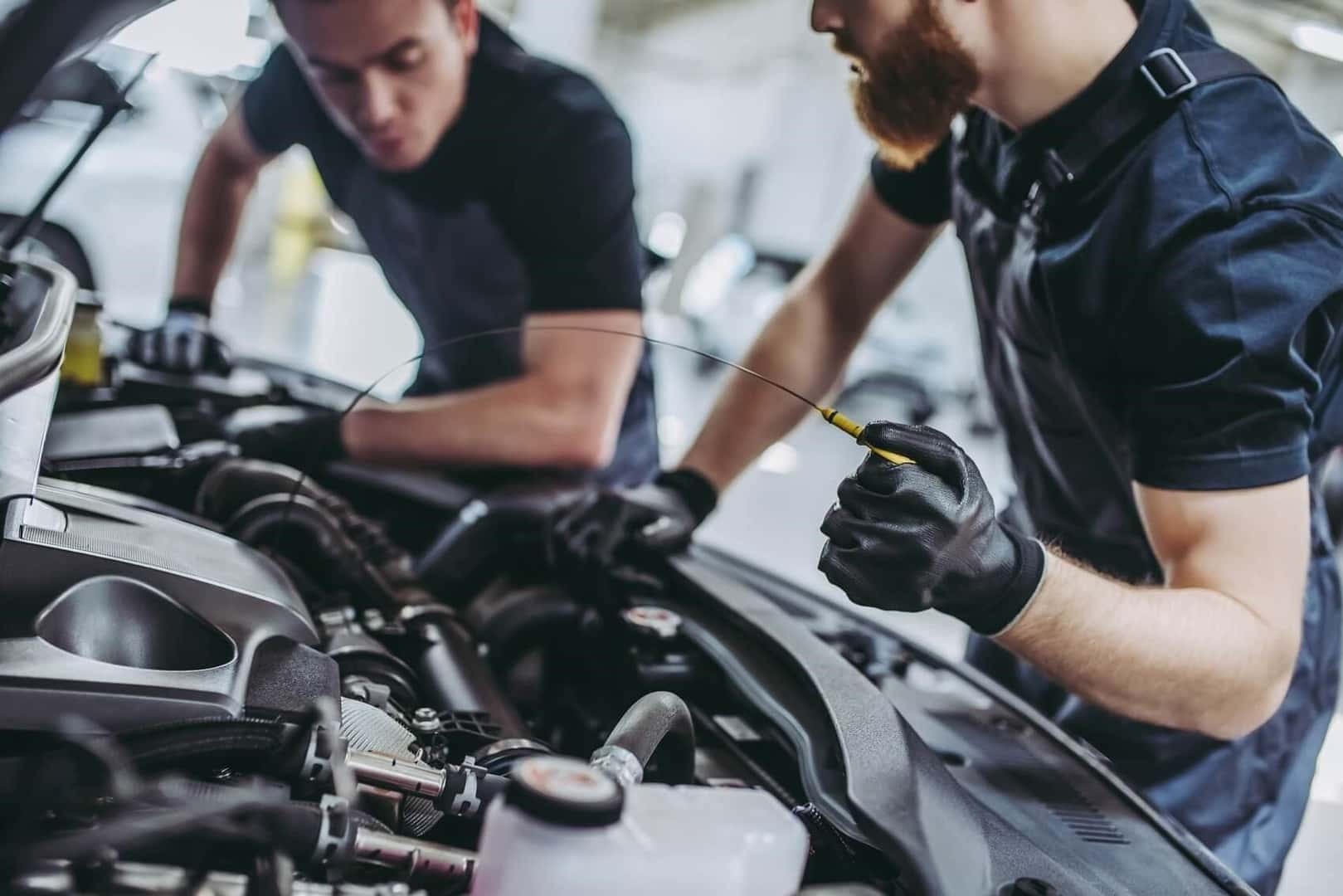
10. Consistent Professional Servicing and Inspections
While personal care, such as oil checks, tire pressure monitoring, and cleaning, is very important, professional servicing adds another layer of protection. A qualified technician has the tools, training, and experience to identify issues that the average owner might miss.
During scheduled servicing, mechanics inspect parts of the car that are not easily accessible. This includes the undercarriage, exhaust system, hidden belts, and electronic modules. Small issues discovered early can prevent large breakdowns. For example, a minor coolant leak may be invisible to the owner but spotted during inspection. Fixing it early prevents overheating and expensive engine damage.
Volkswagen provides a service schedule for the Passat, which covers oil changes, filter replacements, brake inspections, and fluid checks at set intervals. Following this schedule ensures that all systems are maintained on time. Skipping professional servicing may seem like a cost-saving move, but it often results in bigger expenses later.
Servicing also includes computer diagnostics. Modern Passats come with onboard diagnostic systems that record error codes when problems arise. A mechanic can connect a scanner to read these codes and identify issues quickly. This prevents guesswork and speeds up repairs.
Another benefit of professional servicing is updates. Dealerships often install the latest software for vehicle systems during scheduled visits. This keeps the Passat running smoothly and ensures safety features perform as intended.
Consistent servicing also supports resale value. A Passat with a full service record is more attractive to buyers because it shows the car has been well cared for. By combining personal maintenance with professional servicing, owners create a strong system of care that keeps the VW Passat safe, reliable, and ready for long-term use.
