
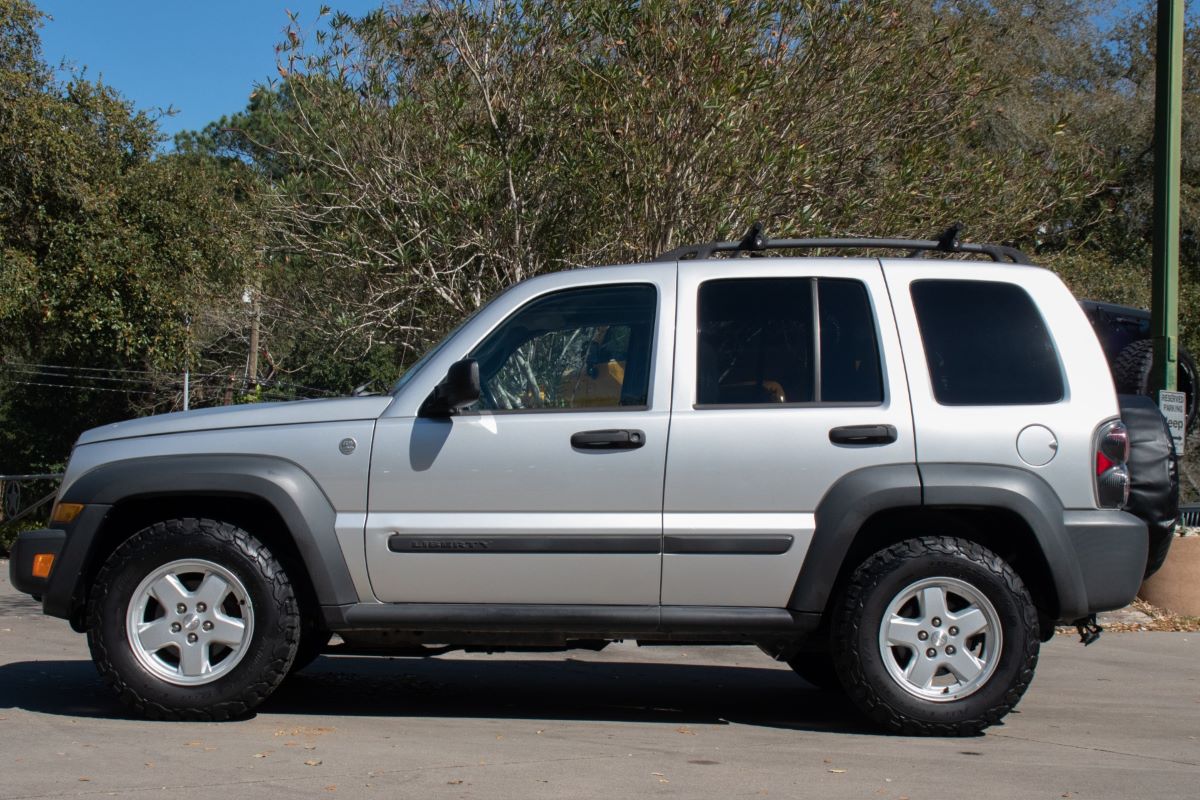
The Jeep Liberty holds a unique place in the American SUV market. Produced from 2002 to 2012, it offered drivers the rugged capability Jeep is known for, packed into a more compact and affordable package compared to the Wrangler or Grand Cherokee.
Many owners were drawn to its off-road prowess, boxy styling, and Jeep heritage. However, while the Liberty can be a dependable SUV, it has earned a reputation for becoming a costly burden if not properly cared for.
The difference between a Liberty that stays on the road and one that drains your wallet often comes down to owner oversight.
Like any vehicle, the Liberty requires consistent maintenance and attention to its problem areas. Ignoring small warning signs can quickly spiral into expensive repairs that outweigh the SUV’s actual value, especially since older models have depreciated significantly.
To help owners avoid unnecessary costs, here are nine common oversights that can transform a Jeep Liberty into a financial nightmare.
1. Skipping Regular Transmission Maintenance
One of the most common pitfalls for Jeep Liberty owners is neglecting the transmission. Both the automatic and manual transmissions in the Liberty are prone to wear, especially if used for towing or frequent off-road driving.
Without fluid changes at recommended intervals, the transmission can overheat and deteriorate, leading to hard shifts, slipping, or complete failure.
A rebuilt or replacement transmission can easily cost thousands of dollars, turning a budget-friendly SUV into a money pit. Staying ahead with regular fluid changes and filter replacements is the best insurance against this issue.
2. Ignoring Suspension Wear and Tear
The Liberty was designed to handle rough terrain, but that off-road capability comes at a price. The suspension components, including ball joints, control arms, and shocks, wear down faster than in many other compact SUVs.
If an owner overlooks clunking sounds or uneven tire wear, the suspension can fail suddenly, creating both a safety hazard and an expensive repair bill.
Unfortunately, many Liberty models were also subject to recalls due to defective ball joints, so ignoring suspension health is not just a financial mistake but a safety risk as well.
Your car’s suspension system is essential for ensuring a smooth ride and steady handling, yet many drivers underestimate its importance until problems arise.
Ignoring suspension issues may seem minor at first, but it can quickly spiral into serious concerns that impact safety, vehicle performance, and long-term costs. The reality is simple: letting suspension problems linger puts both you and your car at risk.
The suspension system does much more than soften bumps; it keeps the vehicle balanced, absorbs shocks from the road, and ensures that your tires maintain proper contact with the surface.
When the system becomes worn or damaged, its ability to perform these functions is compromised, leading to dangerous and costly consequences. One of the earliest signs of suspension trouble is uneven tire wear.
A weakened suspension can cause tires to wear down more heavily on the inner or outer edges, which not only shortens their lifespan but also increases the frequency and cost of replacements. More concerning, uneven wear reduces proper road grip, making skidding far more likely.
Handling and stability are also directly affected by suspension problems. A car with a failing suspension often pulls to one side, and routine maneuvers like turning or changing lanes can suddenly feel unsafe.
On slippery or wet roads, the risk of losing control rises significantly, turning even simple driving conditions into hazards. Along with instability comes a noticeable decline in ride comfort.
When suspension components are worn, bumps, potholes, and rough patches of pavement are felt much more harshly inside the vehicle. What should be a smooth drive instead becomes a jarring and uncomfortable experience, leaving passengers feeling uneasy and unsafe.
Another critical issue is the effect on braking. A faulty suspension system can interfere with how the tires grip the road when slowing down, leading to longer stopping distances and unreliable emergency braking.
This not only increases the likelihood of collisions but also erodes confidence in your vehicle’s ability to respond during urgent situations.
Furthermore, suspension problems rarely stay contained. When ignored, the damage spreads to other components such as shocks, struts, ball joints, control arms, and wheel bearings. The result is a domino effect of failures that drive repair costs even higher.
The safety risks tied to a failing suspension cannot be overstated. A vehicle that handles poorly and brakes unpredictably is far more likely to be involved in accidents.
Uneven tire wear heightens the chance of blowouts, while reduced suspension stability makes it difficult to execute emergency maneuvers when they matter most. In other words, neglecting the suspension system turns the car itself into a liability.
Beyond safety concerns, there is also a significant financial impact. Allowing suspension problems to persist usually leads to costlier repairs, including frequent tire replacements and, in severe cases, a complete suspension overhaul.
Additionally, a vehicle with unresolved suspension issues loses resale value because potential buyers view it as unsafe and too expensive to maintain.
Fortunately, avoiding these problems is possible with a proactive approach. Regular inspections during routine maintenance visits are crucial for catching suspension wear before it escalates.
Addressing issues immediately when you notice uneven tire wear, unusual noises, or rough handling can prevent more extensive damage. Keeping up with tire rotation and alignment also helps limit uneven wear caused by minor suspension concerns.
In the end, ignoring suspension problems is never worth the risk. Doing so compromises safety, reduces comfort, and leads to unnecessary financial strain.
By prioritizing inspections, repairs, and routine maintenance, you can preserve your suspension system and keep your vehicle performing at its best for years to come.
Also Read: 5 EVs With Perfect Cooling and 5 That Constantly Overheat
3. Neglecting Cooling System Maintenance
The Liberty’s V6 engine generates plenty of heat, and the cooling system is vital to keeping temperatures in check. Overlooking coolant flushes, radiator inspections, and thermostat replacements is a recipe for overheating.
When the Liberty overheats, it often leads to blown head gaskets or even cracked cylinder heads repairs that can easily surpass the value of the vehicle itself.
Many owners fall into the trap of topping off coolant without addressing leaks or deteriorated hoses, but the proper fix requires preventative maintenance long before overheating occurs.
4. Overlooking Rust and Body Corrosion
For an SUV marketed toward outdoor enthusiasts, the Jeep Liberty has a known weakness when it comes to rust protection.
Owners in northern states or coastal regions often discover frame and undercarriage rust sooner than expected, particularly if the Liberty is driven on salted winter roads.
Once corrosion sets in, it can spread quickly and compromise the structural integrity of the vehicle. What starts as minor surface rust can end up requiring extensive welding or even render the vehicle unsafe to drive.
Ignoring early signs of corrosion is one of the most common oversights that transforms a Liberty from a weekend adventure SUV into a money sink.
Underbody rust is a silent threat, often forming in hidden areas that mechanics don’t always check. It develops when moisture becomes trapped in critical spots such as inner fender panels and jack points, slowly eating away at the metal.
Ironically, factory undercoating, something many drivers believe protects against rust, can actually make the problem worse. Instead of preventing corrosion, it can trap moisture beneath the coating and accelerate rust formation.
Early warning signs like nicks in the metal or peeling undercoating are easy to dismiss, but failing to address them can lead to severe structural damage. Simply covering up rust with Bondo is not a solution either, since it can seal in moisture and allow corrosion to spread.
The truth is that only proper sealing and repair techniques can effectively combat rust. By understanding how underbody rust forms and what actually works against it, you can take proactive steps to safeguard your vehicle.
One of the first things to grasp is how rust develops in the first place. It’s a process driven by prolonged moisture exposure, particularly in areas where water and road salt can collect.
Places like the inner fender panels and jack points are especially vulnerable, as they tend to trap moisture and create the perfect environment for corrosion. Rust often begins with small nicks or scratches in the metal, particularly on the underside or along rocker panels.
If these blemishes go untreated, they allow moisture to penetrate and spread, turning minor surface rust into deeper, more damaging corrosion.
Routine inspections are essential. Using scraping or probing tools helps reveal how far rust has advanced, while careful visual checks of moisture-prone areas allow you to gauge how quickly the damage might progress.
A major misconception among vehicle owners is that factory undercoating provides a foolproof defense against rust. In reality, undercoating can act as a double-edged sword. While designed to shield the metal, it can also trap moisture against the surface.
Once this happens, corrosion accelerates beneath the protective layer, often going unnoticed until significant damage has occurred. When undercoating begins to peel, it’s an unmistakable sign that rust may already be forming underneath.
Ignoring peeling sections or assuming a fresh layer of undercoating will solve the problem only makes matters worse. Applying undercoating directly over existing rust simply seals in the moisture and accelerates corrosion, rather than stopping it.
The risks associated with peeling undercoating are more serious than they appear. Once moisture is trapped beneath the compromised surface, rust spreads quietly and aggressively.
Worse, factory undercoating can mask the true extent of the problem, making it difficult to see how advanced the corrosion really is. Many body shops unintentionally worsen the situation by spraying new undercoating over existing rust, believing it will fix the issue.
Instead, this approach only buries the problem deeper. Without removing rust and sealing the metal properly beforehand, undercoating acts as a cover-up rather than a cure.
Unfortunately, not all repair shops are equipped with the expertise to identify or address these hidden issues, which can result in inadequate fixes and recurring rust problems.
The only effective way to manage underbody rust is with thorough inspection, proper treatment, and sealing techniques applied before undercoating. Skipping these steps puts the vehicle at risk of long-term structural damage and higher repair costs.
Rust is relentless once it starts, and misconceptions about undercoating often lead to neglect rather than prevention. The takeaway is clear: to truly protect your vehicle, you need to stay vigilant, address early warning signs immediately, and never rely on shortcuts like peeling undercoating or quick Bondo fixes.
By taking rust seriously and tackling it properly, you’ll extend the life and integrity of your car while avoiding costly surprises down the road.
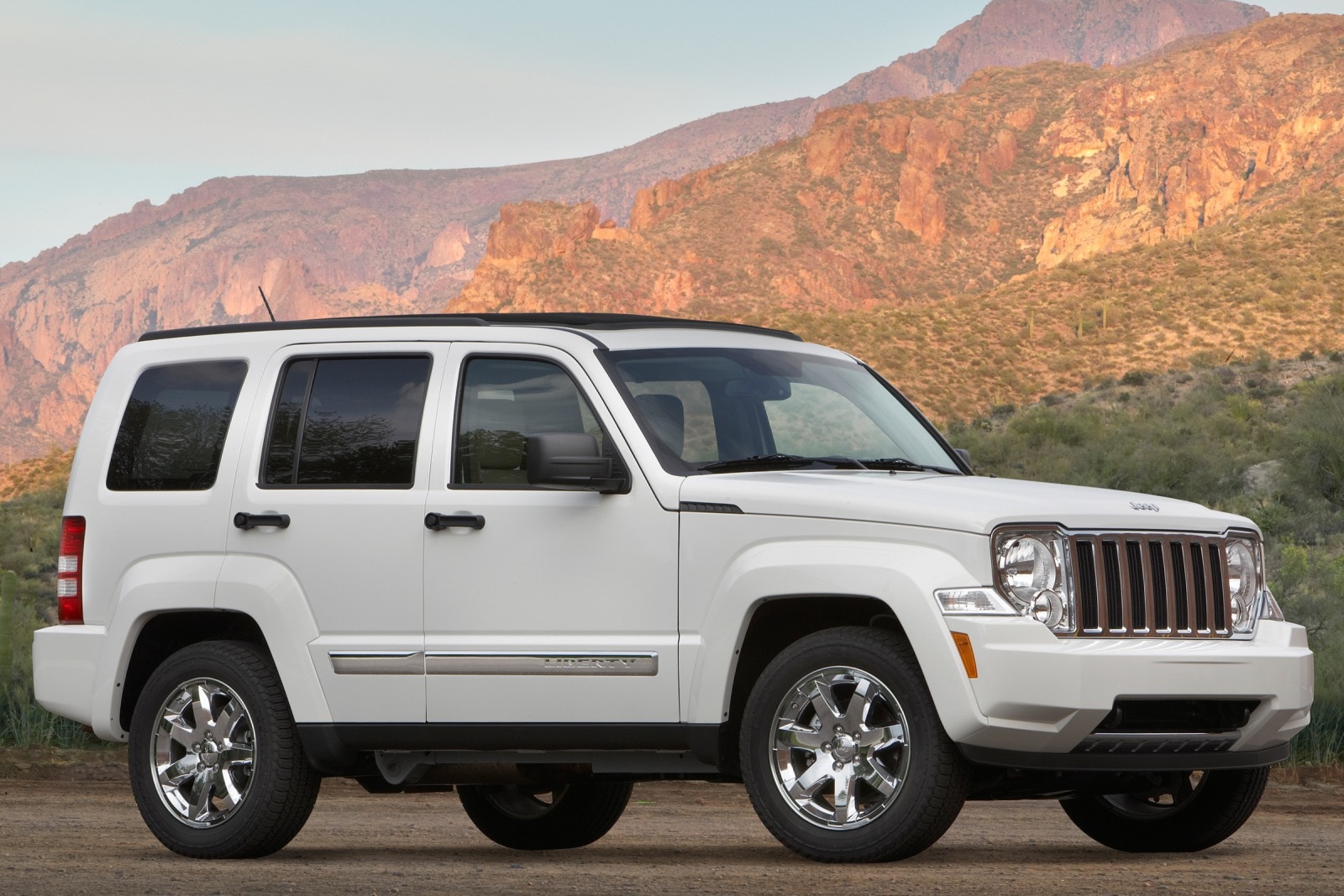
5. Failing to Address Electrical Issues Early
Like many vehicles of the early 2000s, the Jeep Liberty struggles with electrical gremlins. Problems range from failing power window regulators to faulty sensors and dashboard warning lights.
Many owners dismiss these issues as minor inconveniences until they snowball into more serious system failures. For example, ignoring an ABS or check engine light can lead to cascading problems with braking or emissions systems.
Since electrical problems often require diagnostic time on top of parts replacement, the costs add up quickly. Staying on top of small issues early is key to preventing the Liberty from draining your wallet later.
6. Skipping Differential and 4×4 System Maintenance
One of the selling points of the Jeep Liberty was its 4×4 capability. However, many owners who use the system heavily for off-road driving or towing fail to maintain the differentials and transfer case properly.
Without fluid changes and regular inspections, these components wear prematurely. Repairing or replacing a differential or transfer case is not only expensive but also time-consuming, leaving the SUV out of commission.
For Liberty owners who pride themselves on weekend off-road adventures, this oversight can quickly turn into a financial disaster.
As someone who has worked on four-wheel-drive (4WD) systems for years, I can tell you with certainty that neglecting your four-wheel-drive service is asking for trouble. A 4WD vehicle is built to handle rugged terrain and challenging conditions, but like any complex mechanical system, it needs consistent maintenance to stay reliable.
If you think you can skip scheduled service milestones, you’re setting yourself up for costly repairs down the line. To understand why these services matter, let’s walk through exactly what happens during a four-wheel-drive service and why each step is critical.
The process begins with the transfer case, which is the heart of the system. This component receives power from the engine and distributes it to the front and rear differentials and, ultimately, the axles. The fluid inside the transfer case serves two purposes: lubrication and cooling. Over time, this fluid deteriorates, losing its ability to protect the internal components.
That’s why I always start with a full inspection of the transfer case. If there are signs of input or output seal leakage, I replace the seals immediately to prevent low fluid levels from causing serious internal damage. Cutting corners here is a mistake, using a “universal” fluid or the wrong type can cause overheating, poor lubrication, and even catastrophic transfer case failure.
Next, attention turns to the differentials, which distribute power to the wheels. These are filled with gear oil that keeps the gears lubricated and prevents damaging metal-to-metal contact.
During service, the old gear oil is drained and replaced, and I carefully inspect for leaks, worn seals, and any signs of metal particles in the fluid.
The presence of metal shavings often points to internal wear, which may require further repairs. Some differentials are straightforward, with drain and fill plugs, while others require removing the cover to access the fluid. Either way, this step is essential for long-term reliability.
After servicing the differentials, I move on to the driveshaft and universal joints (U-joints), which transfer power from the transmission to the axles. These parts are easy to overlook but critical to performance.
Neglected U-joints are a common cause of vibrations, clunking noises, or even complete loss of power to the wheels. Each U-joint contains a cross with four bearing cups, filled with grease and sealed with rubber to keep moisture out.
When those seals fail, water seeps in, washes away the grease, and leaves the bearings unprotected. At that point, the bearings grind into the cross, creating significant wear and dangerous vibrations.
During service, I inspect the driveshaft for dents or other damage and check the U-joints for looseness or wear. If the U-joints are greasable, I lubricate them; if they are sealed and worn, replacement is the only option to avoid sudden breakdowns.
Modern 4WD vehicles also rely on electronic or vacuum-operated engagement systems that activate the front axle or transfer case. These systems can fail due to electrical faults, vacuum leaks, or actuator issues.
Tires also get careful attention because uneven wear can signal alignment problems or deeper issues with the 4WD system.
Tire rotation and balancing are often included as part of the service, ensuring even tread wear and maintaining proper handling and stability. After all, the effectiveness of your 4WD system ultimately depends on the traction provided by your tires.
Always check your owner’s manual for specific recommendations, and don’t ignore warning signs such as strange noises, difficulty engaging 4WD, or visible leaks.
But if you neglect service, you’re gambling with expensive repairs that could have been easily avoided. Maintaining your 4WD system isn’t just about performance, it’s about protecting your investment and ensuring your vehicle is ready for whatever conditions you face.
Also Read: 5 SUVs with Real Spare Tires vs 5 SUVs with Useless Inflator Kits
7. Disregarding Tire and Alignment Care
The Liberty’s boxy design and short wheelbase give it a distinct personality on the road, but they also make it more sensitive to tire and alignment issues.
Neglecting regular tire rotations, wheel balancing, and alignments accelerates tire wear, costing owners hundreds of dollars more frequently than necessary.
Worse yet, improper alignment puts extra stress on the suspension and steering system, compounding repair costs. In many cases, owners write off uneven tire wear as normal, but in reality, it’s a sign of a deeper issue that should not be ignored.
8. Forgetting to Replace Timing Components
Some Jeep Liberty models, particularly those equipped with the 3.7L V6 engine, rely on a timing chain system. While more durable than a belt, the chain and its tensioners still require attention over the vehicle’s lifespan.
Ignoring rattling noises or oil sludge buildup can cause the timing chain to fail, which often results in catastrophic engine damage.
An engine rebuild or replacement is one of the costliest repairs an owner can face, often making it financially unreasonable to keep the vehicle. Preventative inspection of timing components is an oversight many Liberty owners regret too late.
9. Postponing Routine Oil Changes
It may seem like the most basic maintenance task, but skipping oil changes is a surefire way to shorten the life of a Jeep Liberty. The 3.7L V6 engine is notorious for developing sludge if oil isn’t changed at proper intervals.
Once sludge builds up, it restricts oil flow, leading to accelerated wear on critical components such as camshafts, bearings, and pistons.
A neglected oil change schedule often results in engine failure by far the most expensive repair an owner can face. For many, this final oversight is what turns their Liberty into a permanent money pit.
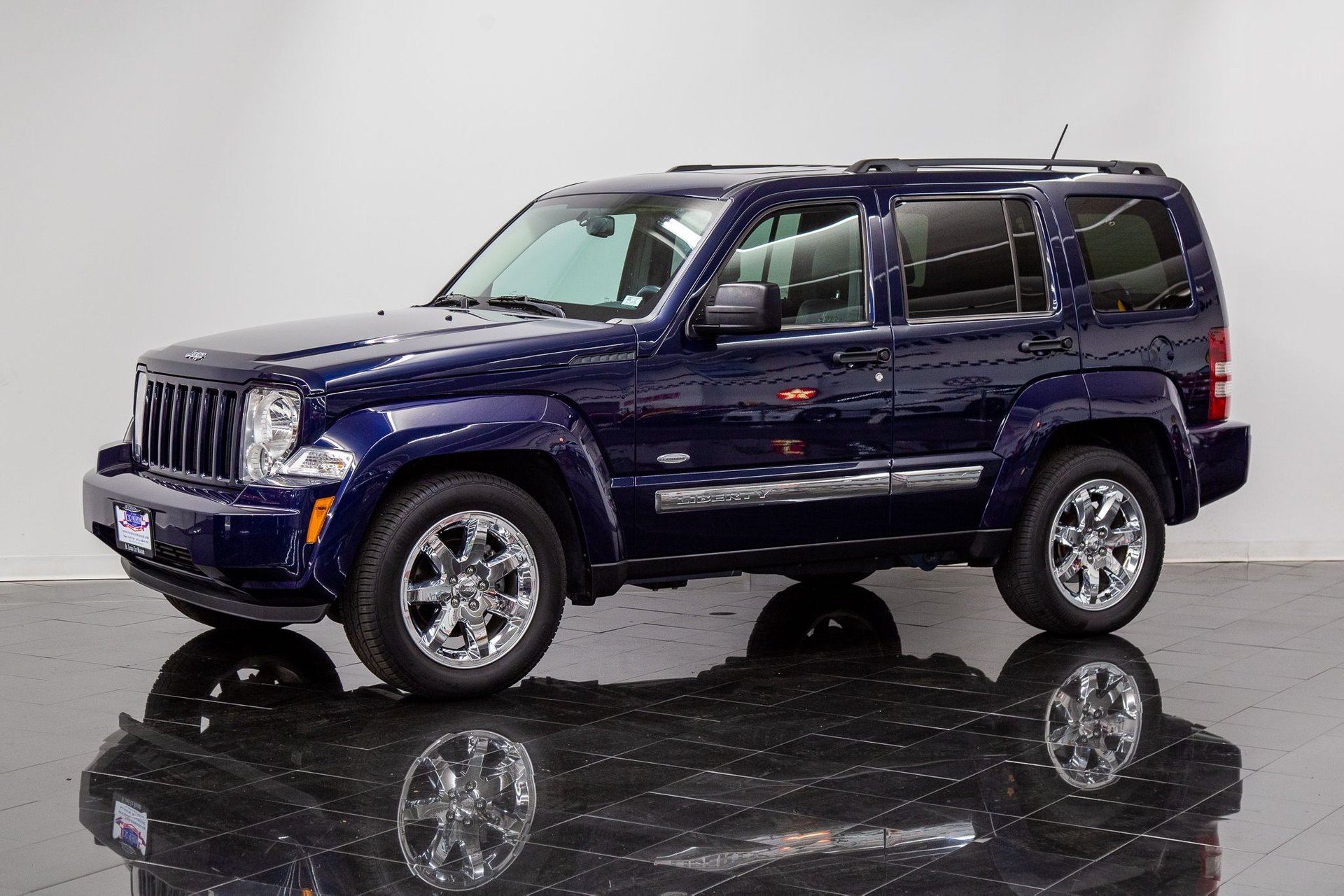
The Jeep Liberty has its share of loyal fans who appreciate its rugged nature and off-road readiness, but it also has a reputation for becoming an expensive headache.
The line between a dependable SUV and a money pit comes down to owner responsibility.
By addressing maintenance needs early, staying vigilant about known problem areas, and not dismissing warning signs, Liberty owners can extend the life of their SUV while avoiding massive repair bills.
In today’s used car market, where the Liberty is often an affordable entry point into the Jeep family, it’s tempting to buy one without factoring in potential upkeep costs.
But the reality is clear: overlooking key maintenance items is what transforms this SUV from a budget-friendly off-roader into a wallet-draining liability.
For anyone considering a Jeep Liberty or already driving one the best way to save money is by avoiding these nine oversights before they snowball into financial ruin.
