
The Acura TL has long been a standout in the midsize luxury sedan market, offering a balance of performance, comfort, and long-term reliability. However, not every model year has delivered the same level of quality.
Some TLs have earned praise for their refined engineering, safety ratings, and engaging driving dynamics, while others have frustrated owners with costly mechanical problems or premature wear.
For buyers seeking a used TL, understanding which years to target and which to avoid can make all the difference between a rewarding investment and a financial headache.
In this guide, we highlight five Acura TL years worth keeping for their dependability, performance, and value, followed by five years that are best left on the lot due to recurring issues.
Whether you’re a driving enthusiast or simply want a reliable luxury sedan, this breakdown will help you make a smarter decision when shopping for an Acura TL.
5 Acura TL Years Worth Keeping
1. 2011 Acura TL
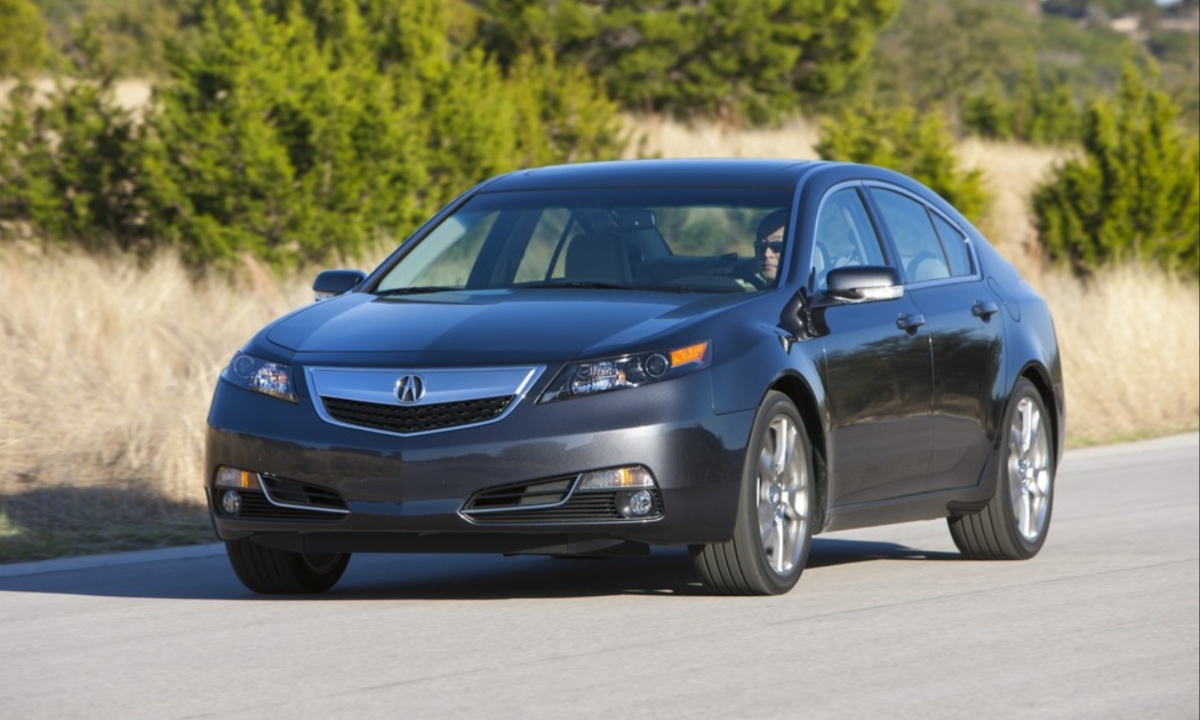
The 2011 Acura TL remains one of the most well-regarded midsize luxury sedans, earning high praise for its reliability and driver satisfaction. Among the Acura TL lineup, this model is notable for having the lowest number of complaints filed with the NHTSA, a testament to its dependable engineering.
Unlike some of its predecessors, the 2011 TL avoided major issues related to engine performance, transmission, or excessive oil consumption, giving owners confidence in its long-term durability. For buyers seeking a luxury sedan that minimizes trips to the mechanic, the 2011 TL stands out as one of Acura’s strongest offerings.
Despite these strengths, the TL faced challenges with its styling, which polarized buyers and contributed to a noticeable drop in sales. Its large grille design and bulky proportions drew criticism, overshadowing its otherwise compelling package of performance, safety, and technology.
While luxury sedans often depend on an emotional appeal through design, the 2011 TL’s appearance proved to be a stumbling block, even though its value and build quality were hard to fault.
Still, for buyers willing to overlook or appreciate its bold looks, the TL offered two distinctive versions to match different driving preferences: the comfort-oriented base model and the sportier SH-AWD trim.
Performance options were another strong point for the 2011 TL. The base model came with a 3.5-liter V6 engine producing 280 horsepower, paired with a smooth five-speed automatic transmission, capable of accelerating from 0–60 mph in 6.7 seconds.
Fuel economy was competitive at 18 mpg city and 26 mpg highway. For those craving more excitement, the TL SH-AWD featured a 3.7-liter V6 with 305 horsepower, along with Acura’s advanced Super Handling-All-Wheel Drive system.
This setup provided remarkable cornering stability and grip, especially when paired with the available six-speed manual transmission, which reduced the 0–60 time to an impressive 5.6 seconds.
Both trims balanced performance with practicality, making the TL a versatile contender among rivals such as the BMW 3 Series, Infiniti G37, and Audi A4.
Inside, the 2011 TL combined modern styling with comfort and functionality. Its cabin design emphasized clean lines and aluminum trim for a more contemporary feel compared to competitors that leaned on traditional wood accents.
The materials were high-quality, with soft-touch surfaces and an available two-tone scheme that enhanced the cabin’s aesthetic. Comfort was a highlight, with spacious front and rear seating, excellent noise insulation, and adjustable headrests for added support.
Safety ratings were equally impressive, with top scores from the IIHS and advanced braking performance in testing. While trunk space was slightly smaller than some rivals, its wide opening ensured practicality for everyday use.
Altogether, the 2011 Acura TL delivered a refined blend of reliability, performance, and comfort, making it a compelling choice for buyers who prioritized substance over styling controversies.
2. 2012 Acura TL
The 2012 Acura TL built upon the strengths of its predecessor with significant improvements that made it more competitive in the midsize luxury sedan market.
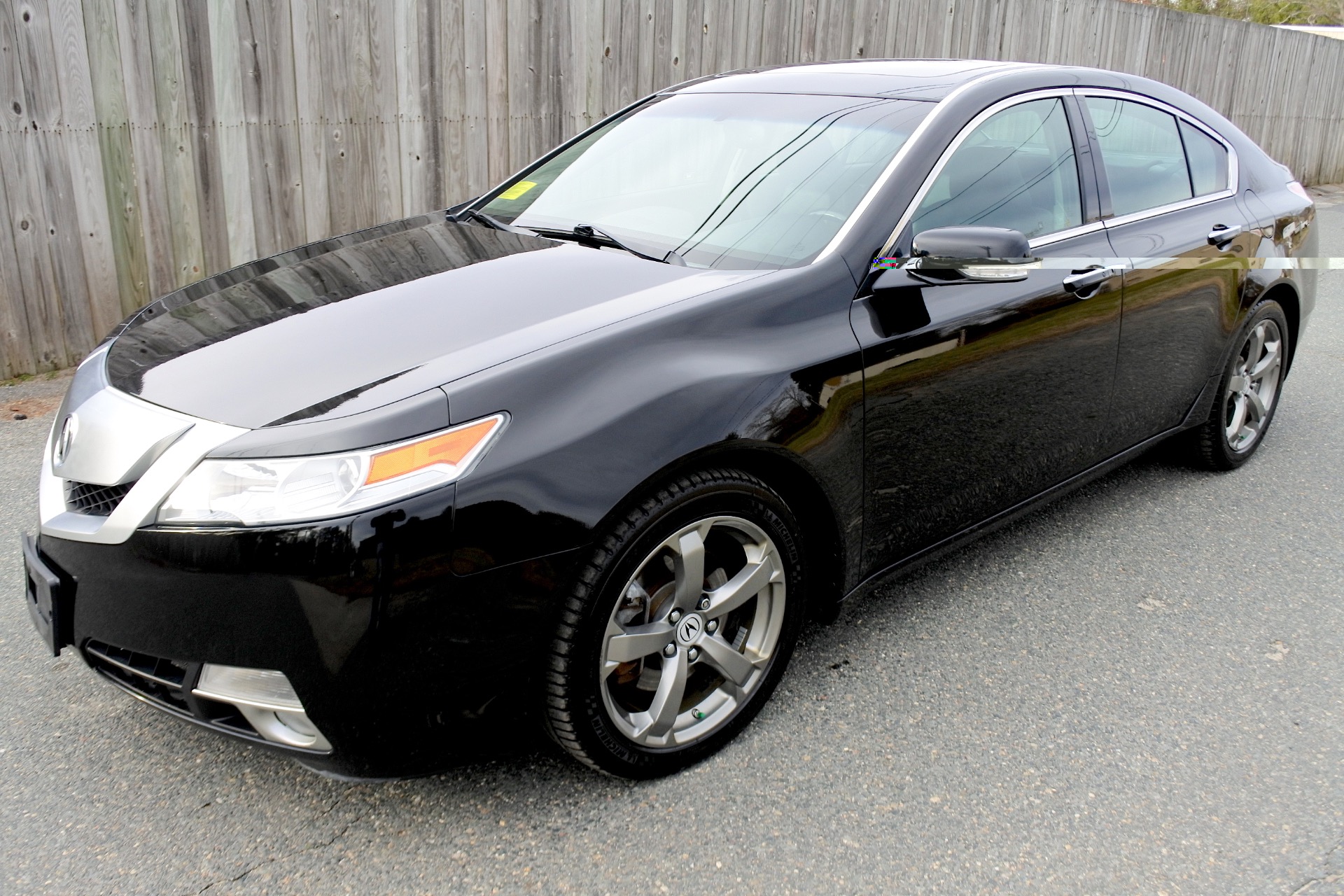
The most noticeable update came in the form of exterior styling revisions, which toned down the controversial “beak” grille and gave the car a sleeker, more appealing appearance.
Beyond looks, Acura enhanced the TL’s practicality with a more advanced navigation system featuring a 60GB hard drive and sharper graphics, improved Bluetooth connectivity, and better sound insulation for a quieter cabin.
The addition of ventilated seats and a blind-spot warning system in the Advance package further elevated its appeal. These refinements addressed previous criticisms, ensuring that the TL remained not only reliable but also more stylish and feature-rich.
Performance improvements also distinguished the 2012 TL from earlier models. The introduction of a six-speed automatic transmission replaced the outdated five-speed, offering smoother shifts, rev-matching on downshifts, and improved fuel economy.
The base model’s 3.5-liter V6 continued to produce 280 horsepower and 254 lb-ft of torque, achieving an estimated 0–60 mph time of about 6.5 seconds. Its fuel economy rose to 20 mpg city and 29 mpg highway, making it one of the more efficient options in its class.
For enthusiasts, the TL SH-AWD model remained the sportier choice, featuring a 3.7-liter V6 with 305 horsepower and the option of either a six-speed automatic or manual transmission.
The SH-AWD variant showcased impressive cornering ability and acceleration, with the manual-equipped version reaching 60 mph in just 5.7 seconds. Together, these upgrades ensured that the TL catered to both comfort-seeking luxury buyers and performance-oriented drivers.
Safety was another strong point of the 2012 Acura TL, though early-build models showed mixed results in government crash testing. Initially, the TL earned three out of five stars, with only two stars for frontal impact protection.
Acura quickly responded, and later production models built after April 18, 2012, received improved ratings of four stars, including better results in frontal crash protection.
Regardless of build date, the TL consistently achieved the Insurance Institute for Highway Safety’s top rating of “Good” in frontal-offset, side-impact, and roof-strength tests.
Equipped with standard safety features such as stability and traction control, antilock brakes with brake assist, multiple airbags, and active head restraints, the TL provided peace of mind for drivers and passengers alike.
In brake testing, the TL performed adequately, stopping from 60 mph in around 120–122 feet, which was average for the segment.
Inside, the 2012 TL maintained Acura’s commitment to modern design and comfort. The cabin featured aluminum trim for a contemporary, understated look compared to the traditional wood accents found in some competitors.
Materials quality was excellent, with soft-touch surfaces and an available two-tone scheme that added sophistication. The TL’s interior was also spacious, with ample legroom in both front and rear seats, making it comfortable for taller passengers.
The driver’s seat provided multiple adjustments and strong side bolstering, while rear passengers benefited from flip-up headrests that improved comfort and visibility. Though its 13.1-cubic-foot trunk was smaller than some rivals, the wide opening made it practical for carrying luggage or golf bags.
With its refreshed styling, improved transmission, advanced features, and balanced driving dynamics, the 2012 Acura TL successfully refined its identity as a luxury sedan that blended reliability, comfort, and performance.
3. 2013 Acura TL
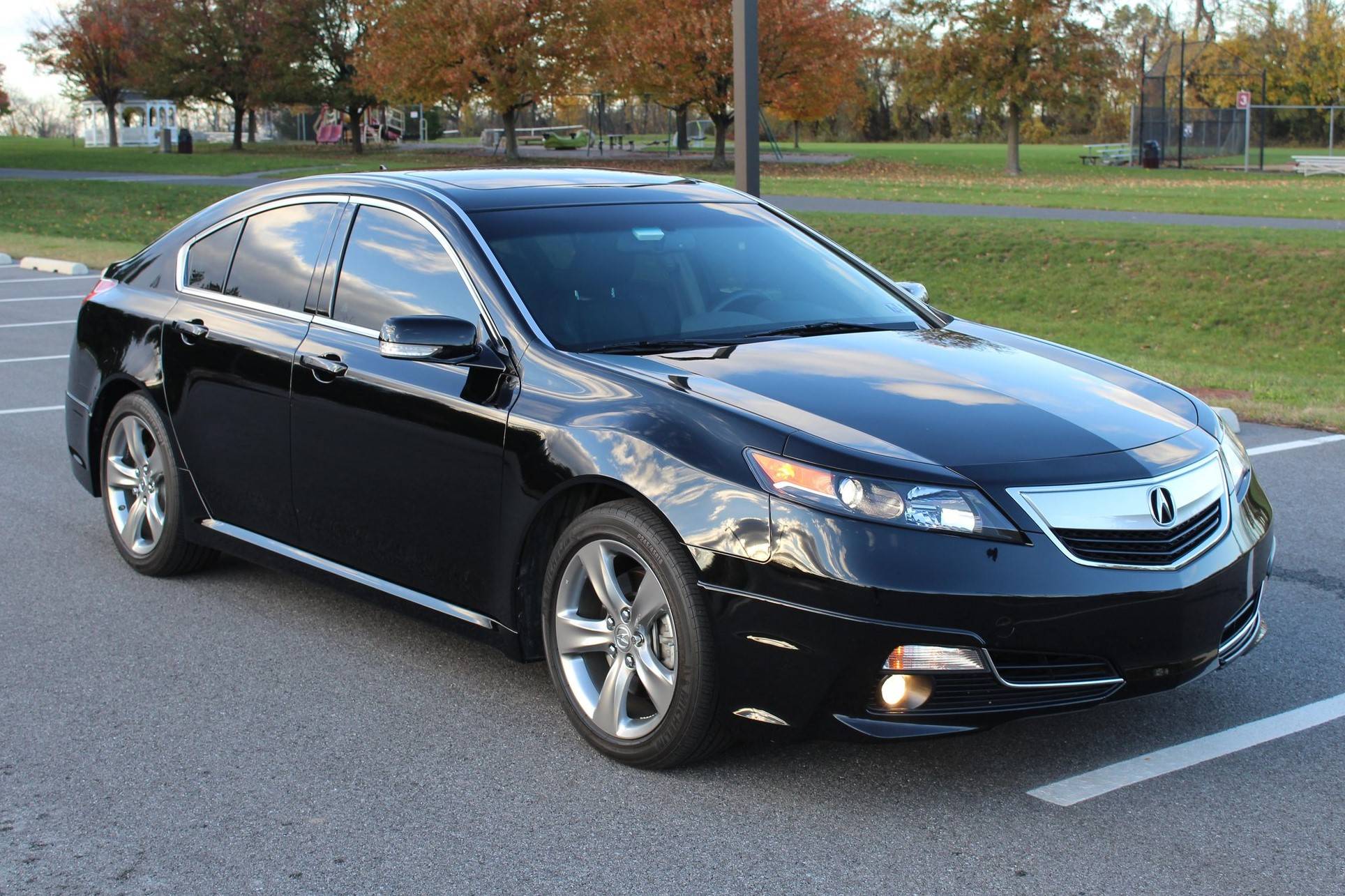
The 2013 Acura TL entered the market with minimal changes from the previous year, apart from the introduction of a new Special Edition trim and improved safety scores. Despite its design showing some age, the TL remained a strong competitor thanks to its balance of value, performance, and quality.
Acura’s midcycle refresh in 2012 had already refined the controversial styling, aligning it more closely with the brand’s SUV lineup. By 2013, the TL stood as one of the most practical luxury sedans in its class, offering standard V6 power at a price point often reserved for smaller four-cylinder competitors.
With its wide stance, upscale build quality, and technology-driven interior, the TL was a dependable choice for buyers seeking understated luxury without sacrificing performance.
Performance continued to be a central strength of the 2013 Acura TL. The base model featured a 3.5-liter V6 producing 280 horsepower and 254 lb-ft of torque, paired with a six-speed automatic transmission.
This combination delivered competitive acceleration, with a 0–60 mph time of 6.4 seconds, while fuel economy improved to 20 mpg city and 29 mpg highway. For enthusiasts, the TL SH-AWD trim offered a 3.7-liter V6 with 305 horsepower and 273 lb-ft of torque, along with Acura’s advanced Super-Handling All-Wheel Drive system.
This setup not only improved grip in challenging conditions but also sharpened cornering dynamics. A six-speed manual was also available, providing an engaging option for drivers who valued performance.
The SH-AWD variant managed a 0–60 sprint in just 5.7 seconds, though at a slight cost to fuel efficiency. The TL delivered a flexible mix of refinement and sportiness that catered to a wide range of buyers.
Safety was another area where the 2013 Acura TL impressed, particularly with its revised crash test results. Every TL was equipped with advanced safety features, including antilock brakes, stability and traction control, side-impact airbags, curtain airbags, and active head restraints.
In government crash tests, the TL scored four out of five stars, with consistent results in both frontal and side impact categories. Notably, the TL earned a “Good” rating, the highest possible from the Insurance Institute for Highway Safety across frontal-offset, side-impact, and roof-strength tests.
It was also among the few vehicles at the time to receive a “Good” rating in the IIHS’s new small-overlap front crash test, further cementing its reputation as a safe and reliable luxury sedan. With braking distances around 120–122 feet from 60 mph, the TL’s performance was average for the class but still confidence-inspiring.
Inside, the 2013 TL reflected Acura’s commitment to contemporary, tech-focused luxury. Instead of traditional wood accents, the cabin emphasized aluminum trim and clean lines, resulting in a modern yet somewhat austere feel.
Material quality was excellent throughout, with soft-touch surfaces and solid construction that rivaled more expensive competitors. The TL’s generous width provided noticeable shoulder room, while both front and rear passengers enjoyed ample space and supportive seating.
Acura’s infotainment system stood out for its ease of use, with voice controls and a navigation system that were intuitive and reliable. Though trunk space was modest at 13.1 cubic feet (12.5 in SH-AWD models), the TL offered enough practicality for everyday use.
The 2013 Acura TL successfully balanced performance, safety, and technology, making it a compelling option for buyers who valued understated luxury and strong long-term value.
4. 2014 Acura TL
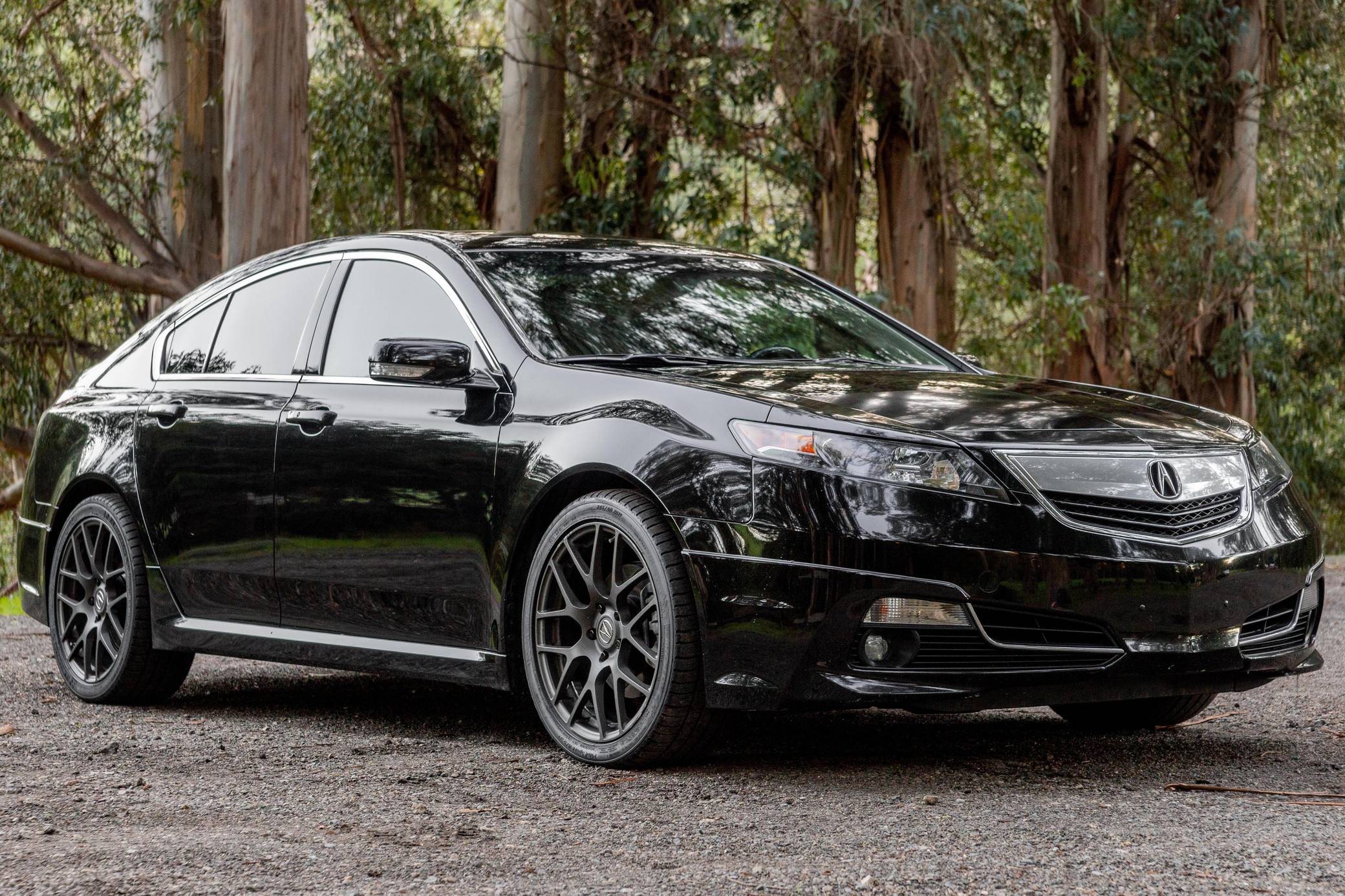
The 2014 Acura TL may not have been the flashiest entry in the midsize luxury sedan class, but it earned its place as a smart and practical choice thanks to its refined interior, strong performance, and lasting value.
Competing against a crowded field of stylish and prestigious rivals, the TL stood out for its balance of comfort, technology, and reliability. Its cabin showcased Acura’s trademark craftsmanship, offering supple leather upholstery, precise construction, and an array of tech-driven amenities.
While its infotainment interface looked dated compared to some competitors, it remained intuitive and user-friendly. Comfort was another highlight, with well-contoured front seats and a spacious rear seat that could easily accommodate adults, making the TL a versatile sedan for both daily commutes and longer trips.
Performance played a key role in the TL’s appeal, with two distinct powertrain choices catering to different types of buyers. The base model came with a 3.5-liter V6 producing 280 horsepower and 254 lb-ft of torque, paired with a six-speed automatic transmission and front-wheel drive.
This setup delivered smooth acceleration, reaching 60 mph in 6.4 seconds, while maintaining respectable fuel economy at 23 mpg combined. For those desiring more excitement, the TL SH-AWD model offered a larger 3.7-liter V6 with 305 horsepower and Acura’s advanced all-wheel-drive system, which enhanced cornering precision and grip.
Buyers could even opt for a six-speed manual transmission for a more engaging driving experience. The SH-AWD variant sprinted to 60 mph in just 5.7 seconds, though with slightly reduced fuel efficiency.
This combination of refinement and performance versatility helped the TL compete effectively with rivals like the Audi A4, BMW 3 Series, and Lexus ES 350.
Safety was another strength of the 2014 TL, thanks to Acura’s comprehensive approach to occupant protection. Standard features included stability and traction control, antilock brakes with brake assist, multiple airbags, and active head restraints.
In government crash tests, the TL earned four out of five stars, with solid ratings for both frontal and side-impact protection. More impressively, the Insurance Institute for Highway Safety awarded the TL top “Good” ratings in all major crash categories, including the difficult small-overlap frontal crash test, a distinction held by only a handful of cars at the time.
Braking performance was also on par with segment norms, with the base model stopping from 60 mph in 122 feet and the SH-AWD variant in 120 feet. Altogether, these results reinforced the TL’s reputation as both a safe and reliable luxury sedan.
On the road, the 2014 TL offered a driving experience that balanced comfort and sportiness. The base model’s suspension delivered a composed ride that soaked up road imperfections while maintaining a quiet cabin.
Steering was accurate, though somewhat lacking in feedback, making it easy to maneuver in both city and highway driving. The TL SH-AWD, by contrast, offered a more dynamic character, with sharper handling and a firmer suspension that made it feel more agile on winding roads.
Inside, the TL’s design leaned toward modern minimalism, with crisp lines, aluminum accents, and premium materials creating a classy yet understated atmosphere. Both front and rear seating areas were spacious and supportive, though trunk space was limited at 13.1 cubic feet for the base model and 12.5 cubic feet for SH-AWD trims.
Despite this drawback, the 2014 Acura TL delivered a well-rounded mix of performance, safety, comfort, and value, making it a lasting contender in the luxury sedan market.
5. 2009 Acura TL
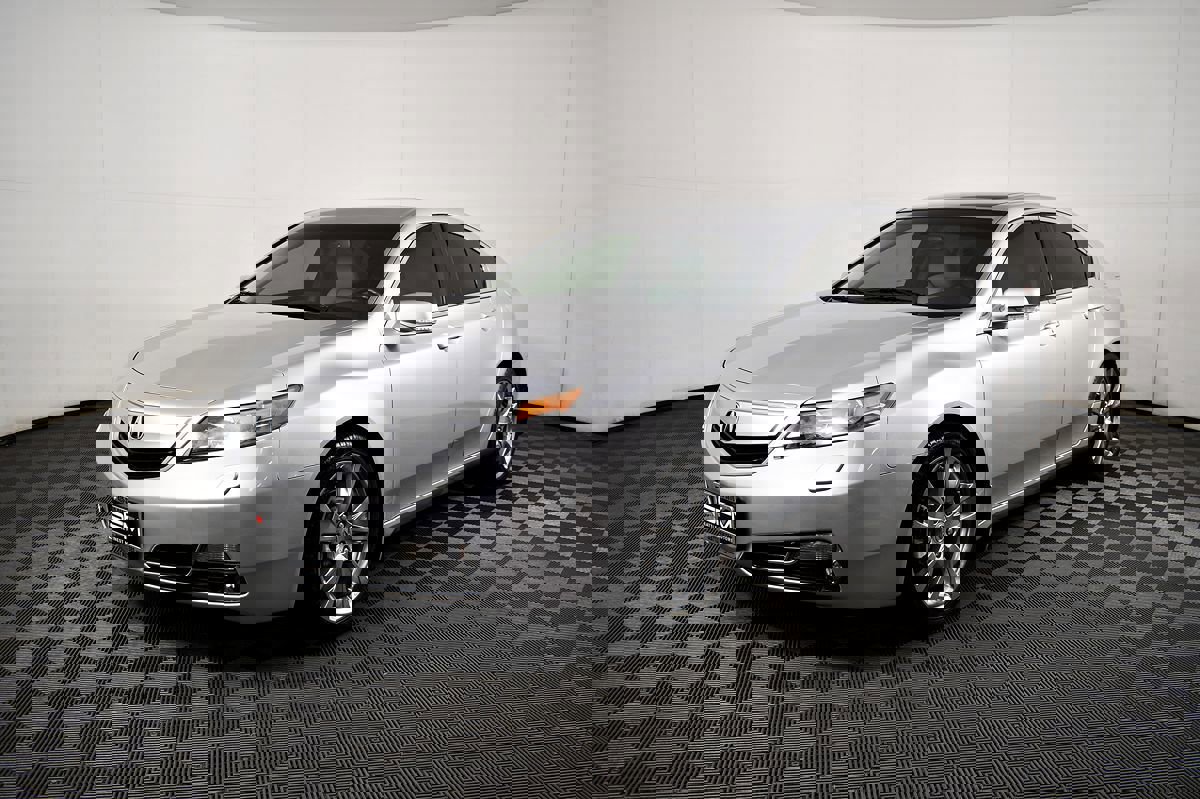
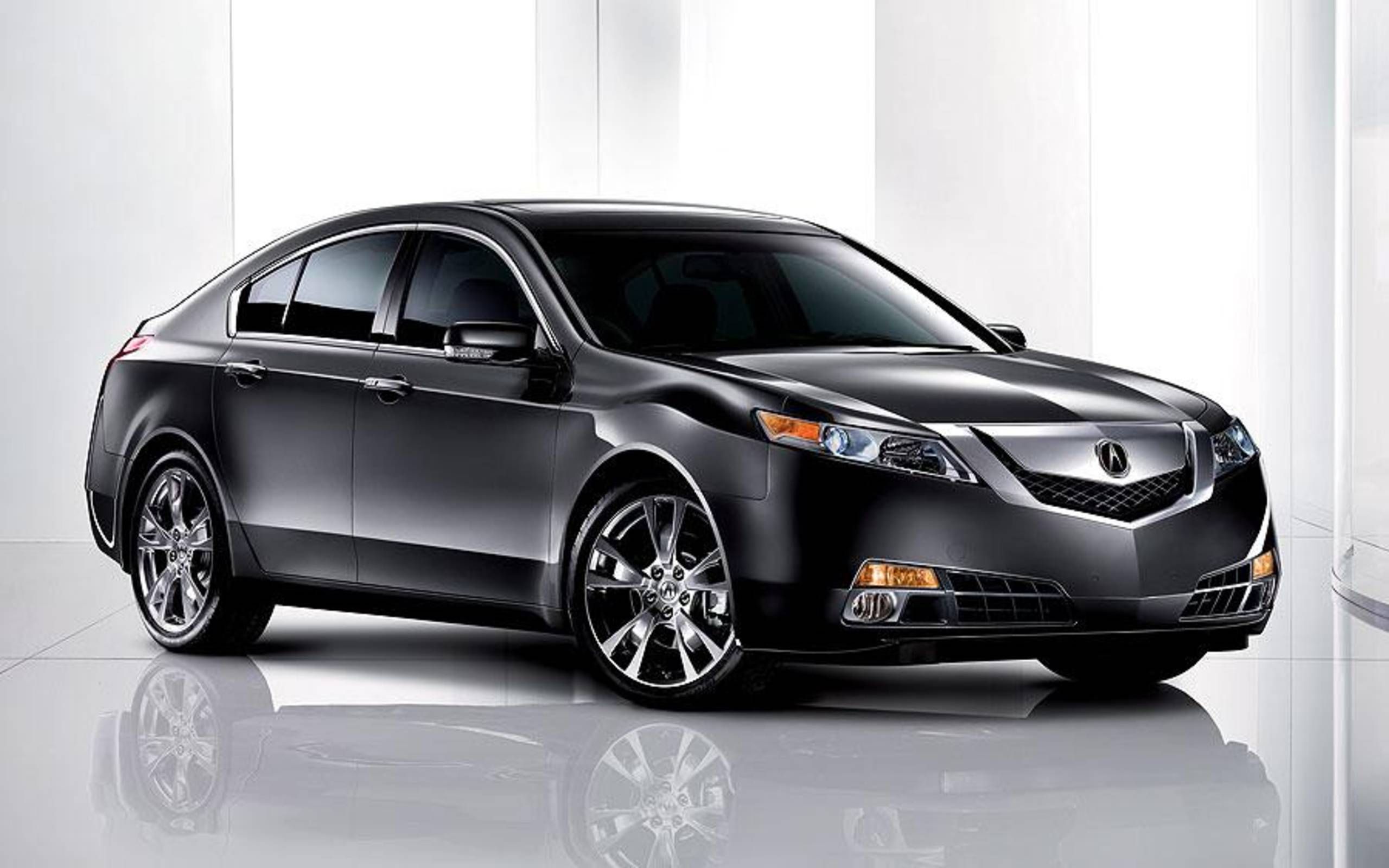
The 2009 Acura TL marked a full redesign, introducing bolder styling, a larger body, and upgraded performance to keep pace in the competitive luxury sedan market. Acura’s design shift was unapologetically daring, with aggressive wheel arches and a metallic grille that drew mixed reactions.
Some praised its boldness, while others criticized its guillotine-like appearance. Beyond looks, Acura prioritized addressing customer feedback by delivering more interior space, stronger engines, easier low-speed maneuverability, and cutting-edge technology.
Two distinct trims were offered: the base TL with a 3.5-liter V6, and the performance-oriented SH-AWD model with a more powerful 3.7-liter engine and Acura’s advanced all-wheel-drive system.
With this redesign, Acura aimed to combine bold styling, advanced features, and versatility in a package that could appeal to both comfort-minded drivers and enthusiasts.
Under the hood, the 2009 TL offered solid performance across both trims. The base model featured a 3.5-liter V6 producing 280 horsepower and 254 lb-ft of torque, paired with a five-speed automatic transmission and paddle shifters.
The SH-AWD variant stepped up with a 3.7-liter V6 delivering 306 horsepower and 275 lb-ft of torque, also mated to the same transmission. Acura’s Super Handling All-Wheel Drive system distinguished the SH-AWD, apportioning torque between front, rear, and even individual wheels to enhance grip and cornering precision.
Fuel economy was competitive for the segment, with the base model rated at 18 mpg city and 26 mpg highway, while the SH-AWD managed 17/24 mpg.
Though the Type-S model and its manual transmission were discontinued, the SH-AWD trim carried forward much of that sporty spirit, providing lively acceleration and better handling than the base car.
Driving dynamics varied notably between the trims. The base TL catered to comfort, with ample power for daily commuting but lighter, somewhat artificial-feeling steering. It leaned more toward luxury than sport, losing some of the nimbleness of its predecessor.
By contrast, the SH-AWD stood out with superior grip and more natural steering feedback, thanks to its torque-vectoring AWD system. Cornering ability was impressive, making the TL feel agile and confident even under spirited driving.
While not as communicative as the hydraulic steering of older models, the SH-AWD’s improved low-speed maneuverability and torque-steer-free performance represented a meaningful trade-off. Combined with the added traction benefits in poor weather, this version of the TL became the true driver’s choice in the lineup.
Inside, the 2009 TL emphasized technology and modern design. The cabin showcased a driver-focused layout, with a waterfall-style center stack and abundant tech features.
Standard amenities included Bluetooth, iPod connectivity, and steering-wheel controls, while the optional Technology Package added a hard-drive-based navigation system, real-time traffic and weather, adaptive climate control, and an ELS surround-sound system.
Build quality was strong, though some trims without the Technology Package leaned too heavily on metallic finishes, creating a less luxurious impression compared to rivals like the Lexus ES 350 or Cadillac CTS.
On the other hand, the SH-AWD’s two-tone color schemes, premium alloy trim, and contrasting stitching elevated the cabin’s appeal. Spaciousness was another highlight, with wide driver-seat adjustments and generous rear-seat headroom for taller passengers.
While trunk space was slightly below average at 13.1 cubic feet, the TL’s blend of comfort, high-tech features, and reliability ensured it remained a compelling contender in the luxury sedan market.
Also Read: 5 Cars with Fuel Doors That Never Freeze vs. 5 That Jam in Winter
5 Acura TL Years That Fail Early
1. 2003 Acura TL: A Troubled Beginning
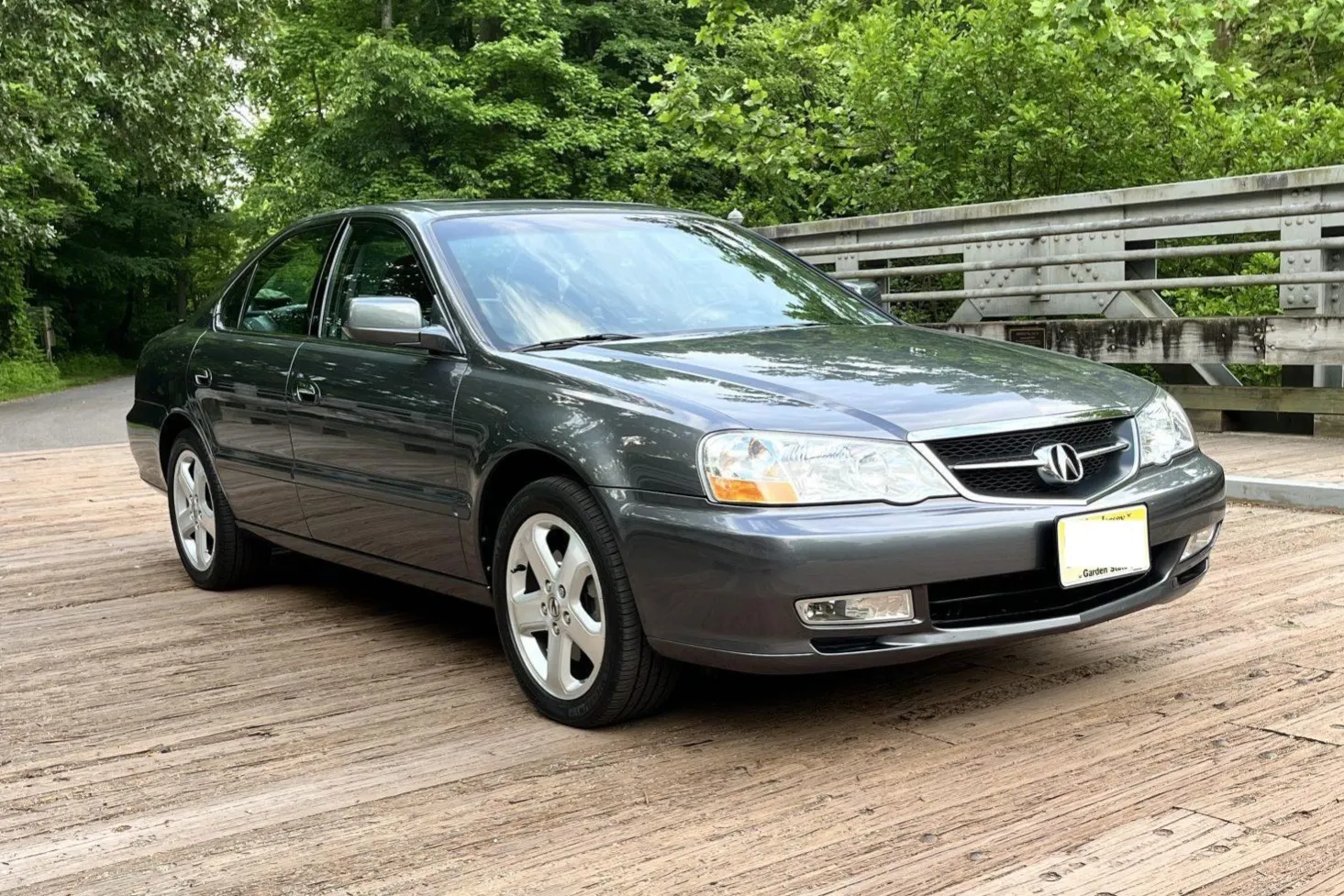
The 2003 Acura TL stands out as one of the most problematic years for the model, with over 400 NHTSA complaints recorded. The most significant issue is transmission failure, often occurring suddenly and without warning, sometimes while driving at freeway speeds, creating a serious safety hazard.
Owners reported erratic or failed gear shifting, which frequently resulted in costly repairs or replacements. Another widespread complaint was the car shaking or vibrating during acceleration, likely linked to the transmission problems.
Beyond mechanical issues, cosmetic concerns also plagued this model year, particularly peeling clear coat paint that diminished the car’s appearance over time. While these problems did not necessarily affect performance directly, they created frustration among owners who expected Acura’s reputation for quality and durability.
Altogether, the combination of safety-related transmission issues and poor long-term finish quality made the 2003 TL one of the least desirable versions in the lineup.
2. 2005 Acura TL: Dashboard Defects and More
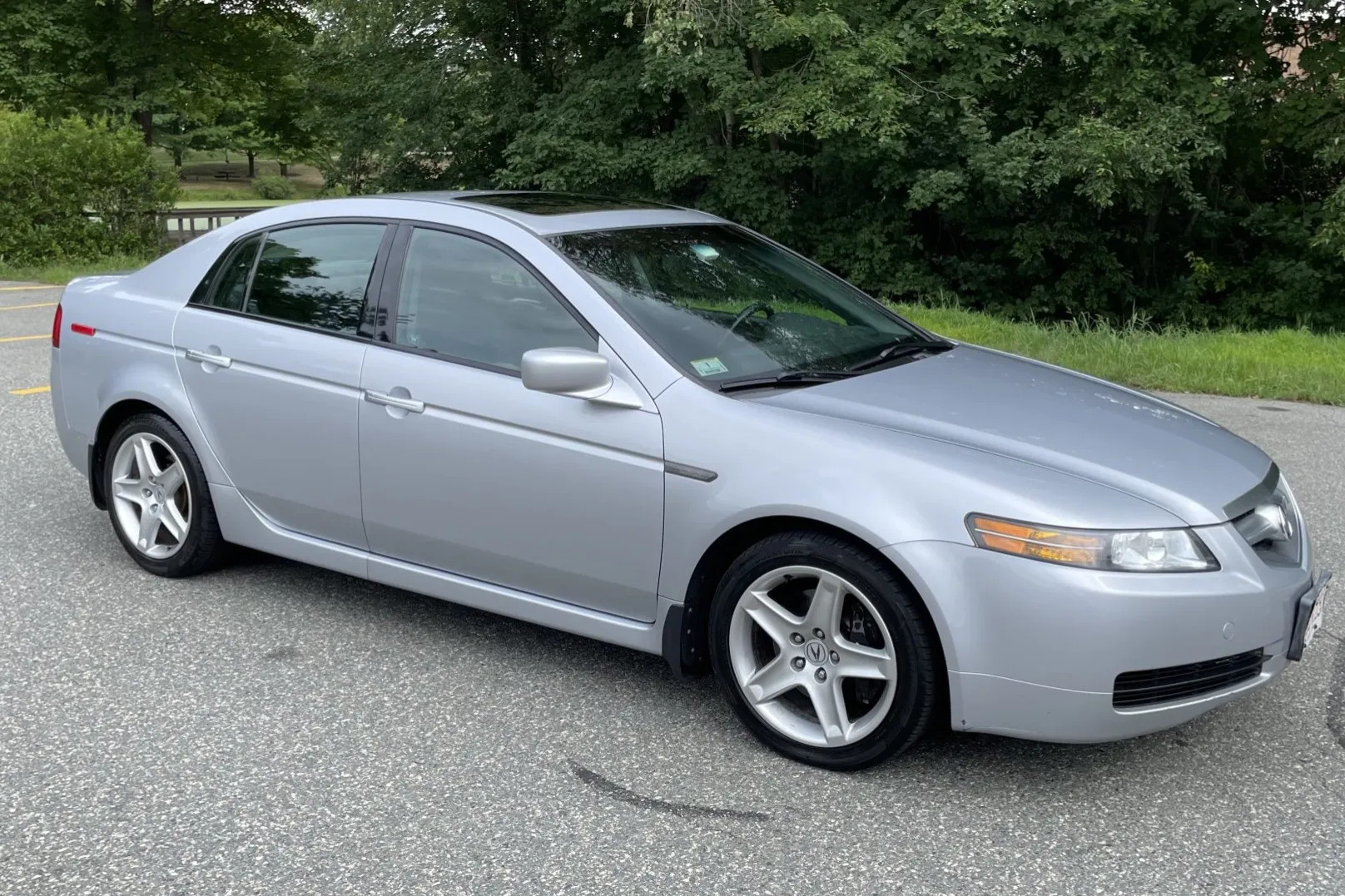
By 2005, Acura updated the TL but introduced a new set of problems, leading to over 500 NHTSA complaints, making this model another year to avoid. The most common and visible issue was dashboard cracking, which frequently appeared across the airbag area and gauge cluster.
These cracks were more than cosmetic, often causing airbag lights to stay on, raising questions about safety system reliability. The only long-term fix was dashboard replacement, which came with a significant expense. Like the 2003 model, transmission failure was another recurring problem.
Owners reported hard shifts, slipping gears, and rattling noises during gear changes, leading to an unreliable driving experience. Additionally, faulty in-car entertainment systems frustrated many drivers, with the audio units malfunctioning or failing entirely.
While Acura intended the 2005 TL to be a blend of style and luxury, these persistent mechanical and cosmetic problems left many buyers disappointed, undermining the sedan’s appeal.
3. 2006 Acura TL: Plagued by Electrical Problems
The 2006 Acura TL did not suffer from as many transmission failures as earlier years, but developed a reputation for electrical component issues, with over 300 NHTSA complaints. The most common failures involved the CD player and dashboard display screen.
Many owners reported that the CD player overheated, damaging discs or becoming inoperable. The navigation and infotainment display also proved unreliable, often going blank or becoming difficult to read. Compounding these frustrations were frequent Bluetooth malfunctions, preventing proper device pairing and requiring expensive repairs costing up to $800.
While the engine and mechanical systems were relatively more reliable than the 2003 and 2005 models, these recurring electronic issues became a source of annoyance for owners who valued Acura’s reputation for premium technology.
Ultimately, while not the most mechanically problematic TL, the 2006 model’s unreliable tech components damaged its standing in a segment that increasingly emphasized advanced in-car electronics.
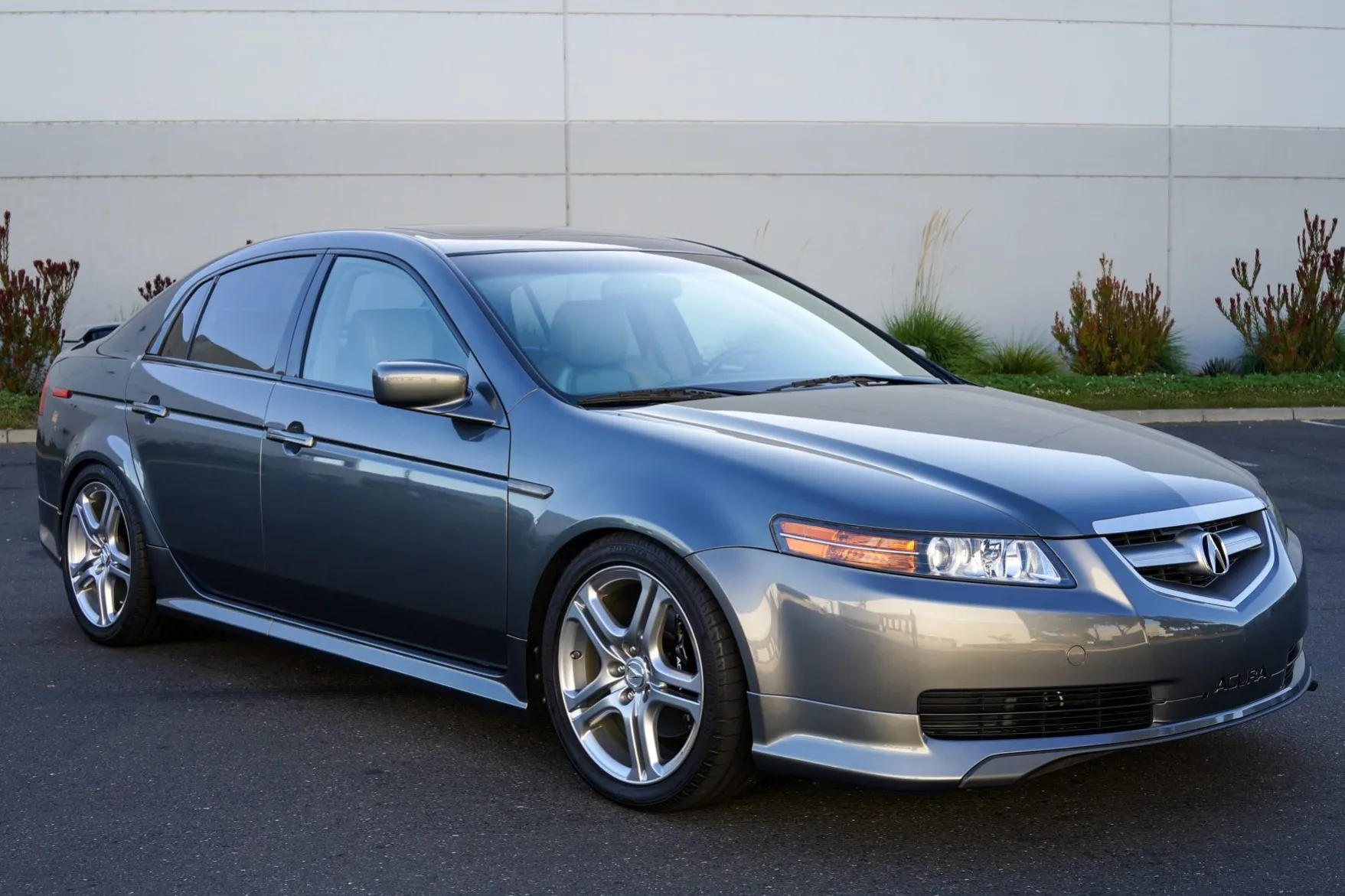
4. 2007 Acura TL: Improvement with Some Lingering Issues
The 2007 Acura TL showed improvements in reliability compared to prior models, but was still not without flaws. Consumer Reports rated it 2 out of 5 in reliability, with issues centering mainly on the transmission and electronics.
Some drivers reported hesitation in gear shifting, while others experienced complete transmission failure at relatively low mileage (around 60,000 miles), a costly and disappointing problem for a luxury-branded car. Electronics continued to cause trouble, particularly with malfunctioning CD players and unreliable display screens.
Additionally, owners reported brake system problems, including faulty ABS lights and premature brake pad wear, which added to maintenance costs. Despite these issues, the 2007 TL fared better than its immediate predecessors, with fewer severe complaints reported.
While not as problematic as the 2003 or 2005 versions, the lingering reliability concerns, especially with the transmission, prevented the 2007 model from being a standout year in Acura’s lineup.
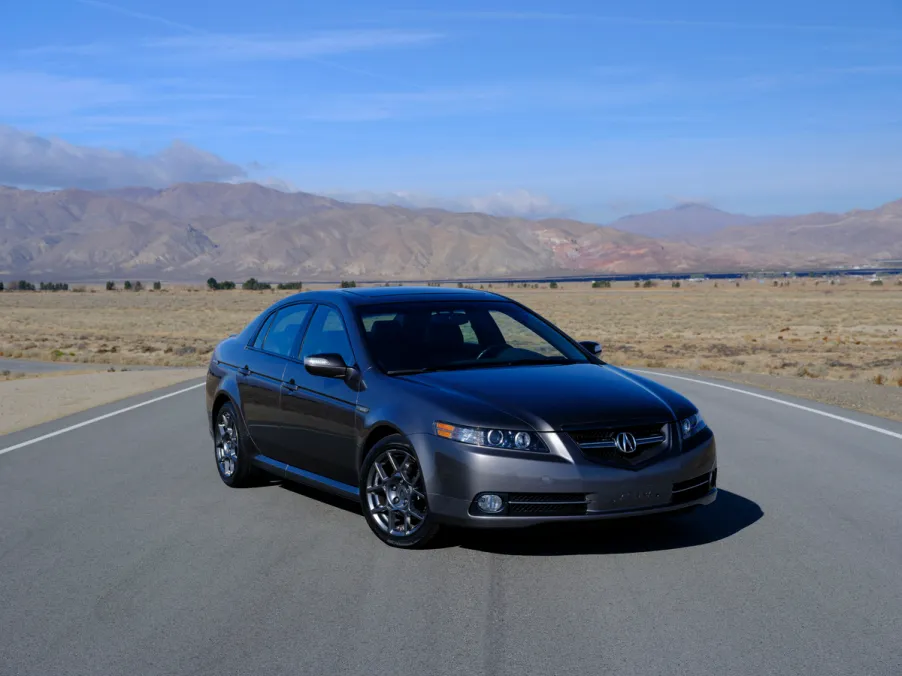
5. 2010 Acura TL: Excessive Oil Consumption Nightmare
Among all Acura TL years, the 2010 model is widely regarded as the worst, plagued by severe engine issues and high repair costs. The most notorious problem was excessive oil consumption, with owners reporting the need to add two to three extra quarts of oil between scheduled oil changes.
In some cases, engines stalled despite proper maintenance, creating dangerous driving situations. Technicians acknowledged this as a widespread issue affecting 2009–2010 TLs, with repairs averaging around $6,550, a steep cost that left many owners frustrated.
On top of the engine problems, the 2010 TL was also known for defective brake rotors, a safety-critical flaw that caused vibrations and reduced braking performance.
With a severity rating of 10 on Car Complaints, this issue highlighted the potential dangers associated with the model. Ultimately, the 2010 TL’s combination of high-cost engine failures and critical brake problems cemented its place as the least desirable year of the Acura TL.
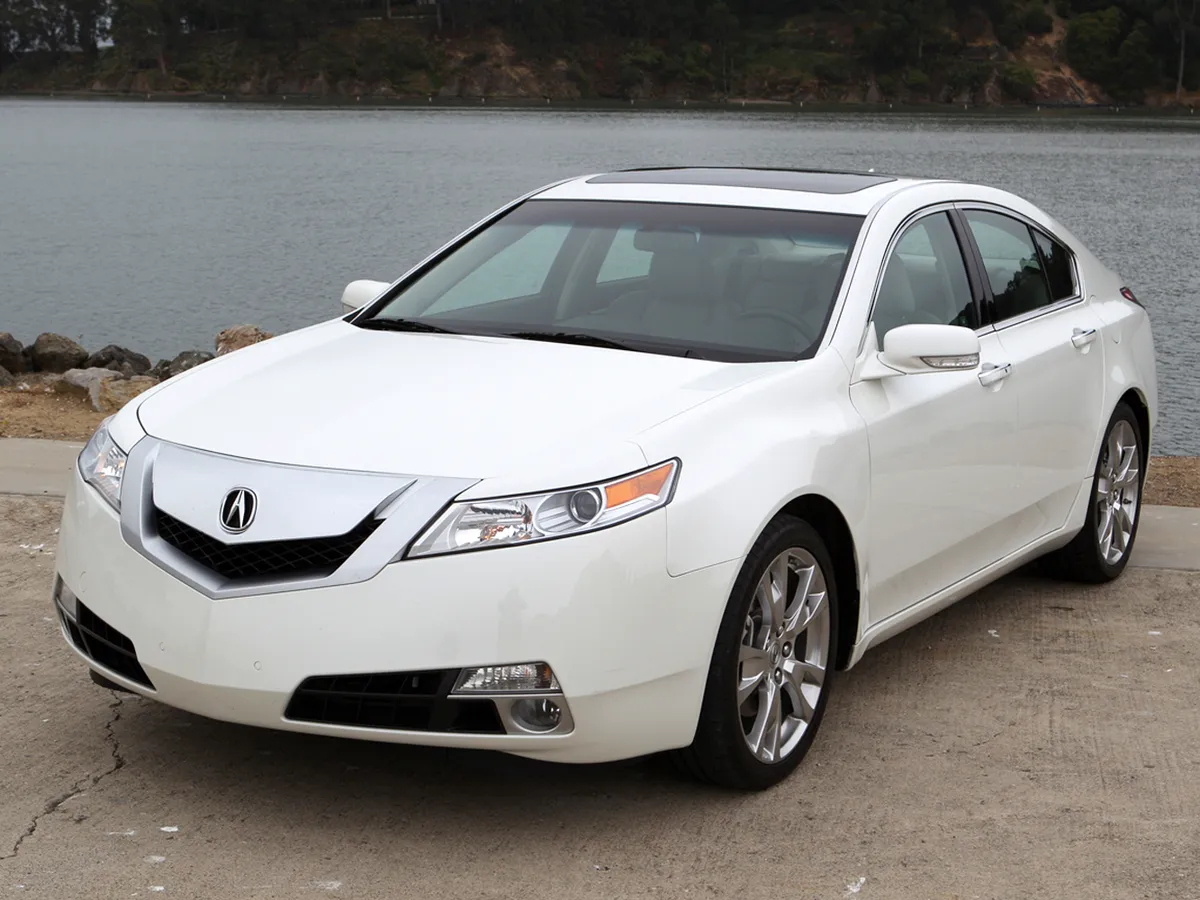
The Acura TL remains a strong contender in the used luxury sedan market, especially for drivers who value a blend of reliability, performance, and comfort at a reasonable price.
The best model years, such as 2011 through 2014, continue to demonstrate why Acura built a reputation for dependable engineering and practical luxury, offering lasting value even in today’s market.
On the other hand, certain years, like 2003 and 2010, reveal that not every TL lived up to the brand’s promise, with costly issues that can turn ownership into a burden. By focusing on the right years, buyers can enjoy a sedan that not only competes with rivals like BMW, Audi, and Lexus but also provides peace of mind over the long run.
Ultimately, the Acura TL’s best years prove that with careful selection, this luxury sedan can be both a smart investment and a satisfying daily driver.
Also Read: 10 Cars That Survive Stop-and-Go Traffic Without Complaints
