

When a person spends money on a luxury SUV, one of the first things they want is a car that can last long without constant problems. The Lexus GX has become one of the few SUVs that has a reputation for dependability.
People who buy it often say the vehicle has the strength of a tough off-road truck but the comfort of a luxury car. It is built on a body-on-frame platform, which is the same kind of structure used for many strong trucks.
This foundation makes it stand out when compared with many modern SUVs that focus only on city driving. Owners trust the GX because it can handle long-distance travel, family use, and even difficult road conditions without giving frequent issues.
The attraction of the Lexus GX is not just the way it looks or the prestige that comes with driving a luxury SUV. It is about the fact that when the vehicle is maintained properly, it can remain useful for more than a decade.
There are many reports of Lexus GX models still running smoothly after 200,000 or even 300,000 miles. That kind of durability does not happen by accident. It is the result of a combination of strong engineering from Lexus and the good habits of the people who own them.
Any car, no matter how well built, will only stay reliable if the owner pays attention to it. Small actions like checking fluids, keeping tires in good condition, and servicing on schedule make a big difference in the long run. For the Lexus GX, there are specific practices that help it stay in good condition year after year.
They are not complicated or expensive, but they demand consistency. When these tricks are followed carefully, the SUV continues to deliver strong performance, safe driving, and comfortable rides for as long as the owner wants to keep it. These ten tricks show how to make a Lexus GX stay reliable for life.

1. Follow the Factory Maintenance Schedule Religiously
Adhering to the factory maintenance schedule represents the foundation of long-term reliability for your Lexus GX. Lexus engineers designed these service intervals based on extensive testing and real-world data to ensure optimal performance throughout the vehicle’s lifespan.
The maintenance schedule addresses critical systems, including the engine, transmission, differential, transfer case, and suspension components that require regular attention to prevent premature wear and costly repairs. The factory schedule includes specific service points at 5,000, 10,000, 15,000, and 30,000-mile intervals, with each service addressing different aspects of vehicle maintenance.
At 5,000 miles, the focus is primarily on oil and filter changes, while 10,000-mile services add tire rotation and basic inspections. The 15,000-mile service expands to include air filter replacement and more comprehensive system checks, while 30,000-mile services involve major fluid changes and detailed component inspections.
Many GX owners make the mistake of extending service intervals to save money, but this approach often leads to expensive repairs down the road. The GX’s sophisticated systems generate serious heat and stress during operation, making regular maintenance crucial for preventing component failure.
For example, delaying transmission fluid changes beyond the recommended 60,000-mile interval can result in internal transmission damage that costs thousands of dollars to repair. Keeping detailed maintenance records proves invaluable for both reliability and resale value. Document every service with dates, mileage, and specific work performed.
This documentation helps identify patterns if problems develop and demonstrates to potential buyers that the vehicle has been properly maintained. Many buyers pay premium prices for well-documented GX models, making meticulous record-keeping a smart financial decision.
Consider establishing a relationship with a trusted Lexus dealer or independent shop that specializes in Toyota and Lexus vehicles. These professionals understand the GX’s unique requirements and can spot potential issues before they become expensive problems. They also have access to technical bulletins and software updates that keep your GX running at peak efficiency.
Also Read: 10 Smart Fixes That Keep a Lexus ES Reliable for Decades
2. Use High-Quality Engine Oil and Change It Frequently
The engine oil you choose and how frequently you change it directly impact your Lexus GX’s longevity and performance. The GX’s V8 engine operates under demanding conditions, generating too much heat and pressure that breaks down oil after a while. Using premium oil and changing it more frequently than the minimum recommended interval provides crucial protection for internal engine components.
Lexus recommends 0W-20 synthetic oil for most GX models, but many experienced owners prefer slightly thicker viscosities like 5W-30 for high-mileage vehicles or those used in severe conditions. The thicker oil provides better protection for engine bearings and seals as the vehicle accumulates miles. However, always consult your owner’s manual and consider your specific driving conditions before deviating from factory recommendations.
Severe driving conditions require more frequent oil changes than the standard 10,000-mile interval. These conditions include frequent towing, dusty environments, extreme temperatures, and stop-and-go traffic.
If your GX regularly encounters these situations, consider changing oil every 5,000 to 7,500 miles to maintain optimal engine protection. The additional cost of more frequent oil changes is minimal compared to potential engine damage from inadequate lubrication.
Quality oil filters are equally important as the oil itself. Premium filters like those from Lexus, Toyota, or reputable aftermarket manufacturers like Mann or Mahle provide superior filtration and flow characteristics.
Cheap filters may restrict oil flow or fail to remove contaminants effectively, potentially causing engine damage. The small additional cost of a quality filter represents excellent insurance for your engine’s longevity. Monitor oil consumption carefully, as some GX engines may consume oil at higher mileages.
Check the oil level monthly and top off as needed with the same grade of oil used during changes. Sudden increases in oil consumption may indicate developing issues with rings, valve seals, or other internal components that should be addressed promptly to prevent more serious damage.
3. Maintain the Cooling System Meticulously
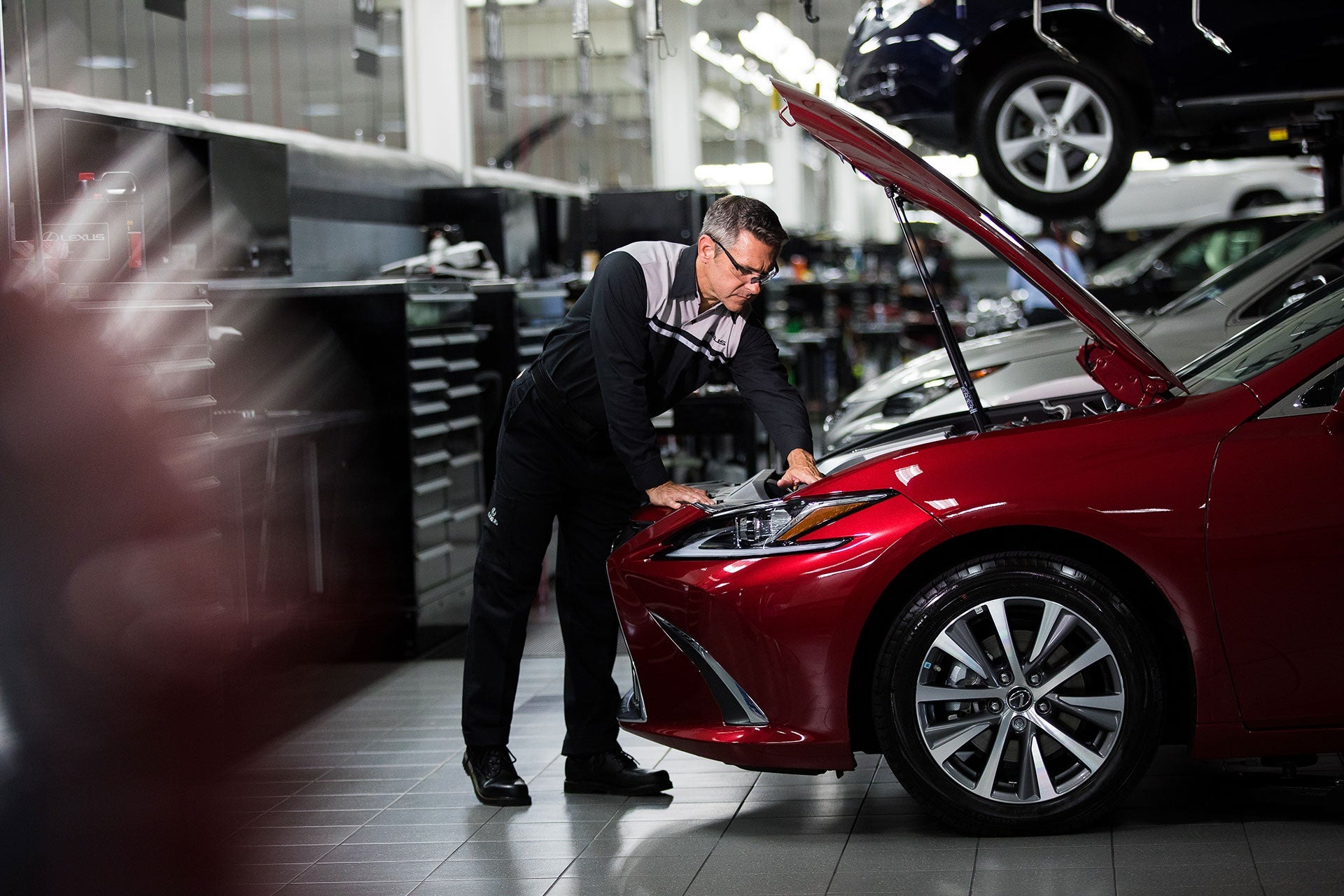
The cooling system in your Lexus GX works harder than in most vehicles due to the large V8 engine and the SUV’s substantial weight. Proper cooling system maintenance prevents overheating that can cause catastrophic engine damage, making this one of the most critical areas for long-term reliability. The system includes the radiator, water pump, thermostat, hoses, and coolant, all of which require regular attention.
Replace the coolant according to the factory schedule, typically every 60,000 to 100,000 miles, depending on the coolant type. Lexus uses long-life coolant that provides extended protection, but it eventually breaks down and loses its corrosion-inhibiting properties.
Old coolant can cause corrosion in the radiator, water pump, and engine block, leading to expensive repairs. When changing coolant, always use the exact type specified by Lexus to maintain optimal protection. Inspect cooling system hoses annually for signs of wear, cracking, or bulging.
The GX’s engine compartment generates serious heat that gradually degrades rubber hoses after a while. Replace hoses at the first sign of deterioration rather than waiting for failure. A burst cooling hose can cause immediate engine damage if the engine overheats before you can safely stop the vehicle.
The water pump requires special attention in high-mileage GX models. This component circulates coolant through the engine and typically lasts 100,000 to 150,000 miles before requiring replacement. Early warning signs of water pump failure include coolant leaks near the front of the engine, unusual noises from the water pump area, or overheating.
Replacing a failing water pump promptly prevents engine damage and is much less expensive than repairing an overheated engine. Keep the radiator and condenser clean by periodically washing out accumulated debris.
The GX’s large grille opening allows leaves, dirt, and insects to accumulate on the radiator fins, reducing cooling efficiency. Use a garden hose to flush debris from the radiator during regular washing, but avoid high-pressure settings that might damage the delicate fins.
4. Service the Transmission and Differential Properly
The transmission and differential systems in your Lexus GX require specific maintenance to ensure long-term reliability and smooth operation. These components operate under extreme pressure and heat, making regular fluid changes essential for preventing premature wear and costly repairs.
Many GX owners neglect these systems because they don’t require attention as frequently as engine oil, but proper maintenance is crucial for reliability. Change the automatic transmission fluid every 60,000 miles or sooner if you regularly tow heavy loads or drive in severe conditions.
The GX’s transmission fluid operates at high temperatures and gradually breaks down after a while, losing its ability to lubricate and cool internal components. Fresh transmission fluid maintains proper gear change quality and prevents internal damage that can result in complete transmission failure.
Use only the specific transmission fluid recommended by Lexus for your GX model year. Different transmissions require different fluid types, and using the wrong fluid can cause shifting problems and internal damage. Lexus-approved fluid contains specific additives that protect seals and internal components while maintaining proper viscosity at operating temperatures.
The front and rear differentials also require regular fluid changes, typically every 30,000 to 60,000 miles, depending on driving conditions. Differential fluid lubricates the ring and pinion gears that transfer power to the wheels.
Old fluid can cause these expensive components to wear prematurely, resulting in noise, vibration, and eventual failure. Towing heavy loads or frequent off-road driving accelerates differential wear and requires more frequent fluid changes.
Don’t forget about the transfer case, which distributes power between the front and rear axles in four-wheel-drive operation. This component requires its own specific fluid and service interval, typically every 30,000 miles. Transfer case problems can cause expensive damage to the entire drivetrain, making regular maintenance a wise investment in reliability.
5. Protect the Fuel System with Quality Gasoline and Additives
The fuel system in your Lexus GX plays a crucial role in engine performance and longevity, making fuel quality and system cleanliness essential for reliable operation. Modern gasoline contains ethanol and other additives that can cause problems in high-mileage vehicles, while poor-quality fuel may contain contaminants that damage fuel system components.
Taking steps to protect your fuel system ensures optimal engine performance and prevents expensive repairs. Always use Top Tier gasoline from reputable stations whenever possible. Top Tier gasoline contains additional detergent additives that help keep fuel injectors and intake valves clean.
Major brands like Shell, Chevron, BP, and others participate in the Top Tier program and provide superior fuel quality compared to discount stations. The small additional cost of quality gasoline pays dividends in improved performance and reduced maintenance costs.
Consider adding fuel system cleaner periodically to remove deposits from fuel injectors and intake valves. The GX’s direct injection system is particularly susceptible to carbon buildup on intake valves, which can cause rough idle, reduced performance, and increased emissions. Quality fuel system cleaners like Chevron Techron or Lucas Fuel Treatment help dissolve these deposits and restore optimal fuel delivery.
Replace the fuel filter according to the maintenance schedule, typically every 30,000 to 60,000 miles, depending on driving conditions and fuel quality. A clogged fuel filter restricts fuel flow to the engine, causing poor performance and potential damage to the fuel pump. The fuel pump works harder when the filter is clogged, reducing its lifespan and potentially leaving you stranded if it fails.
Monitor fuel economy closely as an indicator of fuel system health. Sudden decreases in fuel economy may indicate problems with fuel injectors, the air filter, or other engine components. Address fuel economy changes promptly to prevent minor issues from becoming expensive repairs. Keep detailed records of fuel purchases and mileage to identify trends that might indicate developing problems.
6. Maintain the Air Intake System for Optimal Performance
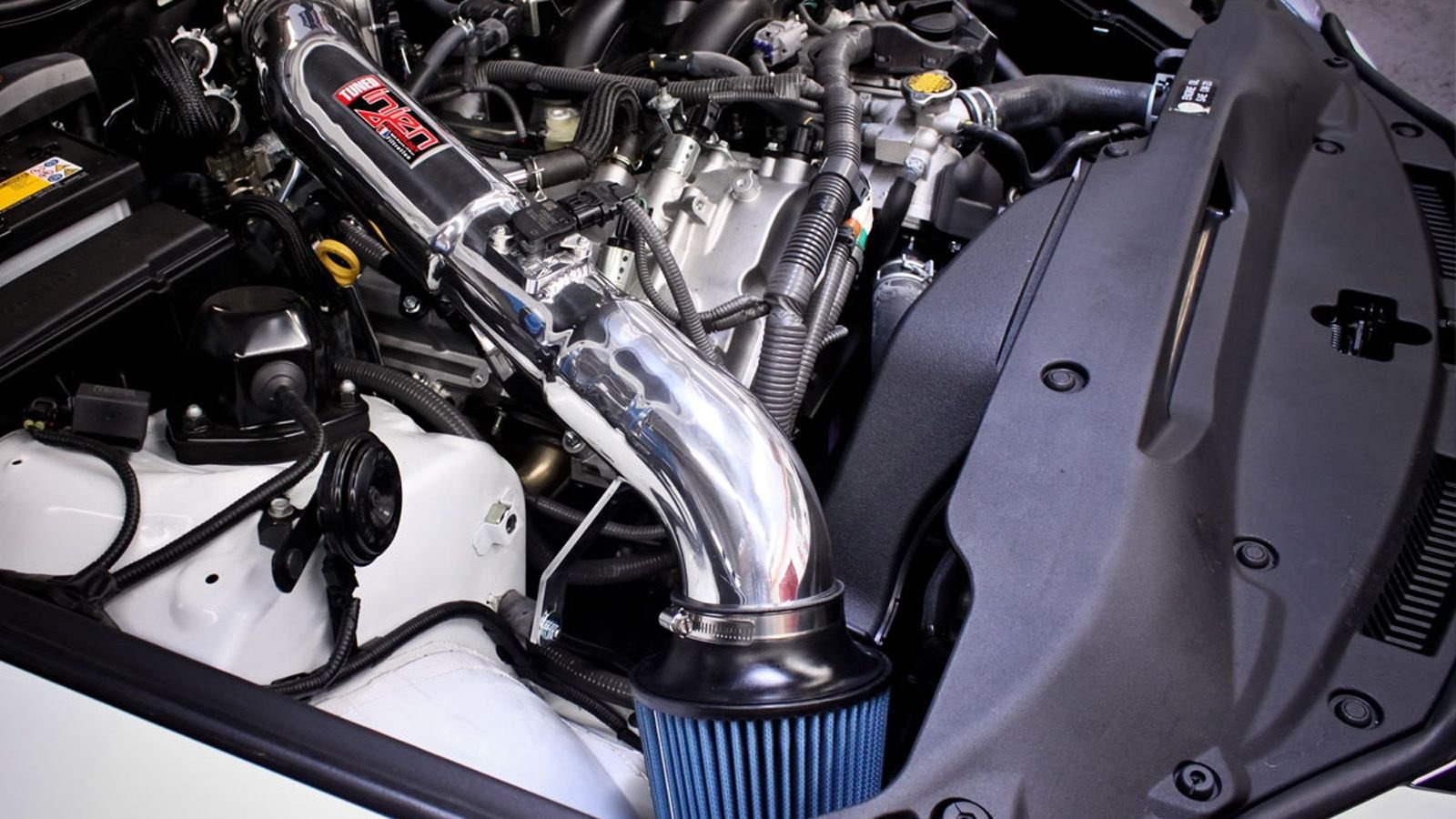
The air intake system provides clean air to your Lexus GX’s engine and requires regular maintenance to ensure optimal performance and longevity. A clean air filter allows the engine to breathe properly, while a dirty filter restricts airflow and can cause poor performance, reduced fuel economy, and potential engine damage.
The GX’s large V8 engine consumes huge amounts of air, making air filter maintenance particularly important. Replace the engine air filter every 15,000 to 30,000 miles, or more frequently if you drive in dusty conditions. A dirty air filter appears dark gray or black and may be clogged with debris.
Inspect the filter regularly by removing it from the air box and holding it up to a light source. If little light passes through the filter material, it needs replacement. Don’t attempt to clean a dirty paper filter, as this can damage the filter media and allow contaminants to enter the engine.
Consider upgrading to a high-flow air filter for improved performance and longer service life. Quality aftermarket filters from companies like K&N or AEM provide increased airflow while maintaining excellent filtration.
These filters are typically cleanable and reusable, making them more economical over the long term. However, ensure any aftermarket filter meets your GX’s filtration requirements to prevent engine damage. Inspect the air intake ducting periodically for cracks, holes, or loose connections.
Damaged intake ducting allows unfiltered air to enter the engine, potentially causing expensive internal damage. The flexible sections of ducting are particularly prone to cracking after a while and should be replaced at the first sign of damage. Loose connections can also cause air leaks that affect engine performance and fuel economy.
Clean the mass airflow sensor annually or whenever you replace the air filter. This sensor measures the amount of air entering the engine and provides data to the engine management system for proper fuel delivery.
A dirty mass airflow sensor can cause poor performance, a rough idle, and reduced fuel economy. Use a specialized mass airflow sensor cleaner and follow proper cleaning procedures to avoid damaging this sensitive component.
7. Take Care of the Suspension and Steering Systems
The suspension and steering systems in your Lexus GX endure constant stress from road impacts, cornering forces, and the vehicle’s substantial weight. Proper maintenance of these systems ensures safe handling, comfortable ride quality, and prevents premature tire wear. The GX’s sophisticated suspension includes multiple components that require regular inspection and maintenance to maintain optimal performance.
Have the suspension components inspected annually by a qualified technician who can identify worn bushings, ball joints, and other components before they fail. Worn suspension components cause poor handling, excessive tire wear, and can lead to dangerous situations if they fail. Early replacement of worn components is much less expensive than dealing with the consequences of suspension failure.
Replace shock absorbers when they show signs of wear, typically between 60,000 and 100,000 miles, depending on driving conditions. Worn shocks cause poor ride quality, reduced handling, and accelerated wear of other suspension components. The GX’s heavy weight puts additional stress on shock absorbers, making regular replacement important for maintaining optimal performance.
Check the power steering fluid level monthly and change it according to the maintenance schedule. Power steering fluid operates under high pressure and temperature, gradually breaking down as time goes on.
Old fluid can cause pump failure and steering rack damage, resulting in expensive repairs. Fresh power steering fluid ensures smooth steering operation and protects system components. Rotate tires every 5,000 to 10,000 miles to promote even wear and maximize tire life.
The GX’s weight distribution and suspension geometry can cause uneven tire wear if tires aren’t rotated regularly. Proper tire rotation extends tire life and maintains optimal traction and handling. Keep tires properly inflated according to the door placard specifications to prevent premature wear and improve fuel economy.
8. Electrical System Maintenance for Long-Term Reliability
The electrical system in your Lexus GX becomes increasingly complicated with each model year, making proper maintenance essential for reliable operation. Modern GX models contain dozens of control modules, sensors, and actuators that depend on clean power and good connections to function properly.
Neglecting electrical system maintenance can lead to mysterious problems that are difficult and expensive to diagnose and repair. Clean the battery terminals monthly to prevent corrosion that can cause starting problems and electrical issues.
Battery terminal corrosion appears as white or green powder around the battery posts and can gradually reduce electrical conductivity. Use a mixture of baking soda and water to neutralize acid corrosion, then clean the terminals with a wire brush until they’re bright and shiny. Apply a thin coat of petroleum jelly or terminal protectant to prevent future corrosion.
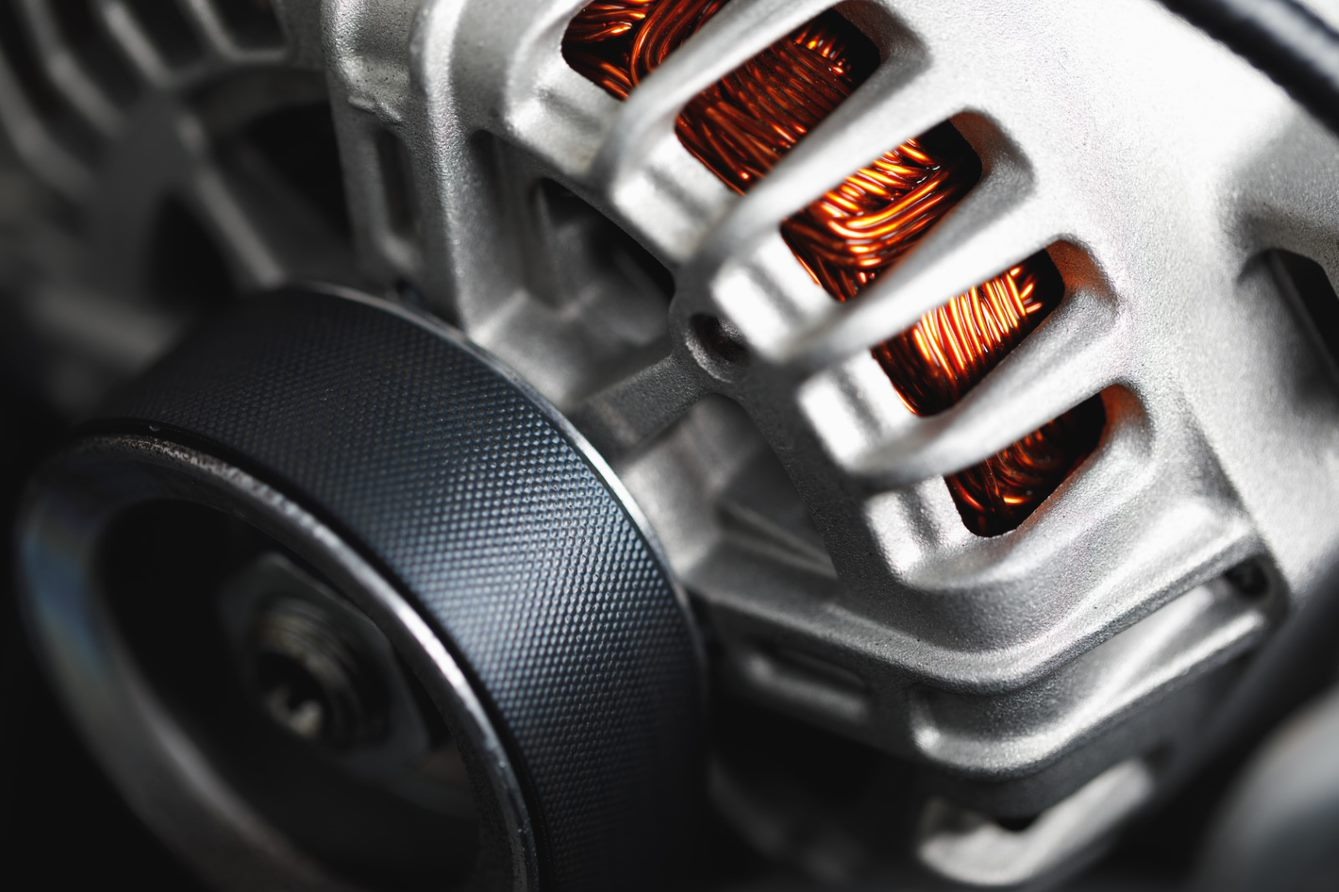
Replace the battery every four to six years, even if it still starts the engine reliably. Older batteries may provide adequate starting power but struggle to maintain proper voltage under load, causing problems with sensitive electronic systems. A weak battery can cause the alternator to work harder, reducing its lifespan and potentially damaging other electrical components.
Inspect wiring harnesses periodically for signs of damage, particularly in areas where they pass through rubber boots or near hot engine components. Rodents sometimes chew on wiring harnesses, causing expensive electrical problems. Look for frayed insulation, exposed wires, or signs of rodent damage. Address any wiring damage promptly to prevent more serious electrical problems.
Have the charging system tested annually to ensure the alternator is maintaining proper voltage and the battery is holding a charge correctly. A failing alternator can damage the battery and other electrical components, while a weak battery can cause the alternator to overwork and fail prematurely. Most auto parts stores can perform basic charging system tests free of charge.
9. Protect Against Rust and Corrosion
Rust and corrosion pose serious threats to your Lexus GX’s longevity, particularly if you live in areas that use road salt during winter months or near coastal areas with salt air exposure. The GX’s body and frame are well-protected from the factory, but this protection can be compromised as time goes on by stone chips, scratches, and normal wear. Taking proactive steps to prevent rust ensures your GX remains structurally sound for decades.
Wash your GX regularly, paying special attention to the undercarriage during winter months when road salt accumulates on vehicle surfaces. Salt accelerates corrosion of metal components and can cause expensive structural damage if left unchecked. Use a pressure washer or seek out car washes with undercarriage spray options to remove salt deposits from hard-to-reach areas.
Apply paint protection film or ceramic coating to high-impact areas like the front bumper, hood, and door edges. These protective coatings prevent stone chips and scratches that can lead to rust formation. While these treatments require an initial investment, they protect the vehicle’s finish and help maintain resale value as time goes on.
Inspect the exhaust system annually for signs of rust or damage, particularly at connection points and areas where components are mounted to the vehicle. Exhaust components operate at high temperatures and are exposed to moisture and road salt, making them particularly susceptible to corrosion. Replace damaged exhaust components promptly to prevent toxic fumes from entering the passenger compartment.
Consider applying an annual undercoating treatment if you live in harsh winter climates. Professional undercoating services apply protective coatings to the frame and undercarriage components that provide additional protection against salt corrosion. Choose oil-based treatments rather than rubberized coatings, as oil-based products penetrate crevices and self-heal minor scratches.
Also Read: 9 Tricks That Keep a Lexus RX Cabin Comfortable for 15 Years
10. Drive Sensibly and Address Problems Early
How you drive your Lexus GX has a direct impact on its long-term reliability and lifespan. Aggressive driving habits cause excessive wear on engine, transmission, brake, and suspension components, while gentle driving extends component life. Developing good driving habits and addressing problems promptly when they arise ensures your GX remains reliable for hundreds of thousands of miles.
Allow the engine to warm up properly before demanding full performance, particularly during cold weather. Cold oil doesn’t lubricate effectively, and metal components need time to expand to proper tolerances. Drive gently for the first few miles after starting, avoiding hard acceleration or high RPM operation until the engine reaches normal operating temperature.
Avoid excessive idling, which can cause carbon buildup in the combustion chambers and intake system. Extended idling doesn’t allow the engine to reach optimal operating temperature and can lead to incomplete fuel combustion. If you need to keep the vehicle running for extended periods, take it for a short drive periodically to burn off accumulated deposits.
Pay attention to unusual noises, vibrations, or changes in performance that might indicate developing problems. Early intervention often prevents minor issues from becoming major repairs. Keep a small notebook in your GX to record any unusual symptoms along with dates and mileage, as this information helps technicians diagnose problems more efficiently.
Learn to recognize warning signs of common problems like transmission issues (delayed gear changes, slipping), cooling system problems (overheating, coolant loss), or brake wear (squealing, grinding noises). Addressing these issues promptly prevents more extensive damage and keeps repair costs reasonable. Don’t ignore warning lights on the dashboard, as they indicate problems that require immediate attention.
Practice smooth driving techniques that reduce stress on vehicle components. Gradual acceleration and deceleration cause less wear than aggressive driving habits. Anticipate traffic conditions to minimize hard braking, and use engine braking when descending hills to reduce brake wear. These techniques not only extend component life but also improve fuel economy and enhance driving safety.
