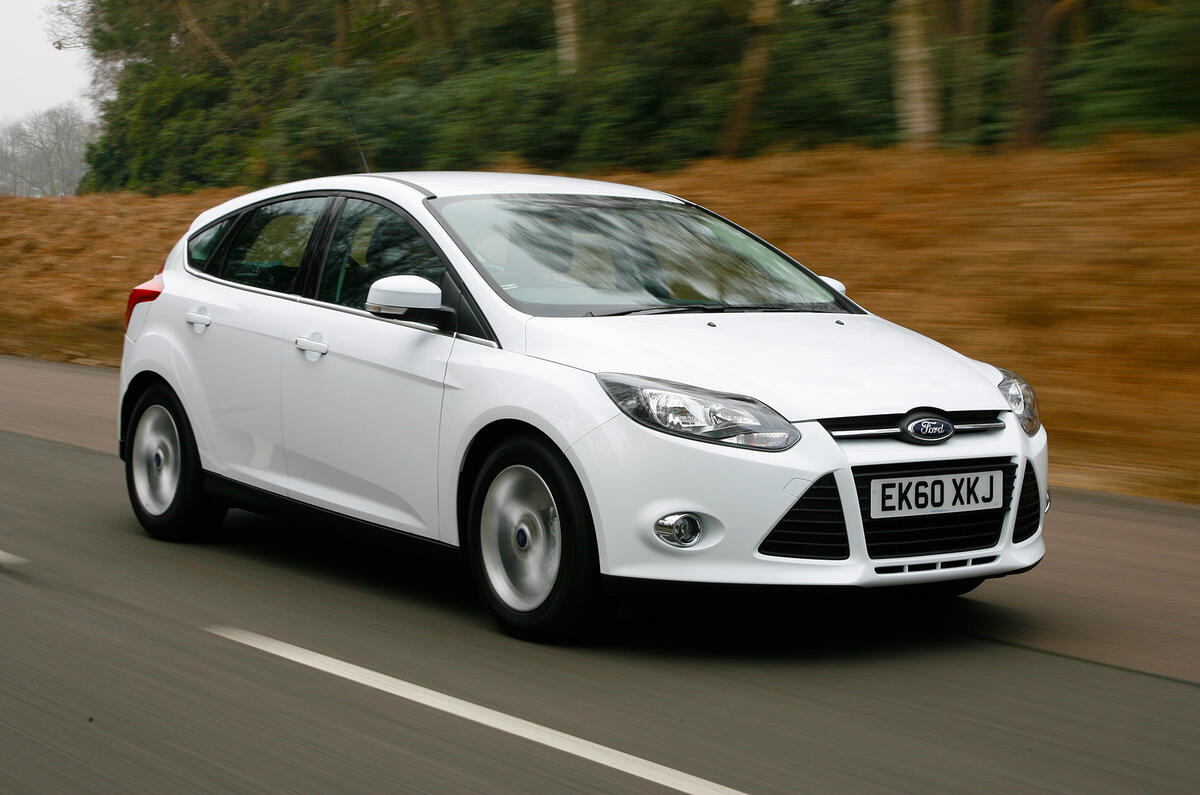
The Ford Focus has earned a reputation as a versatile compact car, offering budget-friendly pricing, fuel efficiency, and a surprisingly fun driving experience. Over its long production run, however, the Focus has had its ups and downs.
Some model years delivered excellent reliability and strong owner satisfaction, while others left buyers frustrated with costly issues and mechanical flaws. For anyone shopping in the used car market, identifying which versions stand out is key to making a smart investment.
This guide highlights five of the most dependable Ford Focus years that combine reliability, safety, and everyday practicality.
Whether you’re a student looking for an affordable first car, a commuter who values efficiency, or simply someone who wants a dependable compact vehicle, these model years represent the best balance of performance and long-term value. With the right choice, the Focus can still be one of the most rewarding options in its class.
5 Ford Focus Years Worth Keeping
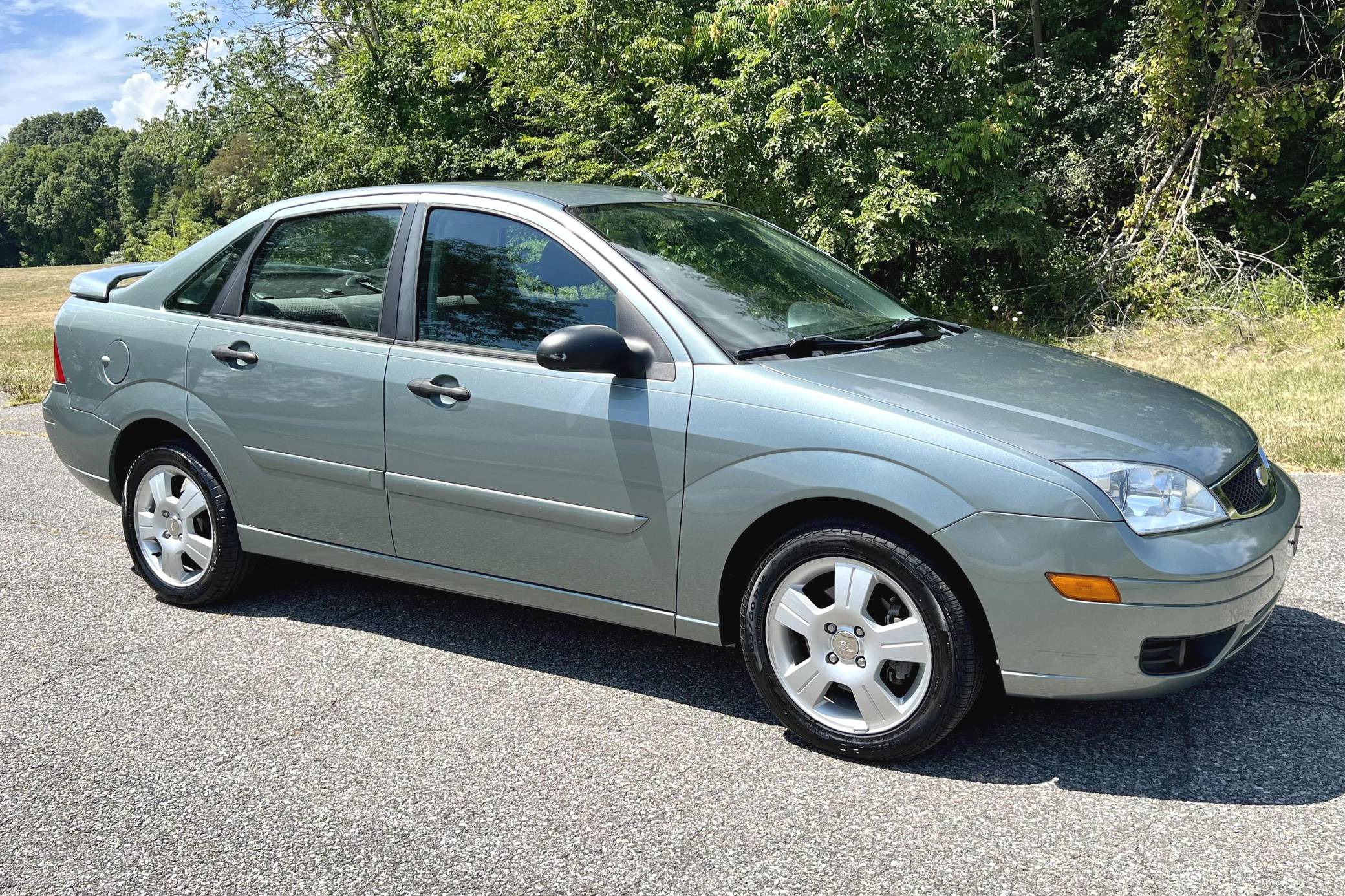
1. 2006 Ford Focus
The 2006 Ford Focus stands out as one of the most dependable options from the first generation of this compact car. While much of the earlier production run lacks official J.D. Power ratings due to age, recall data, and consumer complaints provide valuable insight into its reliability.
Impressively, the 2006 model year faced only two recalls, compared to the higher figures of previous years, and recorded just 129 complaints out of a total 5,260 listed for the generation on CarComplaints.
The first recall involved missing amber side reflectors, which is of little consequence, while the second addressed a potential fuel leak from a defective filter, a more serious concern due to fire risk.
However, given the car’s age, most filters have likely been replaced, and Ford provided replacements free of charge. This limited recall history and relatively low number of issues make the 2006 Focus a solid option in the used car market.
From a design and feature standpoint, the 2006 Focus balances practicality with driver enjoyment. Ford standardized an MP3-compatible CD player across all models, while higher trims added steering wheel-mounted audio controls and optional packages like the Street Appearance kit, which included sportier styling and exhaust upgrades.
Built as a “world car,” the Focus was designed to appeal globally, offering sharp steering, a well-tuned suspension, and a lively four-cylinder engine that felt stronger than its modest output suggested.
This nimble and responsive character helped the Focus win Edmunds’ Most Wanted awards four years in a row during its early production years. Despite being an economy car, the Focus distinguished itself by delivering a driving experience that felt engaging rather than cheap.
Buyers in 2006 also benefited from a wide variety of body styles, ensuring the Focus could meet different needs. The sporty ZX3 three-door hatchback offered surprising roominess, while the ZX5 five-door provided easier rear access.
Traditional sedan and wagon versions appealed to buyers prioritizing cargo and passenger space. Ford redesigned the dashboard in 2005, trading its quirky angular look for a more conventional and symmetrical design, which helped attract conservative buyers.
While ergonomics and ease of use were strong points, material quality lagged behind competitors, with mismatched textures and inconsistent build quality being common criticisms.
Nevertheless, its affordability, combined with balanced handling and functional versatility, made the Focus a compelling option for buyers seeking an economical yet distinctive compact car.
Performance and safety further boosted the 2006 Focus’s appeal. The standard 2.0-liter engine produced 136 horsepower (slightly less in California), while the sportier ST sedan offered a 2.3-liter with 151 horsepower.
Both are paired with either a five-speed manual or a four-speed automatic, delivering fuel economy in the mid-to-upper 20s for city driving and mid-30s on the highway, above average for the segment.
On the safety front, the Focus earned strong crash test results in frontal protection, though side-impact scores were less favorable without optional airbags. Behind the wheel, the car delivered a smooth, confident ride, with responsive steering and solid suspension tuning.
Inside, seating comfort was generous for its class, and the available Audiophile sound system added unexpected premium quality. While interior materials left room for improvement, the 2006 Ford Focus combined affordability, safety, performance, and versatility, making it one of the most well-rounded compact cars of its era.
2. 2010 Ford Focus
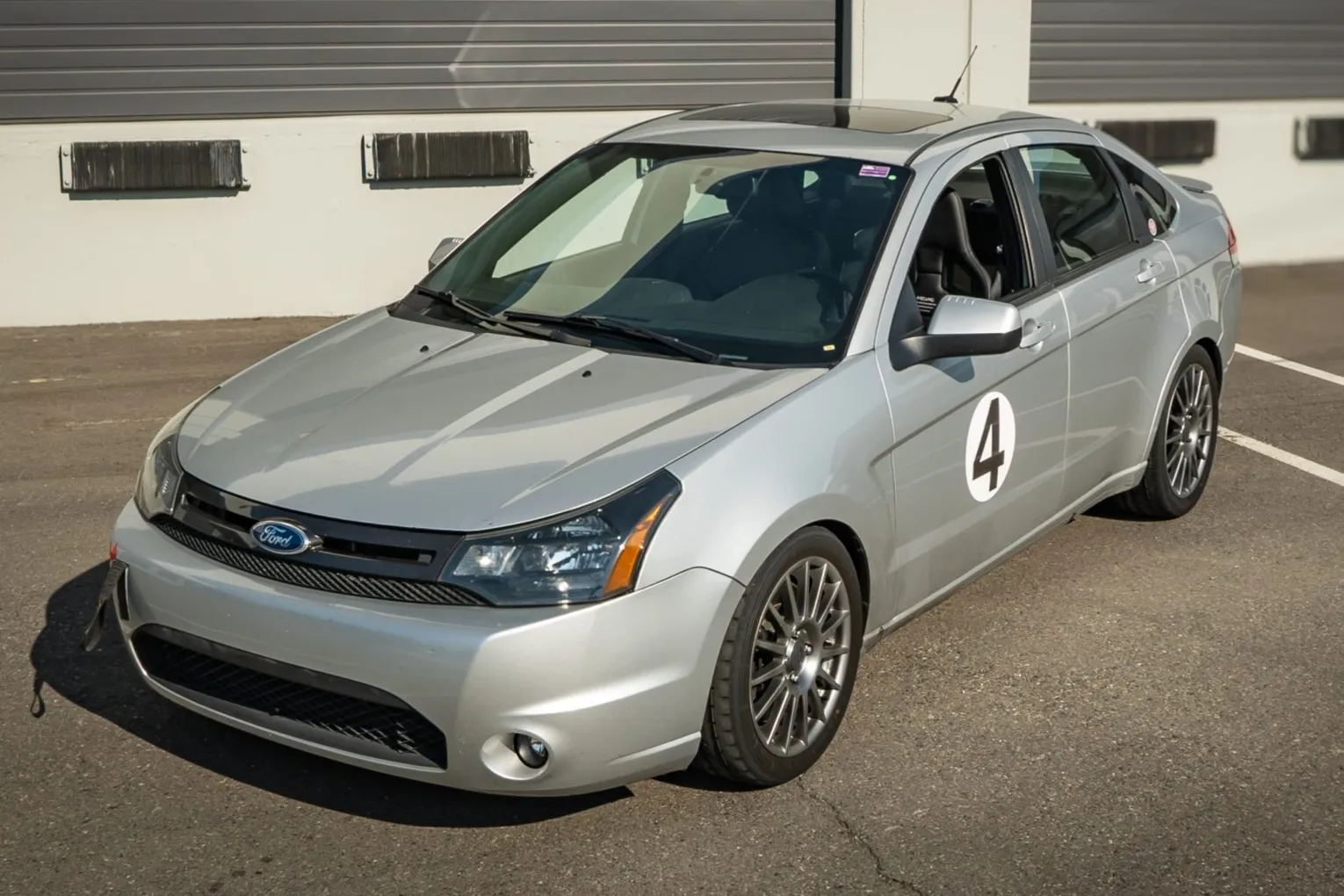
The 2010 Ford Focus solidified itself as one of the most dependable years for the model, earning an impressive 85/100 quality and reliability score from J.D. Power. This makes it an attractive option for budget-conscious buyers seeking a compact sedan or coupe with a proven track record.
Adding to its appeal is the fact that the 2010 Focus has no outstanding recalls, a rarity for vehicles of its age. CarComplaints lists just 137 reported issues, the majority tied to rough idling caused by a faulty throttle body, which is a relatively simple and inexpensive repair.
With strong availability in the used car market, the 2010 Focus remains a practical, affordable choice that offers peace of mind for those wary of hidden maintenance pitfalls.
Beyond reliability, Ford added useful standard features in 2010 that boosted the Focus’ value proposition. Keyless entry, antilock brakes, and stability control became standard across all trims, while the Sync infotainment system gained new functions, including turn-by-turn directions, traffic updates, and voice-controlled information services when paired with mobile devices.
These updates made the Focus more competitive in the increasingly tech-focused small car segment. However, while the car delivered solid value, it lacked the refinement and excitement of rivals like the Mazda 3 or Honda Civic.
With a major redesign on the horizon, the 2010 Focus carried a somewhat “lame-duck” reputation, leaving buyers torn between choosing this dependable yet aging model or waiting for the next-generation update.
Performance in the 2010 Focus was modest but practical. Powered by a 2.0-liter inline four-cylinder engine, it delivered 140 horsepower, or slightly less in California’s emissions-certified PZEV version. A five-speed manual transmission came standard, while a four-speed automatic was optional.
Though the automatic was serviceable, it lagged behind competitors who had already adopted more efficient five-speeds and CVTs. In testing, acceleration was underwhelming, with a 0–60 mph time of 9.7 seconds, yet fuel efficiency was solid at 24 mpg city and up to 35 mpg highway with the manual.
Safety features were another strong suit, with six airbags, ABS, stability control, and Ford’s MyKey system included.
Crash test ratings varied: the sedan scored well with four to five stars depending on the test, while the coupe fared worse in side-impact evaluations. The IIHS gave both body styles “Good” ratings for most categories, though side-impact performance was mixed.
Inside, the 2010 Focus blended practicality with a few modern touches. The cabin featured ambient lighting options and a cool blue gauge display, creating a more high-tech feel. However, the interior suffered from cheap plastics, inconsistent construction quality, and a cluttered, button-heavy center stack.
Comfort was adequate, with decent front-seat support and nearly 14 cubic feet of trunk space, expandable with folding rear seats. Sync integration stood out as one of the Focus’s best features, enabling voice-activated control of phones and music players, and now offering real-time directions and traffic info.
On the road, the Focus delivered a quiet, smooth ride with responsive steering, though it lacked the driving excitement of top rivals. The 2010 Ford Focus offered strong reliability, affordability, and useful features, making it a respectable choice, though not the standout in a competitive compact car market.
3. 2018 Ford Focus
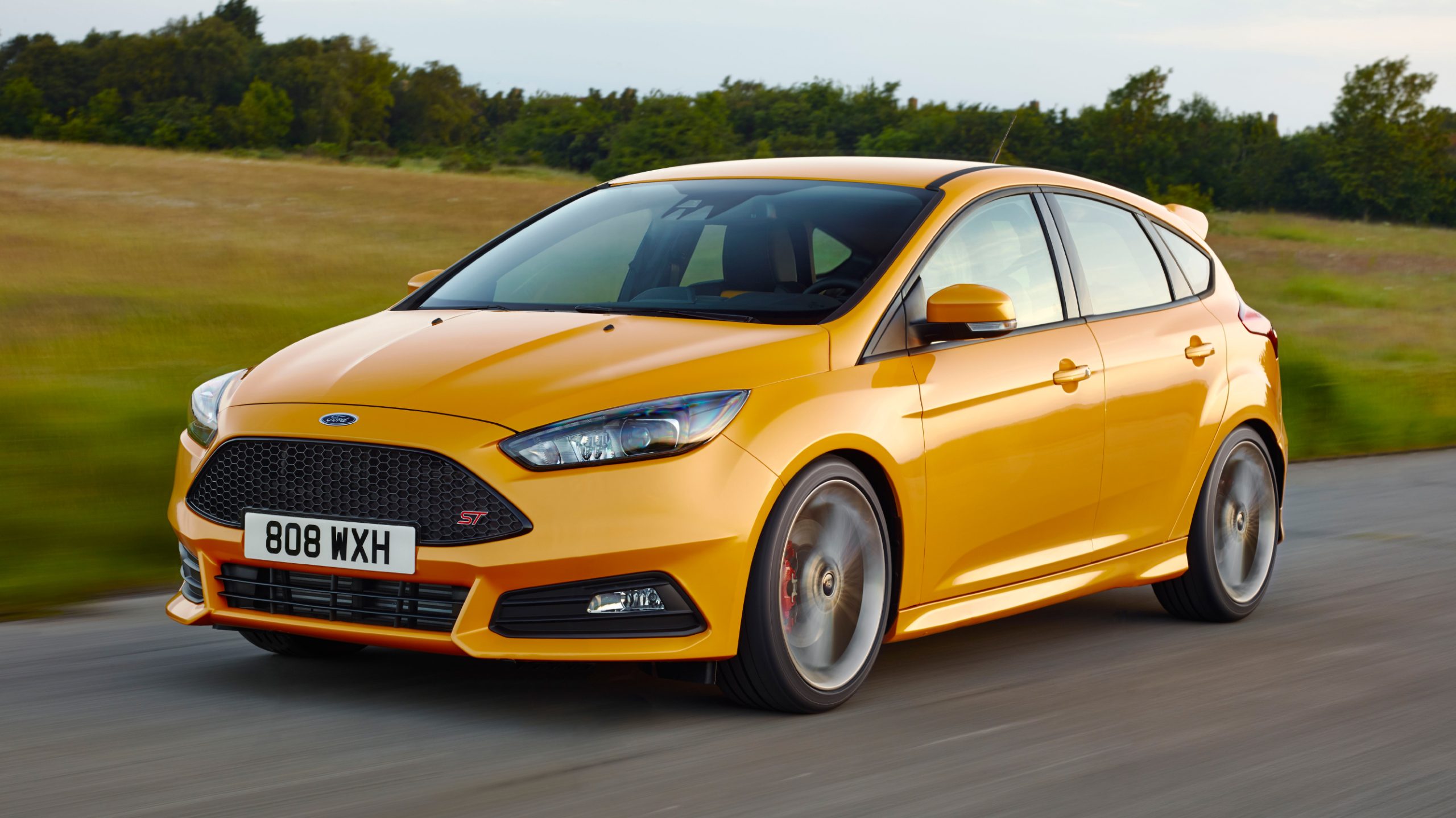
By the time the 2018 Ford Focus rolled off the production line, Ford had addressed many of the issues that plagued earlier third-generation models.
Offered with several powertrains, including a lively 1.0-liter EcoBoost engine, the car delivered respectable reliability when properly maintained, though its timing belt required careful attention to avoid costly failures.
J.D. Power awarded the model a reliability score of 76/100 average for the segment, but a marked improvement over prior years. The NHTSA reported just three recalls, fewer than most earlier versions, and CarComplaints lists only 29 consumer complaints.
This low number not only reflects relatively lower sales in its final year but also speaks to the improved dependability of the 2018 model. With options ranging from no-frills commuter versions to high-performance trims and even an all-electric variant, the Focus stood out as a versatile small car in its last iteration.
Behind the wheel, the 2018 Focus offered balanced performance, although not without trade-offs. The 1.0-liter EcoBoost engine produced 123 horsepower and 125 lb-ft of torque, delivering efficiency but struggling under heavy acceleration, with a 0–60 mph time of 10.6 seconds.
While its acceleration lagged behind rivals, braking and handling were strong points, with predictable pedal feel and an average stopping distance of 120 feet from 60 mph. The steering, though somewhat light and numb at low speeds, proved responsive and gave the Focus agility on winding roads.
The suspension was a highlight, offering a playful, well-controlled ride uncommon in economy cars. Despite body roll in corners, the car felt eager and confident, providing more driving enjoyment than many competitors in the compact segment.
Comfort and refinement were areas where the Focus impressed. The sedan delivered a smooth, composed ride and a surprisingly quiet cabin, effectively insulating passengers from wind and road noise.
The suspension’s ability to absorb bumps contributed to a segment-leading sense of control and stability, making the Focus a standout for relaxed cruising. However, rear-seat space lagged behind rivals, with limited legroom and tight headroom for taller passengers.
The front seats offered decent support for daily driving and longer trips, though thinly padded armrests detracted from comfort. Hard plastics on the door panels and dated interior materials reminded buyers that the model was nearing the end of its production run.
Still, the availability of the Sync 3 infotainment system with Android Auto and Apple CarPlay added modern appeal and ensured that drivers stayed connected and entertained.
Practicality and usability rounded out the Focus’ strengths and weaknesses. The dashboard layout placed most controls within easy reach, but the small central display screen and button-heavy center stack gave the cabin a dated feel compared to competitors.
Visibility was generally good, aided by thin front pillars and a standard rearview camera, though rear-seat entry and exit could be tricky when tall occupants sat up front. Cargo space was competitive, with 13.2 cubic feet of trunk volume and folding rear seats, though the pass-through was narrower than ideal.
Interior storage was modest, offering just enough room for essentials. Taken as a whole, the 2018 Ford Focus represented a well-rounded, competent, and much-improved compact car.
Though it lagged behind newer rivals in space and outright performance, its comfortable ride, strong handling, and broad range of configurations made it a smart and reliable choice to close out the third generation.
4. 2011 Ford Focus
The 2011 Ford Focus marked the final year of the first-generation model in North America, carrying forward many of the strengths that made the previous year a reliable pick. Review scores remained strong, with Kelley Blue Book, Cars.com, and Edmunds all giving the car ratings in the mid-4-star range, demonstrating impressive consistency.
J.D. Power gave it a slightly lower score than the 2010 model, rating it 79 out of 100, while its quality and reliability rating of 83 ranked among the highest of any Focus. Consumer Reports echoed this sentiment, awarding it the highest reliability score of any Focus model year.
On CarComplaints, the 2011 also registered the fewest reported problems of its generation, making it one of the safest used options for buyers seeking dependable transportation at a reasonable price.
Despite its reputation for reliability, the 2011 Focus was a car caught in transition. While Europe had already moved on to a second-generation Focus, North America continued with a heavily aged version of the original 2000 design.
Styling had been refreshed twice, new features like Ford’s Sync system were added, and body styles were pared down, but the car was beginning to feel outdated.
The once-sporty handling had softened into a comfort-oriented ride, hatchback options were discontinued, and even useful features like the telescoping steering wheel were removed.
This left the Focus in an awkward position: reliable and affordable, yet behind its rivals in refinement, excitement, and modern design. Many reviewers advised buyers to wait for the fully redesigned 2012 Focus, which promised a complete overhaul with world-class engineering.
Under the hood, the 2011 Focus was powered by a 2.0-liter four-cylinder engine producing 140 horsepower and 136 lb-ft of torque. In California-emissions states, a PZEV version made slightly less power but met stricter environmental standards.
Transmission choices included a standard five-speed manual or an optional four-speed automatic, though the automatic felt increasingly dated compared to the five-speed and CVT options from competitors.
Performance was modest, with 0–60 mph taking 9.7 seconds, but fuel efficiency was competitive at 24 mpg city and up to 35 mpg highway with the manual. Safety features were solid for its class, with six airbags, stability control, antilock brakes, and Ford’s MyKey system included as standard.
Crash tests reflected a mixed but decent safety profile, with strong results in frontal and driver-side impacts, though side protection for rear passengers was only average.
Inside, the Focus attempted to keep pace with modern expectations through features like ambient lighting and Ford’s Sync voice-activated infotainment system, which allowed hands-free control of phones and media.
The cabin was roomy enough for daily use and road trips, offering nearly 14 cubic feet of trunk space with split-folding rear seats for added versatility. However, material quality was a persistent weak point, with cheap plastics and inconsistent fit and finish throughout.
Ride quality was smooth and quiet for an economy car, but driving dynamics lacked the sporty character of earlier Focus models. Ultimately, the 2011 Ford Focus stood out as a highly reliable and affordable compact car, but one that showed its age in design, features, and driving excitement.
For buyers prioritizing dependability, it was an excellent choice, but for those seeking refinement and driving enjoyment, waiting for the redesigned 2012 Focus or considering rivals like the Honda Civic, Mazda 3, or Hyundai Elantra was the smarter move.
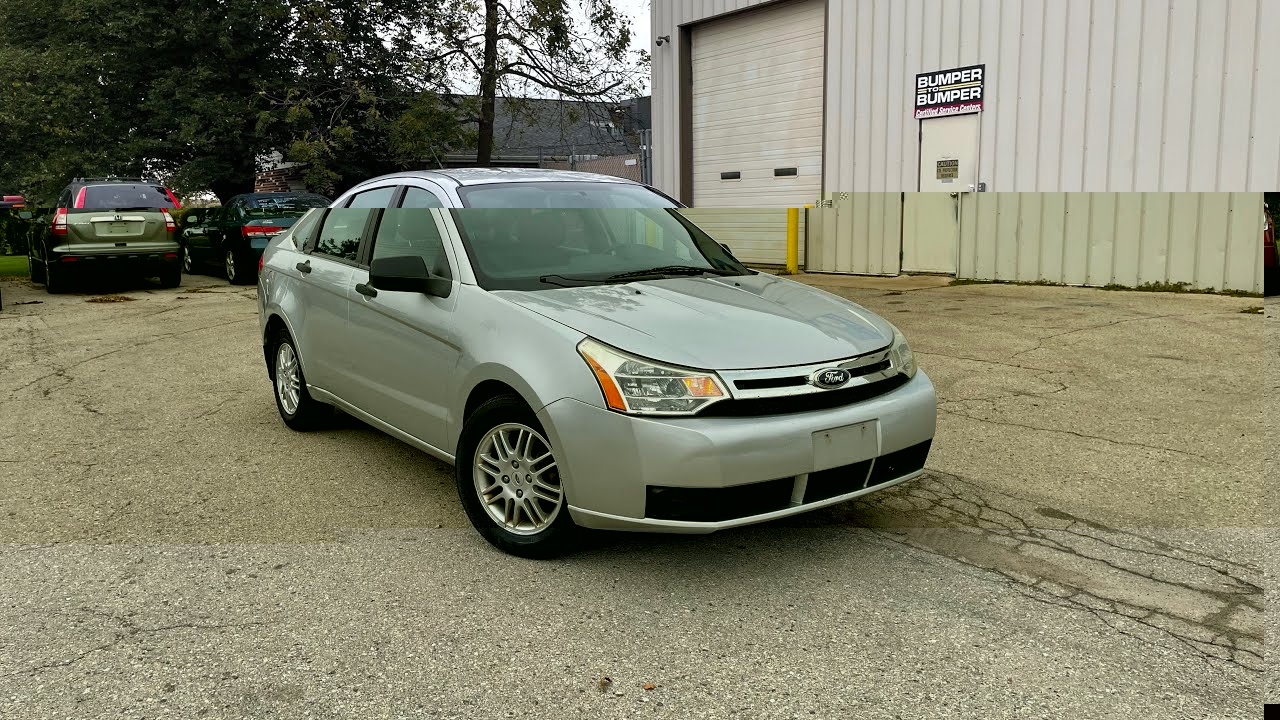
5. 2008 Ford Focus
The 2008 Ford Focus arrived at a pivotal moment for the model, following a spike in complaints from the prior year. Thankfully, Ford managed to rebound, with reported issues dropping again and customer satisfaction ratings rising across multiple platforms.
Kelley Blue Book drivers rated it 4.6 out of 5 stars, a half-star jump from the 2006 model, while Edmunds users matched that 4.6-star rating. Cars.com reviewers gave the Focus a 4.4-star average, continuing the upward trend of consumer approval.
J.D. Power reinforced these positive impressions with a score of 79 out of 100, tying for the second-highest rating the Focus had ever received. Its quality and reliability rating of 80 and driving experience score of 86 highlighted the car’s balanced strengths, confirming that by 2008, Ford had restored much of the confidence lost in earlier years.
Mechanically, the 2008 Focus was not an entirely new vehicle but benefited from a significant refresh. The lone 2.0-liter four-cylinder engine gained a slight boost in power to 140 horsepower (or 130 hp in cleaner California-emissions form), and while the optional 2.3-liter was discontinued, performance remained adequate for daily driving.
Transmission choices included a five-speed manual or a four-speed automatic, both delivering respectable fuel economy, 24 mpg city and up to 35 mpg highway with the manual. Alongside these mechanical tweaks, Ford added the coupe body style to the lineup while discontinuing all hatchback and wagon versions.
The 2008 model also introduced the Microsoft-developed Sync system, offering hands-free calling and voice-controlled media integration, marking one of the most significant technological upgrades for the Focus at the time.
On the road, the 2008 Focus delivered a balance of comfort and moderate driving enjoyment. Its steering was quick and responsive, lending some fun to an otherwise economy-focused package.
While it couldn’t match the sharper handling of rivals like the Mazda 3, it offered a quieter highway ride compared to earlier Focus models and many of its compact-class competitors. The suspension revisions provided a smooth and composed ride, and the four-speed automatic, though dated, managed its gear shifts well even on inclines.
The Focus’s driving character leaned more toward comfort than performance, making it a solid choice for buyers seeking dependable, everyday transportation.
Safety was a mixed bag: six airbags, including side-impact and curtain airbags, were standard, but stability control was not offered, and rear seats lacked head restraints. Still, the inclusion of key safety equipment made it competitive for the time.
Inside, the Focus featured one of its most notable overhauls. The refreshed cabin included redesigned gauges, a new steering wheel, supportive seats, and, in higher trims, metallic-style dash accents and white-faced gauges with chrome rings.
Blue gauge lighting added a modern, stylish touch. While material quality still lagged behind leading imports, the updated design gave the Focus a fresher and more upscale feel than previous years.
Sync further elevated the experience by simplifying Bluetooth phone pairing and MP3 integration, setting the Focus apart in terms of technology for its segment. Cargo space and comfort were practical for daily use, though not class-leading.
In the end, the 2008 Ford Focus represented a turning point: not the most refined small car on the market, but a reliable, value-oriented option that blended comfort, tech upgrades, and affordability, making it an appealing choice for compact car buyers.
Also Read: 5 Cars with Climate Control That Works vs 5 That’s Just for Show
5 Ford Focus Years To Skip
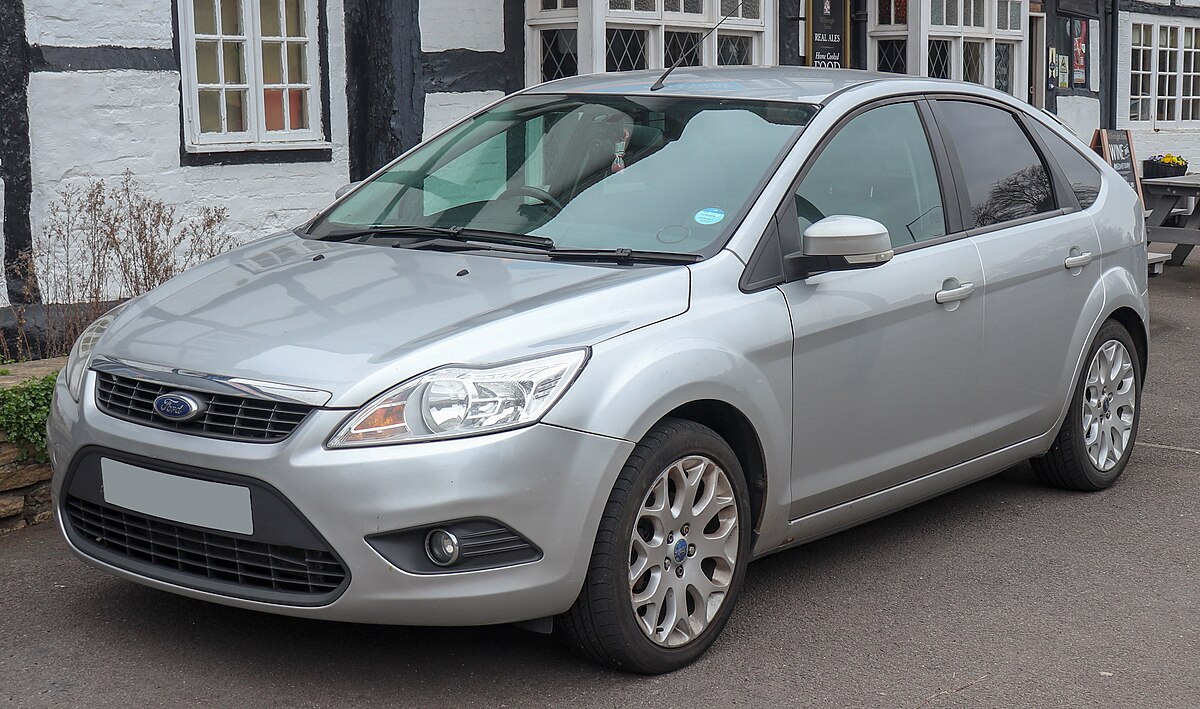
1. 2007 Ford Focus: Affordable Yet Frustratingly Unreliable
The 2007 Ford Focus balanced style, practicality, and affordability, making it an attractive choice in the compact car segment. Owners enjoyed its fun-to-drive nature and reasonable fuel efficiency, but its reliability issues overshadowed these positives.
According to CarComplaints.com, the model racked up over 700 complaints and two recalls, largely due to recurring alternator failures and premature tire wear. Alternators often gave out unexpectedly, sometimes failing again within 18 months of replacement, leaving drivers frustrated with frequent breakdowns and repair costs.
Excessive tire wear was another persistent issue, with even high-quality replacements wearing out prematurely, pointing to potential suspension or alignment flaws. These problems turned what was marketed as a budget-friendly vehicle into a costly ownership experience.
While the 2007 Focus remained appealing in terms of design and driving dynamics, its frequent mechanical issues made it one of the least reliable entries in the lineup, often appearing on “years to avoid” lists.
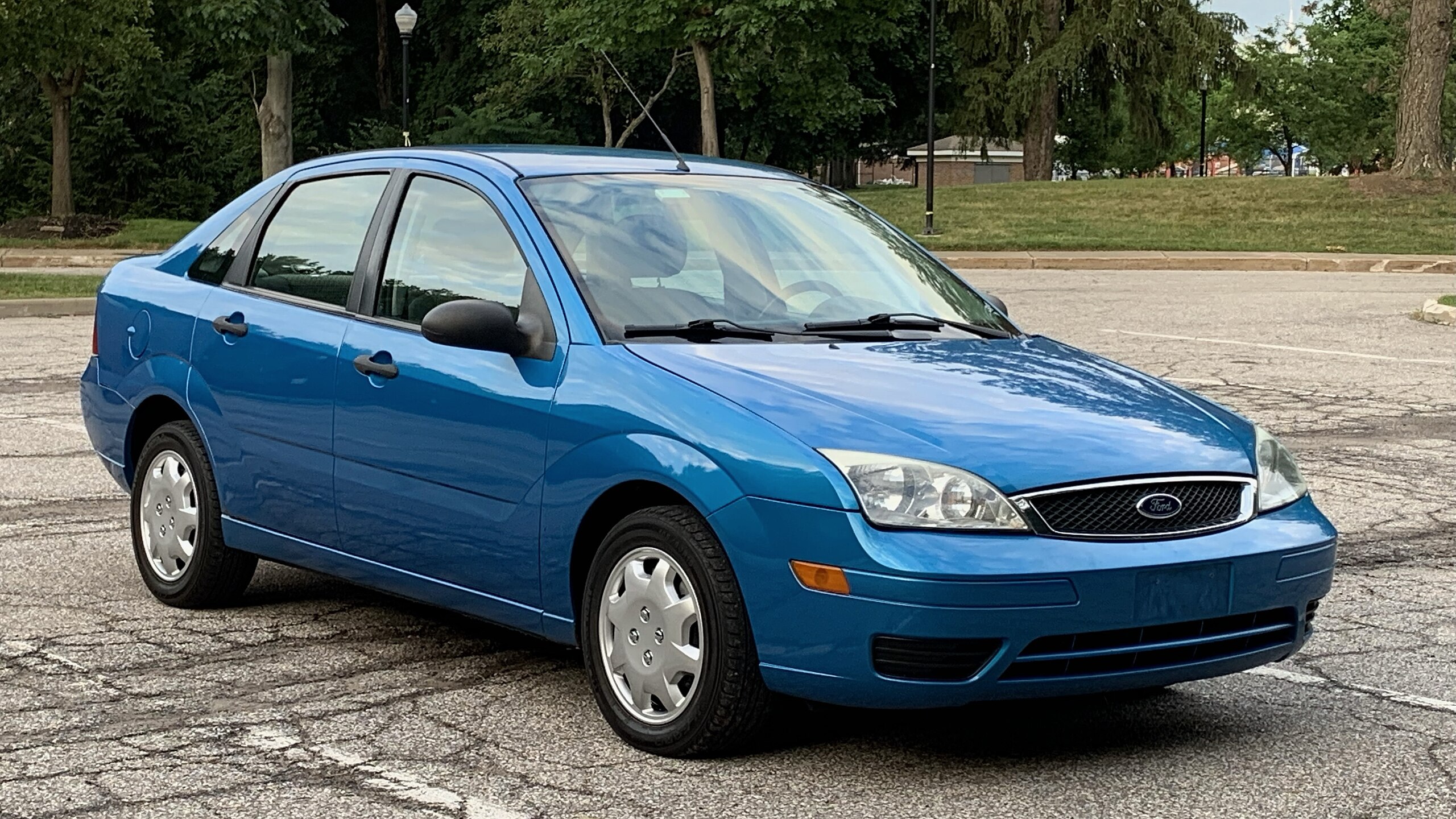
2. 2014 Ford Focus: Transmission Troubles Take the Spotlight
The 2014 Ford Focus is widely regarded as one of the most problematic models in the lineup, leaving drivers frustrated and disappointed. While Ford had opportunities to refine its compact car after earlier issues, this year introduced a major setback, primarily related to the transmission.
Driver reviews on Edmunds average just 2.3 out of 5 stars, with nearly half giving the car a single star. Common phrases like “transmission nightmare” and “junk” capture the widespread frustration, and some drivers even call for legal action due to repeated failures.
CarComplaints identifies the 2014 Focus as the worst model in the series, with about 63% of reported issues linked to transmission malfunctions. Problems include stalling, hesitation, and halting when the car is stopped, leading to costly repairs for owners.
While the vehicle had six recalls, none addressed the core transmission failures that plagued drivers. For anyone prioritizing reliability, the 2014 Focus is best avoided.
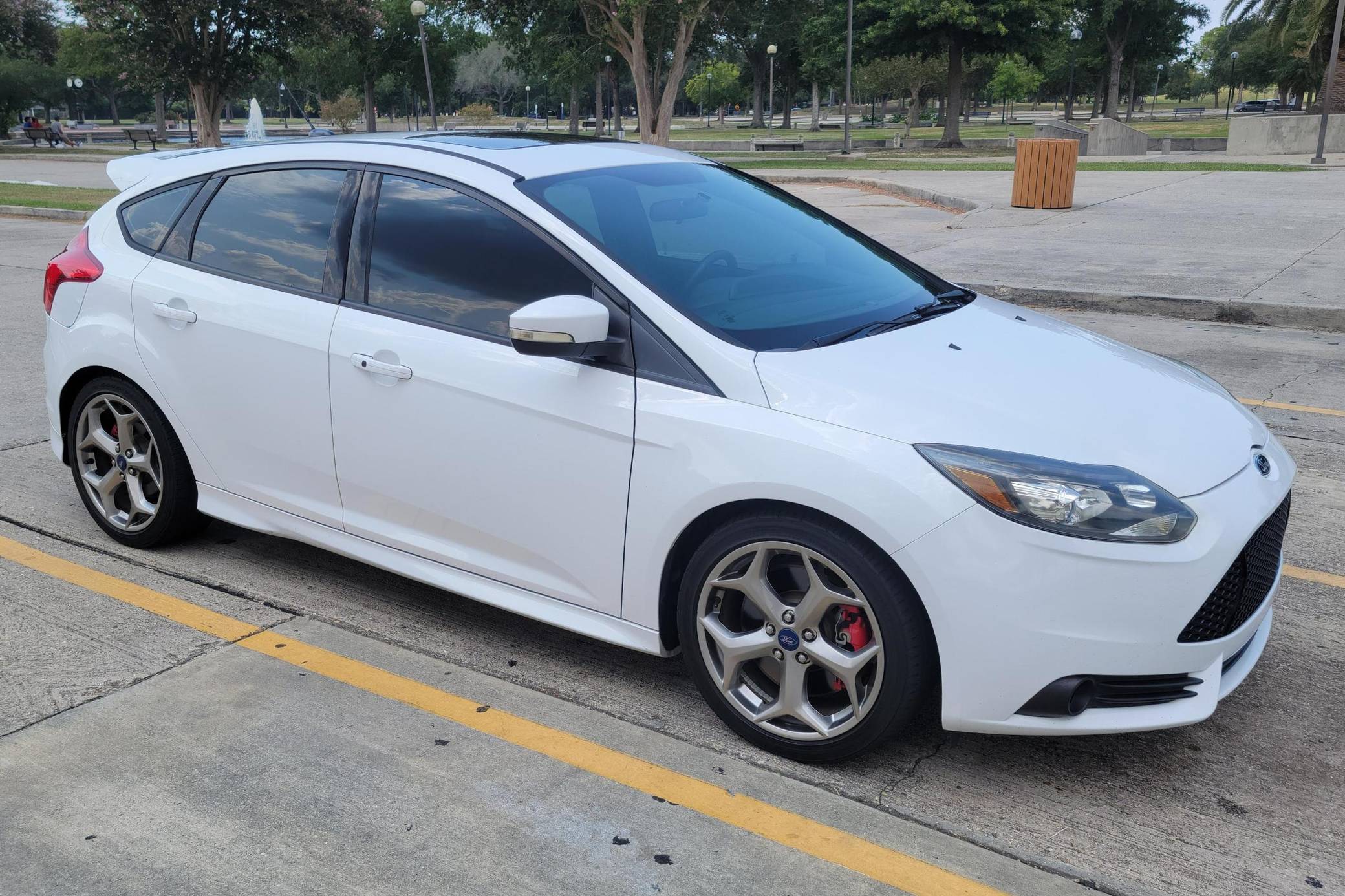
3. 2012 Ford Focus: A Reliability Low Point
By 2012, Ford launched a redesigned Focus with modern styling and new technology, but beneath the fresh exterior lay significant reliability problems. With more than 5,000 complaints logged on CarComplaints.com and the dreaded “Avoid Like the Plague” seal of disapproval, the 2012 Focus is widely considered the worst model year of the lineup.
The most dangerous issue was widespread power steering failure, often occurring suddenly while driving, leaving many drivers unable to steer or forcing them to wrestle with an unresponsive wheel.
This posed serious safety risks, especially in traffic. Compounding the danger was a problem with defective door latches that failed to stay closed, sometimes causing doors to open while the vehicle was in motion.
These issues combined to create a car that was not just unreliable but unsafe. For many owners, the 2012 Focus was an expensive and hazardous mistake, cementing its reputation as a year to avoid.
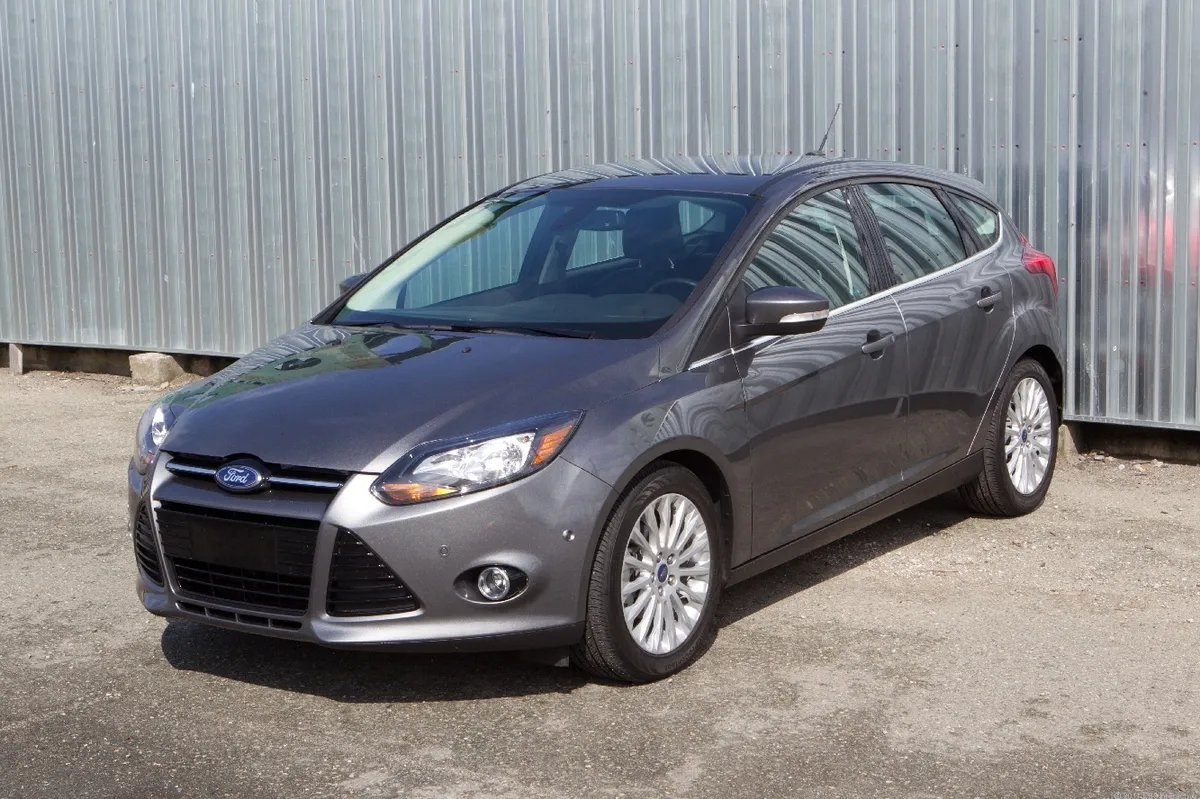
4. 2013 Ford Focus: Transmission Woes Dominate
Although not as catastrophic as the 2012 model, the 2013 Ford Focus continued the brand’s struggles with reliability, particularly with its dual-clutch transmission system. Consumer Reports assigned it a dismal reliability rating of 1 out of 5, while CarComplaints.com labeled it a “Clunker.”
Transmission failures dominated owner reports, with many drivers losing vehicle control when the system malfunctioned. Repairs were costly, averaging around $2,600, and issues often surfaced at relatively low mileage, around 45,000 miles.
While not as life-threatening as the 2012 steering and door latch problems, these transmission failures still posed serious safety risks and left owners frustrated with high maintenance costs.
On a smaller scale, some 2013 Focus models also suffered from faulty backup cameras tied to the infotainment system, adding to the perception of poor build quality. While a slight step up from 2012, the 2013 Focus still represented one of the weakest and least dependable years in the lineup.
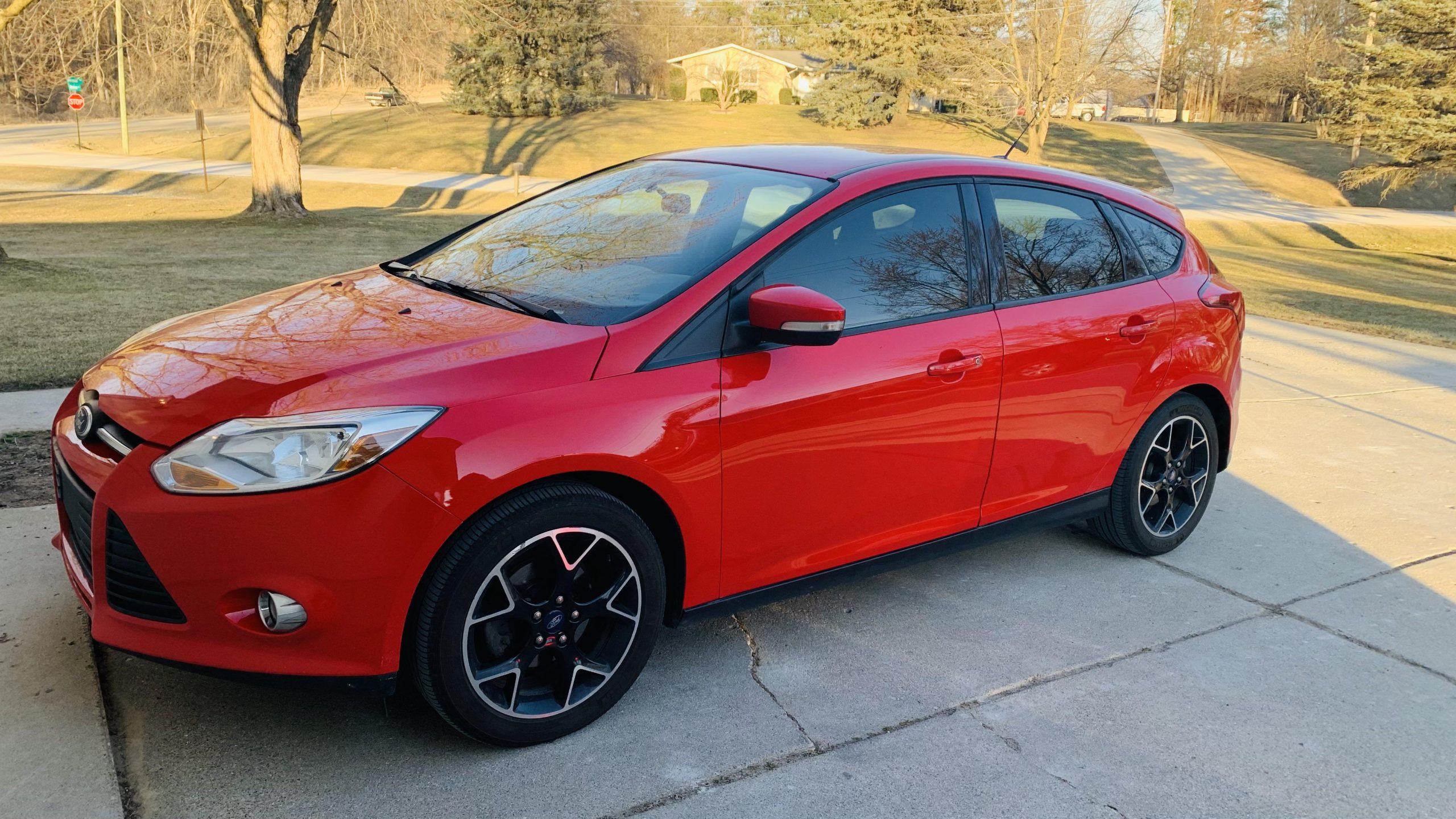
5. 2015 Ford Focus: Transmission Troubles Continue
The 2015 Ford Focus marked an improvement over the 2012 and 2013 disasters, but reliability concerns persisted, most notably with the car’s dual-clutch transmission.
Poorly suited to the vehicle, this transmission caused frequent shuddering and jerking when accelerating from a stop, frustrating owners who expected smoother performance. Even after repeated trips to dealerships, the problem often reoccurred, making the issue a persistent headache.
The problem grew so widespread that Ford faced lawsuits and eventually settled claims related to the transmission defects. While the 2015 Focus did not suffer the same volume of safety-critical failures as the 2012 or 2013 models, its drivetrain flaws undermined driver confidence and overshadowed its strengths in fuel efficiency, design, and technology.
Buyers considering this model must weigh its affordability and updates against the risk of ongoing transmission problems. As a result, the 2015 Focus remains a questionable choice for used car shoppers prioritizing long-term dependability.
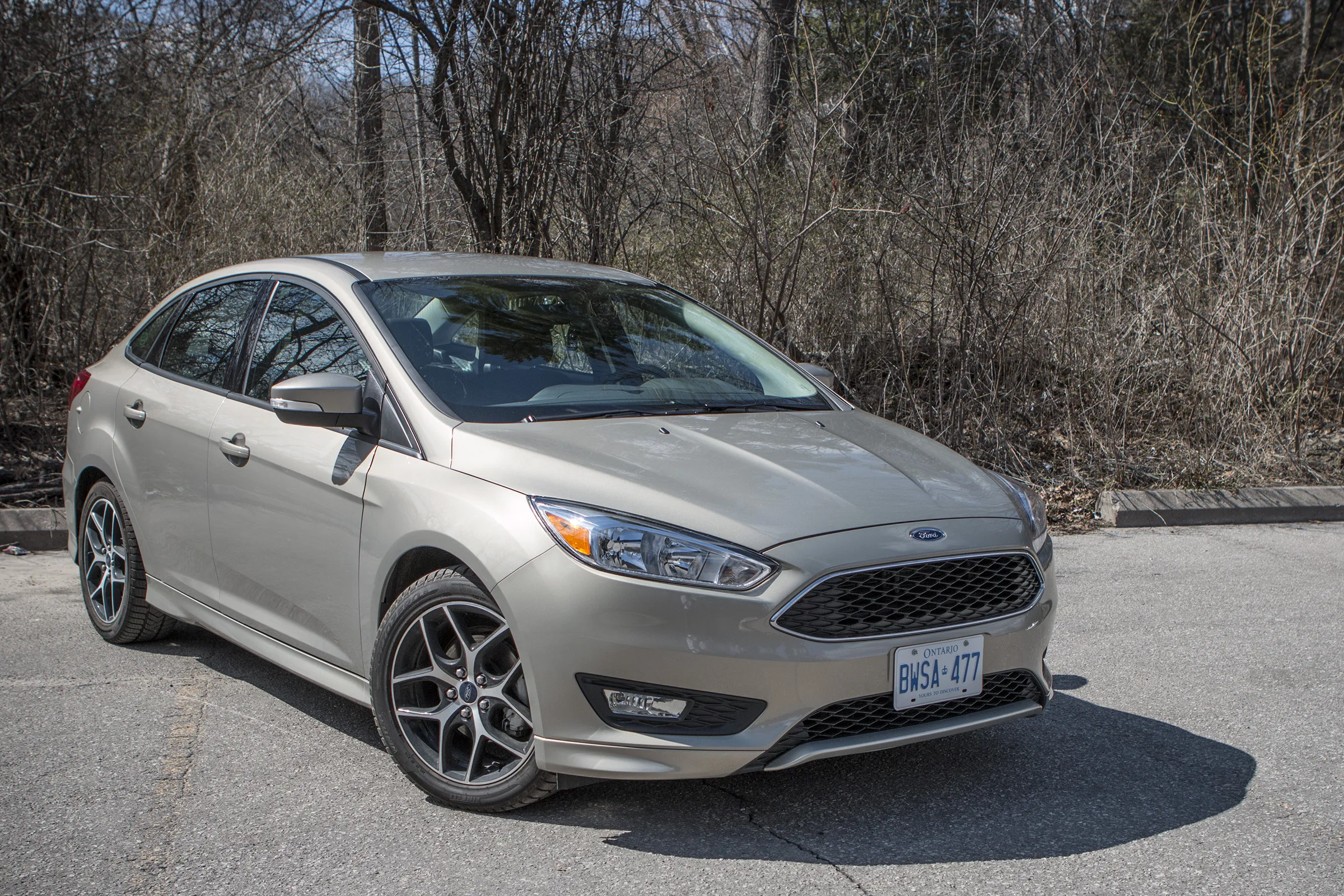
Finding the right used Ford Focus comes down to understanding which model years deliver the greatest reliability and value. While the lineup has seen its share of challenges, the five years highlighted here demonstrate what makes the Focus an enduring favorite among compact cars.
Each one offers something unique, whether it’s nimble handling, dependable engineering, or updated technology that keeps the driving experience enjoyable. For buyers, the key is focusing on vehicles with proper maintenance records and a clean history, as this ensures the car continues to perform well for years to come.
By choosing carefully, you can enjoy the strengths that made the Focus a success: affordability, efficiency, and practicality, without worrying about the pitfalls of less dependable years. In the end, these standout models prove that with the right selection, the Ford Focus remains a smart, dependable choice in the used car market.
Also Read: 10 Cars That Rarely Sit Unsold In The Lot Due To High Demand in 2025