
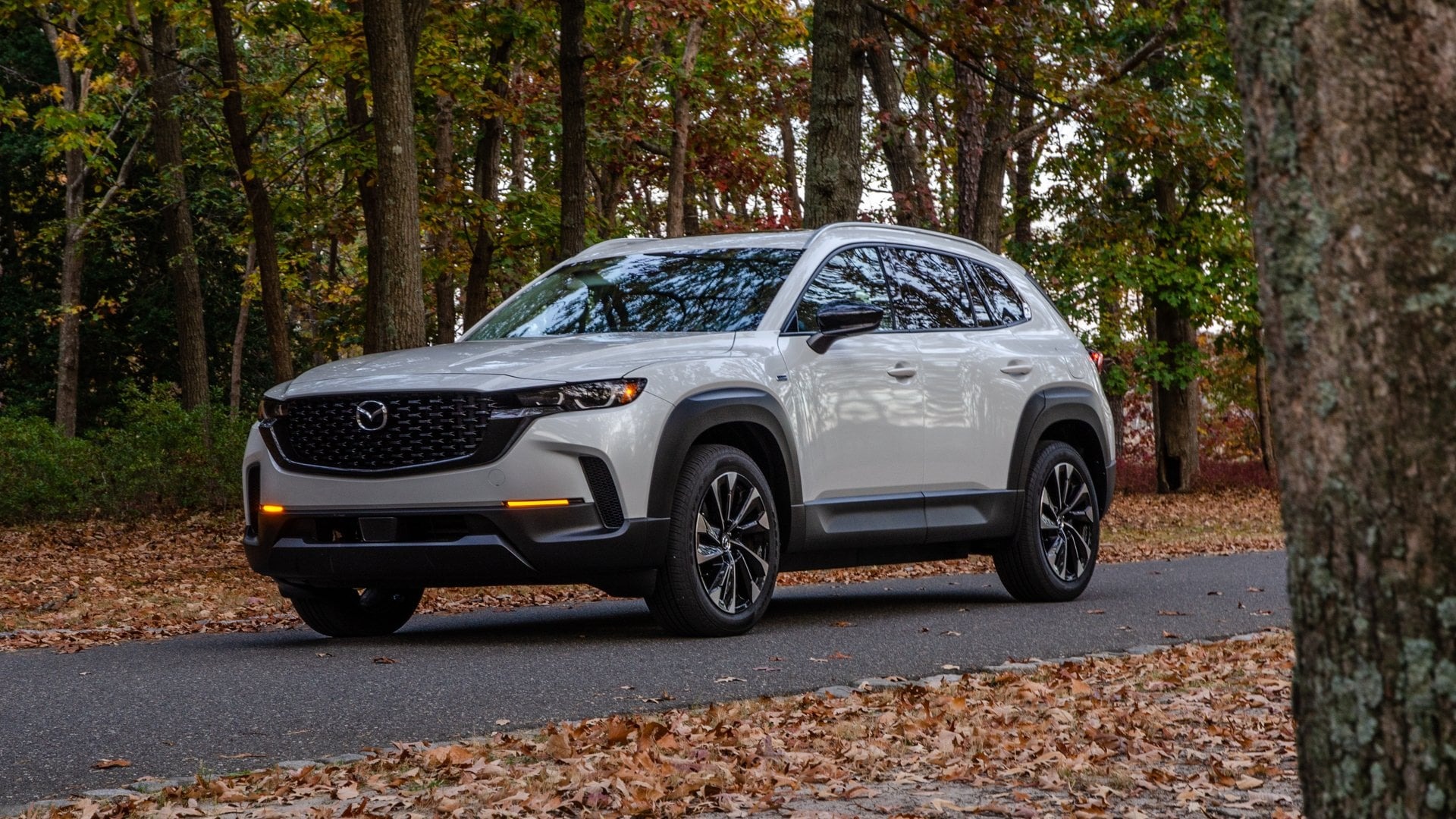
When drivers in the United States talk about fuel savings and the cost of ownership, hybrid cars often come up as a top option. Many people believe that once a vehicle carries the hybrid tag, it must save plenty of money in fuel costs and daily maintenance.
This idea is partly true, but it is not always correct for every hybrid model in the market. Some hybrids truly help drivers reduce fuel expenses, cut down maintenance bills, and even hold good resale value after many years.
At the same time, some hybrid models bring extra costs that cancel the money saved on fuel. These added expenses might come from very high purchase prices, replacement of expensive batteries, or mechanical parts that are more costly than those in regular gasoline cars.
When a person is about to buy a car, they are usually concerned about long-term cost. They not only check how much fuel the car consumes each week, but they also consider how much they might spend on servicing, repairs, and parts when the car gets older. This is where the difference between money-saving hybrids and money-draining hybrids becomes clear.
We will carefully look at five hybrid cars that truly save owners money, followed by five hybrid cars that usually do not provide the expected savings. Each section will be well-detailed so that car buyers can see what makes some hybrids worth the investment, while others might not give the best financial value.
5 Hybrids That Save Owners Money
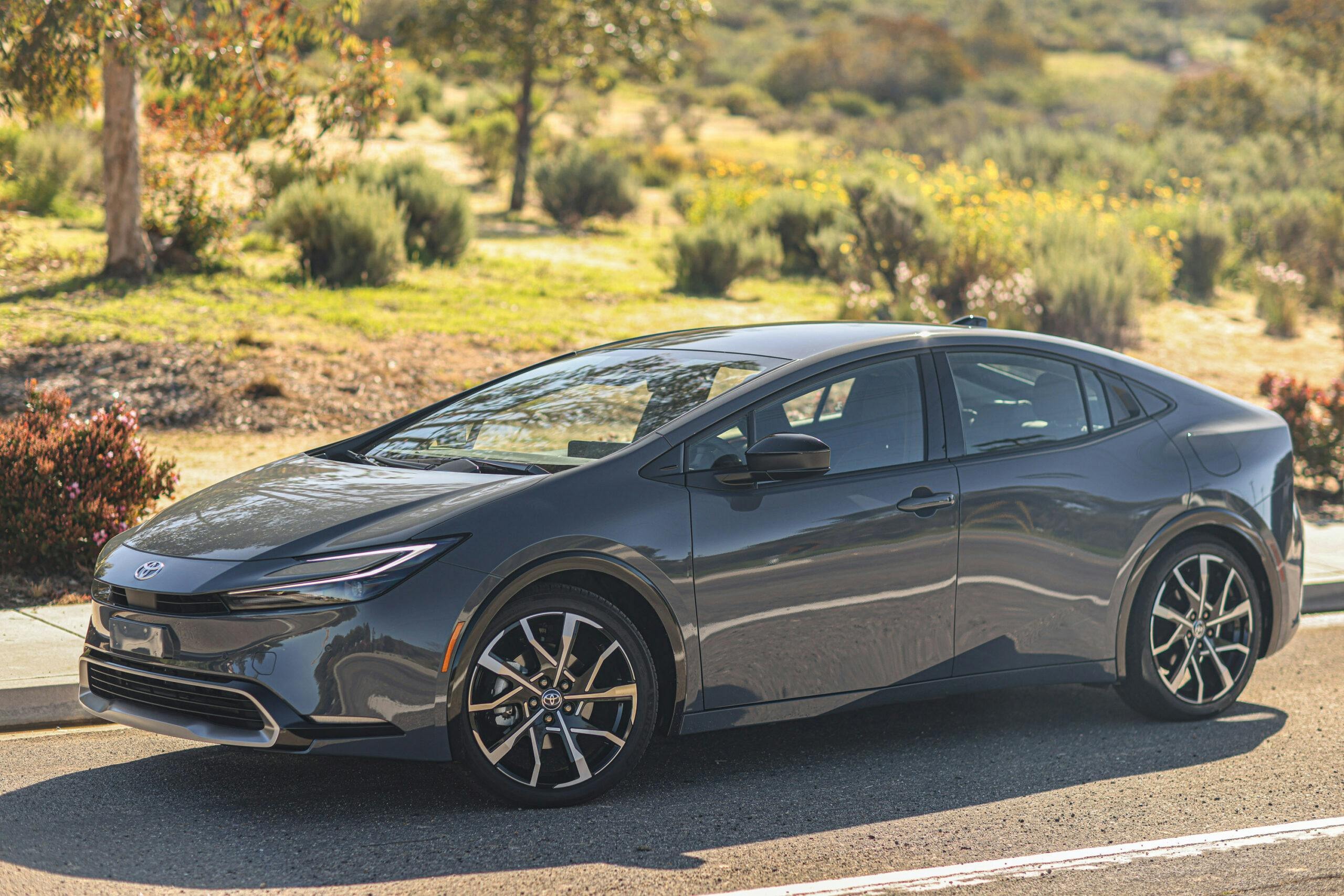
1. Toyota Prius
When conversations about hybrids begin, the Toyota Prius always stands at the front. This car has built a strong name for itself as one of the most reliable hybrids ever made. Many American households choose it because of its proven record in fuel economy and durability.
The Toyota Prius is known for its excellent miles per gallon ratings. Depending on the model year, drivers can enjoy between 50 and 56 miles per gallon, which is far above what most gasoline cars deliver.
For people who drive long distances every day, this level of fuel saving quickly adds up, reducing how much they spend at filling stations. This is one of the strongest reasons why many buyers do not regret investing in a Prius.
Maintenance is another area where the Prius helps its owners save money. Toyota designed the hybrid system in a way that has been tested for more than two decades. Because of this long history, many mechanics are already very familiar with how to service and repair the Prius.
The parts are also easy to find, and the hybrid battery is more durable than many people assume. Some Prius owners report that the original battery can last more than 150,000 miles before any serious replacement is required.
Resale value is another benefit. When Prius owners decide to sell their car, they often discover that the model still holds strong demand in the used car market. This means they recover a good portion of their investment. When you put together the fuel savings, the manageable maintenance, and the resale value, it is easy to see why the Toyota Prius is truly a hybrid that saves money.
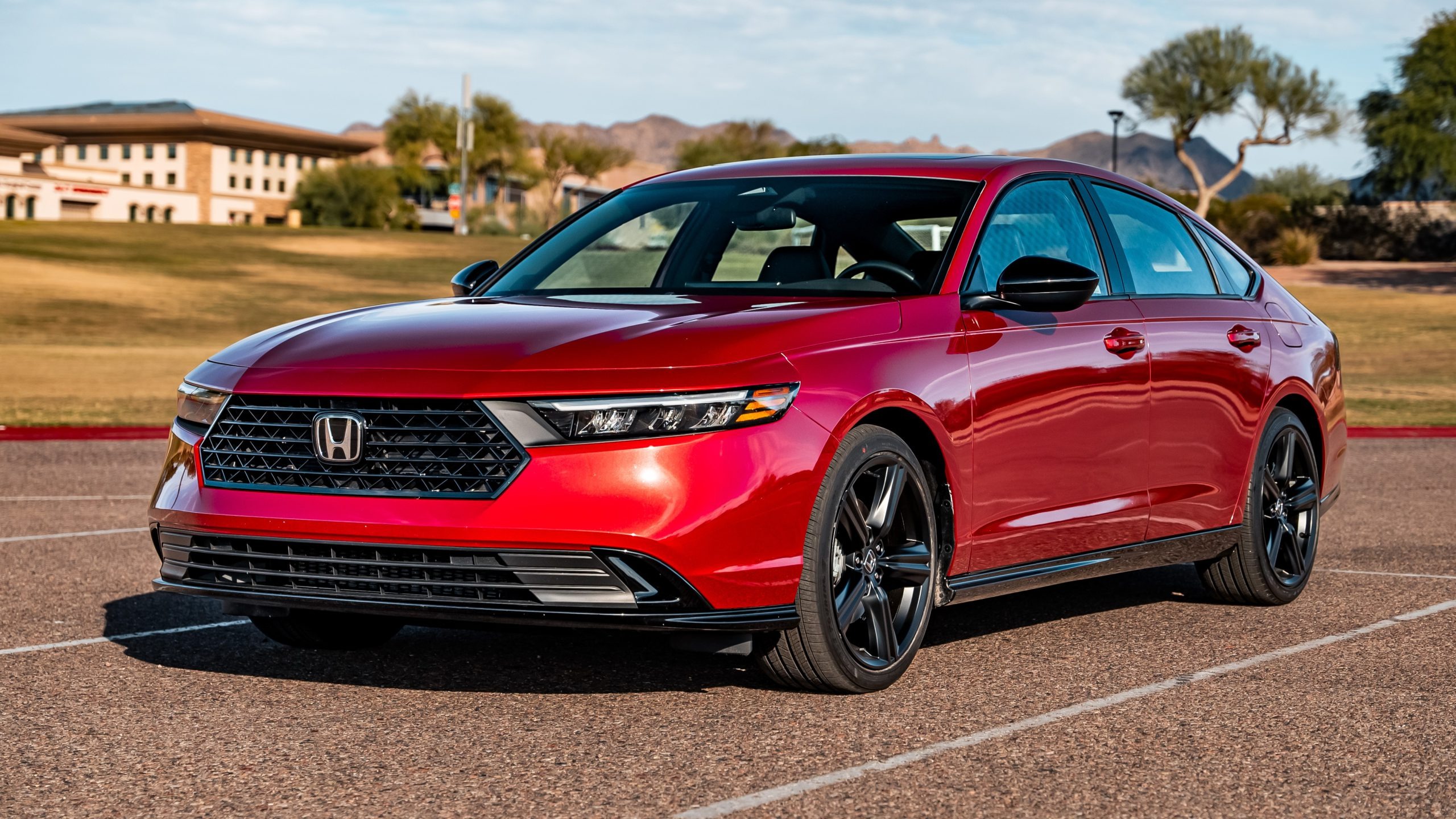
2. Honda Accord Hybrid
The Honda Accord Hybrid provides an excellent balance of comfort, technology, and cost efficiency. Many Americans who prefer mid-sized sedans with strong reputations for reliability often look at the Accord Hybrid as a wise choice.
Fuel efficiency is one of the first areas where the Accord Hybrid stands out. Drivers usually enjoy between 47 and 48 miles per gallon, which is impressive for a sedan of its size.
It provides the comfort of a family car while still keeping fuel expenses under control. Unlike some hybrids that lose fuel efficiency on highways, the Accord Hybrid performs strongly in both city and highway conditions.
Honda has also kept the cost of servicing very reasonable for this model. The hybrid system is designed in a way that does not demand constant complicated repairs. Oil changes, brake servicing, and other routine maintenance follow a normal schedule without extra stress. Many Honda dealers also have mechanics who are well-trained in handling this system, which keeps labor costs stable.
Another factor that makes the Accord Hybrid save money is the quality of its build. Honda cars have long reputations for lasting well beyond 200,000 miles if well taken care of. Because of this, many Accord Hybrid owners keep their cars for years without facing massive breakdowns.
Even when it is time to sell, the car still attracts interest from buyers who trust the Honda brand. With these advantages, the Accord Hybrid stands as one of the best cost-saving hybrids in the US market.
Also Read: 5 Affordable Hybrids That Feel Well-Made and 5 That Don’t
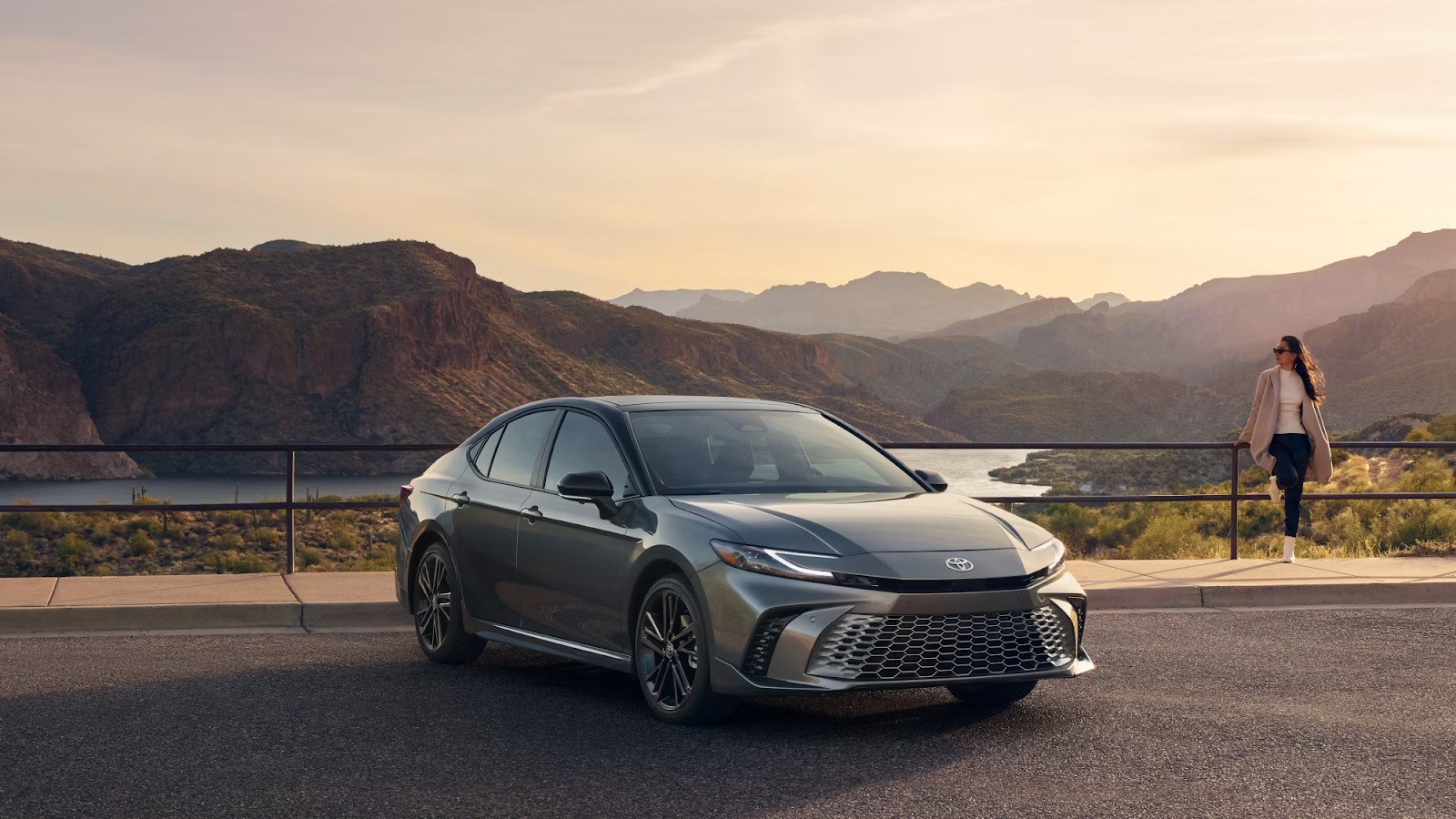
3. Toyota Camry Hybrid
For drivers who like a balance between style, power, and fuel efficiency, the Toyota Camry Hybrid fits well. It combines the durability of the Toyota brand with advanced hybrid technology that keeps expenses in check.
Fuel consumption is where the Camry Hybrid impresses most buyers. With an average of around 52 miles per gallon in city driving, the car reduces fuel station visits for many American households. This advantage is even more visible for families that use the car daily for school runs, office trips, and errands.
Over the course of a year, the money saved on fuel can be quite large compared to non-hybrid sedans. Maintenance for the Camry Hybrid is affordable because Toyota has invested heavily in making parts widely available.
Hybrid batteries and other components are built to last longer, and many owners have reported using their cars for more than 10 years without serious hybrid-related issues. The durability gives buyers confidence that they will not face heavy expenses unexpectedly.
Another strength is resale value. Many people in the used car market actively search for Toyota Camry Hybrids because they are viewed as dependable and less costly to maintain.
This means owners can sell their vehicles at good prices even after years of usage. Combining fuel efficiency, manageable service costs, and solid resale demand, the Toyota Camry Hybrid clearly proves itself as a hybrid that saves money.
4. Hyundai Ioniq Hybrid
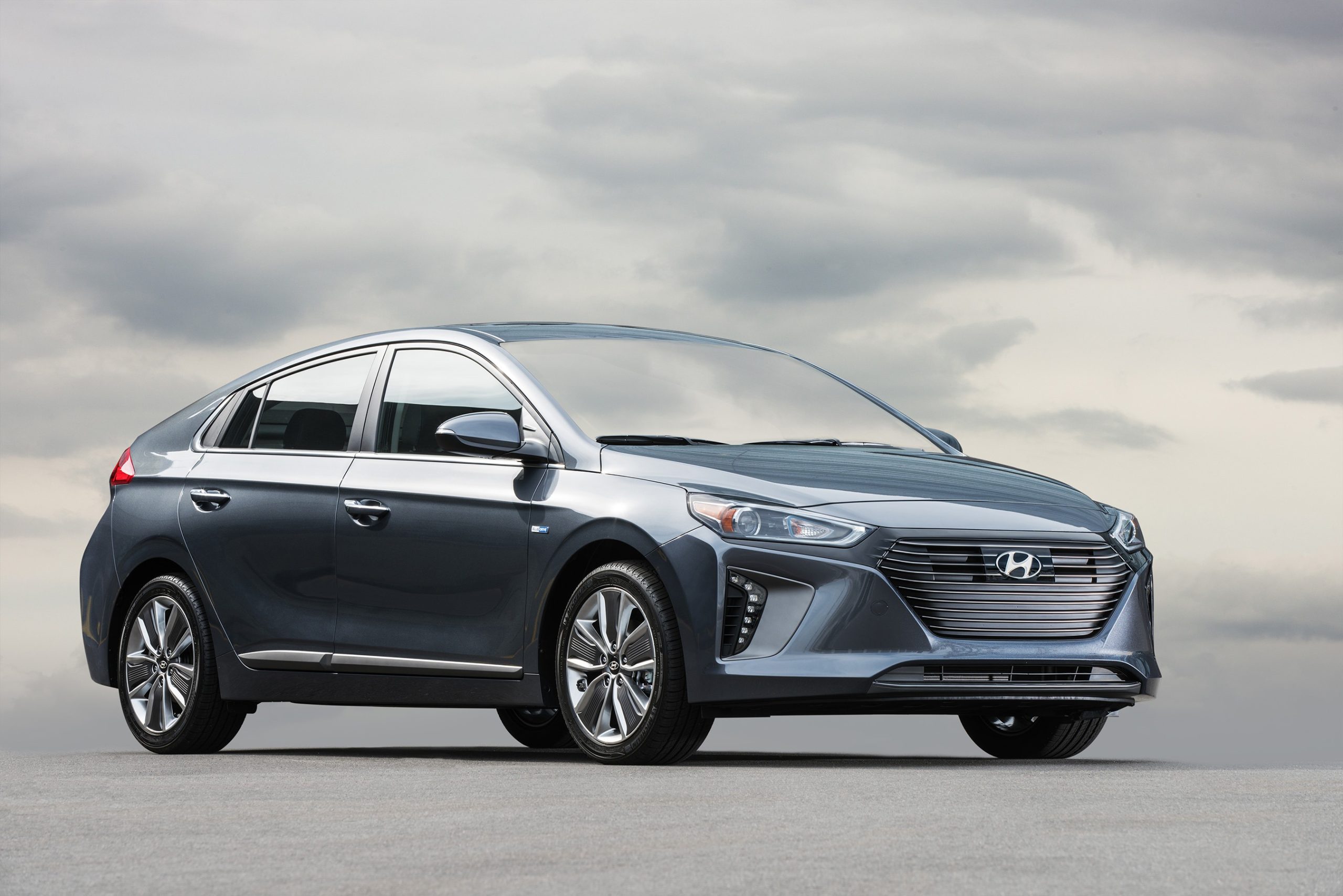
The Hyundai Ioniq Hybrid was introduced as Hyundai’s direct answer to the Toyota Prius, and it quickly became one of the strongest challengers in the hybrid market.
From its first appearance, the car positioned itself as a fuel-efficient option that could compete with more established models, and after a while, it has gained a good reputation for giving owners true financial savings.
One of the greatest strengths of the Ioniq Hybrid is its excellent fuel economy. Drivers often report between 55 and 59 miles per gallon, depending on driving style and conditions. These numbers are among the best available in any hybrid, making the Ioniq a top choice for people who cover many miles daily.
For drivers who commute long distances or spend hours in city traffic, the reduction in fuel costs becomes very clear. Over the course of a year, the difference at the gas station can be several hundred dollars compared to ordinary sedans. This single advantage already puts the Ioniq Hybrid in a strong position as a cost-saving vehicle.
Servicing costs are also reasonable and easy to manage. Hyundai designed the hybrid system with simplicity and durability in mind, ensuring that owners do not face complicated repair schedules. Regular oil changes, brake checks, and other routine services are priced at levels similar to non-hybrid Hyundai models. Another point that encourages buyers is Hyundai’s warranty coverage.
The brand is known for offering long and comprehensive warranties, which provide peace of mind that certain repairs or battery issues will be handled without extra financial stress for many years. This warranty protection adds to the sense of security that buyers want when purchasing a hybrid.
The Ioniq Hybrid also delivers extra value with its modern features. The vehicle comes with smartphone integration, driver assistance technology, and safety systems that are usually found in more expensive cars.
For many buyers, the ability to get both advanced technology and excellent fuel economy at an affordable purchase price makes the Ioniq Hybrid a wise investment. While Hyundai may not have as long a hybrid history as Toyota, the Ioniq Hybrid has shown itself to be reliable for American drivers.
Many owners report that the car holds up well with proper maintenance, and resale value remains respectable because of its reputation for efficiency. For anyone searching for a hybrid that truly reduces ownership costs, the Hyundai Ioniq Hybrid is clearly one of the smartest choices available.
5. Ford Escape Hybrid
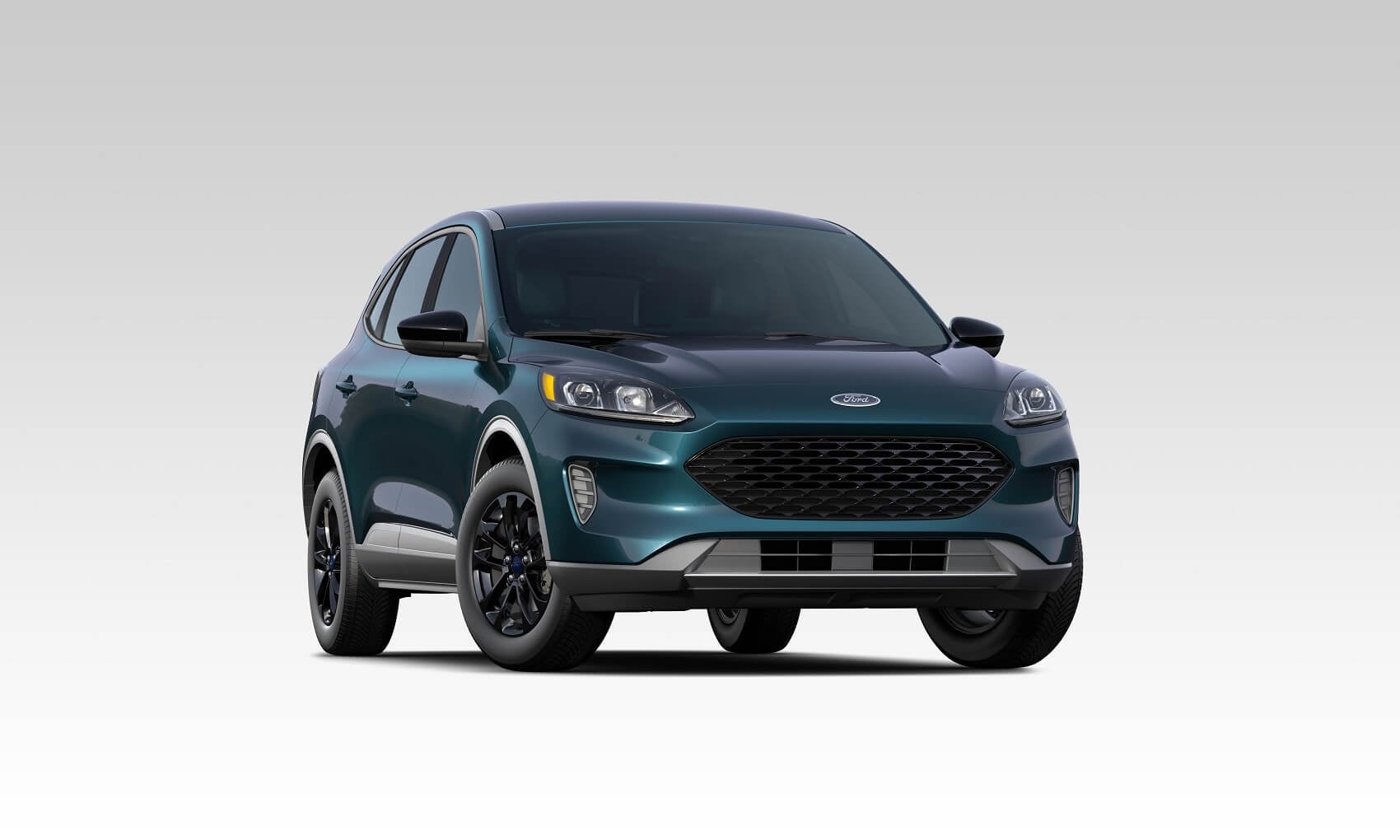
For people who prefer sport utility vehicles, the Ford Escape Hybrid delivers cost savings without losing the comfort and space of an SUV. Many American families choose this model because it combines fuel economy with practicality.
The Escape Hybrid provides fuel efficiency that ranges around 41 to 44 miles per gallon, which is high for an SUV. Drivers who need space for family members or cargo do not have to give up savings at the fuel station. Compared to regular gasoline SUVs, the Escape Hybrid can cut yearly fuel costs by hundreds of dollars.
Maintenance is another strong point. Ford has improved its hybrid technology over the years, and mechanics across the US are now familiar with the system. Routine servicing is straightforward, and the hybrid battery is built to last. While some hybrid SUVs cost a fortune to repair, the Escape Hybrid remains manageable in this aspect.
Resale value is also decent. Because more families are now searching for fuel-efficient SUVs, the Escape Hybrid attracts good interest in the used market. Owners can sell at fair prices without losing too much of their initial investment. This mix of fuel savings, reliability, and practicality makes the Ford Escape Hybrid one of the hybrids that truly save owners money.
5 Hybrids That Do Not Save Owners Money
1. Ford Fusion Hybrid
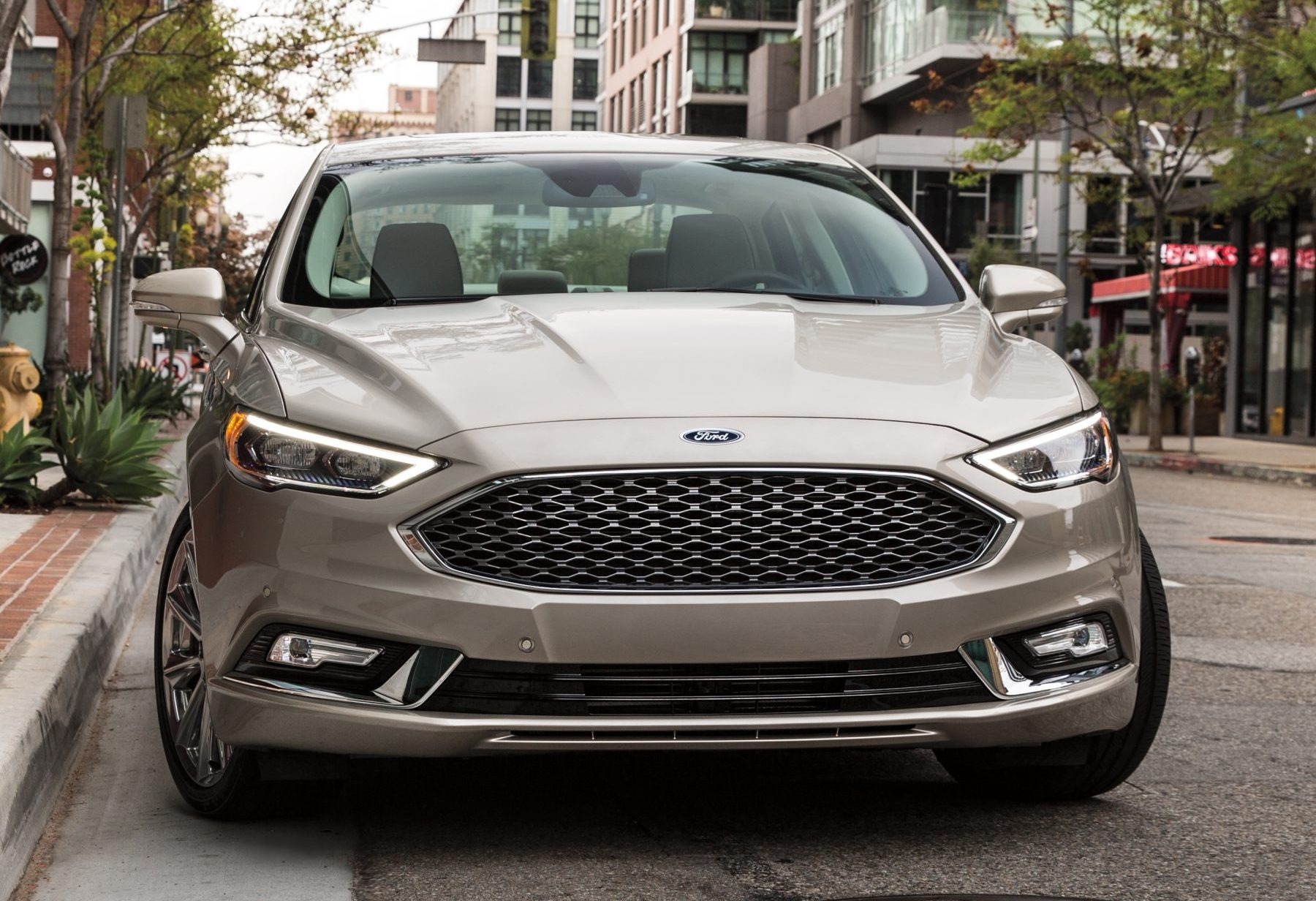
Ford has managed to create some hybrid models that perform well, but the Fusion Hybrid has struggled to win the trust of many buyers who hoped for long-term financial relief. At first glance, the car looks like a solid mid-size sedan with hybrid technology, but once people begin using it over several years, the shortcomings become very clear.
Fuel economy is only average when compared to other competitors in the same class. On paper, the Fusion Hybrid delivers about 41 to 42 miles per gallon, which sounds impressive until you compare it with leading hybrids like the Toyota Prius or Hyundai Ioniq that consistently achieve more than 50 miles per gallon.
That extra 10 miles or more per gallon may seem small at first, but for people who drive long distances every week, the difference adds up quickly. After a while, owners of the Fusion Hybrid discover that their fuel bills are not reduced enough to justify the higher purchase cost.
For many, it feels like they are paying for a hybrid badge without receiving the same financial advantage that other hybrid sedans provide. Maintenance costs also weaken the appeal of the Fusion Hybrid. The system inside is more complicated than what Ford puts in its non-hybrid models, and this usually results in higher servicing costs.
Many owners have shared that when hybrid-related issues appear, especially with the battery or electrical components, the repair bills can be shockingly high. Even though Ford vehicles are common in the US, not every independent mechanic is comfortable working on the Fusion Hybrid, so owners often need to rely on dealerships, where labor costs are higher.
Battery replacement is another expensive problem that many people worry about once the car gets older. Depreciation adds another burden for this model. Ford officially discontinued the Fusion line, and once a car is no longer in production, demand for it in the used market drops sharply.
Potential buyers are hesitant to purchase a car that they believe may become harder to repair in the future due to fewer parts being available. This lack of demand drives down resale value, meaning owners lose more money when they eventually sell.
When you consider all these points, the Ford Fusion Hybrid does not serve its purpose as a money-saving car. Between the average fuel economy, the high repair bills, and the heavy depreciation, many American buyers have realized that they would have been better off with either a different hybrid or a traditional sedan with lower running costs.
2. Chevrolet Malibu Hybrid
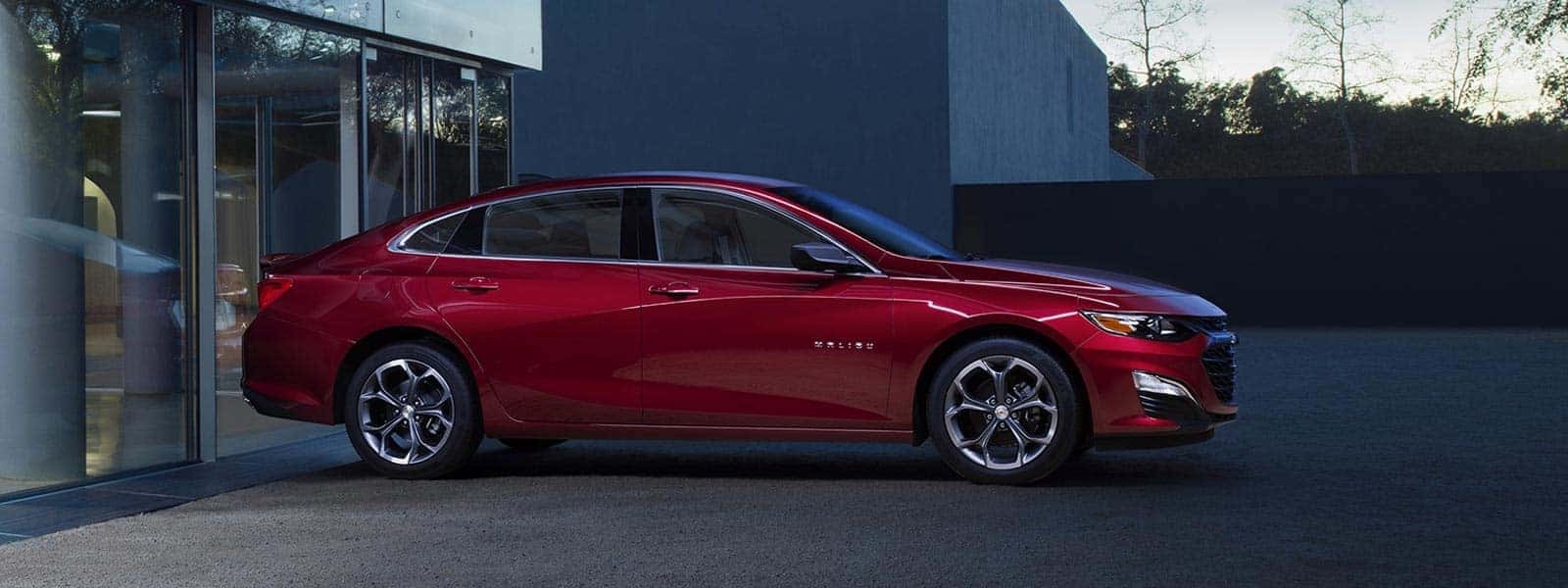
The Chevrolet Malibu Hybrid was designed to compete with Toyota and Honda sedans, but it does not provide the same financial benefits. Fuel economy is decent but not outstanding. Many owners report around 46 miles per gallon, which is lower than the Toyota Camry Hybrid and Honda Accord Hybrid. When you factor in the purchase price, the savings at the pump do not fully balance out.
Maintenance and repairs for the Malibu Hybrid can also be stressful. The hybrid battery and electronic parts tend to be more expensive, and not all mechanics are comfortable working on the system. This pushes up labor costs and sometimes leaves owners waiting longer for repairs.
Another weakness is resale value. The Malibu Hybrid does not hold value as strongly as Toyota or Honda hybrids. Many buyers are not very interested in purchasing this model on the used car market, and that leads to quick depreciation. With weak resale value, average fuel savings, and costly repairs, the Chevrolet Malibu Hybrid ends up draining money for many of its owners instead of helping them save.
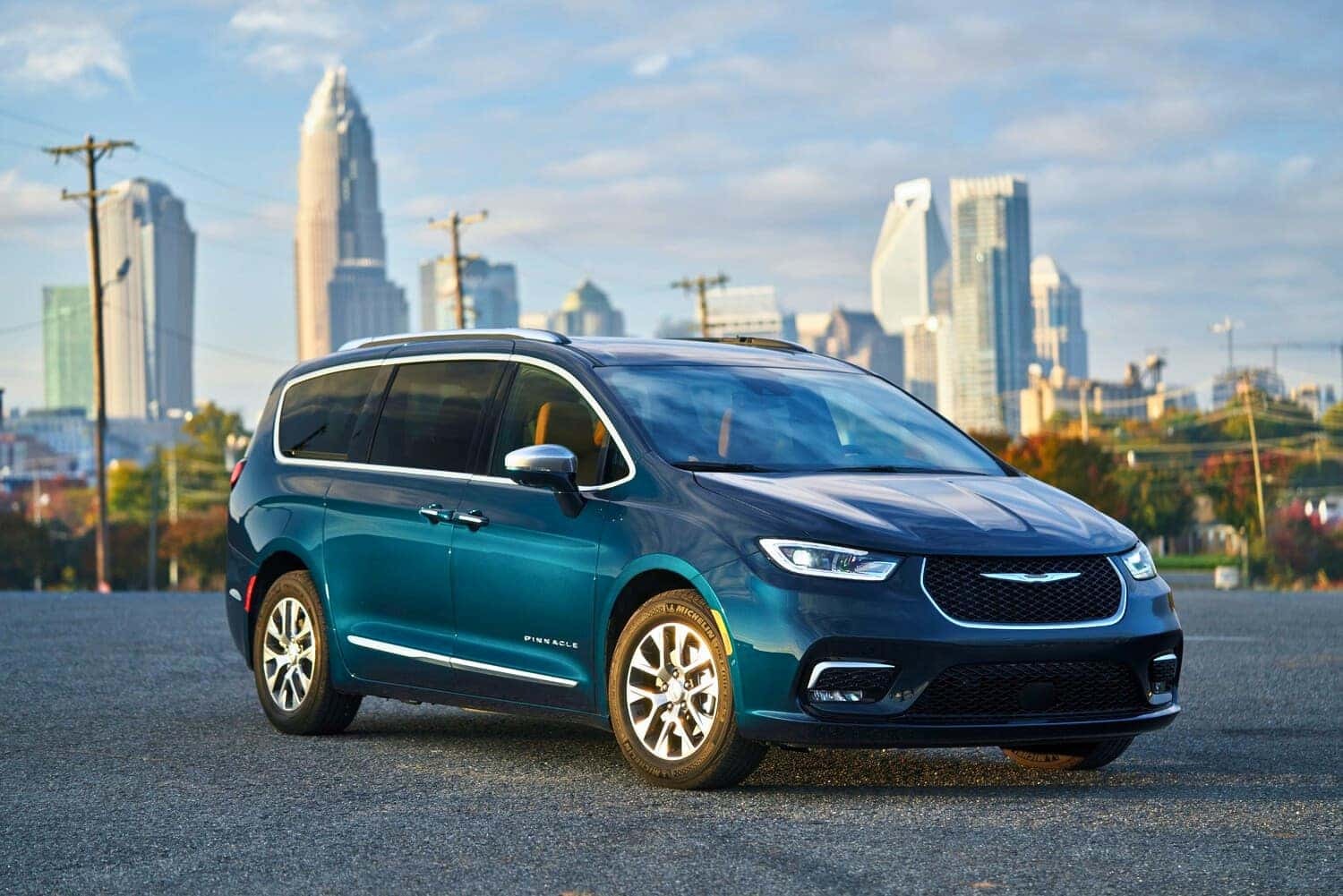
3. Chrysler Pacifica Hybrid
The Chrysler Pacifica Hybrid entered the market as the first plug-in hybrid minivan, and this alone made it attractive to many American families. At first glance, it seemed like the perfect option for households that needed a spacious vehicle but still wanted to cut down fuel costs.
The Pacifica Hybrid was marketed as a family-friendly choice that would deliver both comfort and efficiency. Yet, when you look at the financial side of owning this minivan, it becomes clear that it does not provide the level of savings many owners expected.
Fuel efficiency is higher than what you would get from a regular gasoline minivan, but the difference is not enough when you compare it with the high price tag of the vehicle. On paper, being able to drive short distances on electric power before switching to gasoline sounds appealing, especially for families who make short city trips.
However, the reality is that the money saved at the fuel station often fails to balance out the bigger car loan payments. Buyers quickly realize that they are paying more monthly for a vehicle that does not reduce fuel bills as much as they hoped.
Maintenance adds another challenge. The Pacifica Hybrid is a plug-in system with a lot of complicated parts, which makes it more difficult to repair. Unlike regular minivans, not every mechanic can service it confidently.
This forces most owners to rely on Chrysler dealerships, where labor costs are higher than average. Replacement of the hybrid battery is also a serious expense, and as the minivan gets older, this becomes a concern that many families are not prepared for.
Depreciation is also a weak point. While many people like the idea of a hybrid minivan, they often avoid buying it secondhand because of worries about expensive repairs and the condition of the battery. As a result, the used market for the Pacifica Hybrid is not strong, and this affects its resale value. Owners who decide to sell after some years usually get back far less than what they expected.
When you put all these points together, the Chrysler Pacifica Hybrid does not stand as a good financial choice. Families may enjoy the space, the comfort, and the short electric driving range, but from a money-saving point of view, it often ends up becoming a heavy burden instead of a relief.
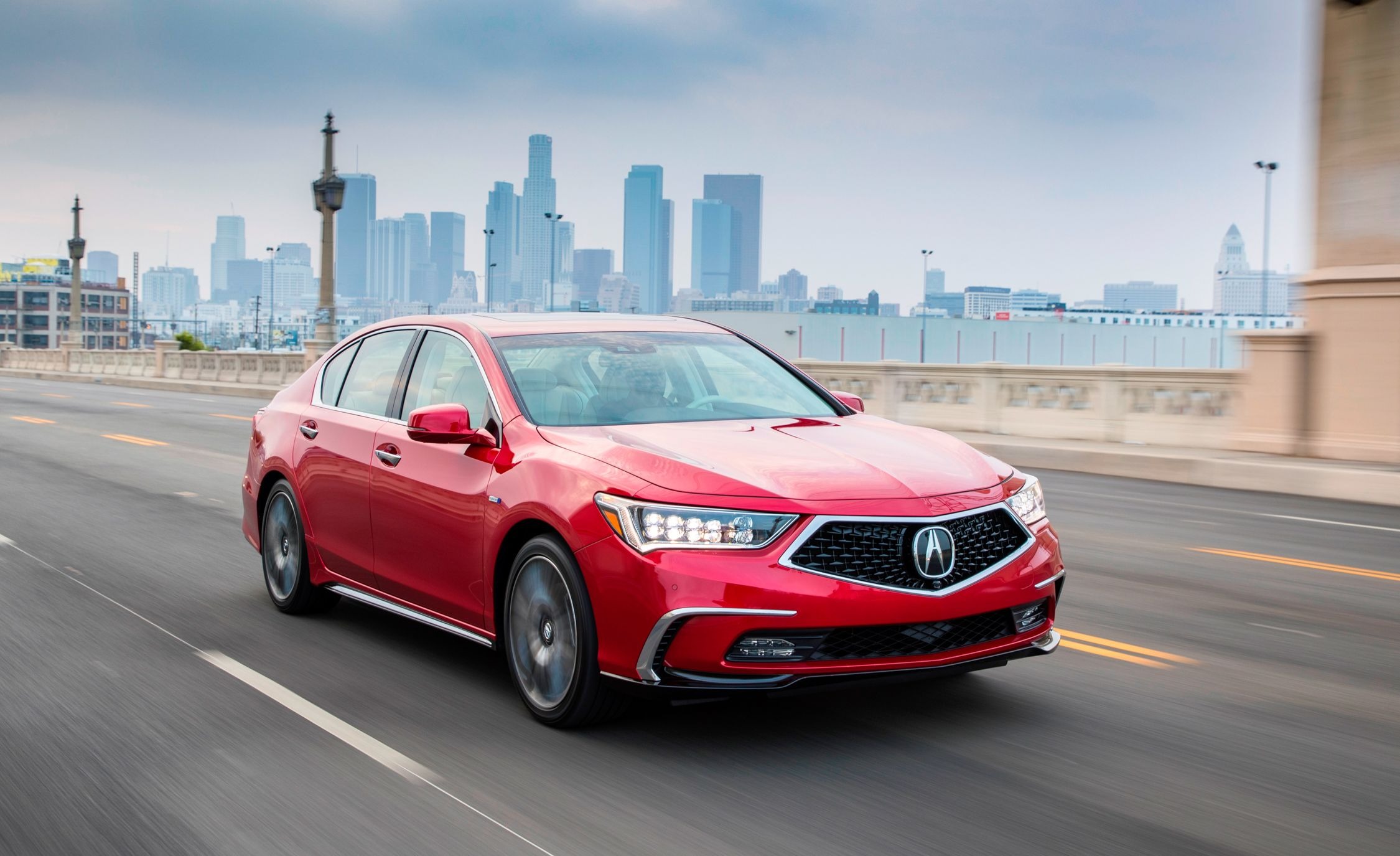
4. Acura RLX Sport Hybrid
Luxury hybrid sedans often come with promises of advanced performance and fuel economy, but the Acura RLX Sport Hybrid has not impressed many owners financially. On the surface, it presents itself as a premium car with a strong engine, a comfortable cabin, and the efficiency of a hybrid system. Yet, when buyers keep the car for several years, many of them realize that it does not deliver the type of financial relief they expected from a hybrid.
Fuel savings are very small compared to the amount spent on the purchase price. The RLX Sport Hybrid averages around 28 miles per gallon in city driving and about 29 miles per gallon on highways. These numbers are closer to what ordinary gasoline sedans provide, even those that are much cheaper.
For a car marketed as a hybrid, drivers expect better efficiency, at least figures above 40 miles per gallon. When this does not happen, owners are left with a vehicle that consumes fuel at almost the same rate as non-hybrid sedans but costs far more to buy and maintain.
Maintenance is another heavy burden. Acura cars carry the luxury tag, which means parts and servicing already cost more than average. With the hybrid system added, repair bills can become overwhelming. The battery pack, electrical components, and specialized transmission are all expensive to fix when they develop problems.
Regular mechanics in many US cities may not have the proper skills to work on the RLX Sport Hybrid, so owners are often forced to use Acura dealerships, where labor rates are higher. These factors make the running cost of this car much heavier than what most hybrid buyers plan for.
Resale value is also disappointing. The demand for the RLX Sport Hybrid in the used market is weak because buyers often prefer Lexus hybrids or other brands that have stronger reputations for durability and lower maintenance. This limited interest reduces how much an owner can recover when trying to sell. Cars that drop quickly in value can easily cancel whatever little fuel savings they might have given.
When you combine high purchase price, small fuel savings, expensive servicing, and poor resale value, the Acura RLX Sport Hybrid shows itself as a car that does not help owners save money. For drivers who are more focused on reducing costs, other hybrids in the market perform better without draining finances.
Also: 5 Hybrids With Bulletproof Motors and 5 That Constantly Need Help
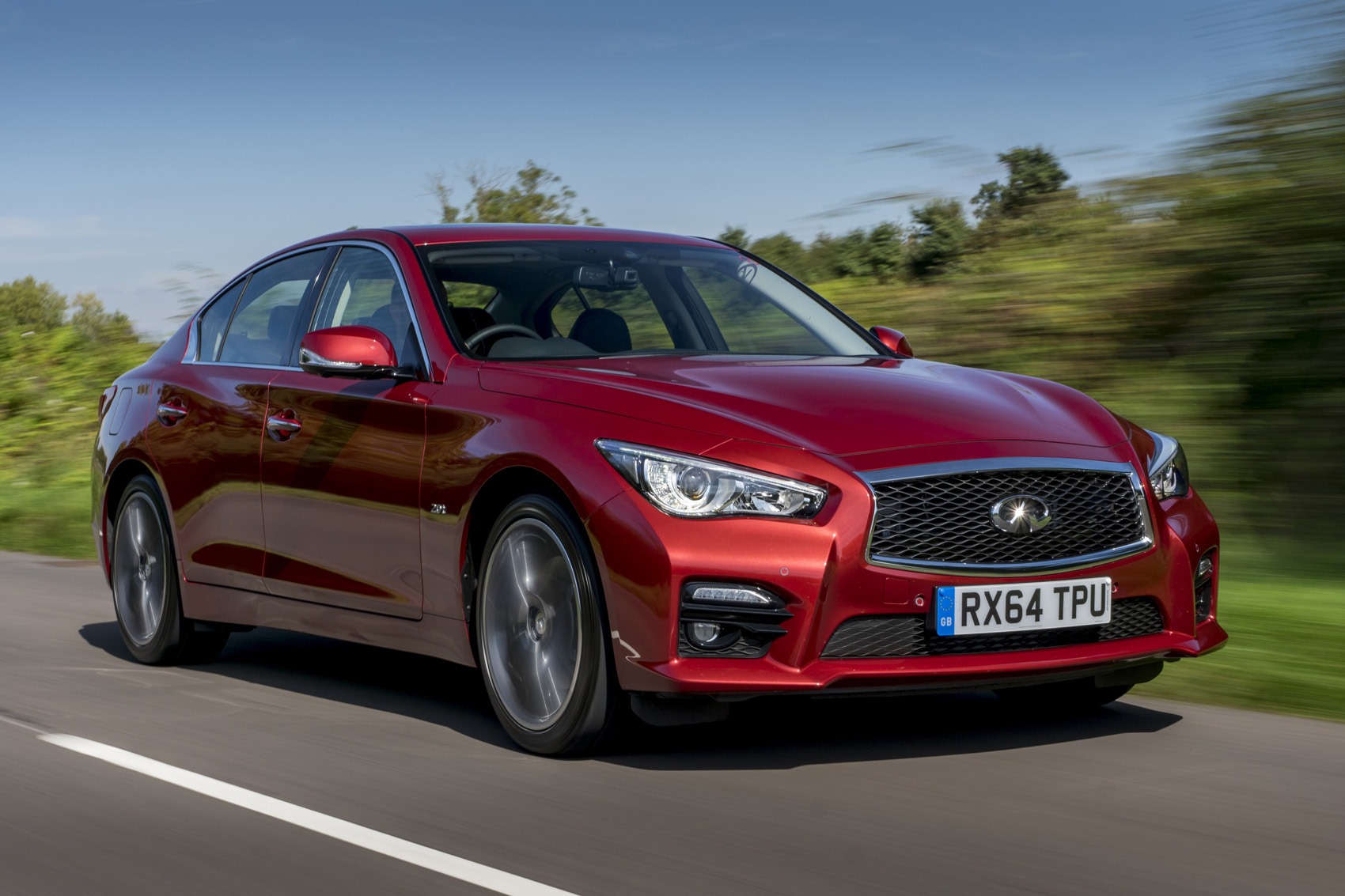
5. Infiniti Q50 Hybrid
The Infiniti Q50 Hybrid is another luxury sedan that struggles to prove itself financially, even though it was marketed as a car that combines performance with efficiency.
On paper, it looks attractive because it carries the luxury badge of Infiniti, promises advanced technology, and tries to blend sporty driving with hybrid fuel savings. However, when you check how it performs in real ownership, many buyers discover that this hybrid does not live up to the expectation of saving money.
Fuel economy is disappointing for a car that carries the hybrid name. While ordinary buyers expect a hybrid to give high miles per gallon, the Q50 Hybrid only delivers around 29 miles per gallon on average. This figure is too low when compared with the Toyota Prius, Honda Accord Hybrid, or even the Hyundai Ioniq Hybrid, which comfortably gives above 45 miles per gallon.
For a sedan that comes with a high purchase price, the savings at the fuel station are very small. In fact, some non-hybrid sedans that cost less can reach similar or slightly better numbers, which makes the Q50 Hybrid look less attractive.
Another problem is maintenance. Infiniti hybrids are built with complicated systems that are not easy to repair. The electronic components, hybrid batteries, and performance-based parts usually come with heavy replacement bills.
Not every local mechanic is comfortable working on this type of car, so owners often find themselves visiting official dealerships. This automatically increases labor costs, and in many cases, waiting times are longer because some parts are not easily available. Over the years, these expenses can add up and cancel any fuel savings the car may have provided.
Depreciation is also a major weakness of the Q50 Hybrid. Luxury hybrid sedans already face challenges in the used market because many American buyers prefer Toyota or Lexus when they want dependable, long-lasting cars.
The Infiniti Q50 Hybrid does not enjoy strong demand, which means resale prices drop faster than expected. Owners who try to sell after some years are often disappointed with how much value the car has lost.
When you bring together the low fuel savings, the expensive repairs, and the weak resale value, it becomes clear that the Infiniti Q50 Hybrid does not serve the purpose of reducing costs. Instead of saving money, it leaves owners spending more than they would have if they simply bought a regular gasoline sedan with a lower price tag and easier maintenance.
