In the United States, where summers can be sweltering and humidity levels climb to unbearable highs, a car’s air conditioning system isn’t just a luxury it’s a necessity.
For drivers across states like Arizona, Texas, Florida, and Nevada, reliable A/C can be the difference between a comfortable commute and a miserable one.
But not all vehicles are created equal when it comes to long-term air conditioning reliability. Some brands and models are well-known for their robust HVAC systems that keep blowing cold for years, while others develop leaks, compressor failures, or weak airflow far too soon.
Understanding which cars tend to have dependable A/C systems can help buyers make smarter choices when shopping for used vehicles or planning long-term ownership.
Below, we break down five vehicles that rarely need air conditioning repairs and five that often leave drivers sweating literally.
Vehicles That Rarely Need Air Conditioning Repairs
When it comes to driving in the sweltering heat, a reliable air conditioning system isn’t just a luxury, it’s a necessity. But for many car owners, AC repairs can be a constant headache. Fortunately, some vehicles stand out for their durability and consistently cool performance, rarely requiring costly air conditioning fixes. In this article, we’ll spotlight the cars and trucks that keep their cool, year after year.
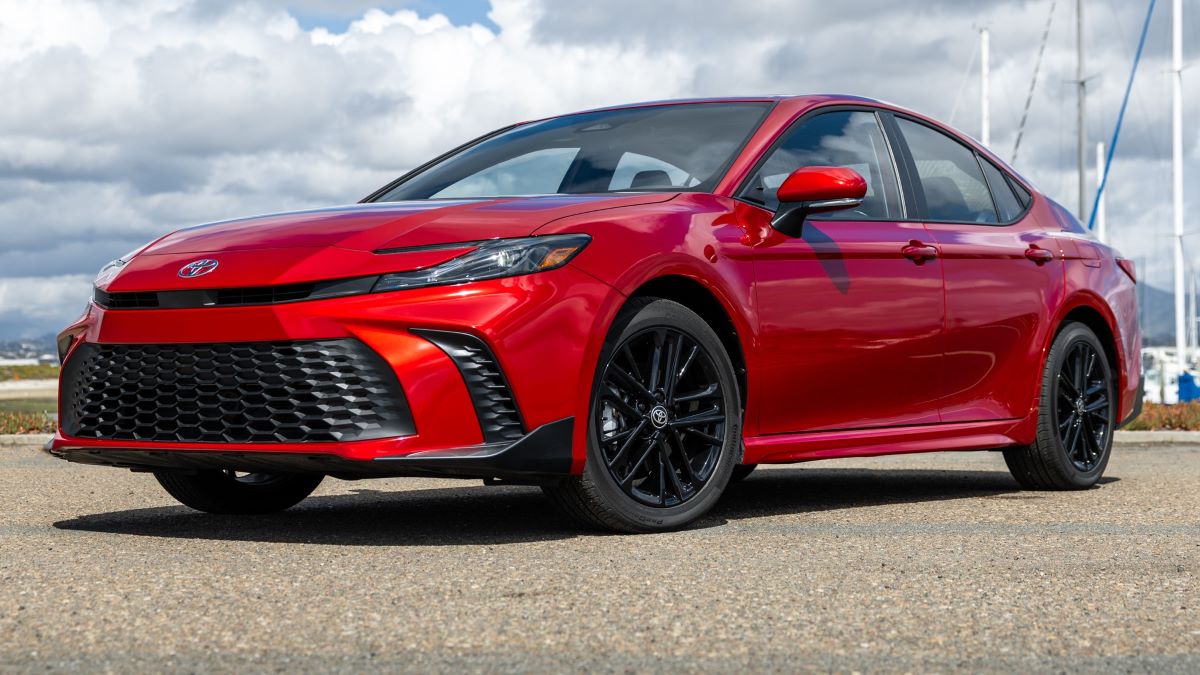
1. Toyota Camry
The Toyota Camry has long been one of America’s best-selling sedans, and part of that appeal is its reputation for reliability. Owners consistently report that the Camry’s air conditioning system is one of its most dependable features.
The compressors, condensers, and evaporators tend to last well beyond 150,000 miles with minimal issues, provided routine maintenance like cabin air filter changes is done.
In hotter states, Camry drivers often note how quickly the system cools down the cabin, even after being parked in direct sunlight.
This consistency comes from Toyota’s proven engineering and high-quality parts, making the Camry a safe bet for those who want cold air without the drama of constant repairs.
The 2022 Camry is a solid choice for a used car. Its base model features a four-cylinder engine that balances fuel efficiency with enough power for most drivers, though it may feel slightly sluggish off the line. For those seeking faster acceleration, an available V6 engine cuts a few seconds off the sprint to 60 mph. Still, speed isn’t the main reason people choose a Camry.
Drivers appreciate its comfortable and enjoyable ride, spacious interior, and long list of driver-assistance features. While the cargo area is generally sufficient for everyday trips, such as a run to Costco, the trunk isn’t as large as some competitors in the midsize segment.
Additionally, the five-year projected ownership costs for the 2022 Camry are higher than many other midsize cars. Each year, the Camry competes closely with the Honda Accord for top rankings. Although the Accord doesn’t offer all-wheel drive or a strong V6 engine like the Camry, it provides a superior interior, livelier handling, and more cargo space.
The Nissan Altima, which shares the Camry’s reliability rating and comes with lower projected ownership costs, is also a solid alternative, though its interior isn’t as refined, and its trunk is smaller than Toyota’s.
We recommend the XLE trim for the 2022 Camry, as it offers access to V6 power along with features like heated front seats and proximity keyless entry. The base four-cylinder engine is capable and fuel-efficient, though not particularly quick, while the available V6 adds roughly 100 horsepower, making it an attractive option for drivers who enjoy a brisk launch.
The eight-speed automatic transmission is responsive, offering crisp, smooth shifts, and the suspension is tuned to balance comfort with handling precision, keeping the ride smooth over bumps and composed through corners.
The Camry’s fuel economy varies with the engine: the four-cylinder achieves an estimated 25 to 28 mpg in the city and 34 to 39 mpg on the highway, while the V6, paired only with front-wheel drive, drops to 22 mpg city and 31 to 33 mpg highway.
Inside, the Camry’s cabin is far from boring. Toyota uses a mix of colors, patterns, and materials to add visual interest, with a distinctive wishbone-style dashboard design. However, material quality differs significantly between lower- and higher-level trims, making leather-accented models worth the upgrade for those seeking a more refined interior.
Also Read: 9 Things to Avoid If You Want a Honda Pilot to Last 250,000 Miles
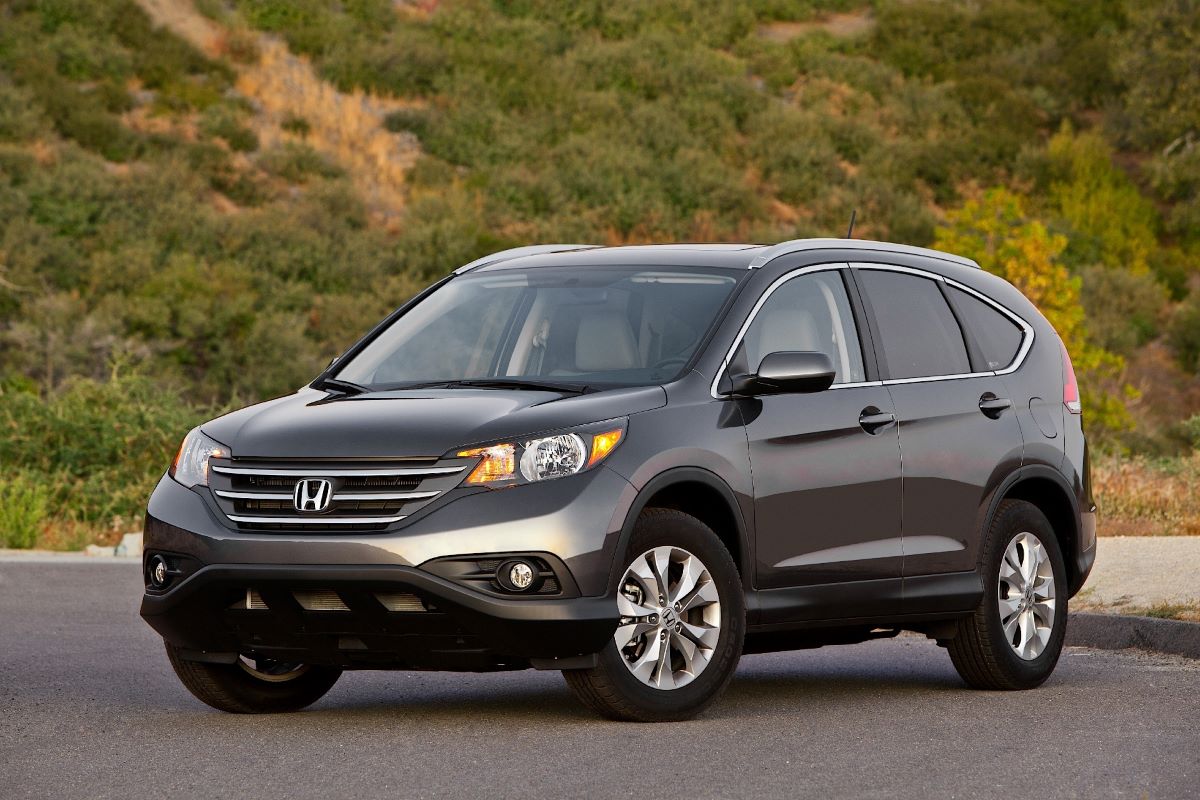
2. Honda CR-V
Honda’s compact SUV, the CR-V, is another standout for reliable climate control. The A/C systems in the CR-V are simple, durable, and designed for longevity.
While earlier 2000s models occasionally had compressor issues, modern versions have shown excellent reliability.
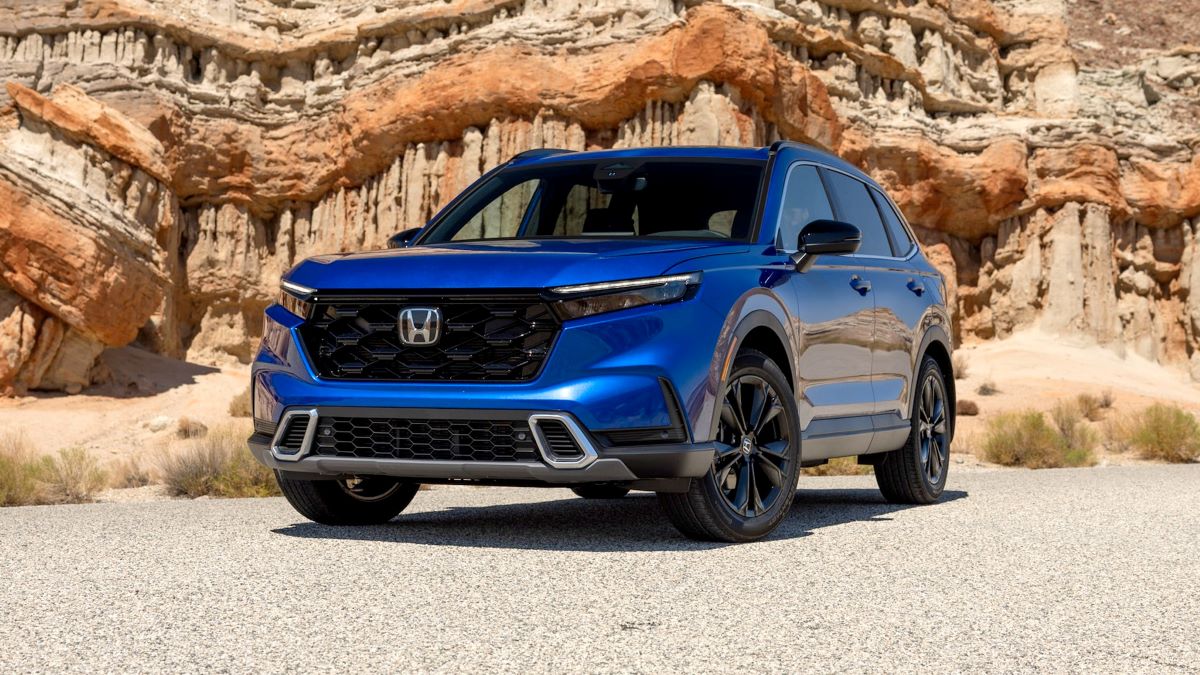
The CR-V’s A/C unit cools quickly and evenly distributes air throughout the cabin, which is a big plus for families taking long summer road trips.
Many owners report their vehicles going 10+ years without needing any major A/C repairs, a track record that puts the CR-V ahead of much of its competition.
Compact crossovers like the 2025 Honda CR-V are highly sought after because they combine comfortable seating, respectable fuel efficiency, and a manageable, easy-to-park size. Honda’s upbeat offering stands out in a crowded SUV segment, earning a top spot on our list thanks to its practical design paired with surprisingly agile handling.
Although the Mazda CX-50 offers a more luxurious experience and the Ford Bronco Sport excels off-road, the CR-V proves to be a well-rounded choice, combining enjoyable driving dynamics, solid build quality, and a thoughtfully balanced interior that mixes infotainment screens with intuitive physical controls.
3. Lexus RX
Luxury vehicles are not always synonymous with reliability, but the Lexus RX is a notable exception. As Toyota’s luxury brand, Lexus benefits from the same build quality and engineering focus, meaning the RX shares much of its A/C dependability with the Camry.
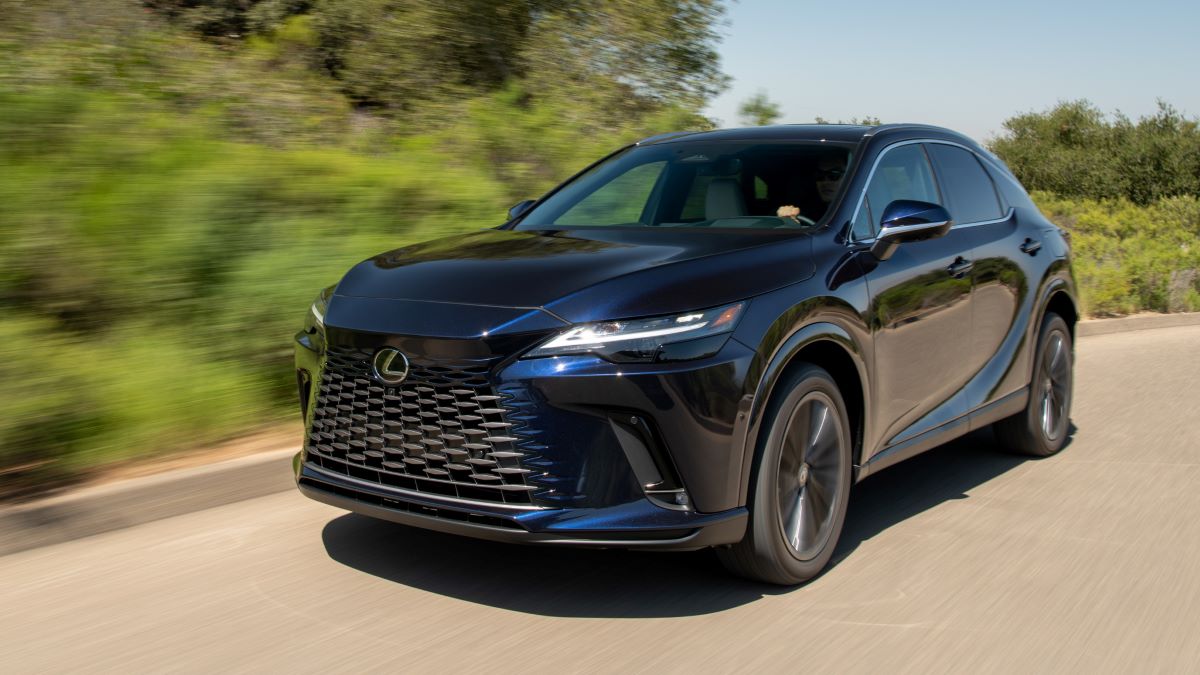
What sets it apart, however, is its ability to maintain comfort in style. The RX features dual-zone or even tri-zone climate control in many trims, and yet the system rarely suffers from the electrical gremlins that plague other luxury SUVs.
For U.S. buyers who want upscale comfort without constant trips to the repair shop, the Lexus RX remains a top choice. For 2020, the Lexus RX receives a light exterior refresh that includes an updated spindle grille, new paint colors, redesigned wheels, and reworked LED head- and taillights.
Although no changes have been made to the available powertrains, Lexus reports that it has stiffened the RX’s structure and fine-tuned the suspension for improved performance. Pricing for the 2020 Lexus RX ranges from $45,175 to $57,535 depending on trim and options. The lineup begins with the RX 350 at $45,175, followed by the RX 450h at $47,825.
Among the options, the F Sport models are the most visually appealing, making the RX 350 F Sport a standout pick. A lightly optioned version strikes the right balance, and from the many available packages, the Navigation package is the most worthwhile addition.
This upgrade includes the larger 12.3-inch touchscreen infotainment system, built-in navigation, a DVD/CD player, and a 12-speaker audio setup. Although Lexus has not released final pricing for these packages, estimates suggest they will be competitively positioned.
When it comes to performance, the RX lineup is offered in two main versions. The RX 350 features a 3.5-liter V6, while the RX 450h pairs that same engine with two electric motors to create a hybrid configuration. In testing, an RX 350 equipped with all-wheel drive completed the 0-to-60-mph sprint in 6.9 seconds, which is adequate but slower than many competitors in the segment.
The RX 450h hybrid is among the few options of its kind in this class, but it also lags behind rivals with a longer-than-average acceleration time. Still, the RX makes up for its lack of speed with exceptional ride quality. It smooths out uneven pavement effortlessly, keeping passengers comfortable, and maintains a quiet, insulated cabin that enhances its reputation as a superb long-distance cruiser.
4. Subaru Outback
Known for its rugged appeal and all-weather versatility, the Subaru Outback also earns points for A/C reliability. Its HVAC systems are straightforward and tend to resist common failures like compressor lock-ups or refrigerant leaks.
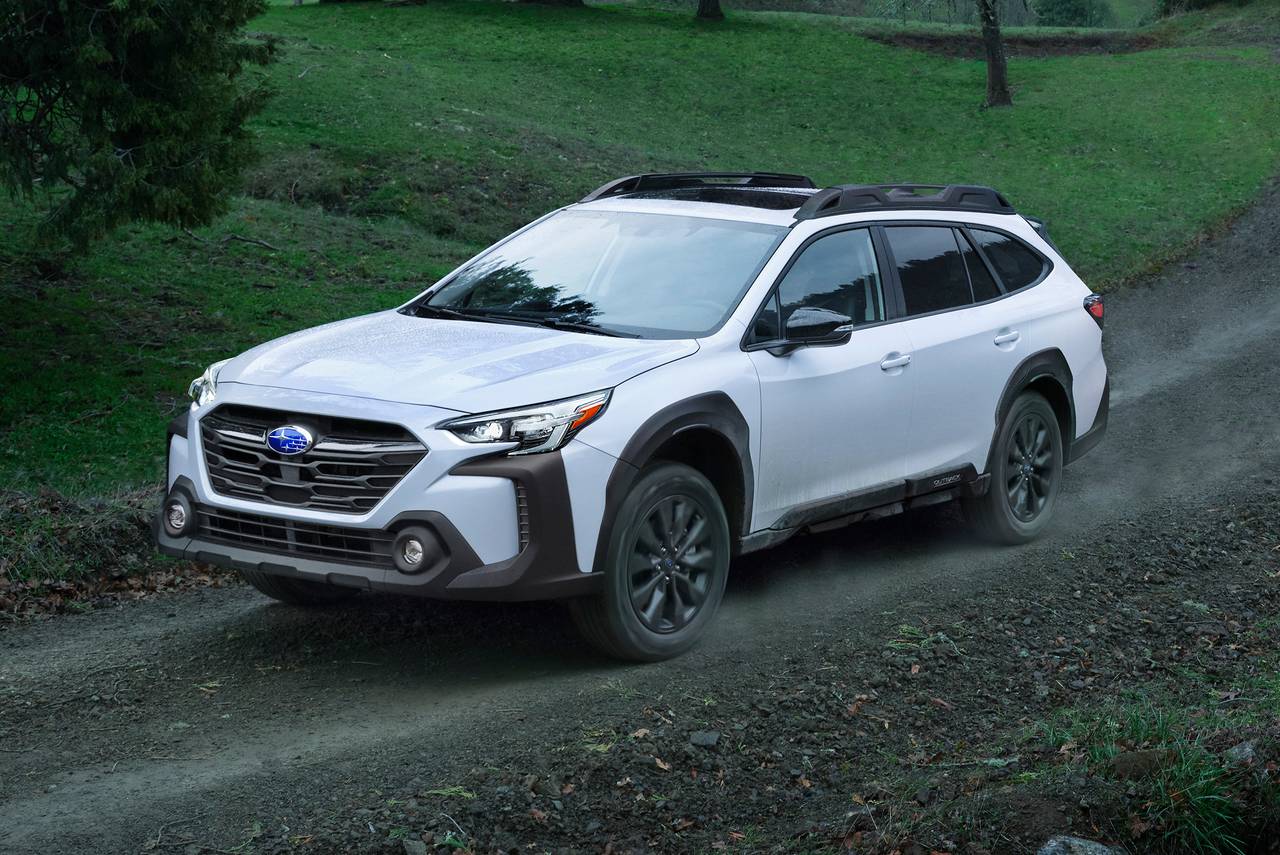
Subaru owners in states with dramatic temperature swings think Colorado or Minnesota appreciate that the Outback handles both heating and cooling with steady performance.
The vehicle’s design favors practicality, so its A/C components are easy to maintain and less prone to the expensive breakdowns often seen in more complex SUVs.
Also Read: 5 SUVs with Door Seals That Block Wind Noise vs 5 That Whistle
5. Toyota Tacoma
Pickup trucks often get a bad reputation for spotty reliability in certain systems, but the Toyota Tacoma breaks the mold. Its A/C system is known for being tough and long-lasting, much like the truck itself.
Whether it’s used for off-roading in the deserts of Nevada or hauling gear across Texas highways, the Tacoma’s air conditioning continues to work reliably under demanding conditions.
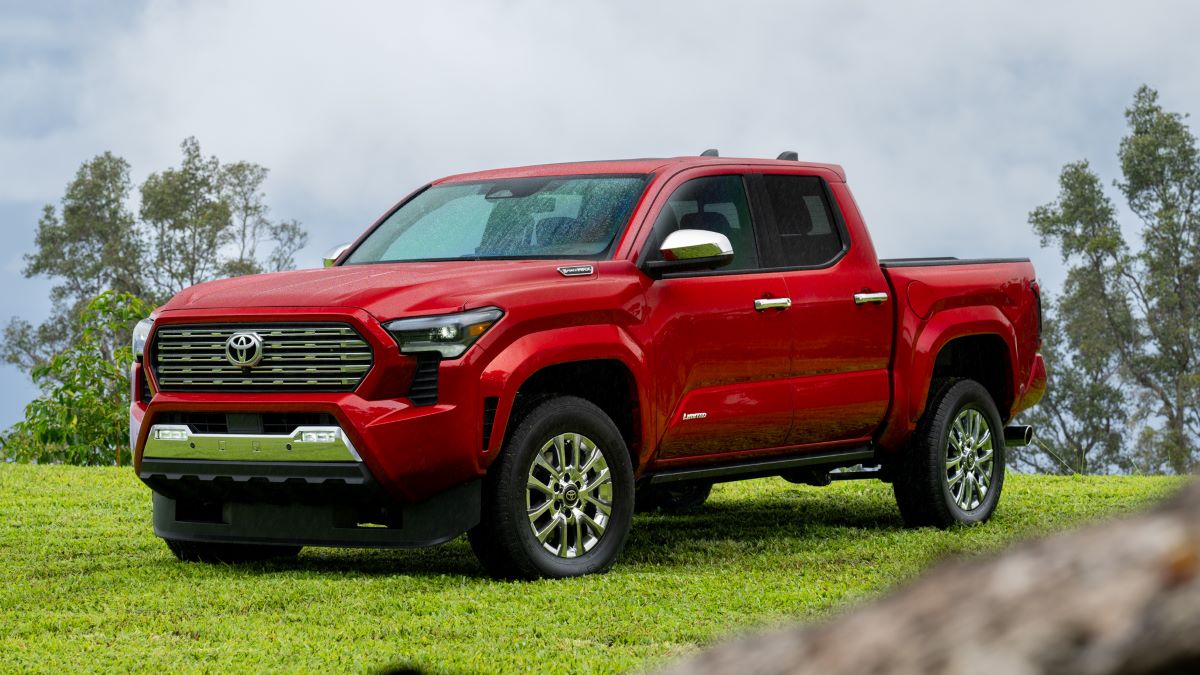
The truck’s straightforward design means fewer failure points, and many owners report driving well past 200,000 miles with no A/C-related issues.
For truck buyers who don’t want to deal with costly downtime, the Tacoma is a dependable option.
Vehicles That Frequently Need Air Conditioning Repairs
A broken air conditioner can turn even the most pleasant drive into a sweaty nightmare. While some vehicles breeze through summers without a hitch, others seem to have AC problems almost on schedule. In this article, we’ll explore the cars and trucks that are notorious for frequent air conditioning repairs, and what you should know before getting behind the wheel.
1. Jeep Grand Cherokee
The Jeep Grand Cherokee offers comfort and capability, but its air conditioning system has historically been a weak point.
Owners often complain of A/C failures within the first 80,000 miles, with problems ranging from faulty compressors to refrigerant leaks.
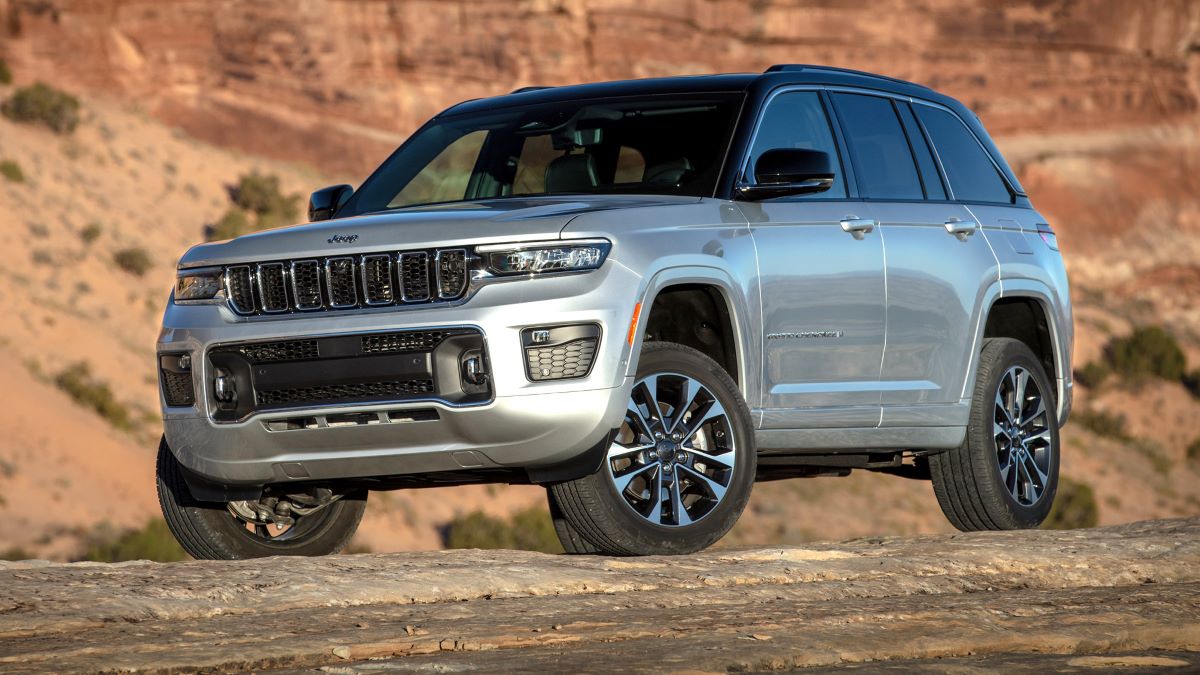
Electrical issues with the climate control module also contribute to headaches for many drivers. In hotter U.S. regions, this can quickly become more than just an annoyance it can make the vehicle nearly unbearable in summer.
Repair costs for Jeep’s A/C systems also tend to be higher due to the complexity of the design.
2. Ford Explorer
As one of America’s most popular SUVs, the Ford Explorer has had its share of HVAC complaints. Common problems include blend door actuators failing, which result in either no airflow or improper temperature regulation.
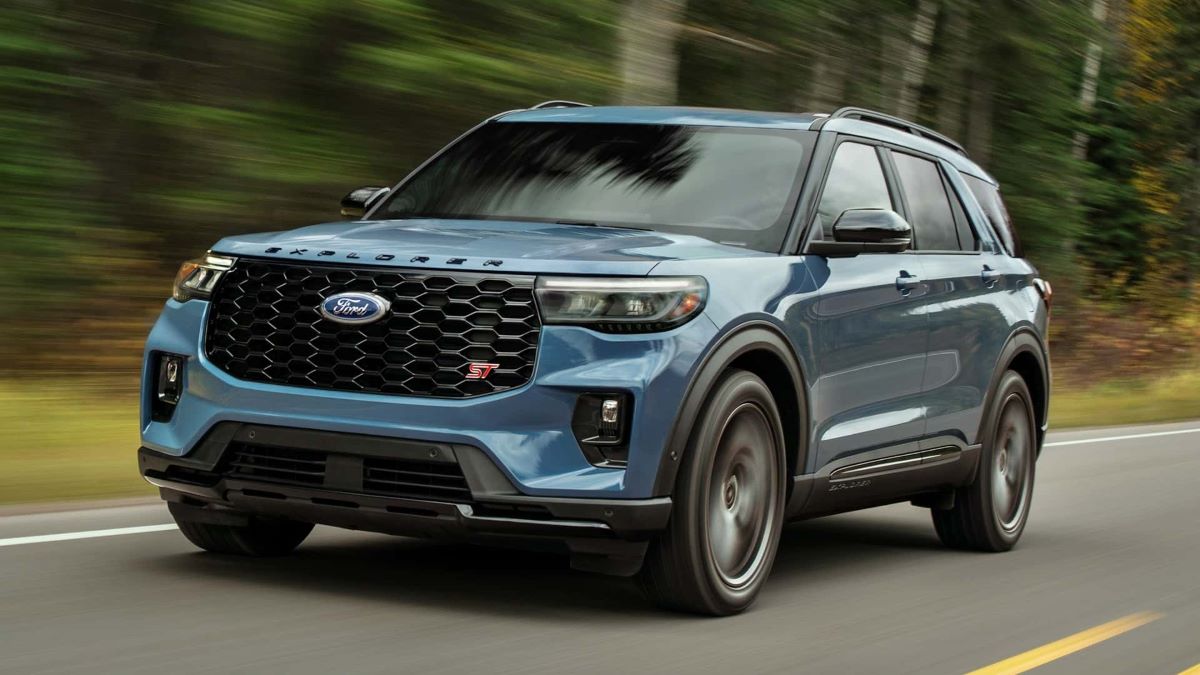
Many owners report needing expensive repairs well before hitting 100,000 miles. While Ford has improved some aspects of reliability in recent generations, A/C system failures remain a recurring theme in owner surveys.
For families who rely on the Explorer for long road trips, this can become both inconvenient and costly.
The Ford Explorer is one of the longest-standing SUVs on the market, having debuted more than three decades ago and sparking America’s enduring fascination with sport-utility vehicles.
Over the years, our editors have praised the current-generation Explorer for its strong engine lineup, ample cargo capacity, and standard safety features. That said, its interior quality often falls short, especially when compared to its price point, higher trims can creep into luxury SUV territory without offering materials to match.
While the Explorer still has strengths, it no longer dominates the midsize SUV segment the way it once did. Competitors like the Kia Telluride and Hyundai Palisade have risen to the top of our recommendations, thanks to their upscale interiors, superior comfort, and overall premium feel.
Both models receive updates for the 2023 model year, further solidifying their appeal. Meanwhile, Honda has introduced a redesigned 2023 Pilot, which adds a new TrailSport trim aimed at enhancing off-road capability.
Although there was speculation that the 2023 Explorer would see its own refresh, the SUV moves forward largely unchanged. A more significant update is expected for the 2024 model year, when Ford will likely refine the Explorer’s styling, upgrade its interior design and materials, and introduce new technology.
Anticipated enhancements include the latest version of Ford’s Sync infotainment system and the brand’s BlueCruise hands-free highway driving assist feature.
3. Chevrolet Traverse
The Chevrolet Traverse is praised for its space and family-friendly design, but its air conditioning system doesn’t always hold up under pressure. A common failure point is the A/C compressor, which has a reputation for quitting early.
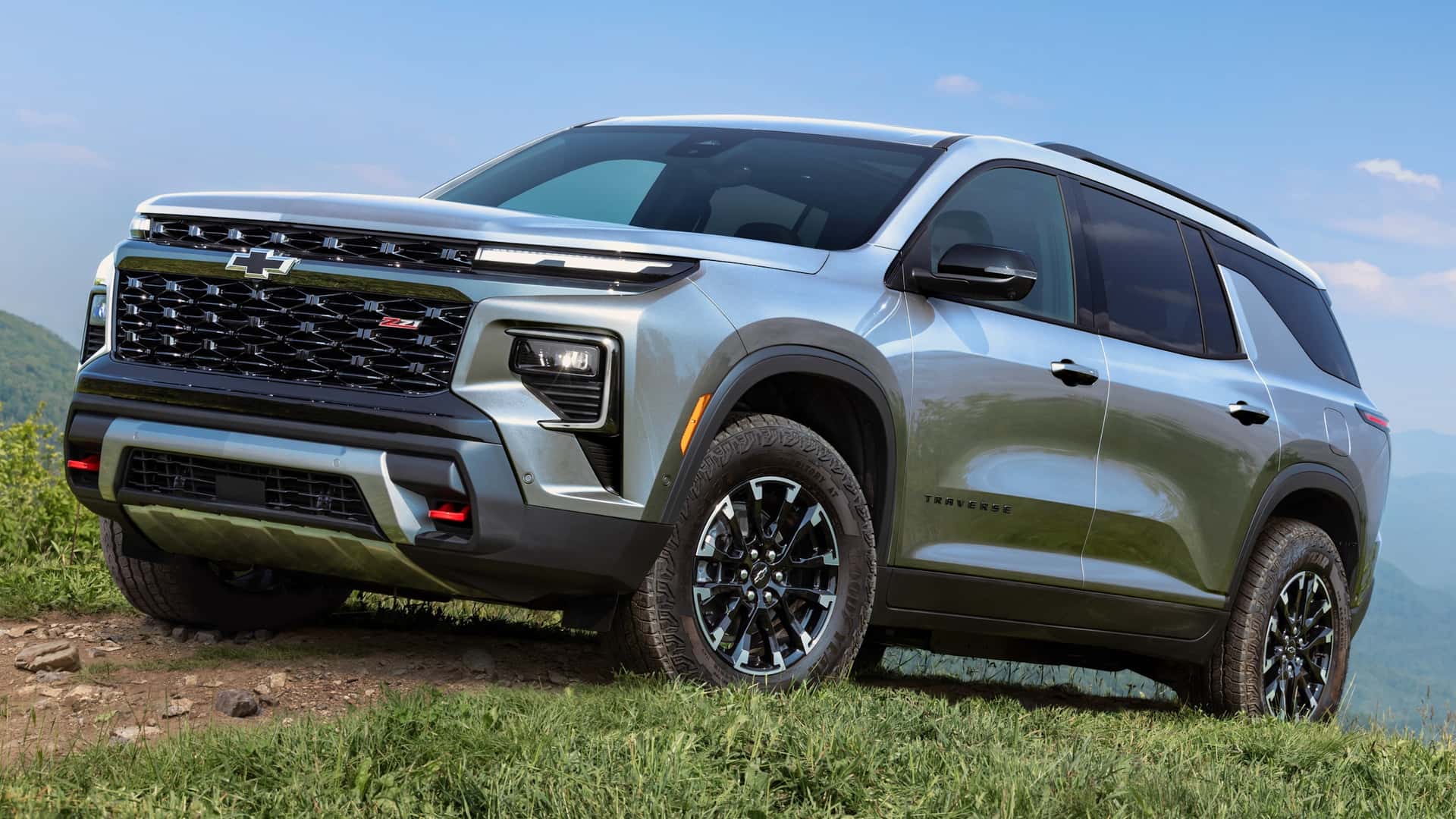
Adding to the frustration, some owners experience refrigerant leaks from poorly designed condenser units. In regions like Florida or Louisiana, where humidity is relentless, these issues quickly become deal-breakers.
Repairing the Traverse’s A/C can run into the thousands, making it a financial burden for many families.
Every Chevrolet Traverse model comes equipped with a turbocharged 2.5-liter four-cylinder engine paired with an eight-speed automatic transmission. Front-wheel drive is standard, while all-wheel drive is available as an option.
For buyers seeking more off-road ability, the rugged Z71 trim is the standout choice, featuring a twin-clutch all-wheel-drive system, revised suspension damping, all-terrain tires, and terrain-specific drive modes as standard equipment. On the road, however, the Traverse’s performance leaves room for improvement.
During our test drive, the steering felt slow and somewhat truck-like, making the SUV less engaging to drive. Still, what the Traverse lacks in sharp handling it makes up for with a smooth, comfortable ride that caters well to families. The brake pedal is reassuringly firm, and the suspension does a good job of controlling body roll, helping the SUV stay composed in corners.
4. Dodge Caravan/ Chrysler Town & Country
Minivans like the Dodge Caravan and Chrysler Town & Country were staples of American family travel for decades, but their air conditioning systems have been problematic.
With multiple climate zones and long refrigerant lines to the rear of the vehicle, there are simply more points of failure.
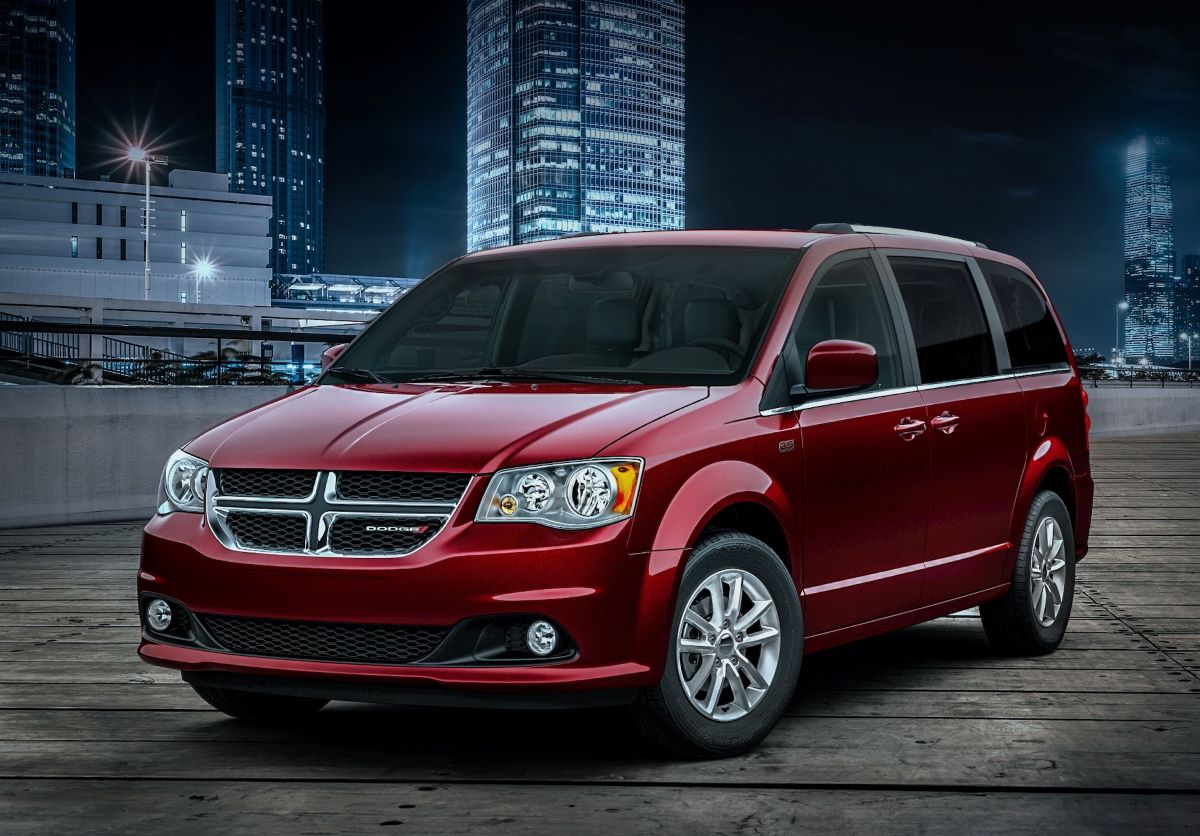
Leaks, compressor failures, and weak rear A/C performance are all common complaints. Families who depend on these vans for summer road trips often find themselves stuck at the repair shop instead of enjoying the open road.
Minivans dominated the automotive scene from the 1980s through the early 2000s, and Dodge set the benchmark with its Grand Caravan. First introduced in 1983, the Dodge Grand Caravan quickly became a go-to option for families thanks to its affordability and practicality, while also serving as a capable work vehicle due to its generous storage space.
The original model carried a boxy, utilitarian design until 1990, when it received its first major cosmetic update and adopted smoother, more rounded styling.
For nearly four decades, the Grand Caravan maintained its popularity and reputation for reliability, but in 2020, parent company Fiat Chrysler Automobiles (FCA), now Stellantis, decided to bring production to an end. It’s not unusual for automakers to discontinue long-running models, often for strategic or financial reasons.
Ford, for instance, phased out the Focus to put more emphasis on its growing lineup of electric vehicles. In Dodge’s case, while the brand has shifted its energy toward carving out a place in the electric muscle car market, the decision to discontinue such a long-standing family vehicle raises the question: what ultimately led Dodge to retire its iconic people-mover after so many successful years?
5. BMW 3 Series
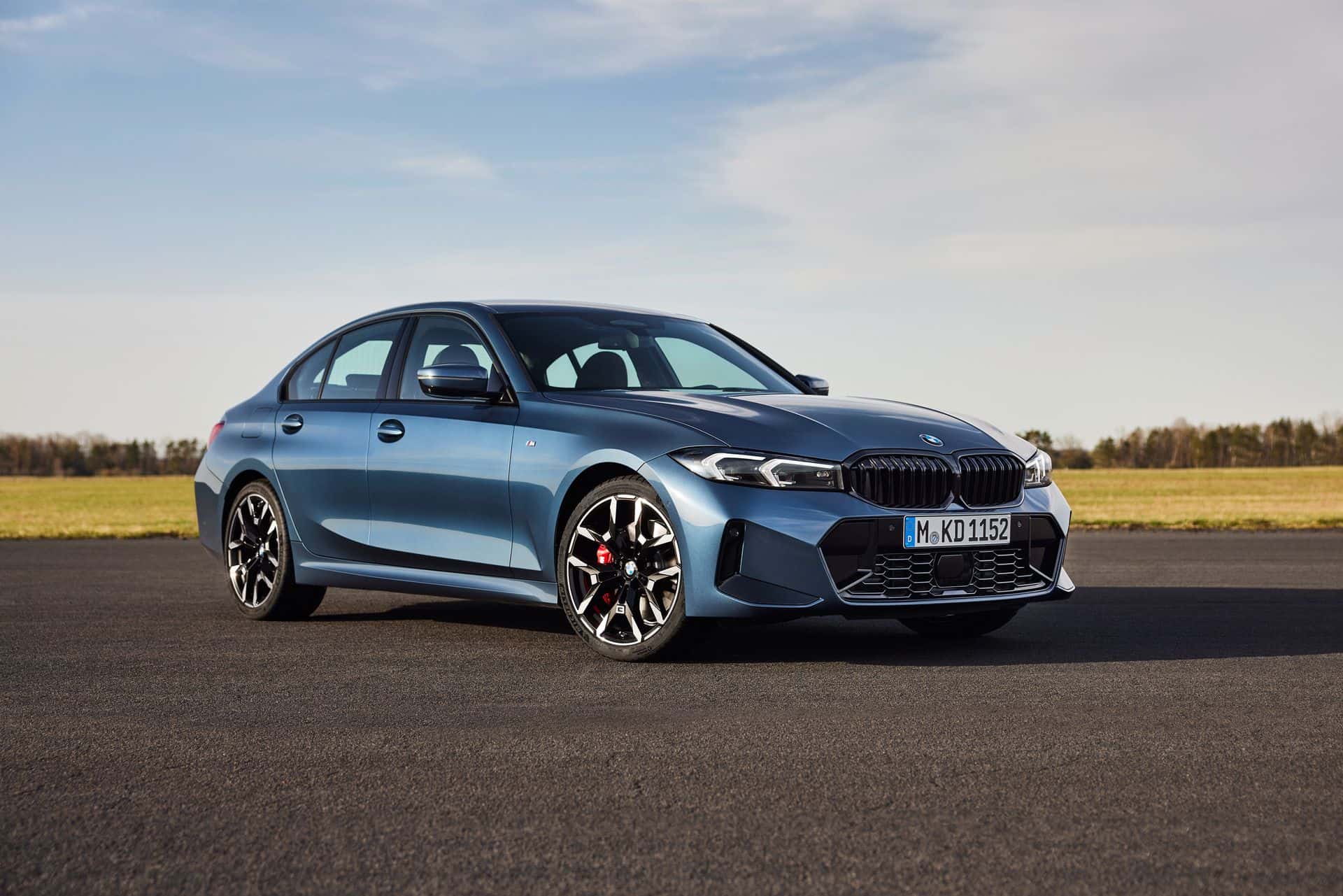
Luxury sedans like the BMW 3 Series may offer excellent driving dynamics, but their air conditioning systems are far less reliable than those of mainstream brands.
BMWs are notorious for electrical issues, and the climate control systems are no exception. From malfunctioning control panels to evaporator leaks, the problems can stack up quickly and repairs are rarely cheap.
Many U.S. owners note that while the car drives beautifully, the constant upkeep of systems like A/C makes it an impractical choice for long-term ownership.
When it comes to buying a vehicle in the U.S., especially for regions with extreme summer heat, air conditioning reliability should be a serious consideration.
Cars like the Toyota Camry, Honda CR-V, Lexus RX, Subaru Outback, and Toyota Tacoma prove that A/C systems can remain strong for years with minimal maintenance.
The BMW 3 Series received notable updates in 2023 and then again in 2025, but for the 2026 model year, changes are minimal. While the newest model doesn’t introduce major improvements, it still maintains its position as the benchmark in the compact luxury sedan segment.
The 3 Series offers buyers a choice between four- and six-cylinder engines, with either rear-wheel drive or BMW’s xDrive all-wheel drive system. No option is a bad one, but your choice depends on performance needs.
The standard 330i comes with a 2.0-liter four-cylinder engine producing 255 horsepower and 295 pound-feet of torque. Stepping up to the M340i unlocks the legendary B58 inline-six, which delivers 386 horsepower and 369 pound-feet of torque. The quickest model outside of the M3 is the M340i xDrive, which can sprint from zero to 60 mph in around 4.1 seconds.
Fuel economy remains unchanged from the 2025 model, as the 2026 3 Series hasn’t yet been officially tested. Rear-wheel-drive 330i models lead the lineup with EPA estimates of 28 mpg city, 35 mpg highway, and 31 mpg combined.
Inside, the 3 Series carries over the minor enhancements made for 2025. SensaTec upholstery comes standard and provides good quality, but for an additional $1,500, buyers can upgrade to Vernasca leather, which is a reasonable step up in luxury.
For 330i models, we suggest adding the $1,100 Convenience Package, which includes a heated steering wheel, power tailgate, and expanded driver-assistance features. The optional Harman Kardon audio system, priced at $900, is another worthwhile upgrade, though serious audiophiles may still prefer aftermarket solutions.
Practicality remains one of the 3 Series’ strengths. With 17 cubic feet of trunk space, it surpasses the Mercedes-Benz C-Class at 12 cubic feet and the Genesis G70 at 11 cubic feet. The Audi A5, which leans more toward hatchback design than a traditional sedan, offers 26 cubic feet of cargo space, but within the classic three-box sedan layout, the BMW 3 Series continues to set the benchmark for usable storage.
On the flip side, vehicles like the Jeep Grand Cherokee, Ford Explorer, Chevrolet Traverse, Dodge Caravan, and BMW 3 Series highlight how poor design or overcomplicated systems can lead to frequent breakdowns and high repair bills.
For buyers, the key takeaway is clear: if you live in a hot climate or plan on keeping your vehicle for the long haul, prioritize models with a strong track record of A/C dependability.
It may not be the flashiest feature, but when you’re stuck in traffic under the blazing summer sun, a reliable air conditioner is worth its weight in gold.