
When it comes to choosing an SUV in the United States, reliability is one of the most important factors buyers consider. For many families, their SUV isn’t just a vehicle it’s a daily companion for commutes, long road trips, and everything in between.
With the rising costs of repairs and parts, no one wants to own an SUV that spends more time at the repair shop than on the road.
Fortunately, some SUVs have built a reputation for bulletproof reliability, while others are notorious for constant breakdowns and costly maintenance.
Below, we’ll take a look at five SUVs that rarely see the shop thanks to strong engineering, dependable powertrains, and long-lasting build quality and five that are infamous for being problem-prone and hard on the wallet.
SUVs That Rarely See the Shop
When you’re buying an SUV, you want more than just space and style, you want peace of mind. Some SUVs spend more time on the road than in the repair shop, thanks to rock-solid reliability and smart engineering. In this article, we’ll highlight the models that are known for staying trouble-free, year after year.
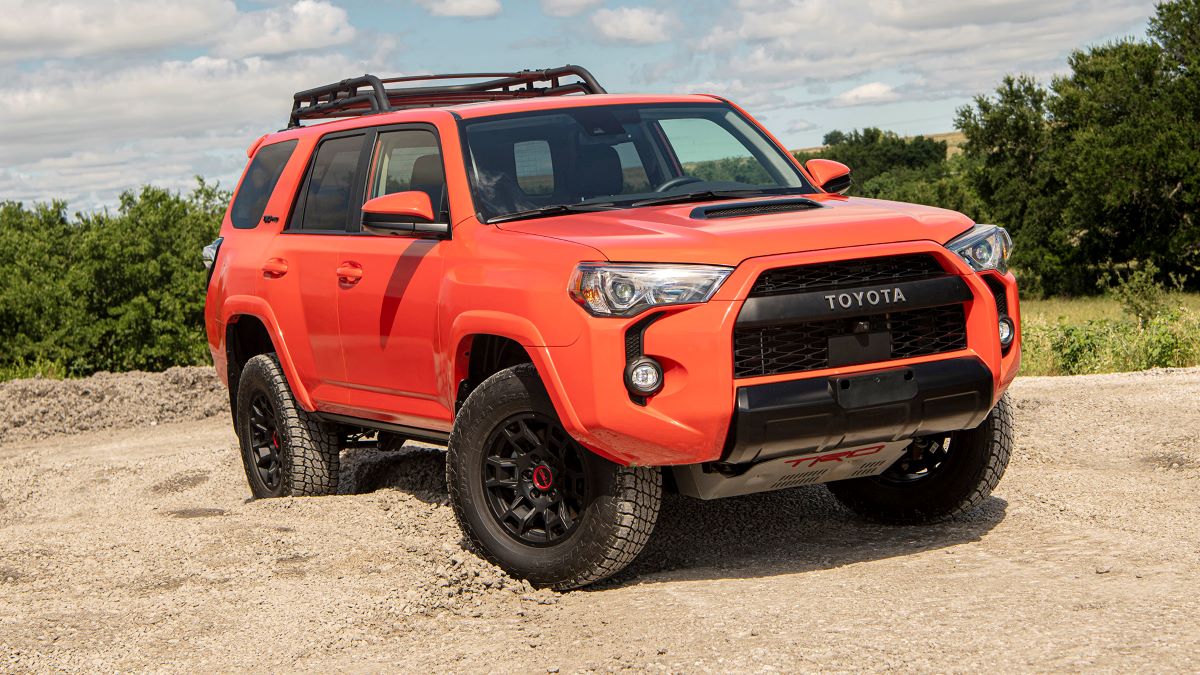
1. Toyota 4Runner
The Toyota 4Runner has long been one of the most dependable SUVs on the road. Built on a truck-based platform, it prioritizes durability over cutting-edge luxury.
American buyers appreciate it for its ability to handle rugged trails just as easily as daily commuting. The 4.0-liter V6 engine has been in production for years, and its simplicity is one of the reasons it lasts so long.
Owners often report their 4Runners pushing well past 300,000 miles with minimal issues beyond basic maintenance.
Unlike some modern SUVs filled with fragile tech, the 4Runner thrives on tried-and-true mechanical systems, making it one of the least shop-dependent SUVs in the U.S. market.
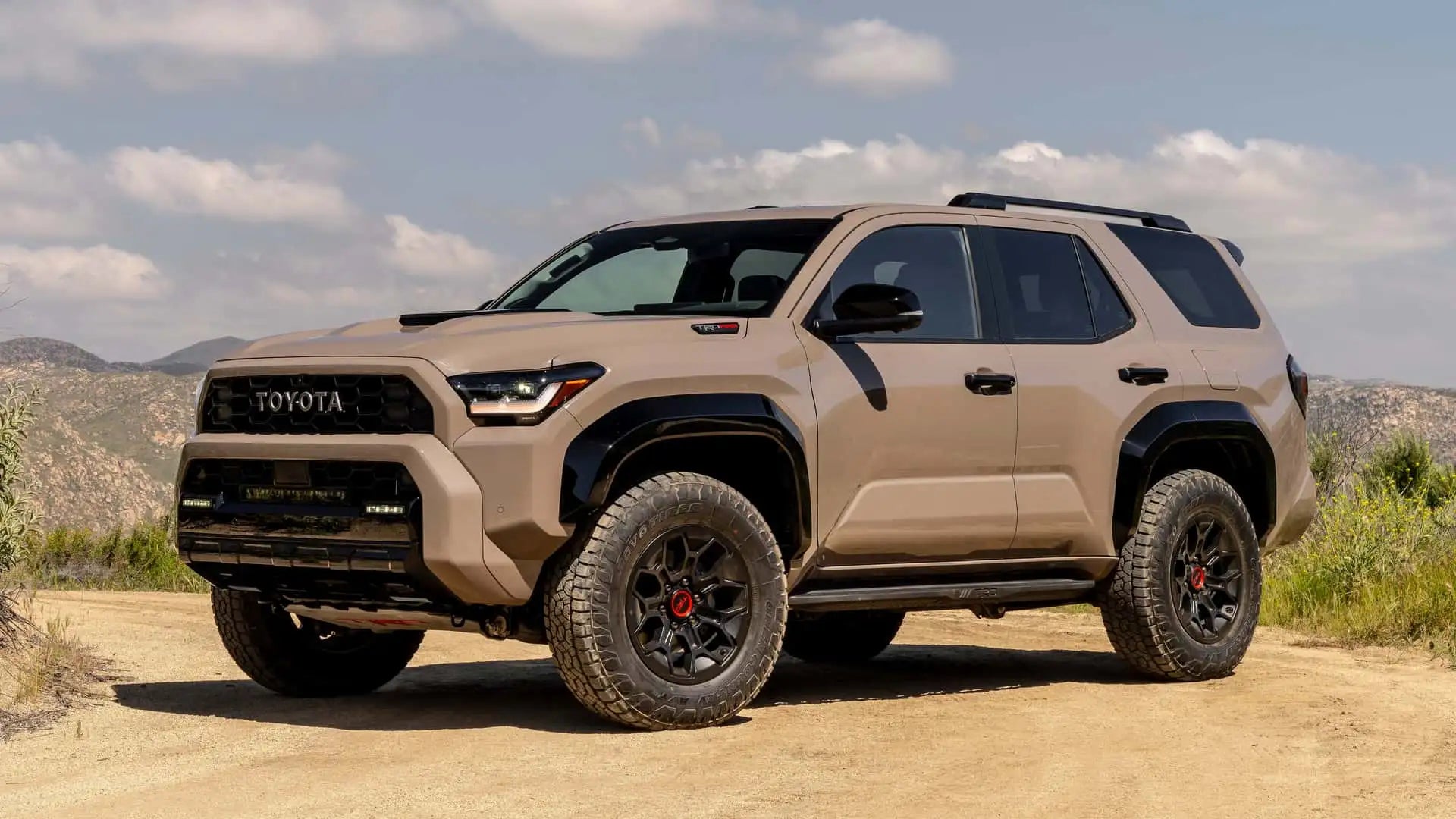
After a 14-year wait, the Toyota 4Runner has finally been redesigned for 2025. While the fundamentals remain the same, it’s still a midsize, truck-based SUV with rugged styling and character, just about everything else has been updated.
The new 4Runner is slightly larger, wears fresh exterior styling, features a thoroughly modernized interior with Toyota’s latest technology, and introduces a new engine lineup along with more trims than ever before.
This SUV is perfect for drivers who want something more adventurous than a typical crossover but aren’t ready to fully commit to the hardcore vibe of a Ford Bronco or Jeep Wrangler. Overall, the 2025 4Runner represents a major leap forward in the model’s evolution.
Toyota offers plenty of variety in the new 4Runner lineup, which consists of nine trim levels and two engine choices. The base SR5 keeps things simple and affordable, making it the most budget-friendly option.
Several TRD versions will likely capture the attention of most buyers, while the Limited and Platinum trims cater to those seeking more luxury and comfort. For serious off-road enthusiasts, the TRD Pro and the all-new Trailhunter provide rugged capability.
Under the hood, every 2025 4Runner now uses a turbocharged four-cylinder engine, replacing the outgoing V6. The new powertrain improves fuel economy and delivers more low-end torque for stronger acceleration at slower speeds. A hybrid variant of this engine is also available, offering even greater power along with improved efficiency.
Also Read: 5 Once-Popular Cars Now Selling Below MSRP vs 5 That Still Sell Above Sticker
2. Honda CR-V
For decades, the Honda CR-V has been a favorite among American families thanks to its practicality and reliability. This compact SUV consistently earns high marks from Consumer Reports and J.D. Power for long-term dependability.
Its engines, whether naturally aspirated or turbocharged in newer models, are engineered to withstand years of use with little more than regular oil changes and scheduled services.

Transmission issues are rare, and many owners praise the CR-V for being one of the least stressful vehicles to own. This is why it’s a top choice for those who want a vehicle that simply works without draining their savings on repairs.
3. Lexus RX
Luxury and reliability don’t always go hand-in-hand, but the Lexus RX is a major exception. Built on Toyota’s reputation for dependability, the RX combines comfort with mechanical sturdiness.
The V6 engines used in most RX models are nearly indestructible when properly maintained, and the hybrid variants add even more longevity thanks to Toyota’s proven hybrid technology.
Compared to European luxury SUVs that rack up thousands in repair bills, the RX is a stress-free alternative that rarely requires major shop visits. Many U.S. buyers see it as the perfect balance between upscale driving and peace of mind.
Lexus may offer some sporty, engaging vehicles, but the 2022 RX isn’t one of them. Despite its sharp styling cues and the availability of an F Sport trim, the RX prioritizes comfort above all else, delivering a plush, creamy ride and offering two fuel-efficient powertrains.
A 3.5-liter V6 engine comes standard, while buyers can opt for a hybrid version that produces 308 horsepower and returned 31 mpg on the highway during testing. The standard RX is a two-row SUV with seating for five, but an extended-length RX L model is available for families who need space for up to seven passengers across three rows.
Inside, the RX surrounds occupants with premium finishes, upscale materials, and plenty of technology befitting its compact luxury SUV class. For those seeking a smooth-riding luxury vehicle with everyday practicality, the RX is a strong choice, though drivers craving excitement will likely find more fun in one of Lexus’s European rivals.
In the competitive compact luxury SUV segment, the RX ranks 12th overall. It competes against leaders like the Porsche Macan, Genesis GV70, BMW X3, Volvo XC60, and Mercedes-Benz GLC-Class, with the Macan taking the top spot. Starting prices for the RX lineup begin at $47,070 and climb to $59,260 depending on trim and options.
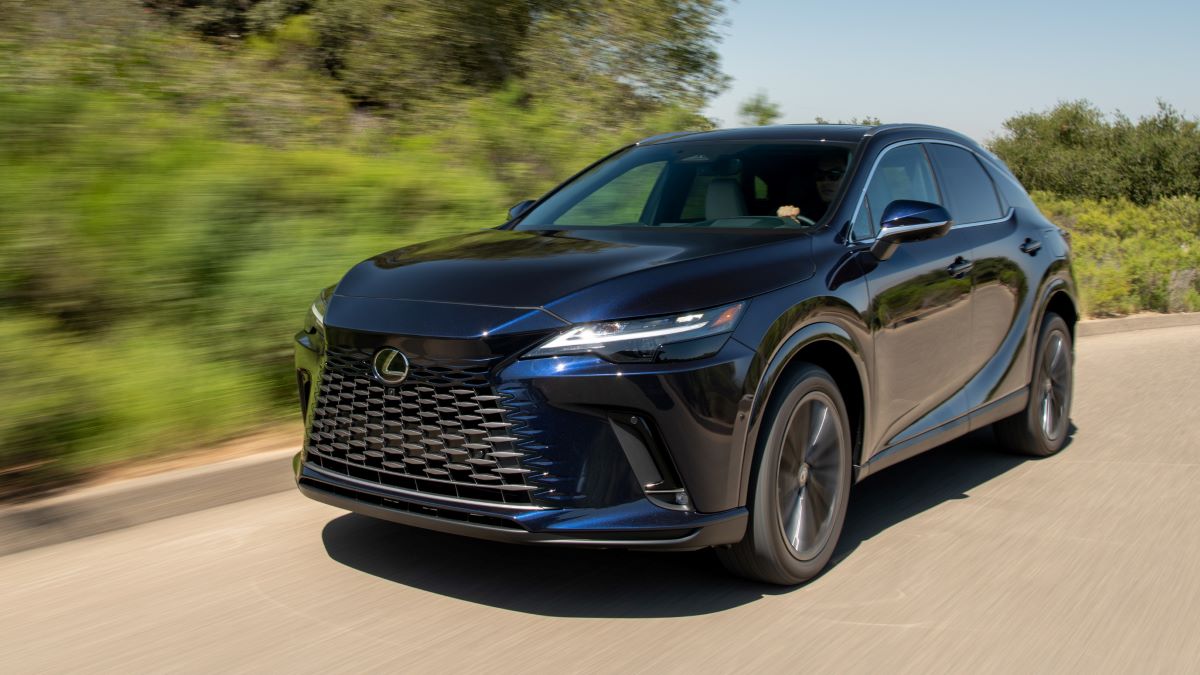
For buyers seeking the best balance of looks and value, the F Sport models stand out as the most stylish in the lineup. A lightly optioned RX 350 F Sport is an ideal choice, and among the available packages, the Navigation package is the most worthwhile.
Performance-wise, the RX lineup is split into two configurations. The RX 350 uses the standard 3.5-liter V6, while the RX 450h pairs that engine with two electric motors for hybrid efficiency. During testing, our RX 350 F Sport equipped with all-wheel drive reached 60 mph in 6.7 seconds, a pace that’s acceptable but slower than many rivals in this class.
The RX 450h hybrid, while efficient, also lagged behind competitors when it came to acceleration. Still, outright speed isn’t the RX’s mission. Where it truly excels is in ride comfort, easily absorbing rough patches of pavement and delivering a compliant, composed drive. The cabin remains exceptionally quiet and well insulated from outside noise, making the RX an ideal companion for long-distance cruising.
4. Toyota Highlander
Another Toyota earns a spot on the list, and it’s no surprise. The Highlander has proven itself to be one of the most dependable midsize SUVs available.
With its smooth V6 engines (in older models) and efficient four-cylinders in newer generations, the Highlander rarely surprises its owners with unexpected breakdowns.
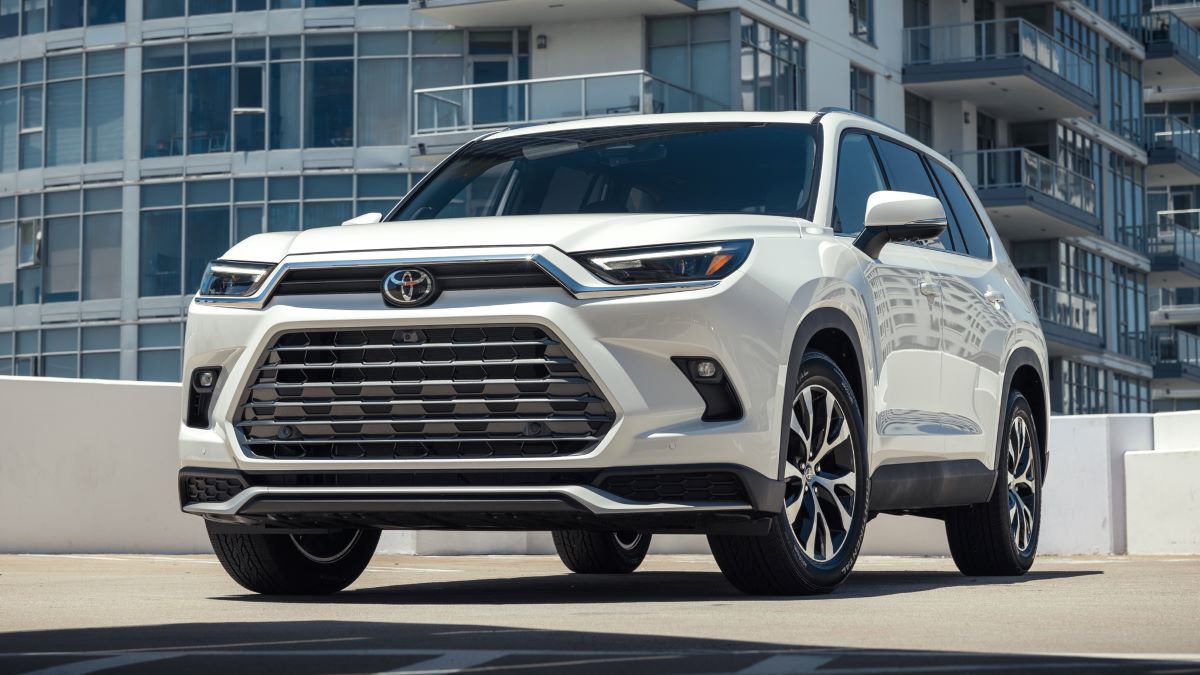
Families appreciate it not only for its reliability but also for its roomy interior and strong resale value.
While competitors often need costly repairs after 100,000 miles, the Highlander simply keeps running with minimal fuss, which is why it’s a go-to family hauler across the U.S.
5. Mazda CX-5
Mazda has quietly become one of the most reliable brands in recent years, and the CX-5 stands out as a model that combines driving enjoyment with strong dependability.
Unlike some SUVs that feel bloated and heavy, the CX-5 delivers sporty handling without sacrificing long-term durability. Its engines are designed for efficiency and longevity, with very few widespread issues reported.
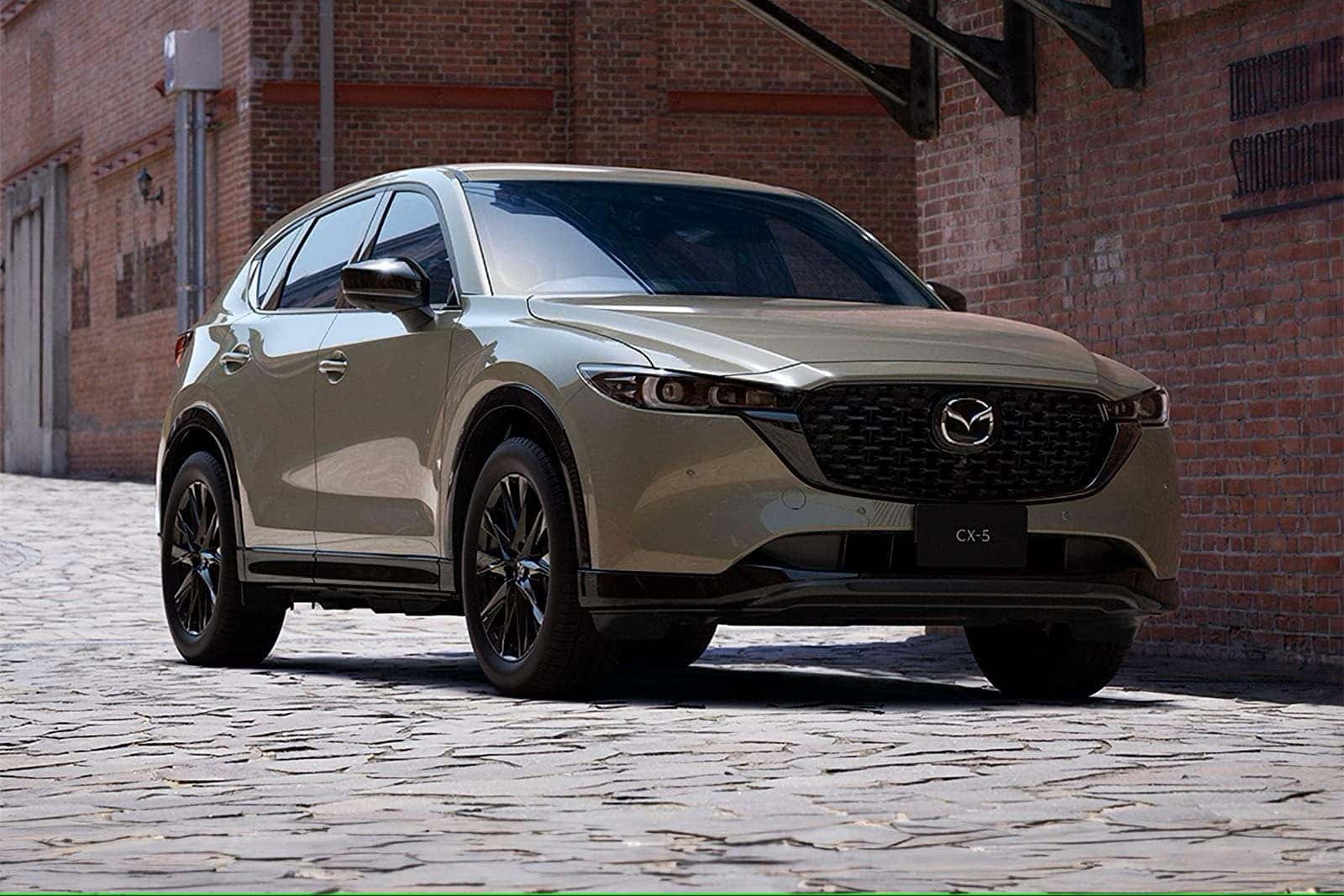
Owners often highlight that the CX-5 feels as solid after 100,000 miles as it did when new. This SUV shows that you don’t need to pick between fun and reliability you can have both in one well-built package.
Also Read: 5 Trucks with Odometers That Don’t Fail vs 5 Trucks That Stop Tracking Miles
5 SUVs That Constantly Break
Not all SUVs are built to last. Some look tough on the outside but end up spending more time at the mechanic than on the open road. From nagging electrical glitches to costly transmission repairs, these SUVs have earned a reputation for being anything but dependable. In this article, we’ll break down the models most likely to give owners headaches.
1. Jeep Cherokee
The Jeep Cherokee is notorious for reliability problems, particularly in models built over the last decade. Owners often complain about electrical issues, transmission failures, and engine problems that appear long before the odometer hits six figures.
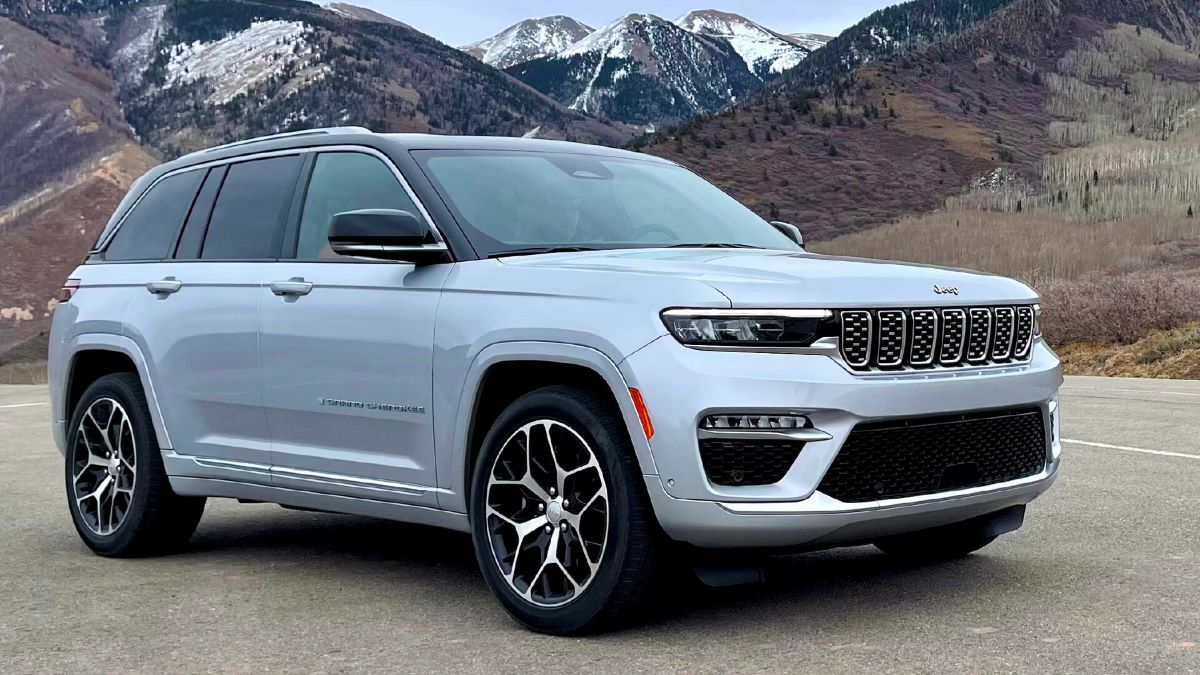
While Jeep’s off-road heritage is appealing, the Cherokee often doesn’t live up to the rugged image when it comes to longevity.
Many U.S. drivers have found themselves making repeated trips to the repair shop for costly fixes, turning what was supposed to be a versatile SUV into a money pit.
Jeep has already carved out a niche with its plug-in 4xe hybrid variants of the Wrangler and Grand Cherokee, but the brand is taking a new approach with the all-new 2026 Jeep Cherokee. This marks the first Jeep hybrid that doesn’t require plugging in, and it comes paired with a smaller combustion engine than we’re used to seeing from the brand.
Powering the setup is a 1.6-liter four-cylinder engine with roots in the “Prince” engine that BMW and PSA Peugeot Citroën co-developed in the early 2000s. PSA, now a key investor in Stellantis, Jeep’s parent company, has continually modernized this engine, and Jeep has adapted it for North America in the fully redesigned Cherokee.
The all-aluminum DOHC engine, equipped with variable-valve timing for both intake and exhaust, produces 177 horsepower at 5,500 rpm and 221 lb-ft of torque between 2,000 and 3,500 rpm. Working alongside two electric motors and a 400-volt 1.08-kWh NCM-Graphite battery, the hybrid system delivers a combined output of 210 horsepower and 230 lb-ft of torque.
In doing so, the new Cherokee effectively replaces the two engines offered in the outgoing generation, which left the U.S. market in early 2023. Those engines included a 2.4-liter inline-four with 180 horsepower and 171 lb-ft of torque, and a 2.0-liter turbocharged four-cylinder with 270 horsepower and 295 lb-ft. On paper, the new 1.6-liter hybrid slots neatly between the two in terms of output, but its real advantage lies in efficiency.
2. Chevrolet Traverse
The Chevy Traverse offers plenty of space for families, but it struggles with reliability. Common issues include timing chain problems, transmission failures, and electrical glitches.
Repair costs can quickly add up, and many owners report that the SUV starts showing serious problems before hitting 100,000 miles.
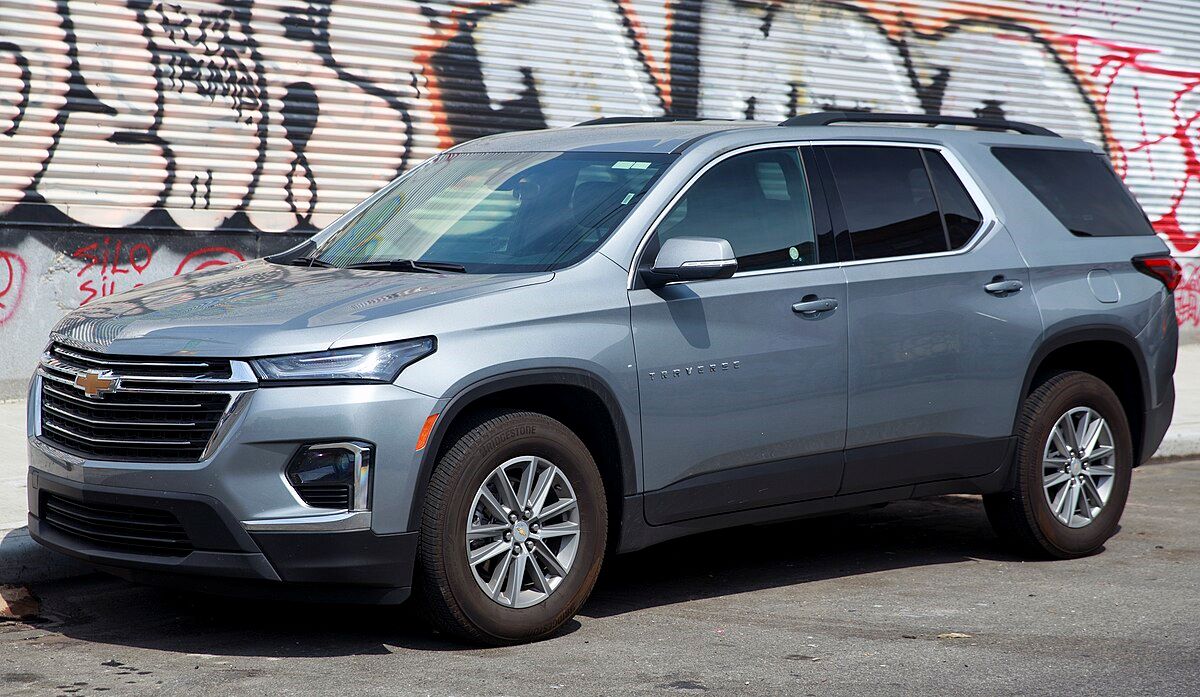
While newer models have seen some improvements, the Traverse still hasn’t shaken its reputation for being shop-prone, which makes buyers hesitant despite its roomy interior and comfort.
3. Land Rover Discovery
Land Rover has always been associated with luxury and off-road prowess, but its SUVs especially the Discovery have a reputation for spending far too much time in the shop.
In the U.S., Discovery owners often complain about air suspension failures, electrical malfunctions, and costly engine issues.
While the SUV delivers an upscale experience when everything works, keeping it on the road requires deep pockets and frequent visits to the mechanic. For those who prioritize dependability, the Discovery is one of the riskiest choices in the SUV world.
Land Rover made its name by building the most capable off-road SUVs on the planet, but in recent years the brand has leaned more toward road-focused performance. The 2020 Land Rover Discovery strikes a middle ground, managing to handle both worlds with surprising balance.
Where many rivals stumble when trying to offer equal measures of comfort and ruggedness, the Discovery delivers a genuinely enjoyable drive whether you’re navigating city streets or tackling a trail.
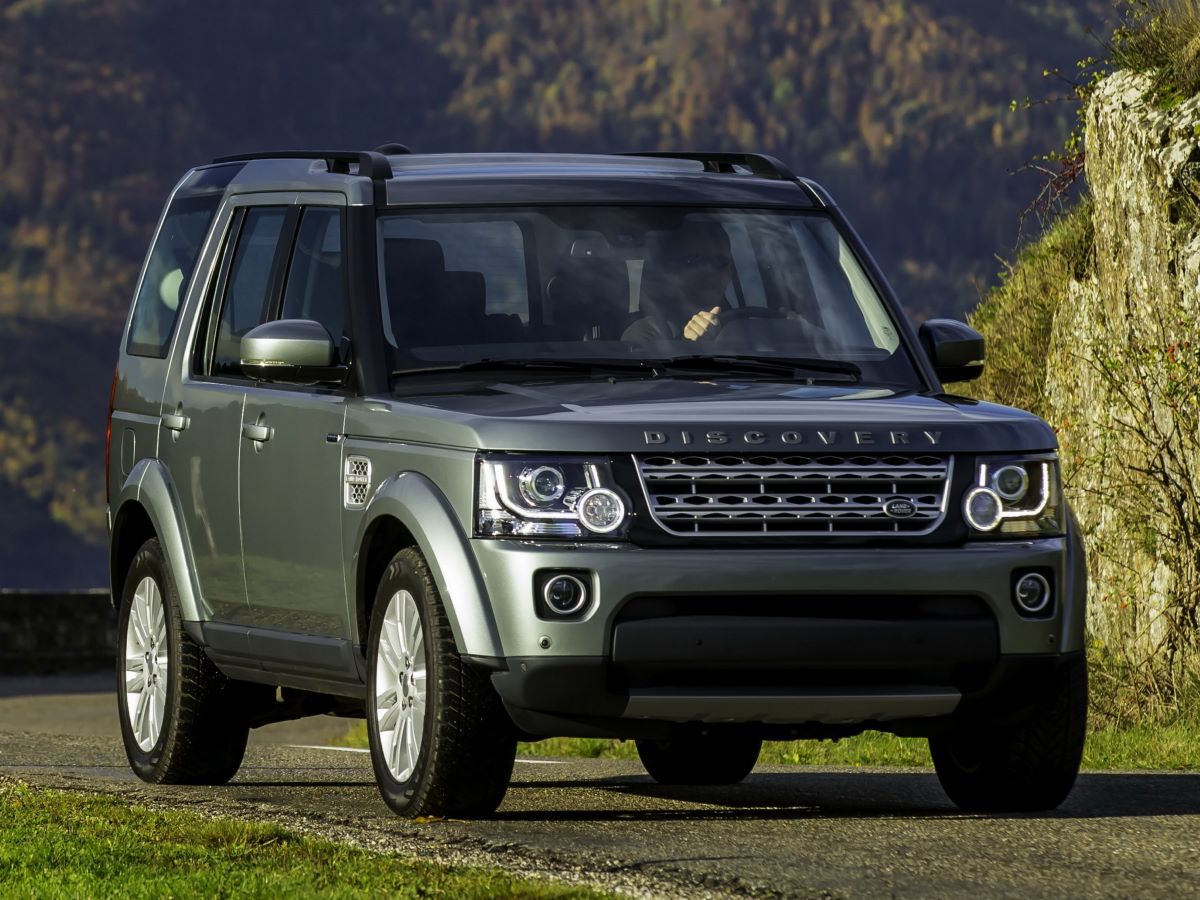
Within Land Rover’s lineup, the Discovery fills an important role. It provides more space, power, and off-road ability than the smaller Range Rover Evoque or Discovery Sport, yet it comes in at a much lower price than the full-blown Range Rover. It doesn’t offer the same advanced hardware that makes the Range Rover nearly unstoppable on rough terrain, but it still stands as a versatile and capable midsize SUV.
On its own merits, the Discovery is an impressive package. The interior is richly appointed, seating is supportive and comfortable, and cargo capacity is generous. While higher trims can get pricey, the options list includes luxuries rarely found in this class, such as massaging front seats and a ventilated second row. Those touches give the Discovery an upscale feel that helps it stand out.
That said, the SUV isn’t without flaws. The infotainment system is its biggest weakness, with a clunky interface and frustratingly slow response times. During testing, it took nearly 20 seconds to acquire a satellite radio signal and about 30 seconds to reconnect with paired smartphones after startup.
The second row also offers less legroom than some competitors, and a few oddly placed controls detract from usability. Still, with its blend of refinement and genuine off-road chops, the Discovery holds its own against rivals like the BMW X5 and the redesigned Mercedes-Benz GLE.
4. Dodge Journey
The Dodge Journey may have been affordable, but cheap up front often meant expensive down the line. Known for its underpowered engines, poor build quality, and frequent breakdowns, the Journey has become infamous in the U.S. for leaving families stranded.
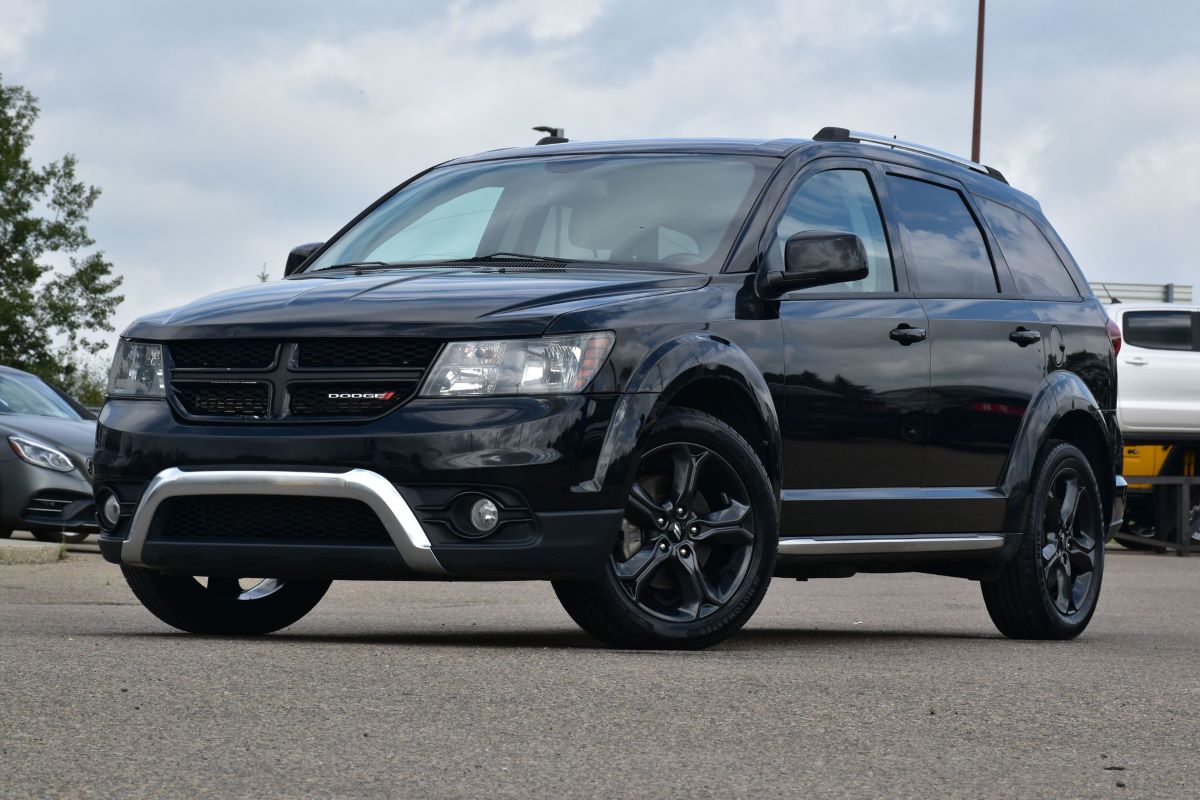
Transmission problems are common, as are electrical issues and premature wear on vital components. Even routine maintenance seems to do little to prevent recurring problems.
This reputation for unreliability is one of the reasons Dodge discontinued the Journey, but many remain on the used market often with frustrated owners trying to unload them.
For the 2015 model year, Dodge gave the Journey a round of improvements, carrying on the story of one of the most affordable three-row midsize crossovers available in North America.
Even though it was no longer a fresh design, the 2015 Journey continued to win customers over with its roomy, comfortable interior. Depending on the trim, it could also be equipped with an all-wheel-drive system, giving it extra confidence on dirt trails or unpaved roads.
Visually, the 2015 Journey retained Dodge’s familiar crosshair grille up front, which gave the crossover a bold, confident look. The swept-back headlights, however, betrayed their age, as they were originally designed before the global financial crisis halted Dodge’s plans for a next-generation model. The front bumper featured integrated fog lamps, with some trims adding a silver accent to imitate an underbody skid plate.
From the side, the short front and rear overhangs gave the Journey a hint of off-road readiness, particularly in the Crossroad trim. The sportier R/T model, by contrast, featured a lower ride height and 19-inch alloy wheels wrapped in low-profile tires for a more planted, aggressive stance. Regardless of the trim level, wide, front-hinged doors provided easy access to the cabin.
A slightly sloping roofline added a touch of dynamism to its silhouette, while additional rear-side windows between the C- and D-pillars made the third row feel less confined. At the back, a nearly vertical liftgate was flanked by smoked taillights with Dodge’s distinctive “ring of fire” LED signature. Depending on the powertrain, buyers could also get either a single or dual exhaust setup.
Inside, the Journey greeted passengers with a curved dashboard accented by subtle chrome trim around the vents. A twin-dial instrument cluster with a central LCD display gave drivers clear readouts, while higher trims offered an available 8.4-inch Uconnect infotainment touchscreen.
The cabin came standard with cloth upholstery, though more premium touches—like leather seating in the Crossroad trim—were available. With its “Flip-N-Stow” storage solutions and the second and third rows folded down, the Journey offered an impressive 67 cubic feet (about 1,900 liters) of cargo space.
Under the hood, buyers had two choices. The base model was powered by a 2.4-liter four-cylinder engine paired with a four-speed automatic transmission driving the front wheels. Higher trims offered Dodge’s well-known 3.6-liter Pentastar V6, producing over 200 horsepower and paired with a six-speed automatic. The V6 also came with the option of all-wheel drive, giving the 2015 Journey a wider range of capability.
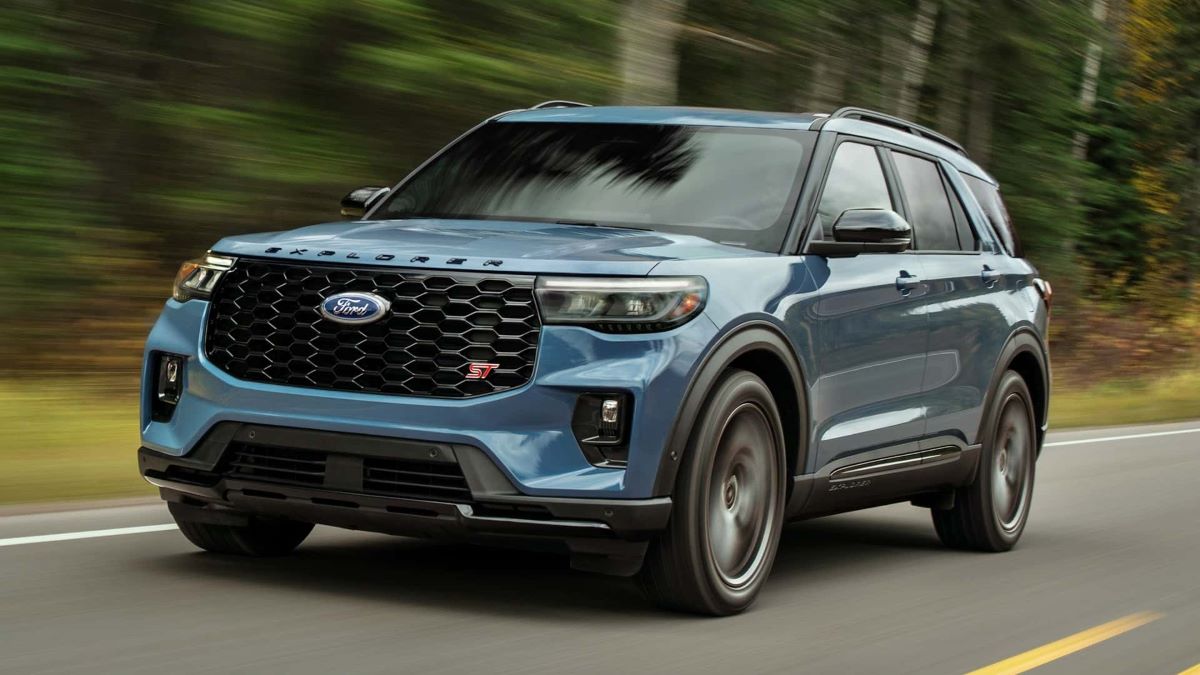
5. Ford Explorer (Certain Generations)
The Ford Explorer is one of the most popular SUVs in the U.S., but not all model years are created equal. While newer Explorers have improved, past generations especially early 2000s and some 2010s models were plagued with reliability issues.
Common complaints included transmission failures, cooling system problems, and electrical glitches. Many American families who bought Explorers expecting a dependable SUV were instead faced with mounting repair bills.
Today, buyers looking at used Explorers often have to carefully research model years to avoid getting stuck with a shop-prone vehicle.
For U.S. SUV buyers, reliability can make the difference between years of stress-free ownership and constant frustration. Vehicles like the Toyota 4Runner, Honda CR-V, and Lexus RX have earned their place as trustworthy choices that rarely let their owners down.
On the other hand, models like the Jeep Cherokee and Dodge Journey have developed reputations for unreliability that can overshadow their features and affordability.
When shopping for an SUV, it’s not just about comfort, size, or performance it’s about how often you’ll have to see your mechanic. Choosing wisely could mean saving thousands in repair bills and keeping your vehicle on the road for years to come.
