Electric vehicles (EVs) have quickly moved from being a niche experiment to becoming a core part of the automotive industry in the United States.
With companies like Tesla, Ford, Rivian, Hyundai, and GM investing heavily in electrification, buyers today have more EV options than ever before.
But one of the biggest questions shoppers still wrestle with is how well an EV battery will hold up over time.
Unlike gas-powered vehicles where engine wear and transmission failures dominate reliability discussions, battery health is the central factor in determining how long an EV will remain useful and cost-efficient.
Battery degradation is a natural process. Over time, lithium-ion cells lose capacity due to chemical breakdown, charging cycles, and environmental conditions.
The average EV loses about 2–3% of its usable capacity per year, but the real-world experience can vary widely depending on the brand, technology, and owner’s habits.
Some automakers have developed strong thermal management systems and efficient battery chemistries that keep degradation low, while others still struggle with long-term reliability.
For U.S. drivers considering an EV purchase, it’s worth knowing which models are praised for maintaining strong battery health versus those that tend to fade faster than expected.
Below, we’ll explore five EVs that are known for their durable batteries, followed by five that have raised concerns among owners when it comes to long-term performance.
EVs That Hold Battery Health Well
One of the biggest questions people have about electric vehicles is how long the battery will last. Just like a phone or laptop, EV batteries lose capacity over time, but not all of them age the same way.
Some models are notorious for rapid degradation, while others hold their charge surprisingly well, even after years of daily driving and fast charging. If you’re thinking about buying an EV and want to avoid expensive battery headaches down the road, it pays to know which ones are built to go the distance.
1. Tesla Model 3
Among EVs sold in the U.S., Tesla’s Model 3 is often cited for strong battery retention. Real-world data collected from Tesla owners across hundreds of thousands of miles shows that Model 3 batteries lose only about 10% of capacity after more than 150,000 miles.
Tesla’s sophisticated thermal management system keeps the battery operating in an optimal temperature range, whether you’re driving in the Arizona desert or the snowy Midwest.
Additionally, Tesla’s frequent over-the-air software updates optimize charging and discharging patterns, further extending battery life. For commuters and road-trippers alike, the Model 3 remains one of the most reliable EVs when it comes to long-term battery health.
Tesla is the main reason electric cars have gone mainstream, and the Model 3 is the vehicle that made EV ownership realistic for many everyday buyers. Last year, Tesla refreshed the Model 3 with updated styling, including sleeker headlights, a quieter and higher-quality interior, and a smoother ride.
For 2025, the Model 3 carries over largely unchanged, though Tesla has a habit of rolling out midyear improvements and software updates without much notice, so changes could still arrive unexpectedly.
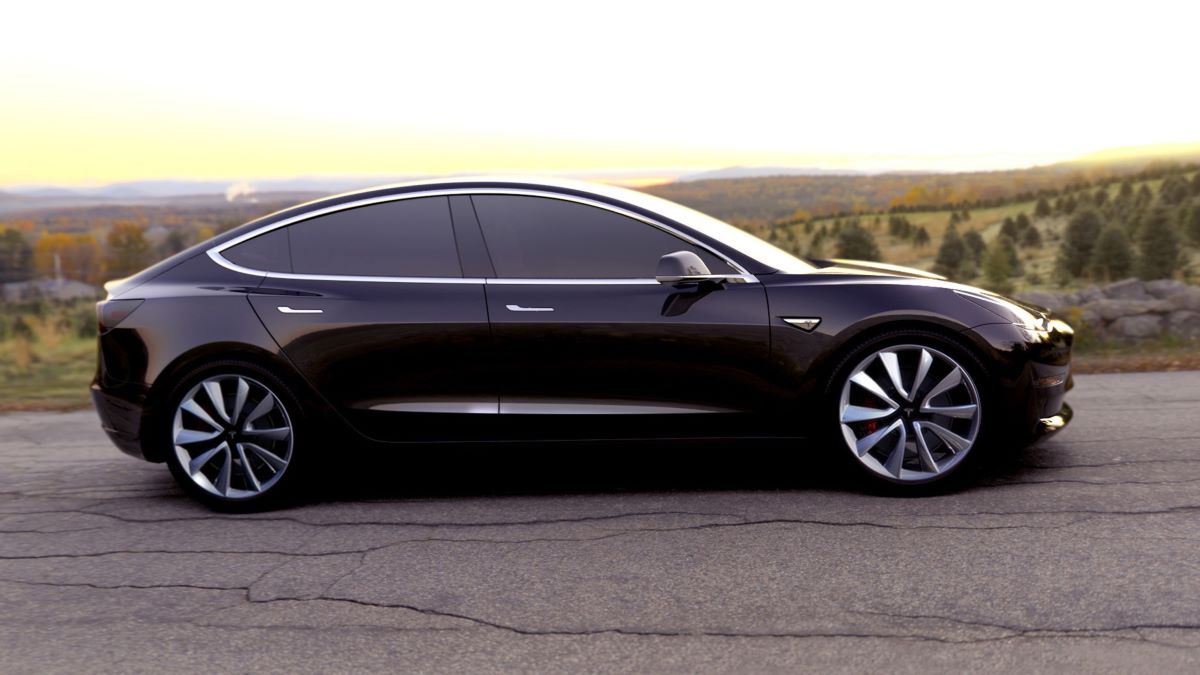
The Model 3 Long Range trim is rated by the EPA for 363 miles on a single charge, making it one of the longest-range EVs in its class. Like all EVs, battery performance will degrade over time, usually about 1–2% per year, which means owners can still expect around 309 miles of usable range after eight years.
Charging is handled through Tesla’s NACS plug, with a full recharge at 240 volts taking about 11.7 hours. To extend the life of the battery, Tesla recommends keeping charge levels between 30% and 80%. The battery itself is backed by an 8-year/120,000-mile warranty, and according to GeoTab data, most batteries will outlast the vehicle’s usable lifespan.
Tax credits and rebates vary by state, but Tesla buyers may qualify for significant incentives depending on where they live. On running costs, the Model 3 is significantly cheaper to operate than the average gasoline-powered car, estimated at just $56 per month compared to $163 for the typical vehicle, based on costs in North Dakota.
As with any EV, ownership works best when drivers have access to home or workplace charging. Relying exclusively on public stations can be far less convenient, as charging takes up to 10 times longer than filling up at a gas station. Installing a 240V home charging setup can cost $1,600 or more, but it greatly improves day-to-day usability.
Also Read: Top 5 Engines That Stay Tight and 5 That Shake Apart
2. Hyundai Kona Electric
Hyundai surprised many industry observers by launching the Kona Electric with one of the most robust battery setups in its class.
Equipped with liquid cooling and backed by Hyundai’s 10-year/100,000-mile powertrain warranty, the Kona Electric has proven to hold onto its capacity well.
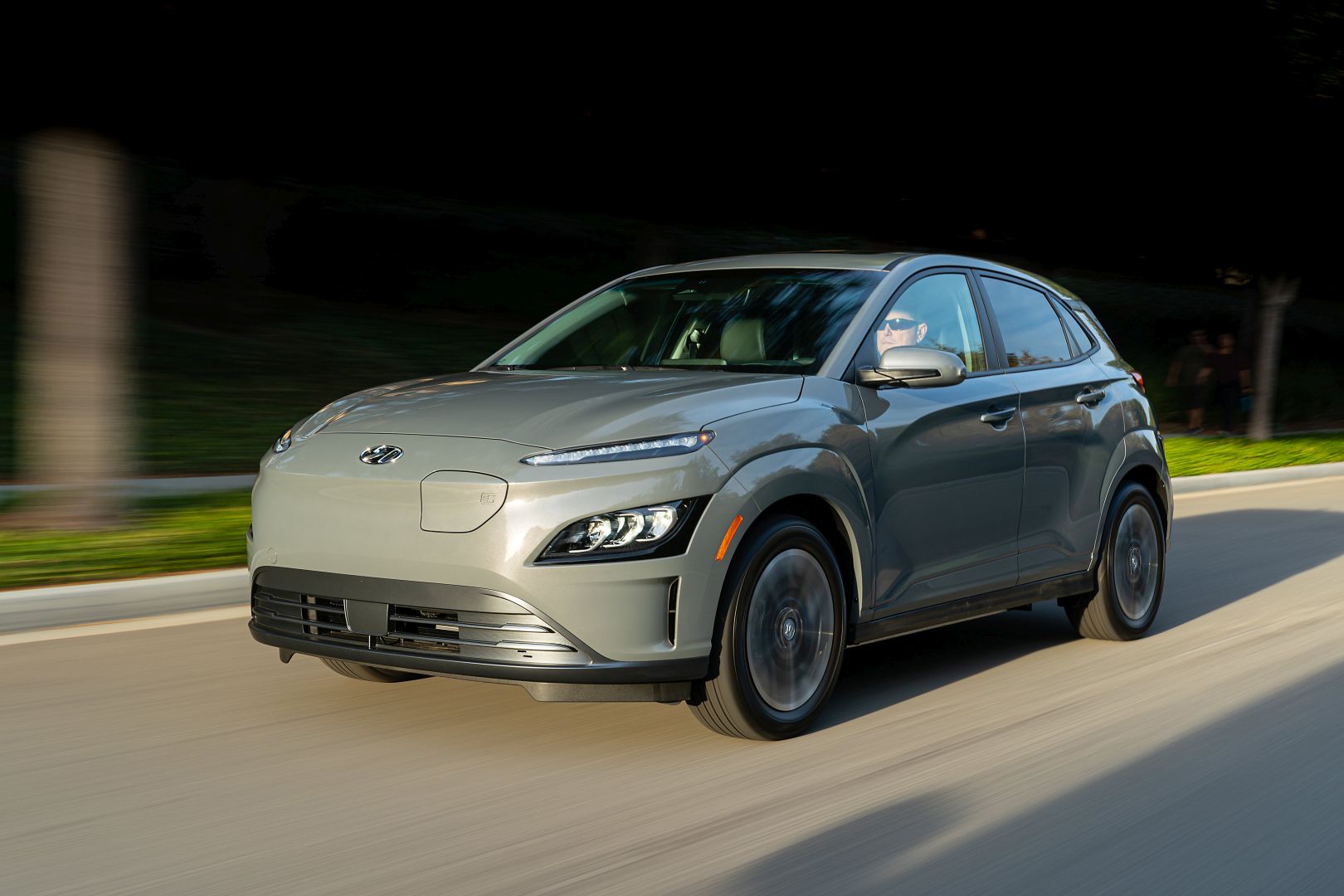
Owners in hot climates like Texas and Florida, where battery degradation typically happens faster, report slower-than-expected losses thanks to Hyundai’s advanced battery management.
Combined with its affordable pricing, the Kona Electric is one of the best options for buyers concerned about long-term durability.
3. Chevrolet Bolt EV
Despite the well-documented battery recall issues early in its life, the Chevrolet Bolt EV actually demonstrates excellent battery retention in models that received upgraded packs.
Many owners report just 5–8% degradation even after 100,000 miles of driving. GM’s liquid-cooled battery design has proven reliable in daily use, and the Bolt’s relatively small size makes it efficient, requiring less strain on the pack for normal driving.
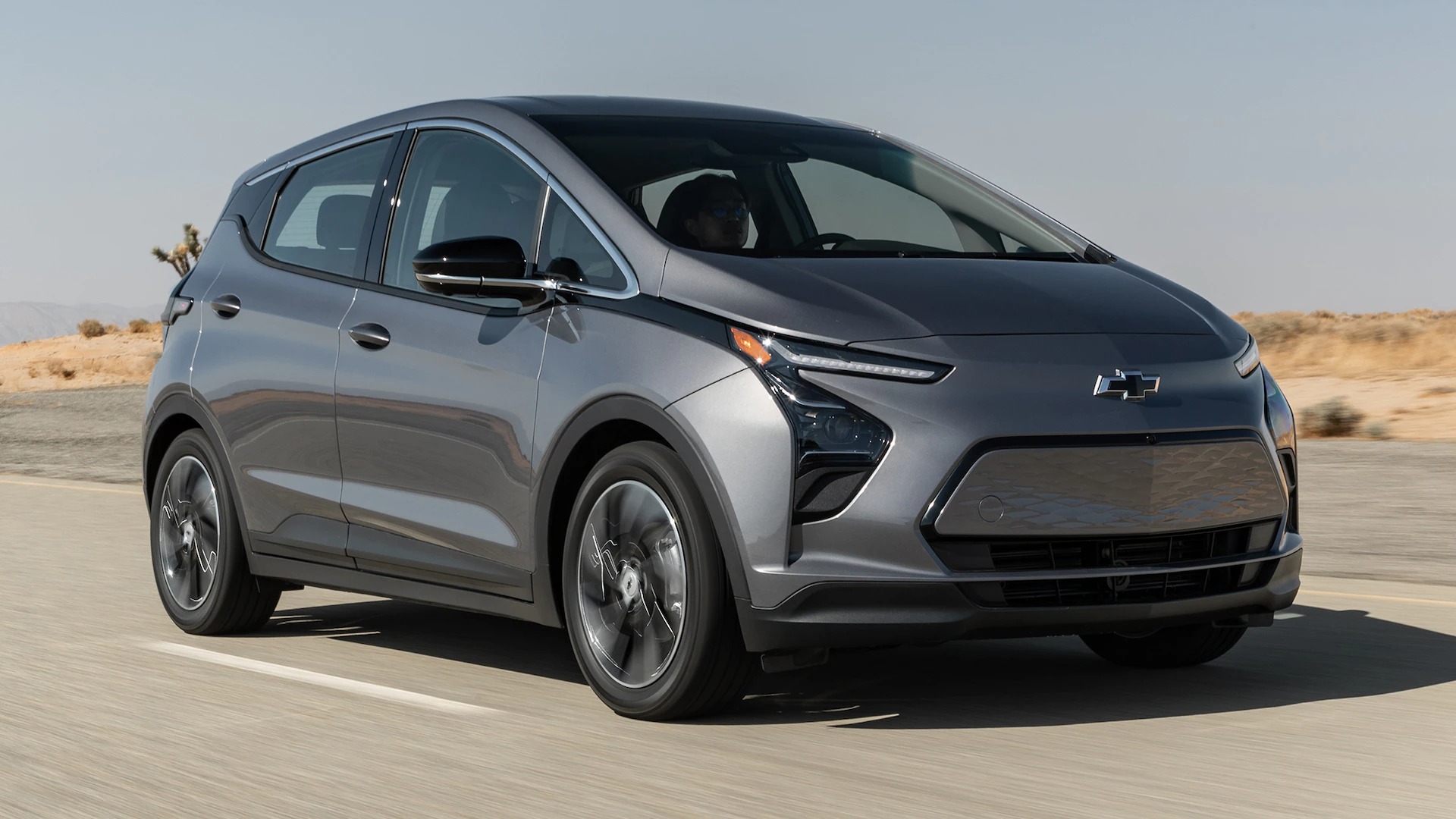
For budget-conscious EV shoppers, a used Bolt represents one of the better values on the market with solid long-term dependability.
The Chevrolet Bolt EV made its debut in 2017 as an all-electric hatchback and quickly became a hit with consumers thanks to its low price point and ability to travel roughly 250 miles on a single charge. General Motors eventually discontinued the Bolt EV and its larger sibling, the Bolt EUV, at the end of 2023. Fortunately, an all-new Bolt EV is on the horizon, with its debut expected for the 2026 model year.
Historically, the Bolt EV has been one of the most affordable options in the EV segment, and there’s hope that the redesigned version will continue to deliver strong value while offering competitive range.
The first generation carried an EPA-estimated 259 miles per charge, but in Edmunds’ independent EV Range Test, it managed to surpass that figure, hitting 278 miles. Expectations for the 2026 Bolt EV point to further improvements in range and overall efficiency.
Spy shots of prototypes suggest that the new model will retain a similar size and shape to the outgoing version, though updated styling and modern technology features are anticipated to bring it more in line with today’s EV market.
Also Read: 10 Pickup Trucks That Can Beat the Tesla Cybertruck in Off-Road Performance and Price
4. Tesla Model S (Post-2016 Models)
While early Teslas had mixed results, newer Model S vehicles have shown improved battery longevity. Thanks to larger pack sizes, the cells don’t need to cycle as frequently, reducing wear over time.

Owners commonly report retaining more than 85% of battery capacity after 150,000 miles, which is impressive given the high-performance nature of the car.
For those in the luxury EV market, the Model S is not only a status symbol but also one of the more reliable choices for long-term battery health.
5. Hyundai Ioniq 5
The Hyundai Ioniq 5, built on the new E-GMP platform, represents one of the most advanced battery technologies on the market. It features 800-volt architecture, which allows ultra-fast charging without overheating the cells.
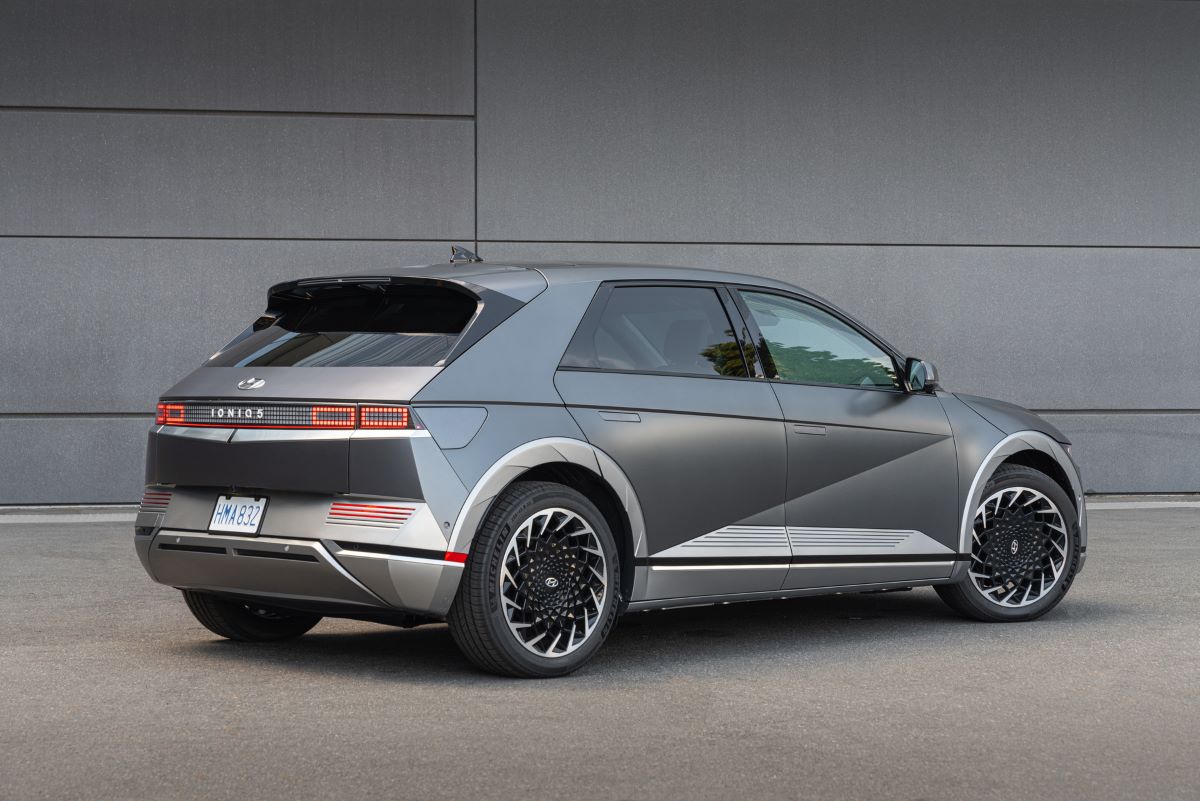
Owners and early data suggest that this design also helps reduce stress on the battery, leading to better long-term health. Hyundai backs the Ioniq 5 with its strong battery warranty, giving U.S. buyers peace of mind that the car will deliver dependable range for years to come.
5 EVs That Fade Faster
Not all electric vehicles are created equal when it comes to long-term battery health. While some EVs can hold their charge capacity for years with minimal loss, others struggle to keep up, showing noticeable range drops after just a few years of ownership.
For buyers, that can mean more frequent charging, less usable range, and a hit to resale value. In this article, we’ll look at five EVs that have earned a reputation for fading faster than the competition, so you know which ones may cost you more down the road.
1. Nissan Leaf (Older Models)
The Nissan Leaf was the first mass-market EV in the U.S., but its early versions came with a critical flaw: no active liquid cooling system for the battery.
As a result, Leaf batteries degrade quickly, especially in hot states like Arizona, Nevada, and Texas. Some early Leaf owners reported losing 20-30% of capacity in just five years. While newer models have improved somewhat, the Leaf still lags behind competitors in long-term retention.
When Nissan unveiled the 2025 LEAF, it surprised customers with a bold new design, improved performance, and a clear effort to reassert itself in the crowded EV market. The LEAF nameplate has long been significant, the first generation, launched in 2011, was the world’s first affordable and reliable mass-market EV.
It quickly became a sales success and a pioneer in the segment, largely because it had little direct competition at the time. Fast forward to 2025, and the landscape is very different. Rivals like the Tesla Model 3, Kia EV6, and Volkswagen ID.3 dominate the conversation.
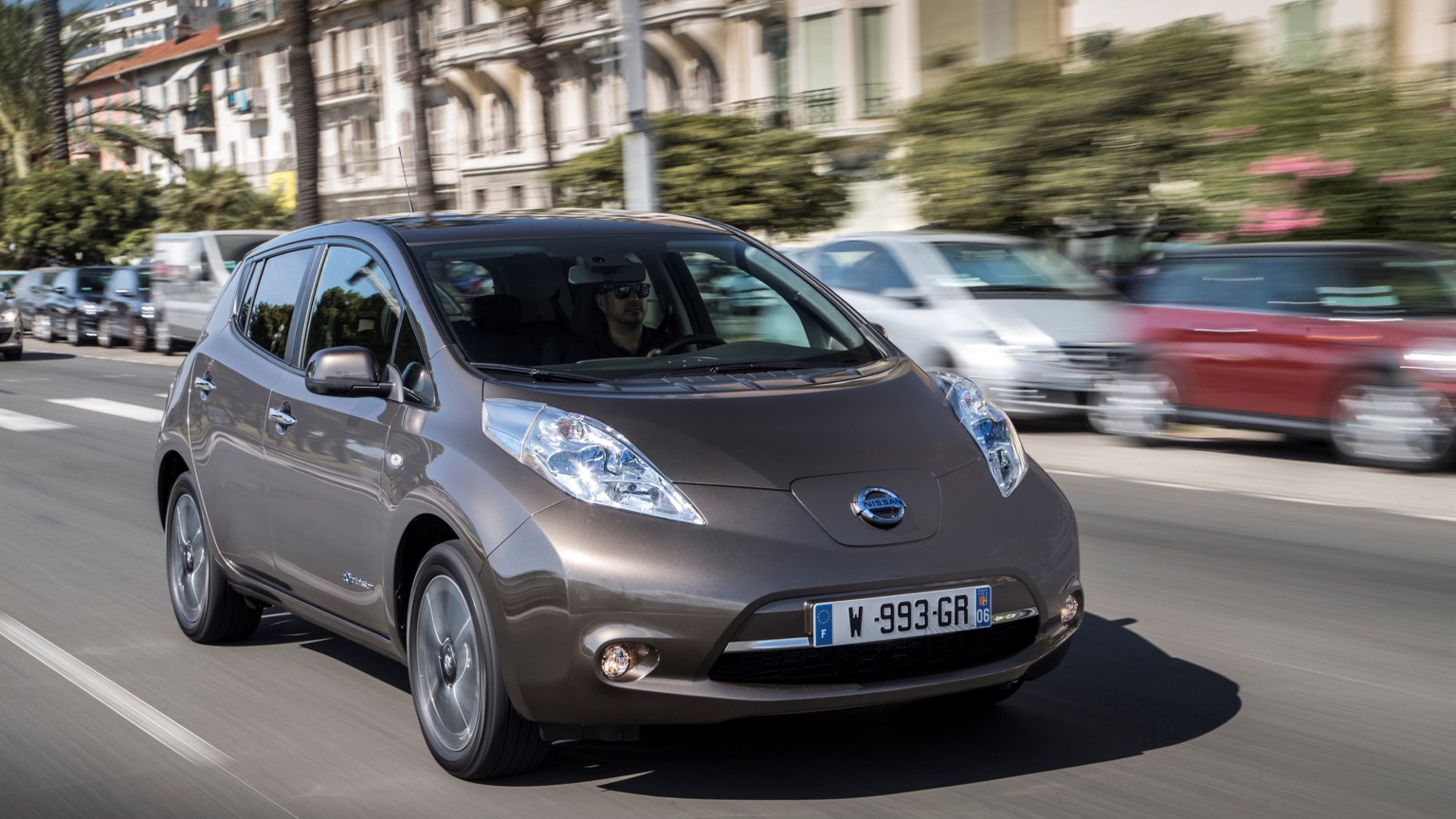
But Nissan came prepared, drawing from its alliance with Renault to create a stronger platform, while introducing a sharper design, upgraded interior, and more capable drivetrain. The 2025 LEAF makes a striking first impression with its aggressive front fascia.
Seven rectangular LED daytime running lights flank the headlights, which are linked by an illuminated strip running across a piano-black grille panel adorned with Nissan’s badge. Below sits a trapezoidal air intake with horizontal slats that also integrates radar sensors for advanced safety tech.
From the side, the new LEAF takes on a taller, more crossover-like stance than its predecessors, resembling the Nissan Ariya rather than a traditional hatchback. The raked windshield, curved roofline, and sleek silhouette contribute to its impressive drag coefficient of just 0.26 (0.25 in Europe).
Inside, Nissan clearly sought to address criticisms of past LEAF models. A pair of 14.3-inch displays dominate the cabin, one serving as the digital instrument cluster and the other as the infotainment touchscreen. Beneath them, the physical controls for climate and audio remain, adding convenience.
The two-spoke steering wheel retains tactile buttons, which drivers will appreciate, while the high-mounted seats prioritize comfort but still offer mild bolstering for support on twisty roads. Rear passengers benefit from a split-folding bench that can comfortably seat three adults while still allowing for expansion of the 437-liter (15.4 cu-ft.) cargo area.
Performance upgrades make the 2025 LEAF even more competitive. Depending on the chosen battery pack and drivetrain, it can achieve over 600 km (373 miles) of range on a single charge.
A 150 kW fast-charging system allows the LEAF to recover up to 417 km (259 miles) of range in just 30 minutes, making long-distance travel more practical. With two motor options available, Nissan has positioned the LEAF as both an affordable and versatile EV, one that aims to satisfy longtime fans while standing tall against today’s tougher competition.
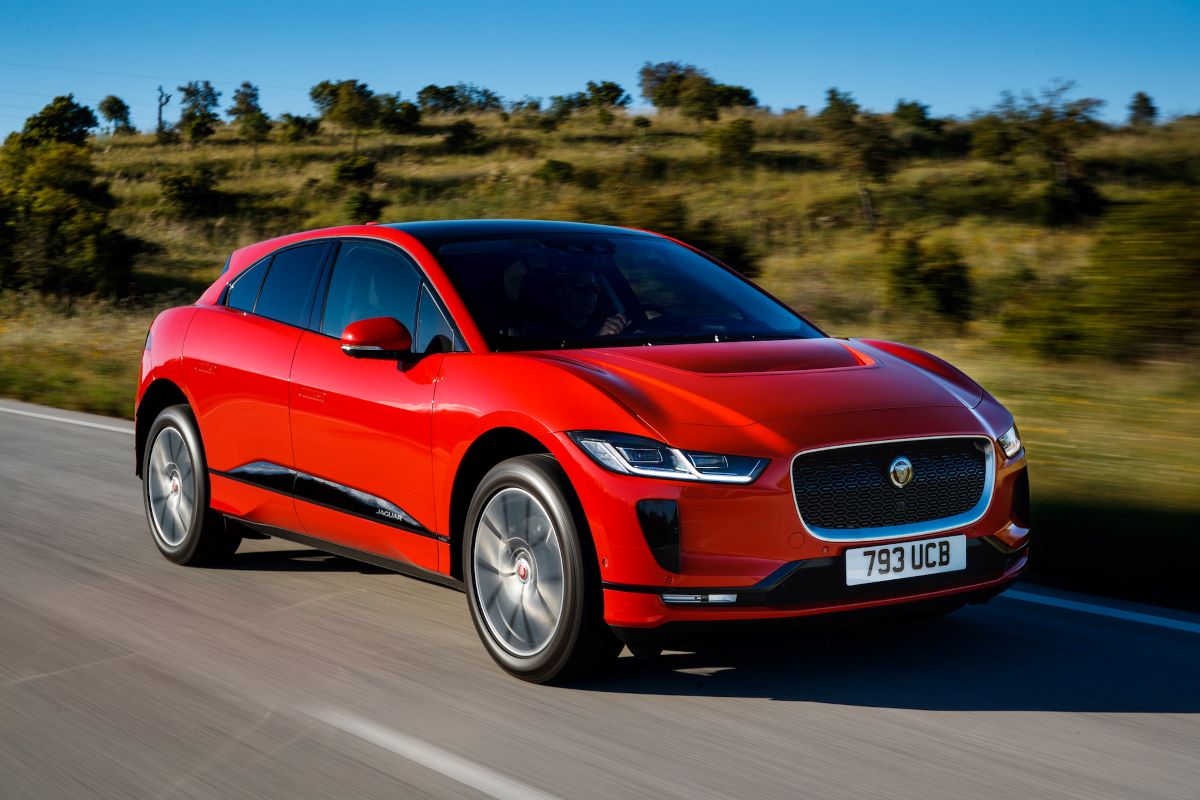
2. Jaguar I-PACE
The Jaguar I-PACE launched with great hype, but battery longevity has been one of its weak points.
Owners in warmer climates have noticed faster-than-average degradation, and the lack of consistent over-the-air updates means Jaguar hasn’t been able to optimize performance the way Tesla or Hyundai can.
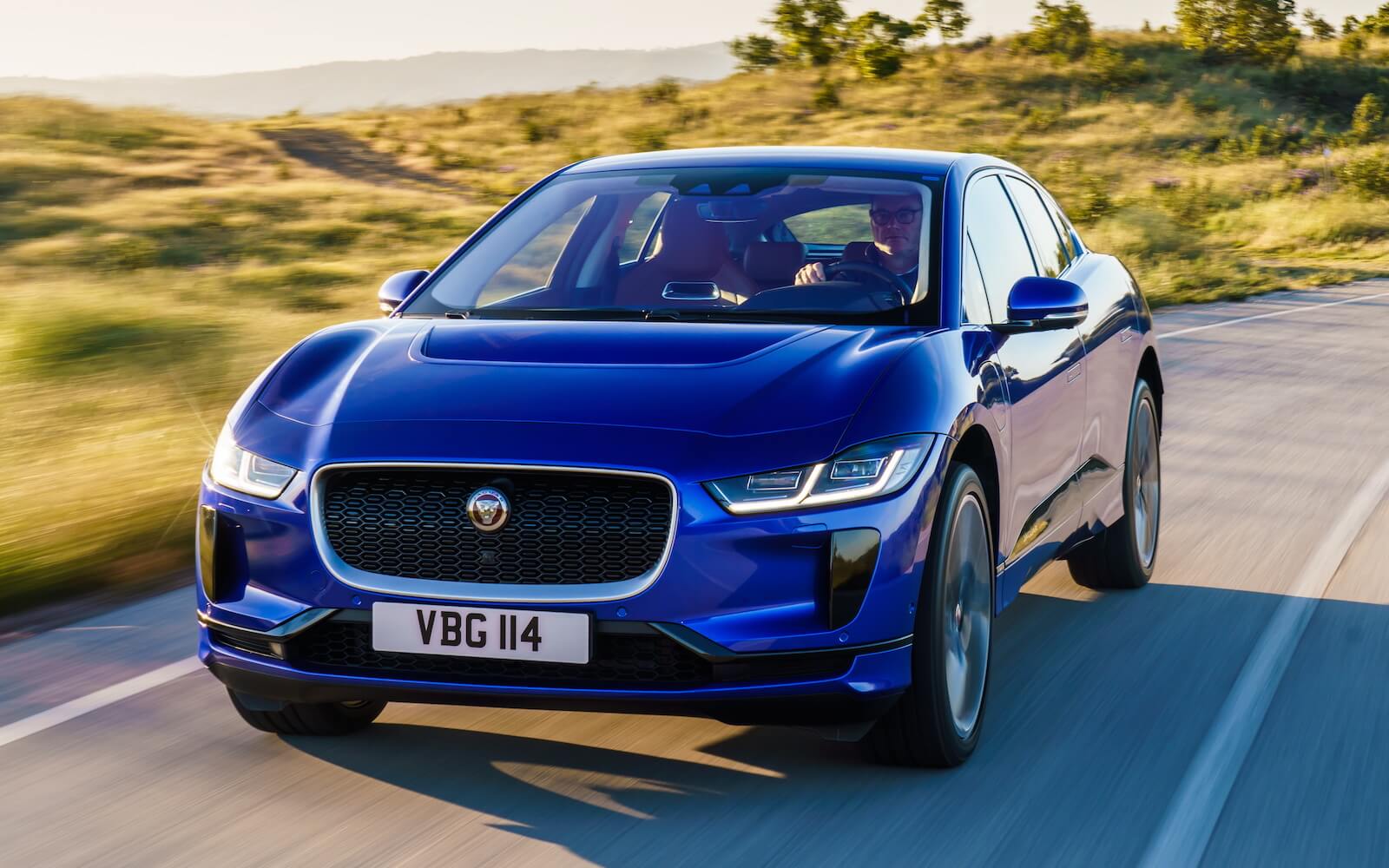
Considering its luxury price tag, the I-PACE’s fading range over time has been a source of frustration for many U.S. buyers. The 2022 Jaguar I-Pace is an all-electric luxury crossover that manages to stand out with its sleek looks and engaging driving dynamics.
While its high price tag keeps it from becoming a mainstream hit, the I-Pace’s futuristic design and bold stance capture attention immediately. With an EPA-estimated range of 253 miles, fast-charging capability, and instant acceleration, it delivers the kind of performance EV enthusiasts crave.
On the road, it feels more like a sports car than a five-seat crossover thanks to precise steering and a composed chassis. Inside, Jaguar has paired cutting-edge styling with plenty of passenger space and the latest tech features.
Though it fell short of its advertised range in real-world testing and proved sluggish to recharge on a standard household outlet, the I-Pace still demonstrates that electric vehicles can be thrilling in ways that go beyond efficiency.
After skipping the 2021 model year, Jaguar returned the I-Pace for 2022 with several notable updates. Every model now includes a complimentary 4G data plan, a 360-degree camera system, and wireless charging.
A new optional Bright package brings subtle exterior tweaks, including chrome trim and Atlas Grey accents, while the cabin benefits from a revamped infotainment system designed to be more user-friendly than before. The system even includes a tool to locate nearby charging stations and estimate charging times.
Perhaps the most practical improvement is the upgraded onboard charger, which jumps from 7.0 kW to 11.0 kW. Thanks to the change, a full recharge from empty at home takes about 8.6 hours instead of the previous 12.6 hours, a significant step forward in convenience.
3. BMW i3
The BMW i3 was ahead of its time in terms of design, but its small battery pack and air-cooled system made it more prone to degradation than rivals.
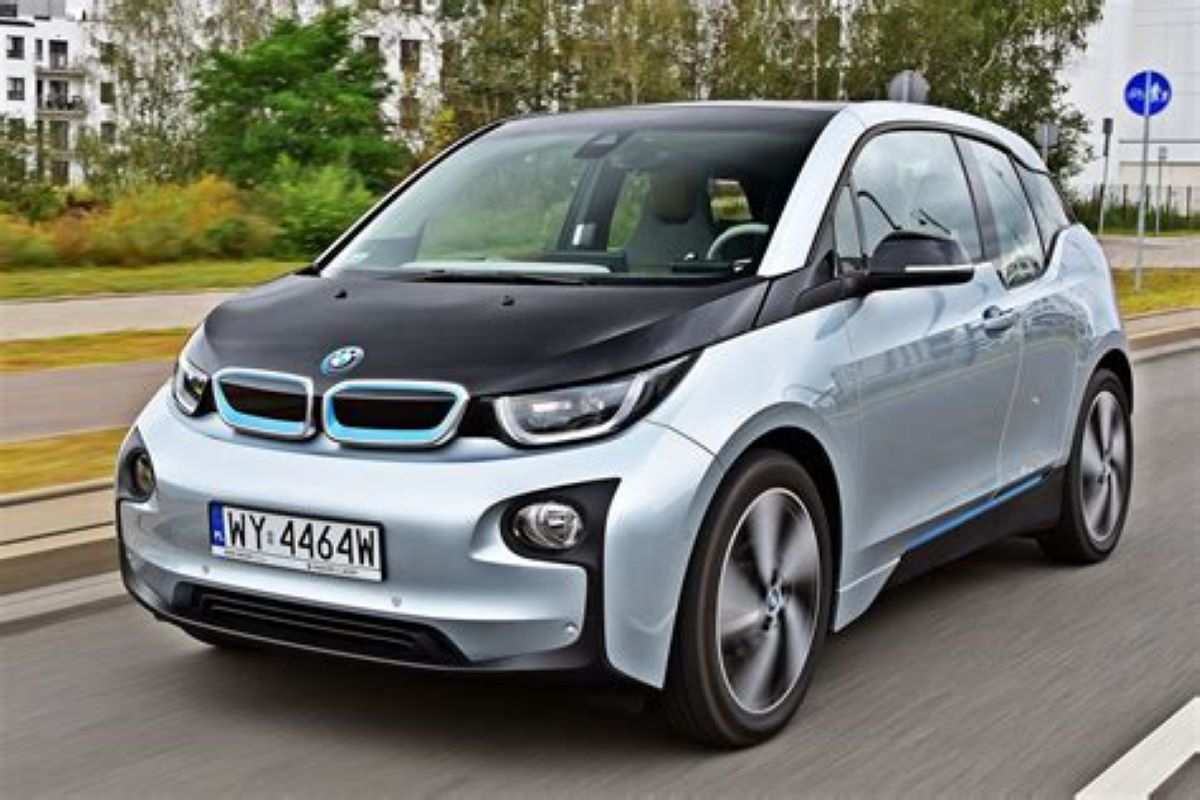
Many early adopters found that after 60,000–80,000 miles, their usable range had dropped significantly. While BMW offered battery replacements, the long-term health of the i3 battery doesn’t hold up as well compared to more modern EVs with liquid cooling systems.
Few vehicles short of a supercar manage to grab attention on the road quite like the BMW i3. Its quirky, futuristic design sits atop a high-tech structure that blends carbon fiber with battery-electric propulsion, giving it a truly distinctive character. Its compact size makes maneuvering through crowded city streets a breeze, and its unique looks often leave passersby staring in surprise.
However, the i3 falls short in range compared to rivals. The standard model delivers an EPA-rated 114 miles, while the slightly sportier i3s manages just 107 miles, both significantly less than what you’d get from competitors like the Chevrolet Bolt EV or Tesla Model 3. That said, BMW does offer a unique advantage: an optional two-cylinder gasoline engine that acts as a range extender, something neither the Chevy nor Tesla provides.
For 2018, BMW expanded the i3 lineup with the addition of the performance-focused i3s. This model gets a more aggressive appearance with redesigned front and rear bumpers, gloss-black grille and roof accents, and a sleeker roofline.
Beyond its styling, the i3s features a lowered sport suspension, a wider track, and 20-inch wheels that are slightly broader than those on the standard i3. Under the hood, a 184-horsepower electric motor adds some extra punch, 14 horsepower more than the base version, though pushing it hard does come at the cost of driving range.
Other updates for 2018 include an improved infotainment system with a larger optional display and Apple CarPlay support, a new brown leather and gray cloth interior theme available on the Giga World model, and standard full LED headlamps across the board.
BMW also introduced two new exterior paint options, Melbourne Red Metallic and Imperial Blue Metallic. Meanwhile, the old 21.6-kWh base model has been dropped, which is no great loss given the i3’s newer, more capable battery setups.
4. Ford Focus Electric
Before Ford launched the Mustang Mach-E, it dipped its toes into EVs with the Focus Electric. Unfortunately, the small battery pack and lack of robust thermal management made it one of the weakest EVs in terms of long-term health.
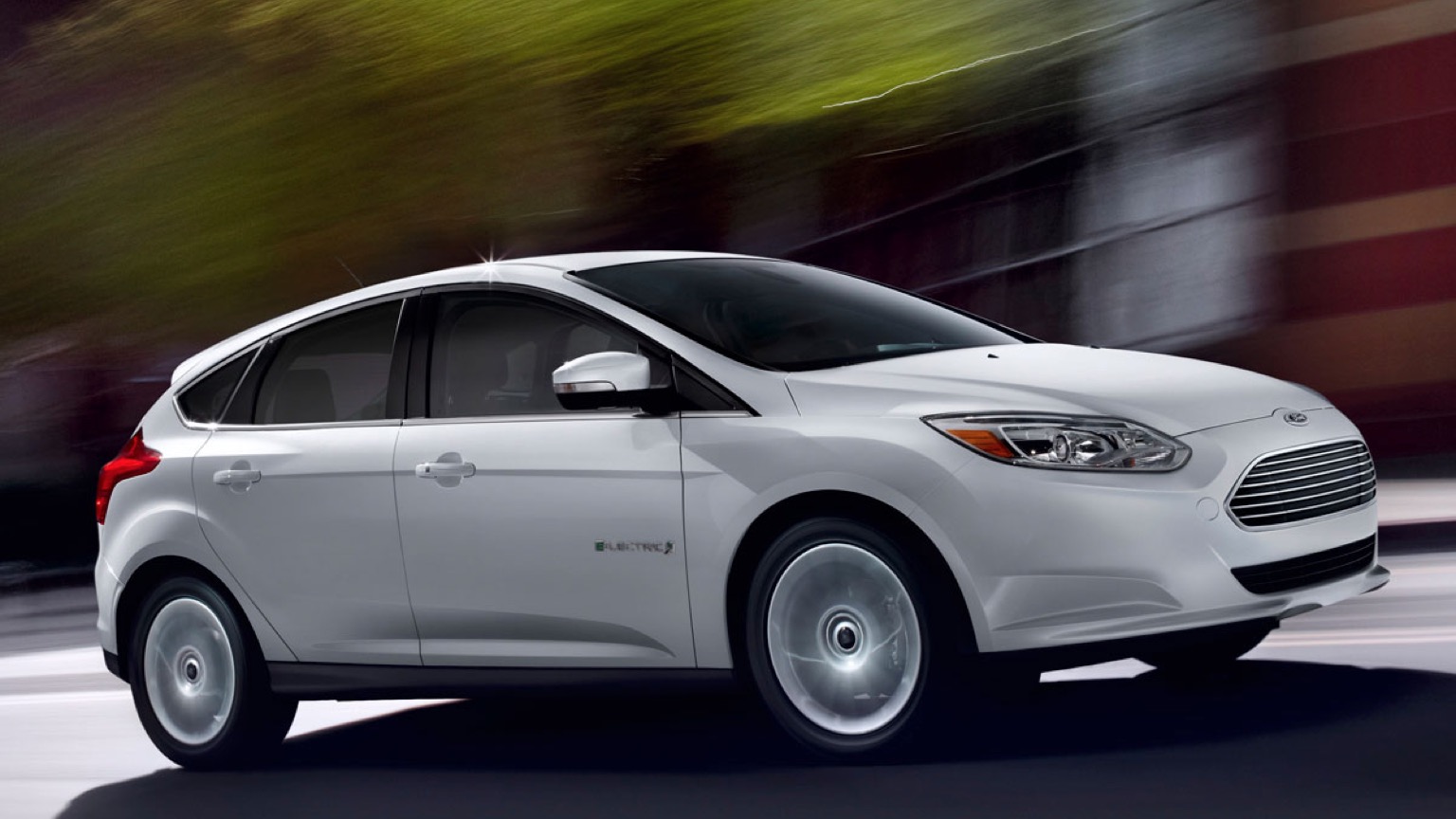
Even moderate use often led to noticeable degradation within the first five years. With limited range from the start, any battery fade made the car increasingly impractical for American drivers.
Every automaker has an EV in its lineup these days, but while BMW created the i3 from the ground up and Chevrolet developed the Bolt as a dedicated EV, Ford took a different approach. Rather than starting fresh, it converted an existing gasoline-powered model into an electric vehicle.
The result was the Ford Focus Electric, a hatchback that looks just like a regular Focus but behaves very differently. It’s heavier, it doesn’t make the familiar engine sounds, and it obviously doesn’t drink fuel.
Inside, the 2018 Ford Focus Electric Hatchback mirrors the gasoline model almost exactly. The cabin includes Ford’s SYNC 3 infotainment system with an eight-inch touchscreen and features dual-zone climate control for added comfort. Seating is available for up to five passengers, though rear legroom can be tight for taller riders unless those in the front slide forward to share space.
The biggest compromise comes in the cargo area. Unlike rivals such as the Nissan Leaf, which integrate their battery into the floor, the Focus Electric houses its 35-kWh lithium-ion pack in the trunk. This setup eats up 9.1 cubic feet of space, leaving just 14.2 cu ft overall, though still more than what the Focus sedan offers, thanks to the hatchback format.
On the road, the Focus Electric retains some of the character its nameplate is known for but with a twist. The additional 700 pounds from the battery actually improves ride quality, making the car feel more settled and composed compared to its lighter gasoline sibling.
However, that same weight blunts handling, long a strong suit of the regular Focus, so it doesn’t feel quite as sharp during quick direction changes or spirited cornering. Regenerative braking, on the other hand, is smooth and unobtrusive, blending seamlessly into everyday driving. For most EV commuters, the trade-off results in a calm, balanced driving experience that favors composure over outright engagement.
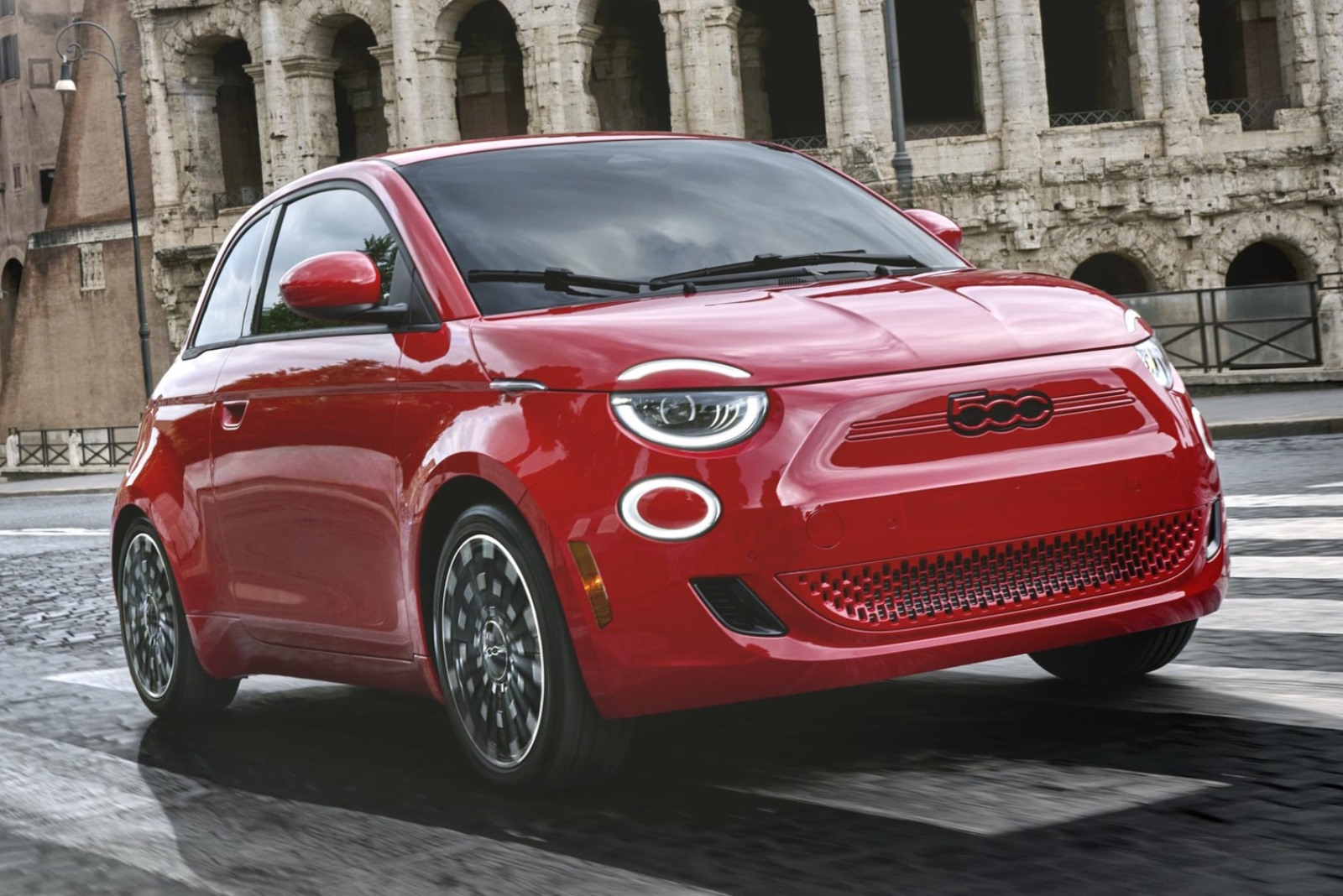
5. Fiat 500e
Marketed mostly as a compliance car, the Fiat 500e wasn’t designed with long-term durability in mind. Its small pack and older-generation chemistry mean that many owners see significant degradation within a few years.
While it remains a fun city car with quirky Italian styling, the 500e is not a great choice for buyers seeking an EV that will hold its range well into the future.
Battery health is now one of the defining factors for EV ownership in the U.S. As more buyers weigh the long-term costs of electric driving, knowing which models maintain capacity and which fade quickly is essential.
Automakers have learned from past mistakes, with modern EVs increasingly featuring advanced cooling systems, large packs that reduce cycle stress, and software updates that help extend lifespan.
For American drivers, this means the EV market is maturing rapidly. If you’re considering an EV purchase, models like the Tesla Model 3, Hyundai Ioniq 5, and Chevrolet Bolt EV demonstrate strong long-term potential.
On the other hand, older designs like the Nissan Leaf or Fiat 500e show why not every EV is created equal.
As the U.S. transitions toward electrification, battery technology will continue improving, but informed buyers today can still make smart choices that balance upfront costs with years of dependable range.