
Car buyers always look for reliability because no one wants to spend extra money fixing small issues every other month.
Electrical problems are among the most frustrating for drivers since they affect everyday features like lights, windows, dashboard systems, air conditioning, and in newer models, the advanced driver assistance setups. Once electrical faults start, they often come back again and again if the car is poorly designed.
Some cars are built with stronger wiring systems, durable alternators, and better quality control, so they rarely develop electrical issues during regular use.
These are the vehicles that many mechanics respect because owners hardly bring them back for wiring complaints, blown fuses, or dashboard failures.
Some cars seem to always find their way back to the repair shop for electrical checks. It could be faulty sensors, weak batteries, poor grounding, or badly designed electronic control units. Such vehicles can easily frustrate owners who expect smooth performance.
We will focus on five cars that have built a reputation for avoiding frequent electrical issues, compared with five models that are often reported for constant electrical faults.
In each section, we will give details on why these cars fall into their categories, how their electrical reliability or unreliability shows up, and what drivers have experienced while using them.
The aim is to help potential buyers, car enthusiasts, and even current owners understand which vehicles are less stressful when it comes to electrical maintenance and which ones require more frequent attention.
Now, let us look at the five cars that rarely give electrical troubles before moving to the ones that often do.
5 Cars That Rarely Need Electrical Repairs
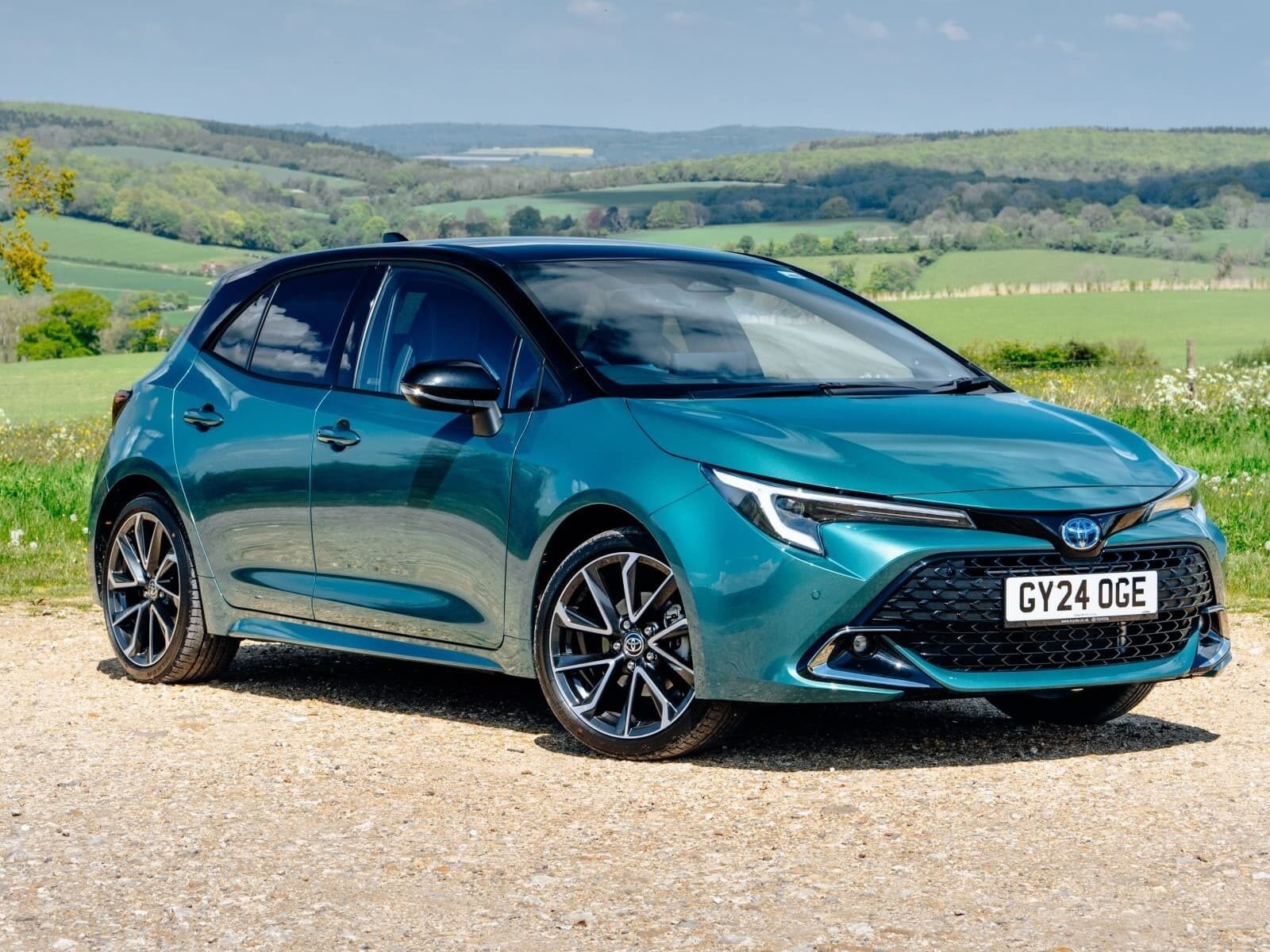
1. Toyota Corolla
The Toyota Corolla has built its reputation as one of the most trusted cars when it comes to low maintenance. Electrical reliability is one of its strongest qualities. Drivers across different countries speak highly about how their Corollas hardly face wiring failures or dashboard faults even after several years of use.
One major reason behind this is Toyota’s focus on simplicity in design. While many modern cars pack too many electronic gadgets that easily develop faults, the Corolla keeps its systems straightforward and dependable.
The alternator and starter are usually long-lasting, and the battery charging system is well balanced, which reduces sudden power losses. The fuses and relays are also strong, and this lowers the chances of blown circuits.
Another factor is Toyota’s strong quality control in manufacturing. The company is known for testing its cars thoroughly before sending them out to the market.
This careful attention ensures that poor wiring connections are rare. When problems appear, they are usually related to normal wear and tear such as an old battery or worn alternator brushes after many years of use, rather than major electrical faults.
Owners also report that even when small electrical issues show up, they are easy to fix because the parts are widely available and affordable.
Unlike cars that require complicated and expensive electrical diagnostics, a Corolla’s system is straightforward and allows mechanics to handle problems quickly. This adds to the confidence drivers have in this model.
The Corolla is often recommended to new drivers, families, and anyone who values dependability without constant trips to mechanics. For this reason, it continues to be one of the best-selling cars globally, proving that a simple but solid electrical system is better than unnecessary complications.
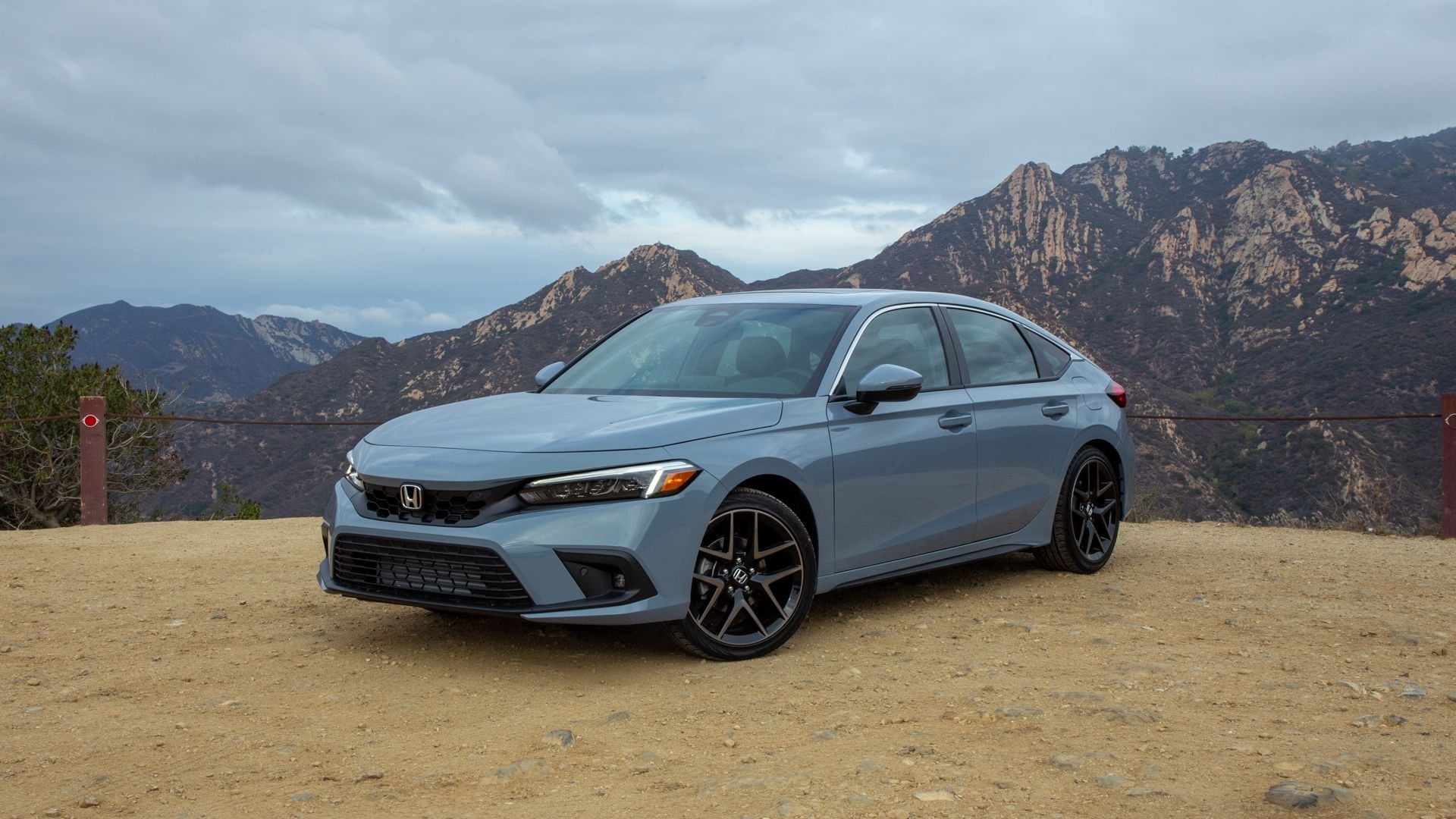
2. Honda Civic
The Honda Civic is another car that rarely gives electrical trouble. Over several generations, it has maintained a balance between advanced technology and durability. Unlike some cars where electronics become weak after a few years, the Civic usually holds up well.
Honda engineers design the Civic with careful consideration of its wiring harness and control modules. The connectors are well sealed against moisture, which is one common cause of electrical faults in many cars.
The alternator and voltage regulator are also dependable, meaning drivers rarely face issues like flickering dashboard lights or sudden battery drainage.
Many Civic owners appreciate that their cars continue working smoothly even when other brands of the same age start developing sensor faults or power window failures.
The Civic’s electrical system seems to manage wear better. It does not overload the battery with unnecessary gadgets, yet it still provides comfort features such as power mirrors, infotainment, and safety systems without frequent breakdowns.
Another strong point is how affordable it is to maintain. If by chance something goes wrong, parts for the Civic are widely available, and mechanics are usually experienced in fixing them.
This makes the cost of electrical repairs low compared with other models. Drivers who use Civics for long commutes or family trips are reassured by this reliability.
Even in very old models from the 1990s and early 2000s, the Civic often keeps its original wiring harness in good shape.
While minor issues like worn-out window regulators can appear, major failures like faulty ECUs are less common. For these reasons, the Civic has built its name as one of the cars that rarely frustrates its owner with electrical breakdowns.
Also Read: 5 Hybrids With Bulletproof Motors and 5 That Constantly Need Help
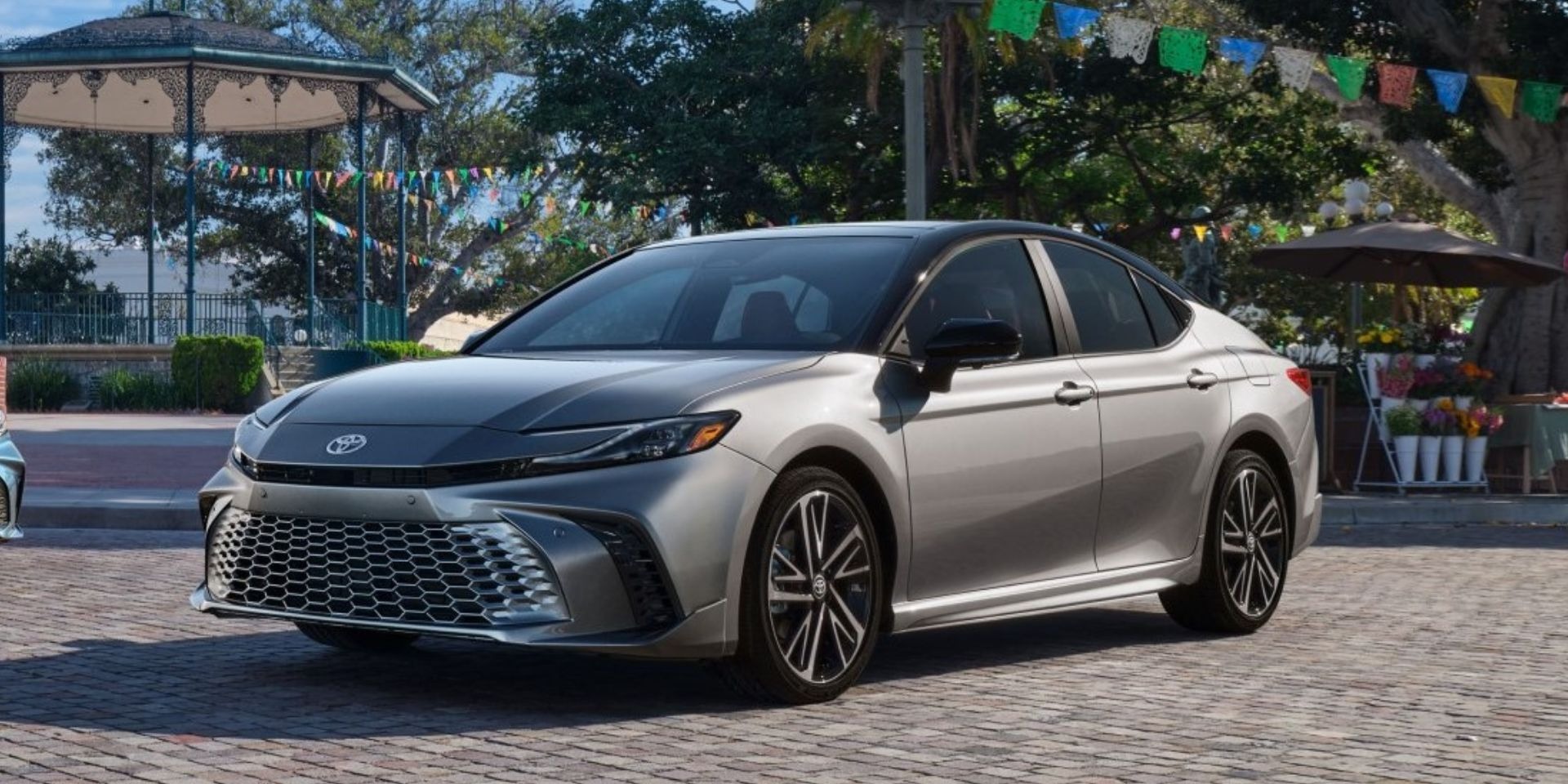
3. Toyota Camry
The Toyota Camry is widely seen as one of the most dependable mid-size sedans in the US. It is not only valued for its engine durability but also for its strong electrical system. Camry owners usually report that electrical breakdowns are rare compared to other cars in the same category.
The alternator in the Camry is known to last for very high mileage before needing replacement. This ensures that the battery remains charged, and drivers are not left stranded with power failure.
The wiring harness is also well organized, with strong insulation that prevents shorts. This is important because many cars begin to suffer when wires wear out and touch each other, leading to blown fuses.
Toyota also keeps the electronic features in the Camry well balanced. Even though the car offers comfort options like automatic climate control, touch screen infotainment, and power accessories, these systems are built in a way that rarely overwhelms the main electrical setup. Owners report fewer dashboard malfunctions compared to similar sedans from other brands.
The Camry’s strong reputation for lasting many years without major issues is tied to how carefully the company engineers its electronics.
While any car can develop small problems like a dead bulb or weak battery after a long time, the Camry usually avoids big expensive repairs. Mechanics often describe it as a car that “just works” without causing headaches for its owner.
Families and daily commuters prefer the Camry because of this reliability. It reduces the stress of unexpected breakdowns and also saves money that could have been spent on electrical repairs. For those who want a mid-size sedan with dependable electronics, the Toyota Camry stands out as a wise choice.
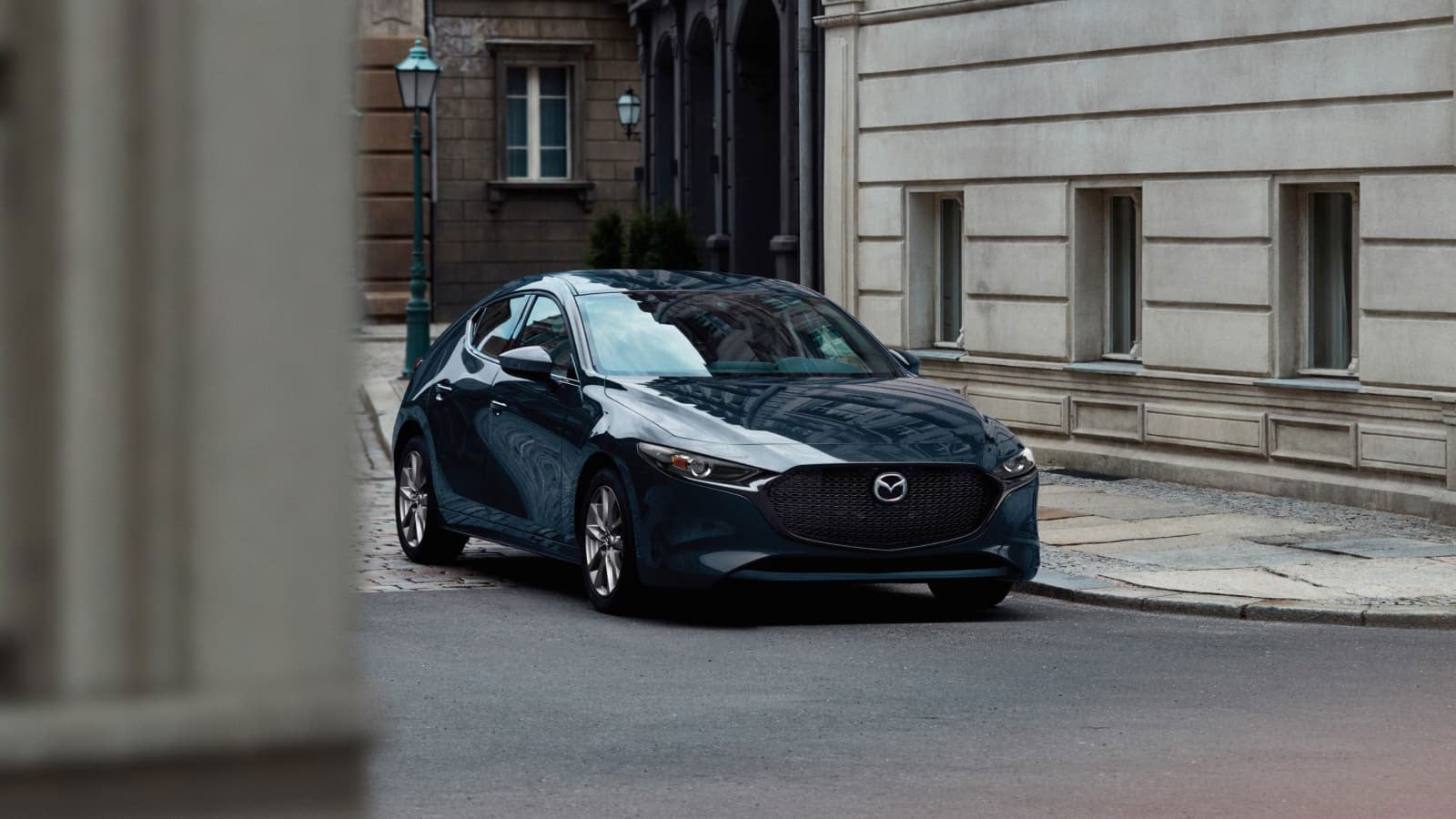
4. Mazda 3
The Mazda 3 has gained respect for being stylish and fun to drive while also maintaining a high level of reliability. When it comes to electrical systems, this model shows fewer issues than many of its competitors.
Mazda pays close attention to how wiring is routed in the car. Proper shielding and strong connectors help prevent corrosion and loose connections. This reduces the chance of dashboard warning lights coming on unnecessarily, which is a common problem in less reliable models.
Another reason the Mazda 3 avoids frequent electrical complaints is because the alternator and battery system are well matched to the car’s energy needs. This prevents sudden power shortages even when drivers use air conditioning, headlights, and infotainment all at the same time.
Owners often say that even after years of driving, their Mazda 3 still has original sensors and control modules functioning properly. Issues like faulty window switches or radio malfunctions are rare compared to other brands. For drivers, this means peace of mind and reduced spending on repairs.
Mazda’s design also makes maintenance easier. Mechanics usually find it simple to check and replace parts in the electrical system without tearing apart the whole dashboard. This reduces labor cost when something small needs attention.
The combination of durability, design quality, and easy maintenance keeps the Mazda 3 on the list of cars that rarely suffer electrical breakdowns. It proves that reliability is not just about engines but also about how well the electronics are put together.
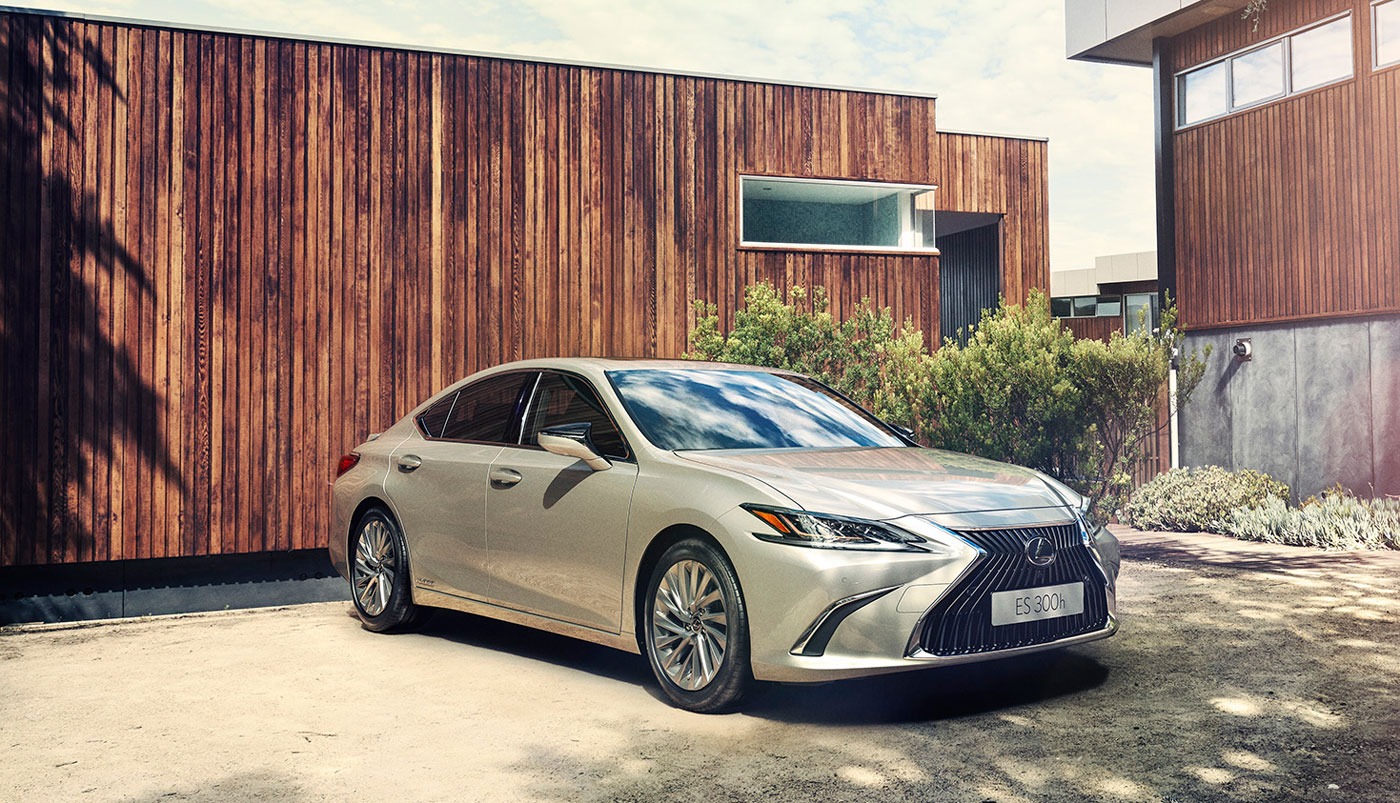
5. Lexus ES
The Lexus ES brings luxury and comfort, but it also carries the same reliability found in Toyota models since Lexus is Toyota’s luxury arm. While some luxury cars often suffer electrical breakdowns because of too many electronic gadgets, the Lexus ES is designed with durability in mind.
Owners appreciate that the car rarely develops major electrical faults. The alternator is very reliable, and the battery management system is carefully tuned to handle all the comfort features inside. From power seats to advanced infotainment, the Lexus ES provides smooth operation without constant complaints.
Even though the car uses advanced safety technology and driver aids, they do not break down as easily as those in some other luxury brands. This shows that Lexus designs its electronics with long-term dependability rather than just high-tech appearance.
Another factor is the availability of skilled technicians who understand Lexus systems. Maintenance costs may be higher than standard Toyota models, but the frequency of repairs is much lower than other luxury sedans. Drivers who own Lexus ES models often keep them for many years without facing serious electrical trouble.
The Lexus ES proves that comfort and advanced technology can still come with reliability. For buyers who want a luxury sedan without constant visits to auto electricians, it stands as one of the best options.
Five Cars That Constantly Face Electrical Problems

1. Jeep Grand Cherokee
The Jeep Grand Cherokee has long been respected for its off-road ability and comfort, yet one area where it constantly disappoints drivers is electrical reliability.
Owners frequently complain about dashboard warning lights coming on even when nothing is wrong with the system. These random signals often confuse drivers and send them to mechanics for checks that reveal no actual mechanical problem.
One major issue involves the Totally Integrated Power Module (TIPM), which controls many electrical functions in the car.
When it begins to fail, drivers experience problems ranging from non-starting engines to power windows refusing to work, or even windshield wipers switching on by themselves. These strange behaviors are not only frustrating but also create safety concerns.
Another weakness comes from the alternator system. Many owners report repeated failures where the alternator cannot keep the battery charged.
This leads to sudden stalling or a completely dead vehicle that refuses to restart. The problem has been common enough that Jeep had to deal with multiple recalls in past years.
Interior electrical accessories also give trouble. The radio system, climate control, and sometimes seat memory features cut out unexpectedly.
Wiring harness problems are also reported, especially as the car ages. Unlike cars with simpler designs, the Grand Cherokee’s heavy use of electronics makes it more likely to develop such issues.
Repair costs are often high because diagnosing these faults takes time. Mechanics need to run advanced scans and sometimes replace entire modules instead of just one faulty part. This increases both labor and parts cost, leaving owners frustrated.
Despite its strength in performance and off-road handling, the Jeep Grand Cherokee remains one of the vehicles where electrical reliability continues to disappoint drivers. Those who want fewer trips to auto electricians often look elsewhere.
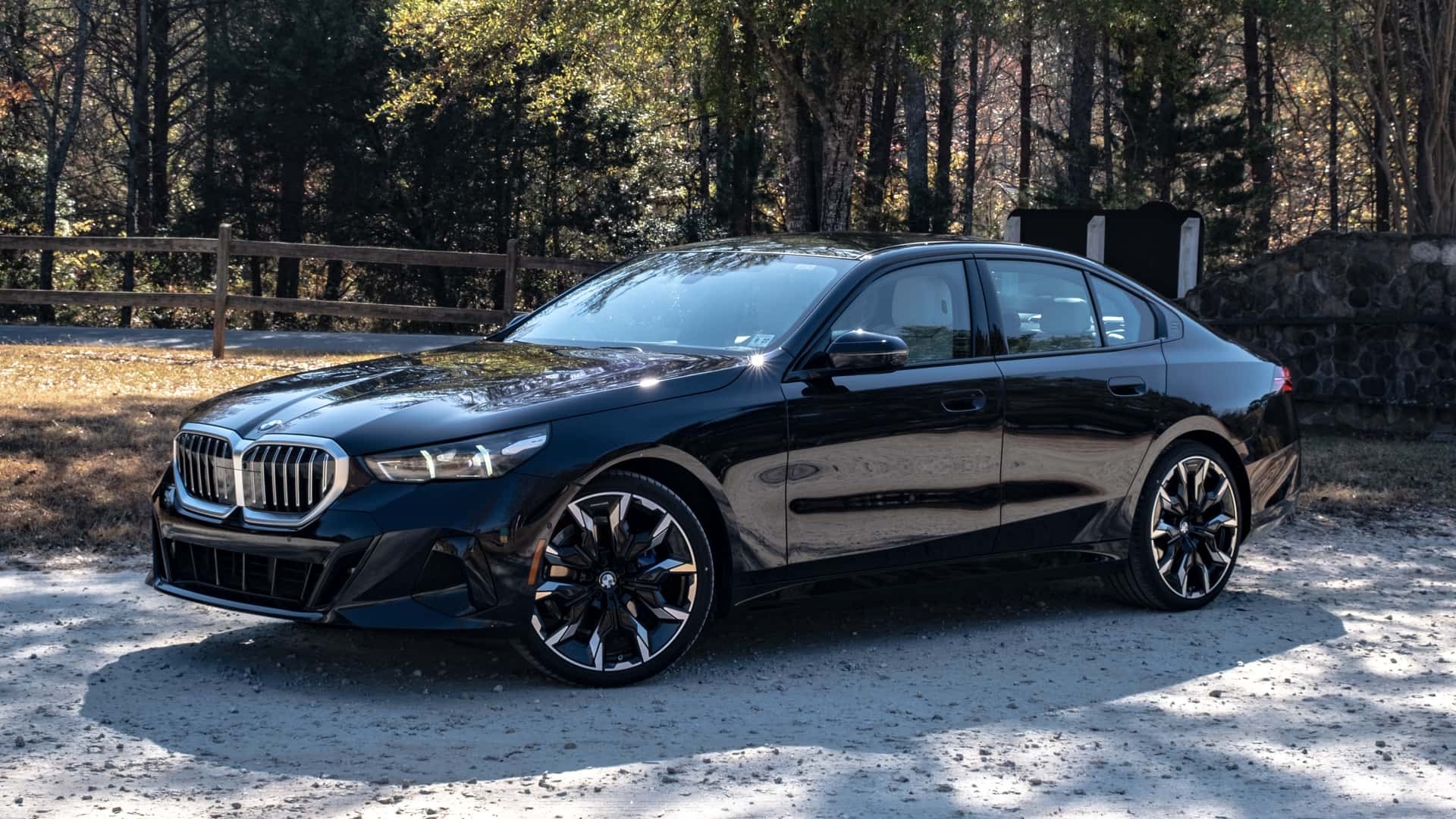
2. BMW 5 Series
The BMW 5 Series is loved for its smooth drive, high performance, and luxury features. However, when it comes to electrical dependability, many owners find themselves constantly dealing with problems.
One of the biggest challenges is that the 5 Series uses a very complicated network of electronic modules to control almost every function in the car.
From lighting to seat adjustment and from navigation to engine management, nearly everything runs through the car’s electronics. When one module begins to fail, it can affect several other systems. For example, a simple sensor fault might cause warning lights across the dashboard.
Battery drain is another constant complaint. Many drivers report waking up to find their car battery completely drained because some hidden system kept running overnight.
Tracking down the cause is difficult and expensive. The electronic control units sometimes refuse to go into sleep mode properly, which leaves them drawing power even when the car is turned off.
Another frequent problem is related to iDrive, BMW’s infotainment and control system. Screens freeze, cameras stop working, and Bluetooth functions cut off. These are not cheap to fix, since dealers often replace the entire control unit rather than repair one small part.
While BMW’s performance engines are admired, the complicated electronics surrounding them often frustrate owners. Even basic functions like door locks and power windows have been reported to malfunction due to electrical issues.
Luxury buyers usually expect smooth performance without frequent visits to repair shops, but the 5 Series proves otherwise. High repair bills and repeated electrical complaints have affected the trust many people once had in BMW’s mid-size luxury sedan.
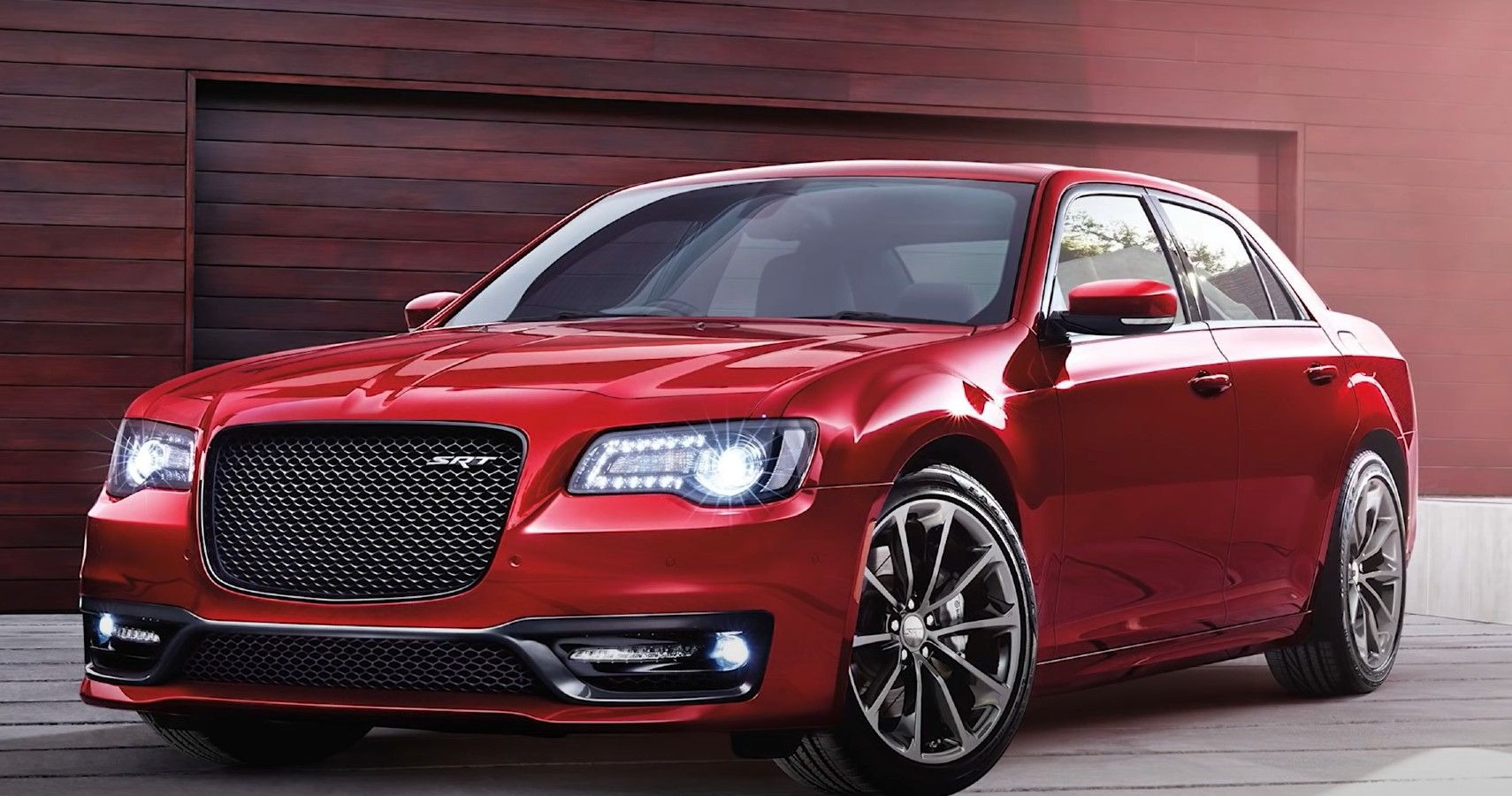
3. Chrysler 300
The Chrysler 300 is stylish and offers a strong road presence, but its reliability record in electrical systems is poor. Many owners complain that this car spends too much time at repair shops for wiring-related faults.
Problems usually begin with the alternator and battery system. A weak alternator often fails to keep the battery charged, which leads to repeated jump starts or sudden stalling.
Drivers also report frequent battery replacements, sometimes earlier than expected, due to poor electrical balance in the system.
Another constant issue involves the car’s electronic shifter and dashboard. Warning lights come on at random, and sometimes the gear selector fails to respond properly.
The infotainment system is also unreliable, freezing or shutting down without warning. These issues make the driving experience less enjoyable and raise concerns about long-term dependability.
Moisture intrusion into wiring connections has also been reported, leading to short circuits and blown fuses. Such problems are frustrating because they may appear suddenly and without any clear cause. Owners often spend more time and money diagnosing the problem than actually fixing it.
The Chrysler 300’s electrical faults are made worse by the fact that parts and labor can be costly. Since it is not as widely used as Toyota or Honda sedans, finding affordable replacement parts is harder. Mechanics also spend more time tracing the faults, which raises costs.
Although the Chrysler 300 remains attractive for its looks and comfort, its constant electrical issues have damaged its long-term reputation. Many drivers who once admired the style later regret the extra money they spend on keeping it running properly.
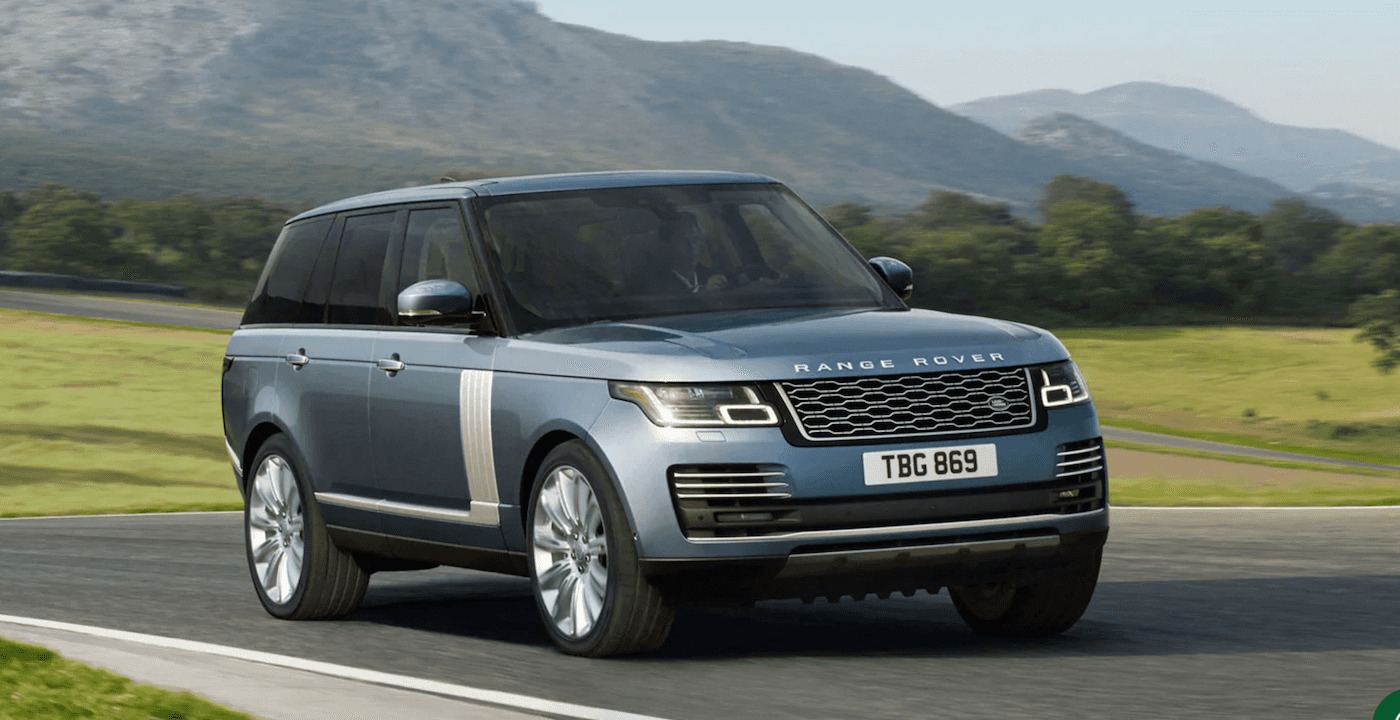
4. Land Rover Range Rover
The Range Rover is one of the most luxurious SUVs available, admired for its presence, comfort, and off-road ability. However, its reputation is heavily damaged by constant electrical breakdowns. Owners often describe it as a car that spends more time at the repair shop than on the road.
One major area of weakness is the air suspension system, which relies heavily on electronic controls. Failures in sensors or control units often cause the suspension to lower unexpectedly or refuse to adjust. This problem is expensive to fix and happens repeatedly for many owners.
Another complaint involves the infotainment and digital display. Screens go blank, navigation systems freeze, and sound systems cut out. These faults reduce the sense of luxury that the Range Rover is supposed to provide.
Battery drain is another constant frustration. Some owners report that the vehicle refuses to start after being parked for a short time because of hidden power leaks. Tracking down the fault often requires hours of diagnostics and expensive module replacements.
Even basic functions like power windows, locks, and keyless entry are unreliable in some models. Electrical wiring faults also lead to dashboard warning lights flashing for no reason.
While the Range Rover continues to impress with comfort and style, its electrical reputation is very poor. Owners often warn others to avoid it unless they are ready to spend large amounts on constant repairs. Despite its premium price, the vehicle struggles with dependability in this area.
Also Read: 5 Motors That Love Long Drives and 5 That Hate Highways
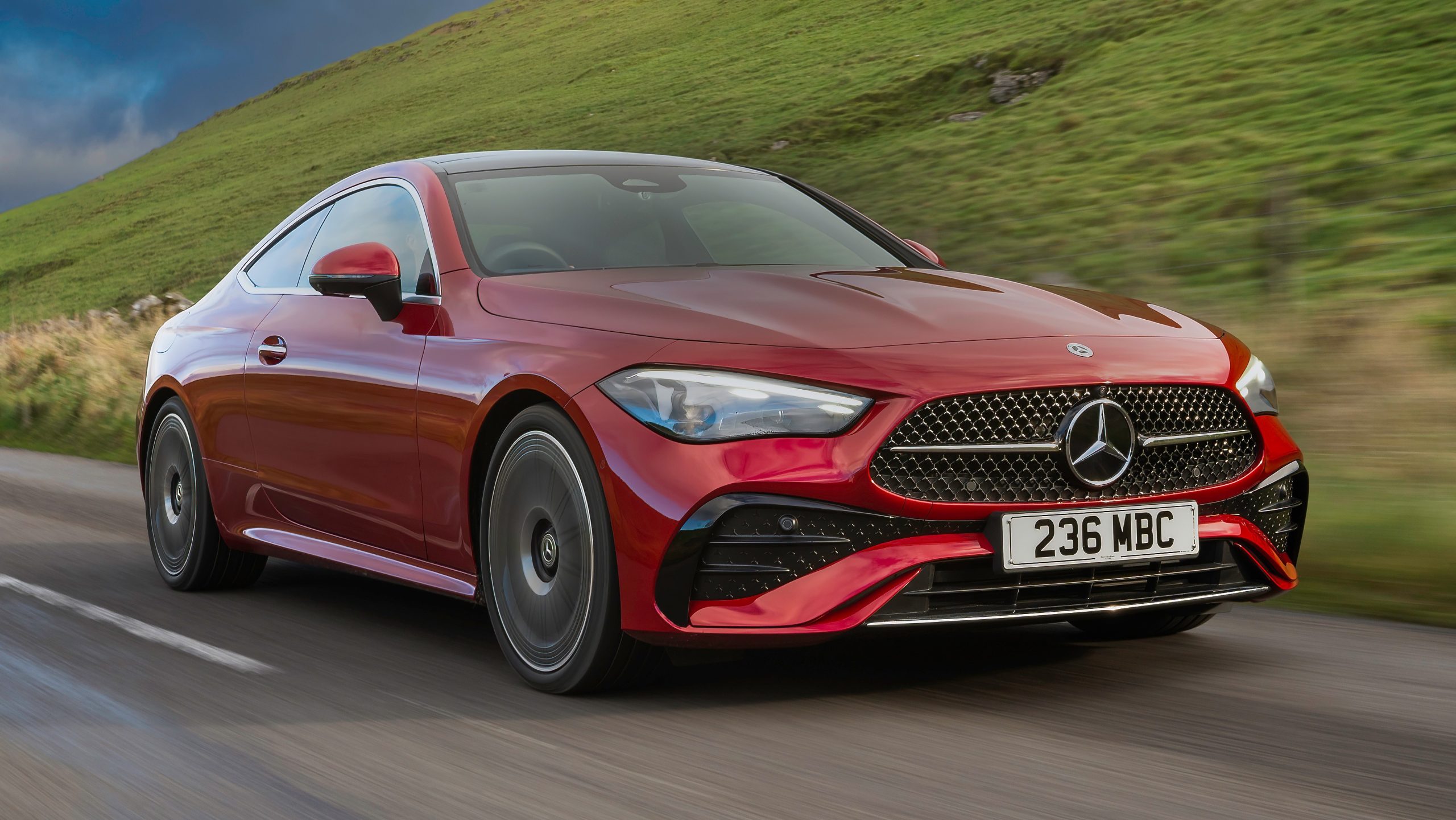
5. Mercedes-Benz C-Class
The Mercedes-Benz C-Class offers style, comfort, and performance that many buyers love. But when it comes to electrical reliability, it consistently gives trouble to owners.
The car’s electrical system is very advanced, with several interconnected control units. This design brings luxury functions but also creates many weak points. Problems often start with the central command system, where the screen freezes, navigation fails, or audio cuts out. These issues reduce the enjoyment of owning a luxury car.
Another recurring fault is with sensors. Engine sensors, parking sensors, and even safety system sensors sometimes fail without warning. When this happens, drivers see multiple warning lights across the dashboard, which can be stressful.
Battery drain is also a problem. Many owners complain of returning to a dead car because the electronics continued running after the engine was off. The alternator and starter issues are also more common than in rival cars like the Lexus ES.
Repairs are expensive because Mercedes usually requires full module replacements instead of small part repairs. Labor cost is high, and not every mechanic is skilled enough to diagnose these advanced systems correctly.
Even with its attractive design and comfortable drive, the C-Class often leaves owners disappointed due to repeated electrical breakdowns. For those who want a luxury car that will not frequently visit the workshop, this model often falls short.
When comparing cars that rarely need electrical repairs with those that constantly do, the difference lies in design quality, simplicity, and durability. Models like the Toyota Corolla, Honda Civic, Toyota Camry, Mazda 3, and Lexus ES prove that manufacturers can build reliable electronics that last for years with minimal trouble.
On the other side, cars like the Jeep Grand Cherokee, BMW 5 Series, Chrysler 300, Range Rover, and Mercedes C-Class show how complicated and poorly tested electrical systems can lead to constant frustrations.
For buyers, choosing the right car is not just about looks or performance but also about how dependable it will be day after day. Electrical reliability plays a big role in peace of mind, and the cars that avoid constant repairs stand out as smarter choices for long-term ownership.
