
Car maintenance is one of the major responsibilities that comes with owning a vehicle. Even though many people budget for fuel, oil changes and tyres, one part of the car that often demands attention is the brake system.
Brakes are critical to both safety and comfort on the road, yet not all vehicles are equal when it comes to how often their brake pads or rotors wear out. Some brands and models are known for having strong braking systems that last longer before requiring replacement, while others are known for burning through pads and rotors much faster.
The cost of brake replacement in the United States can range from a few hundred dollars to more than a thousand depending on the car and the type of work needed. For many drivers, this expense can come as a surprise, especially when it happens often.
Because of this, people usually want to know which cars are less stressful in terms of brake replacements and which ones are more demanding. A vehicle that can go long distances without brake service does not only save money but also reduces the inconvenience of visiting a mechanic more often.
Few cars, even though they may be very stylish, fast or luxurious, place more burden on the brakes and make their owners spend much more than expected on this particular area. When you are thinking about buying a car, it is not just fuel economy or horsepower that should influence your choice.
Brake longevity can also determine how comfortable your ownership experience will be. In this article, we will look at five cars that are widely recognised for rarely needing brake replacements and five that are often reported to demand constant brake service.
The comparison below, will give a clearer picture of what to expect in long-term maintenance if you are considering any of these vehicles.
5 Cars That Rarely Need Brake Replacements
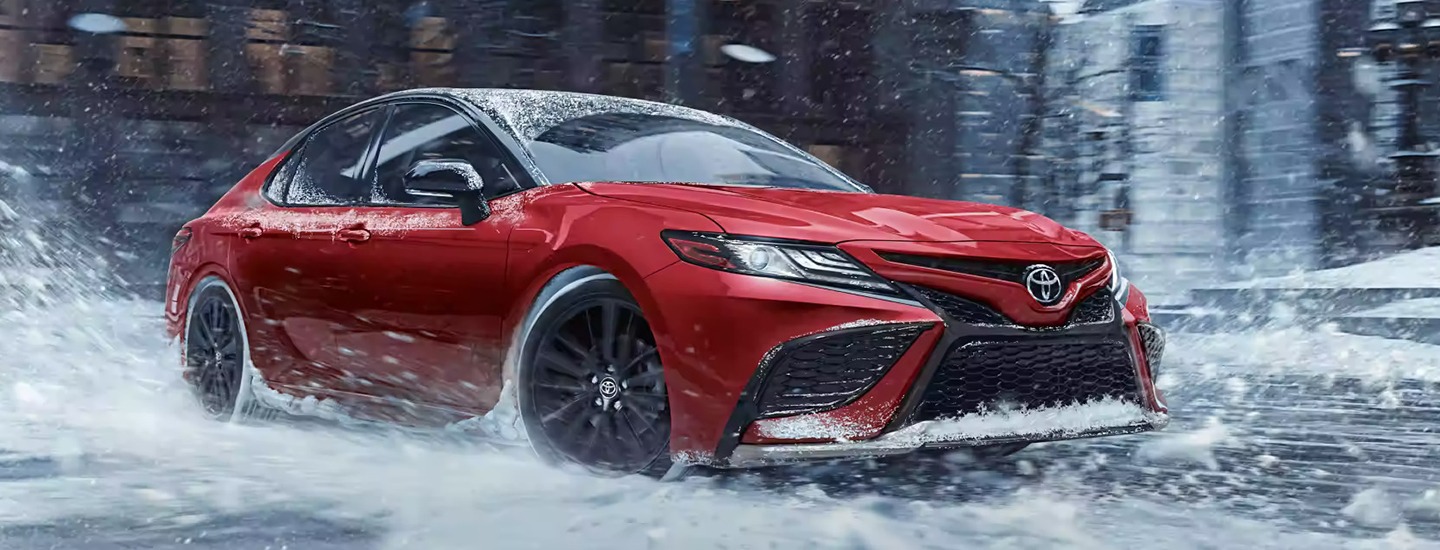
1. Toyota Camry
The Toyota Camry has built a strong reputation as a midsize sedan that balances reliability, comfort, and durability. One of the less talked-about qualities of this car is how long its brake components tend to last compared to many other vehicles in its class.
Many owners have reported going far above the typical 30,000 to 40,000 miles that most cars demand before a brake pad change. With normal use, the Camry can often reach 60,000 miles or more before replacement is required.
The reason behind this long life can be traced to Toyota’s engineering approach. The Camry is not designed as a performance vehicle, so it does not place extreme pressure on its brakes. Instead, it is tuned for smooth and balanced driving.
The brake system is built to match that calm driving style, which reduces unnecessary wear. Another factor is the moderate weight of the car. Since the Camry is not overly heavy, its brakes do not need to work as hard as those of bulkier vehicles, leading to reduced stress on pads and rotors.
Another important point is that Toyota generally uses high-quality materials for its brake systems. From the calipers to the pads, the components are made to last. Maintenance experts also highlight that Camry’s braking system distributes pressure evenly, meaning that the wear is not concentrated on a single area but shared across the system. This design prolongs the life of the pads.
Drivers who use their Camry mainly for highway commutes benefit even more because highway driving places less demand on brakes compared to city driving, where stop-and-go traffic is common. Altogether, the Toyota Camry stands as one of the top options for anyone who does not want to worry frequently about brake service.
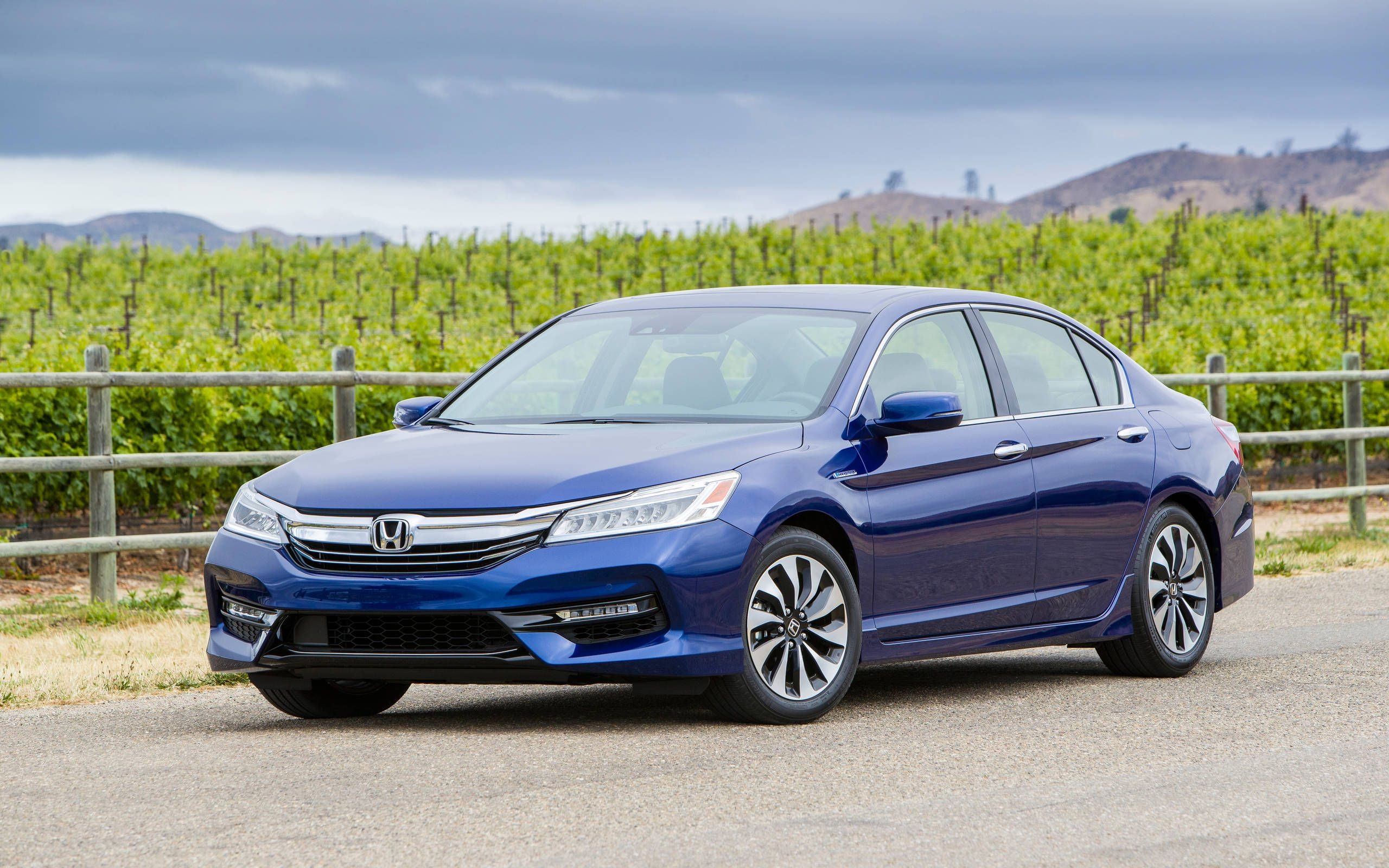
2. Honda Accord
The Honda Accord is another midsize sedan that has proven itself to be reliable in terms of brake durability. Owners consistently report that this vehicle does not require brake replacement as often as many of its competitors. On average, the brake pads on an Accord can last between 50,000 to 70,000 miles if the car is used under normal conditions.
This durability comes from the way Honda designs its vehicles for efficiency. The Accord’s engineering focuses on balance rather than raw power, so its brakes are not constantly exposed to sudden or aggressive stops.
Another reason the Accord does well in this area is that Honda equips it with advanced braking technology, such as electronic brake distribution and anti-lock braking systems. These systems make sure that the braking force is properly shared across the wheels, reducing uneven wear and extending pad life.
The Accord is also popular among families and professionals who often drive long distances on highways rather than in crowded city traffic. This type of driving style extends the life of the brakes. A car that spends less time starting and stopping in traffic usually has healthier brake components. Honda’s use of lightweight materials in the Accord also reduces the entire strain on the brakes.
Mechanics often point out that when an Accord does need brake work, the repairs are usually straightforward and less expensive compared to many other vehicles, making it friendly to maintain. All these qualities combine to make the Honda Accord a strong option for drivers who want to spend less time and money on brake service.
Also Read: 5 Cars with Climate Control That Works vs 5 That’s Just for Show
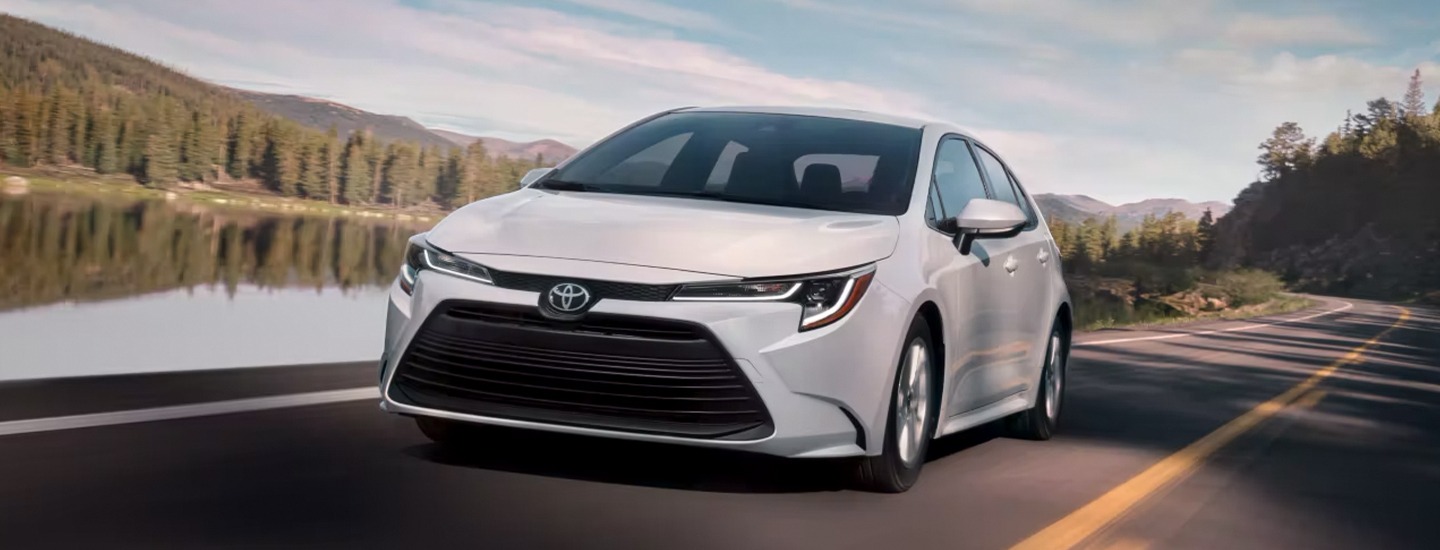
3. Toyota Corolla
The Toyota Corolla is one of the best-selling cars across the globe, and part of the reason for this success is its long-standing reliability. Among its many strengths is the ability to hold up well in terms of brake wear. Many Corolla owners can drive comfortably for up to 70,000 miles before the brakes begin to demand replacement.
The Corolla achieves this through its compact size and light weight, which puts less pressure on the braking system. Since the car is not designed for aggressive performance, the brakes are not constantly under heavy strain.
This makes the pads and rotors last much longer. Toyota also focuses on strong quality control in its manufacturing, and the Corolla benefits from durable brake components that do not wear quickly. Another factor that helps the Corolla is the type of drivers who usually choose it. Many Corolla owners are practical drivers who prioritise steady and careful driving.
This driving style is gentle on the brakes compared to more aggressive cars that attract drivers who like quick acceleration and hard stops. Highway usage, which is common for Corolla drivers, also extends the life of the braking system.
The maintenance cost for brakes on a Corolla is also lower compared to larger or luxury vehicles. Even when replacements are eventually needed, the expense is usually manageable, which adds to the entire value of the car. Toyota Corolla’s combination of light design, durable parts, and gentle driving appeal makes it one of the cars least likely to require frequent brake replacements.
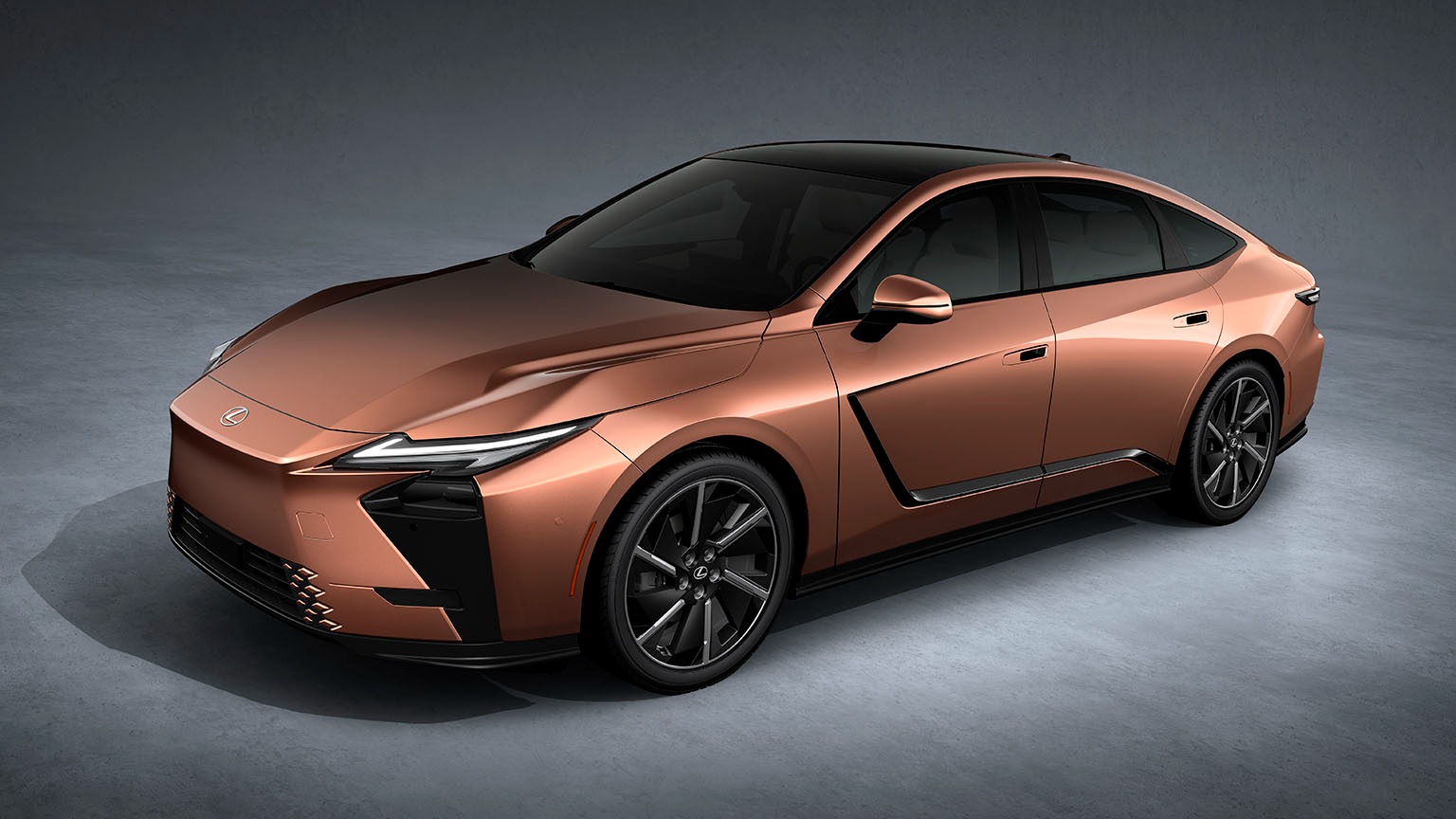
4. Lexus ES
The Lexus ES, a luxury sedan under Toyota’s premium division, also deserves mention for having brake components that last a long time before replacement is necessary. Even though it belongs to the luxury segment, the ES shares some engineering features with Toyota sedans that make it reliable in this aspect. Many drivers report brake pad life stretching well past 60,000 miles, and in some cases even reaching 80,000 miles, depending on usage.
What makes the ES special is how it combines luxury comfort with efficient performance. The car is tuned to deliver a smooth ride rather than aggressive acceleration. This calm driving character reduces the burden on its brakes.
Lexus also uses high-grade brake materials that are designed for longevity. In addition, advanced electronic systems such as brake assist and distribution technology ensure that braking force is applied intelligently, cutting down on unnecessary wear.
Another factor that plays a role is the type of drivers who often own a Lexus ES. Many of them prefer comfort and reliability over sporty driving. Their gentle driving habits, combined with the car’s efficient design, extend the life of the brake pads and rotors.
Even though the Lexus ES belongs to the luxury class, where maintenance costs can sometimes be high, its brakes are relatively less demanding. This makes it an attractive option for people who want a premium sedan but do not want constant trips to the mechanic for brake service. It stands out as a dependable luxury car in terms of brake longevity.
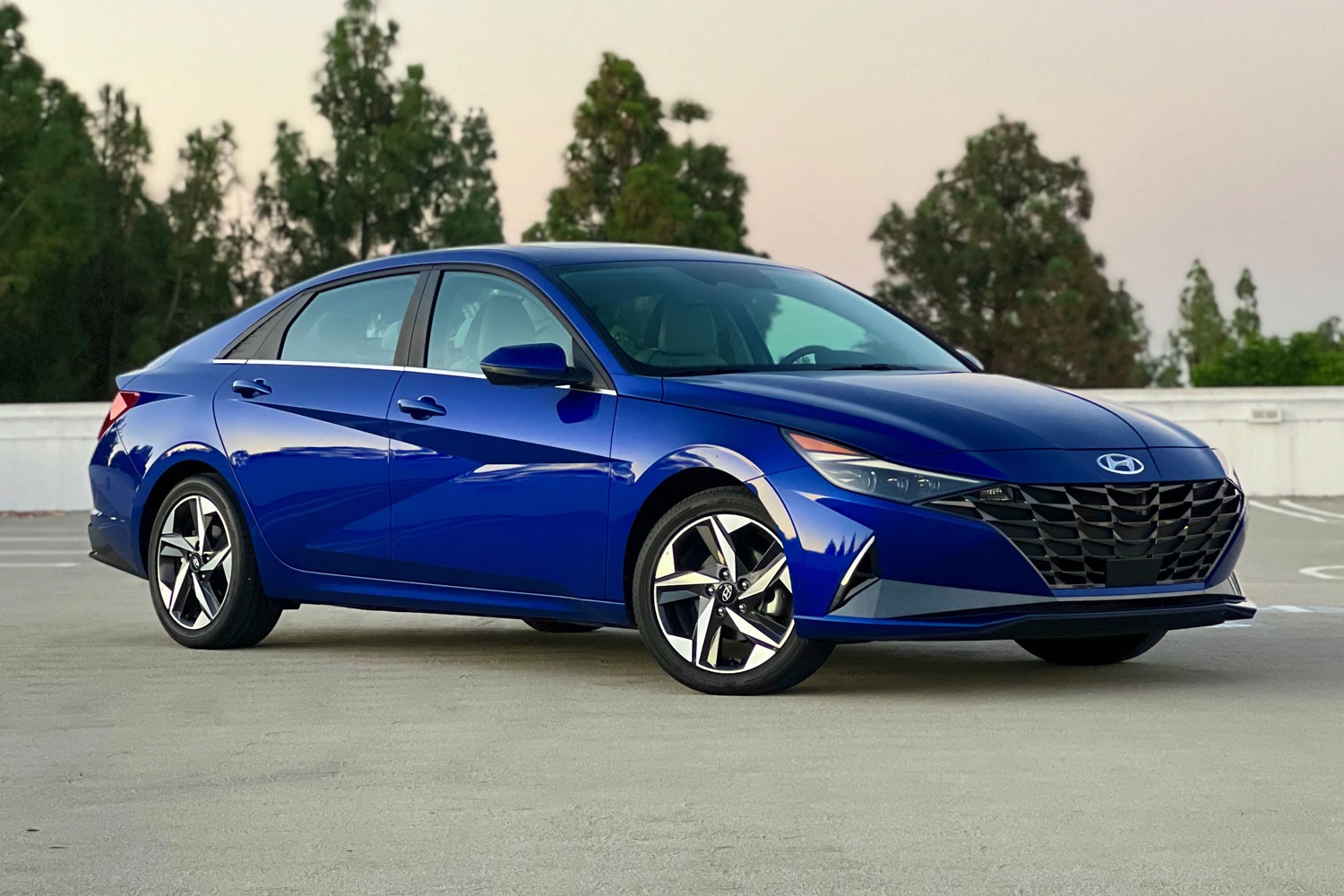
5. Hyundai Elantra
The Hyundai Elantra has gained popularity as a compact sedan that balances affordability with durability. One area where it performs well is the lifespan of its braking system. Many Elantra owners have testified that the car’s brake pads last longer than average, often crossing 60,000 miles before service is needed.
This durability is due to Hyundai’s approach to efficiency in design. The Elantra is relatively lightweight, meaning the brakes do not carry excessive load when slowing down the vehicle. The braking system is also supported by electronic aids that distribute force evenly, helping to extend the life of the pads.
Another reason the Elantra does well in this area is because of the driving style it encourages. The car is not marketed as a performance vehicle, so most of its owners use it for calm daily commutes and long drives. Such usage is usually friendly to the braking system.
Maintenance experts also note that Hyundai has invested in improving the quality of its brake components in recent years. This has placed the Elantra among the cars with less frequent brake service needs. When the time eventually comes for replacement, the costs are often lower compared to premium cars, which adds to its value as a cost-effective option for long-term use.
5 Cars That Constantly Need Brake Replacements
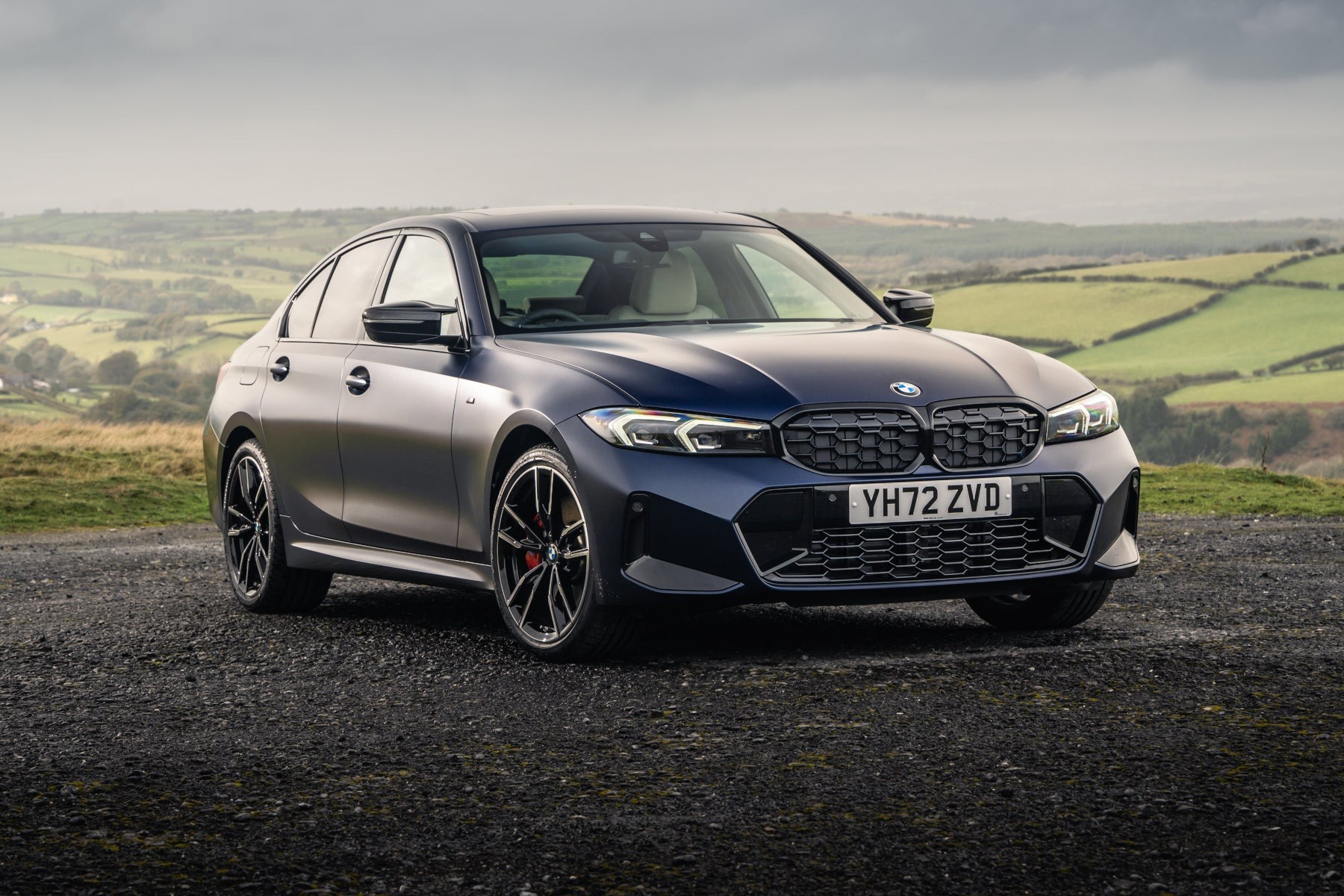
1. BMW 3 Series
The BMW 3 Series is widely respected for its sporty performance, handling, and luxury appeal. However, one area where this car often gives owners headaches is the frequency of brake service. Many drivers report that brake pads on the 3 Series wear out much quicker than expected, with some needing replacement as early as 20,000 to 30,000 miles. This is considerably shorter compared to non-performance sedans.
The main reason for this issue is linked to the performance nature of the 3 Series. The car is built to deliver sharp acceleration, agile turns, and quick stops. Such performance naturally demands more from the brakes, which leads to faster wear.
The car’s weight also contributes to the problem. Even though it is not as heavy as larger SUVs, the 3 Series still carries a premium build that puts extra pressure on the braking system. Another reason brake wear is faster on the 3 Series is because of the type of driving the car encourages. Owners often enjoy spirited driving, including high-speed runs and sudden stops, which are tough on brakes.
Luxury materials such as larger wheels and sportier tires also mean more friction during braking. Mechanics often note that BMW brake pads are softer than those of many other vehicles because they are designed to provide very strong stopping power. While this delivers excellent safety and control, it shortens the pad’s lifespan.
The cost of brake replacement on a BMW 3 Series is also higher than on regular sedans. Premium parts and labour make each service more expensive, which adds to the frustration for owners. For people who prioritise performance, the frequent brake changes may be acceptable, but for those looking for low maintenance, the 3 Series may not be the best option. It remains a stylish and well-engineered car, but it demands constant attention when it comes to brakes.
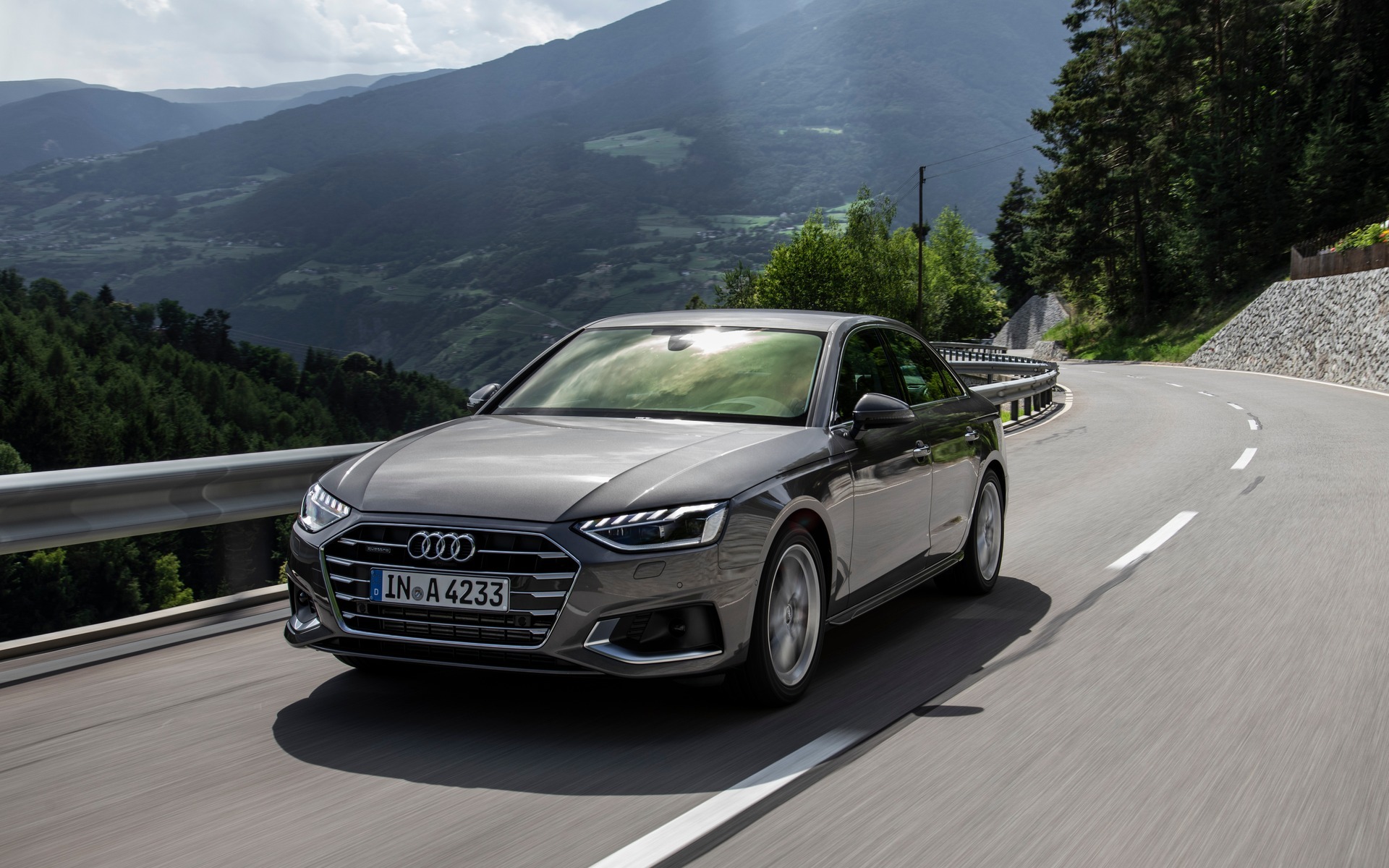
2. Audi A4
The Audi A4 is another luxury sedan that struggles with brake longevity. Owners often complain that the pads and rotors wear down faster than expected, requiring service around 25,000 to 35,000 miles. For a car in its price range, this can be disappointing for many buyers who expect fewer maintenance demands.
Much of the issue comes from the performance focus of the Audi brand. The A4 is designed to provide a sporty and engaging drive. Its turbocharged engines deliver quick acceleration, which translates to heavier use of the brakes. The car’s advanced suspension and steering system encourage dynamic driving, which again places more stress on brake components.
Another factor is Audi’s design choice of using softer brake pad material. While this offers excellent stopping ability and a smoother feel, it does not last long compared to harder pads used in more practical vehicles. Brake dust is another common complaint among A4 owners, a clear sign of faster wear.
The cost of replacement is also high because of the premium brand factor. Genuine Audi pads and rotors are expensive, and many mechanics advise against cheaper alternatives because they may affect performance.
Even though the A4 remains a highly desirable car for its luxury interior, advanced technology, and strong handling, its frequent brake maintenance makes it less appealing to those who want a low-cost ownership experience. For drivers who value performance, the trade-off may be acceptable, but anyone prioritising low maintenance costs will find it demanding in terms of brakes.
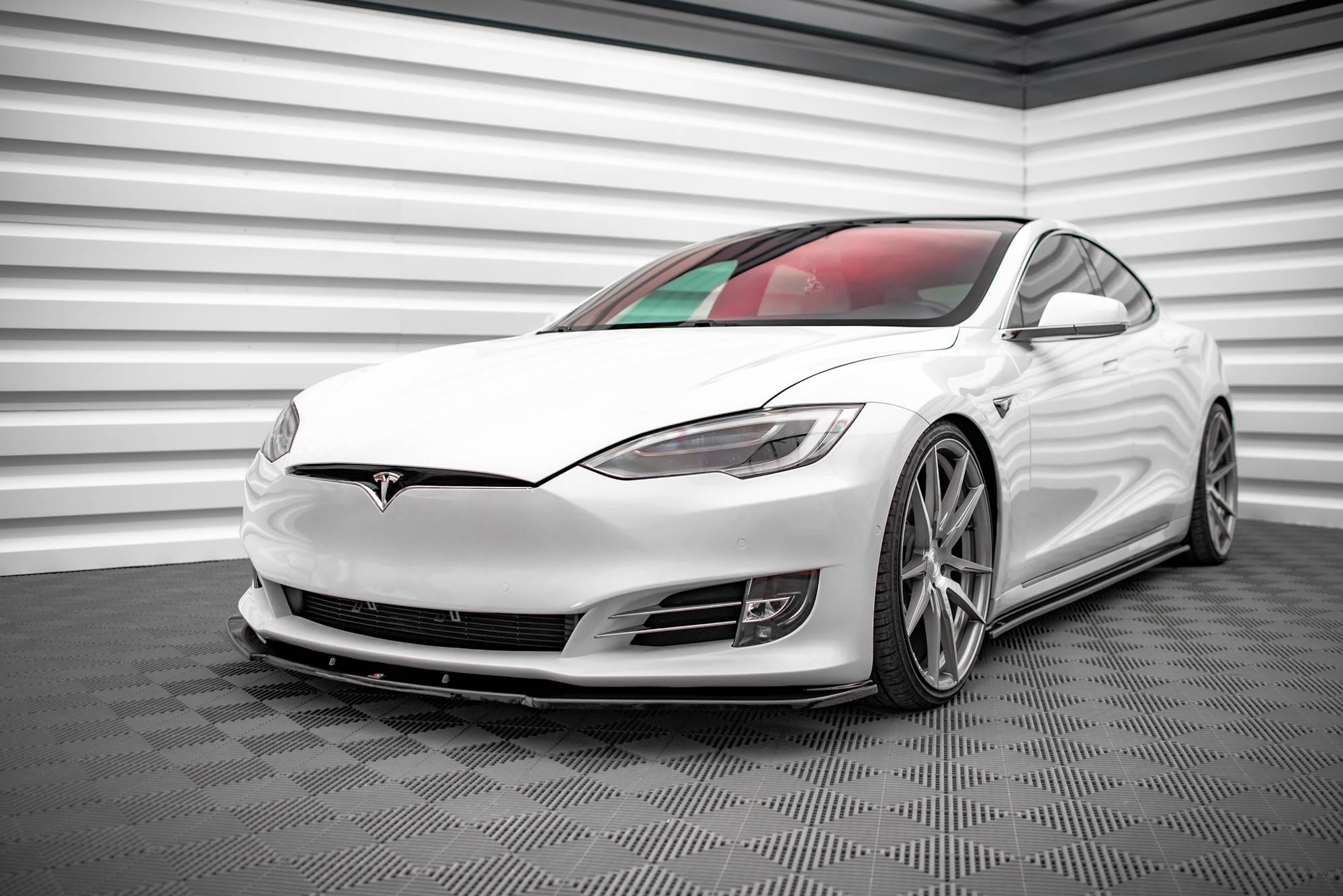
3. Tesla Model S
The Tesla Model S is often praised for its electric performance, fast acceleration, and modern technology. However, when it comes to brakes, this car tells a more complicated story. While electric vehicles like the Model S use regenerative braking to slow the car and recover energy, which can extend brake life in theory, real-world use shows that its brake components still wear faster than many expect.
One of the main reasons is the extreme acceleration power of the Model S. With instant torque and very high speed capability, the car demands strong braking performance. When drivers push the car hard, the brakes heat up quickly and wear faster than they would in less powerful vehicles. This is especially true for the high-performance versions such as the Model S Plaid, which put incredible stress on the braking system.
Another challenge is that some owners do not fully adjust their driving style to rely on regenerative braking. Instead, they brake traditionally, which leads to quicker wear. The car’s heavy battery pack also adds weight, meaning the brakes carry more load than in smaller electric or hybrid vehicles.
Service costs for Tesla brakes are also higher than for common cars, partly due to fewer service centres and the brand’s premium status. Rotors and pads may need to be changed more often than buyers expect, especially for those who use the car aggressively or live in areas with lots of stop-and-go traffic. While the Tesla Model S shines in technology and speed, brake longevity is not one of its strong points.
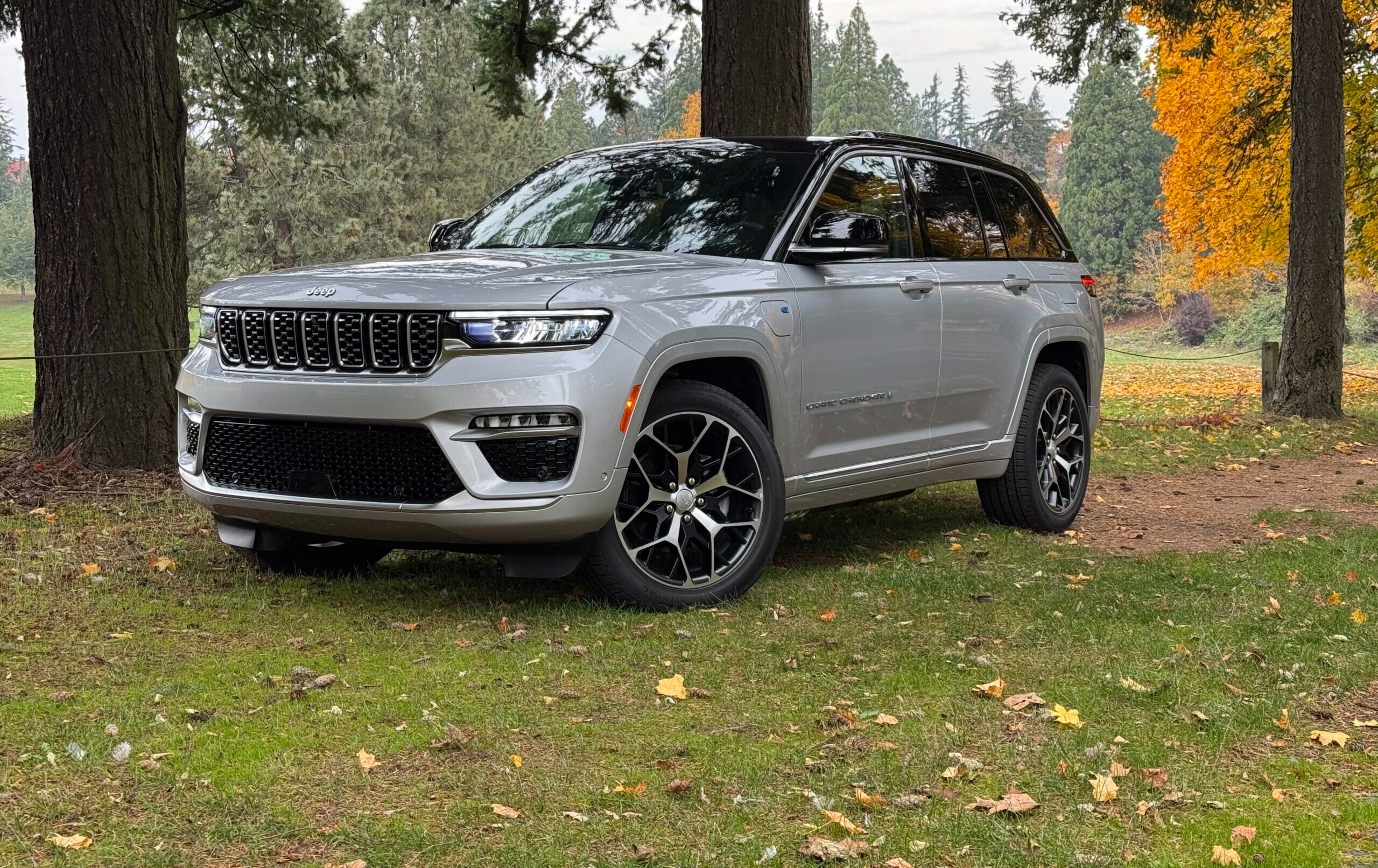
4. Jeep Grand Cherokee
The Jeep Grand Cherokee, a popular SUV in the United States, is loved for its ruggedness and strong off-road ability. Yet when it comes to brakes, many owners have reported dissatisfaction with how frequently replacements are needed. Brake pads on this model often require changing between 20,000 and 30,000 miles, which is relatively low for an SUV in its category.
The weight of the Grand Cherokee is one of the main causes. Being a large and heavy vehicle, its brakes work harder to bring it to a stop. This is even more demanding when the SUV is loaded with passengers or towing heavy cargo. Off-road driving, for which the Grand Cherokee is designed, also places extra strain on the braking system because of constant pressure in rough ground.
Another reason for faster wear is that Jeep’s braking system, while reliable, does not always use the longest-lasting materials. Many mechanics mention that the factory-fitted pads and rotors are not designed for maximum longevity but rather for strong stopping power under heavy conditions. This balance makes sense for safety but results in shorter service intervals.
Owners also complain about brake noise and vibration, which are signs of quicker rotor wear. Replacements can become frequent and expensive after some time, making it a common maintenance burden. For people who love the versatility of the Grand Cherokee, the trade-off may be worth it, but anyone seeking fewer brake services may want to consider other SUVs.
Also Read: 5 Cars with Practical Storage vs 5 That Fall Short
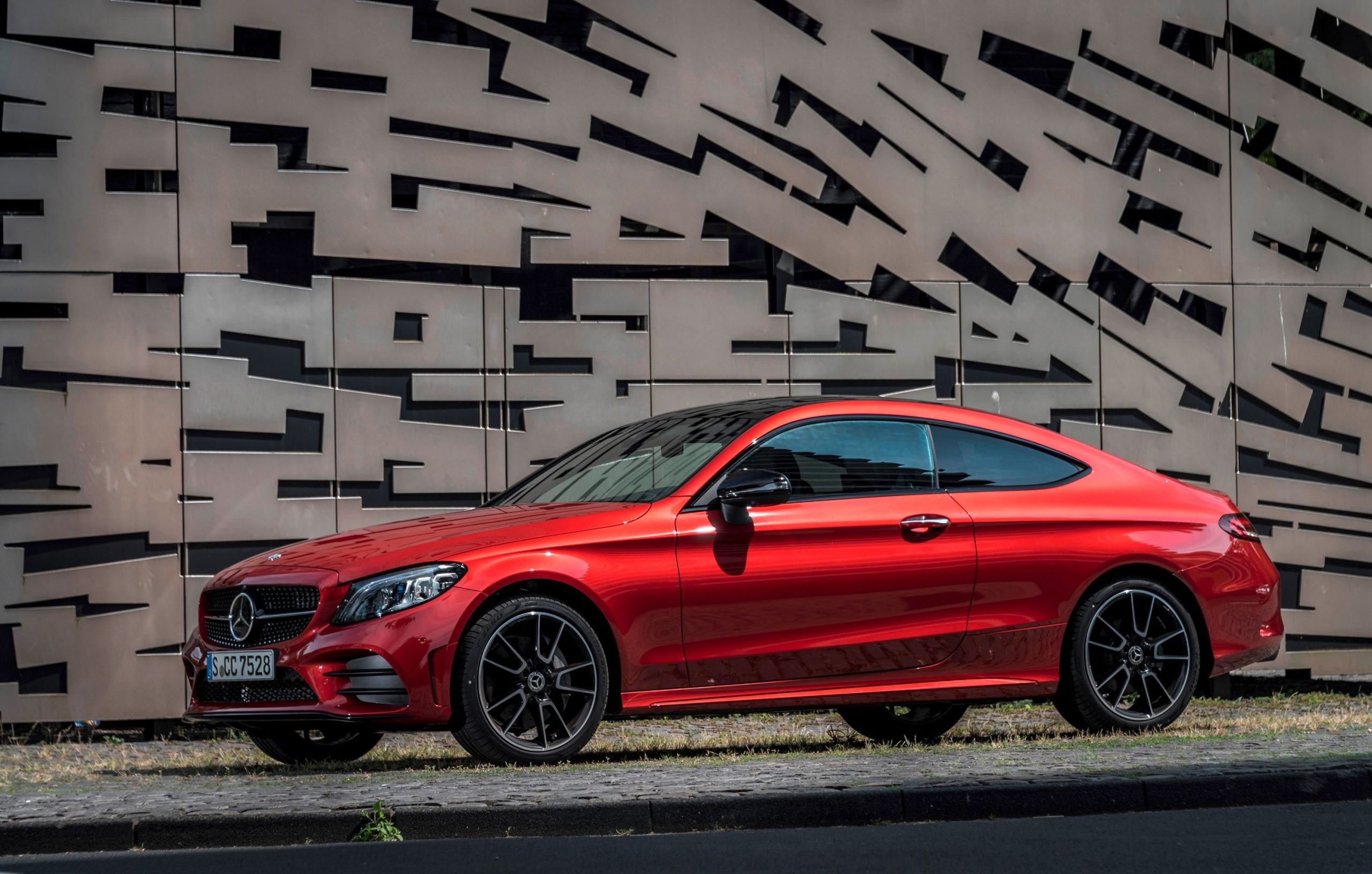
5. Mercedes-Benz C Class
The Mercedes-Benz C-Class is another luxury sedan that often requires brake service earlier than expected. Reports from many owners indicate that brake pads sometimes last only 20,000 to 30,000 miles before replacement is needed. For a car of its luxury reputation, this can be a surprise to many first-time buyers.
The explanation lies in the way Mercedes engineers design the C Class for strong performance and comfort. The braking system is built to deliver sharp and smooth stops, which requires softer brake pads. These softer pads give the car a premium driving feel but wear down quickly. Combined with the vehicle’s weight and powerful engines, the brakes simply do not last as long as those on more practical sedans.
Another factor is the driving style the C Class inspires. Many owners enjoy the sporty handling and use the car in ways that demand more from the brakes. Stop-and-go traffic in urban areas adds to the wear, making replacements more frequent.
The cost of service is another concern. Genuine Mercedes parts are costly, and brake work often comes with high labour fees. While aftermarket options exist, most mechanics advise using original parts to maintain the car’s performance and safety. This means owners of the C Class spend more both in frequency and in cost when it comes to brakes.
Even with these issues, the C Class remains a top choice for people who want luxury style and driving pleasure. But from the maintenance angle, brake replacements are something owners should expect more often compared to non-luxury sedans.
When looking at brake longevity, it becomes clear that not all vehicles are equal. Cars such as the Toyota Camry, Honda Accord, Toyota Corolla, Lexus ES, and Hyundai Elantra have proven that with balanced design, lighter weight, and quality components, brake replacements can be much less frequent. These cars are friendly for owners who want reliable performance without constant visits to the mechanic.
On the other side, performance-oriented and luxury models such as the BMW 3 Series, Audi A4, Tesla Model S, Jeep Grand Cherokee, and Mercedes-Benz C-Class show how design priorities can affect maintenance. Their focus on power, luxury feel, weight, or off-road ability leads to faster brake wear, leaving owners with more frequent and costly replacements.
For anyone planning to buy a car, it is worth considering how often the brakes may need attention. While style, power, and comfort are important, maintenance costs also play a big role in long-term satisfaction. Choosing a car with durable brakes can save thousands of dollars across years of use. At the same time, those who prefer high performance or luxury may accept the trade-off of more frequent brake service.
The difference between these two groups of cars shows how engineering choices and driving habits combine to shape ownership experience. For buyers, having this knowledge makes it easier to balance desire with practicality, ensuring that the car you choose matches not only your driving taste but also your maintenance expectations.
